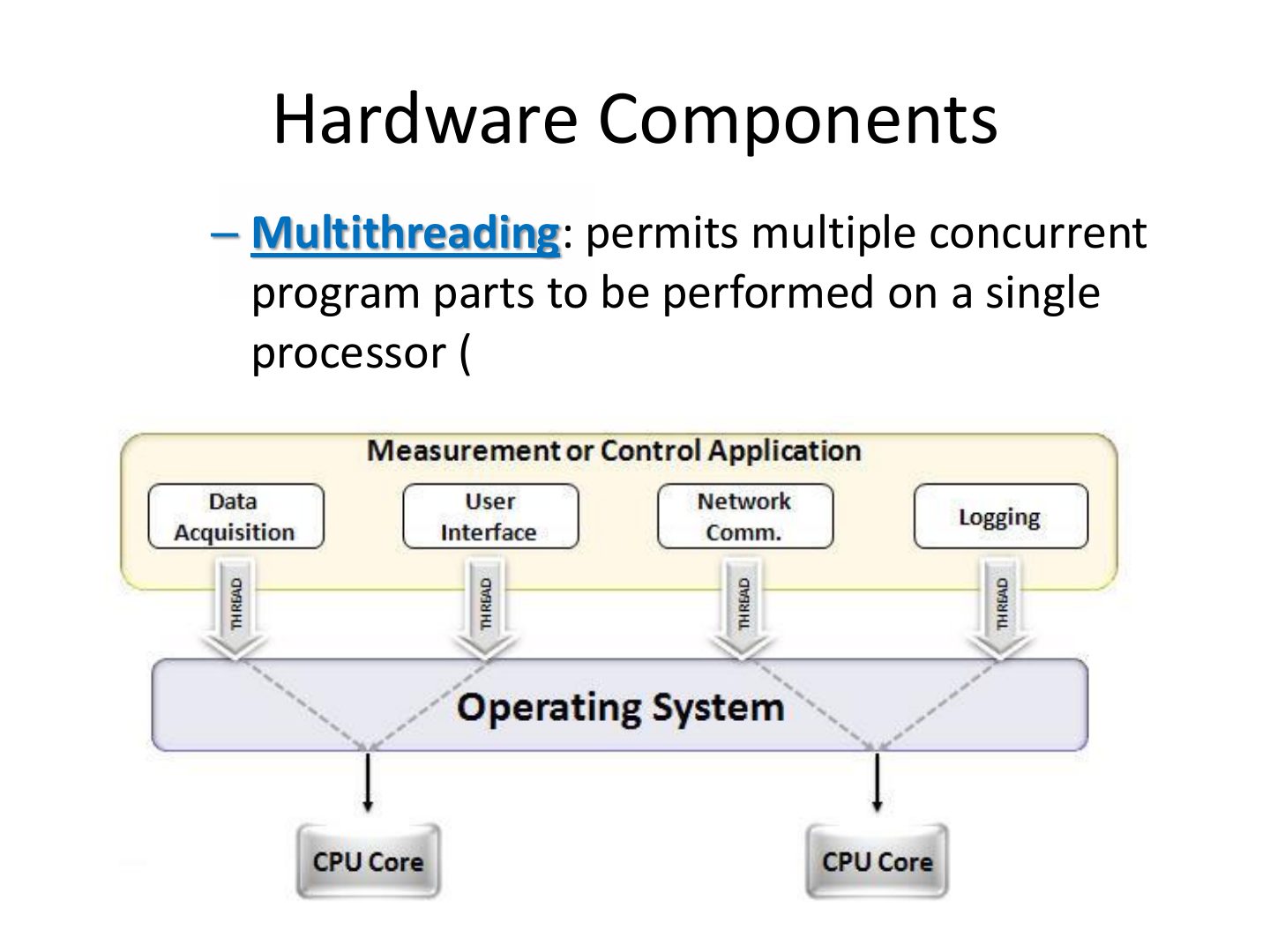
Running multiple concurrent parts of one program on a single processor is:
Security Vulnerabilities, Threats and Countermeasures
Vulnerabilities layer by layer: hardware (processors, protection rings, operating and process states), memory protection (MMU, paging, ASLR), storage, I/O, firmware, client and server systems, databases, the cloud (shared responsibility), IoT, web, mobile (BYOD) and OS protection mechanisms. Major 181 and Final 221 B asked about rings, states and emanations.
How to read this page
Every original slide is shown unchanged. Yellow marks on a slide point to a numbered note: hover or tap a mark to jump to its note, and hover a note to see its marks. Questions tagged Past exam appeared on a real paper; Prediction questions are likely angles, not confirmed. Pick an answer to each question: a wrong pick tells you why it is wrong, so you can try again.
All 50 slides
- 1 Security Vulnerabilities, Threats, and Countermeasures
- 2 Assess and Mitigate Security Vulnerabilities
- 3 Hardware Components
- 4 Hardware Components
- 5 Protection Mechanisms
- 6 1. HW level: Protection rings
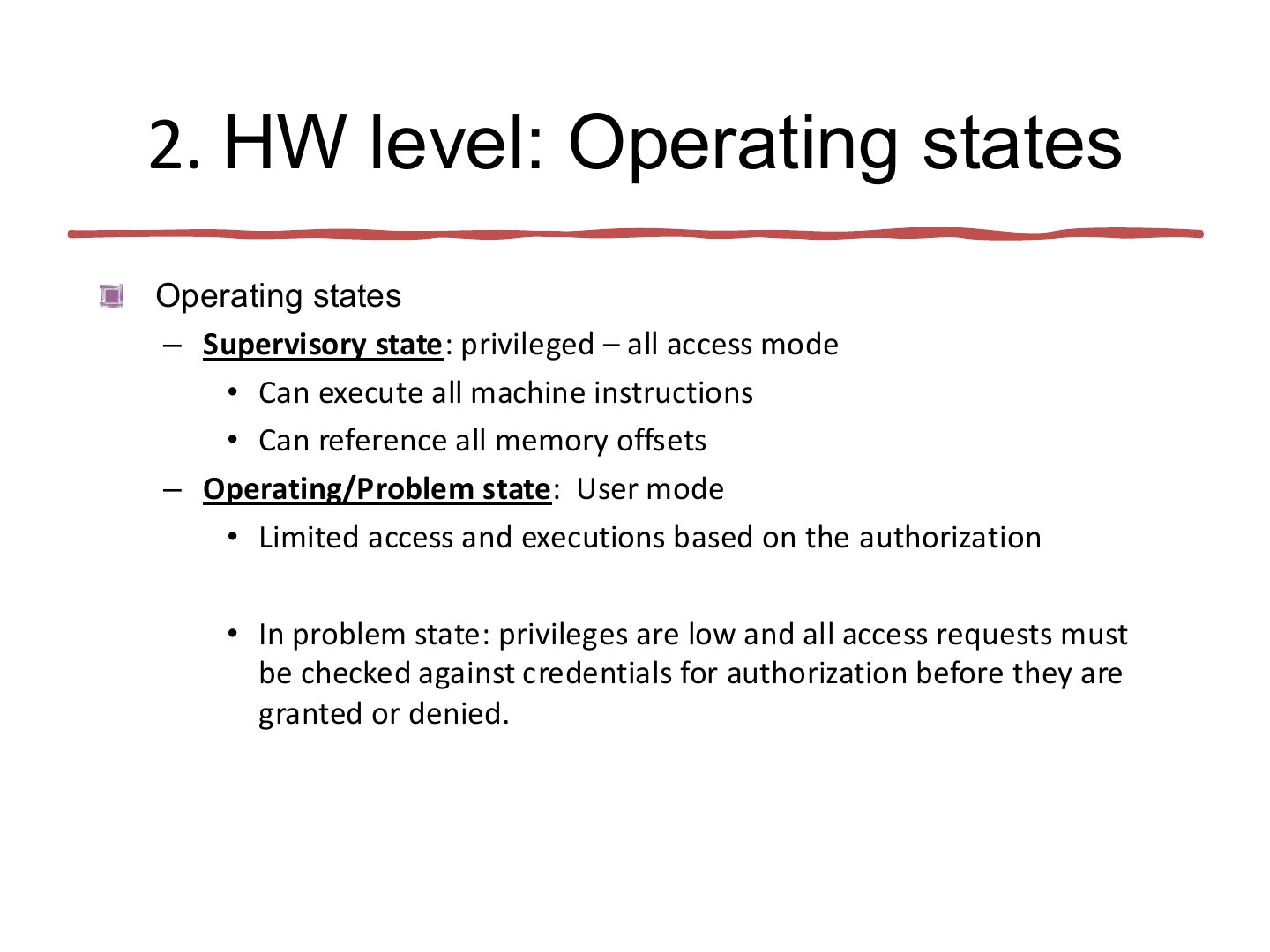
- 7 2. HW level: Operating states
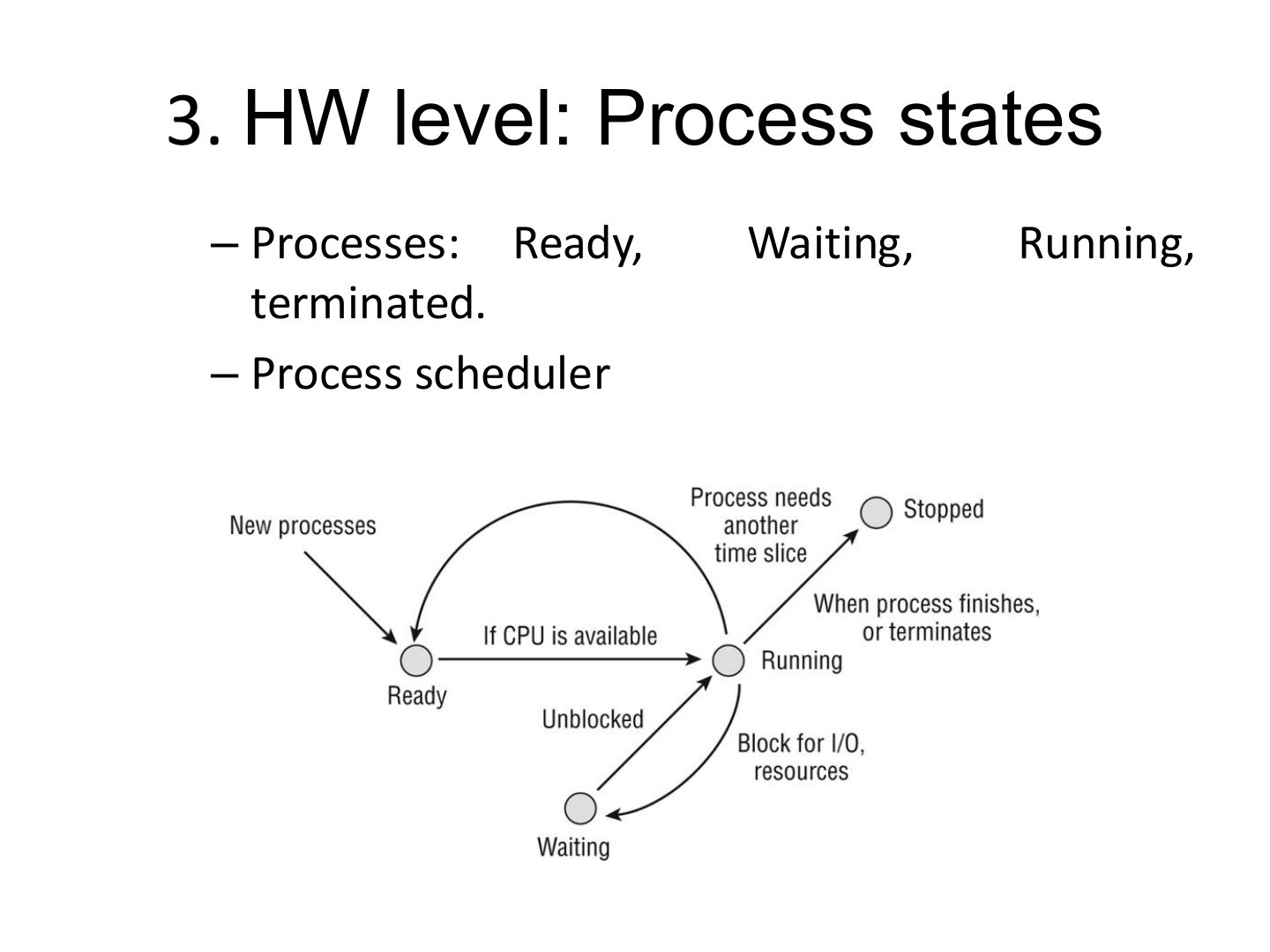
- 8 3. HW level: Process states
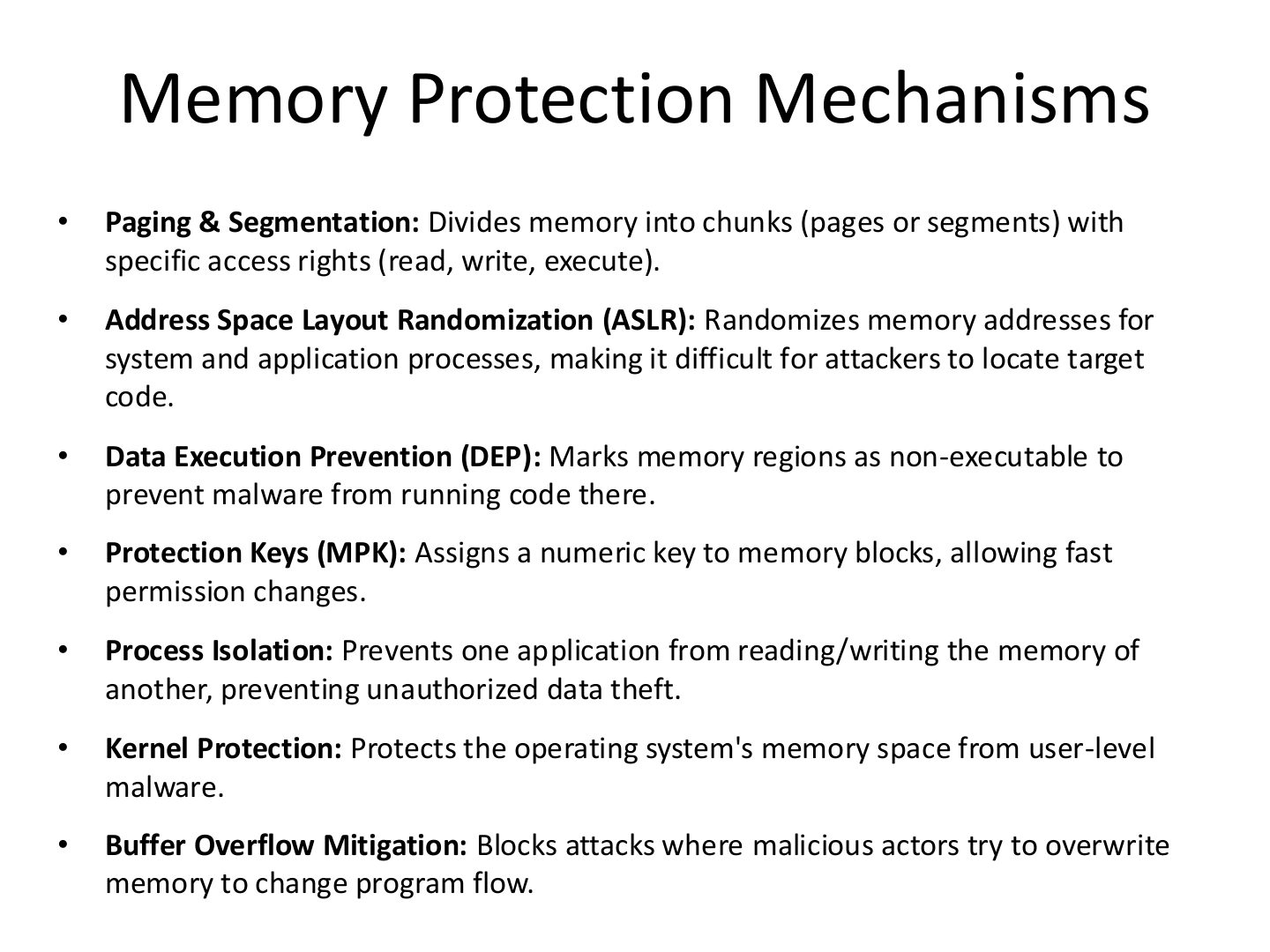
- 9 Memory Protection Mechanisms
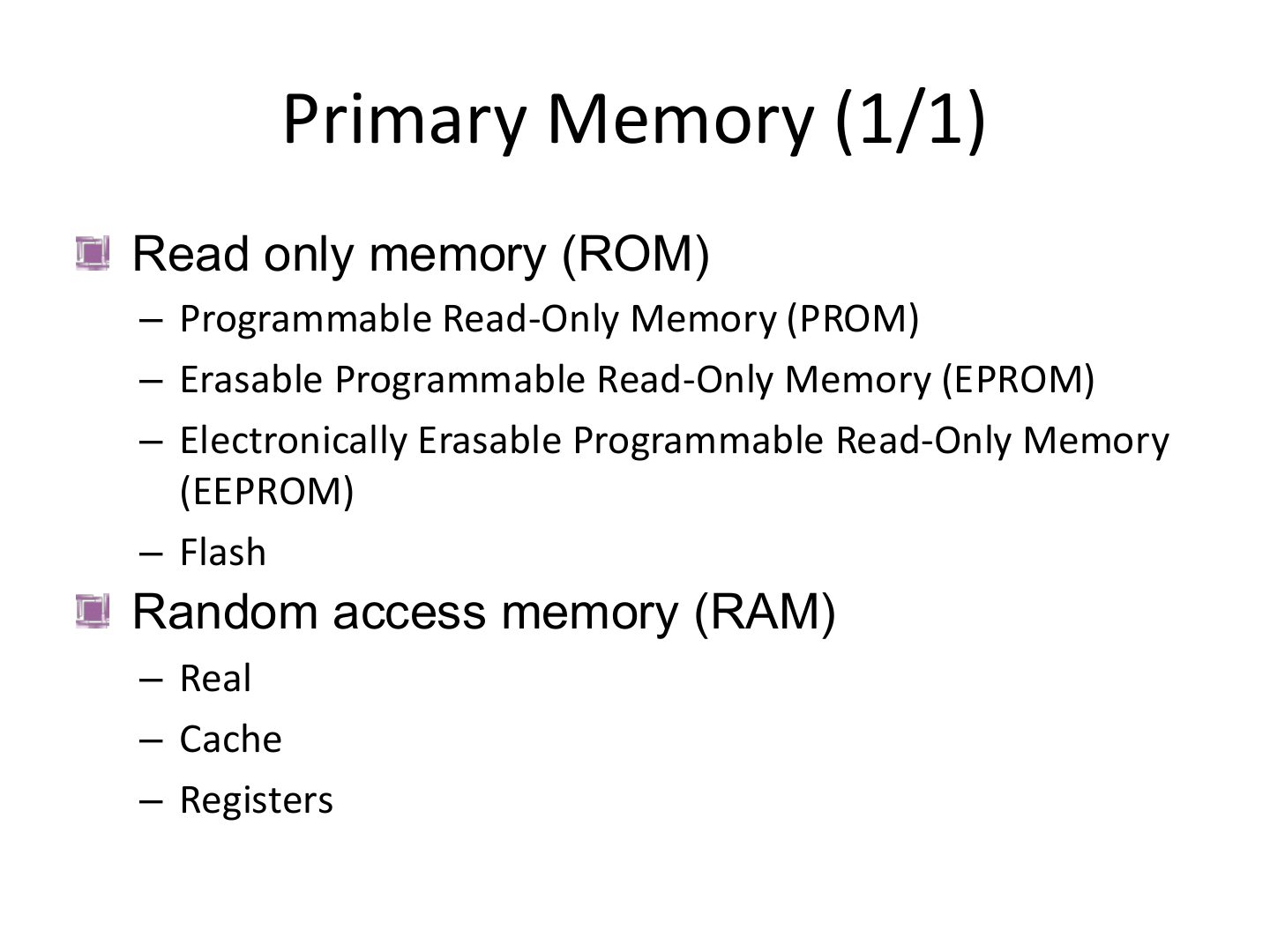
- 10 Primary Memory (1/1)
- 11 Memory Protection Mechanisms
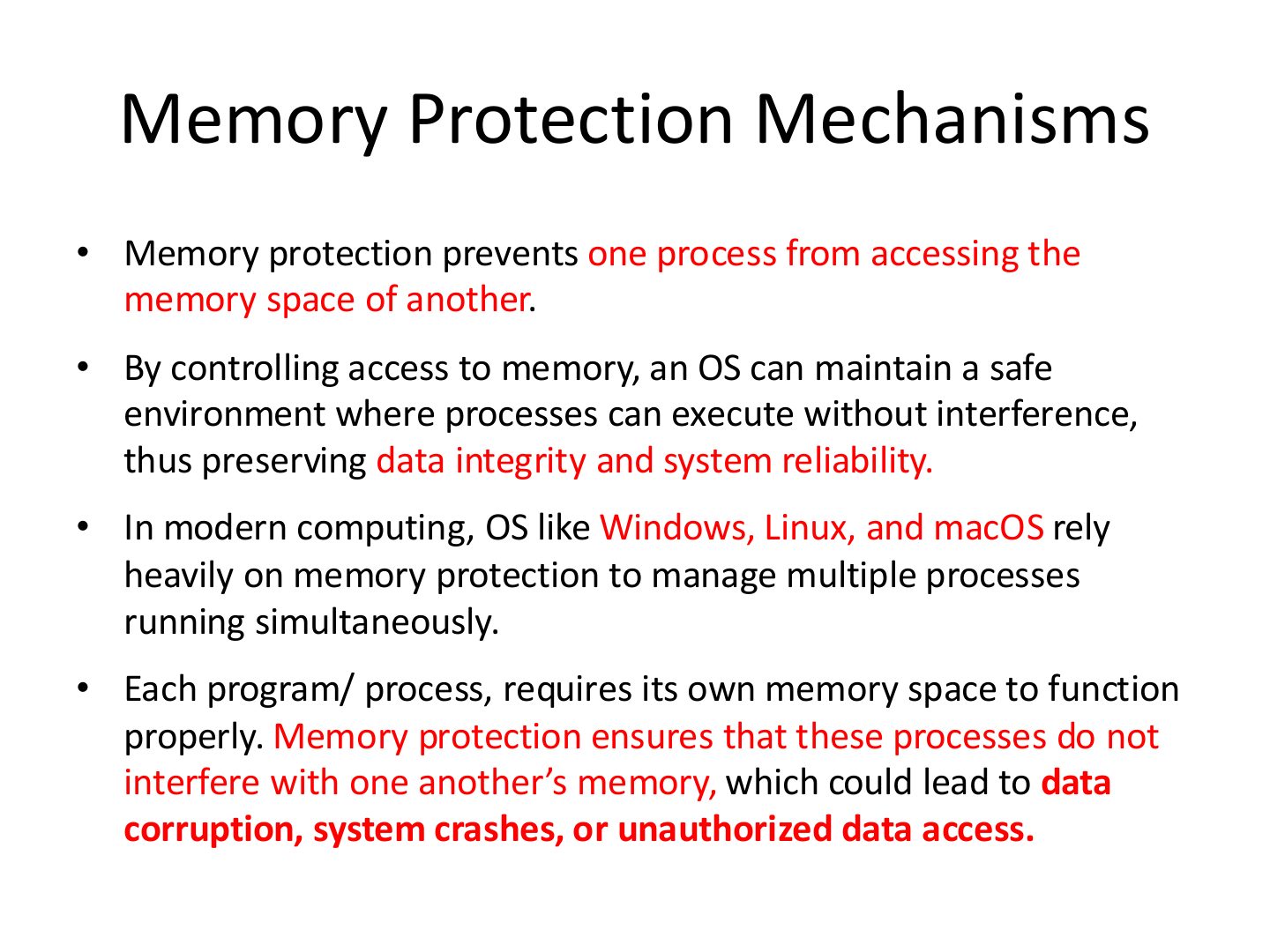
- 12 Memory Protection Mechanisms
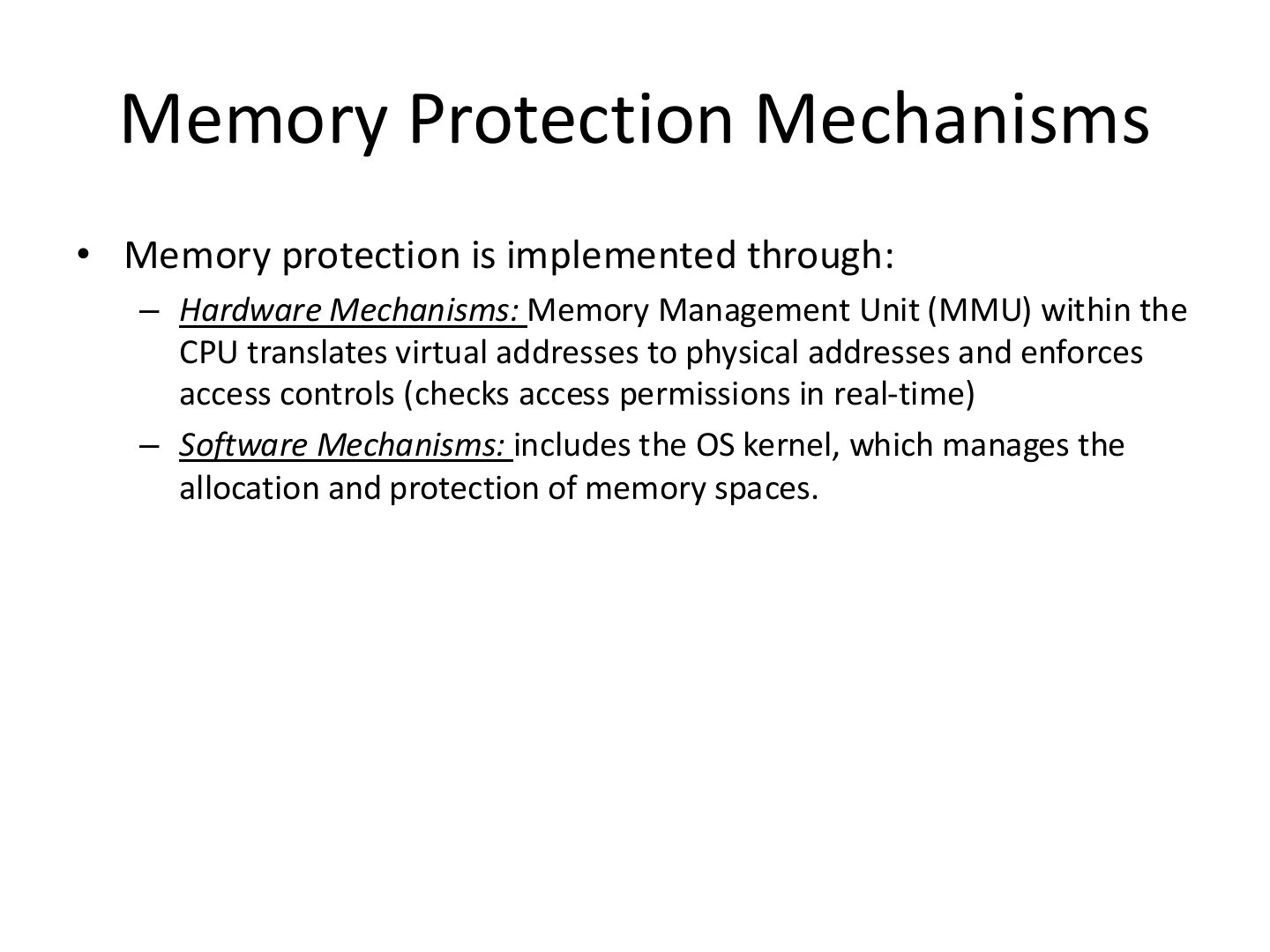
- 13 Memory Protection Mechanisms
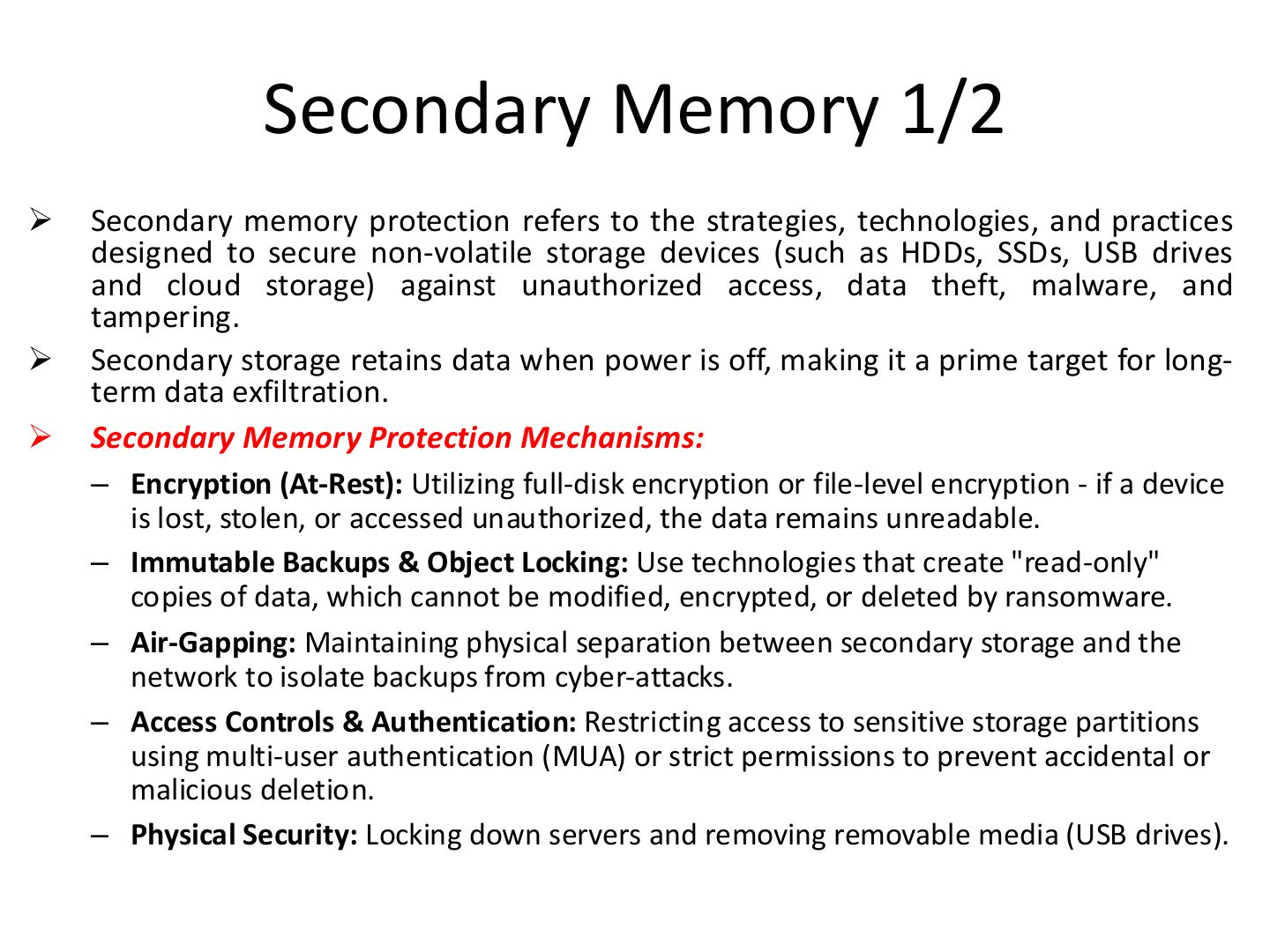
- 14 Secondary Memory 1/2
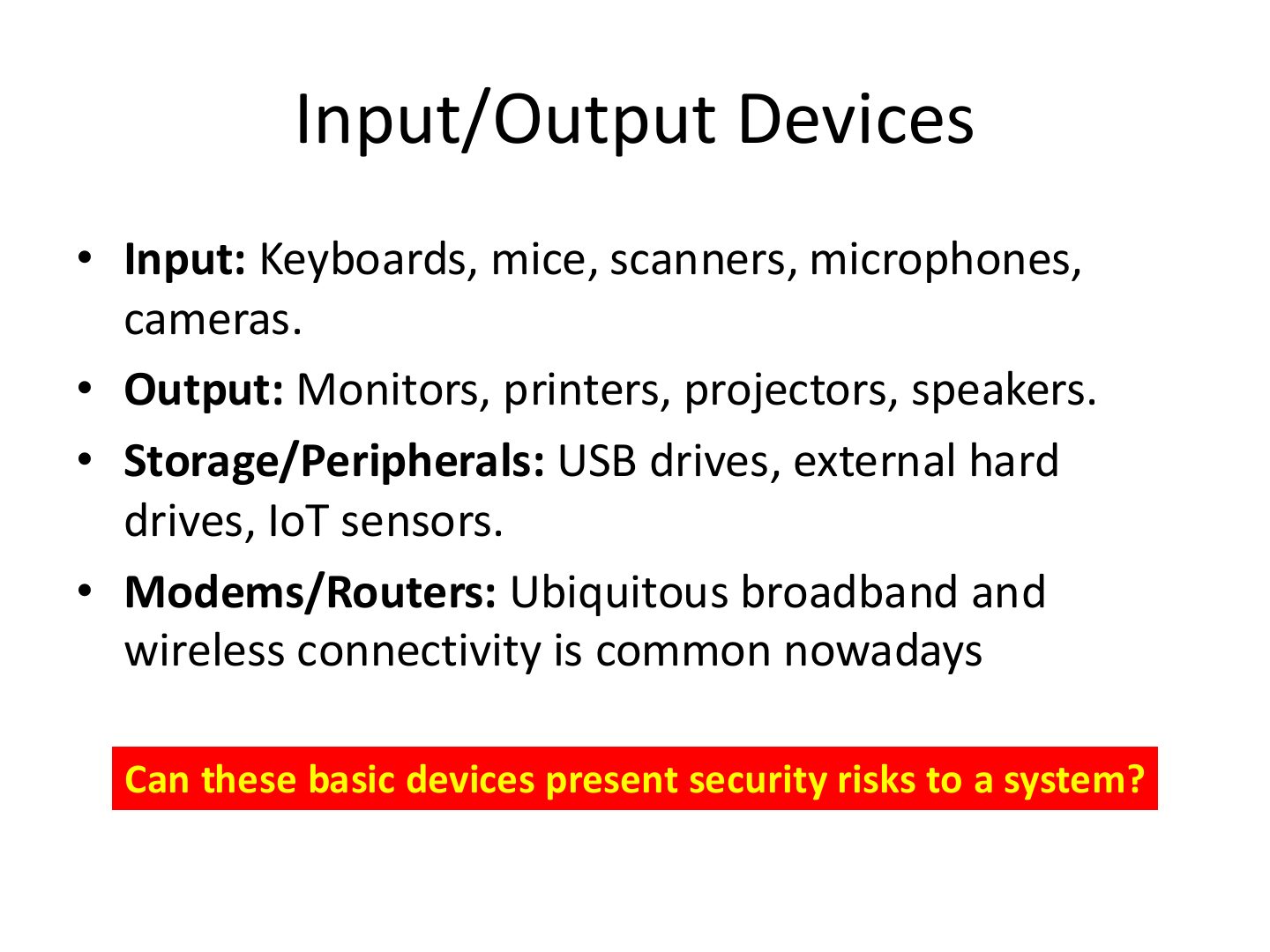
- 15 Input/Output Devices
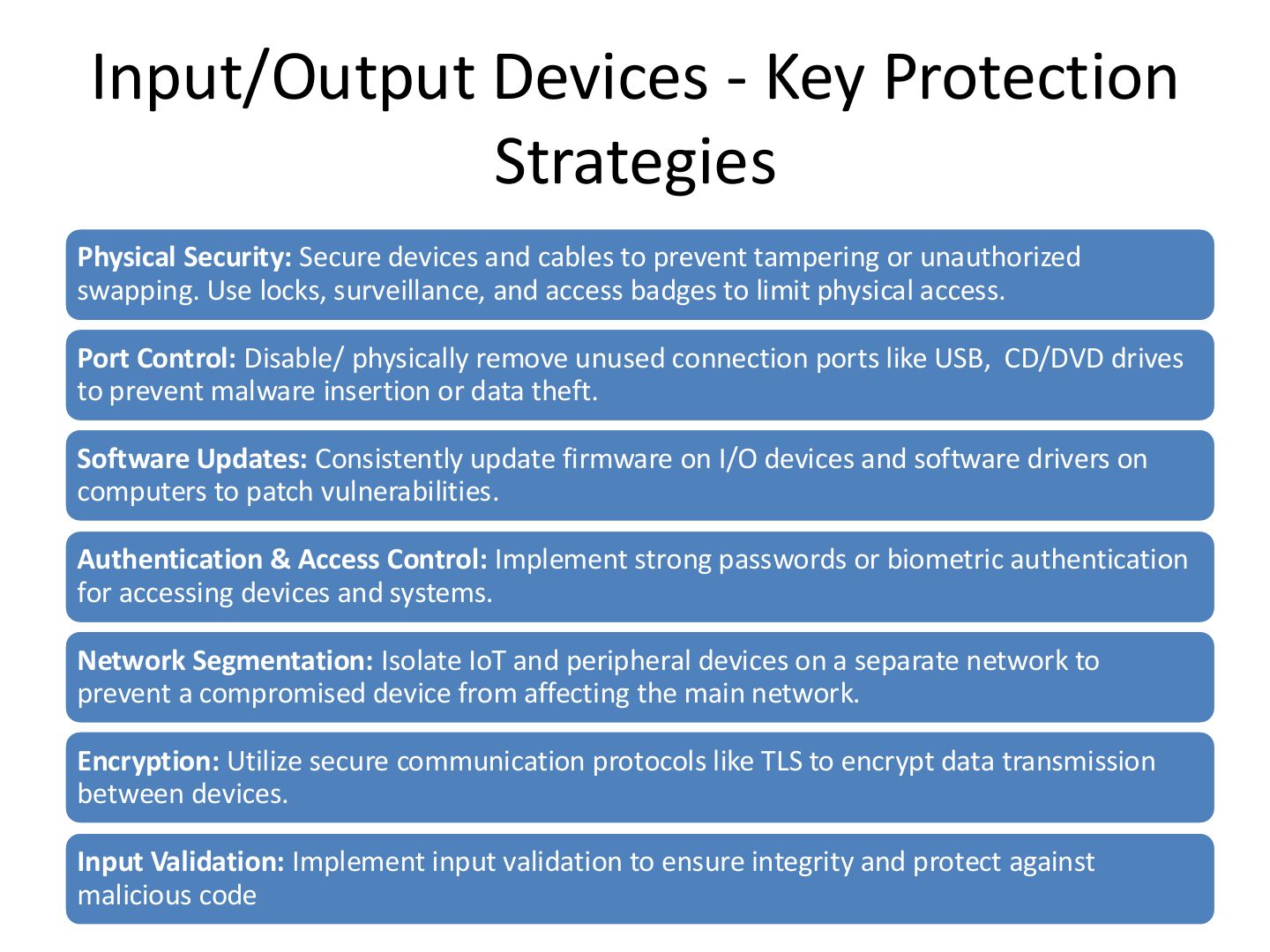
- 16 Input/Output Devices - Key Protection Strategies
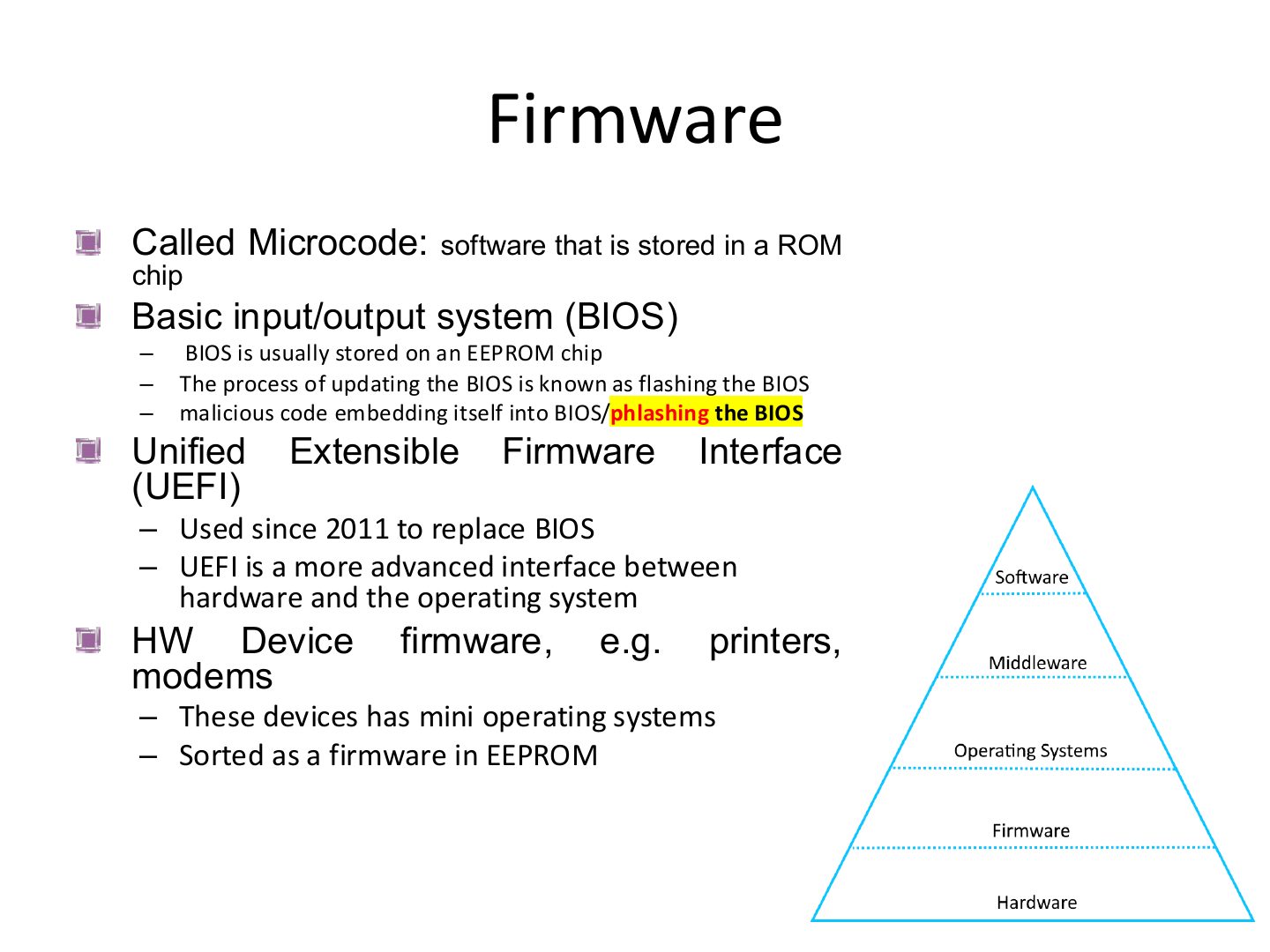
- 17 Firmware
- 18 Protecting Client and Server Based Systems
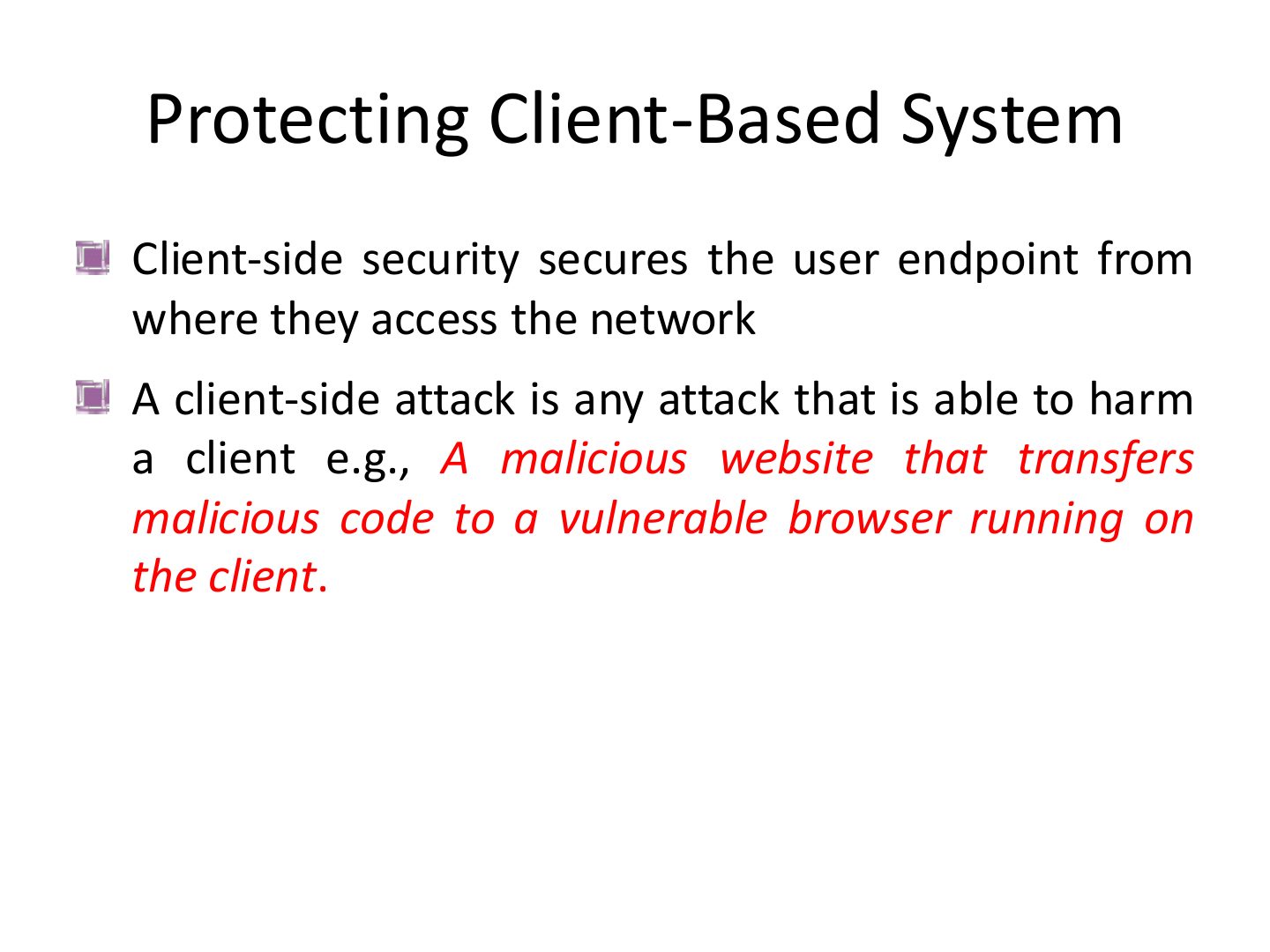
- 19 Protecting Client-Based System
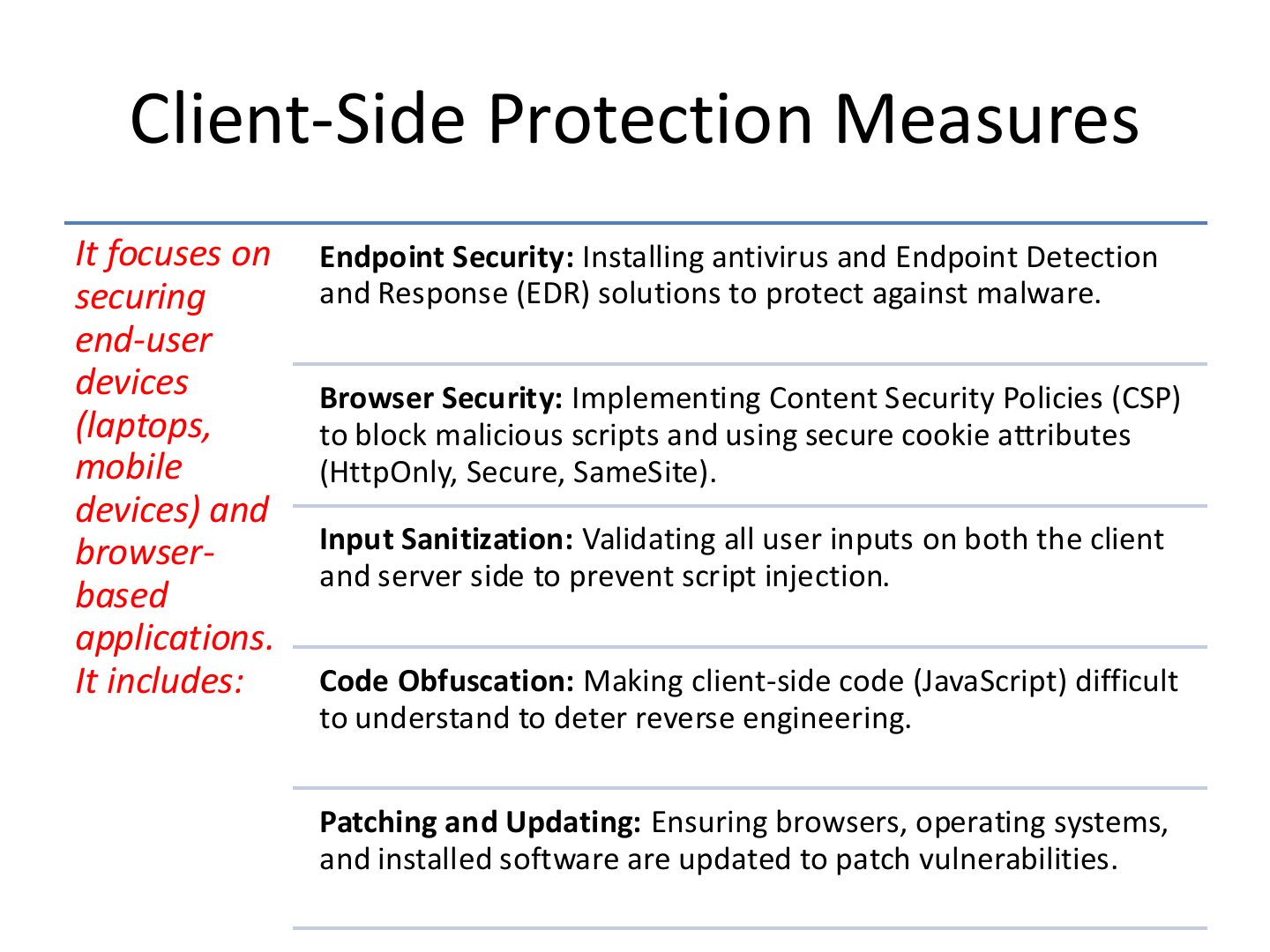
- 20 Client-Side Protection Measures
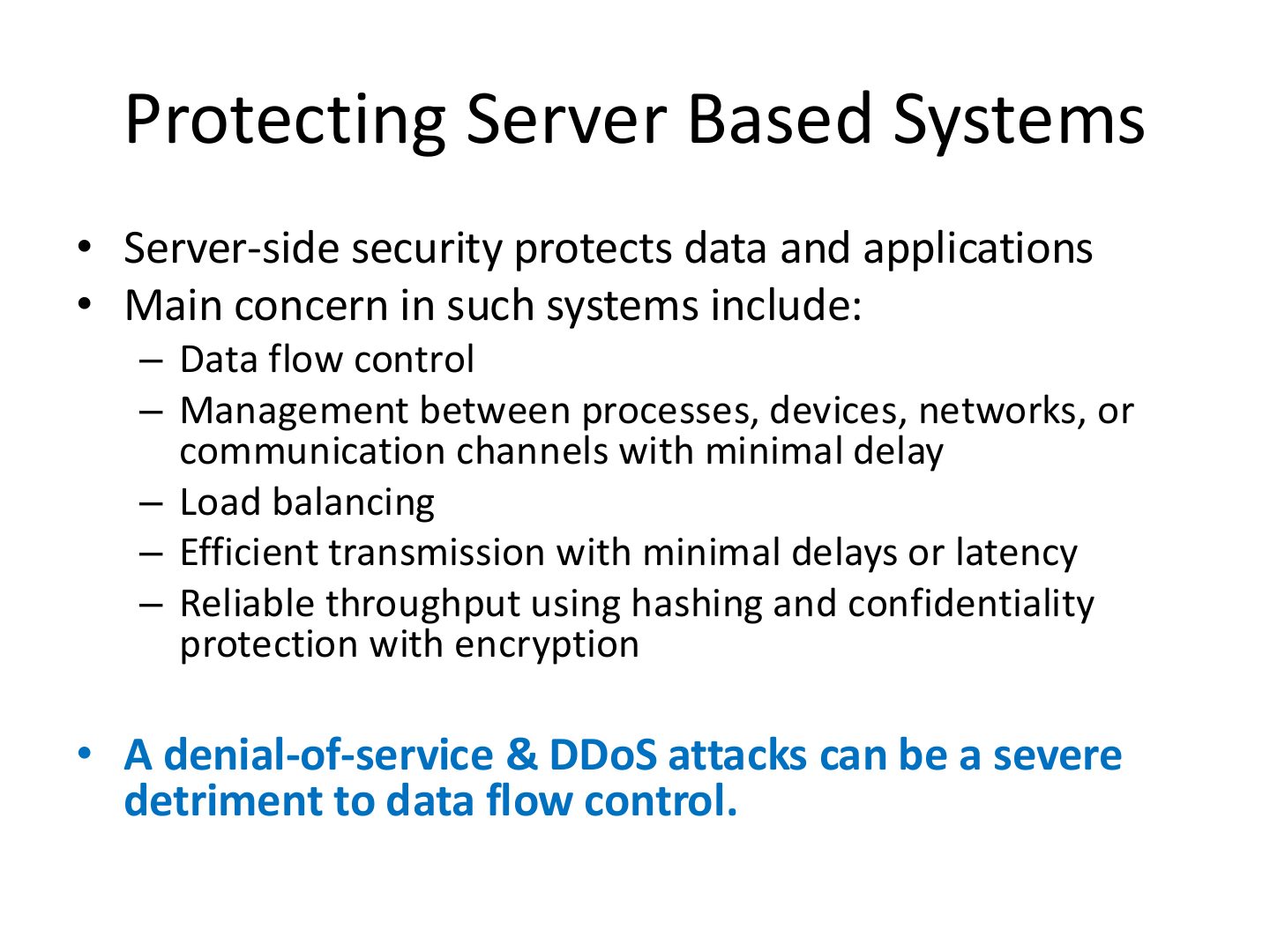
- 21 Protecting Server Based Systems
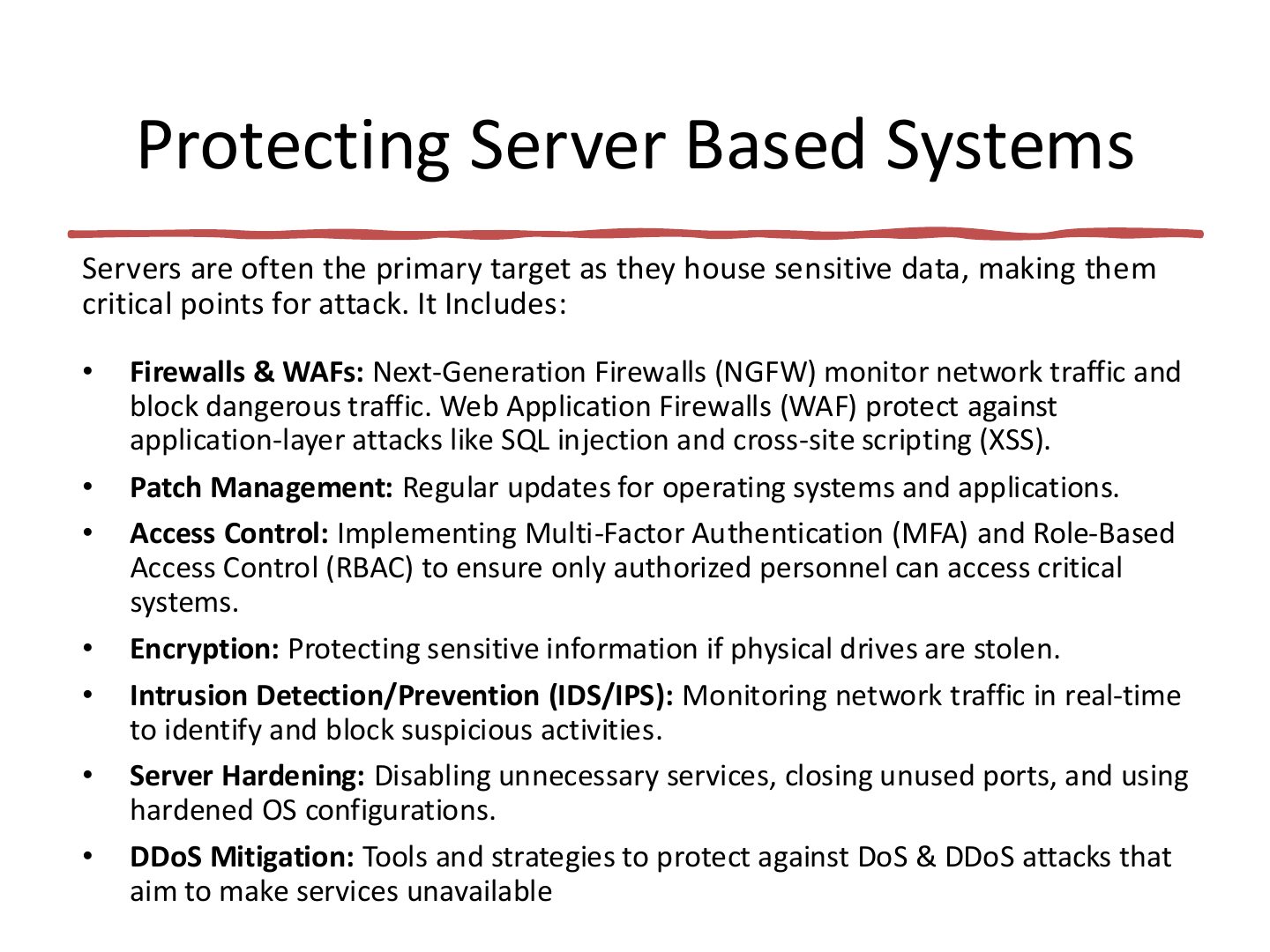
- 22 Protecting Server Based Systems
- 23 Database Systems Security
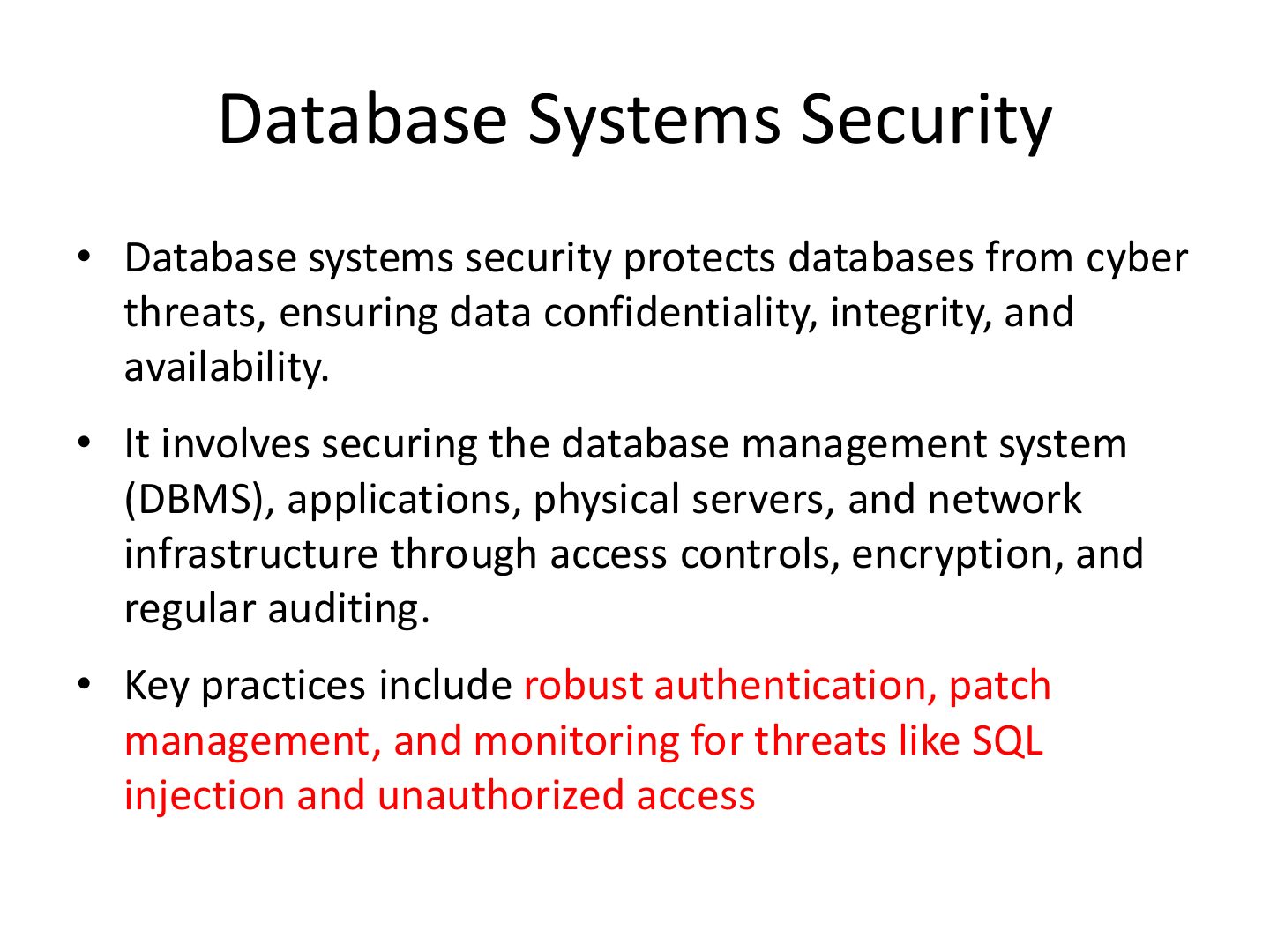
- 24 Database Systems Security
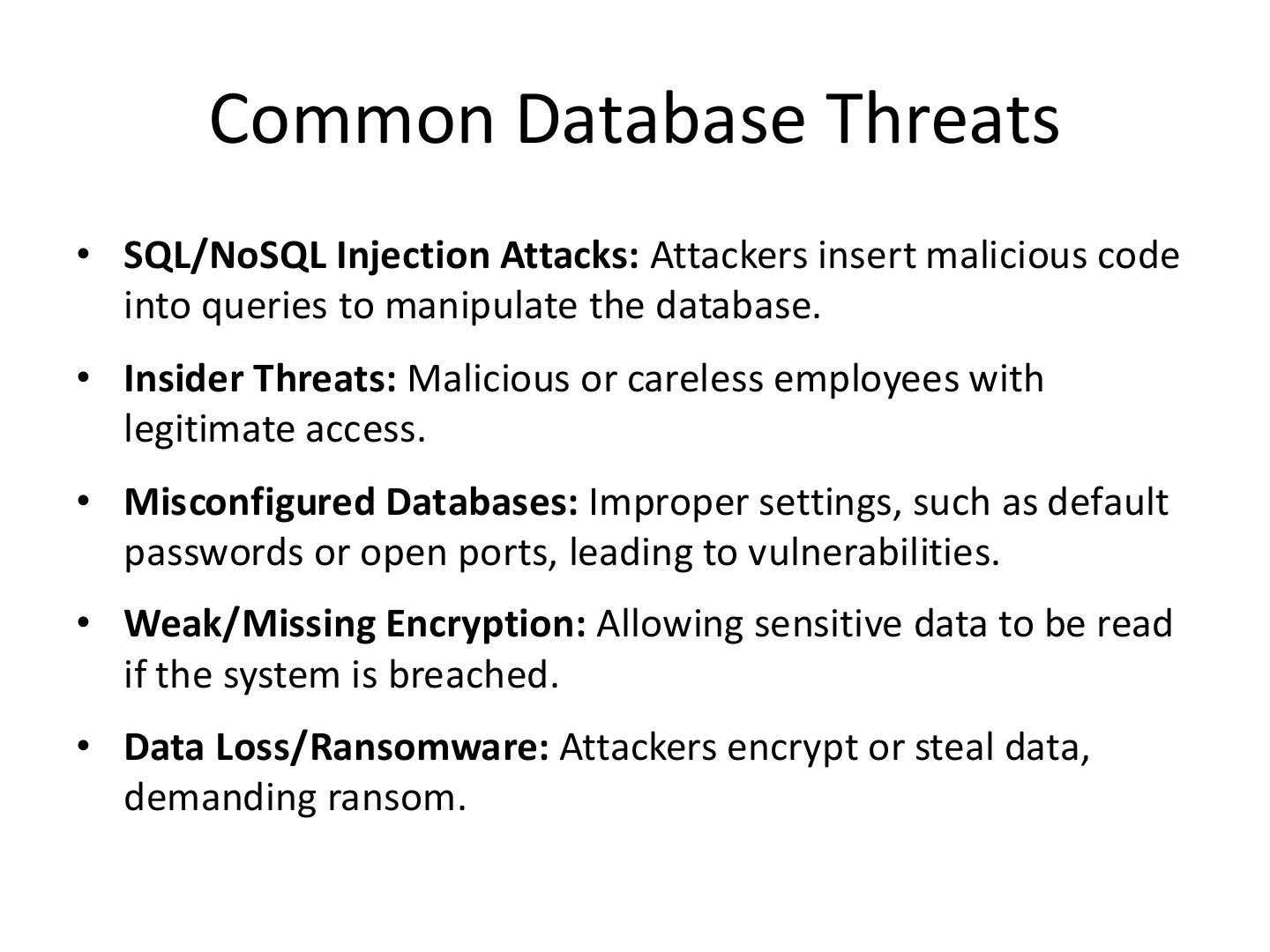
- 25 Common Database Threats
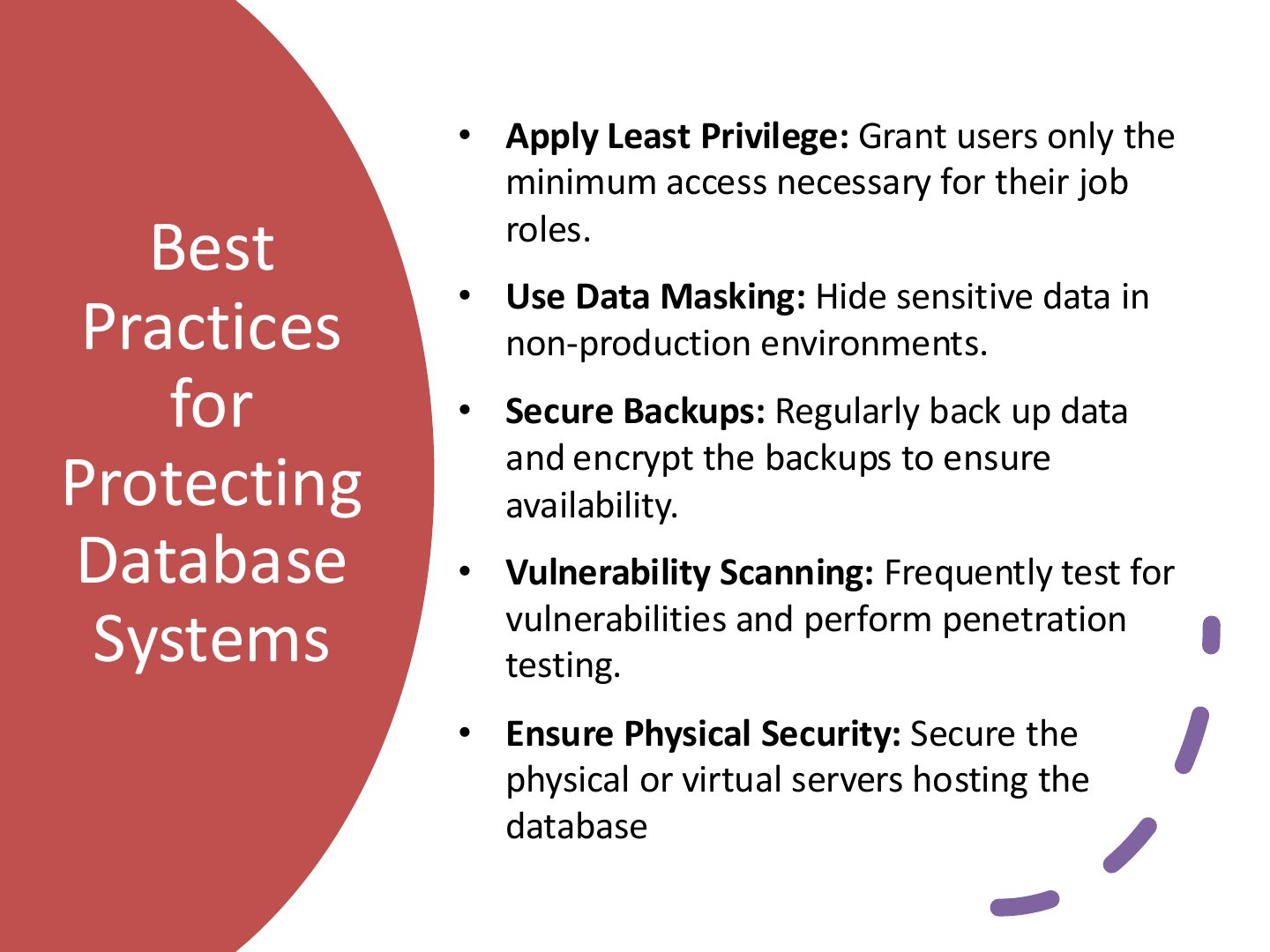
- 26 • Apply Least Privilege: Grant users only the minimum access necessary for their job
- 27 Cloud Computing
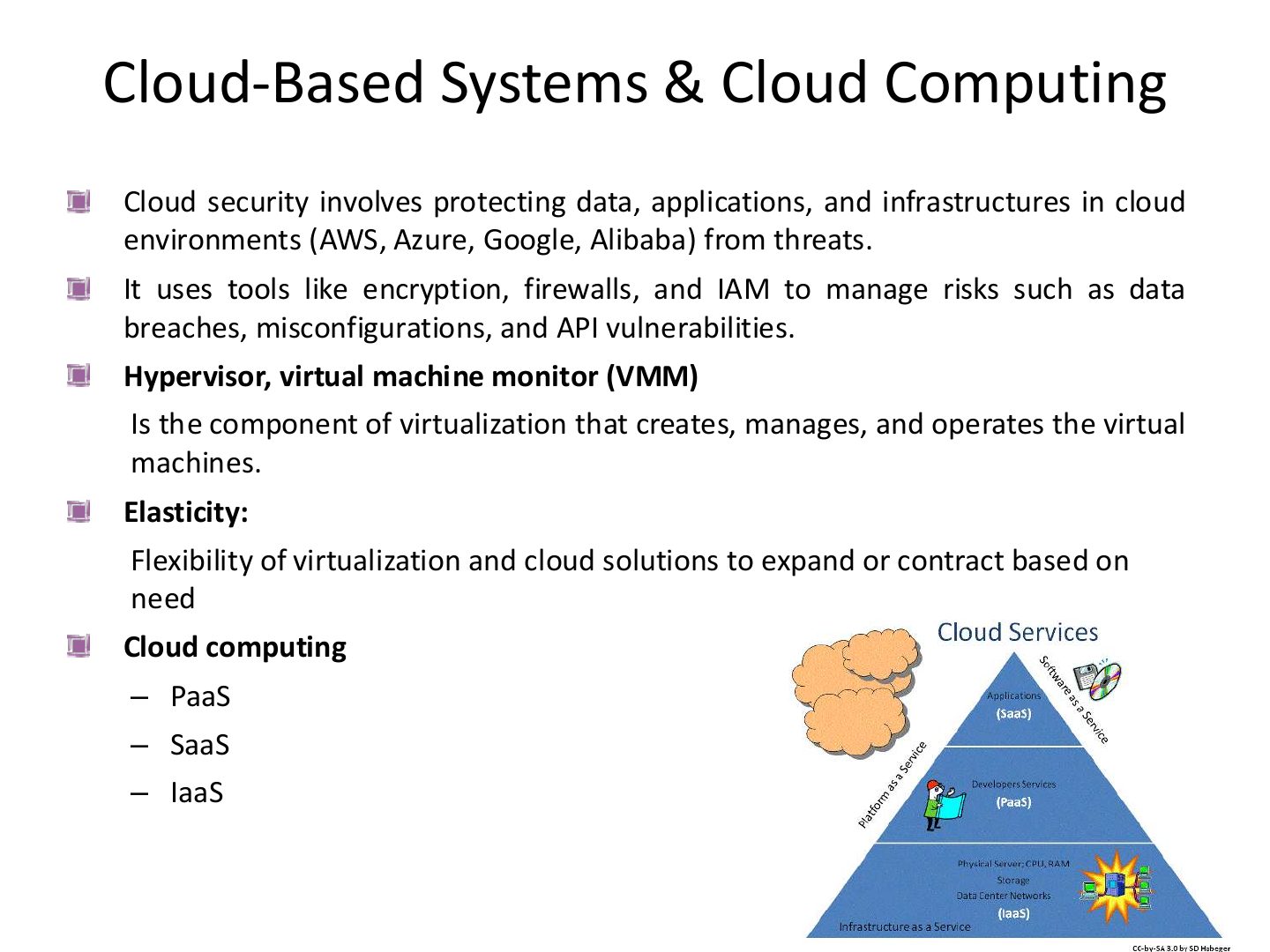
- 28 Cloud-Based Systems & Cloud Computing
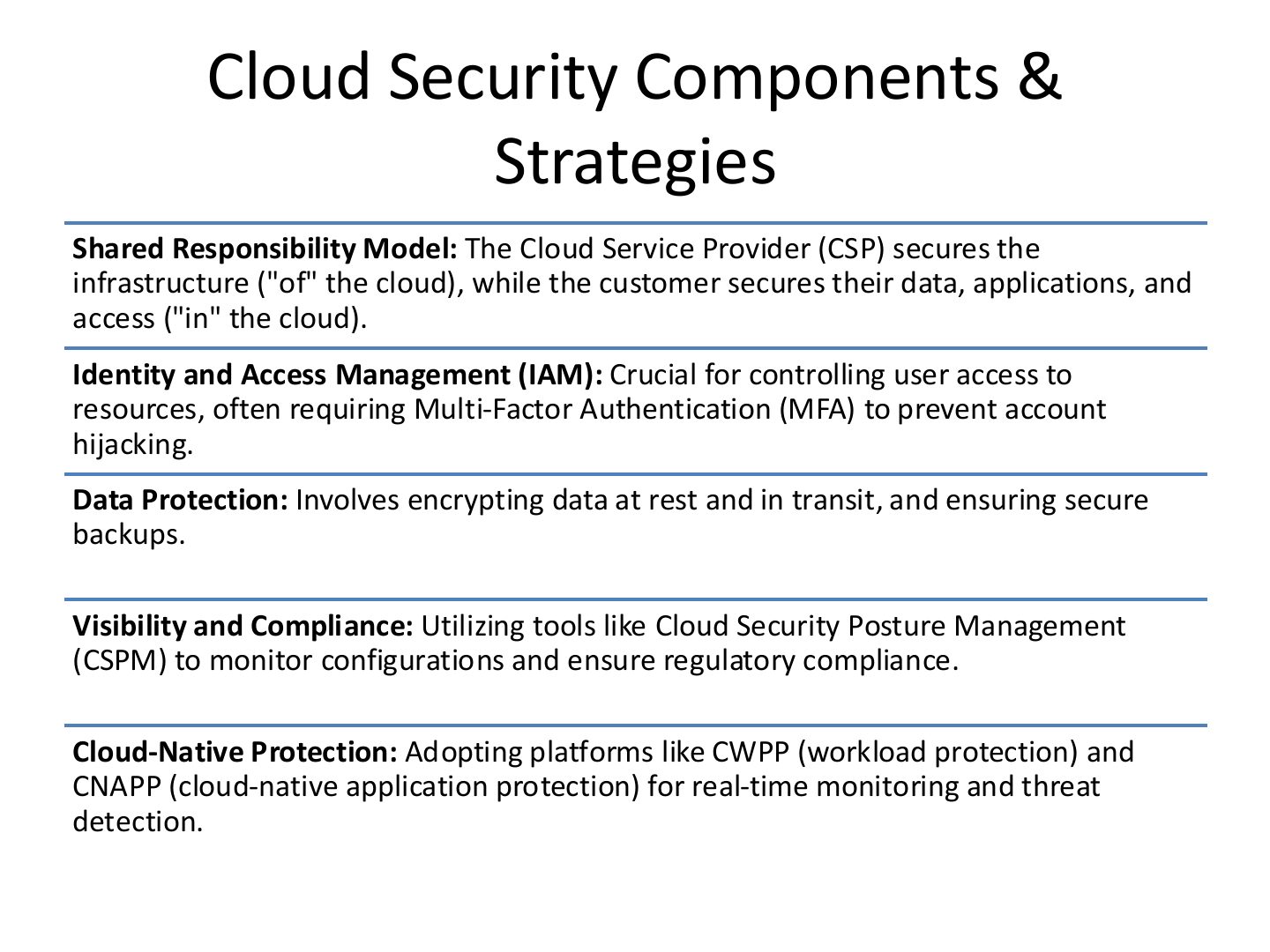
- 29 Cloud Security Components & Strategies
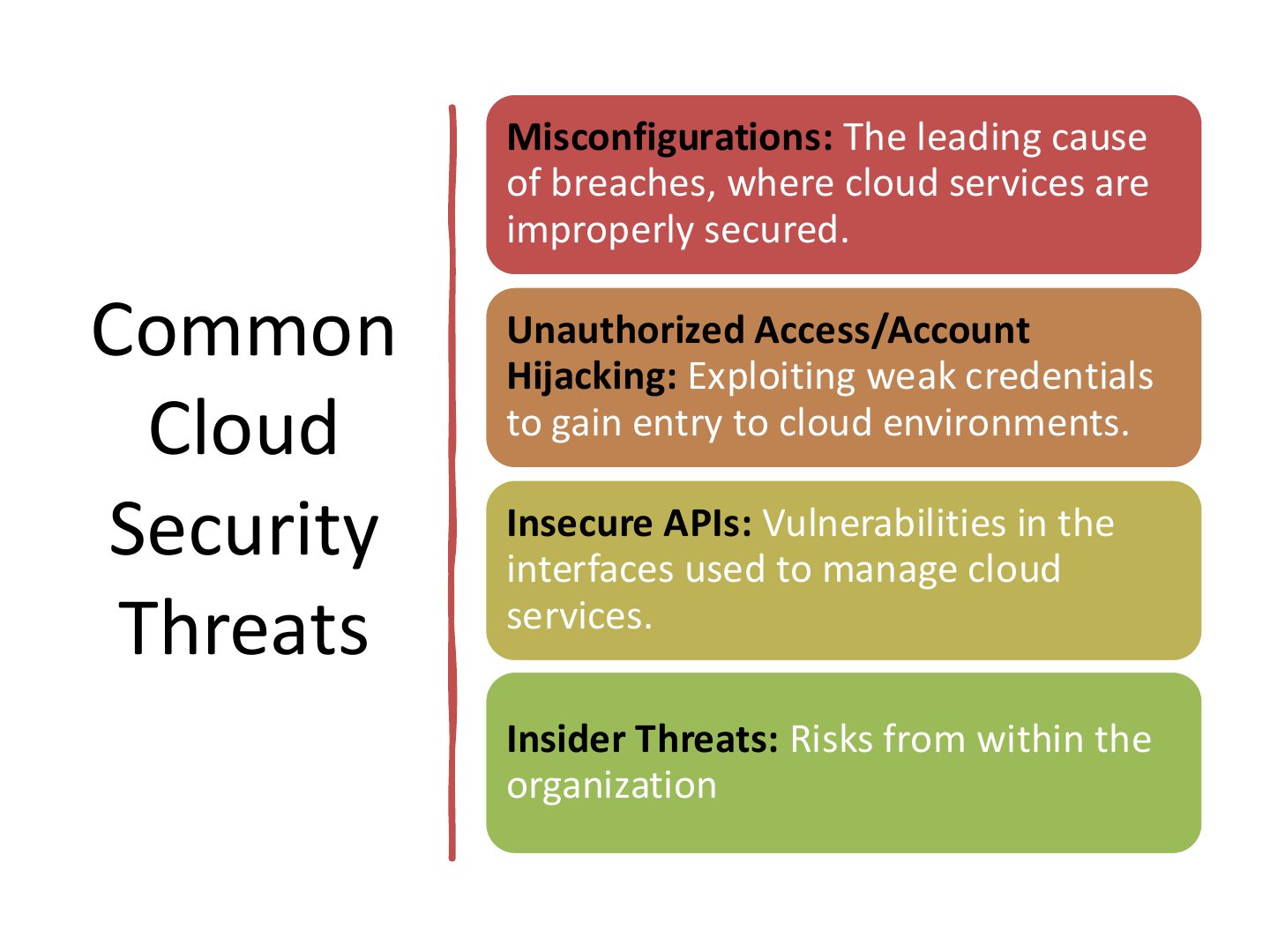
- 30 Misconfigurations: The leading cause of breaches, where cloud services are improperly secured.
- 31 Internet of Things (IoT)
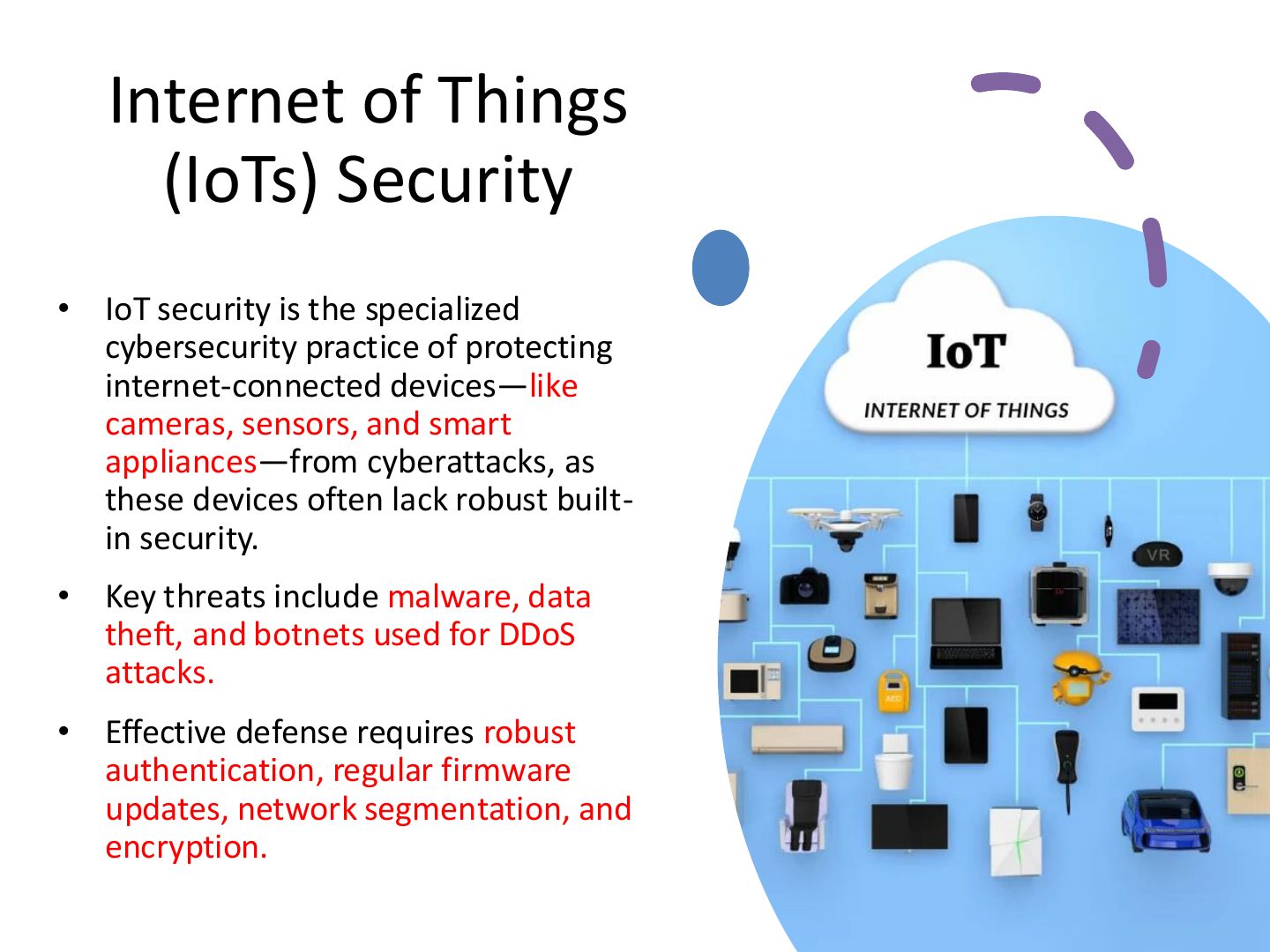
- 32 Internet of Things (IoTs) Security
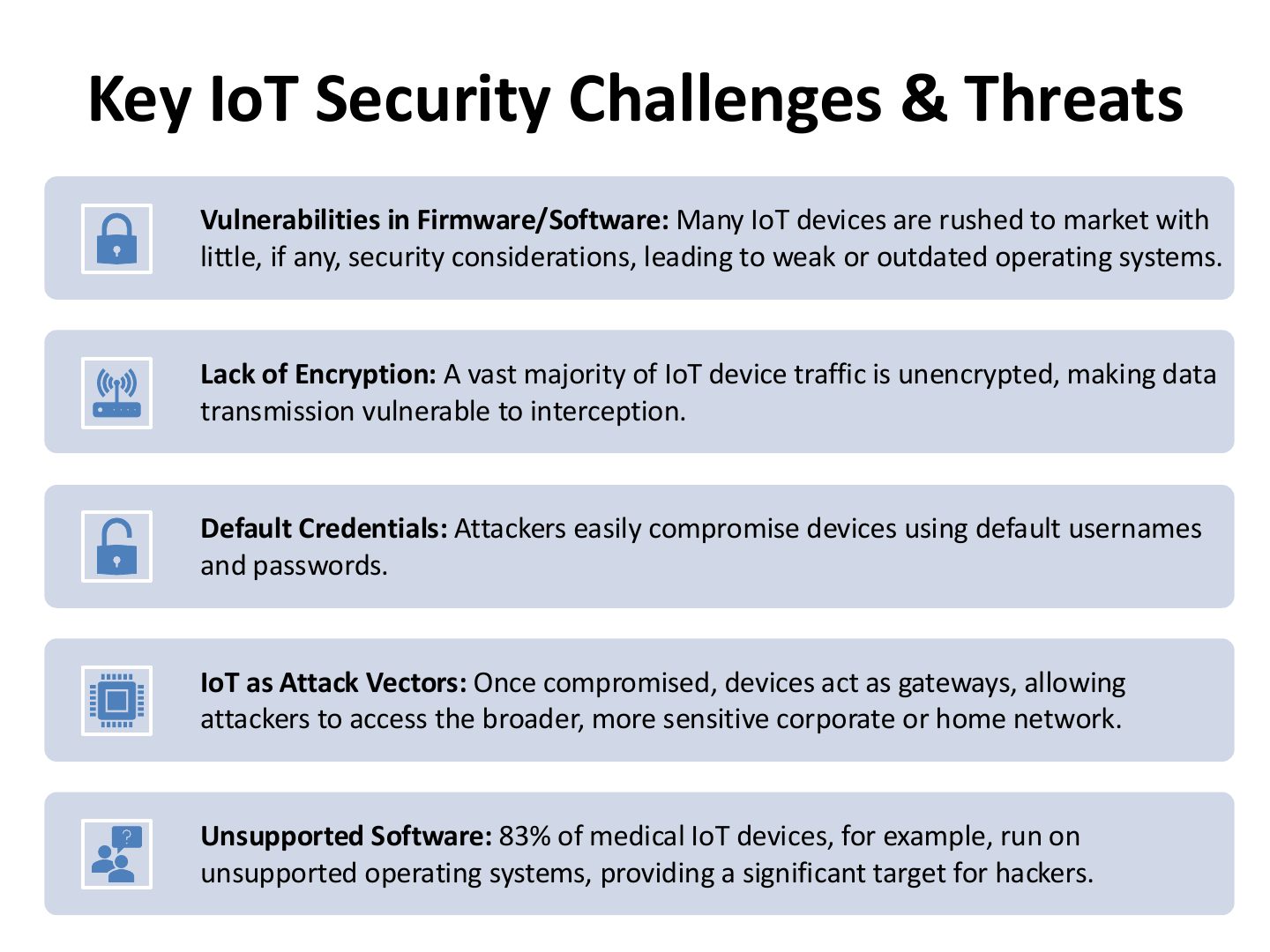
- 33 Key IoT Security Challenges & Threats
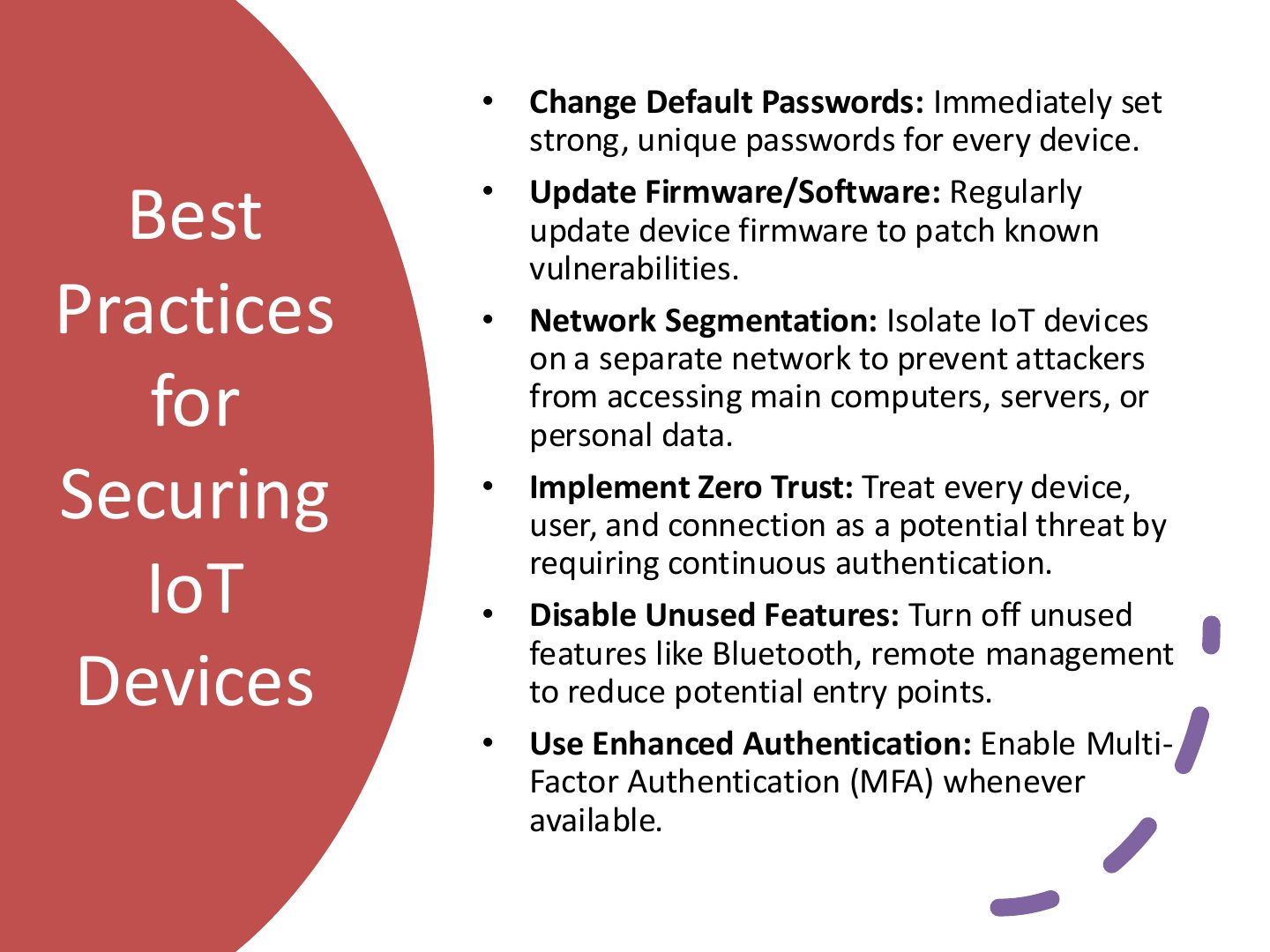
- 34 • Change Default Passwords: Immediately set strong, unique passwords for every device.
- 35 Web-Based Security
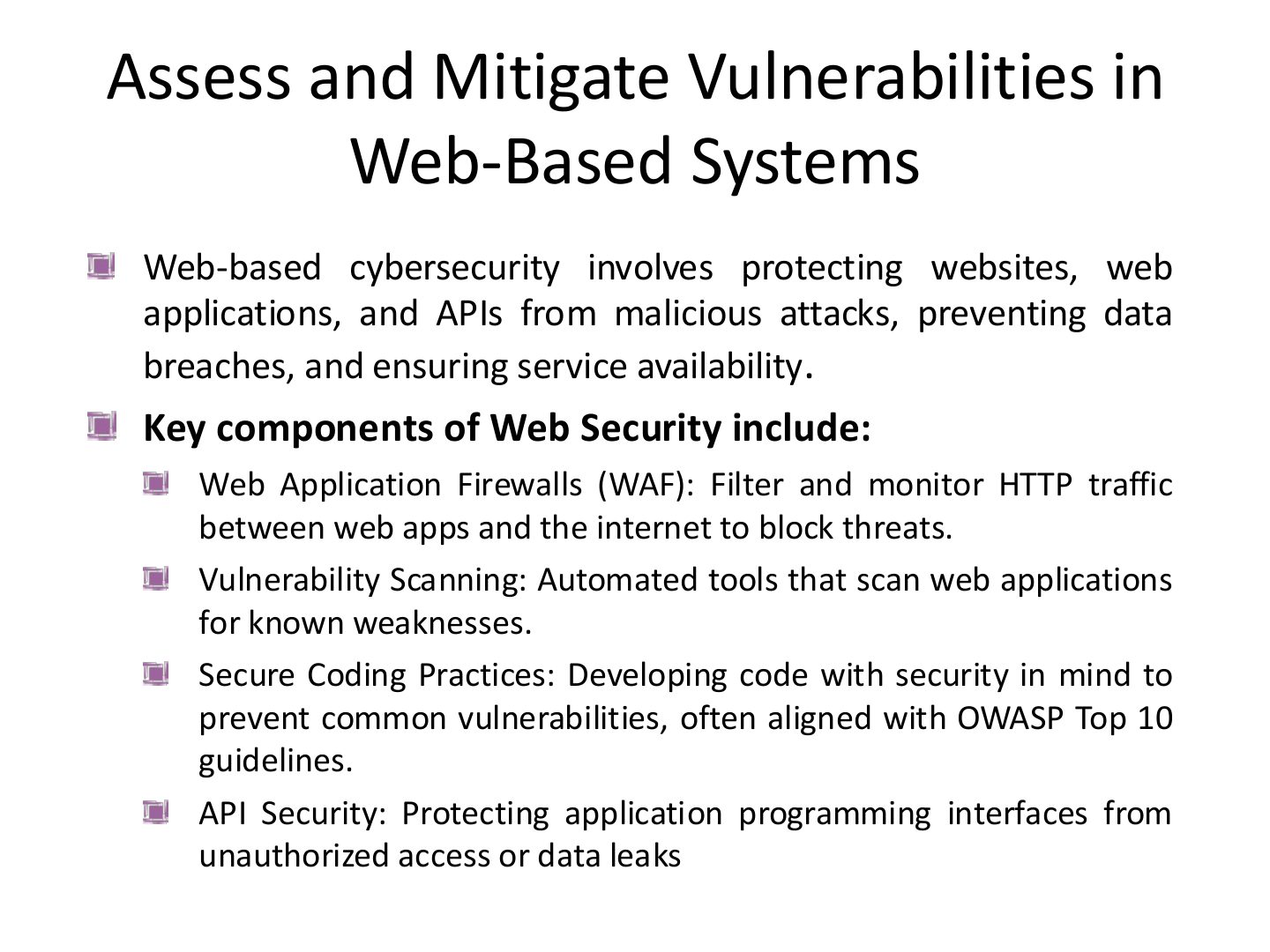
- 36 Assess and Mitigate Vulnerabilities in Web-Based Systems
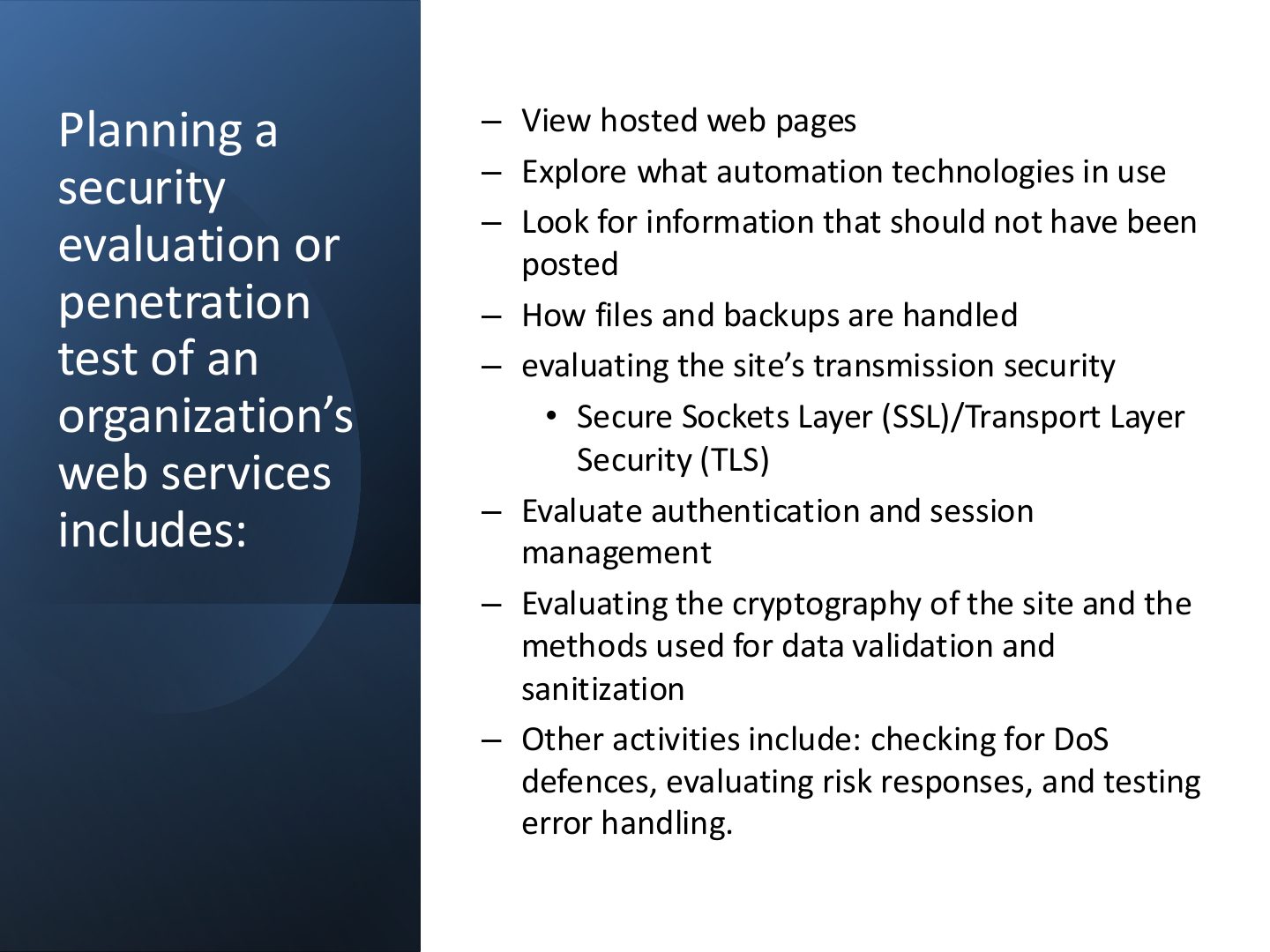
- 37 Planning a
- 38 Assess and Mitigate Vulnerabilities in Web-Based Systems
- 39 Mobile Devices Security
- 40 Assess and Mitigate Vulnerabilities in Mobile Systems
- 41 Device Security
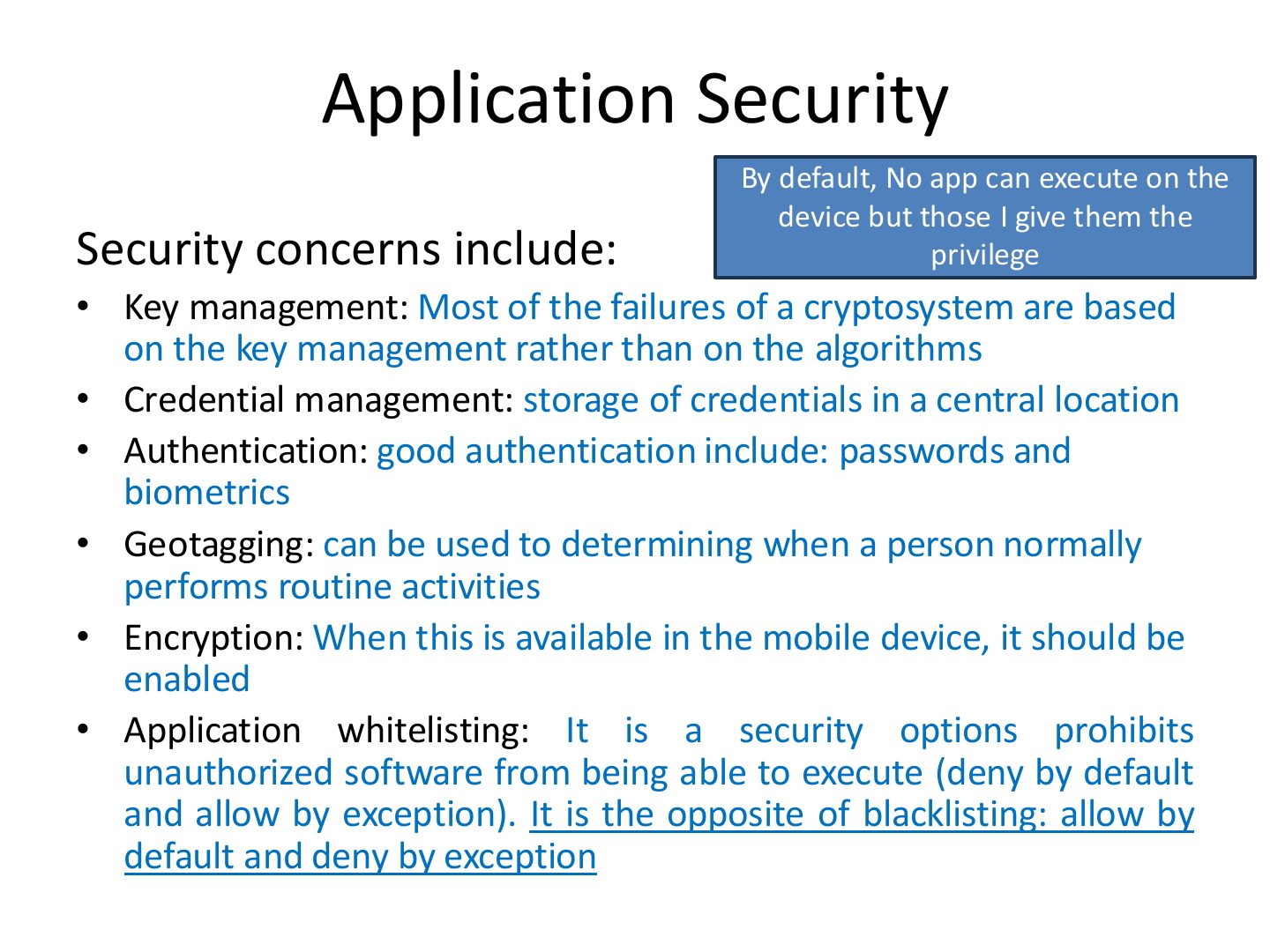
- 42 Application Security
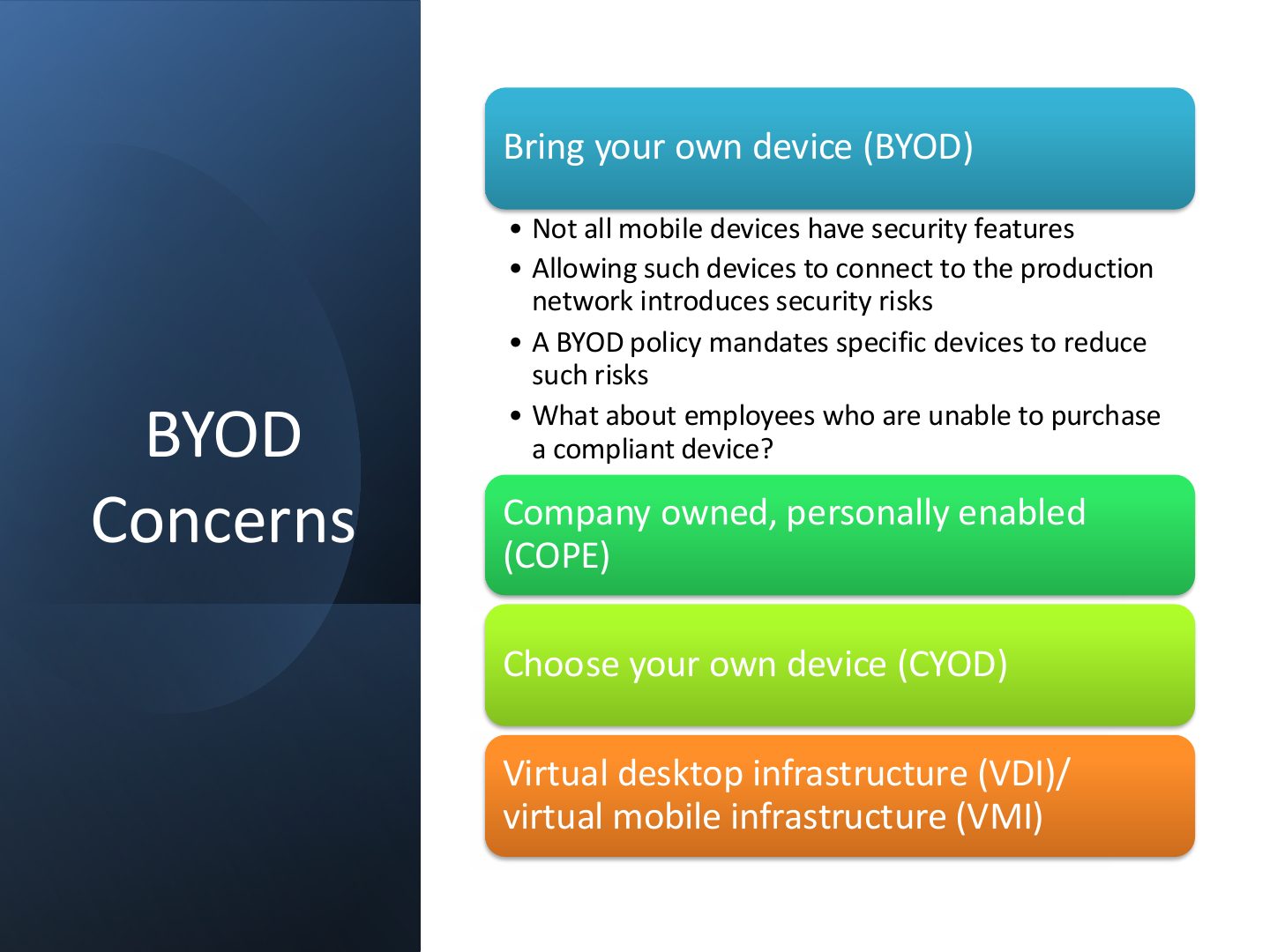
- 43 Bring your own device (BYOD)
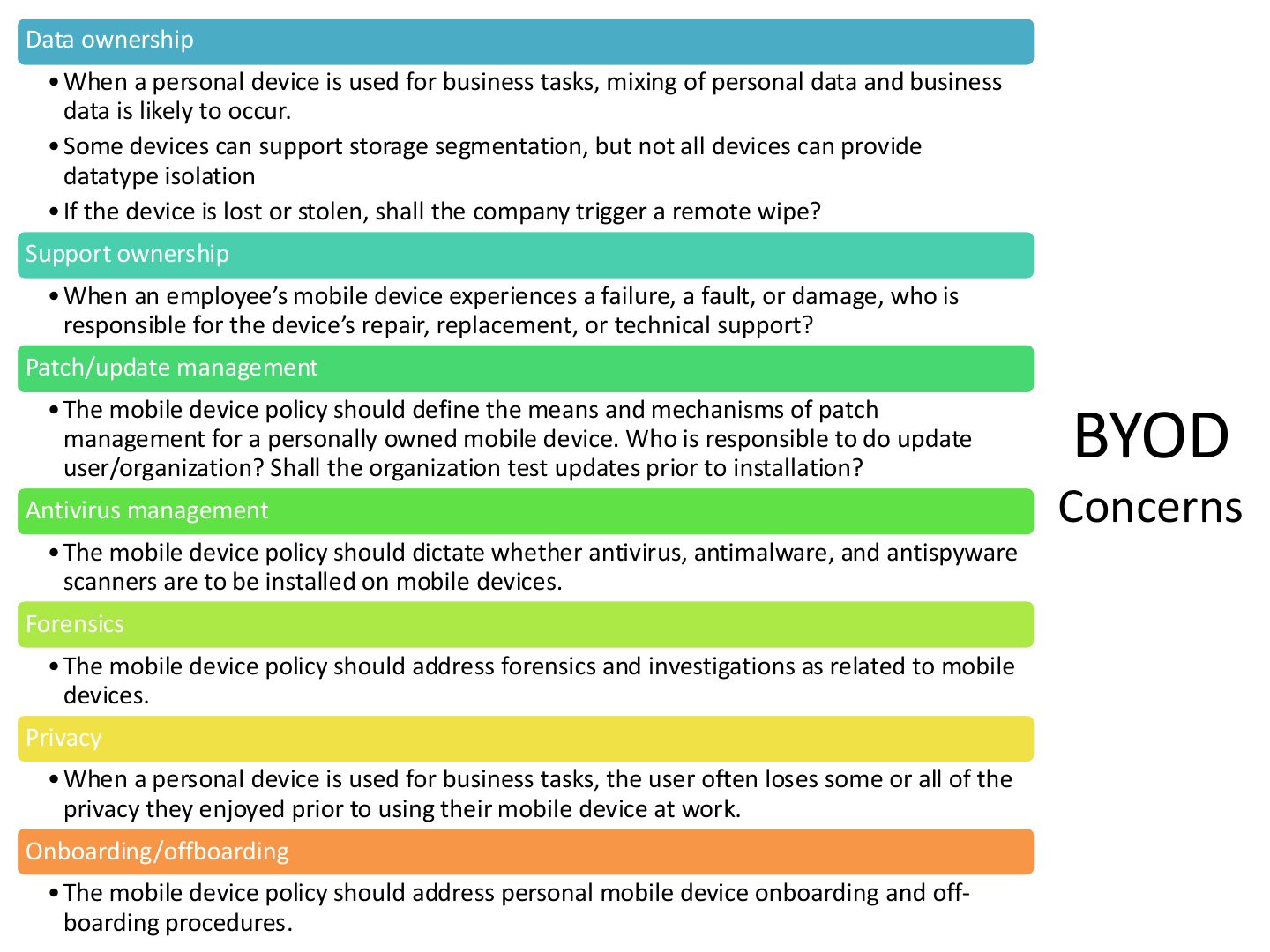
- 44 Data ownership
- 45 Operating System Security
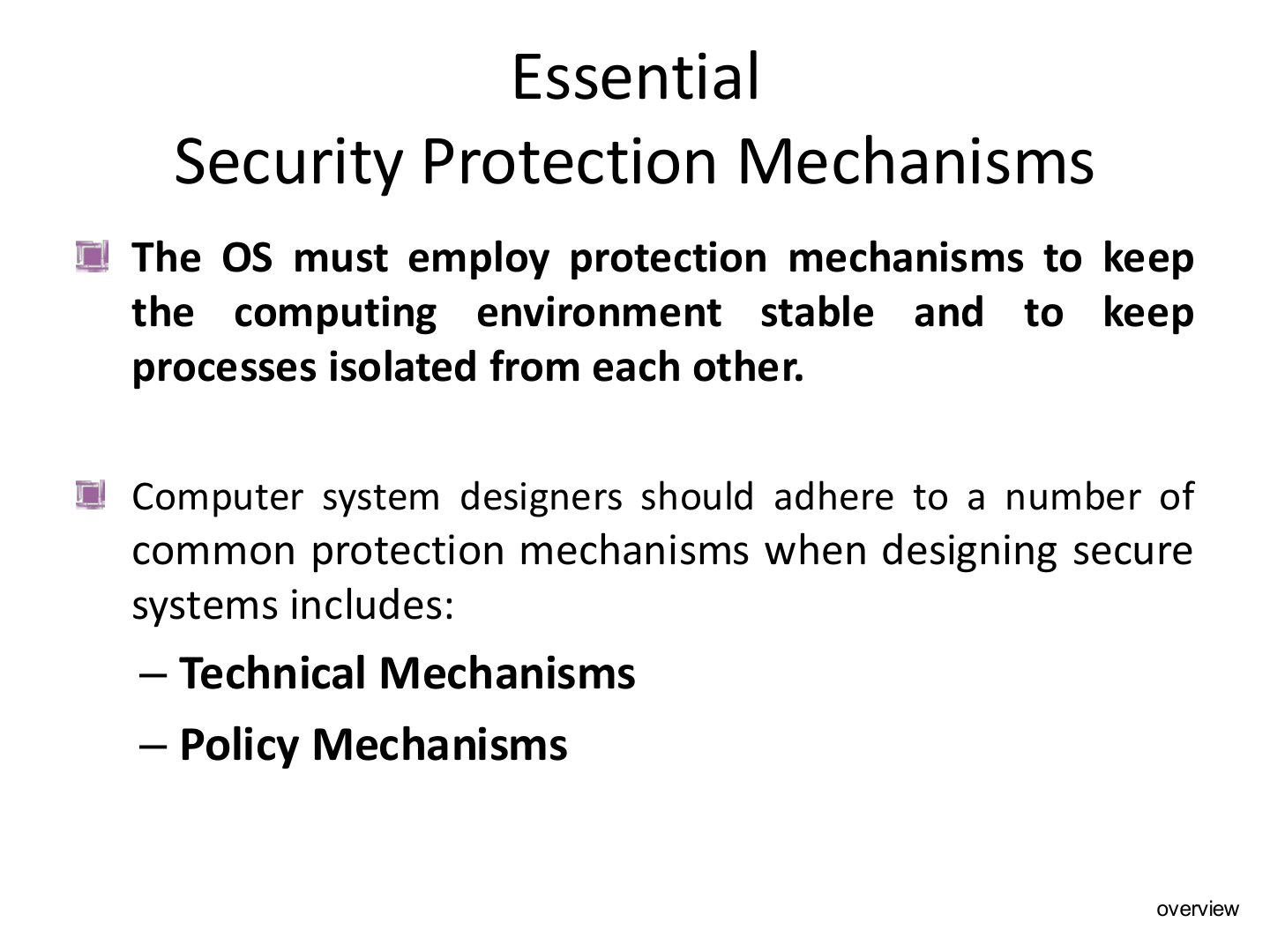
- 46 Essential Security Protection Mechanisms
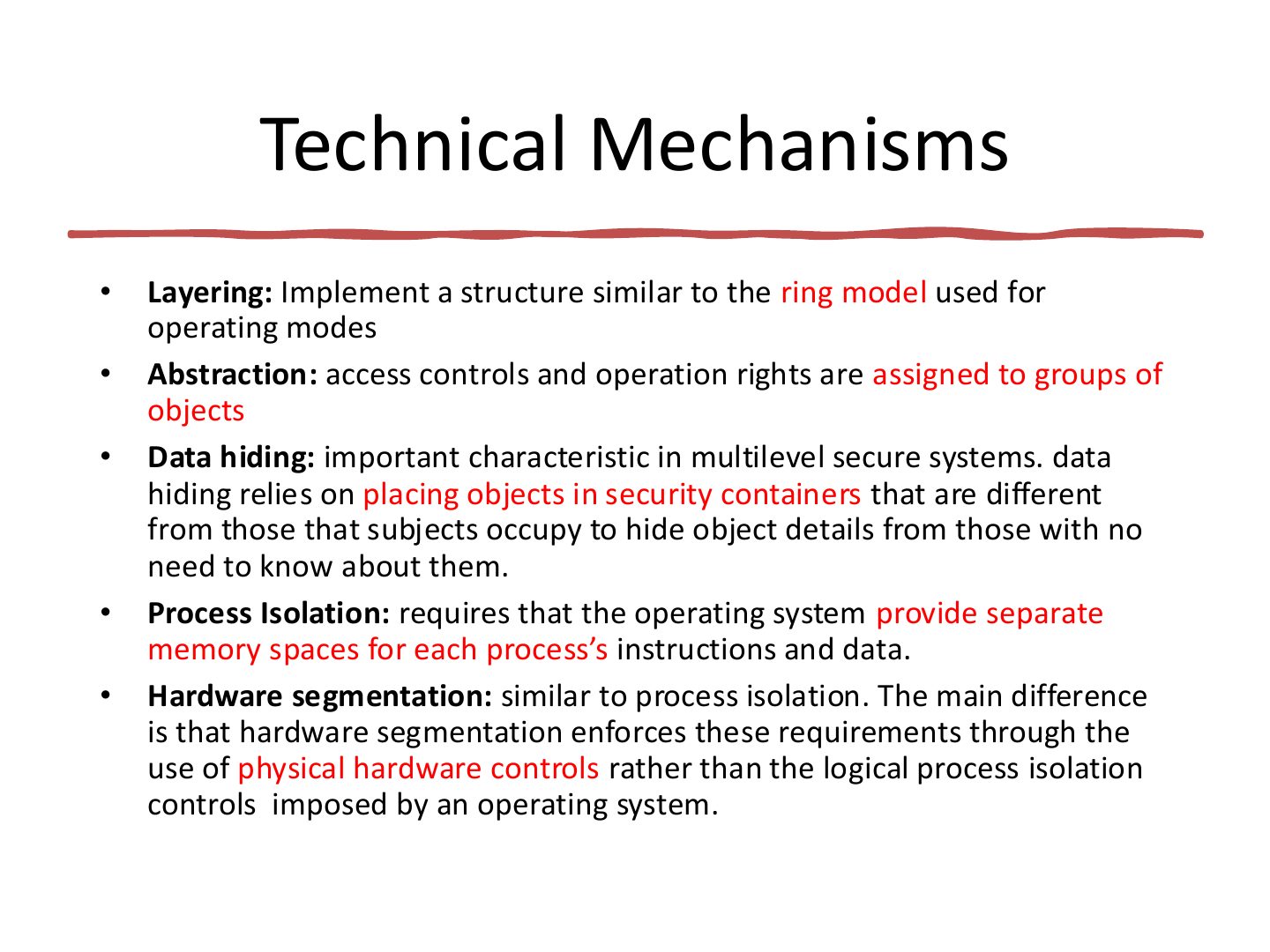
- 47 Technical Mechanisms
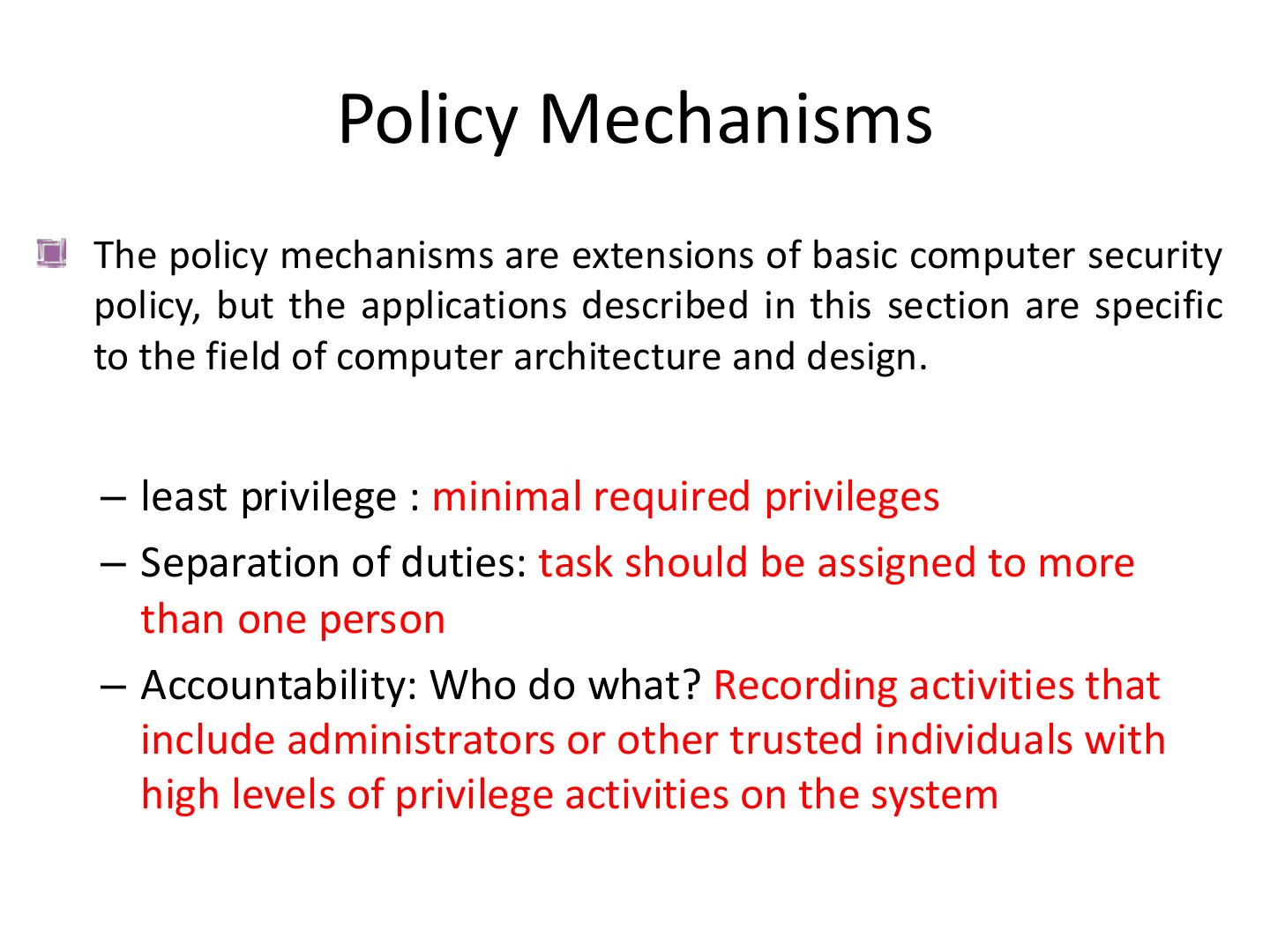
- 48 Policy Mechanisms
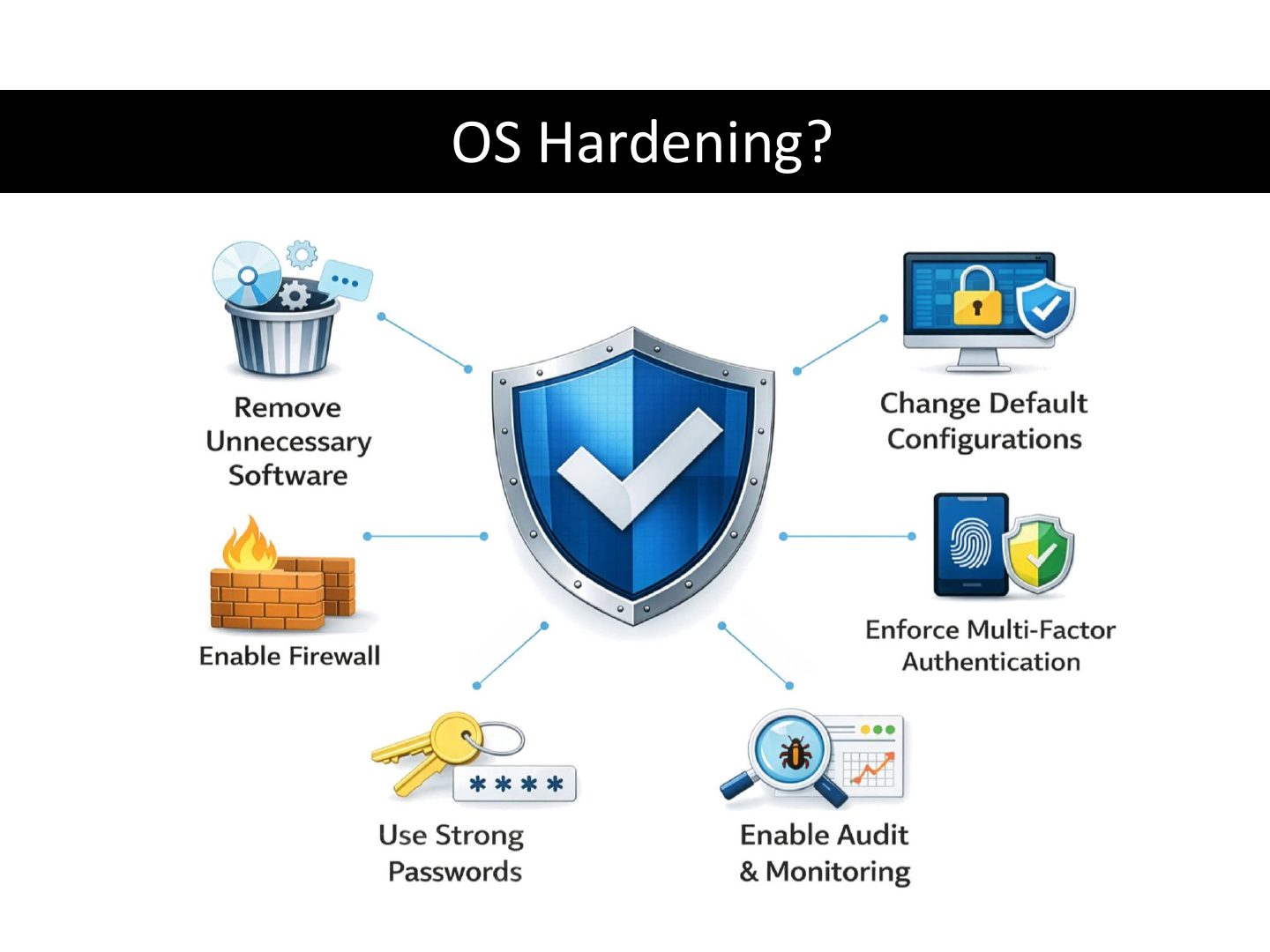
- 49 OS Hardening?
- 50 Slide 50
Security Vulnerabilities, Threats, and Countermeasures
Assess and Mitigate Security Vulnerabilities
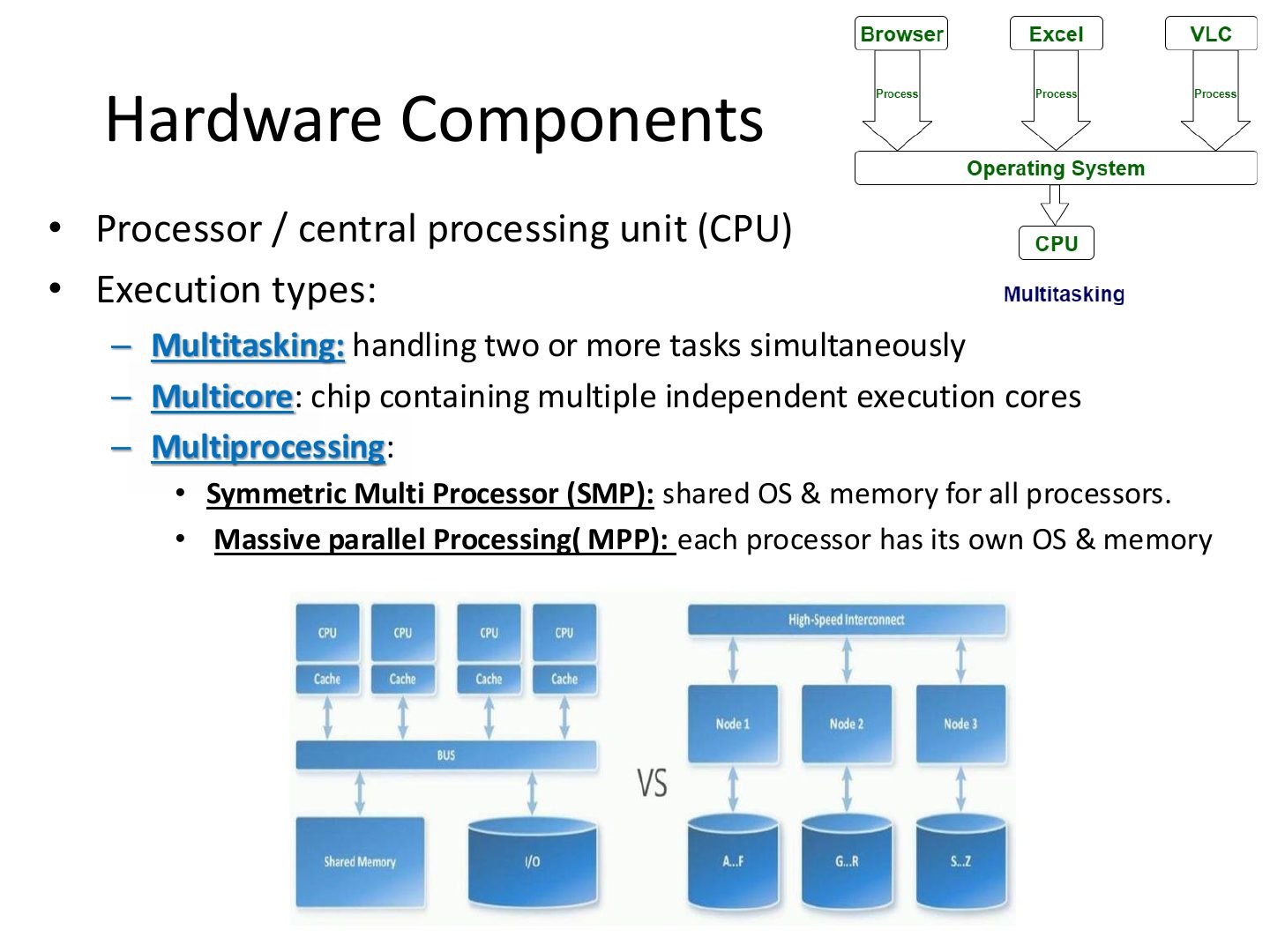
Hardware Components
Hardware Components
Notes
Multithreading: several parts of a program run concurrently on one processor.
Exam angle
Protection Mechanisms
1. HW level: Protection rings
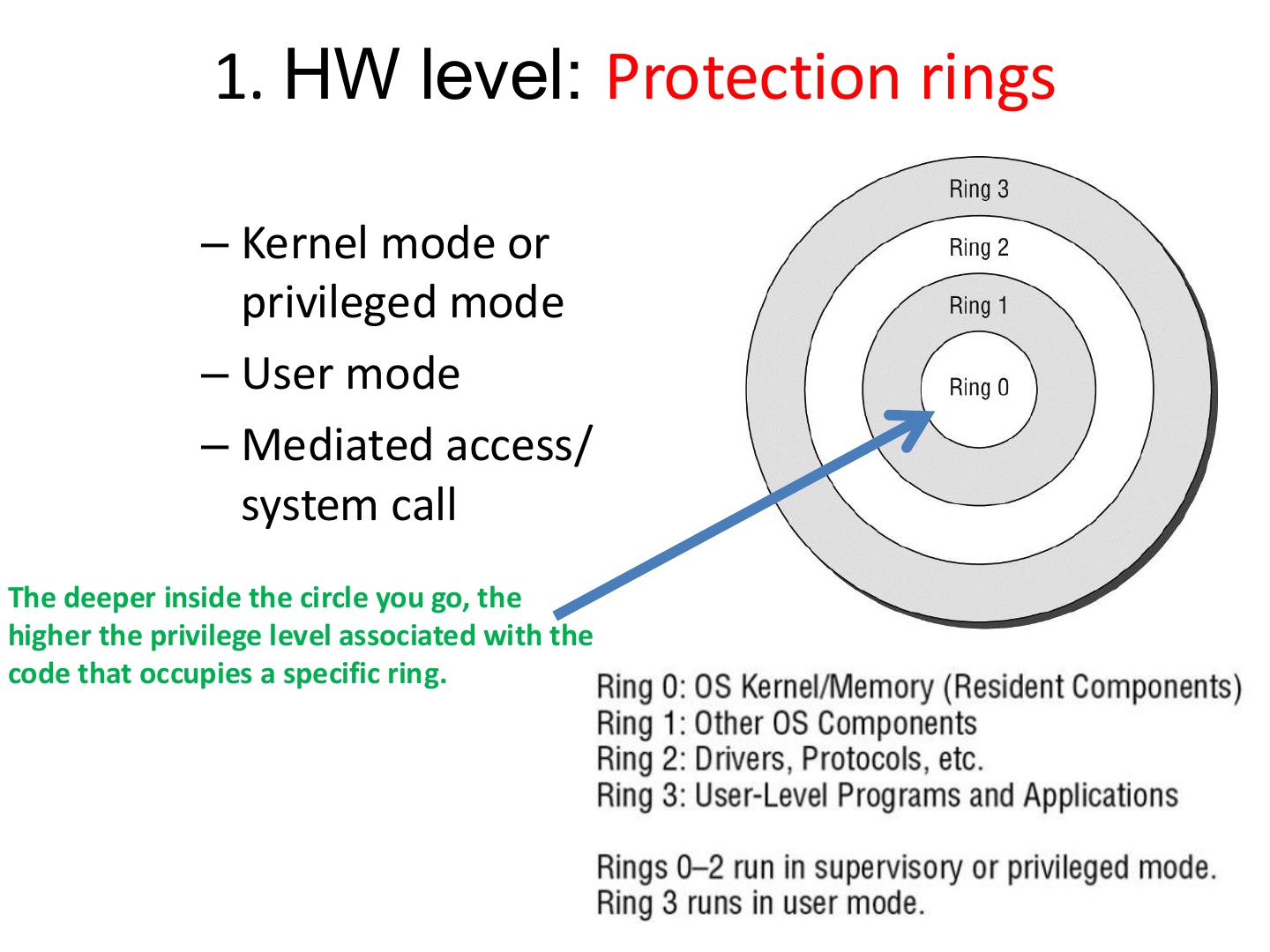
Notes
Seen again Ch 7, slide 23: Rings and authority levels
Exam angle
MCQ · ring 0 vs ring 3
2. HW level: Operating states
Exam angle
MCQ · problem state = user mode
The “problem state” of a processor is:
- Final 221 B.
3. HW level: Process states
Memory Protection Mechanisms
Primary Memory (1/1)
Memory Protection Mechanisms
Memory Protection Mechanisms
Memory Protection Mechanisms
Exam angle
Randomizing the memory addresses of processes to make exploits harder is:
Secondary Memory 1/2
Notes
Secondary storage keeps data with power off → encrypt it, control access, sanitize before disposal.
Seen again Ch 4, slide 38: Media sanitization
Input/Output Devices
Notes
I/O devices: keyboards, cameras, monitors, printers. Monitors leak emanations (TEMPEST).
Exam angle
MCQ · device most susceptible to emanation monitoring
Which device is most susceptible to monitoring of its electromagnetic emanations (TEMPEST)?
- Major 181.
Input/Output Devices - Key Protection Strategies
Firmware
Notes
Firmware (microcode) is software in ROM; firmware attacks survive reinstalls.
Protecting Client and Server Based Systems
Protecting Client-Based System
Notes
Client-side attacks harm the user endpoint (malicious applets, drive-by downloads).
Exam angle
Related question: Q4 · attacker exploiting plug-ins to install malware
Client-Side Protection Measures
Protecting Server Based Systems
Protecting Server Based Systems
Database Systems Security
Database Systems Security
Common Database Threats
Exam angle
Inserting malicious code into queries to manipulate a database is:
• Apply Least Privilege: Grant users only the minimum access necessary for their job
Notes
Best practices: least privilege, encryption, parameterized queries, auditing, patching.
Cloud Computing
Cloud-Based Systems & Cloud Computing
Cloud Security Components & Strategies
Notes
Memory trick Provider = security OF the cloud. Customer = security IN the cloud.
Exam angle
In the shared responsibility model, who secures the customer’s data and access settings?
Misconfigurations: The leading cause of breaches, where cloud services are improperly secured.
Notes
Seen again Ch 4, slide 16: ASPs and third parties
Internet of Things (IoT)
Internet of Things (IoTs) Security
Key IoT Security Challenges & Threats
• Change Default Passwords: Immediately set strong, unique passwords for every device.
Exam angle
The first thing to do with a new IoT camera is:
Web-Based Security

Assess and Mitigate Vulnerabilities in Web-Based Systems
Planning a
Assess and Mitigate Vulnerabilities in Web-Based Systems
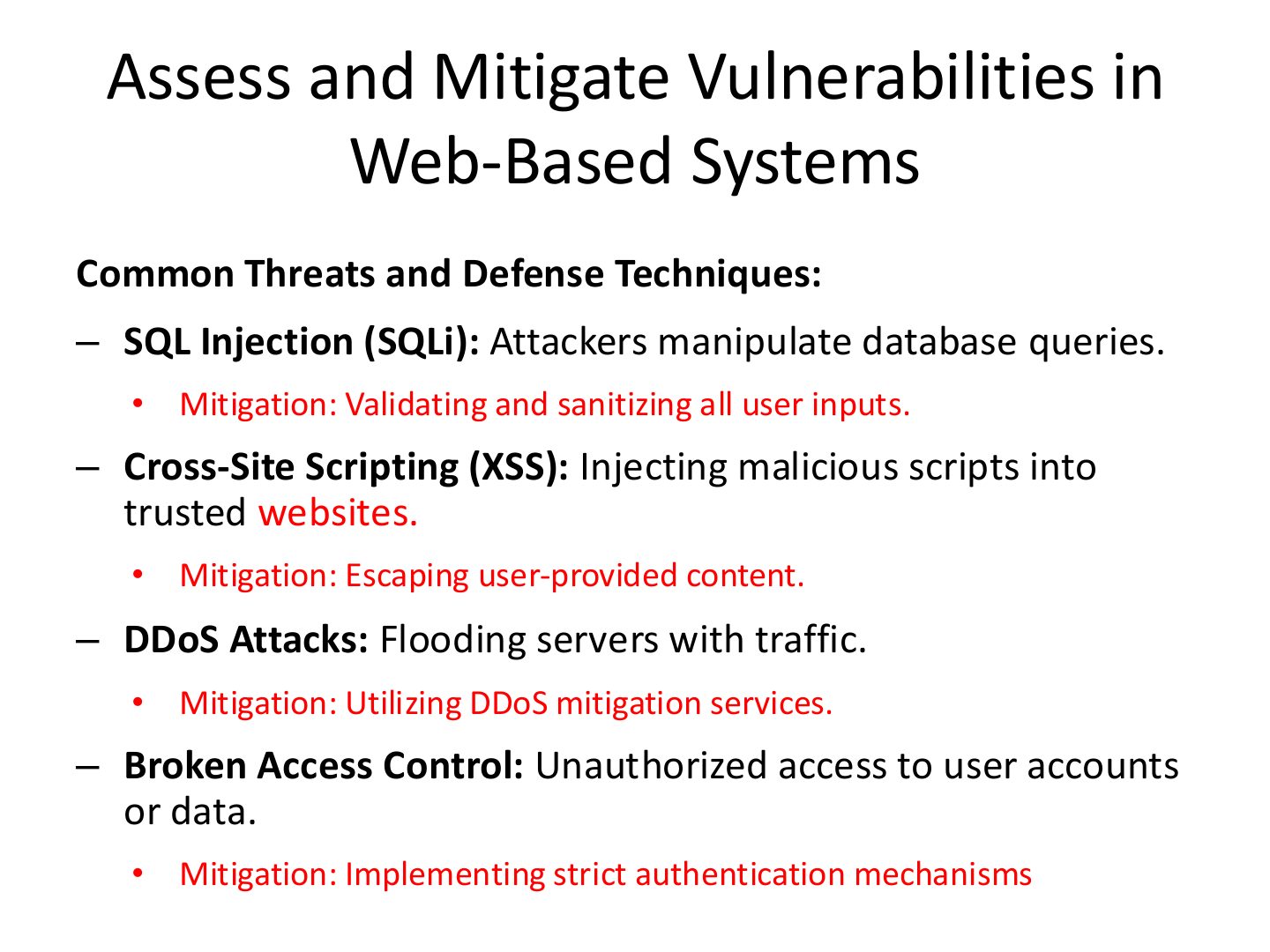
Notes
Threats and defences: SQLi (parameterized queries), XSS (input validation, output encoding), CSRF (tokens)…
Exam angle
Related question: MCQ · not a technique to protect web apps
Mobile Devices Security
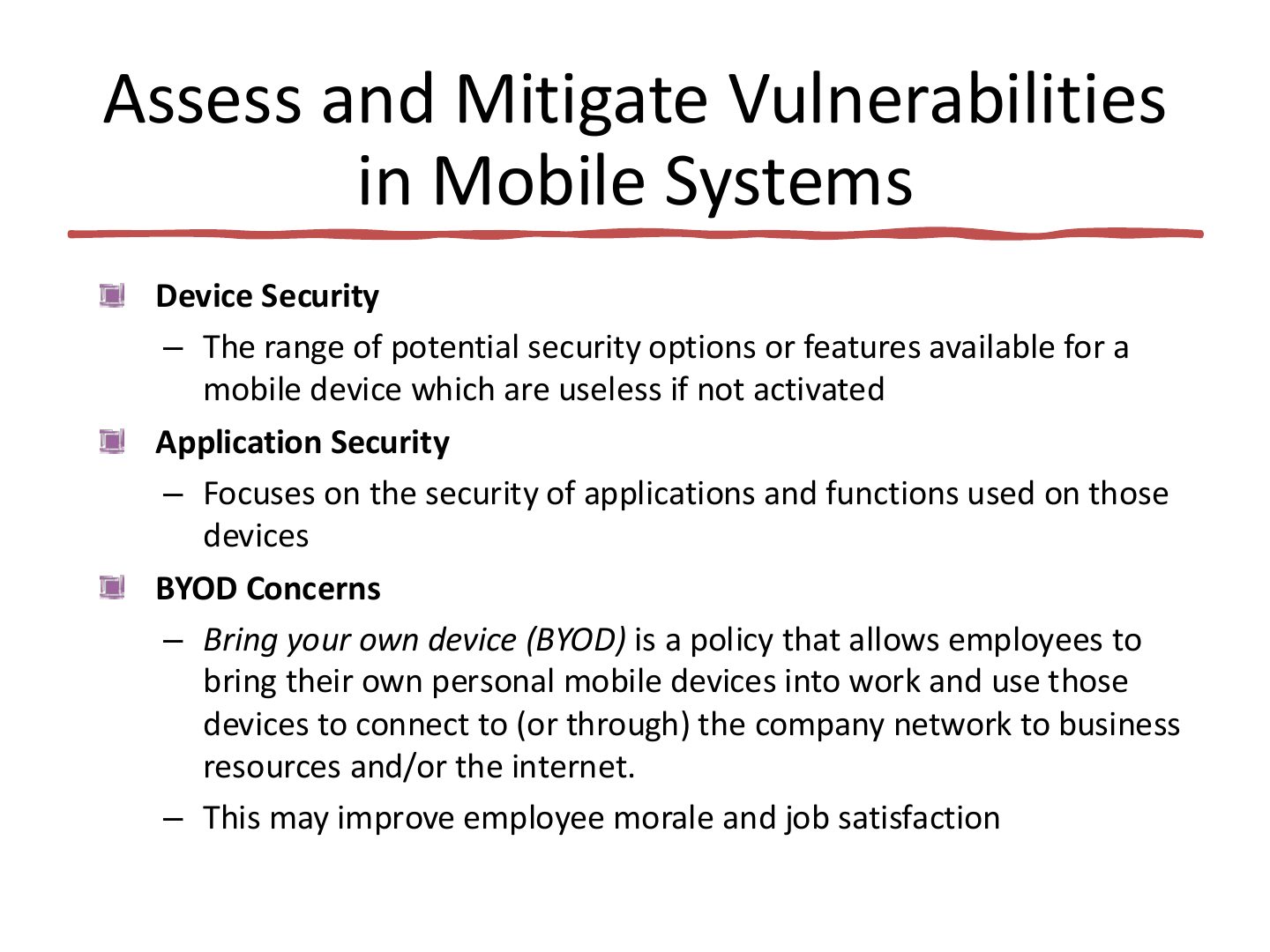
Assess and Mitigate Vulnerabilities in Mobile Systems
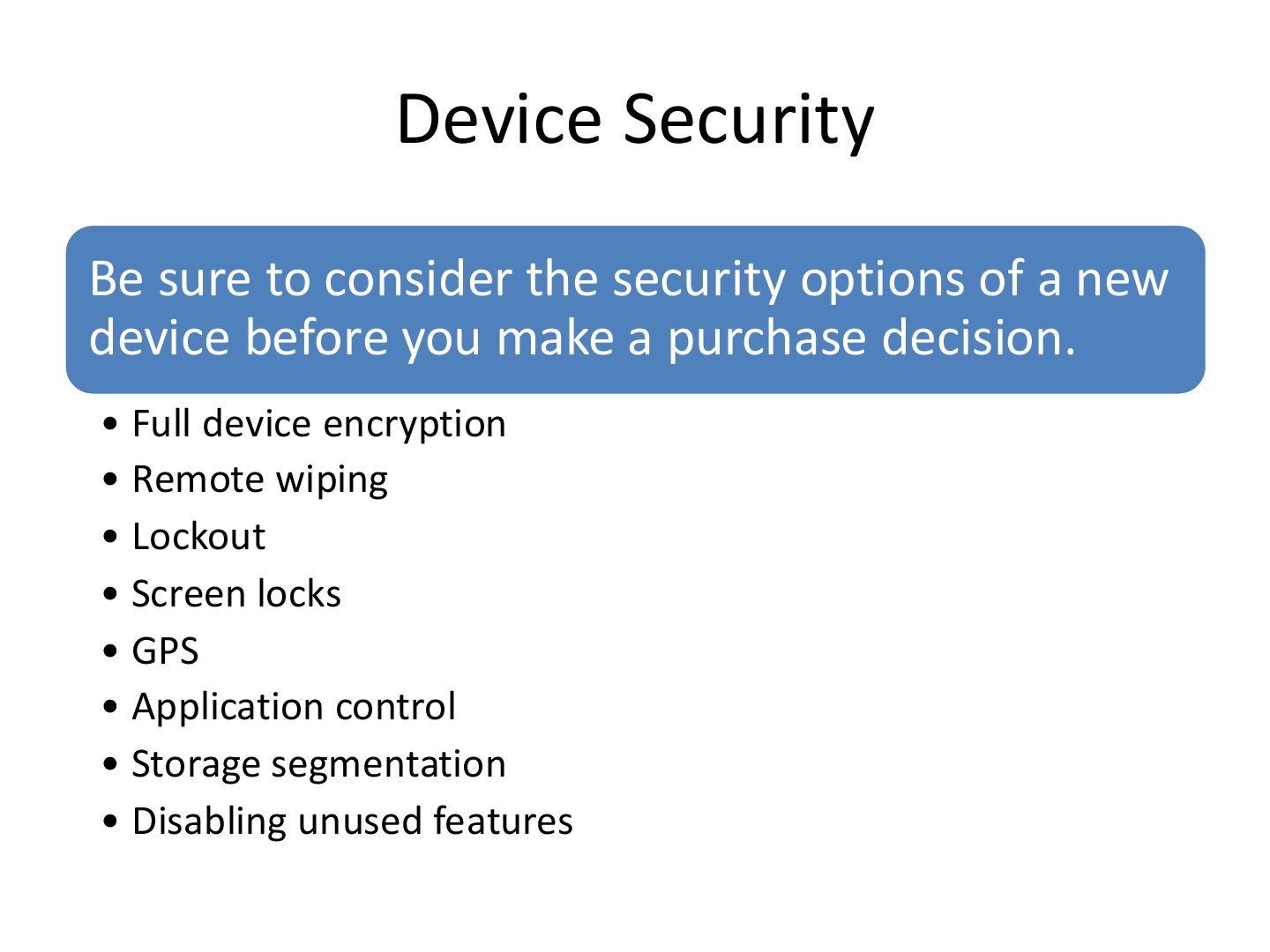
Device Security
Application Security
Notes
Application whitelisting: only approved apps run.
Bring your own device (BYOD)
Data ownership
Operating System Security
Essential Security Protection Mechanisms
Technical Mechanisms
Policy Mechanisms
OS Hardening?
Notes
OS hardening: remove unneeded services, patch, configure securely.
Slide 50

Notes
End.