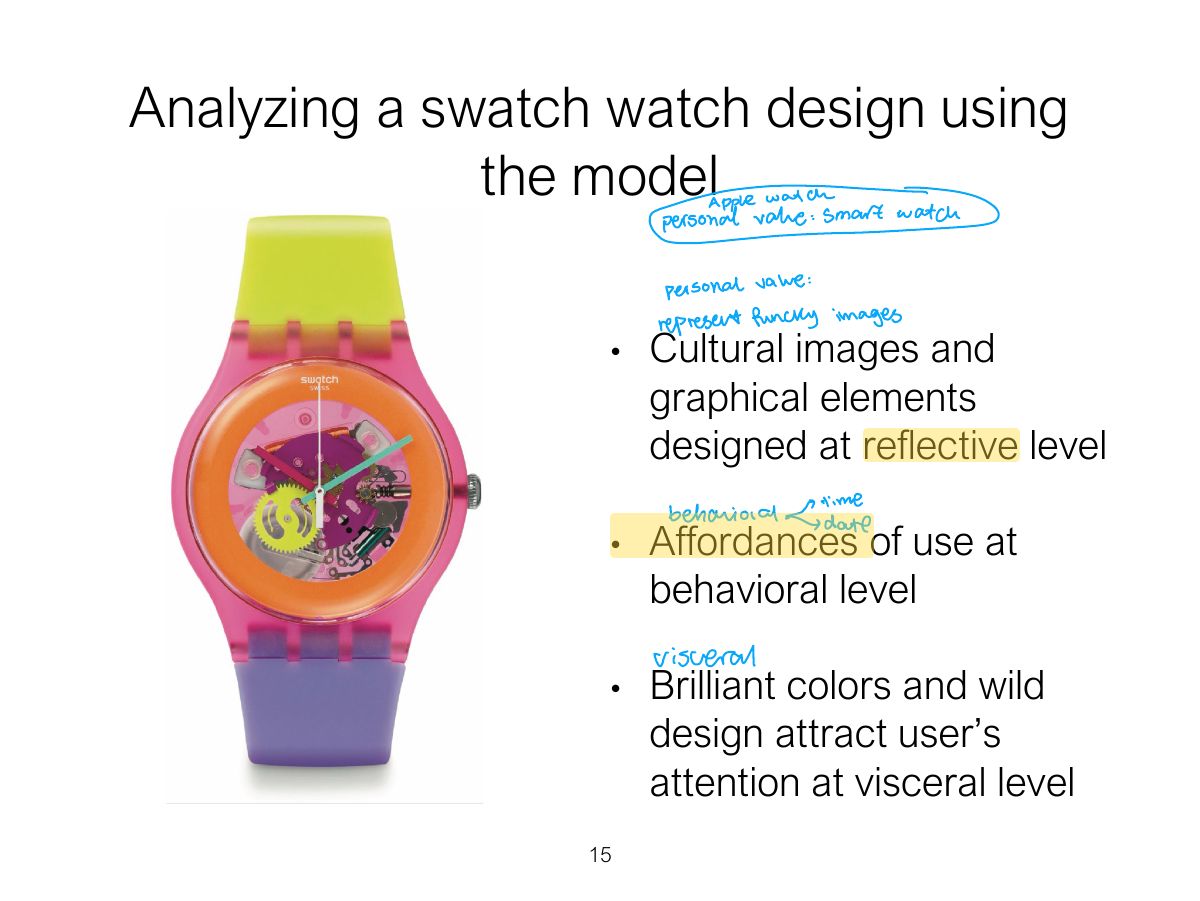
Buying a watch because of what it says about your status is at which level?
Emotional Interaction
Emotions and the user experience, the three levels of emotional design (visceral, behavioral, reflective), expressive and frustrating interfaces and error messages, affective computing and emotion detection, persuasive technologies, and anthropomorphism.
How to read this page
Every original slide is shown unchanged. Yellow marks on a slide point to a numbered note: hover or tap a mark to jump to its note, and hover a note to see its marks. Questions tagged Past exam appeared on a real paper; Prediction questions are likely angles, not confirmed. Pick an answer to each question: a wrong pick tells you why it is wrong, so you can try again.
All 48 slides
- 1 Slide 1
- 2 Overview
- 3 Learning Outcomes
- 4 1. Emotions and the user experience
- 5 Emotional interaction
- 6 Activity
- 7 Why has this simple way of obtaining visitor feedback been so effective?
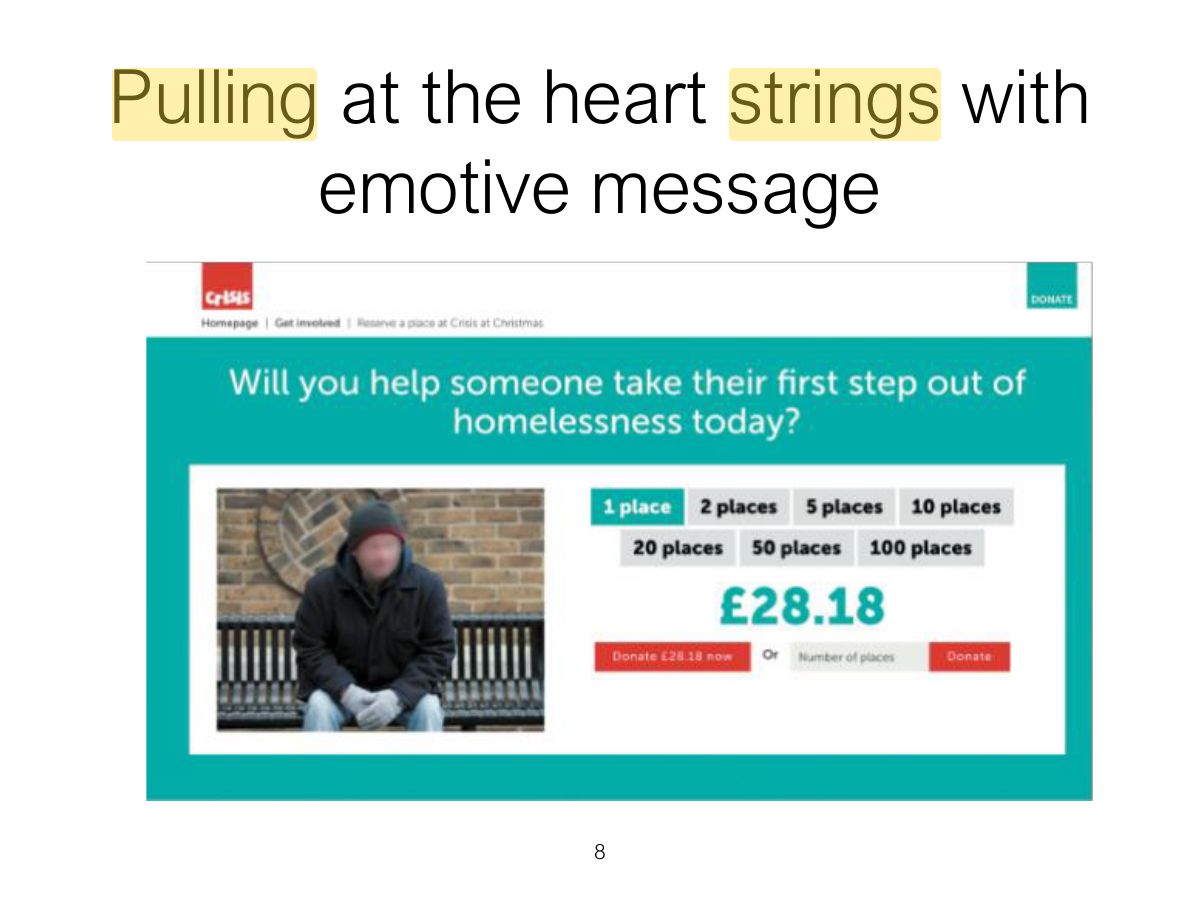
- 8 Pulling at the heart strings with emotive message
- 9 How easy is it to design an interface to match or change how we are feeling?
- 10 How do emotions affect behavior and behavior emotions?
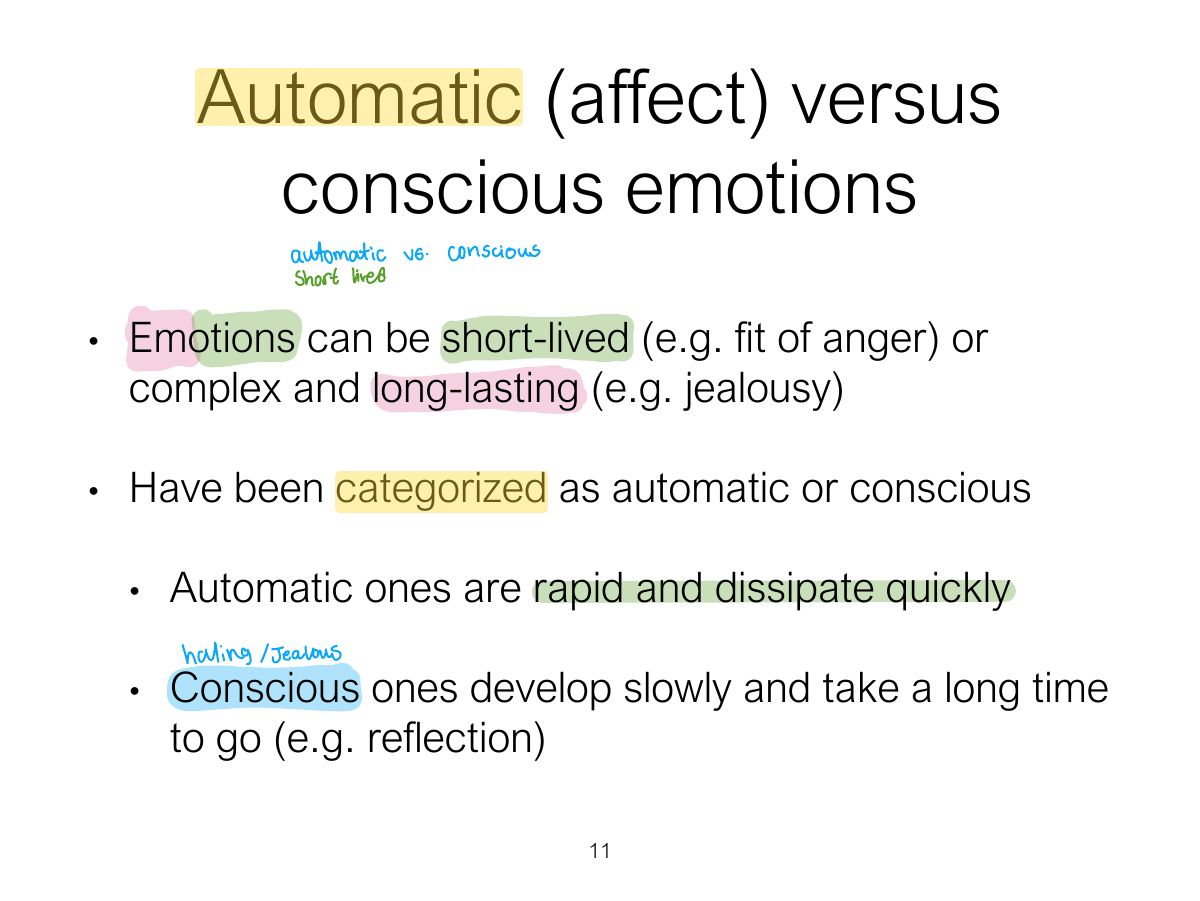
- 11 Automatic (affect) versus conscious emotions
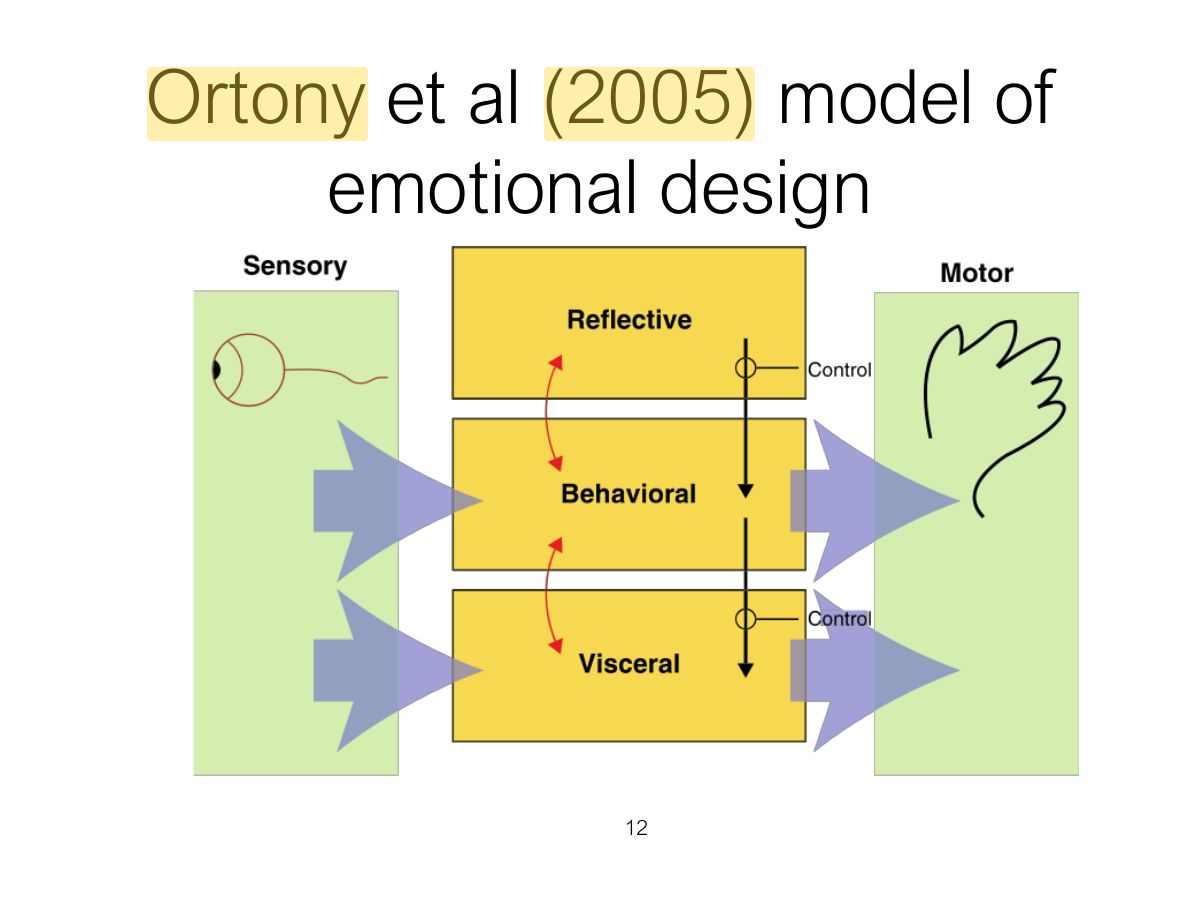
- 12 Ortony et al (2005) model of emotional design
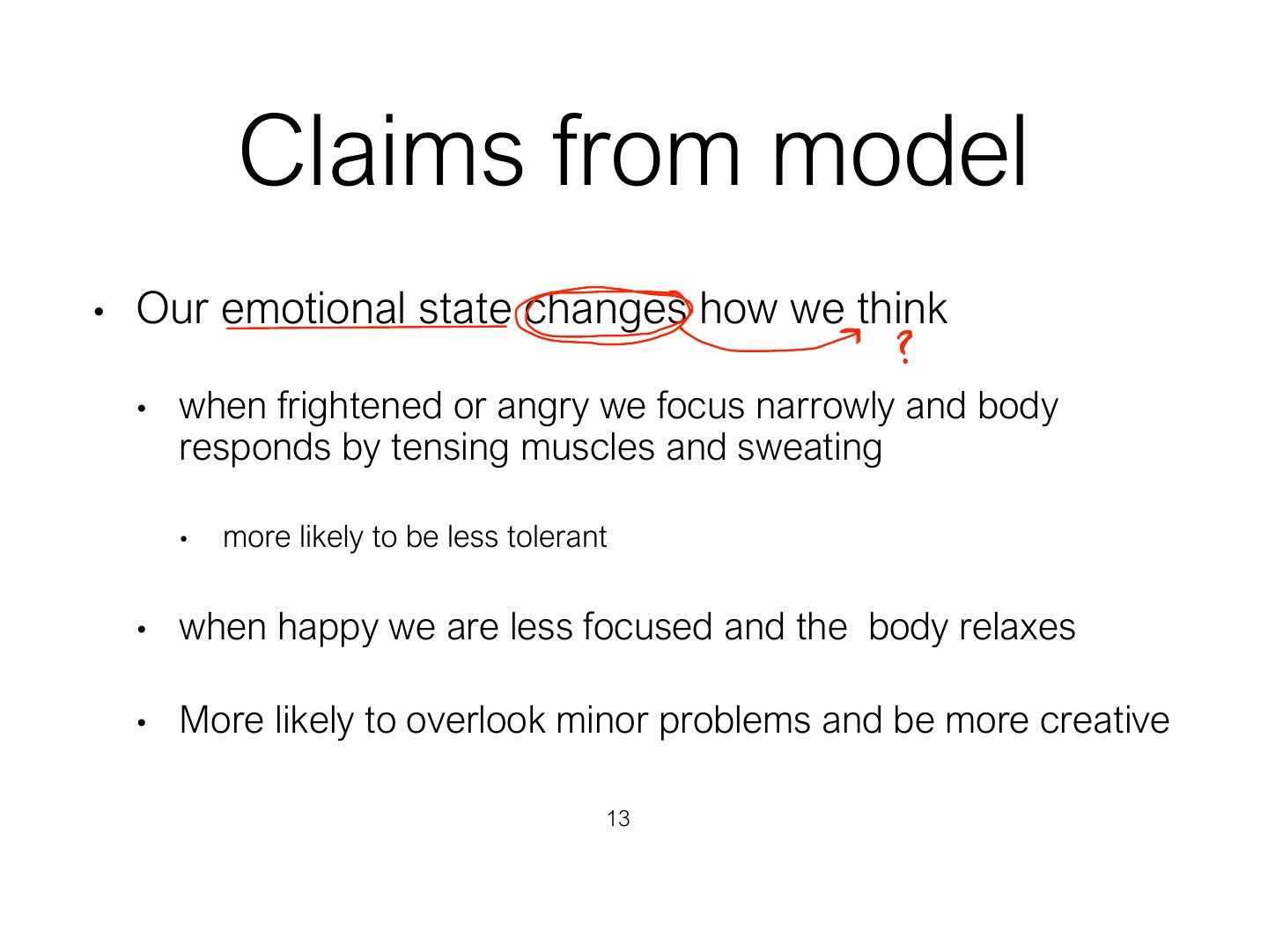
- 13 Claims from model
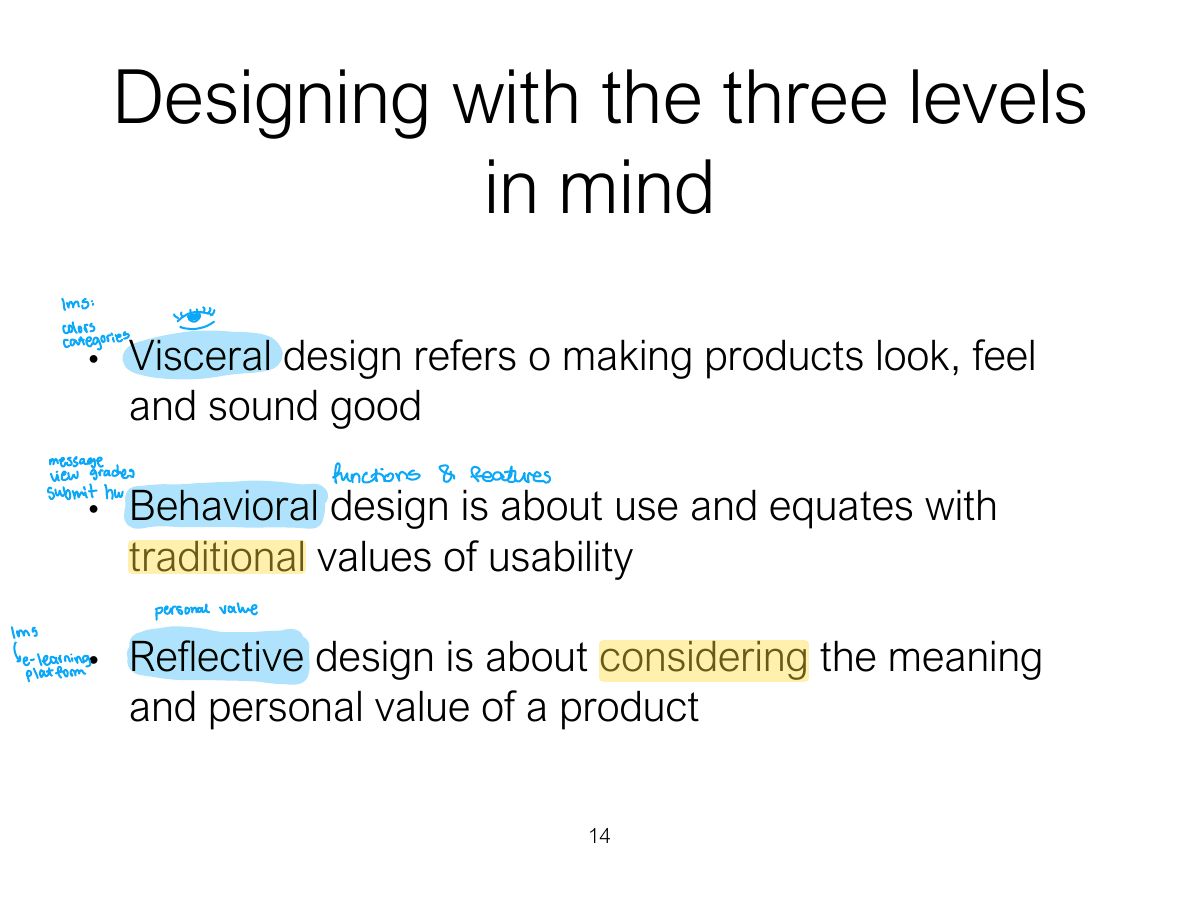
- 14 Designing with the three levels in mind
- 15 Analyzing a swatch watch design using the model
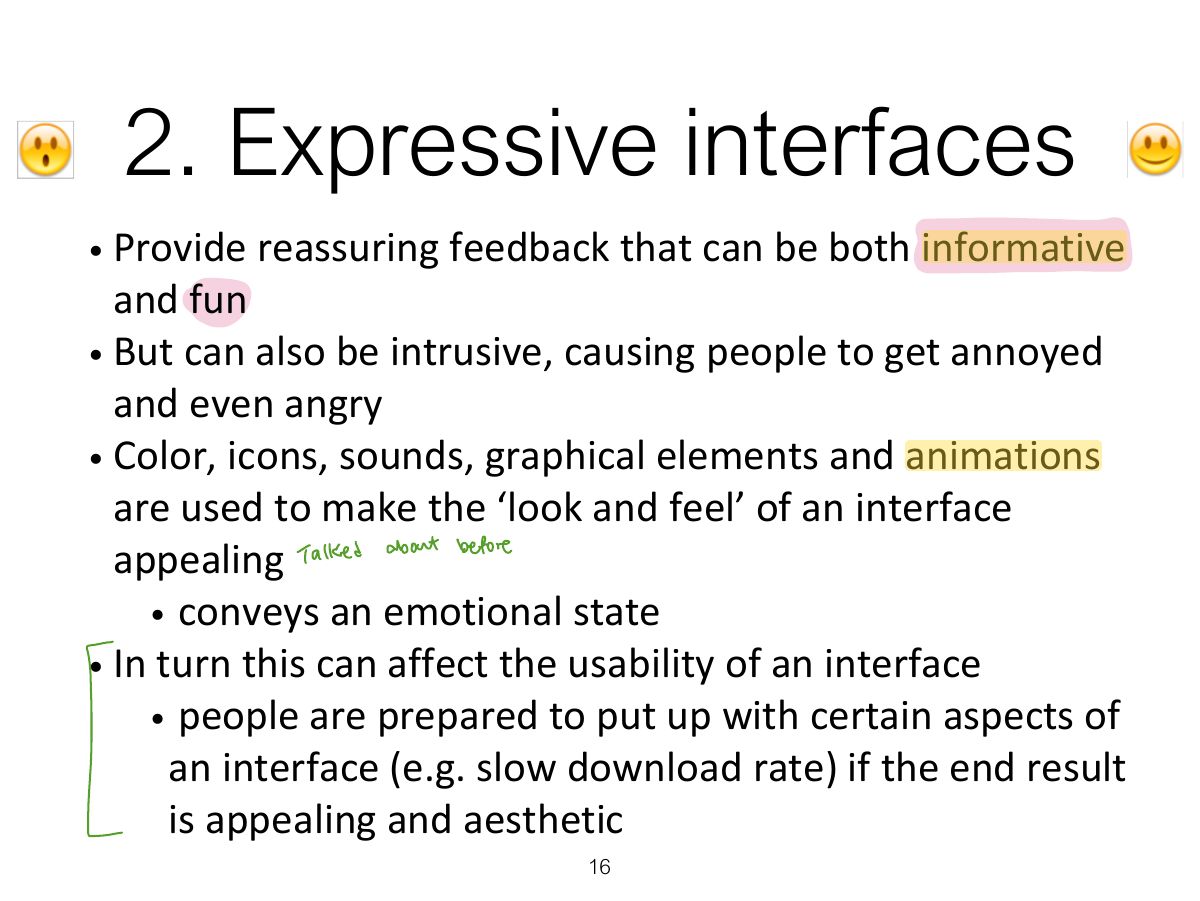
- 16 2. Expressive interfaces
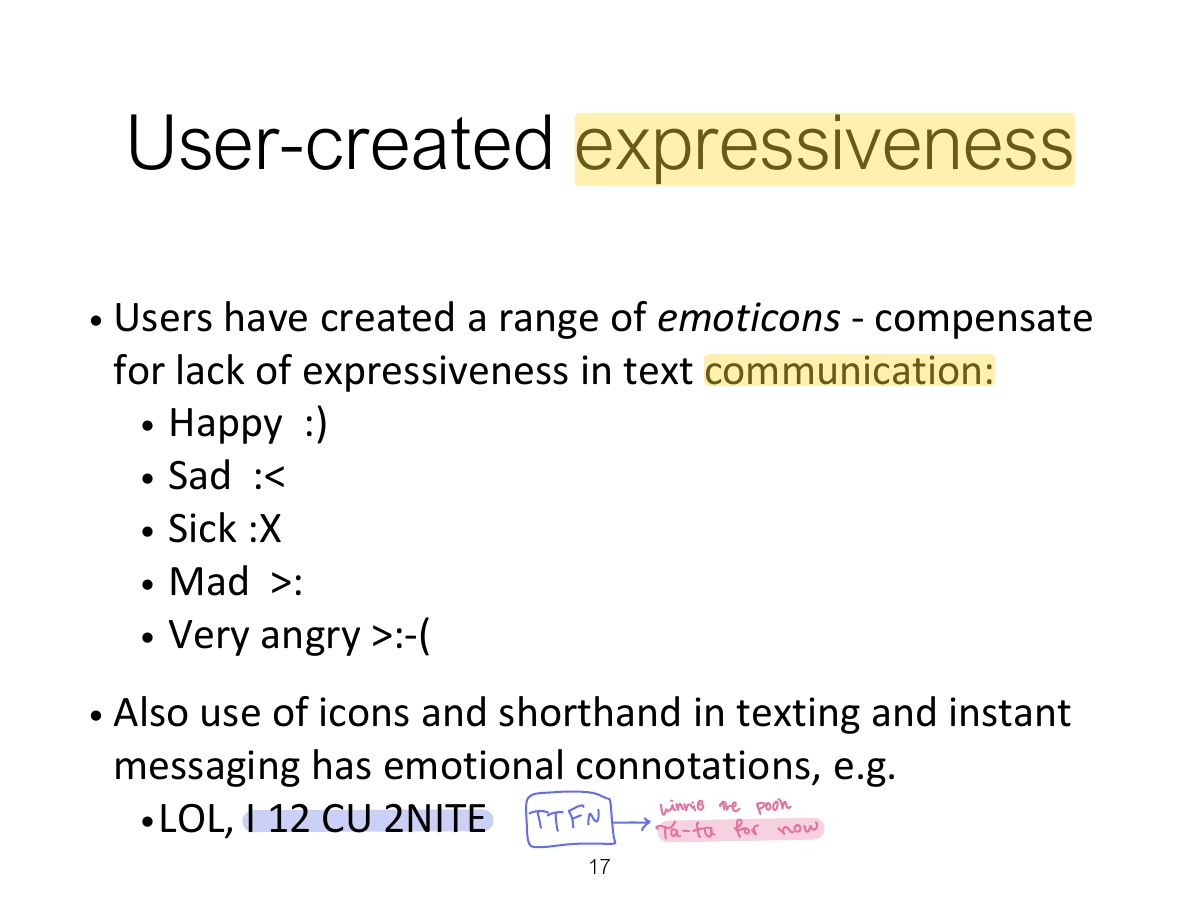
- 17 User-created expressiveness
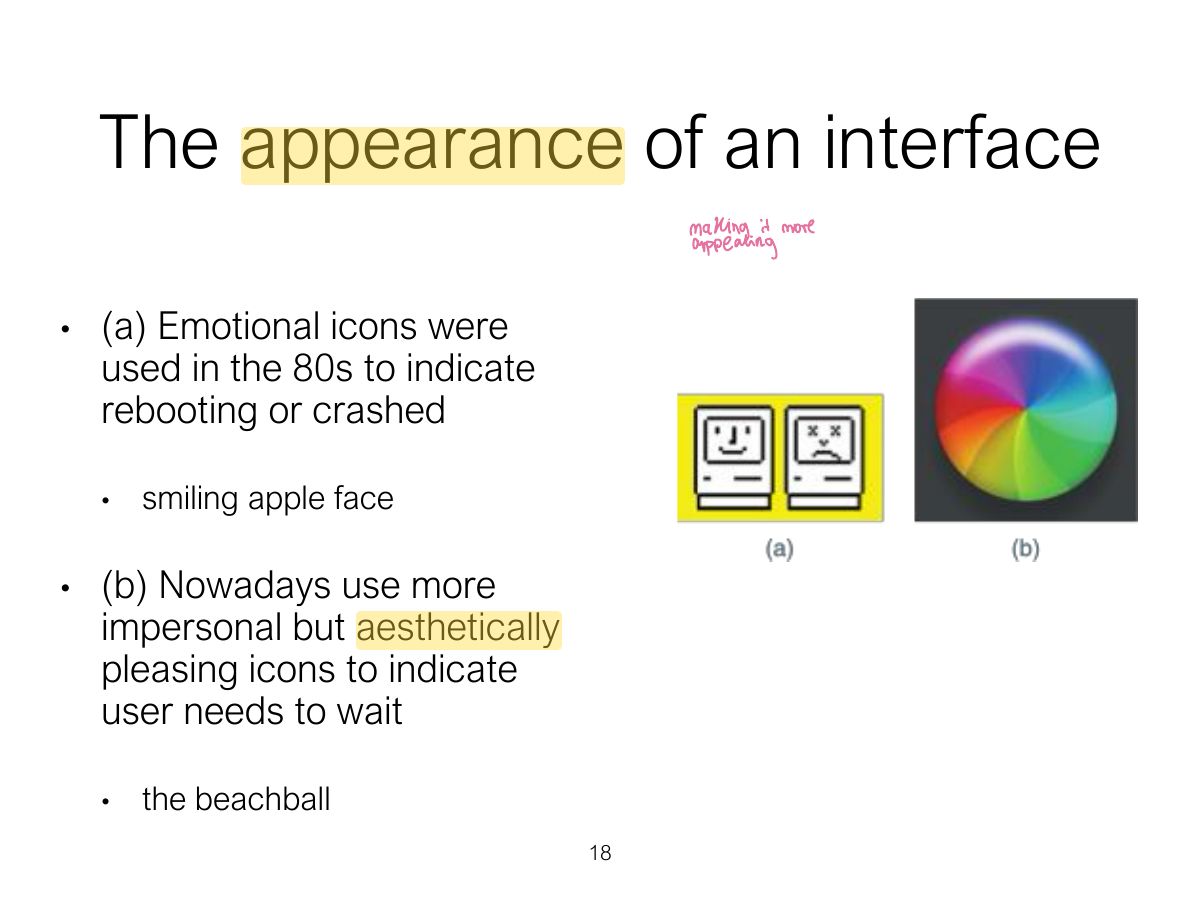
- 18 The appearance of an interface
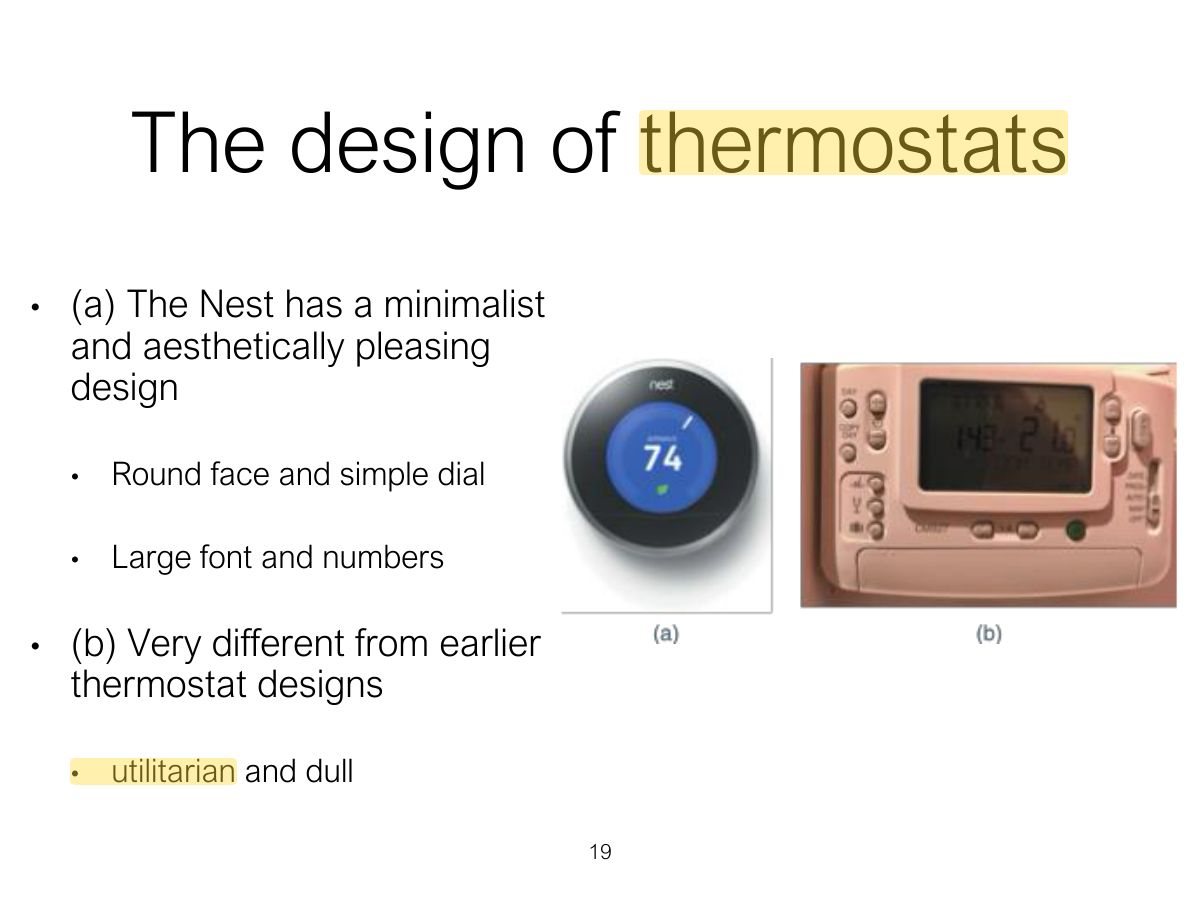
- 19 The design of thermostats
- 20 3. Frustrating interfaces
- 21 Gimmicks
- 22 Error messages
- 23 Website error messages
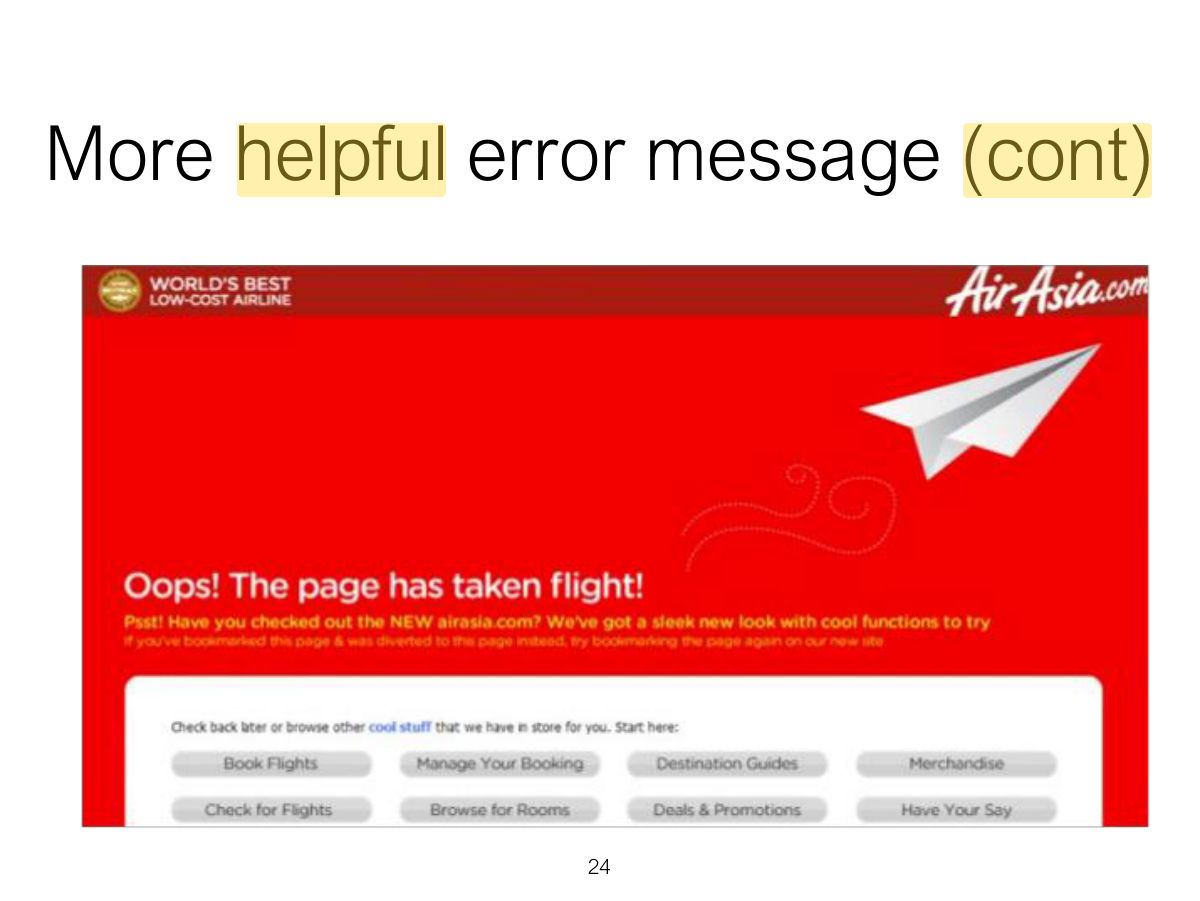
- 24 More helpful error message (cont)
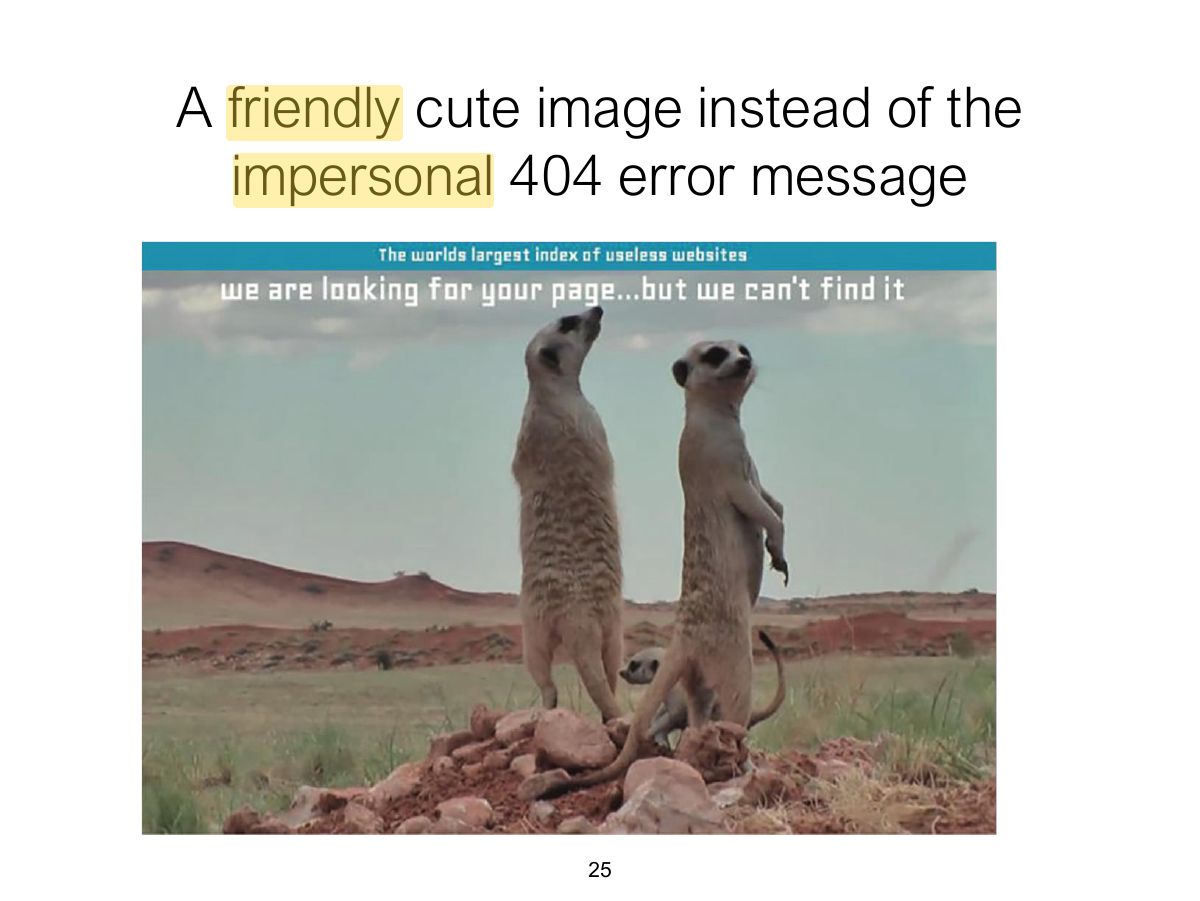
- 25 A friendly cute image instead of the impersonal 404 error message
- 26 Should computers say they’re sorry?
- 27 Dilemma: Should Voice assistants teach kids good manners?
- 28 Affective Computing and Emotional AI
- 29 Techniques used
- 30 Classification of emotions
- 31 Facial coding using Affdex software
- 32 How is this emotional data used?
- 33 Indirect emotion detection
- 34 4. Persuasive technologies
- 35 How effective?
- 36 Tracking devices
- 37 Sustainable HCI
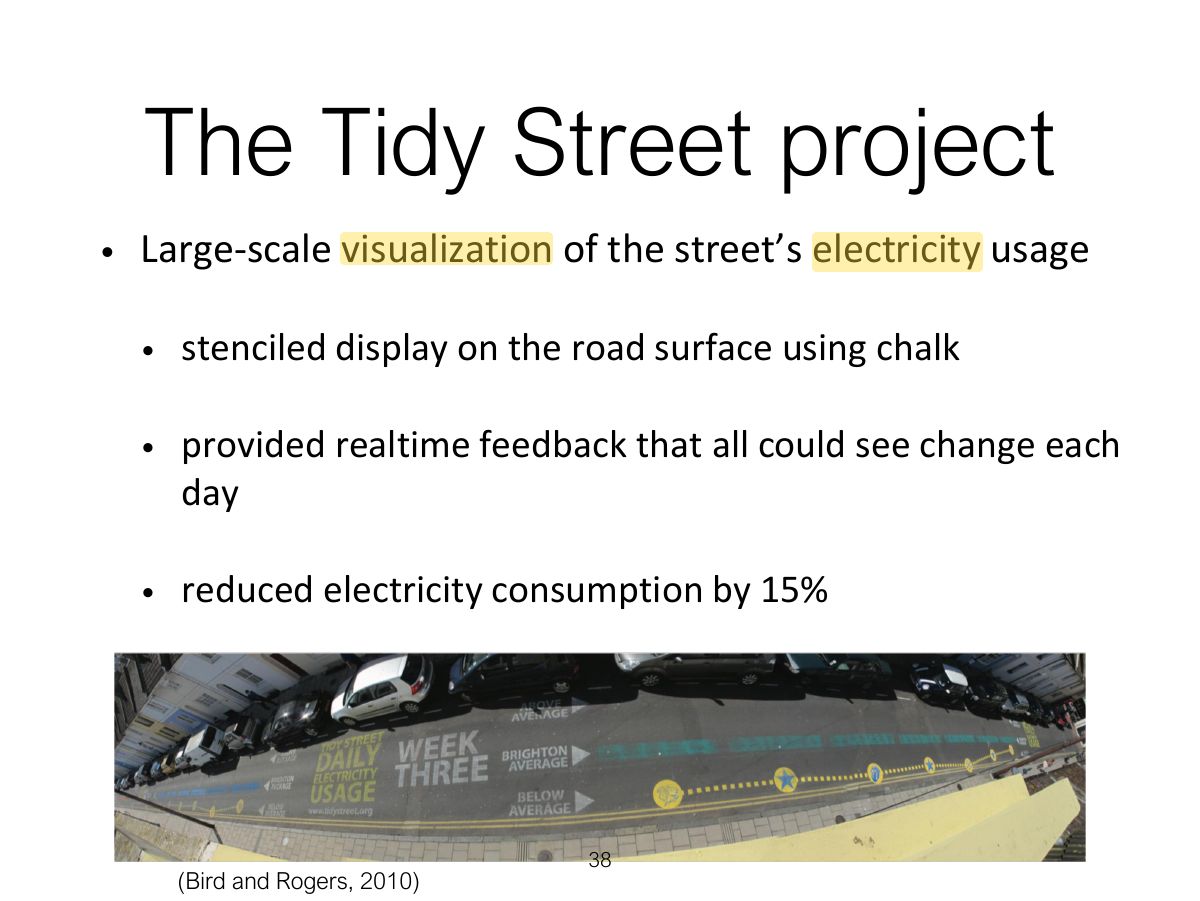
- 38 The Tidy Street project
- 39 Phishing scams
- 40 Phishing & trust
- 41 5. Anthropomorphism
- 42 Anthropomorphism
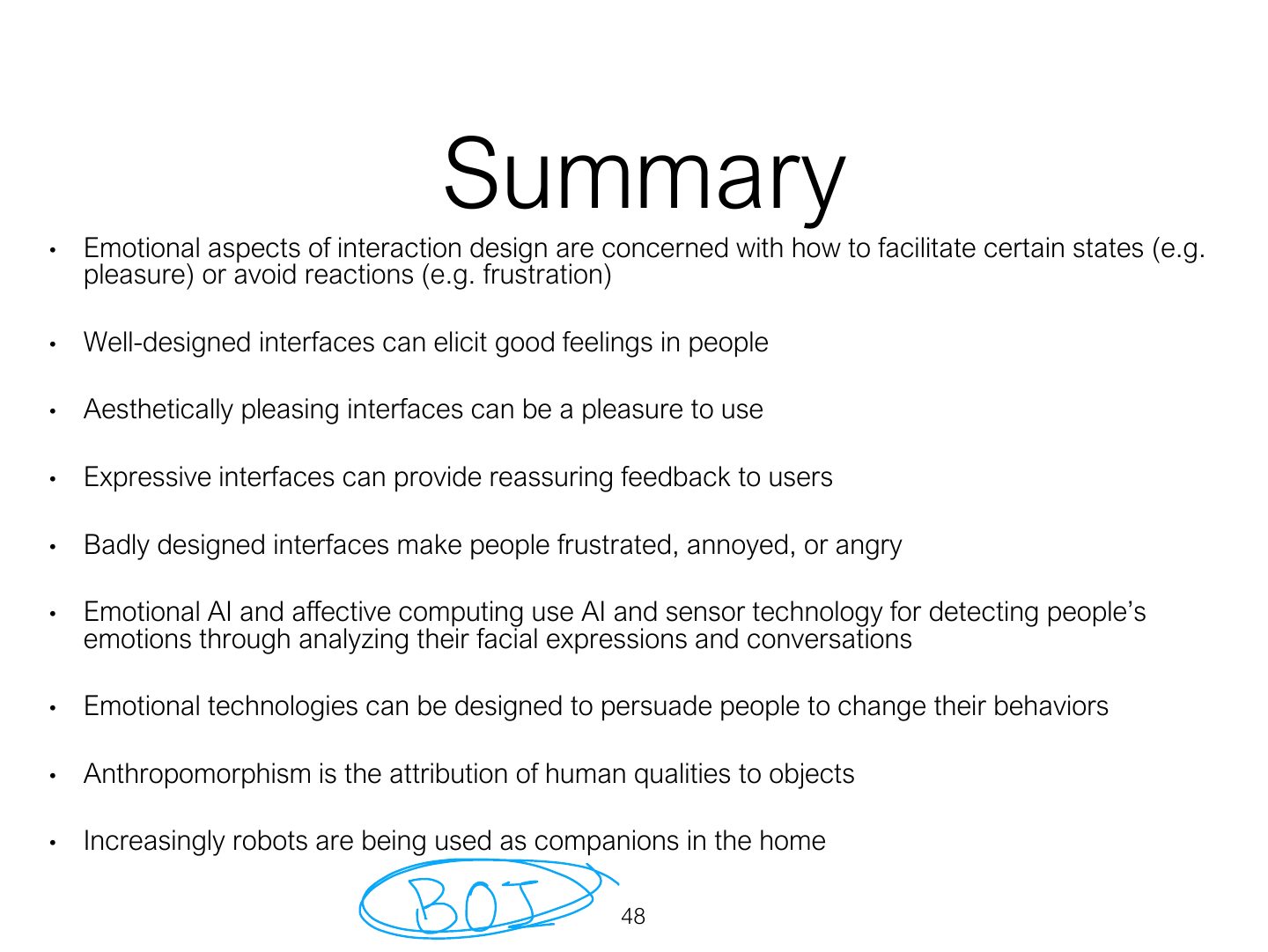
- 43 Which do you prefer?
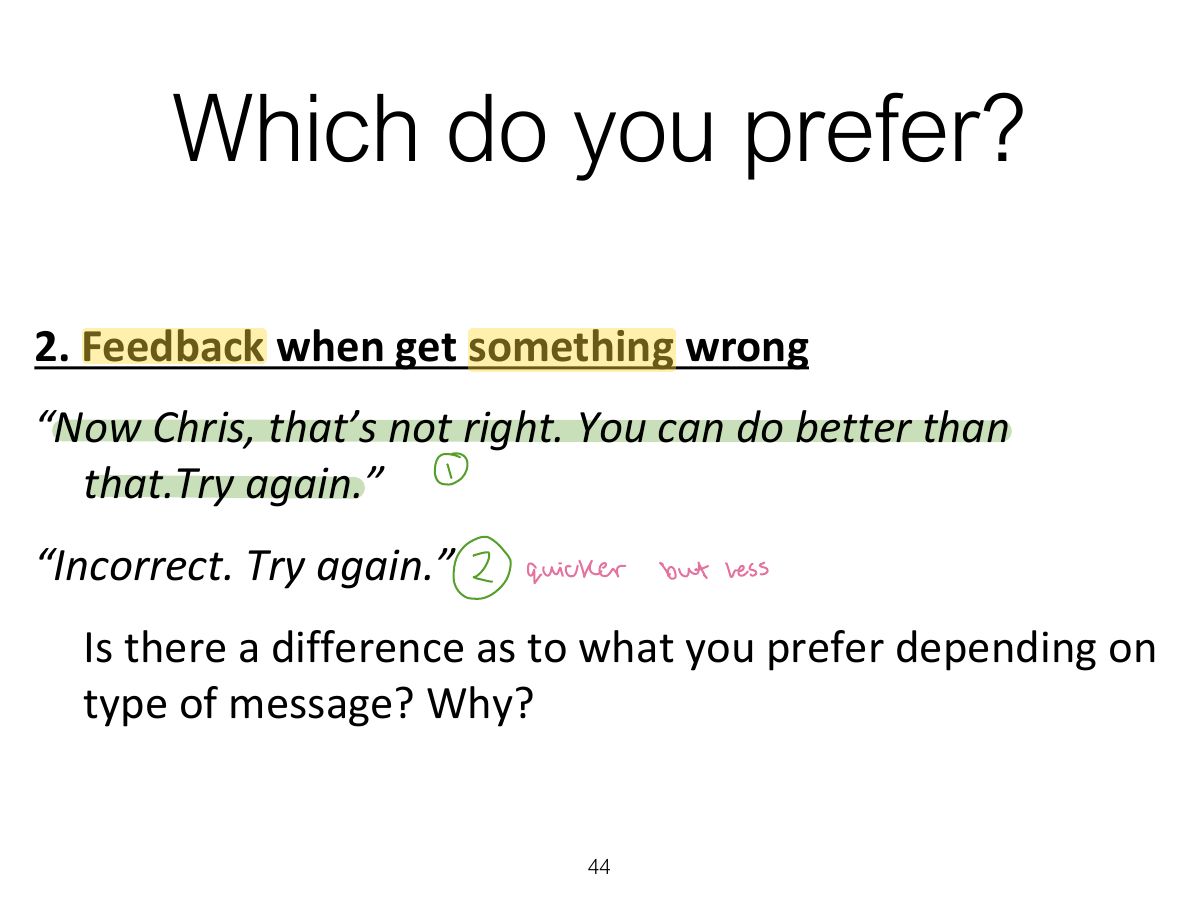
- 44 Which do you prefer?
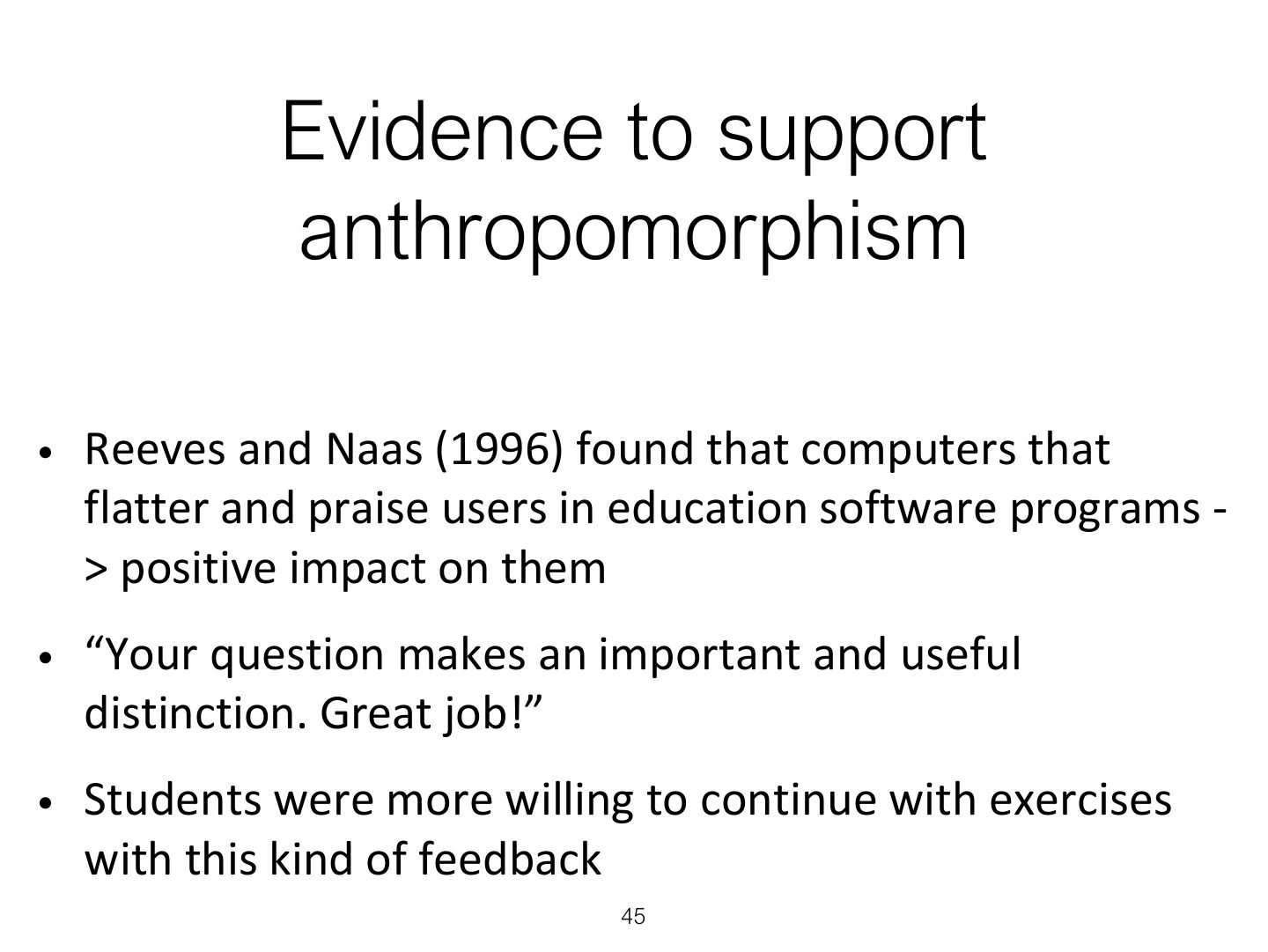
- 45 Evidence to support
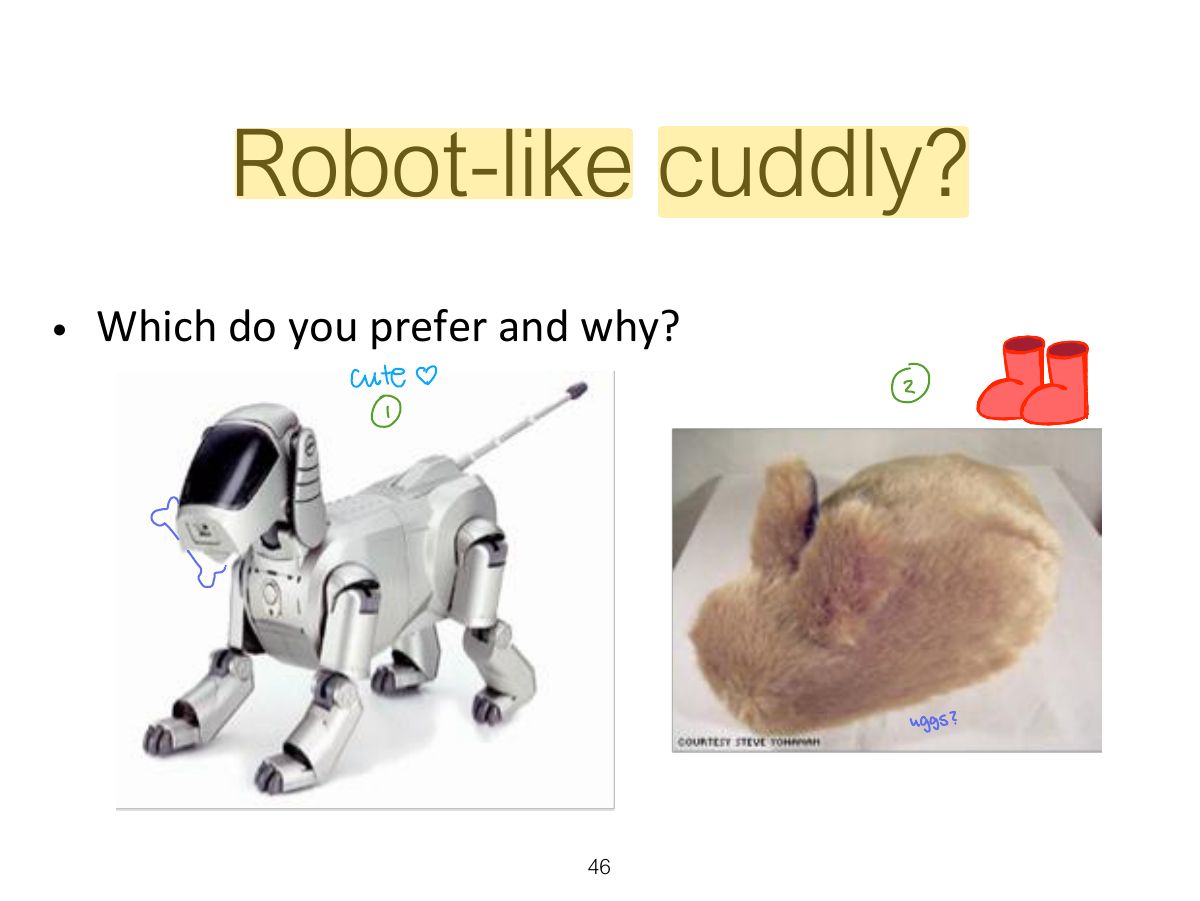
- 46 Robot-like cuddly?
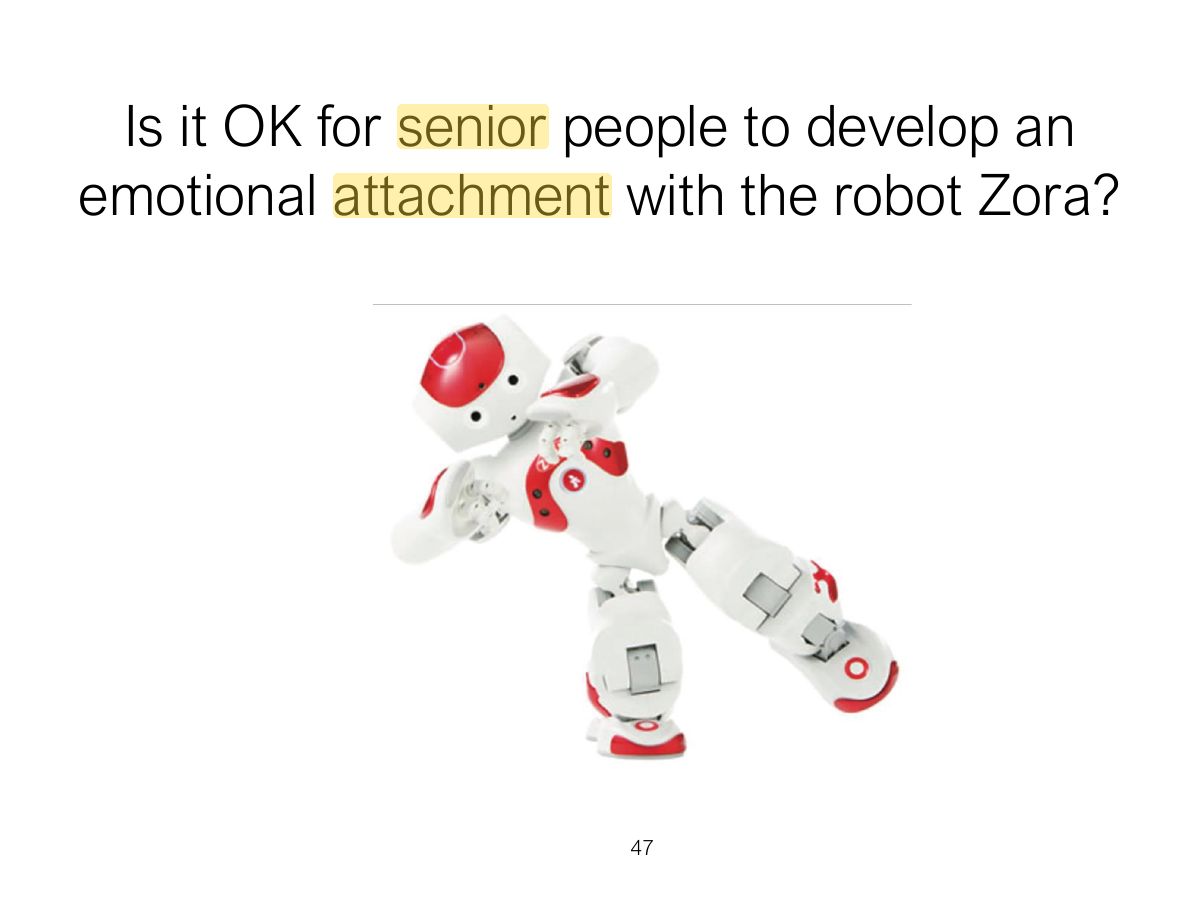
- 47 Is it OK for senior people to develop an
- 48 Summary
Slide 1
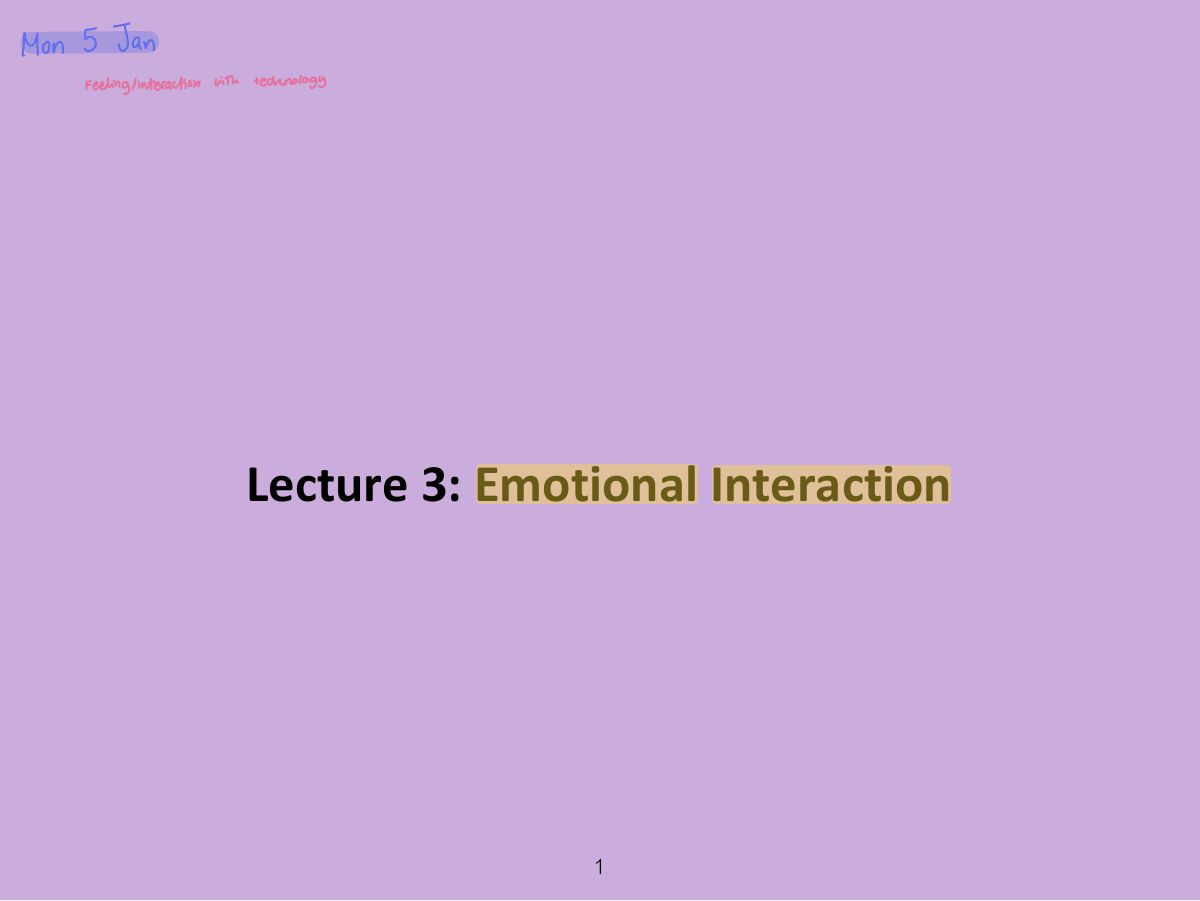
Overview
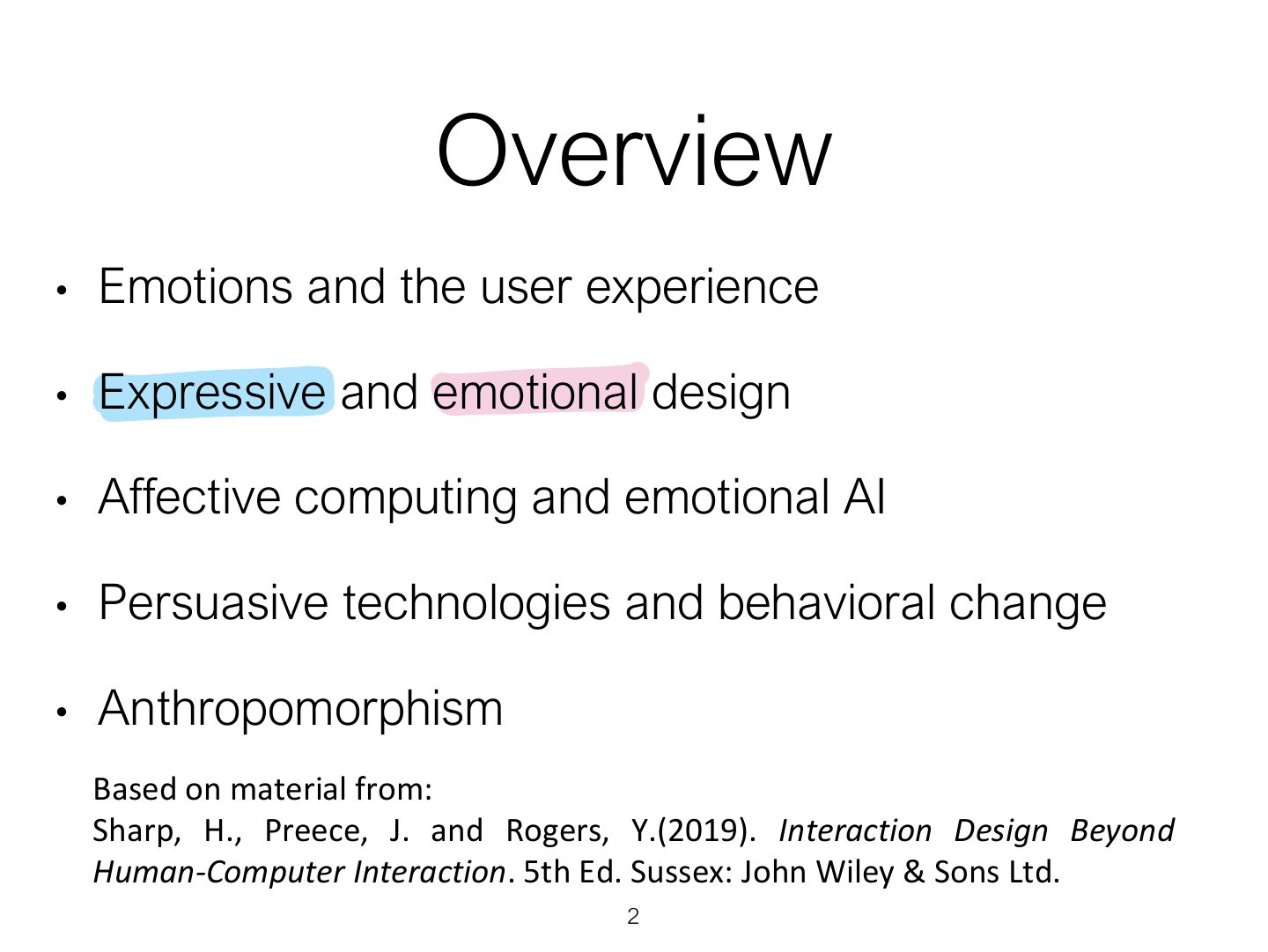
Learning Outcomes
1. Emotions and the user experience
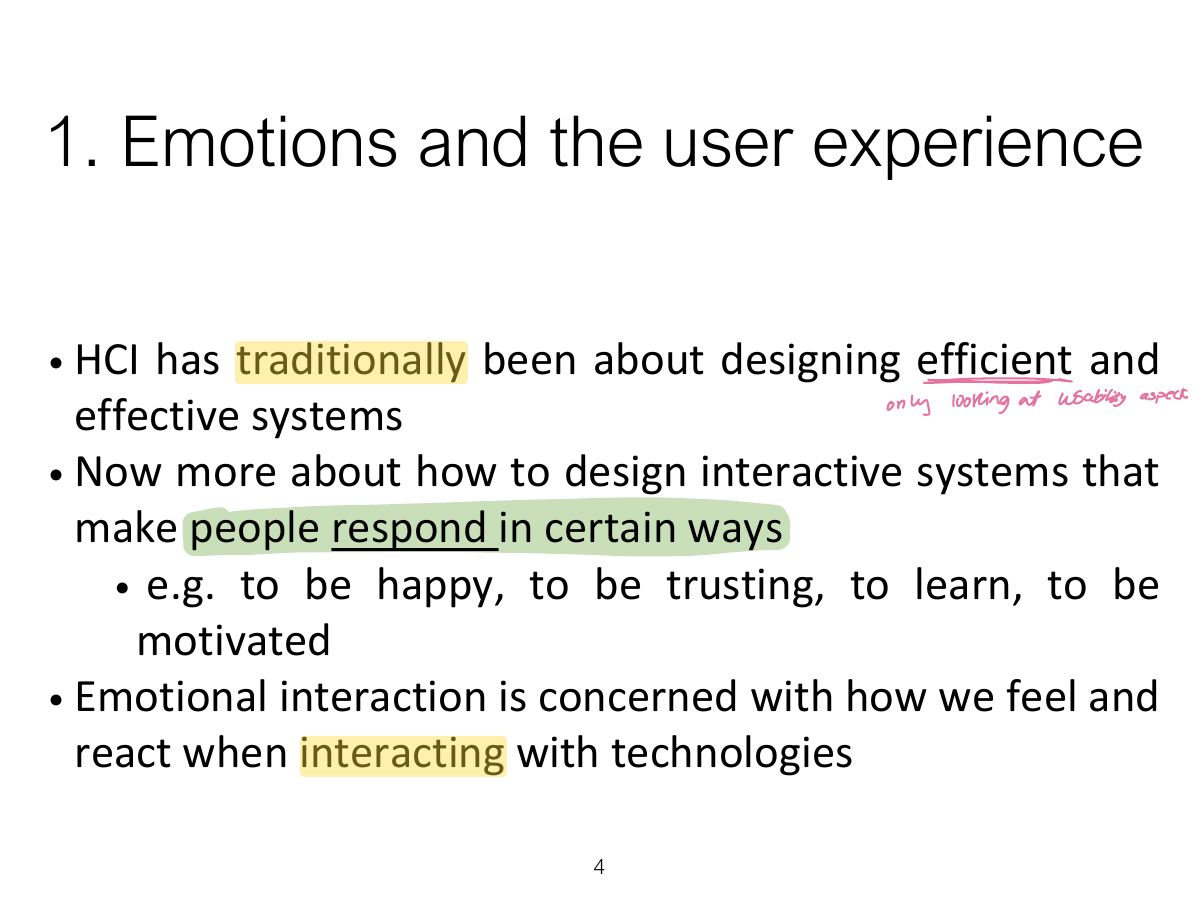
Emotional interaction
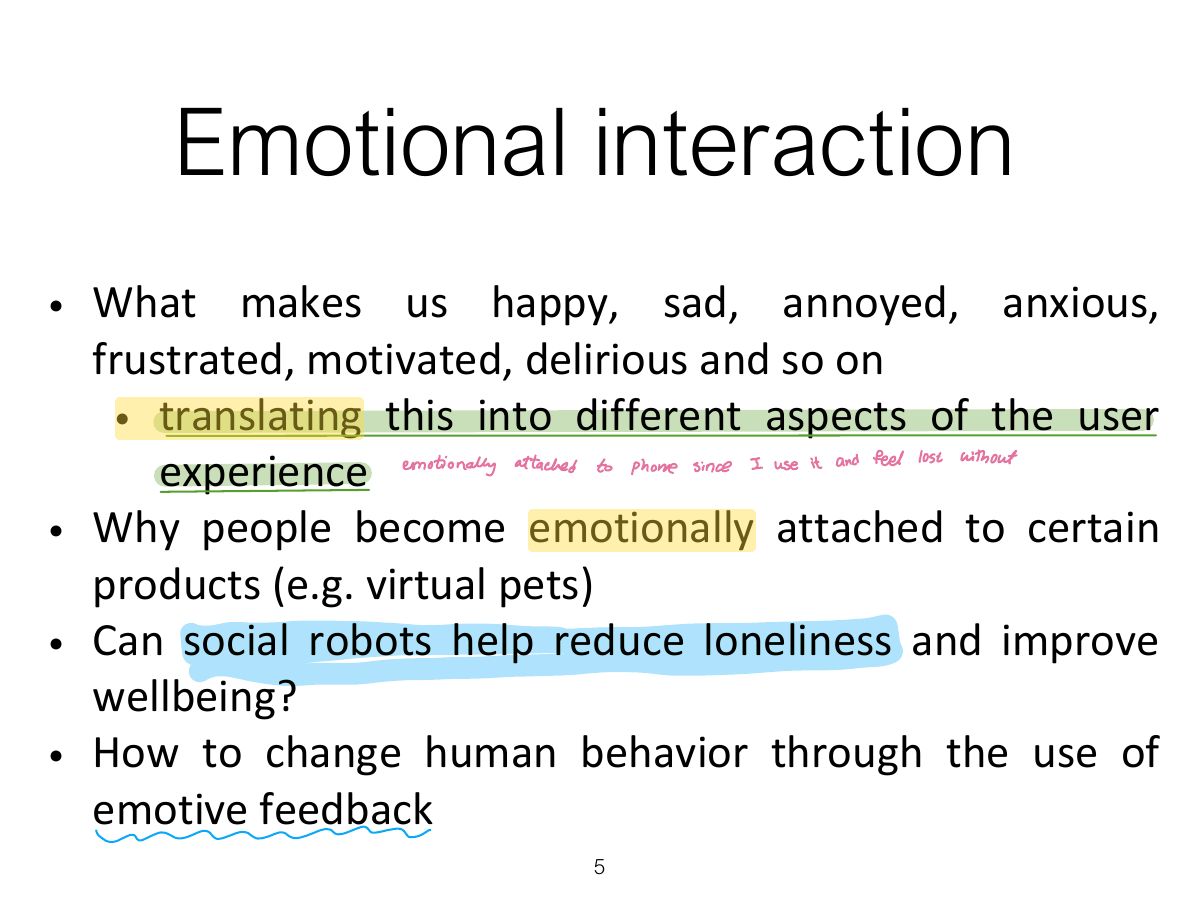
Activity
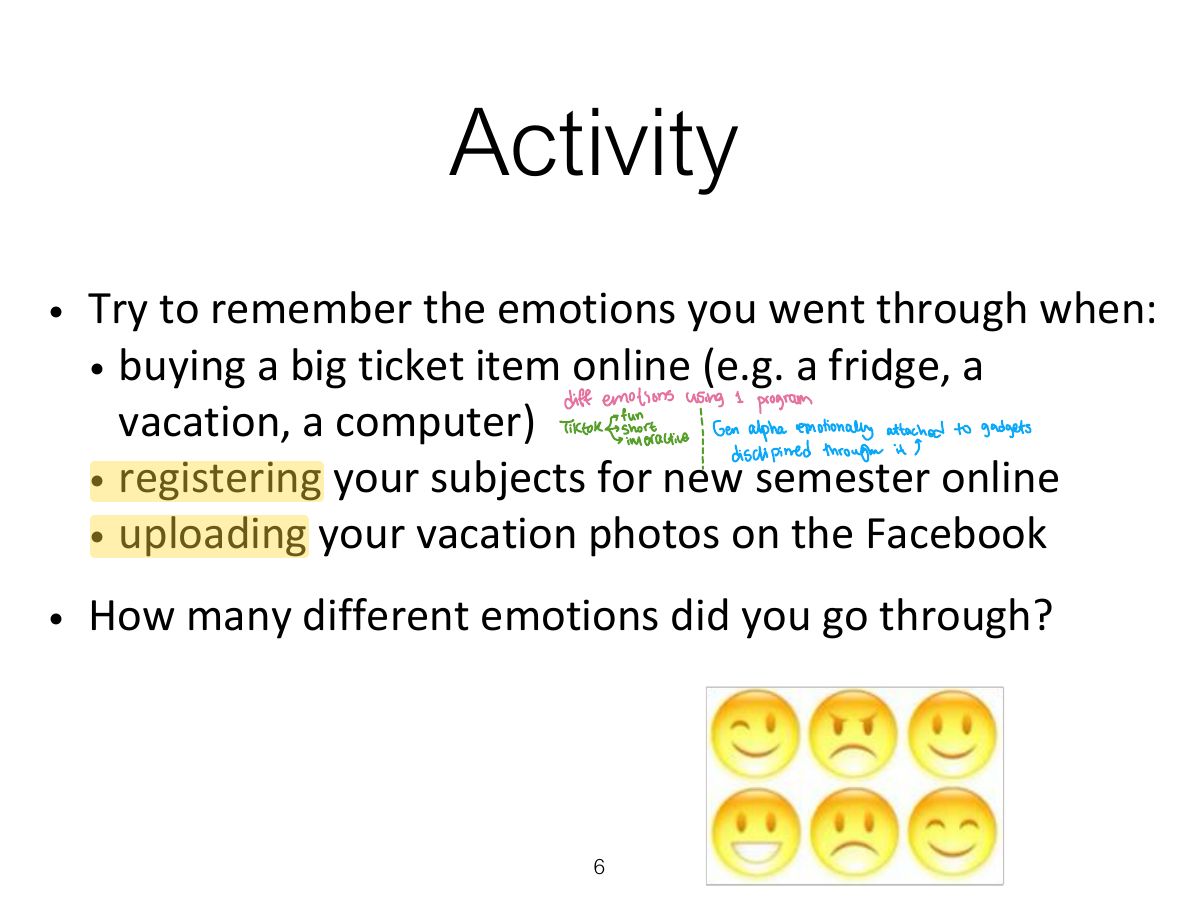
Why has this simple way of obtaining visitor feedback been so effective?
Pulling at the heart strings with emotive message
How easy is it to design an interface to match or change how we are feeling?
How do emotions affect behavior and behavior emotions?
Automatic (affect) versus conscious emotions
Notes
Automatic (affect) responses are fast; conscious appraisal is slower and reflective.
Ortony et al (2005) model of emotional design
Notes
Norman / Ortony: three levels: VISCERAL (looks and feel), BEHAVIORAL (use: usability), REFLECTIVE (meaning, self-image, memories).
Memory trick Visceral = first look; Behavioral = while using; Reflective = afterwards, what it says about me.
Exam angle
Claims from model
Designing with the three levels in mind
Analyzing a swatch watch design using the model
2. Expressive interfaces
User-created expressiveness
The appearance of an interface
The design of thermostats
3. Frustrating interfaces
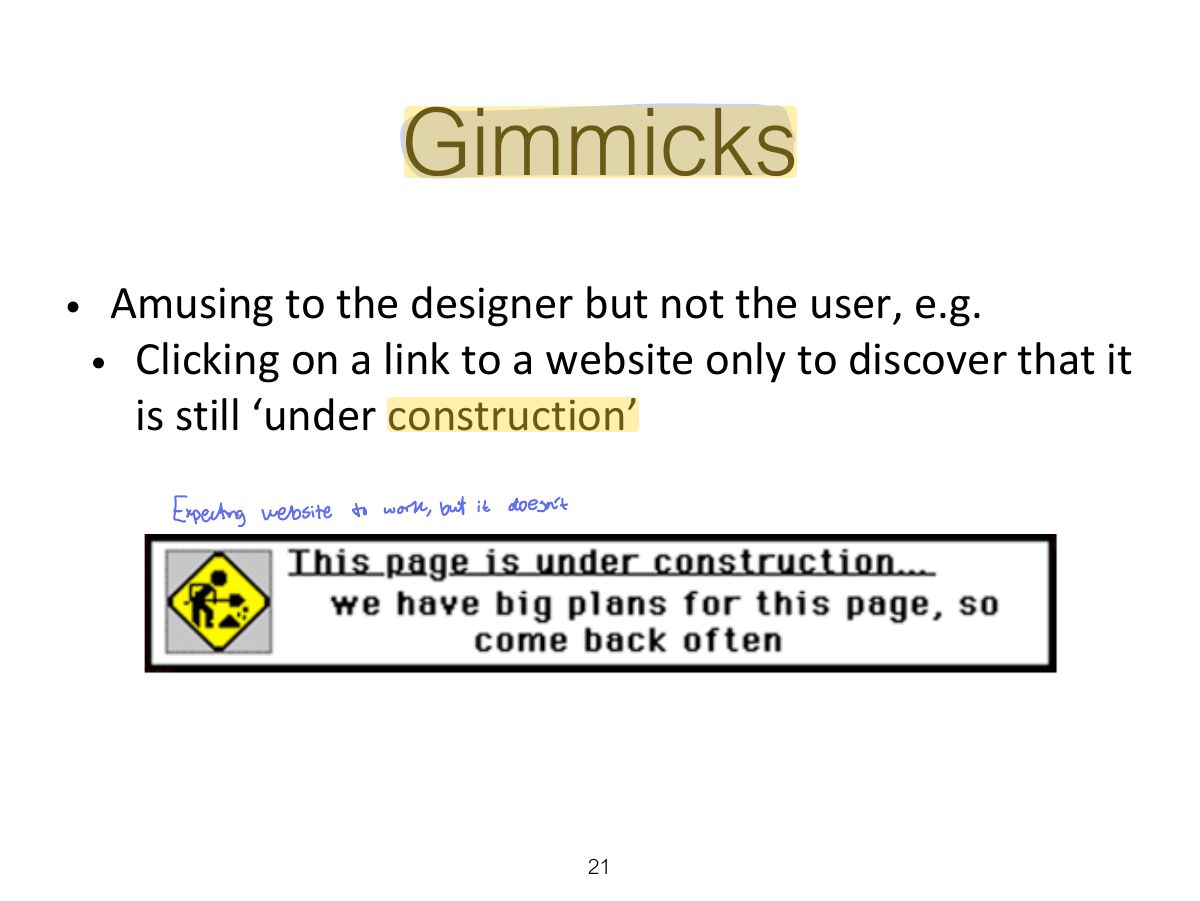
Gimmicks
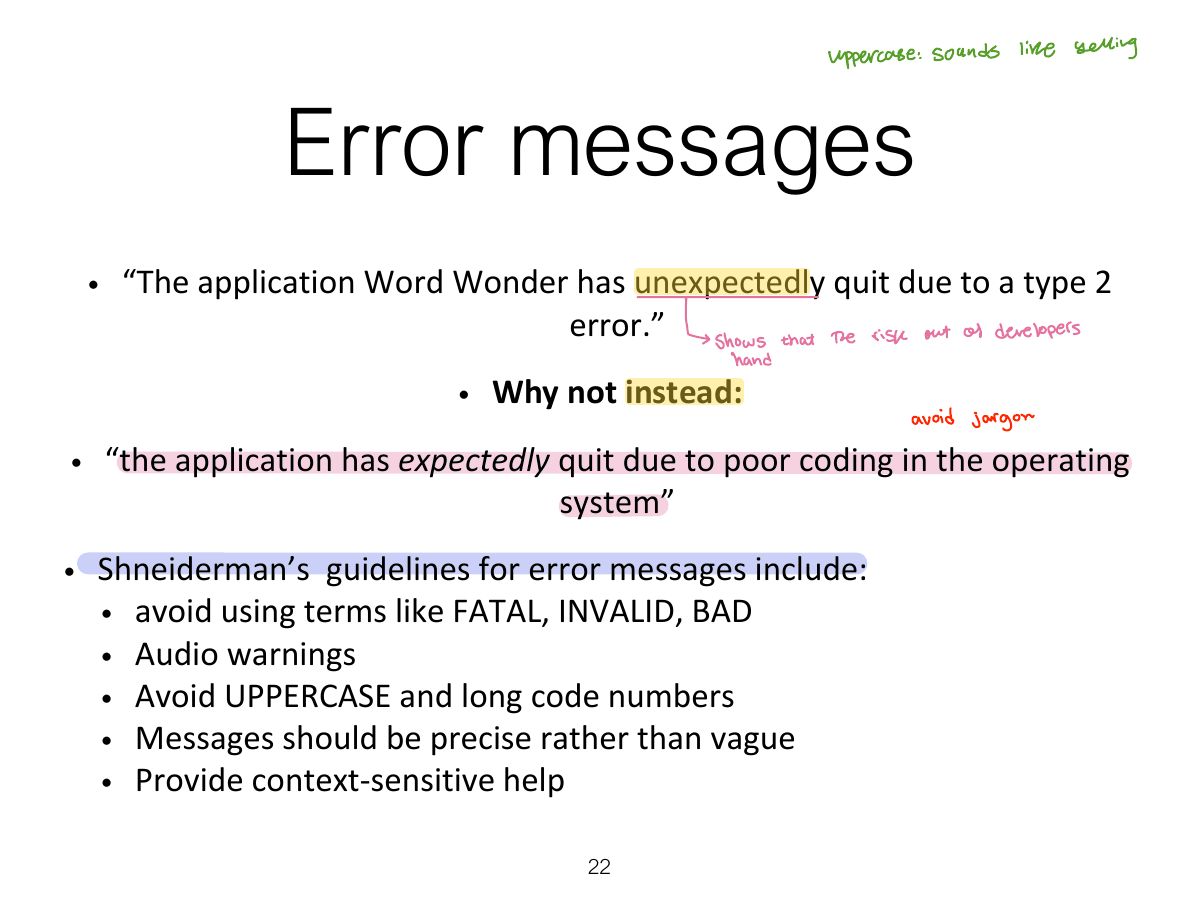
Error messages
Notes
Good error messages: say what went wrong and how to fix it, in plain language, without blaming the user.
Exam angle
Which is the best error message?
Website error messages
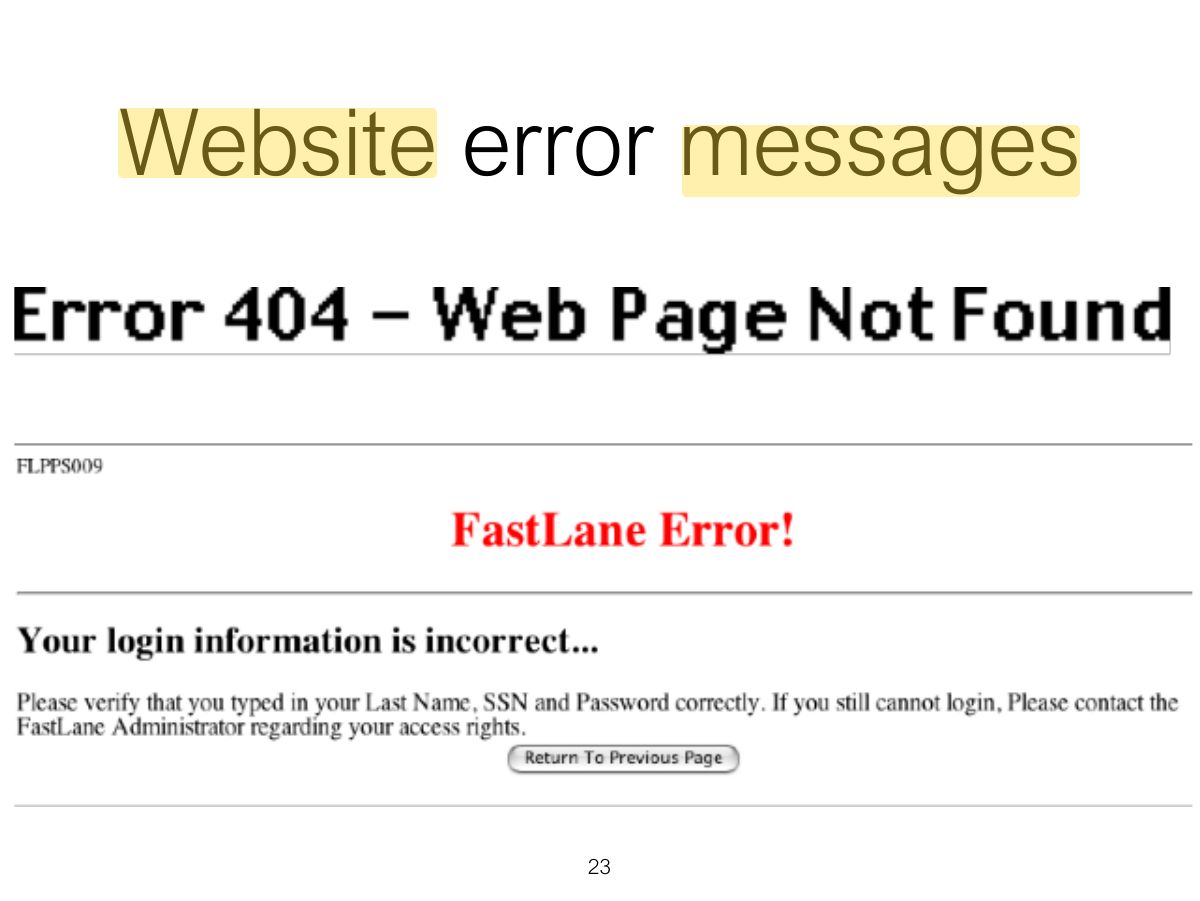
More helpful error message (cont)
A friendly cute image instead of the impersonal 404 error message
Should computers say they’re sorry?
Dilemma: Should Voice assistants teach kids good manners?
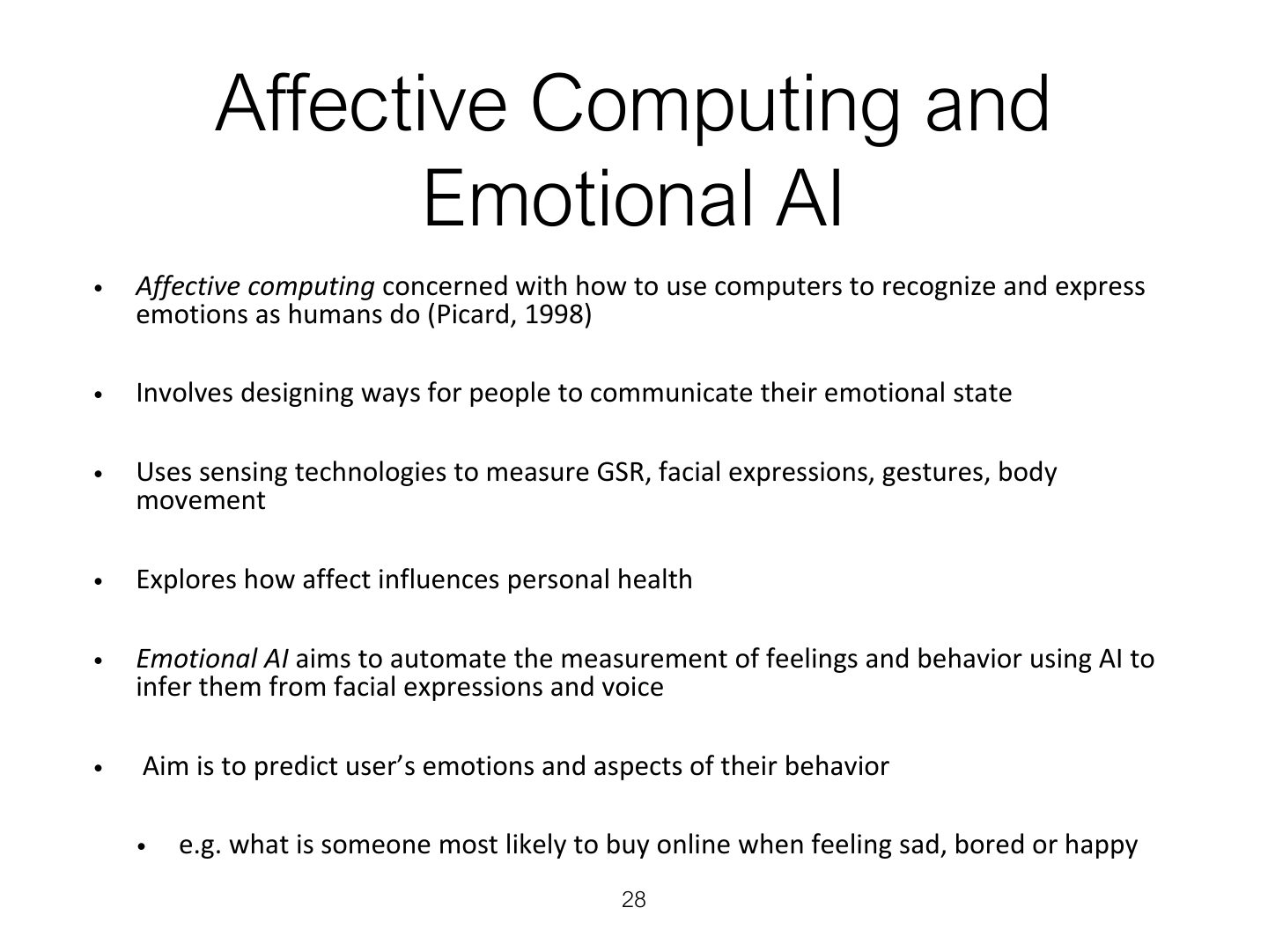
Affective Computing and Emotional AI
Notes
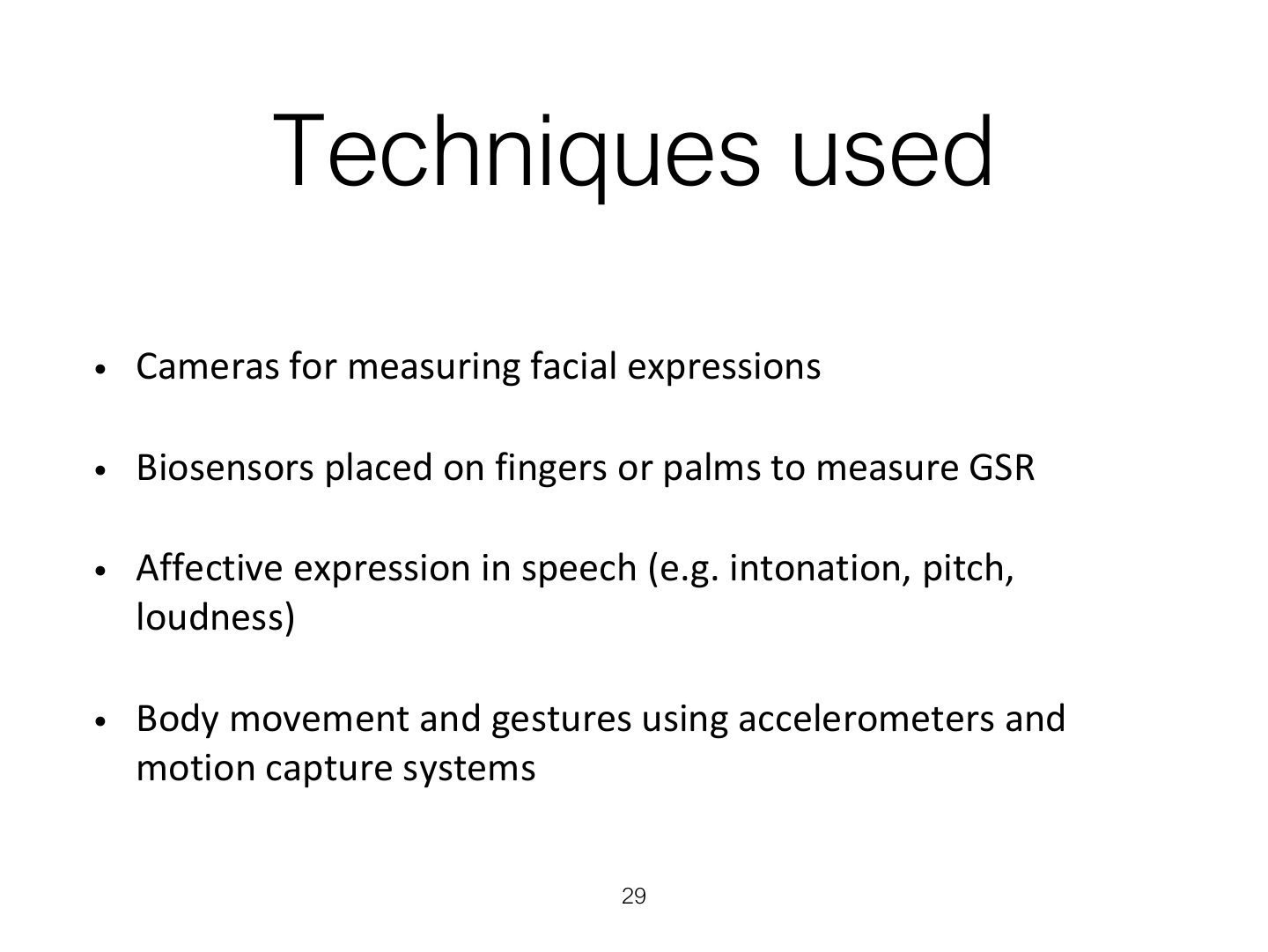
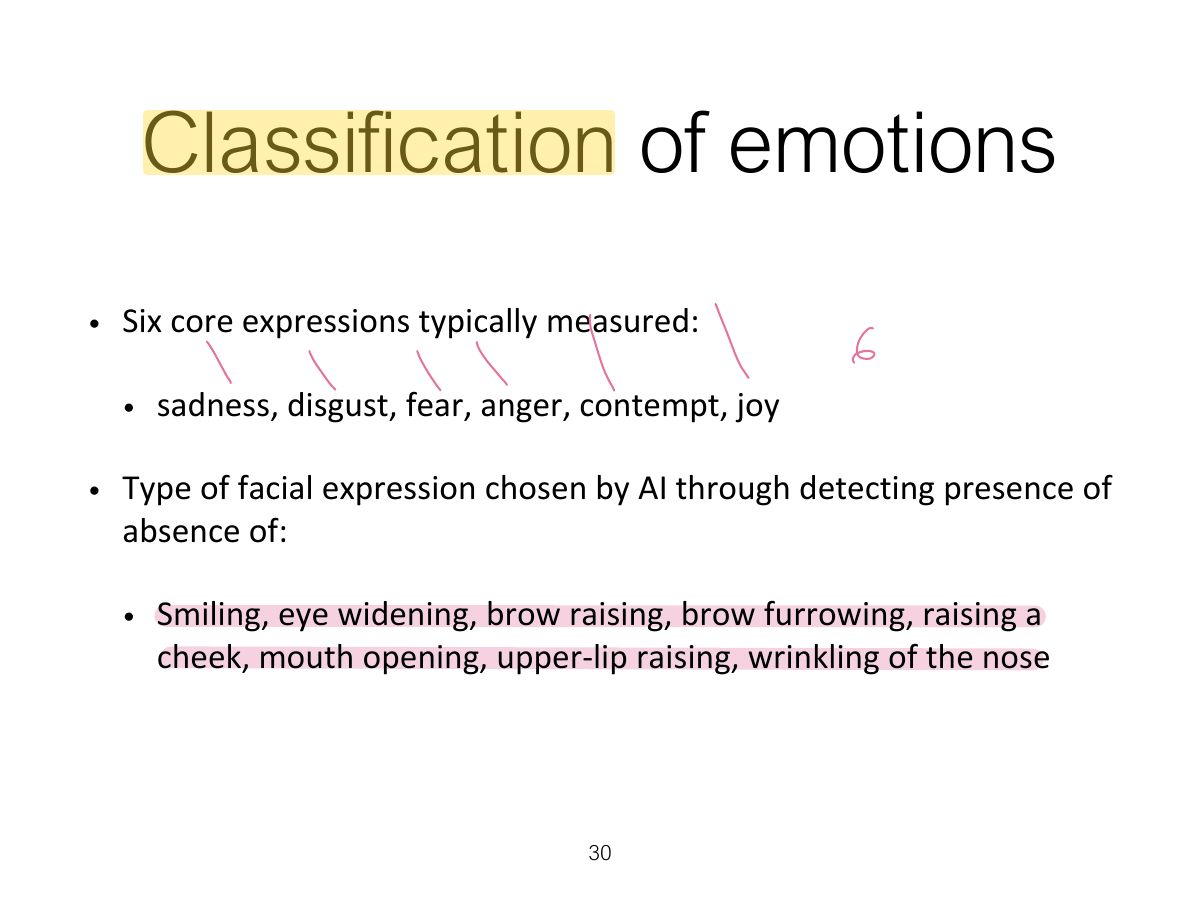
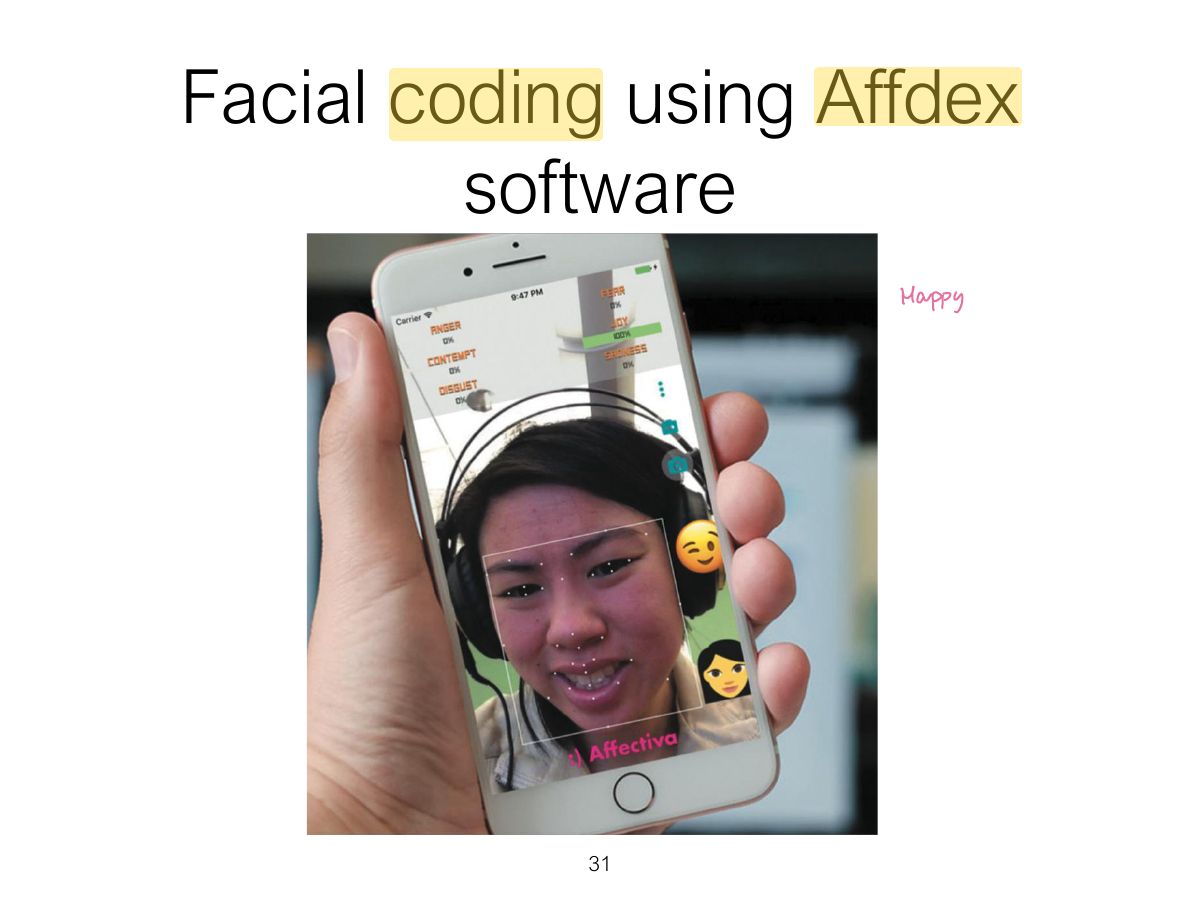
Affective computing: systems that recognize and express emotions (facial coding, voice, body signals).
Techniques used
Classification of emotions
Facial coding using Affdex software
How is this emotional data used?
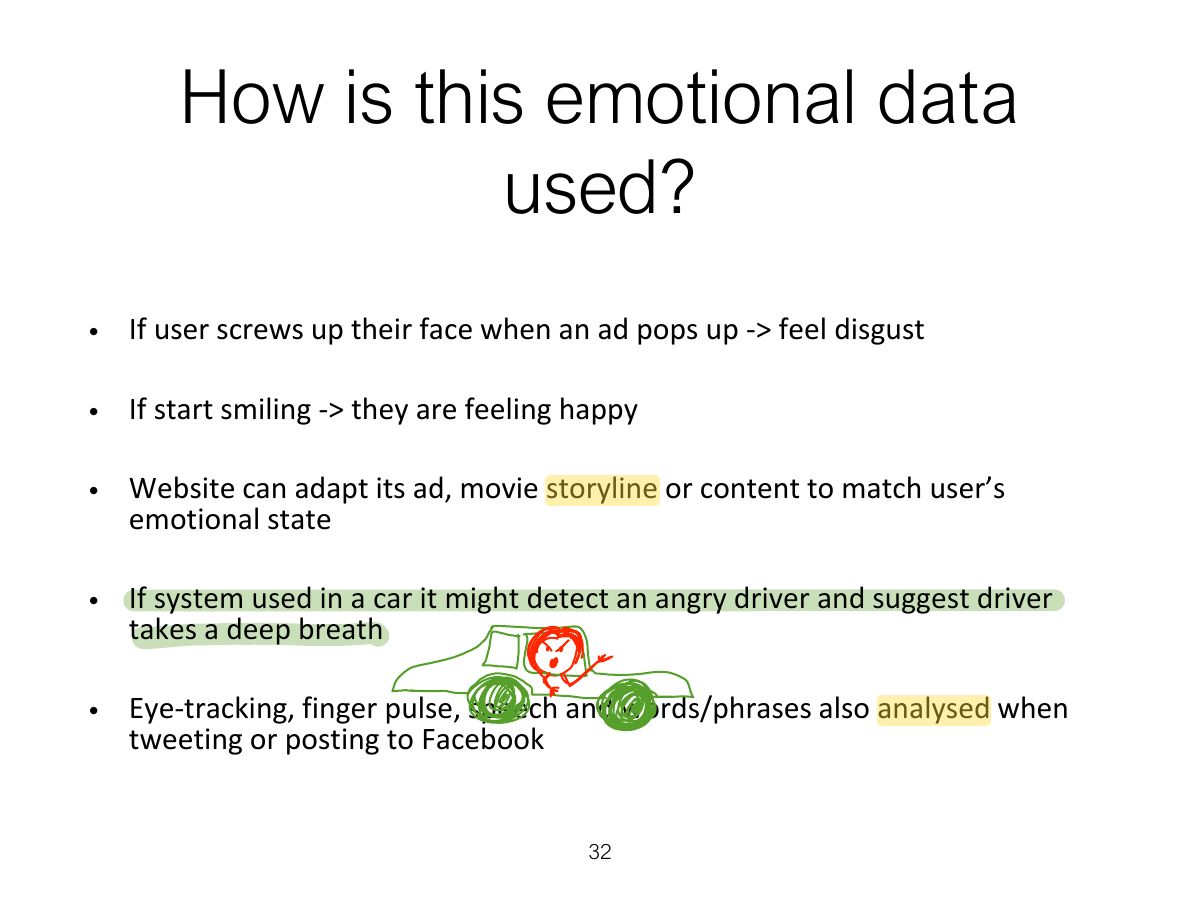
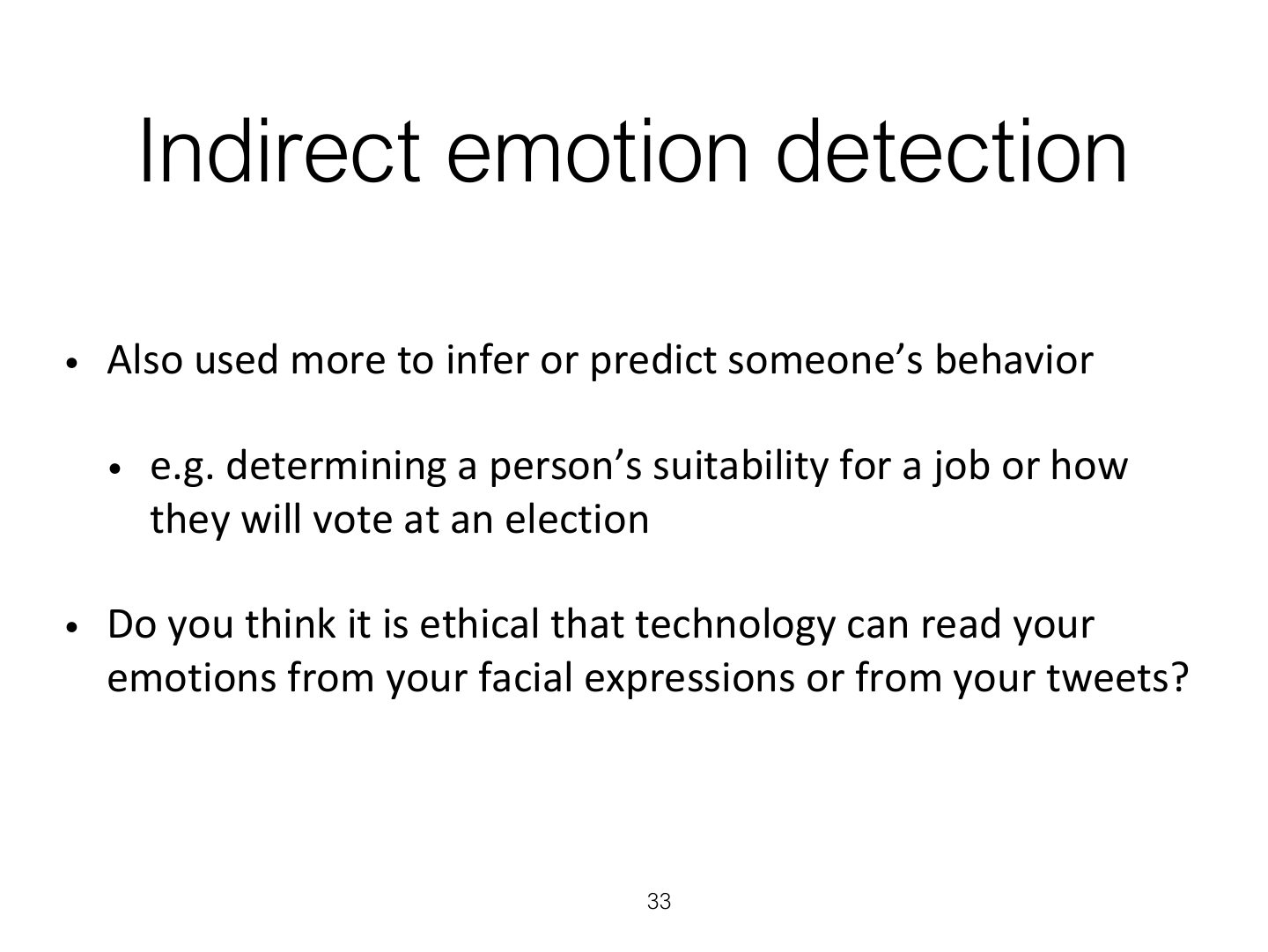
Indirect emotion detection
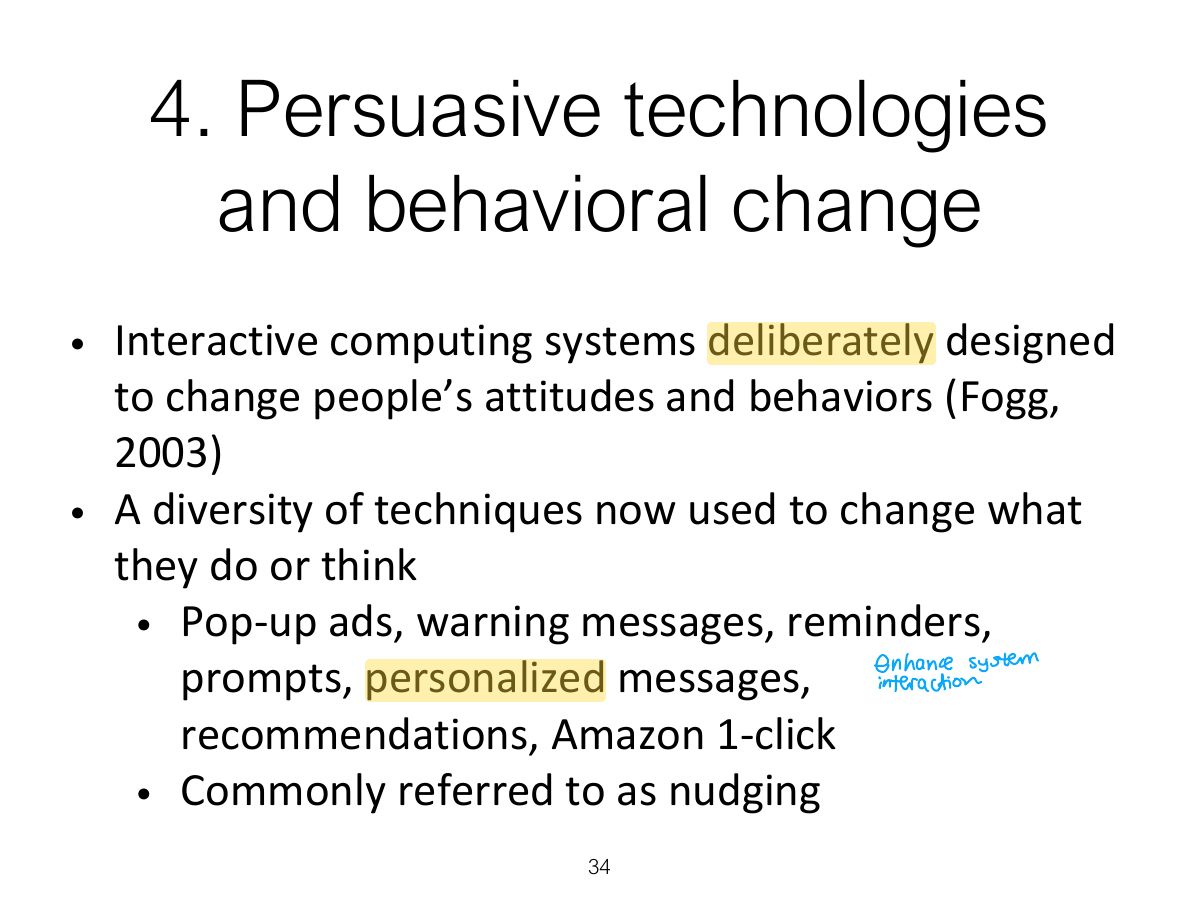
4. Persuasive technologies
Notes
Persuasive technologies: designed to change attitudes or behaviour (fitness trackers, energy displays, nudges).
How effective?
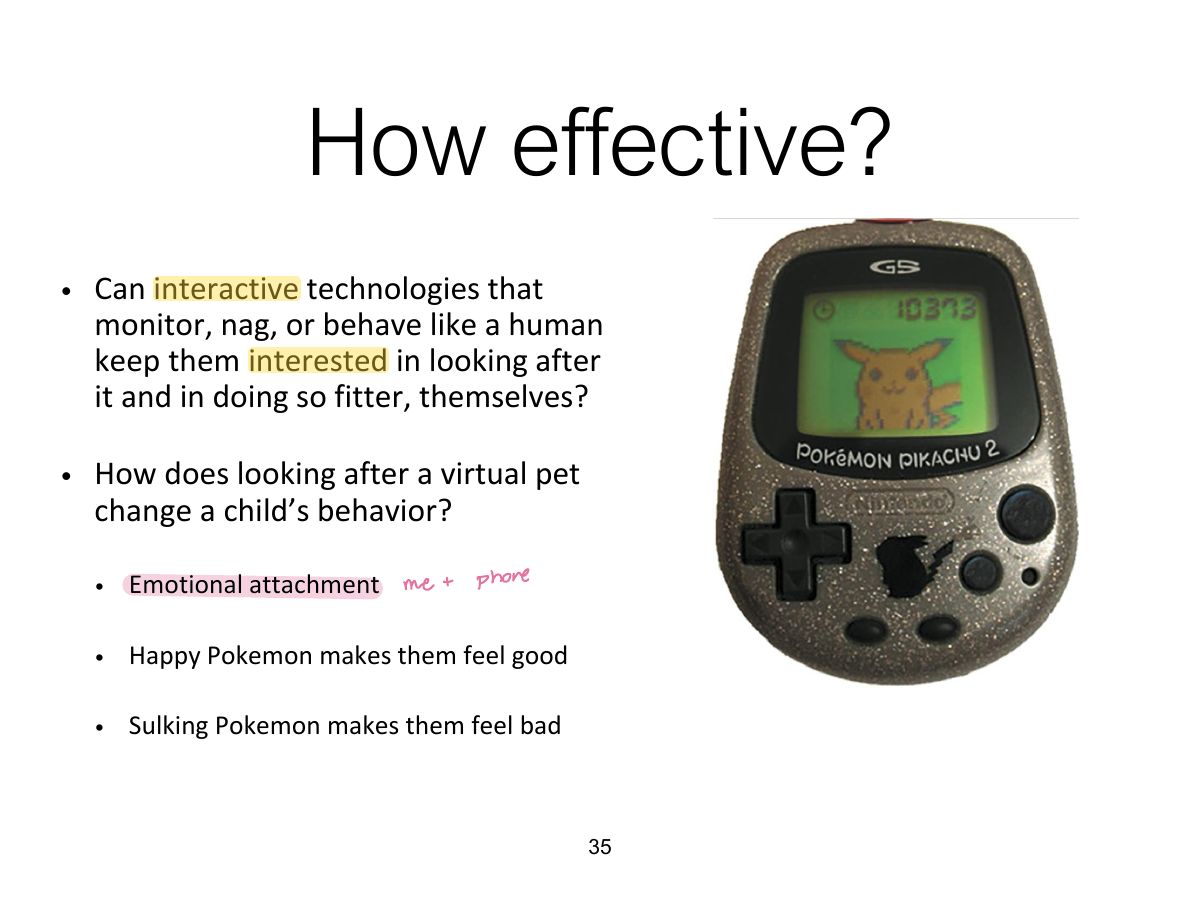
Tracking devices
Sustainable HCI
The Tidy Street project
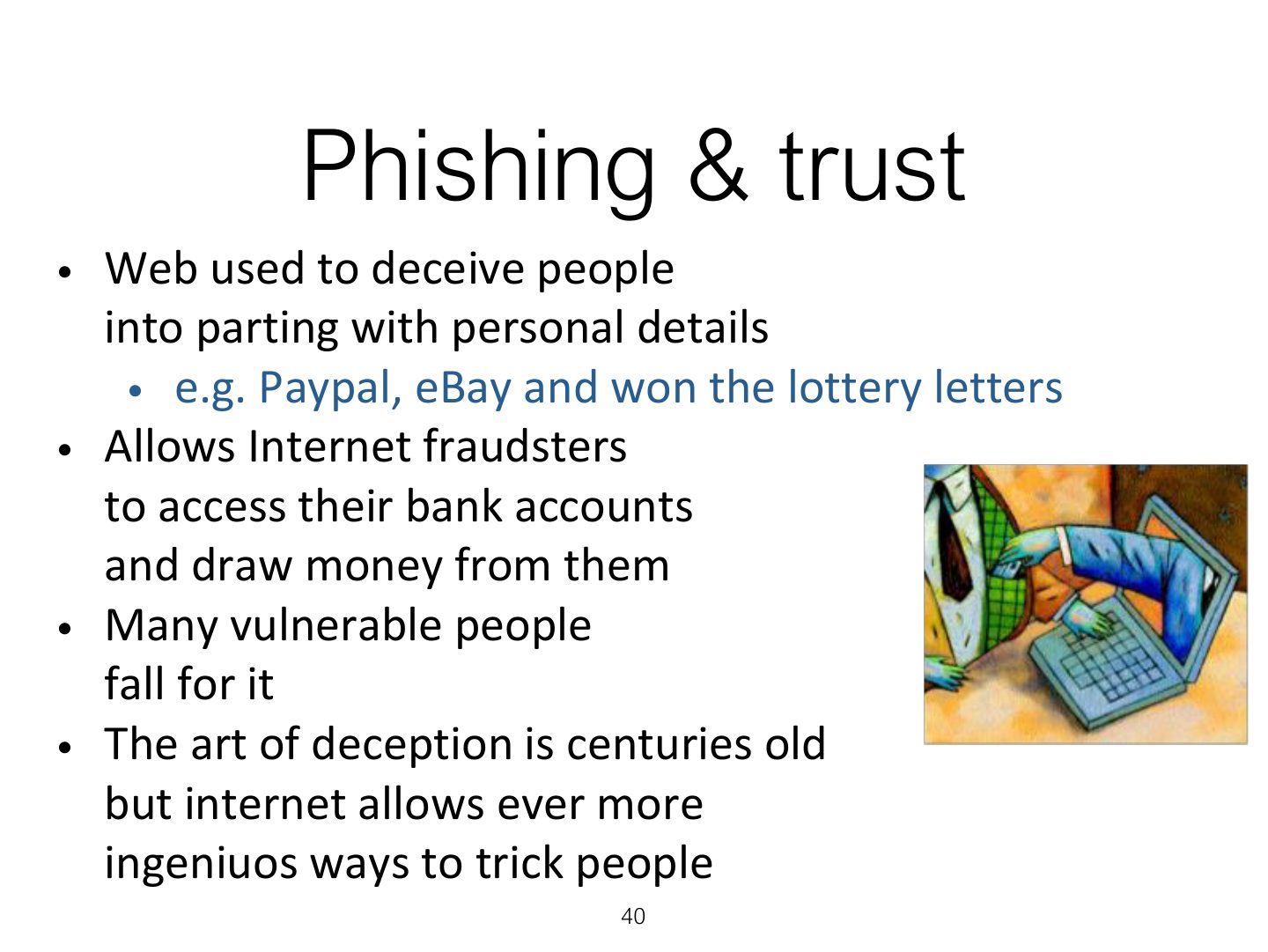
Phishing scams
Notes
Phishing exploits trust: emotional design can be used against users.
Phishing & trust
5. Anthropomorphism
Notes
Anthropomorphism: giving human qualities to objects (cuddly robots, chatbots). Can make interaction enjoyable, but can also deceive or annoy.
Anthropomorphism
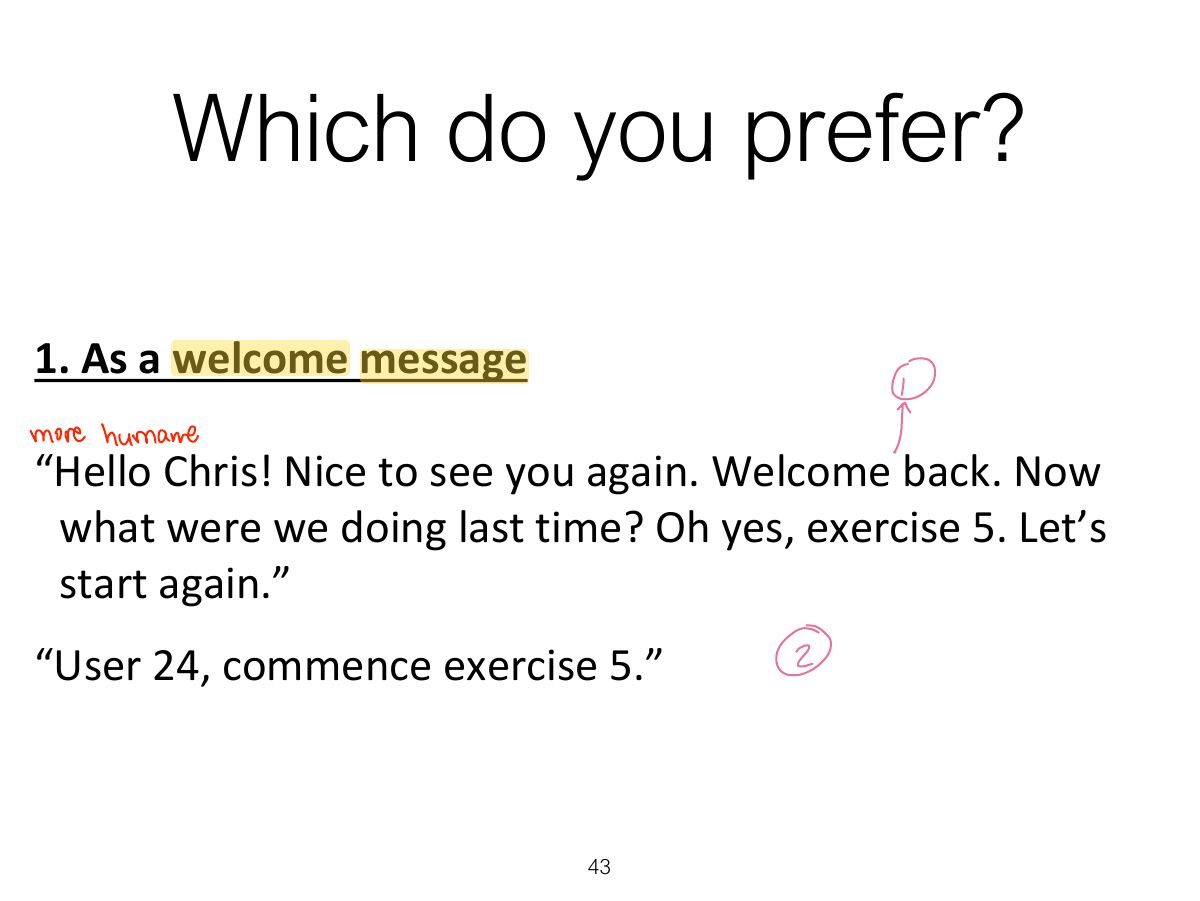
Which do you prefer?
Which do you prefer?
Evidence to support
Robot-like cuddly?
Is it OK for senior people to develop an
Summary