"Print receipt" happens only if the customer asks. Relative to "Withdraw cash" it is:
System Modeling with UML
Context, interaction, structural and behavioral models, then UML in detail: use-case diagrams with include/extend/generalization, sequence diagrams and messages, class diagrams with association, aggregation, composition, generalization and multiplicity, activity diagrams with swimlanes, and state machine diagrams.
How to read this page
Every original slide is shown unchanged. Yellow marks on a slide point to a numbered note: hover or tap a mark to jump to its note, and hover a note to see its marks. Questions tagged Past exam appeared on a real paper; Prediction questions are likely angles, not confirmed. Pick an answer to each question: a wrong pick tells you why it is wrong, so you can try again.
All 112 slides
- 1 Slide 1
- 2 Topics covered
- 3 System modeling
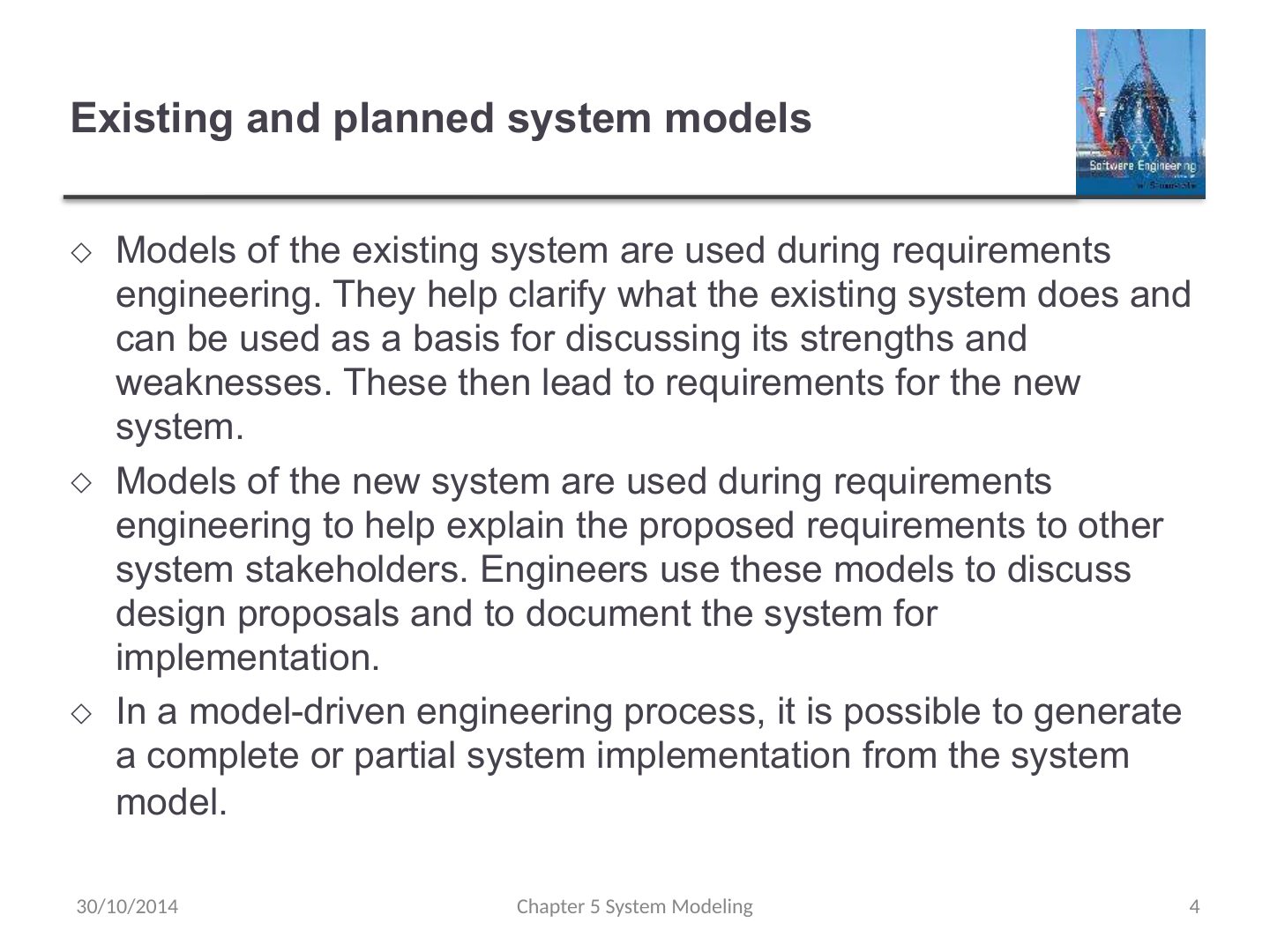
- 4 Existing and planned system models
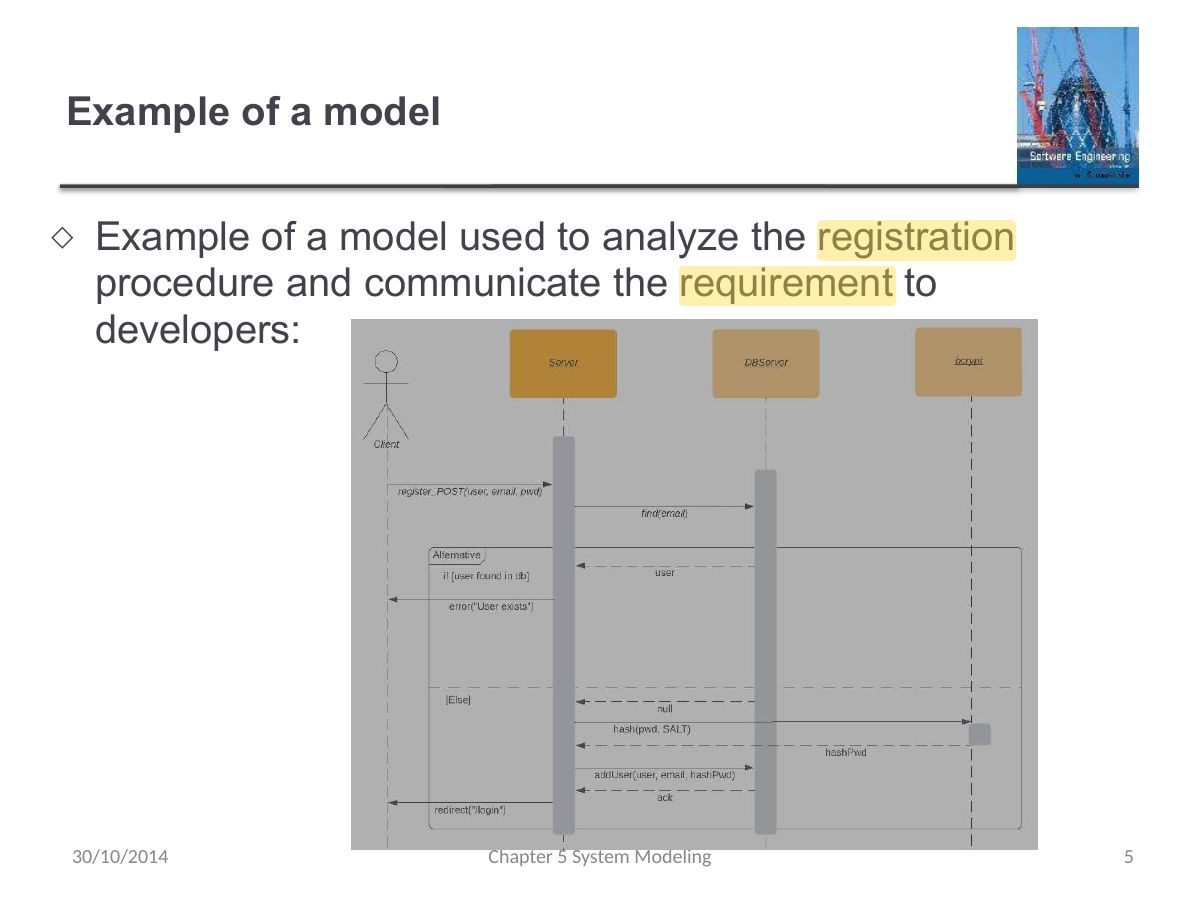
- 5 Example of a model
- 6 Different Uses of graphical models
- 7 System perspectives
- 8 UML diagram types
- 9 Slide 9
- 10 Context models
- 11 The context of the Mentcare system
- 12 Process perspective
- 13 Process model of involuntary detention
- 14 Slide 14
- 15 Interaction models
- 16 Use case modeling
- 17 Use cases in the Mentcare system involving the role ‘Medical Receptionist’
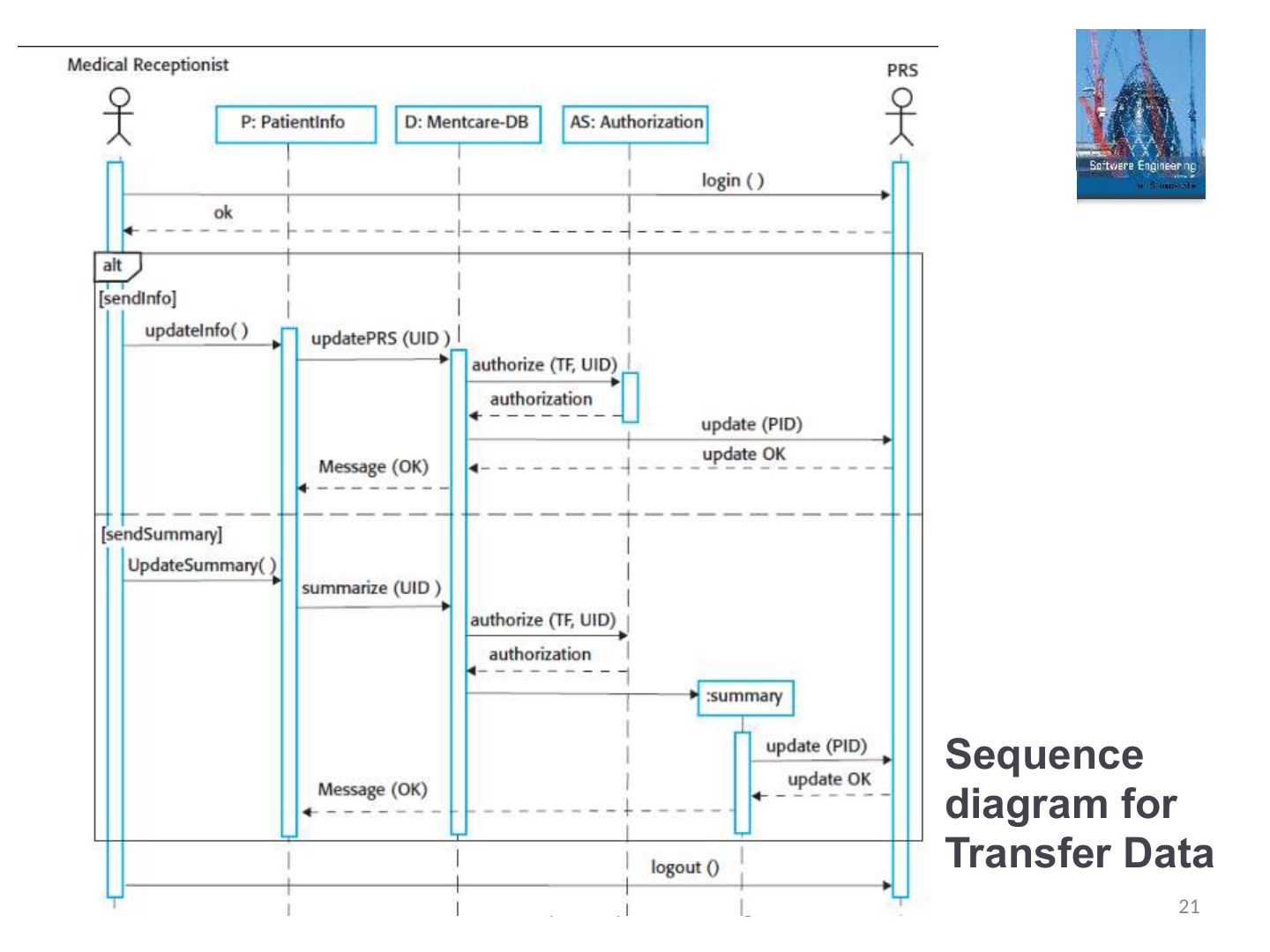
- 18 Tabular description of the ‘Transfer data’ use- case
- 19 Sequence diagrams
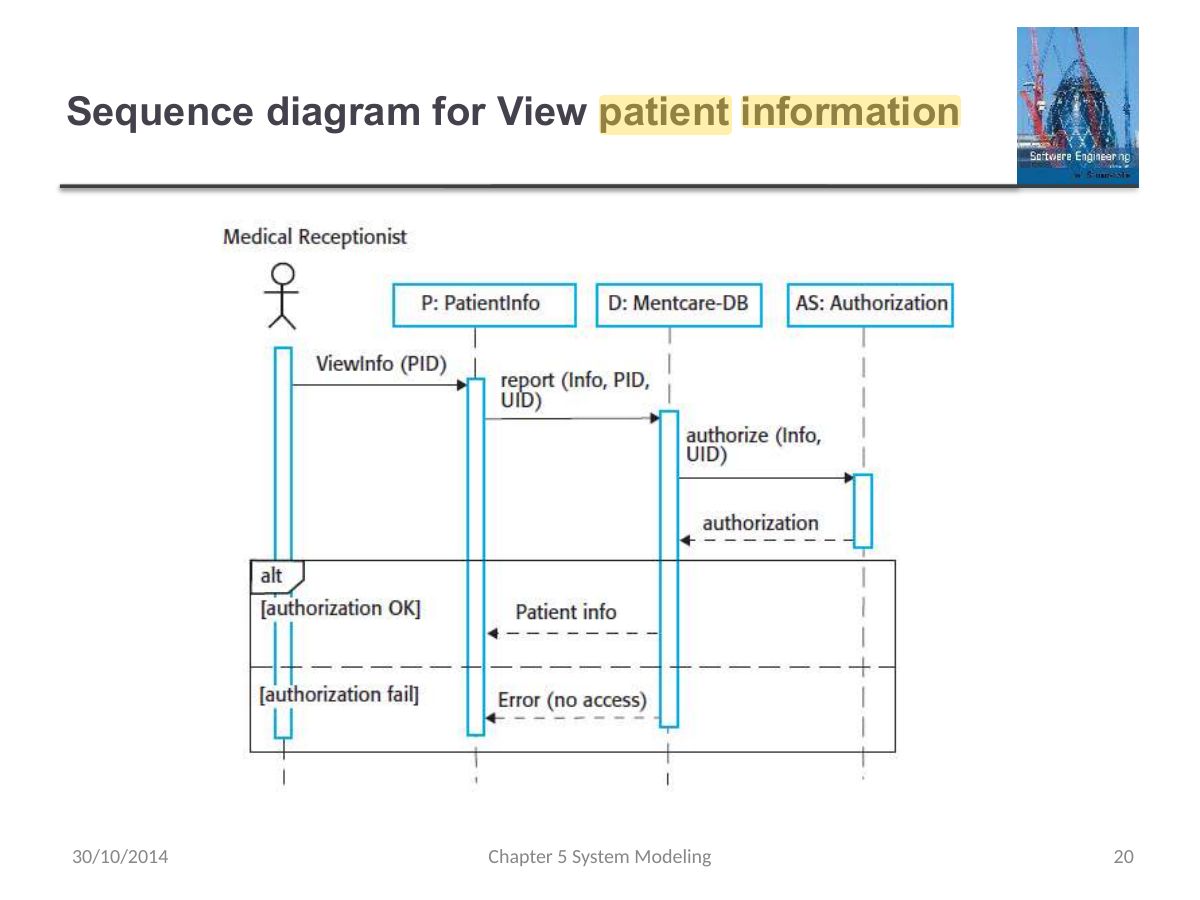
- 20 Sequence diagram for View patient information
- 21 Slide 21
- 22 Slide 22
- 23 Structural models
- 24 Class diagrams
- 25 UML classes and association
- 26 Classes and associations in the MHC-PMS
- 27 The Consultation class
- 28 Slide 28
- 29 What is a Use case?
- 30 Elements of a Use Case Diagram
- 31 Elements of a Use Case Diagram
- 32 Elements of a Use Case Diagram
- 33 Elements of a Use Case Diagram
- 34 Elements of a Use Case Diagram
- 35 Example of a Use Case diagram of an ATM system
- 36 Relationships in Use Cases
- 37 Relationships in Use Cases
- 38 Example of an extend relationship
- 39 Relationships in Use Cases
- 40 Relationships in Use Cases
- 41 Exercise
- 42 Use-case diagram for a university registration system
- 43 ATM Example
- 44 Slide 44
- 45 Interaction Diagrams
- 46 Interactions- showing the dynamic aspect
- 47 Sequence Diagram
- 48 Sequence Diagram
- 49 Sequence Diagram
- 50 Sequence Diagram
- 51 Sequence Diagram-Messages
- 52 Sequence Diagram-Messages
- 53 Sequence Diagram-Messages
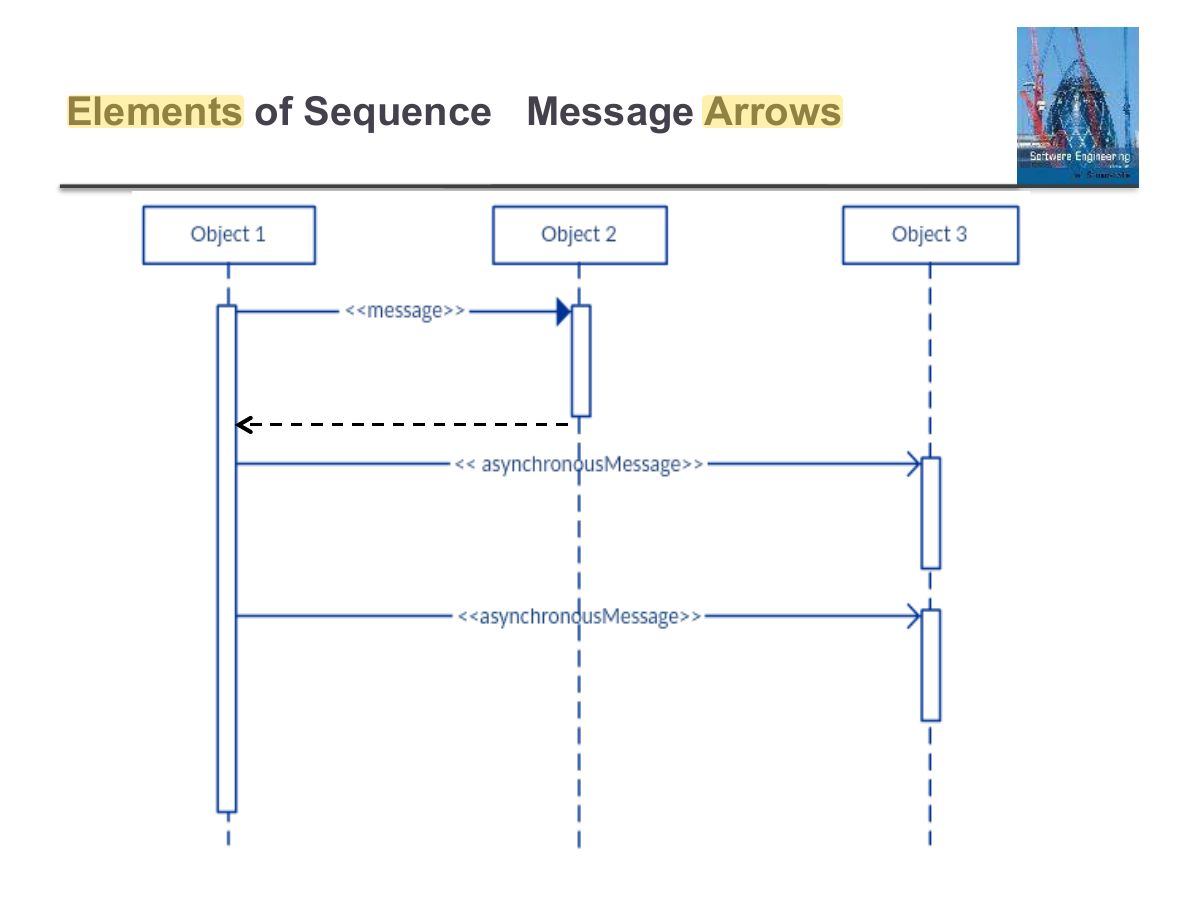
- 54 Elements of Sequence Message Arrows
- 55 Elements of Sequence Message Arrows
- 56 Elements of Sequence Message Arrows
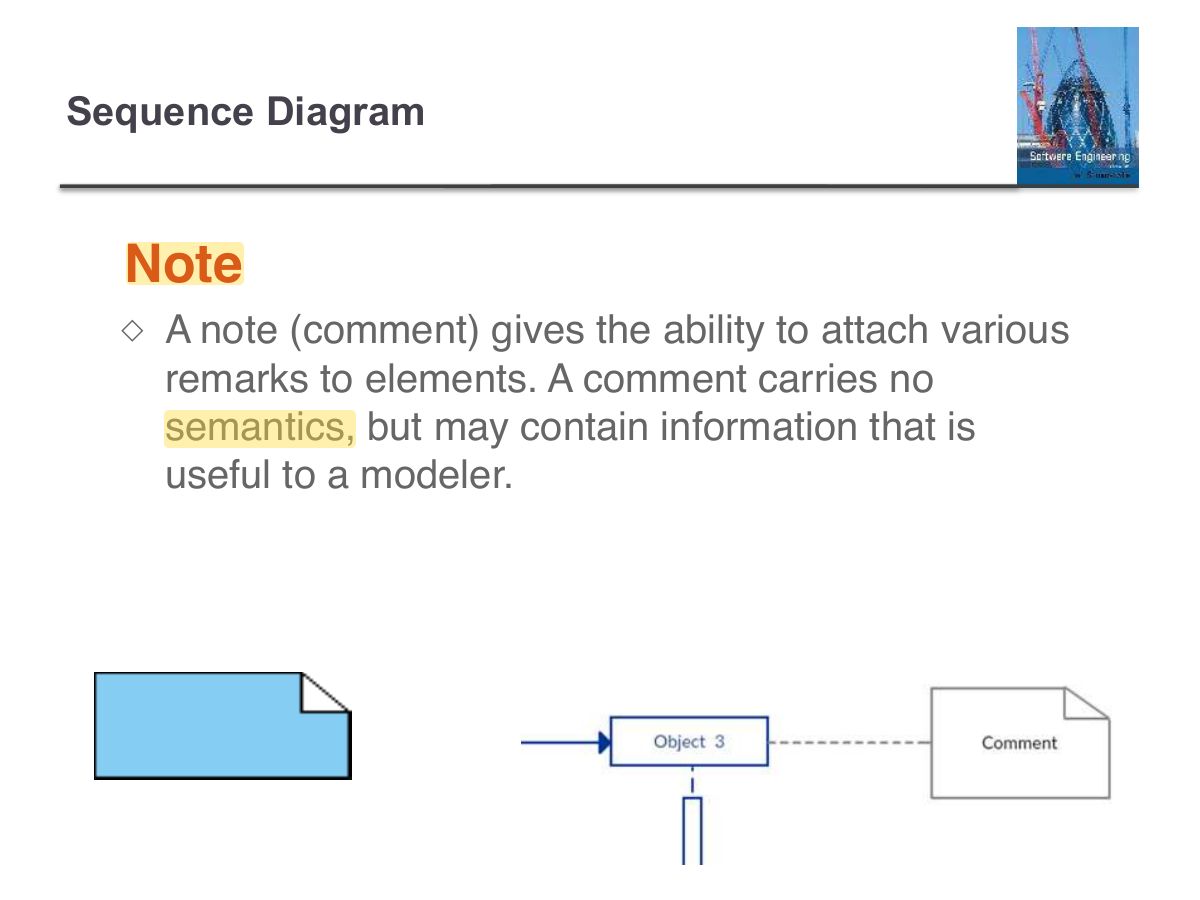
- 57 Sequence Diagram
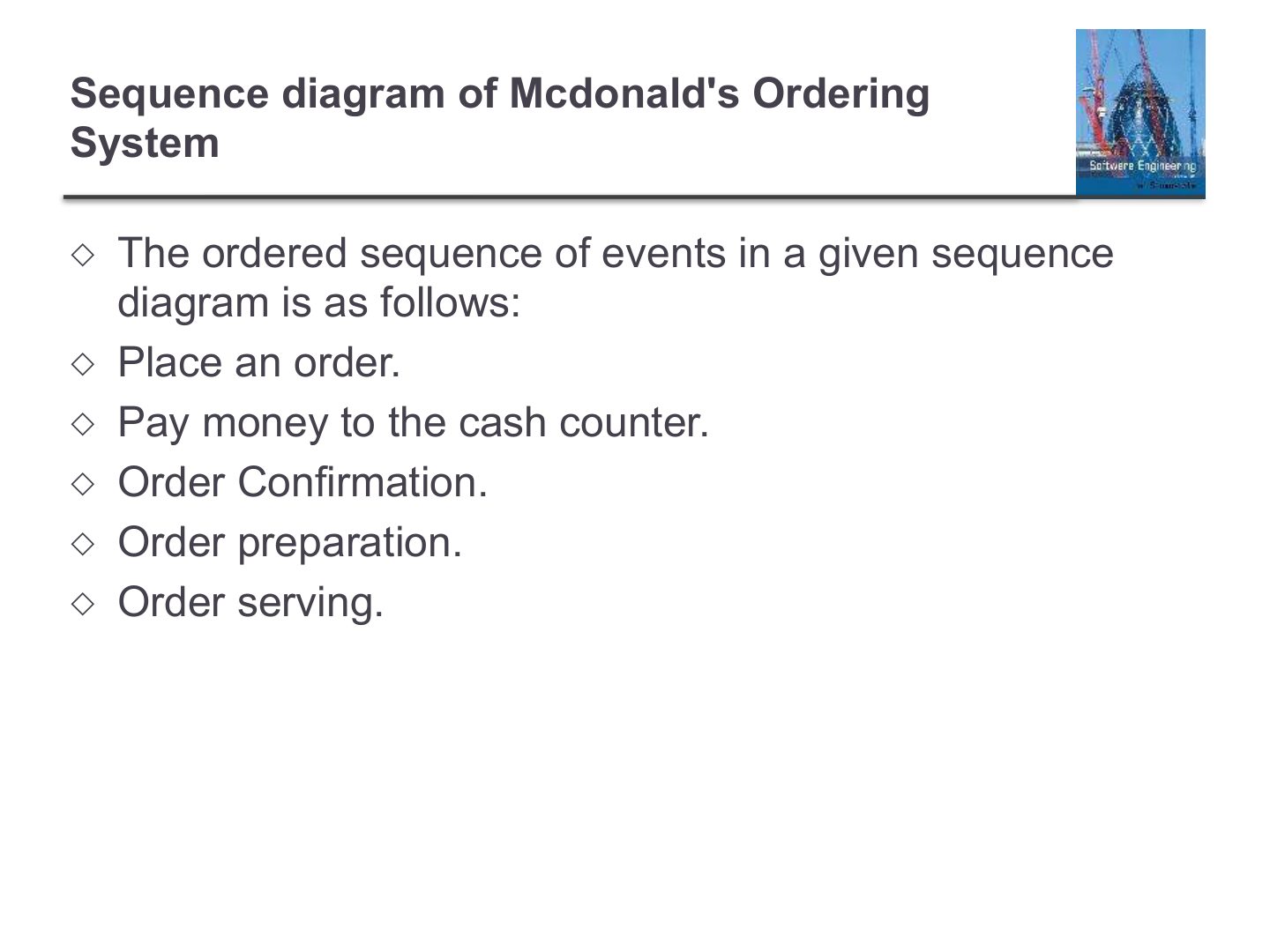
- 58 Sequence diagram of Mcdonald's Ordering System
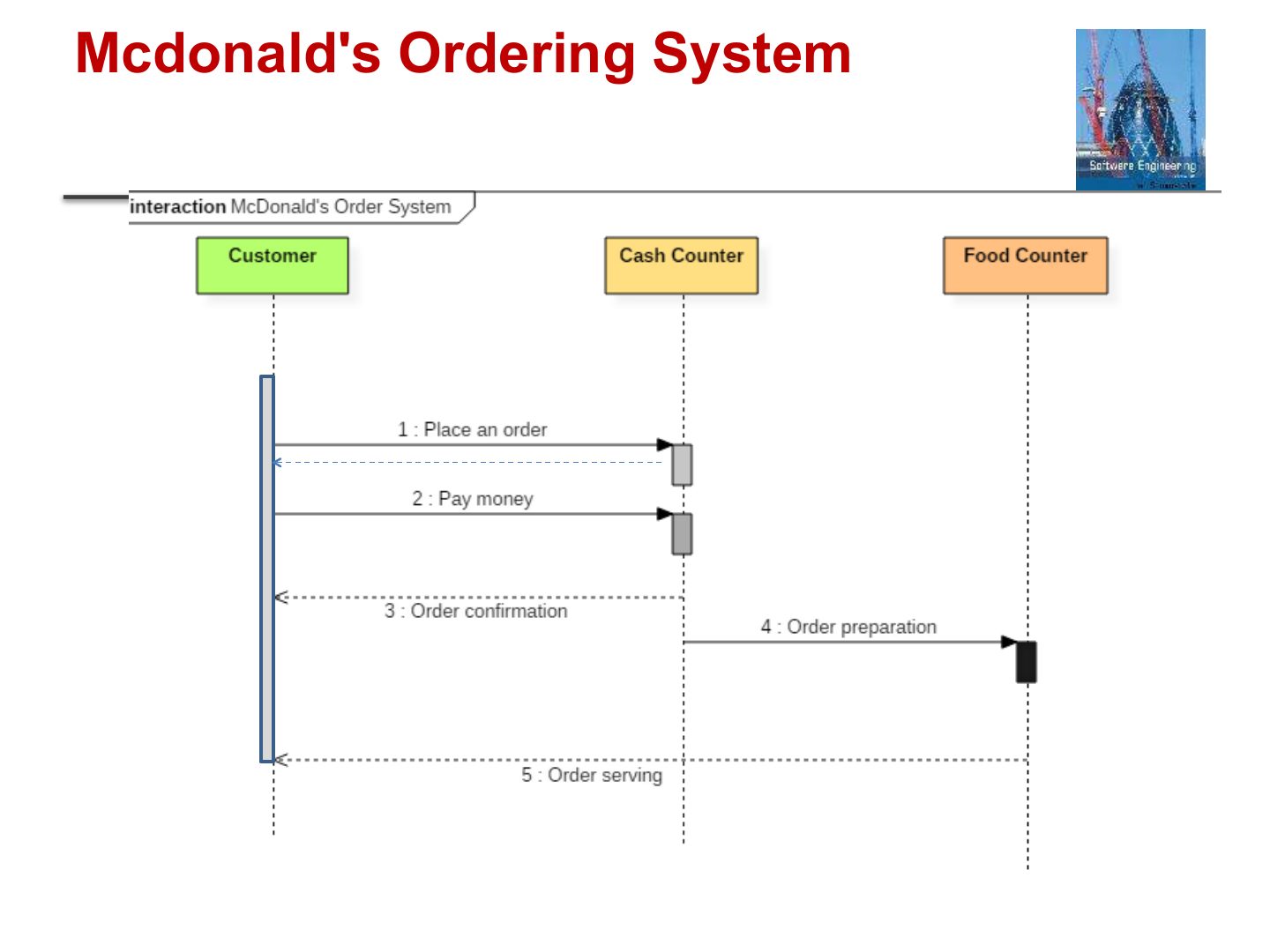
- 59 Mcdonald's Ordering System
- 60 Alternatives
- 61 Alternatives
- 62 Alternatives
- 63 Slide 63
- 64 Slide 64
- 65 Class Diagram
- 66 Advantages of Class Diagram
- 67 h
- 68 Essential elements of A UML class diagram
- 69 Class Attributes
- 70 Attributes characteristics
- 71 Relationships
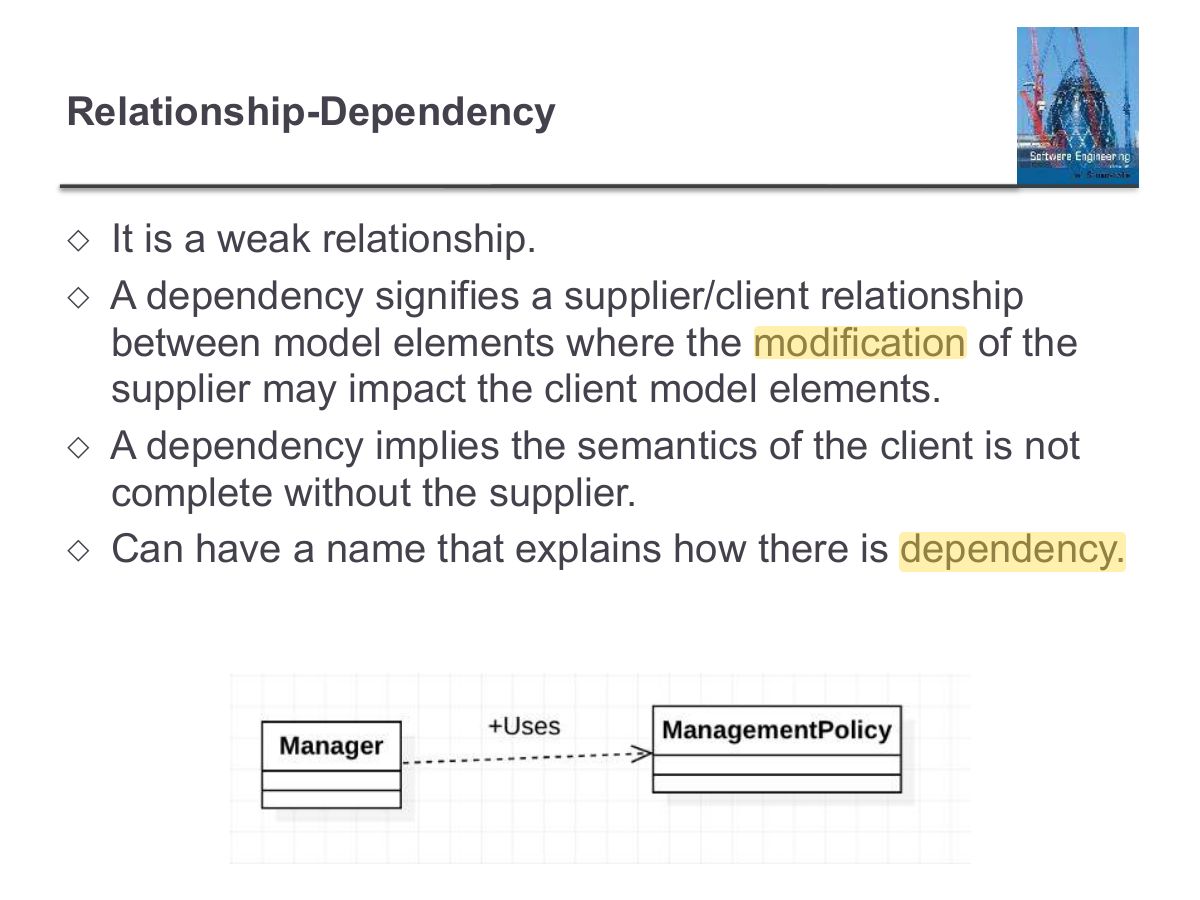
- 72 Relationship-Dependency
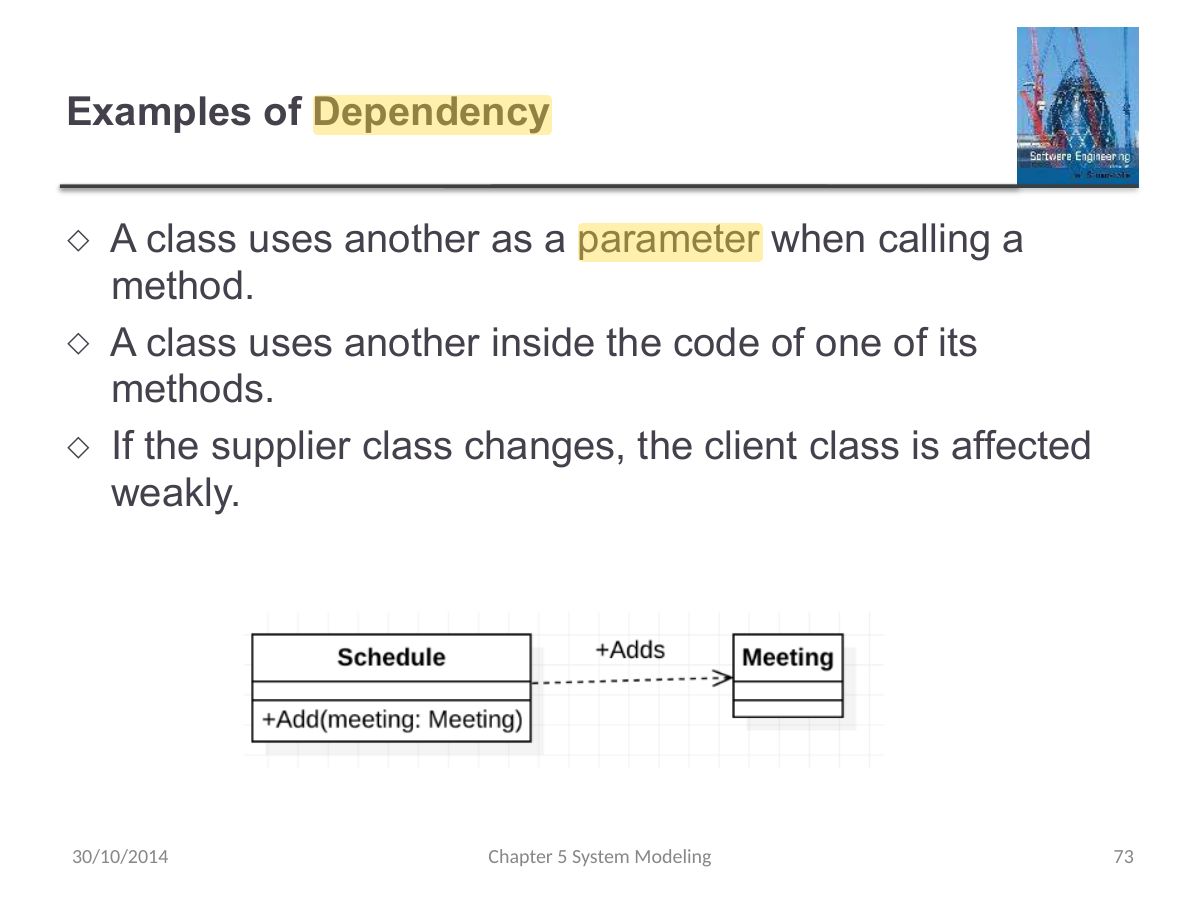
- 73 Examples of Dependency
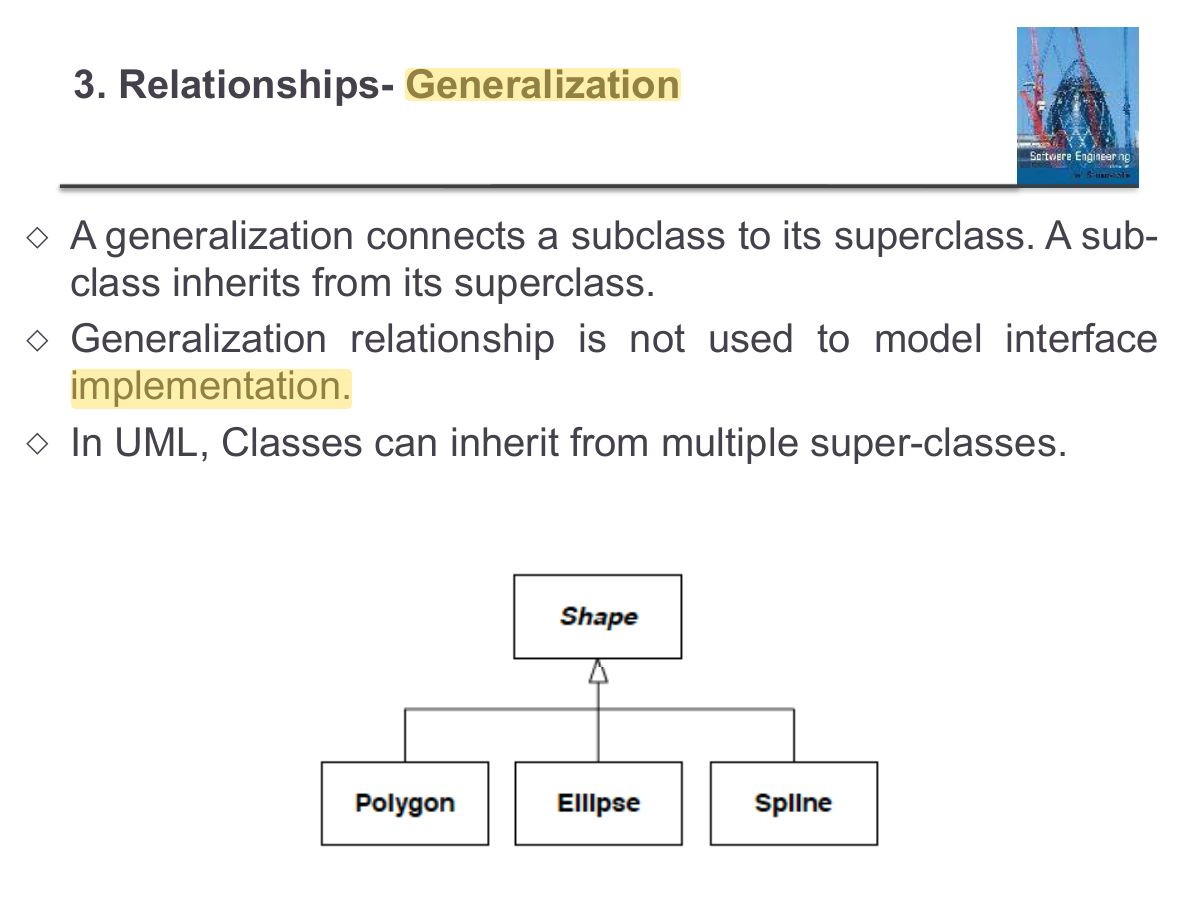
- 74 3. Relationships- Generalization
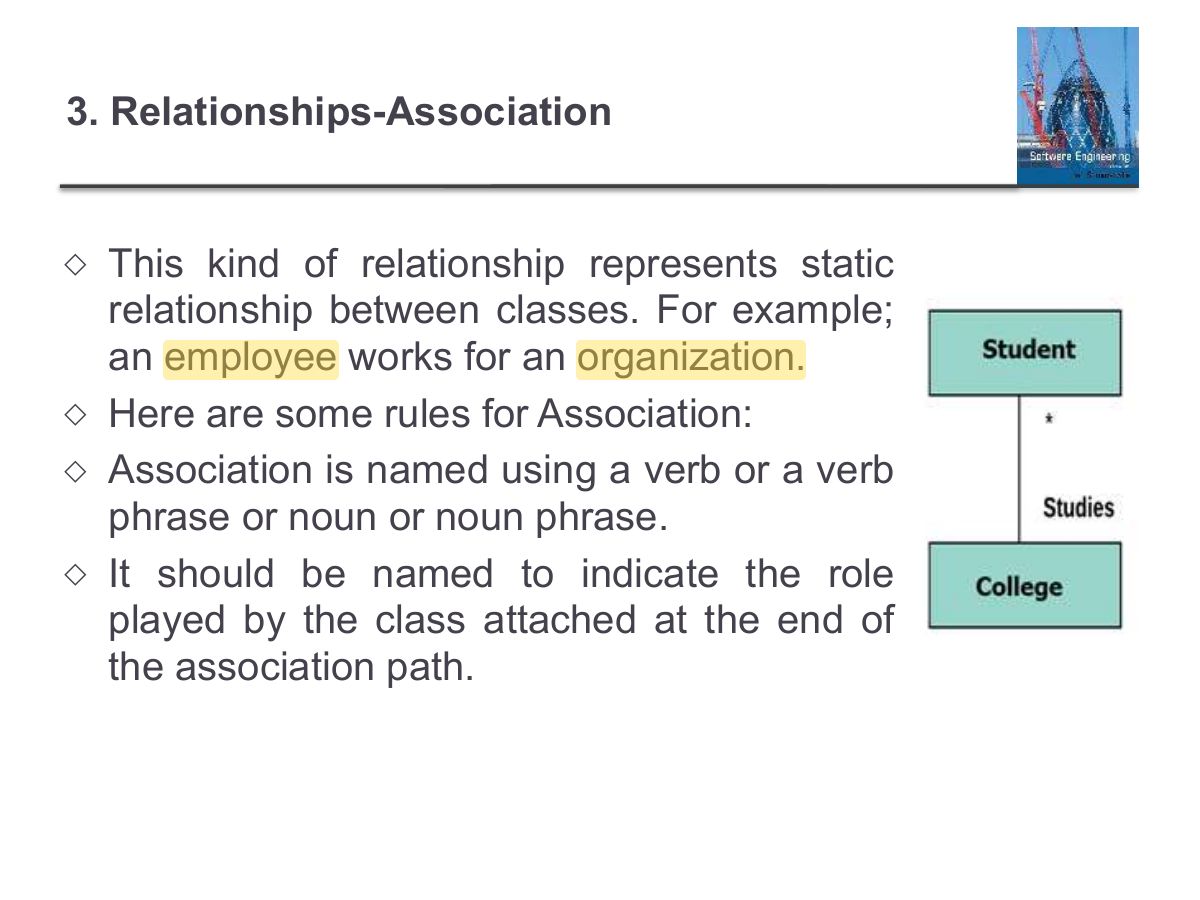
- 75 3. Relationships-Association
- 76 3. Relationships-Association(Multiplicity)
- 77 3. Relationships- Aggregation
- 78 3. Relationships- Aggregation
- 79 Relationship- Composition
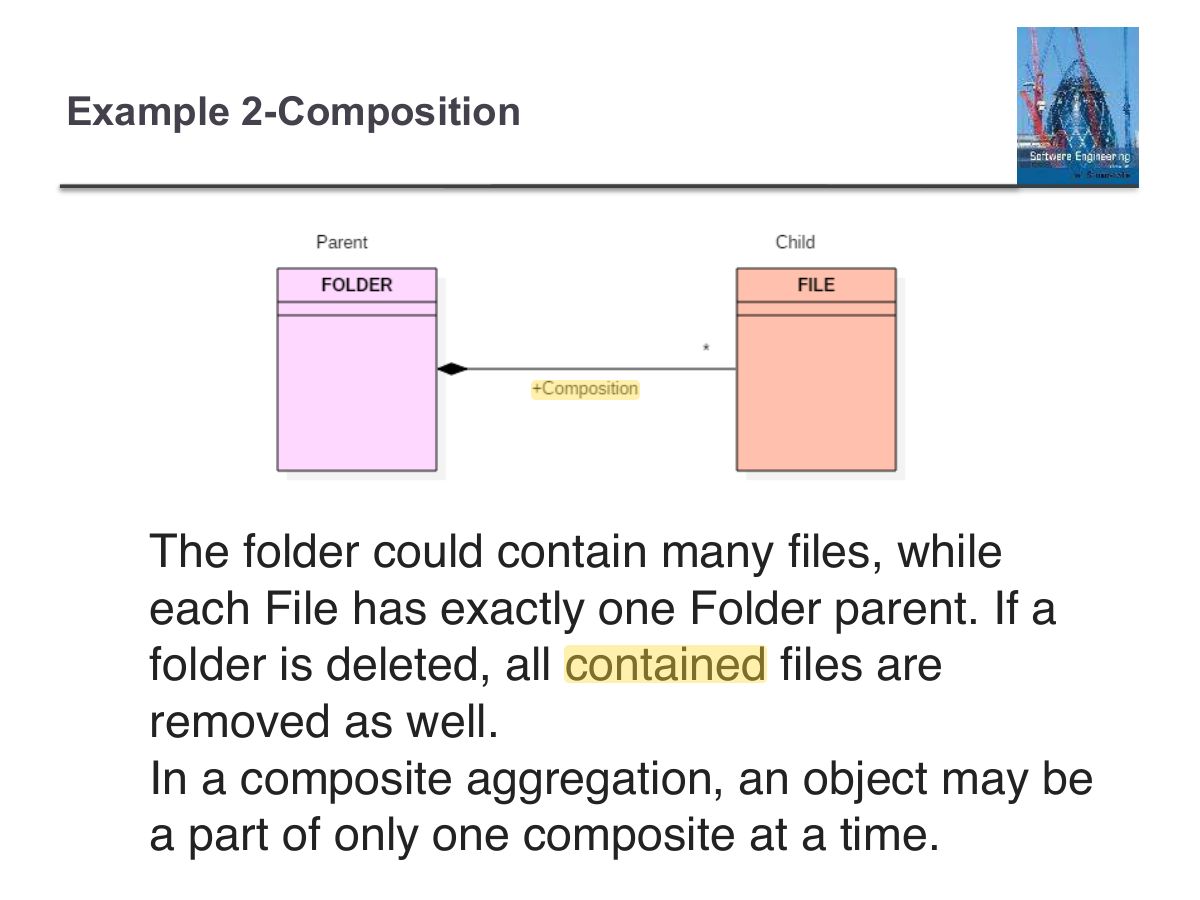
- 80 Example 2-Composition
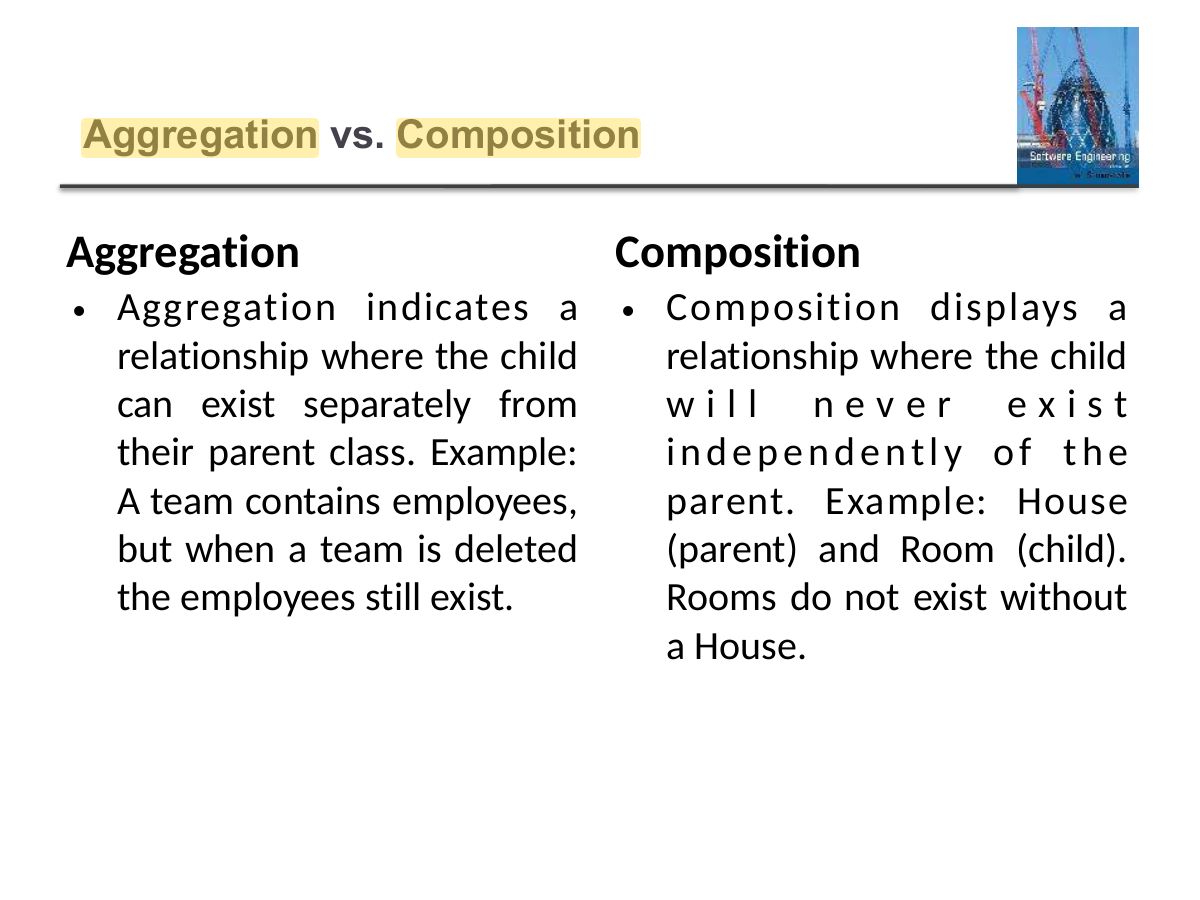
- 81 Aggregation vs. Composition
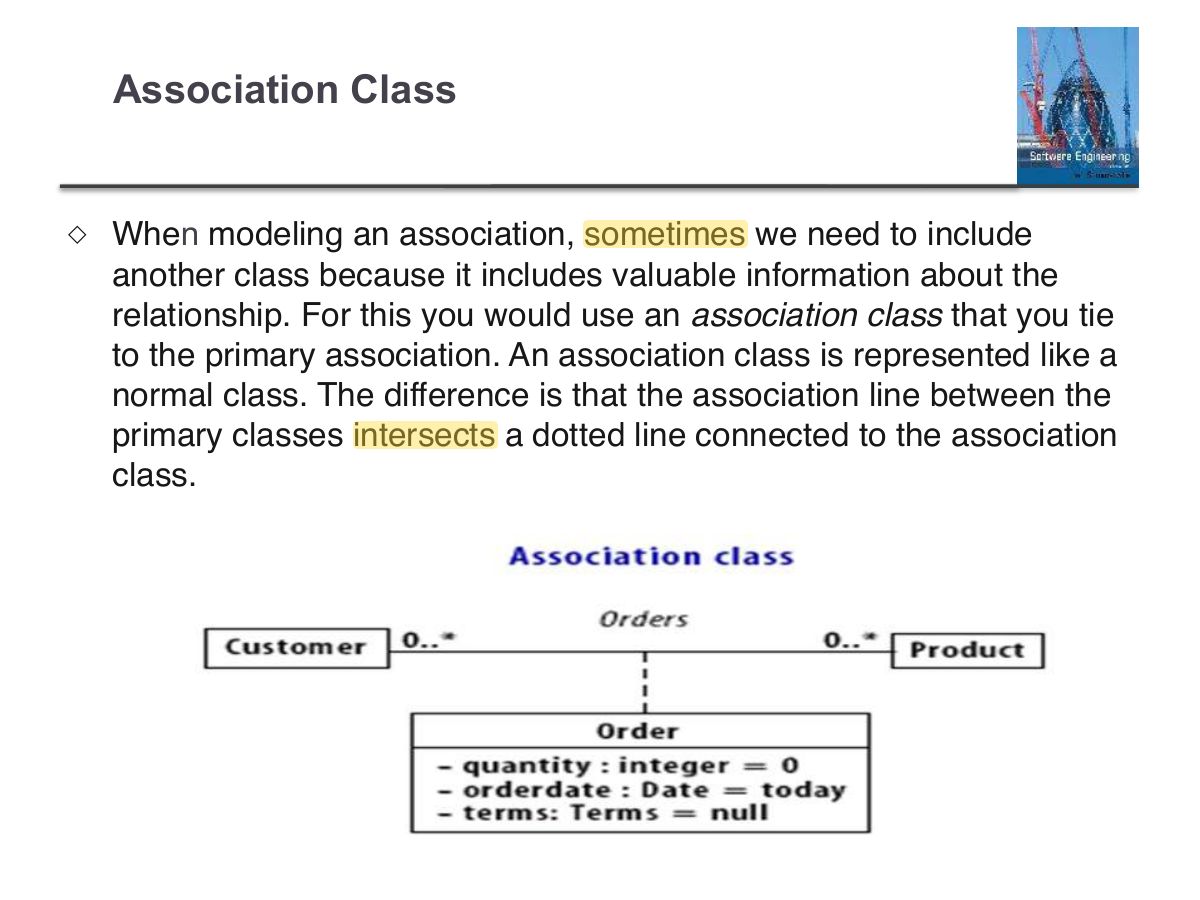
- 82 Association Class
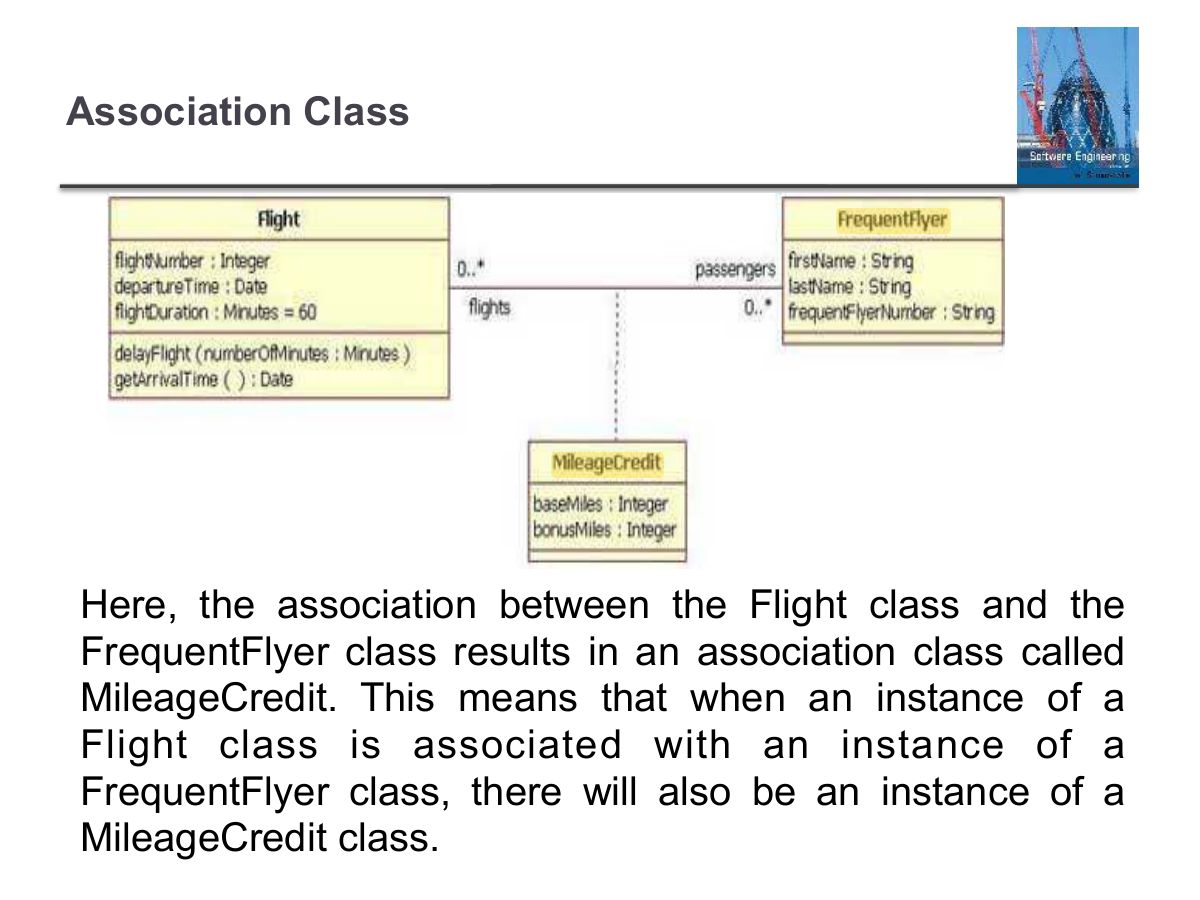
- 83 Association Class
- 84 Reflexive Association
- 85 h
- 86 Example of UML Class Diagram
- 87 Exercise on UML Class Diagrams
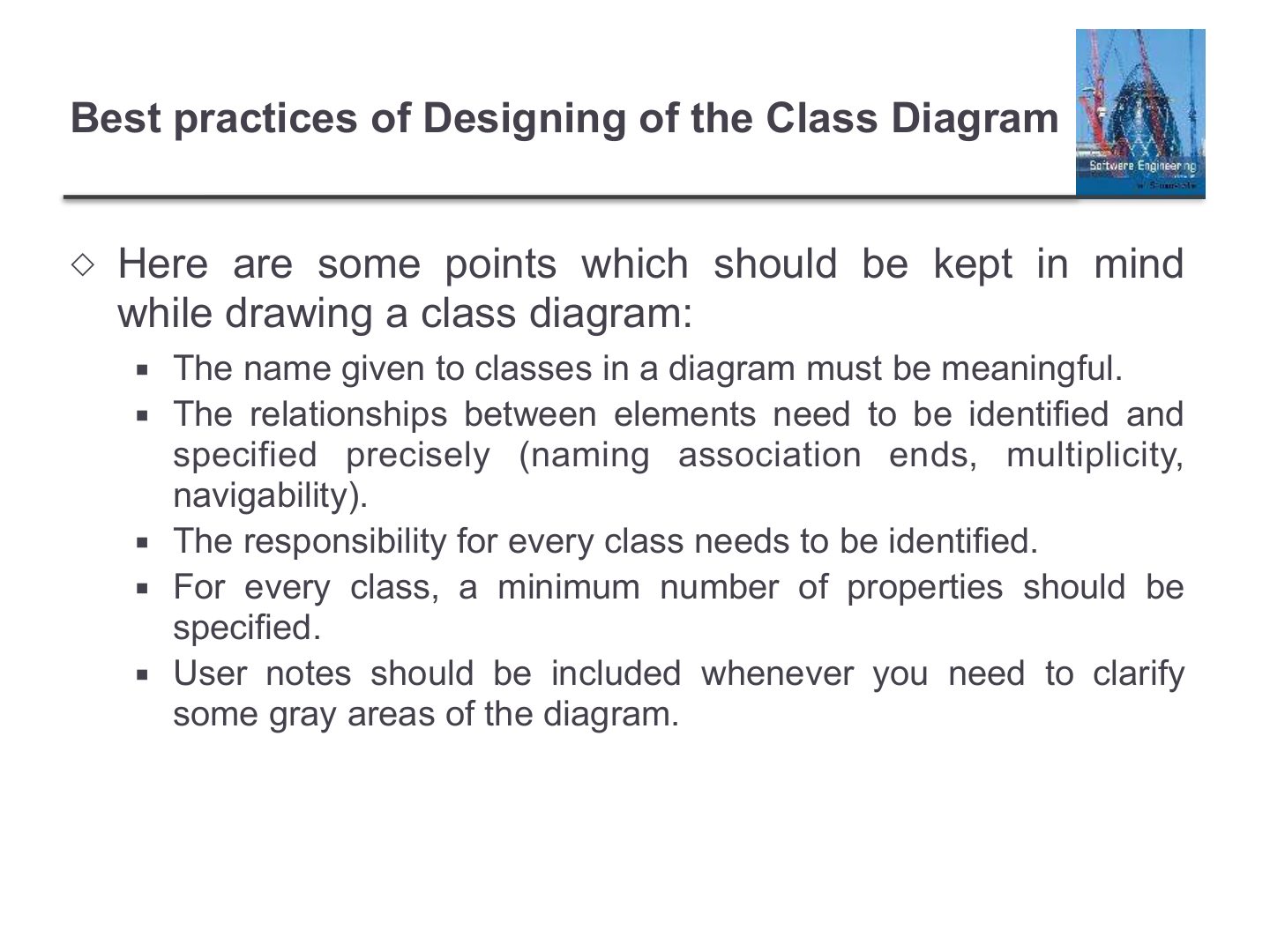
- 88 Best practices of Designing of the Class Diagram
- 89 Slide 89
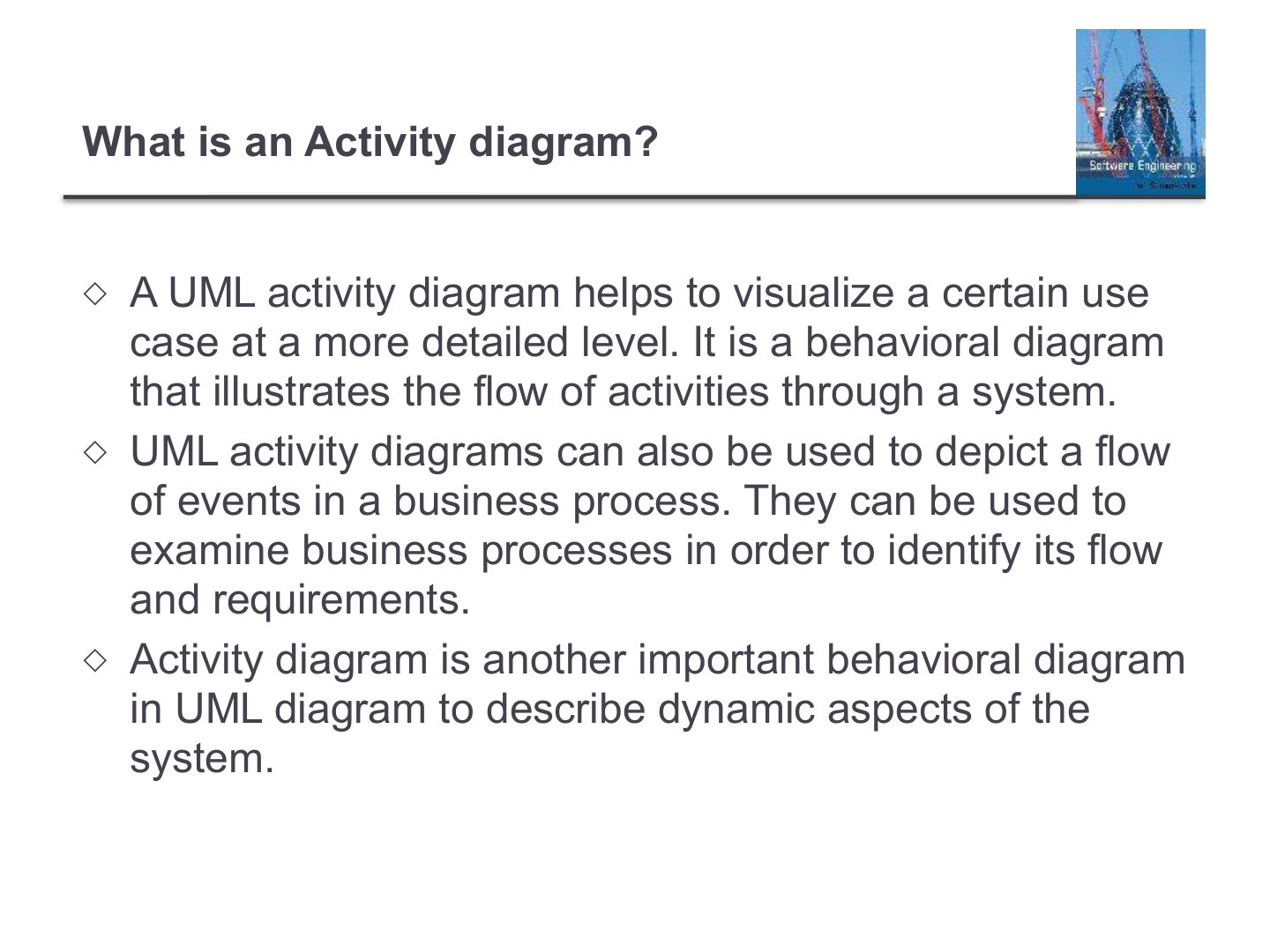
- 90 What is an Activity diagram?
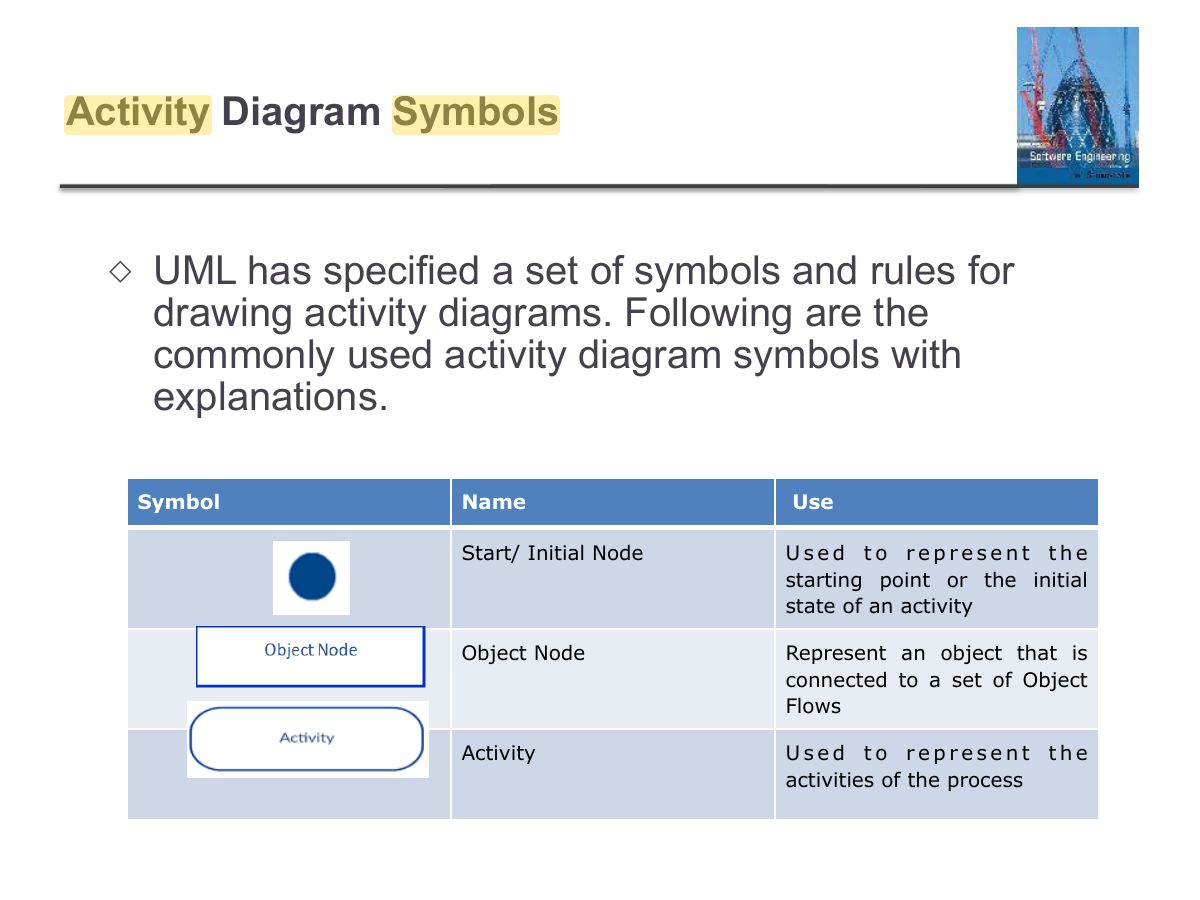
- 91 Activity Diagram Symbols
- 92 Activity Diagram Symbols
- 93 Activity Diagram Symbols
- 94 Activity Diagram Symbols
- 95 Slide 95
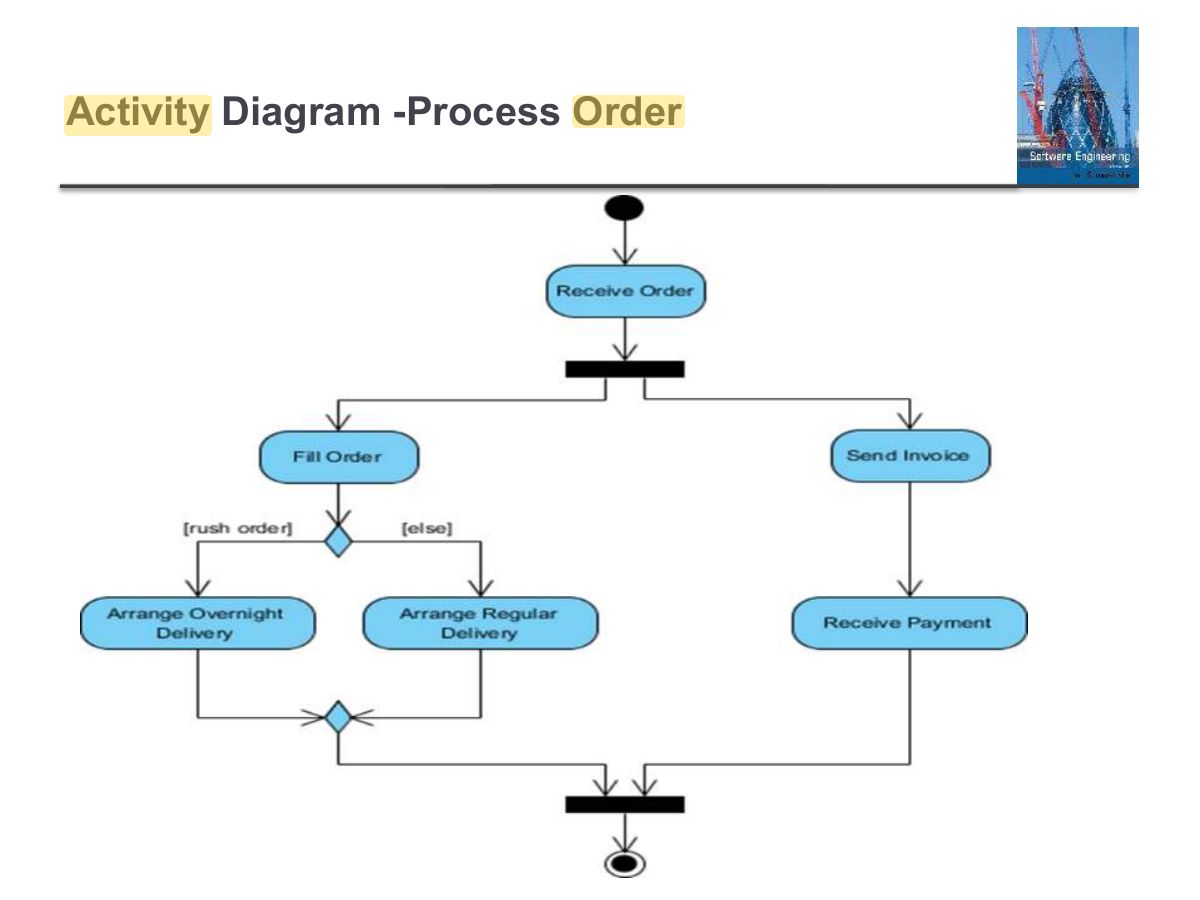
- 96 Activity Diagram - Process Order
- 97 Activity Diagram -Process Order
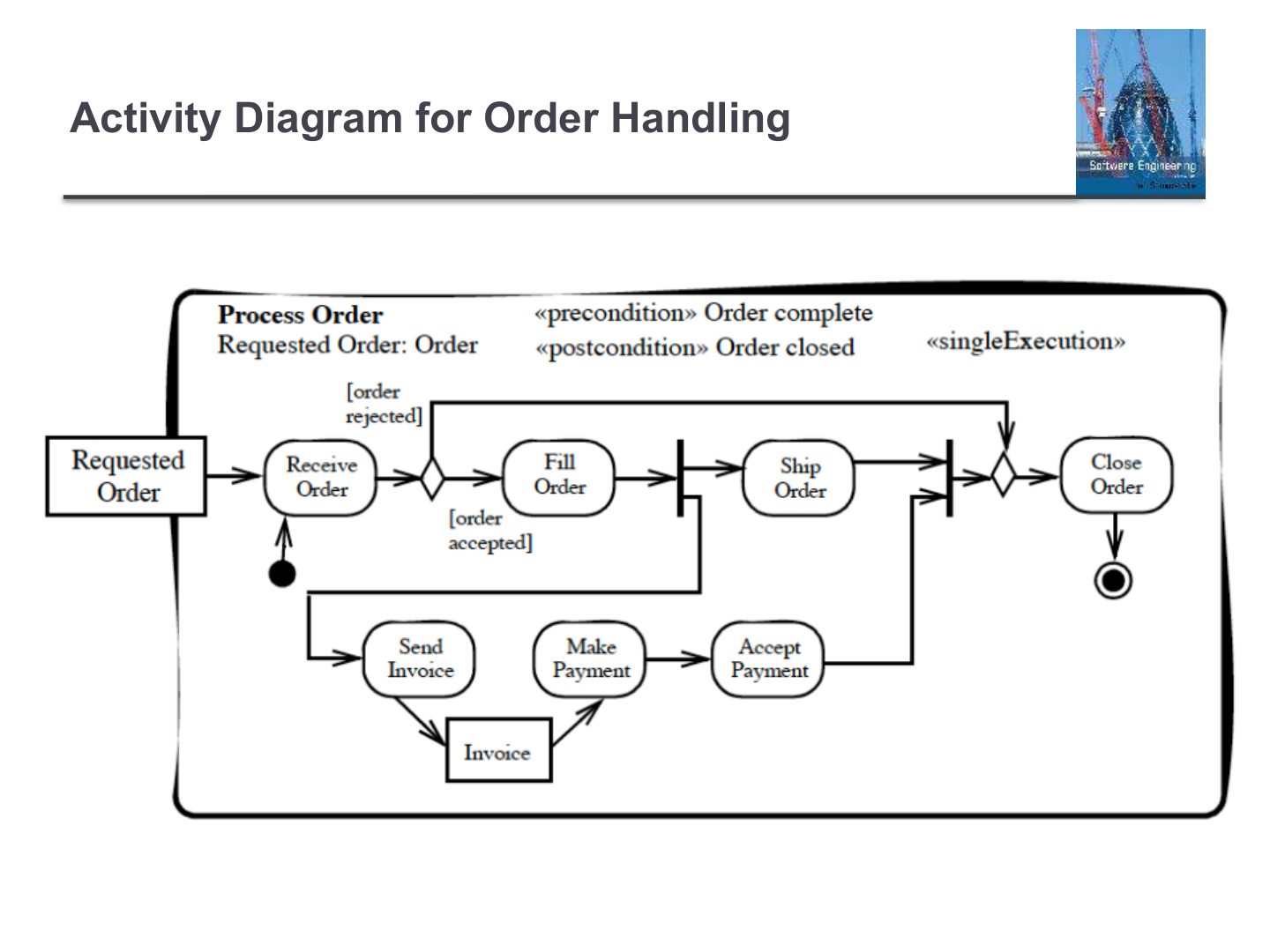
- 98 Activity Diagram for Order Handling
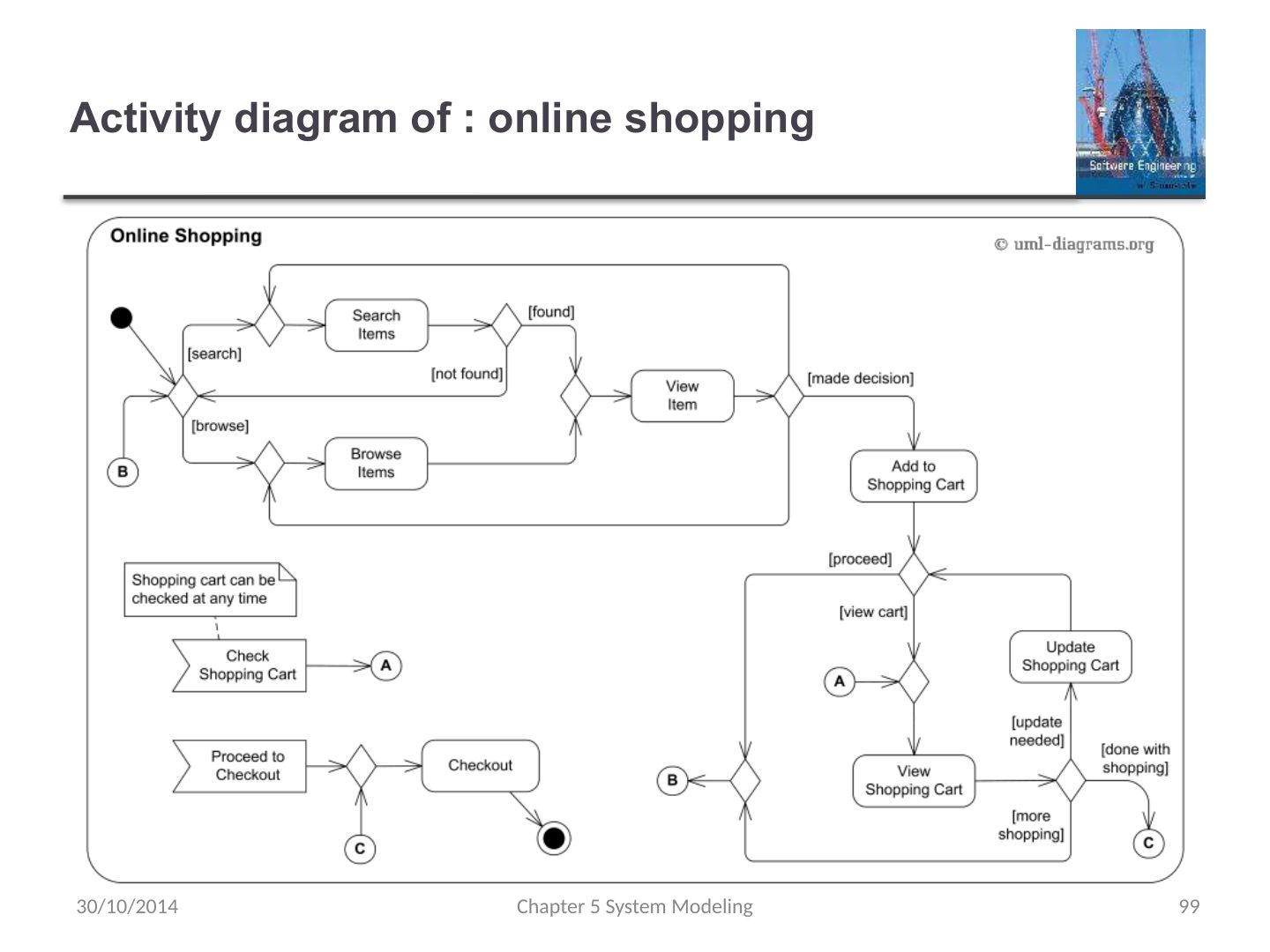
- 99 Activity diagram of : online shopping
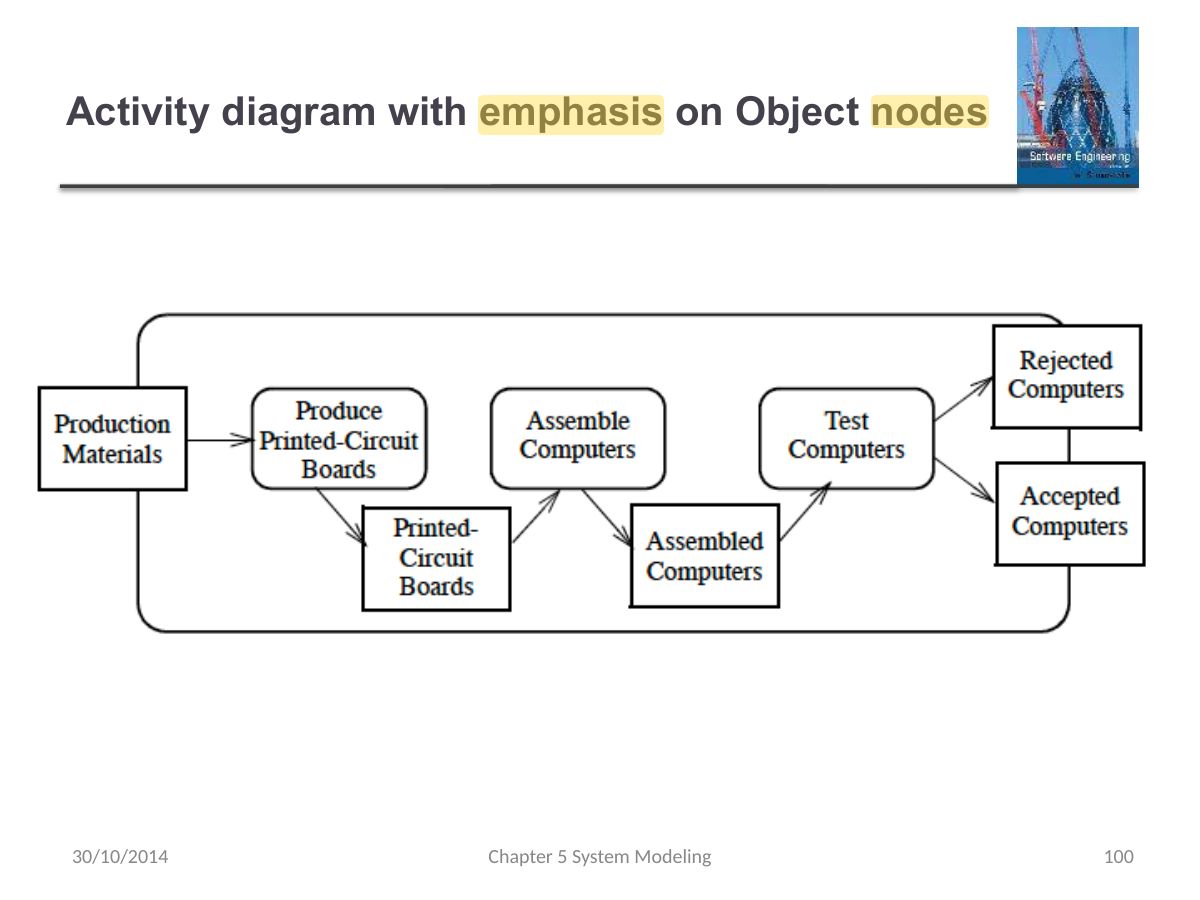
- 100 Activity diagram with emphasis on Object nodes
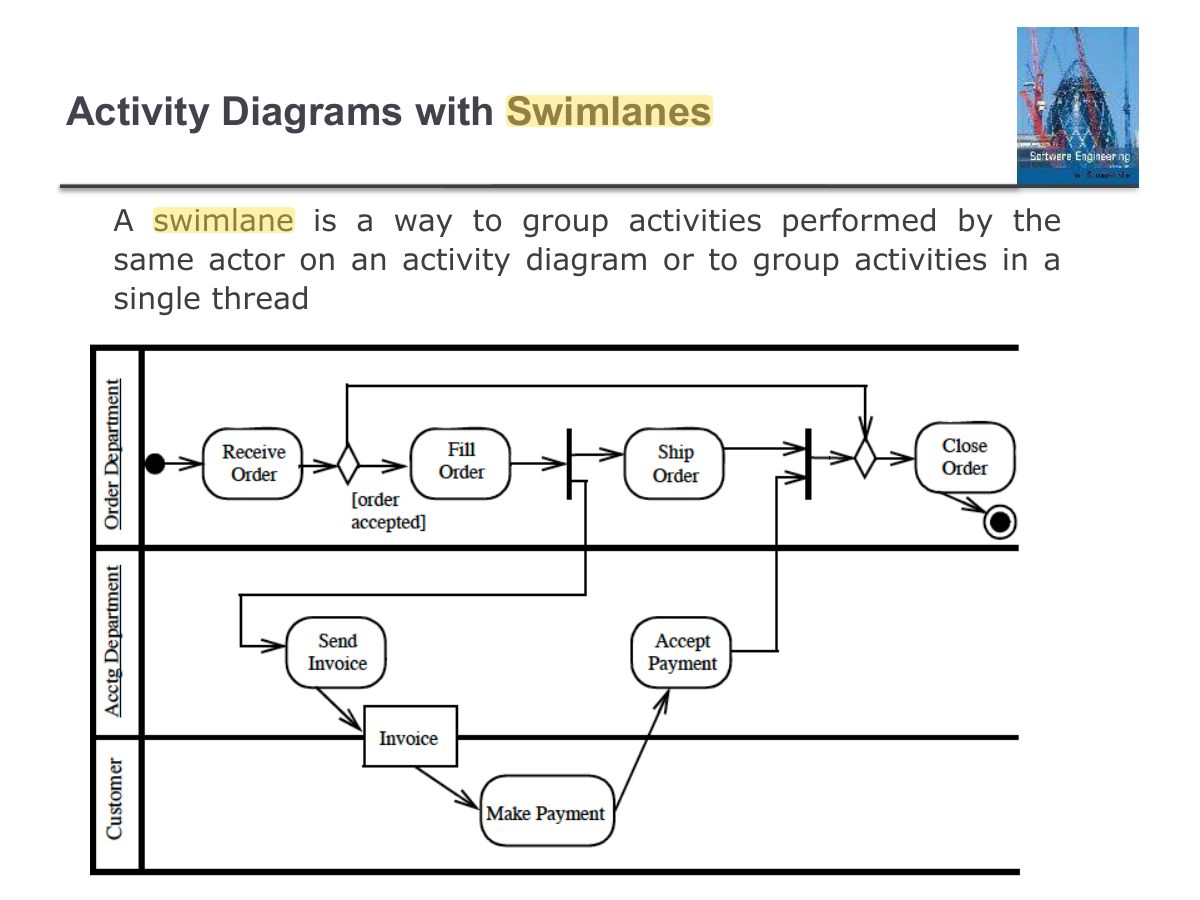
- 101 Activity Diagrams with Swimlanes
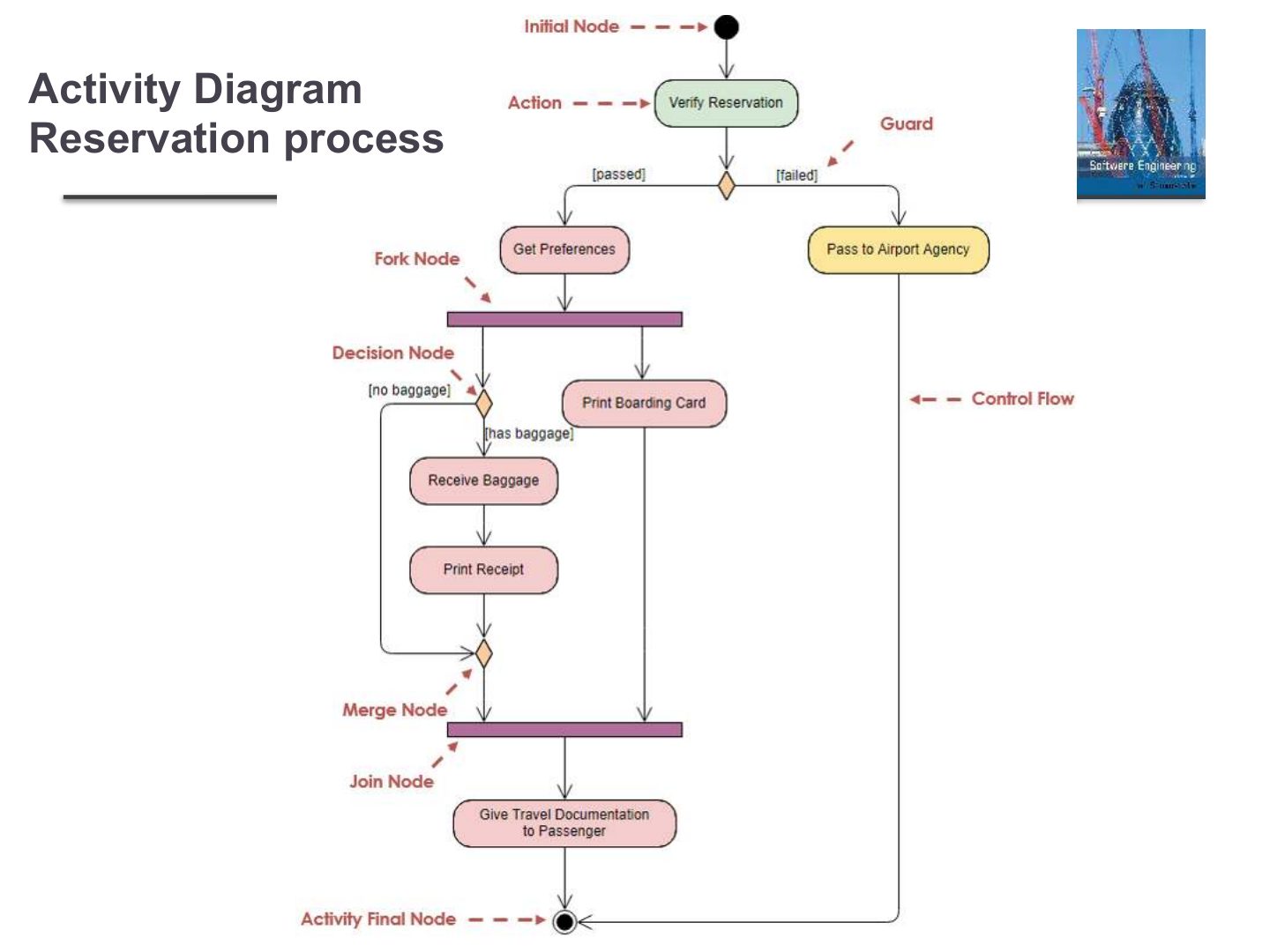
- 102 Activity Diagram Reservation process
- 103 Statechart (or state Machine) Diagram
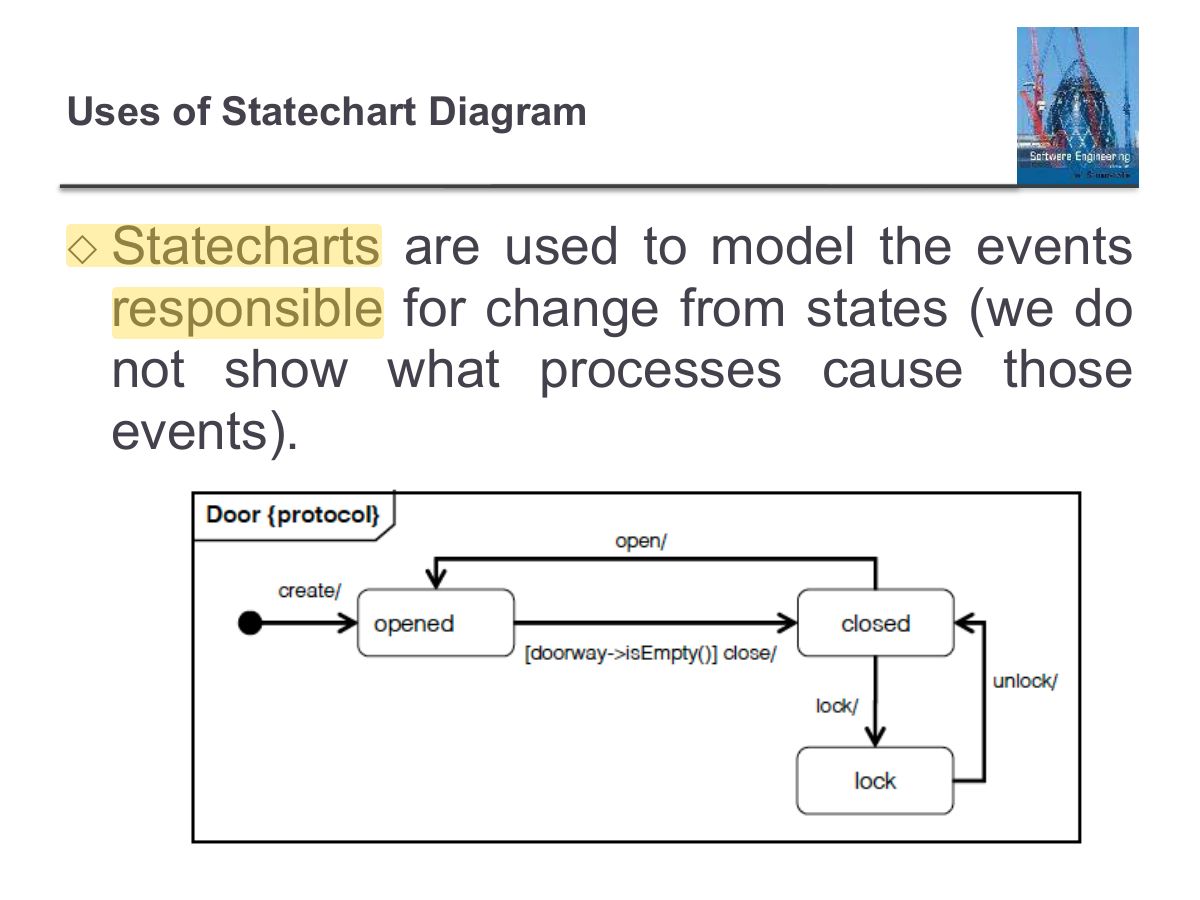
- 104 Uses of Statechart Diagram
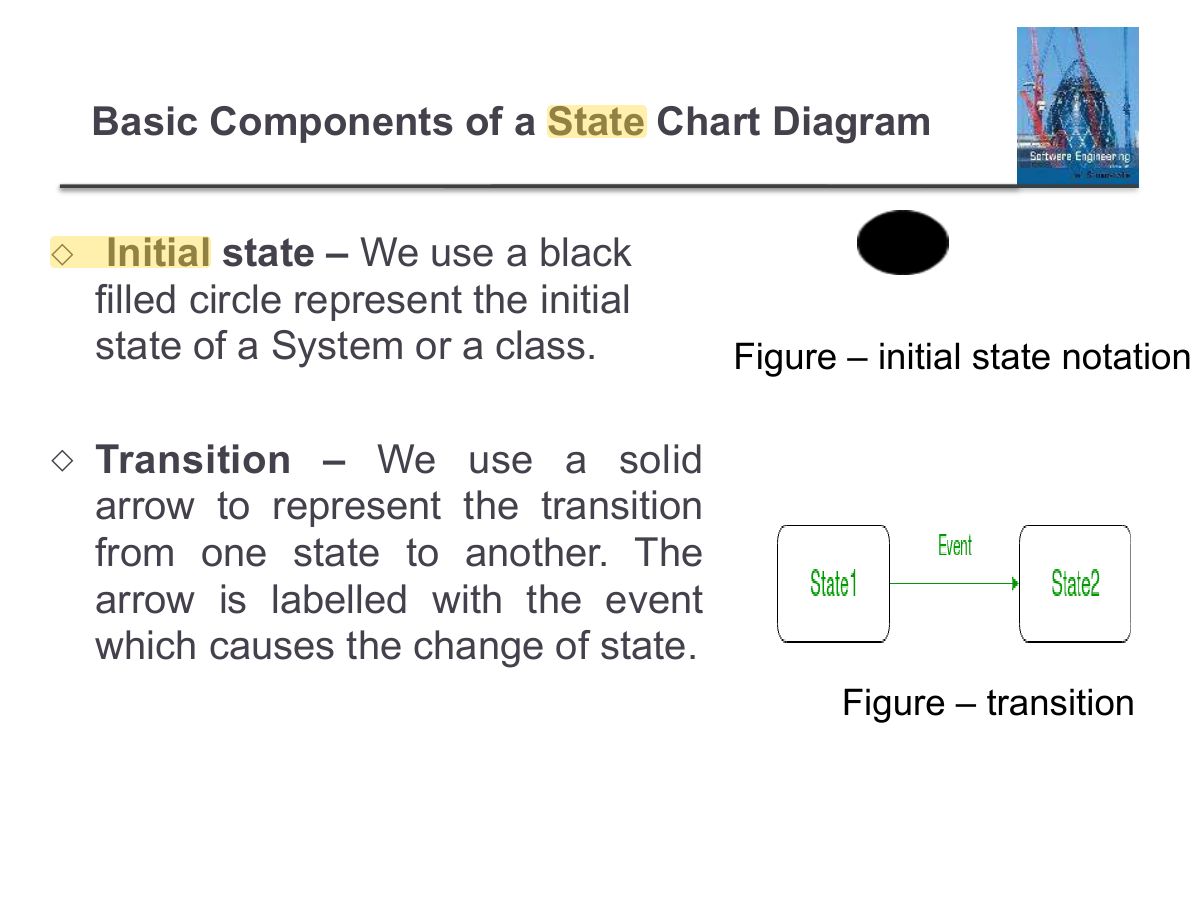
- 105 Basic Components of a State Chart Diagram
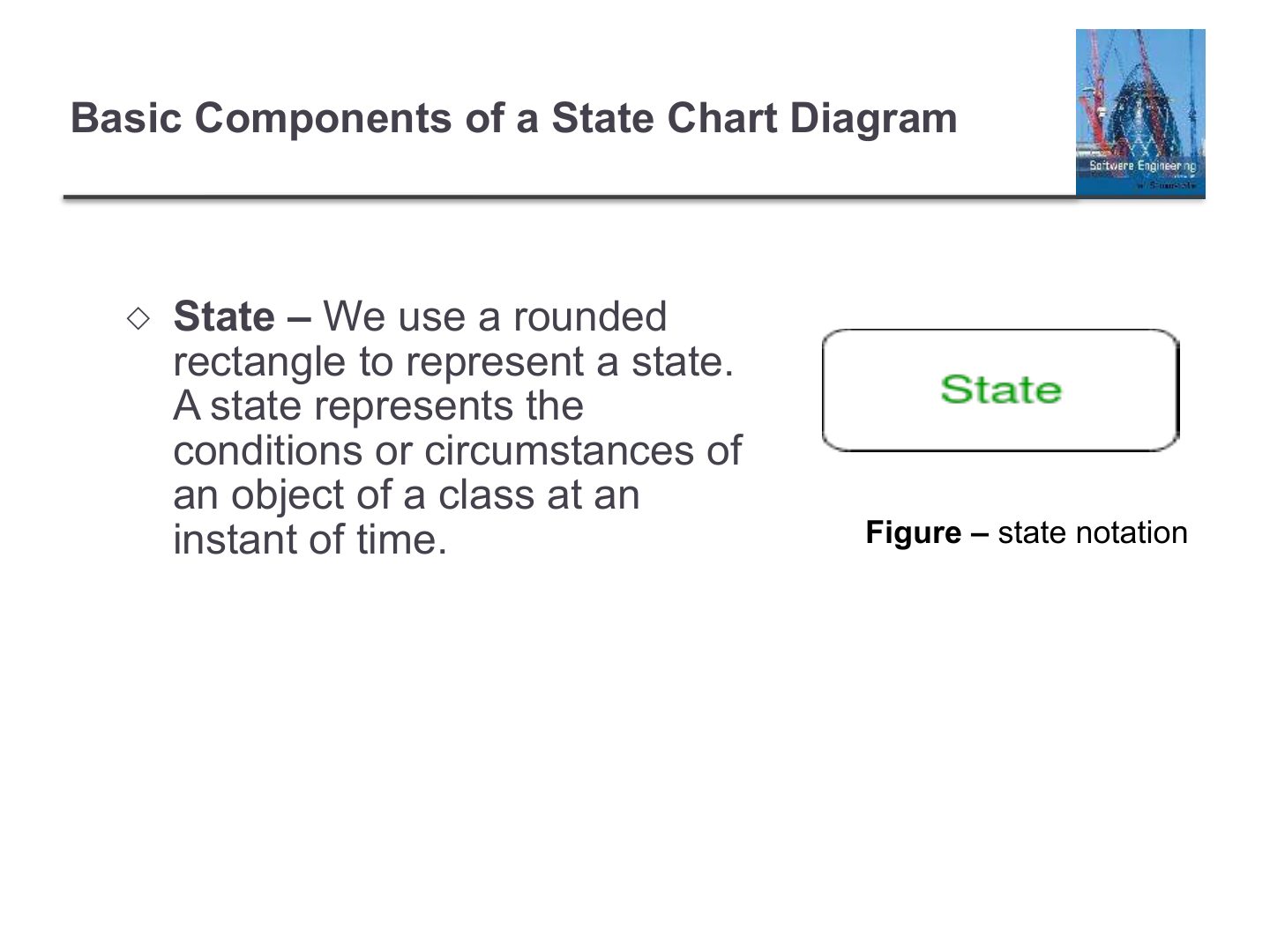
- 106 Basic Components of a State Chart Diagram
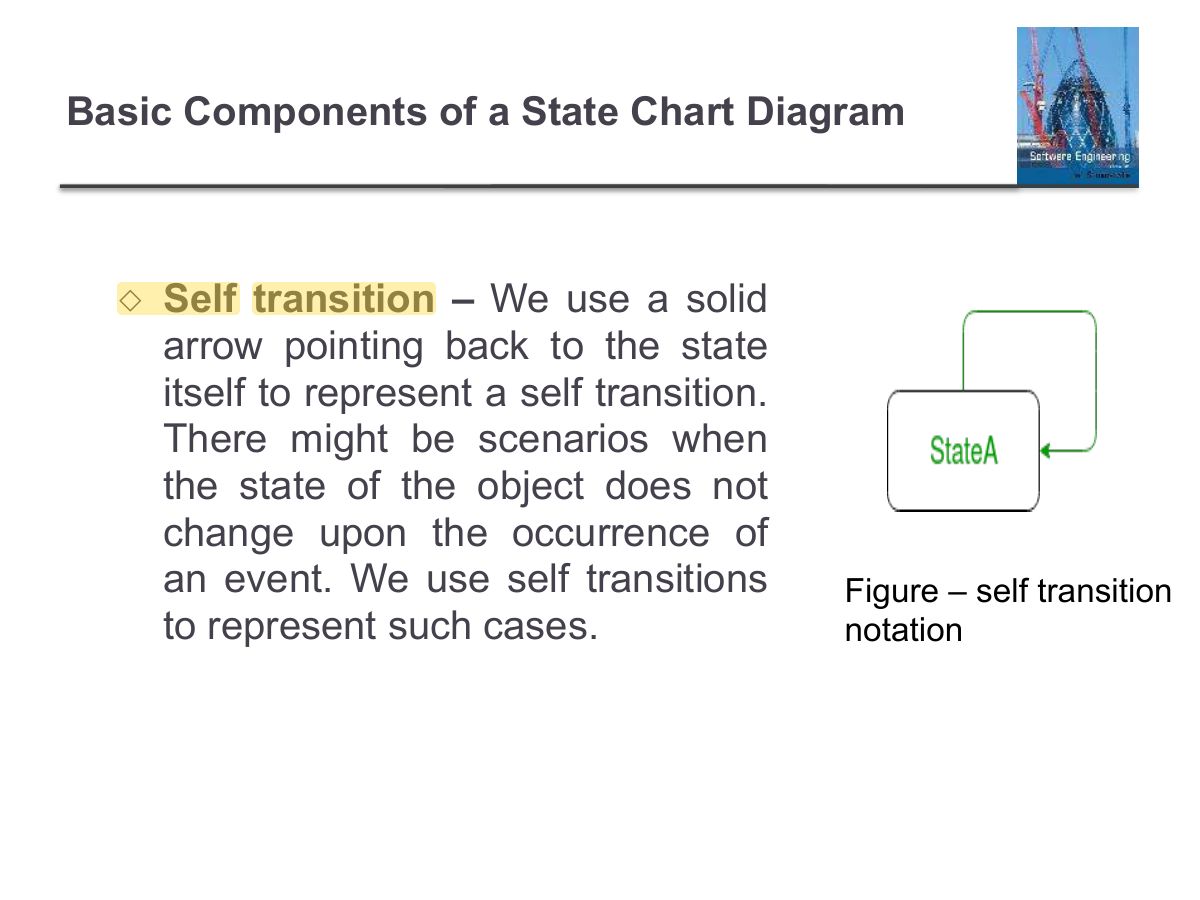
- 107 Basic Components of a State Chart Diagram
- 108 Basic Components of a State Chart Diagram
- 109 Fork and join in state diagrams
- 110 Steps to Draw a State Diagram
- 111 This simple oven has a switch to select full or half
- 112 State diagram example: Petrol pump
Slide 1
Topics covered
System modeling
Existing and planned system models
Example of a model
Different Uses of graphical models
System perspectives
UML diagram types
Slide 9
Context models
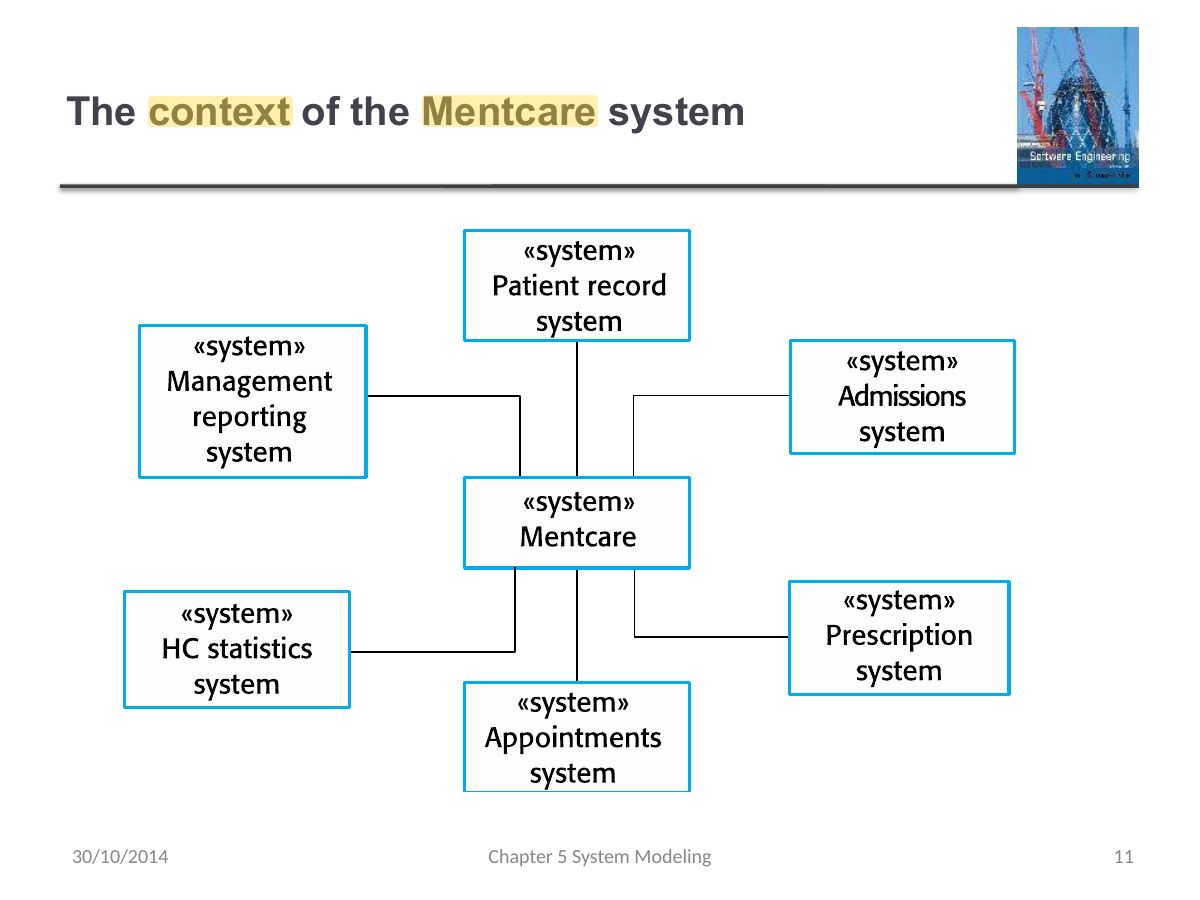
The context of the Mentcare system
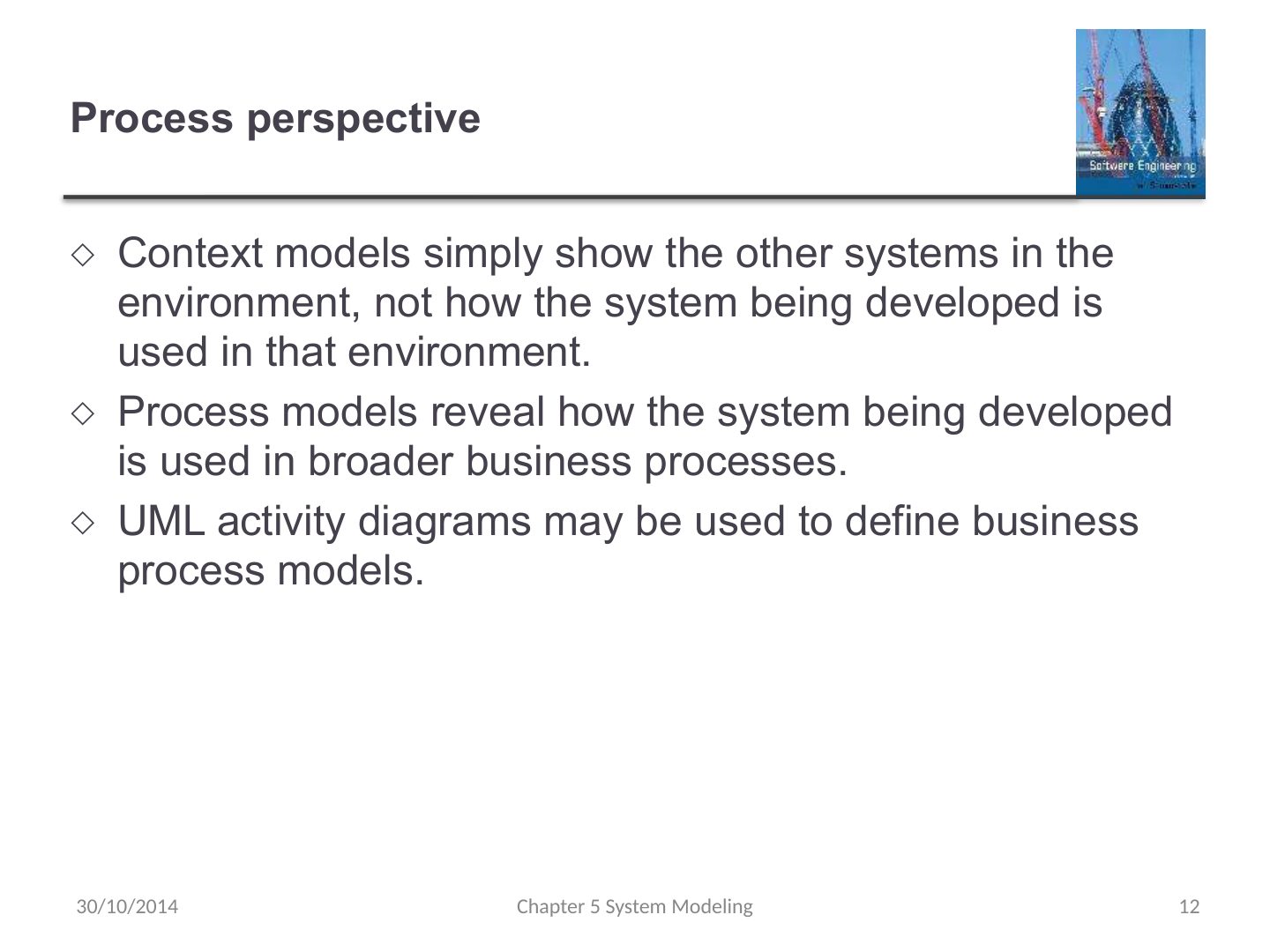
Process perspective
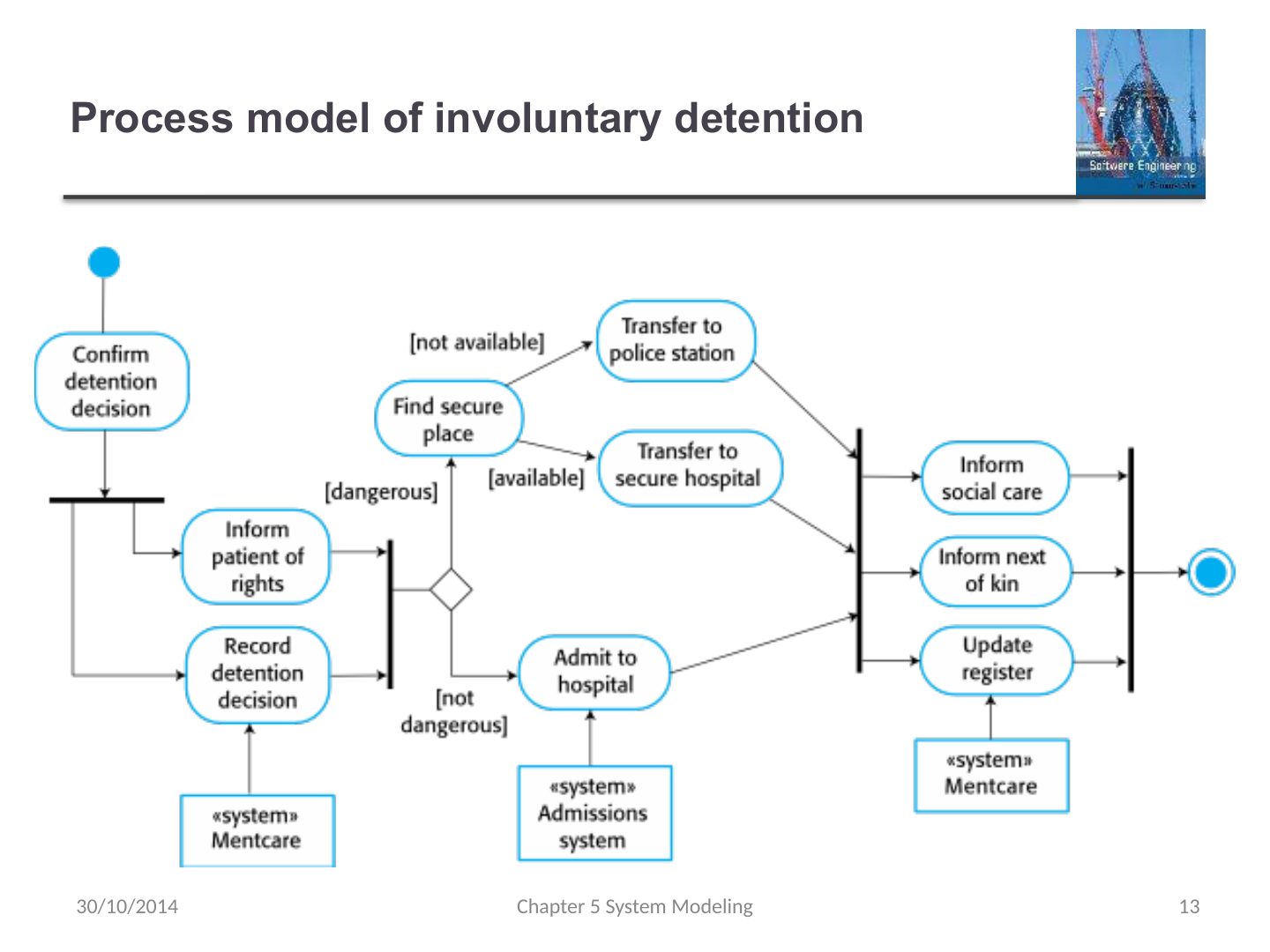
Process model of involuntary detention
Slide 14
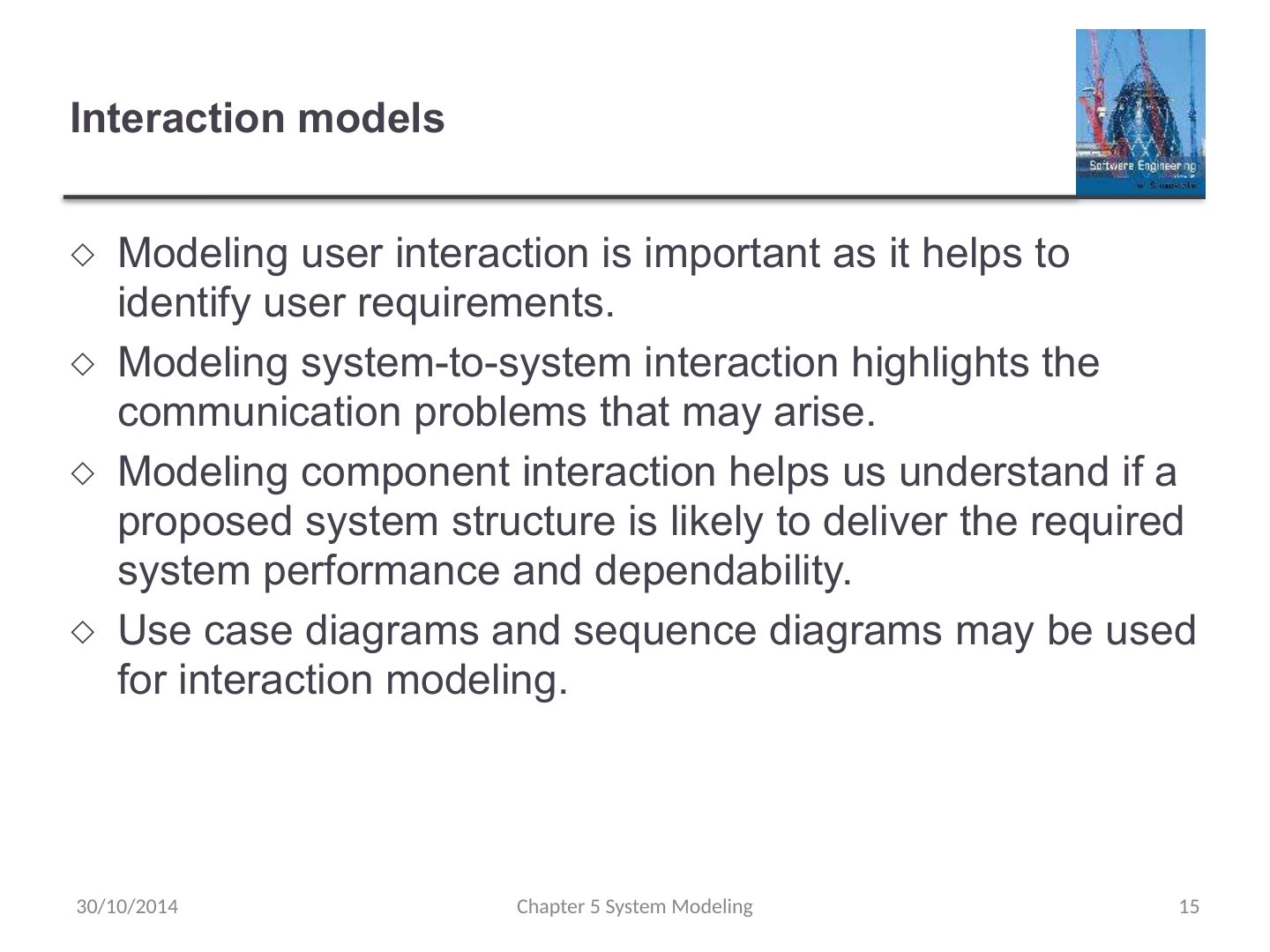
Interaction models
Use case modeling
Notes
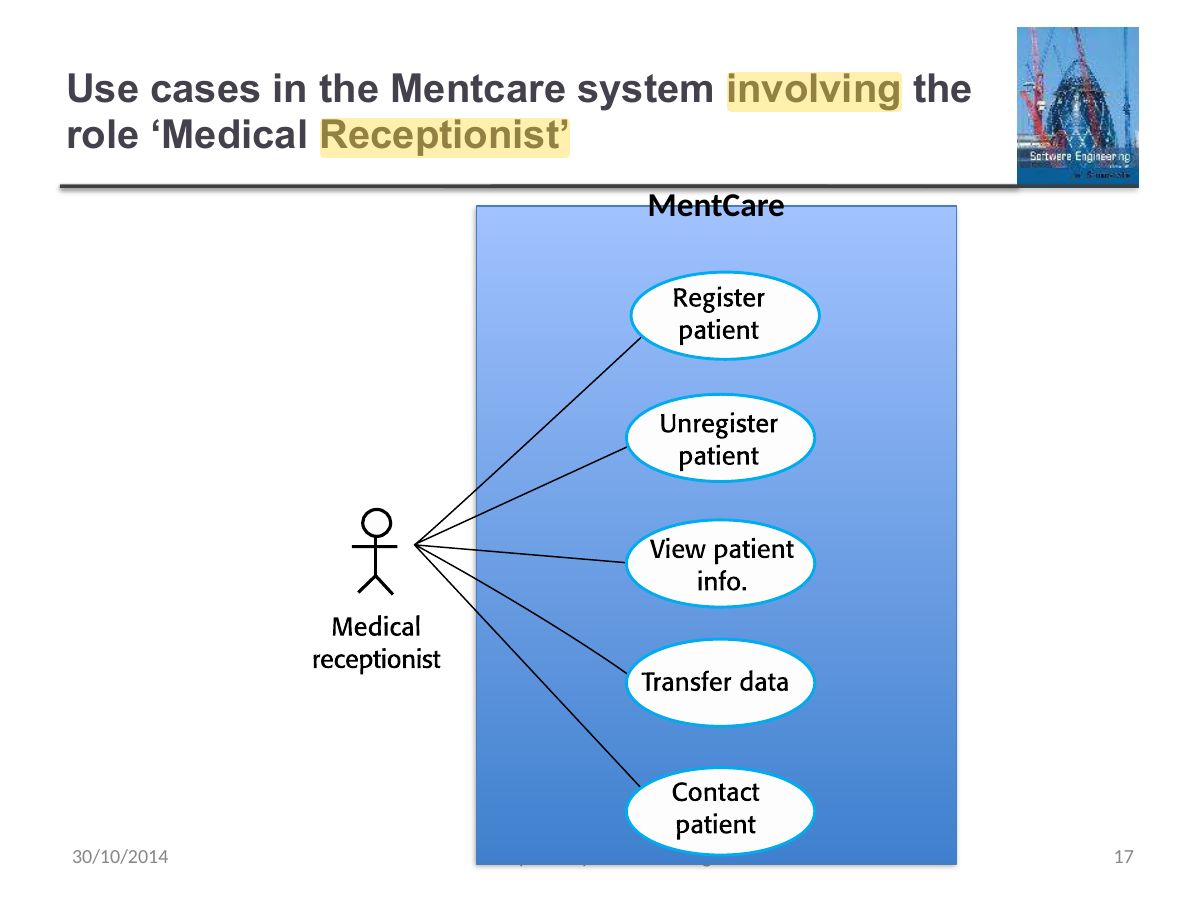
Use case: a task an actor performs with the system; stick-figure actors and ovals.
Use cases in the Mentcare system involving the role ‘Medical Receptionist’
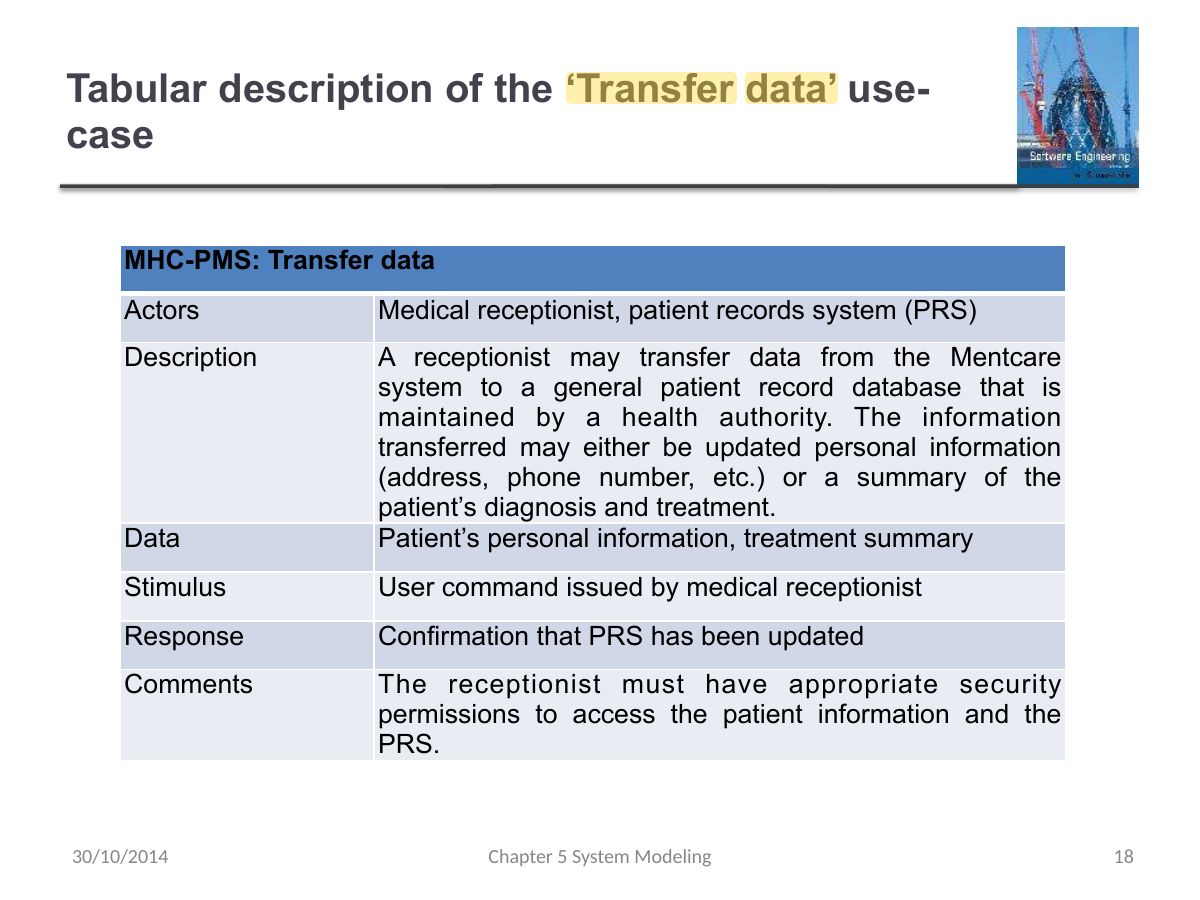
Tabular description of the ‘Transfer data’ use- case
Sequence diagrams
Notes
Sequence diagram: objects across the top, lifelines down, messages in time order.
Sequence diagram for View patient information
Slide 21
Slide 22
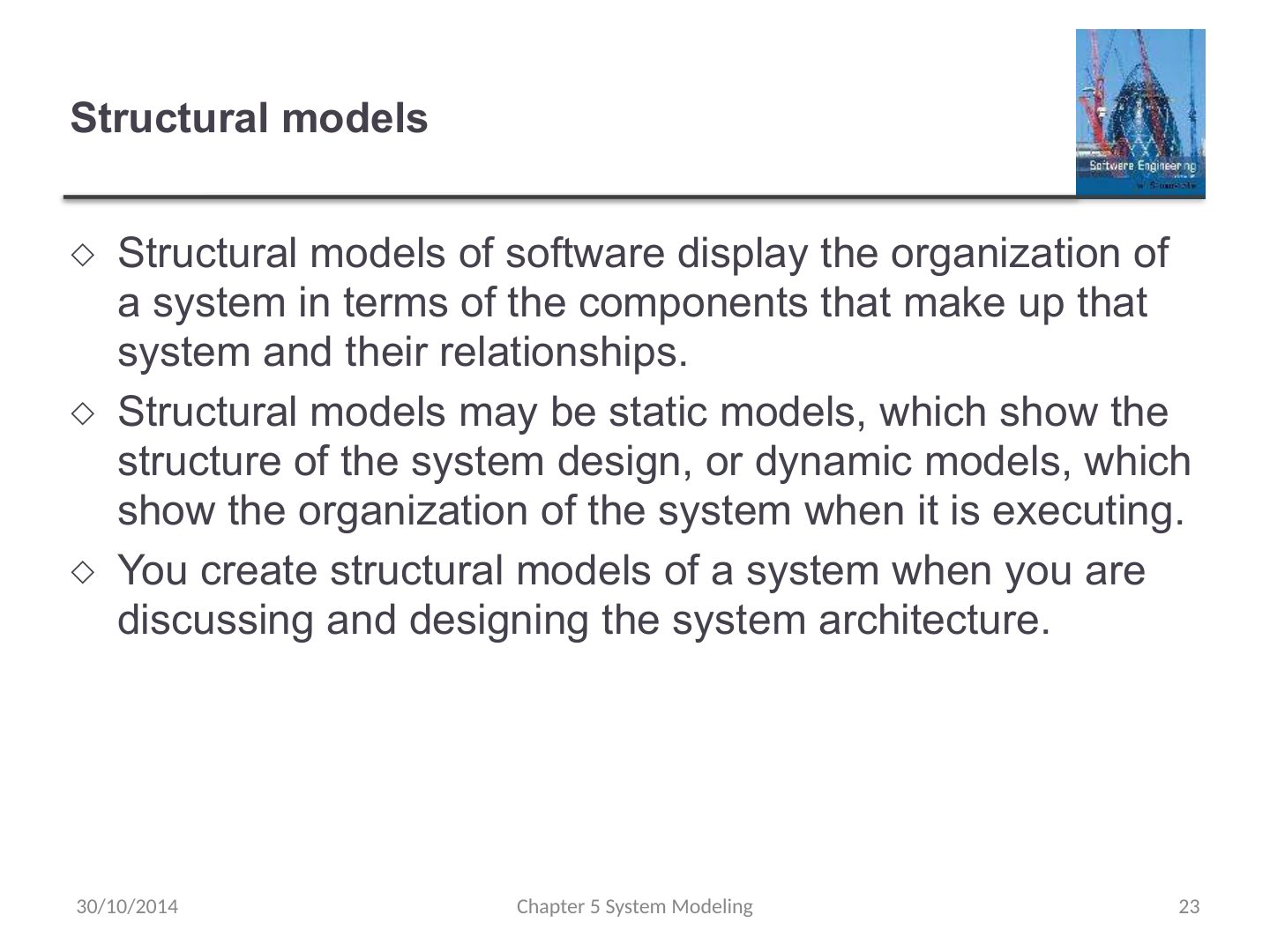
Structural models
Class diagrams
Notes
Class diagram: classes (name, attributes, operations) and the relationships between them.
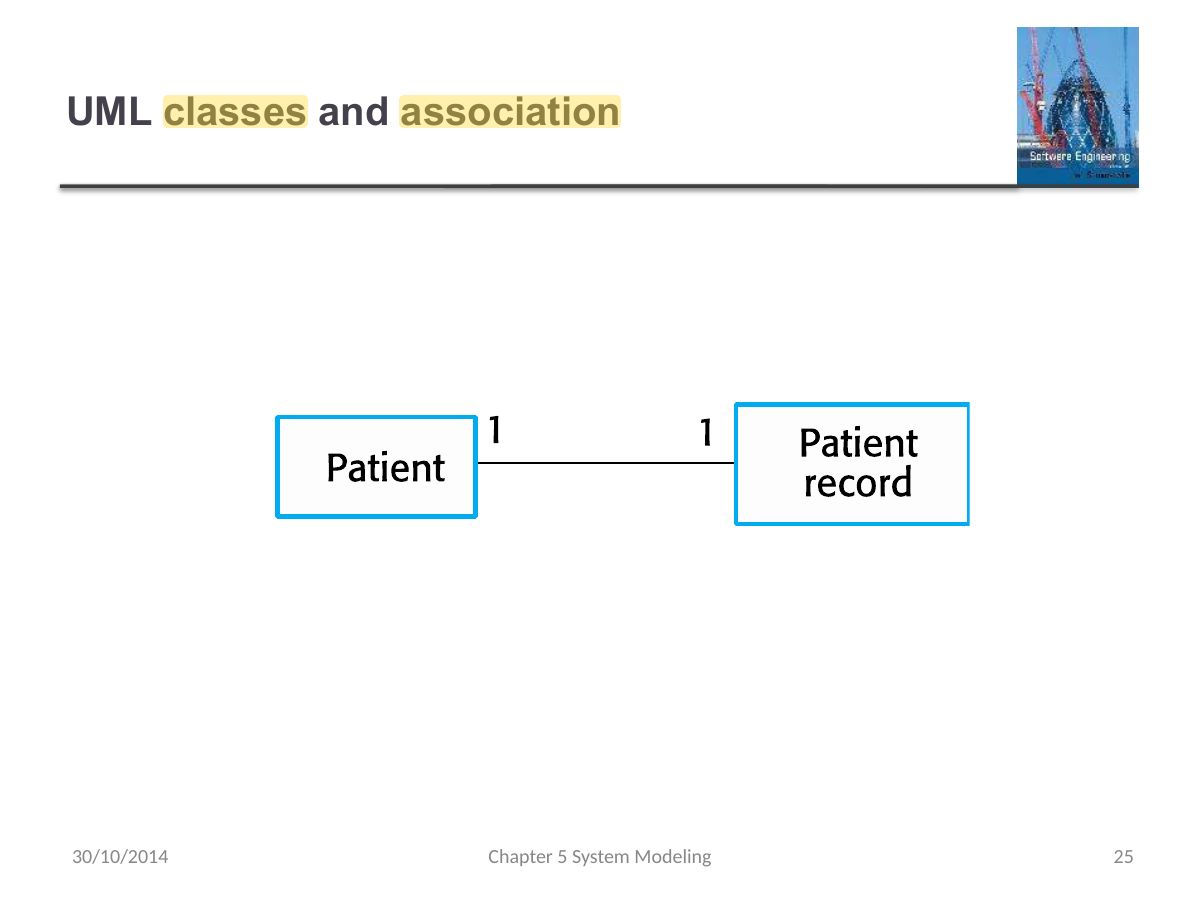
UML classes and association
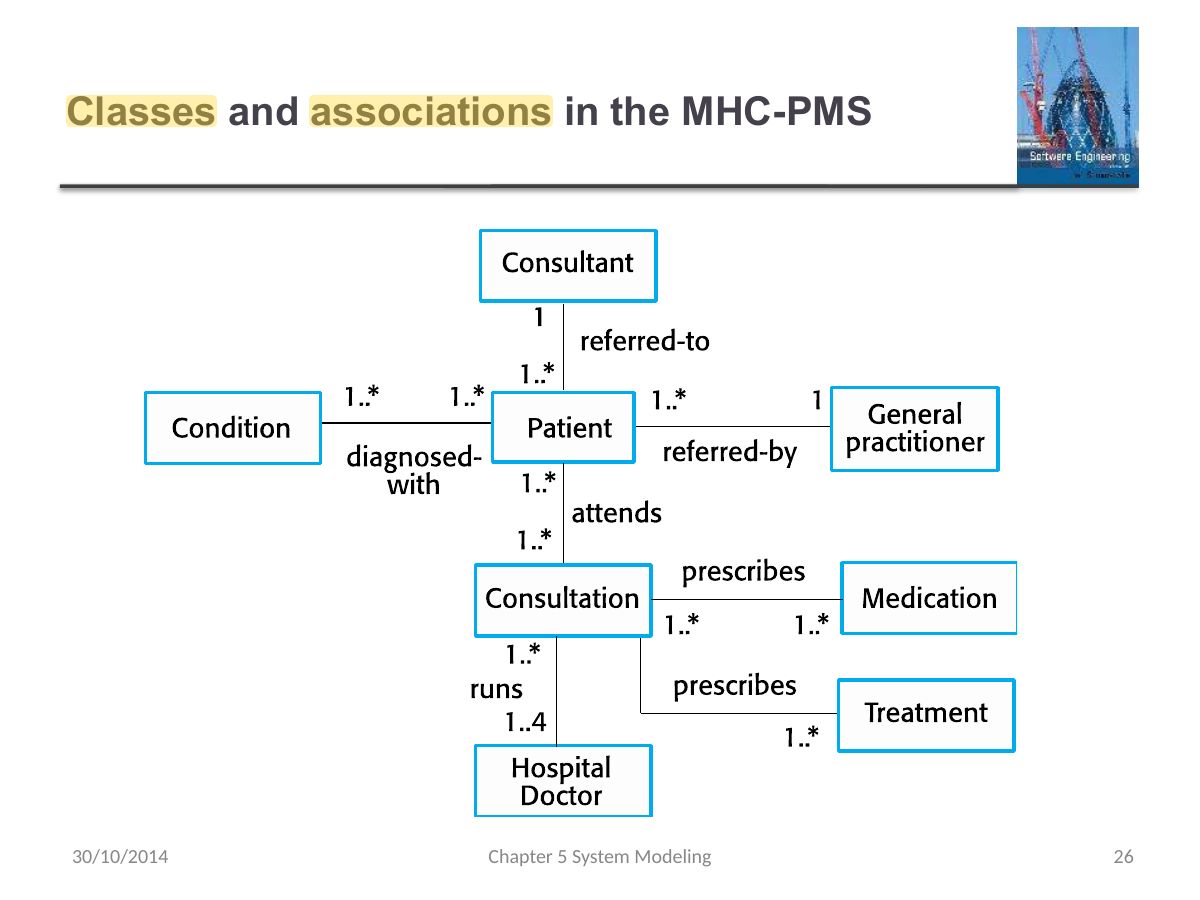
Classes and associations in the MHC-PMS
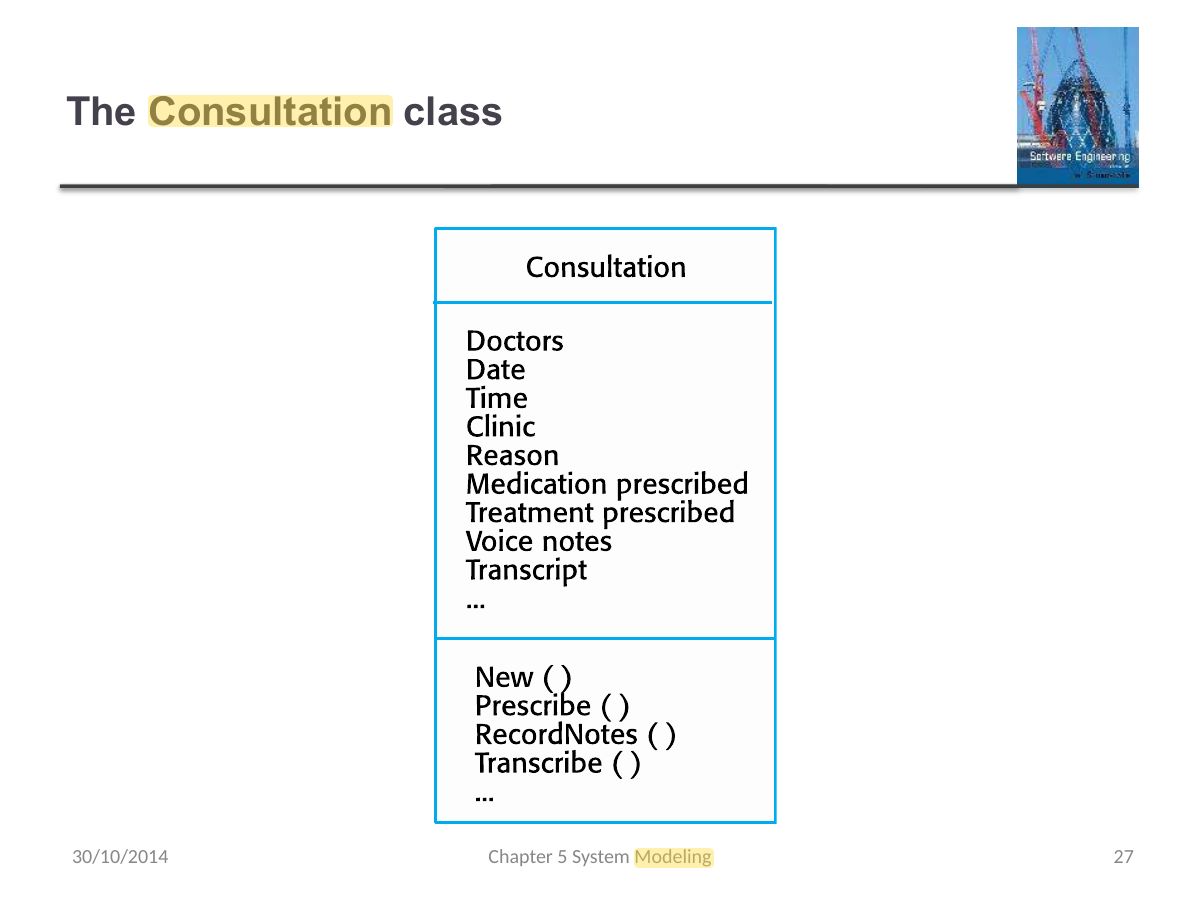
The Consultation class
Slide 28
What is a Use case?
Elements of a Use Case Diagram
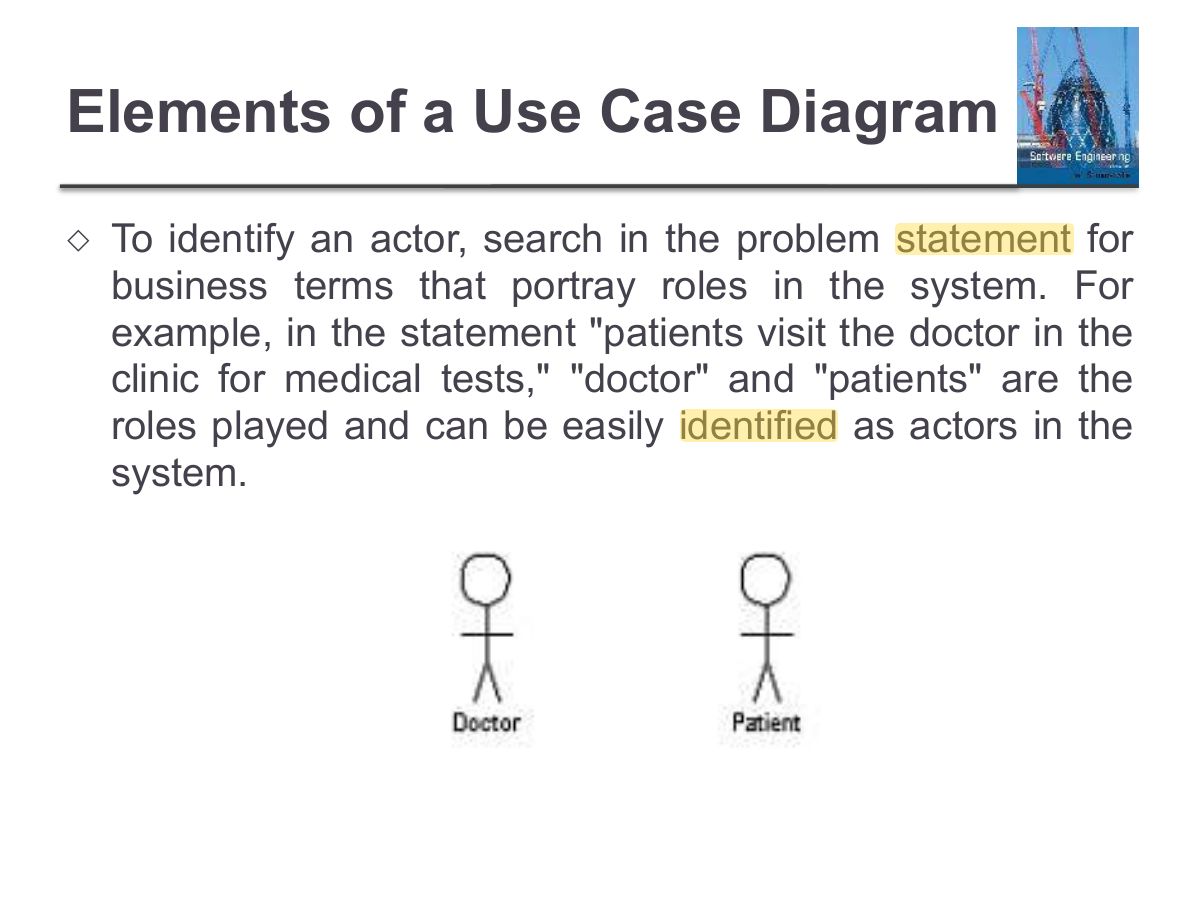
Elements of a Use Case Diagram
Elements of a Use Case Diagram
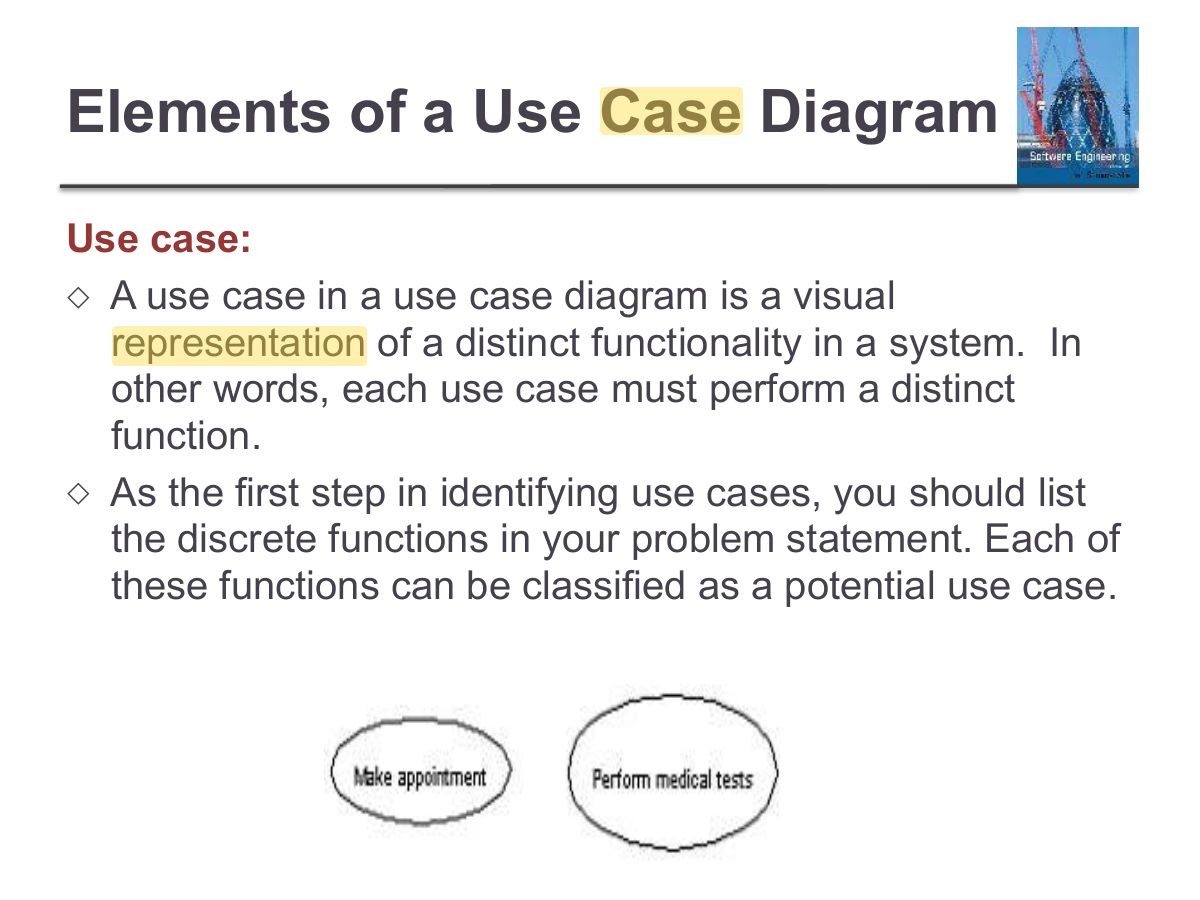
Elements of a Use Case Diagram
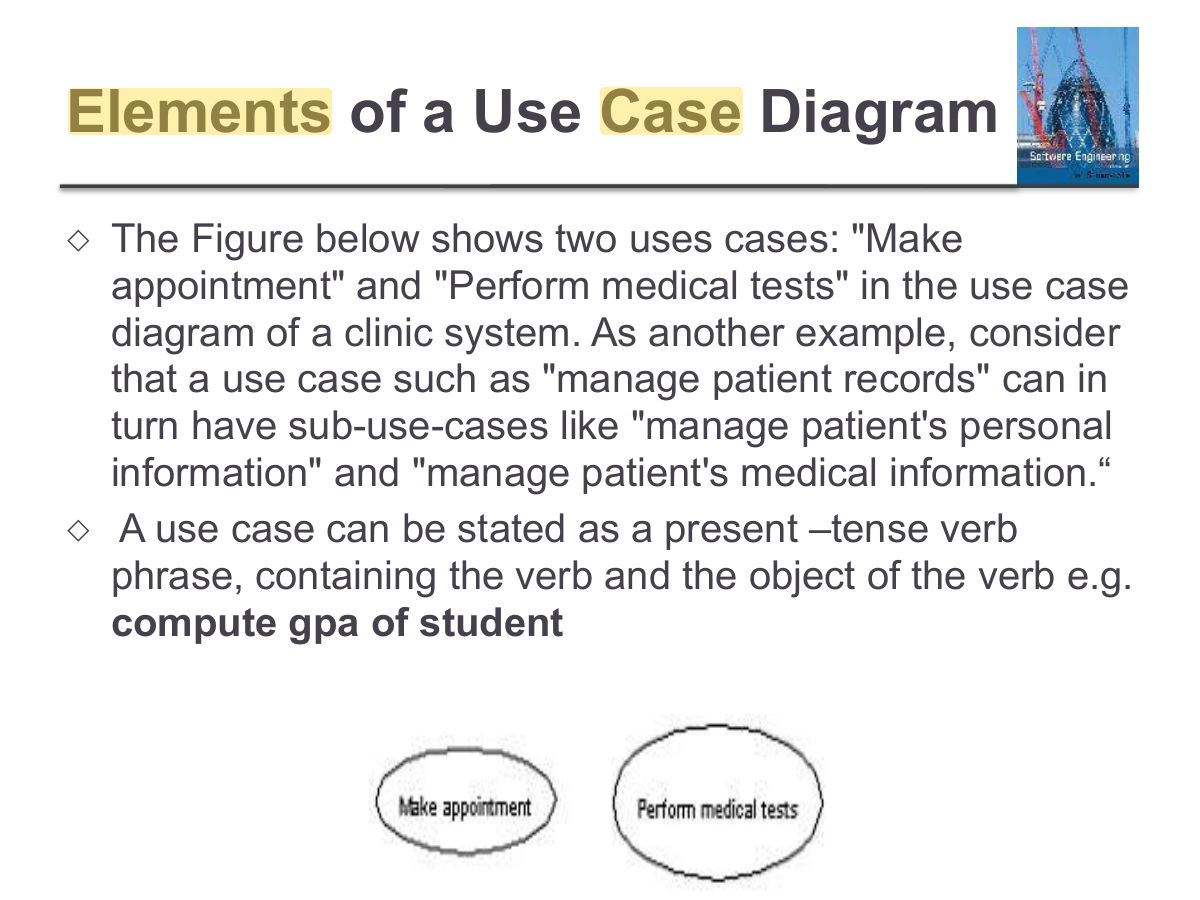
Elements of a Use Case Diagram
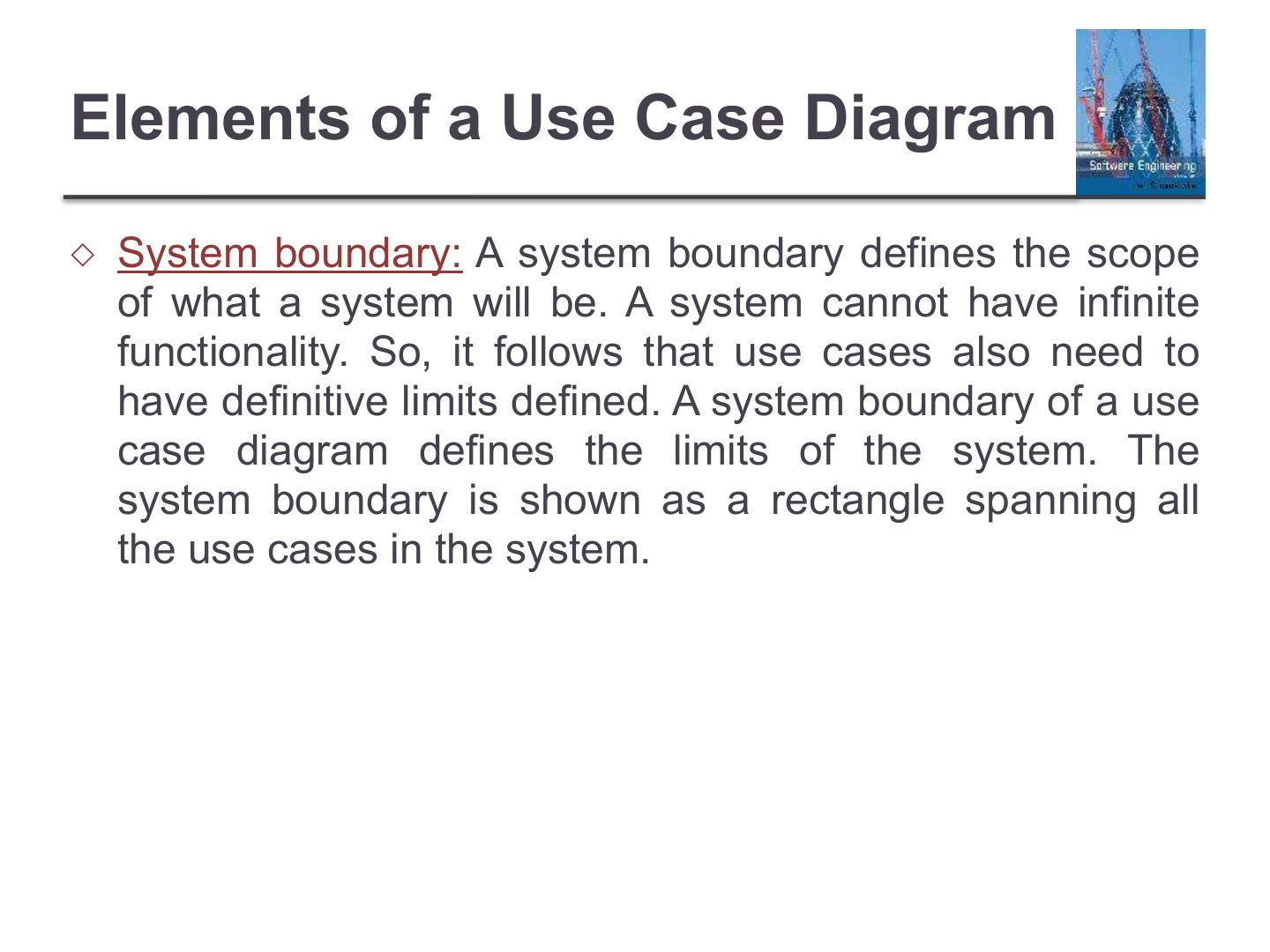
Example of a Use Case diagram of an ATM system
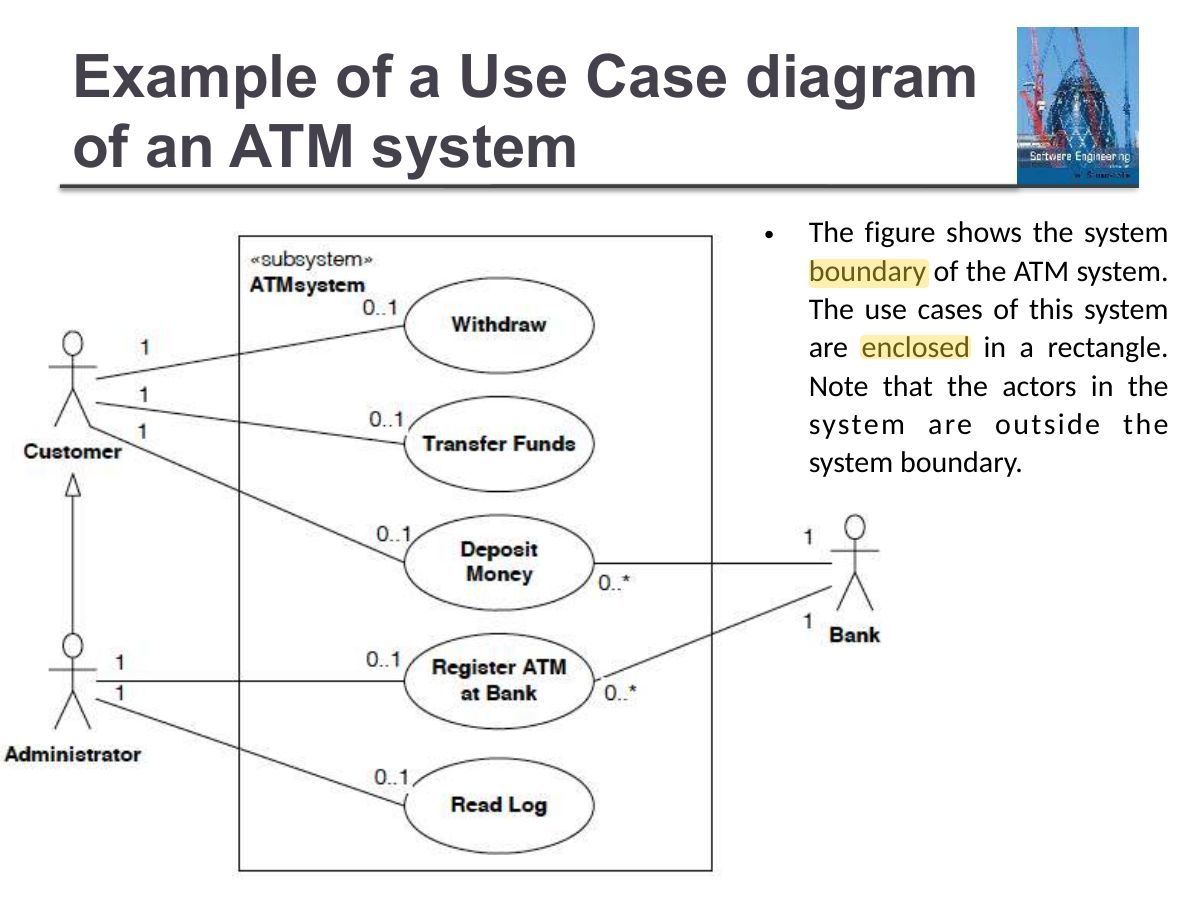
Relationships in Use Cases
Notes
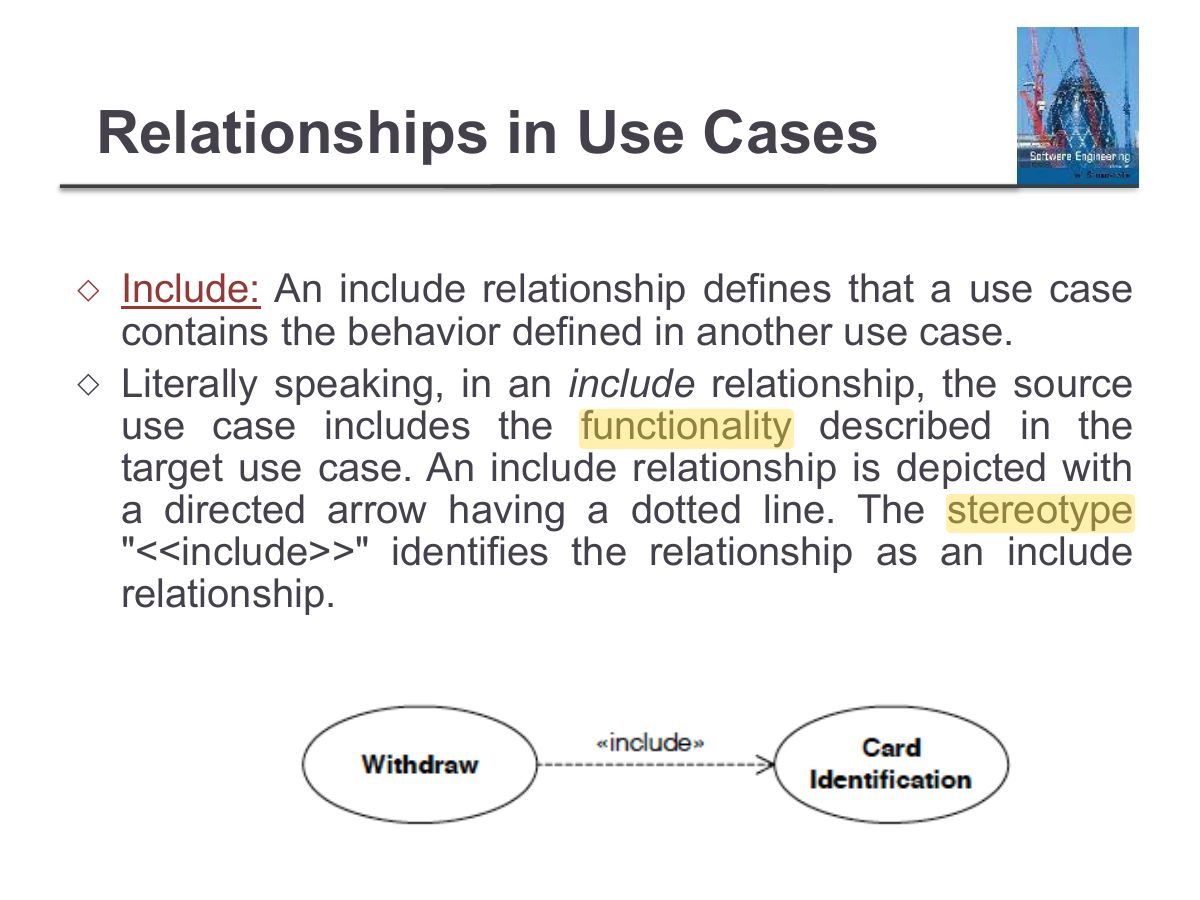
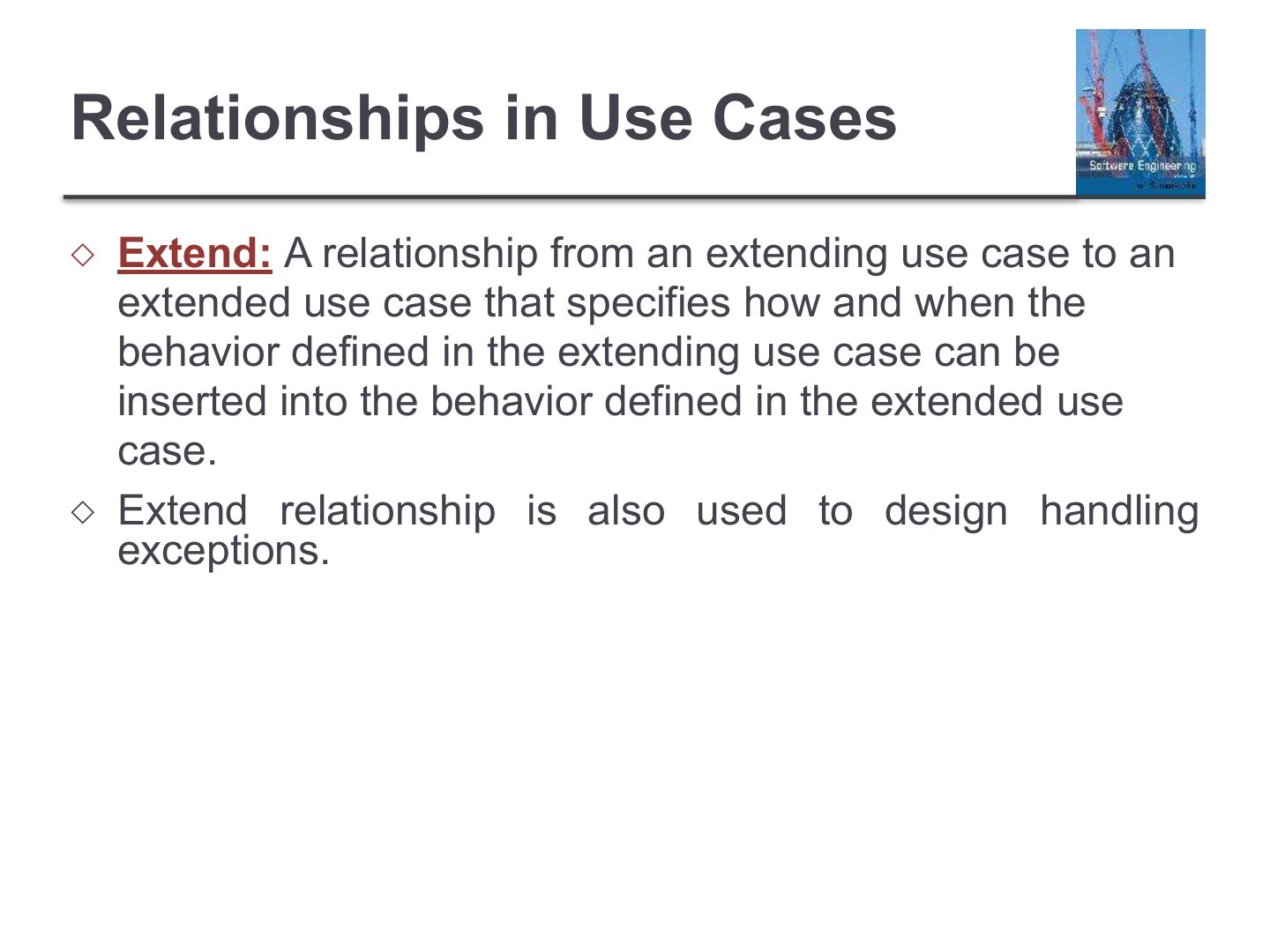
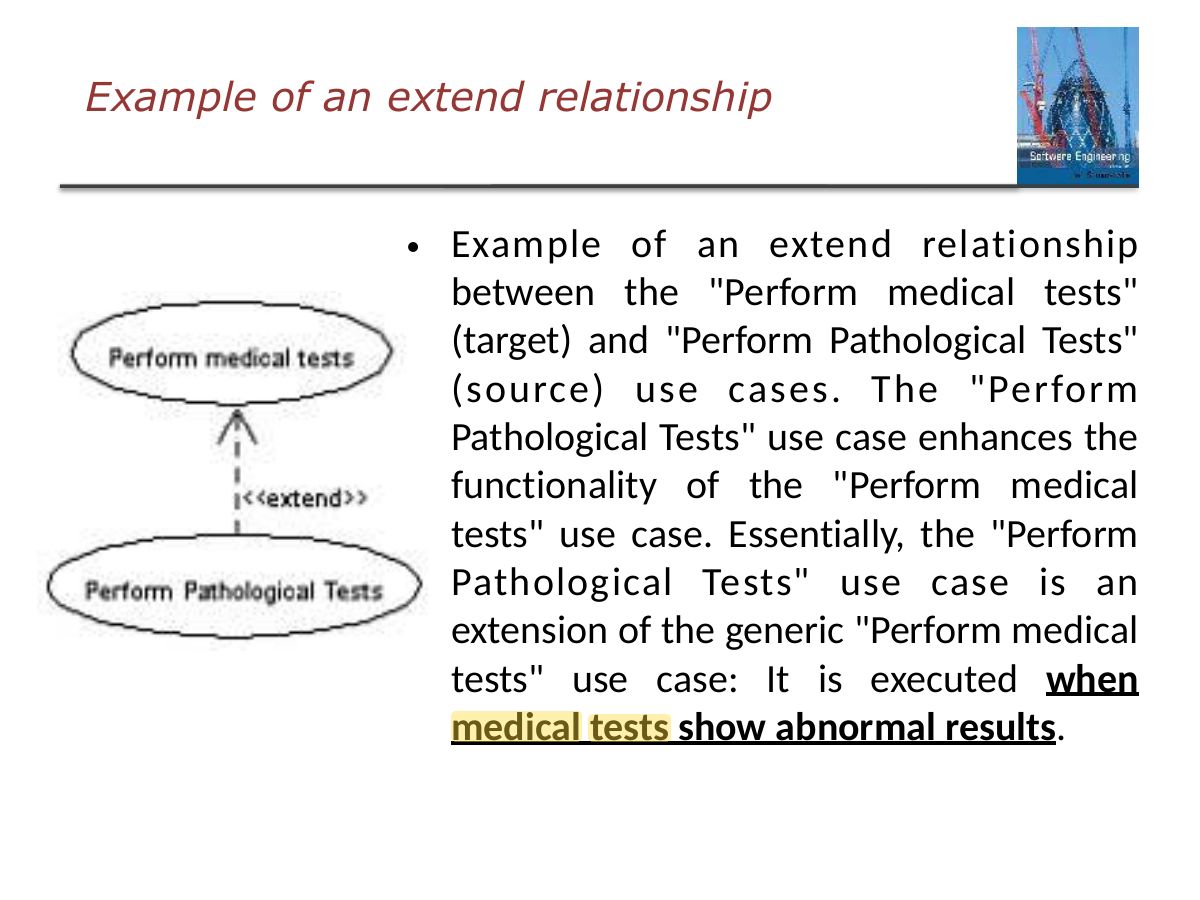
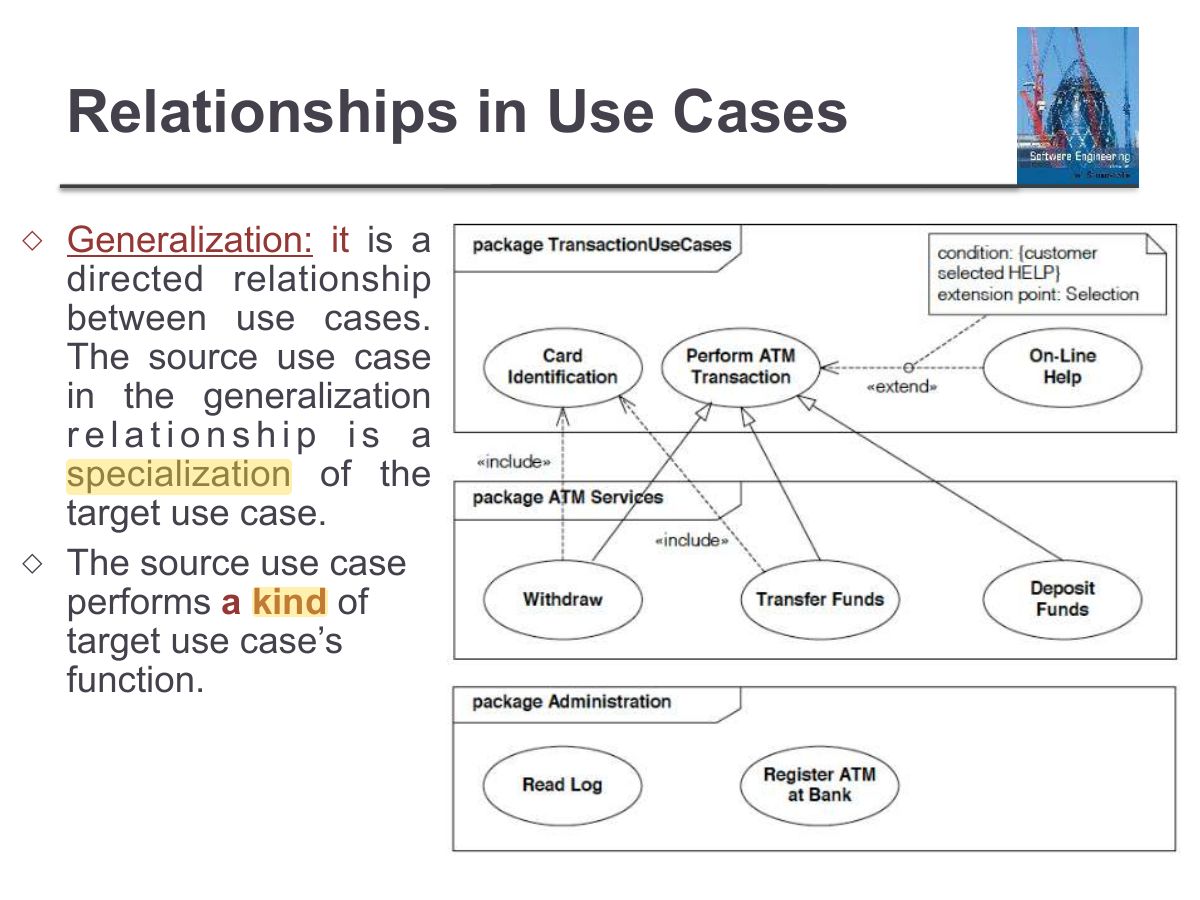
<<include>>: the base use case ALWAYS uses the included one. <<extend>>: optional behaviour that extends the base under a condition.
Trap Include arrow points TO the included use case; extend arrow points FROM the extension TO the base.
Exam angle
Every "Withdraw cash" must "Authenticate user". This is:
Relationships in Use Cases
Example of an extend relationship
Relationships in Use Cases
Relationships in Use Cases
Exercise
Use-case diagram for a university registration system
ATM Example
Slide 44
Interaction Diagrams
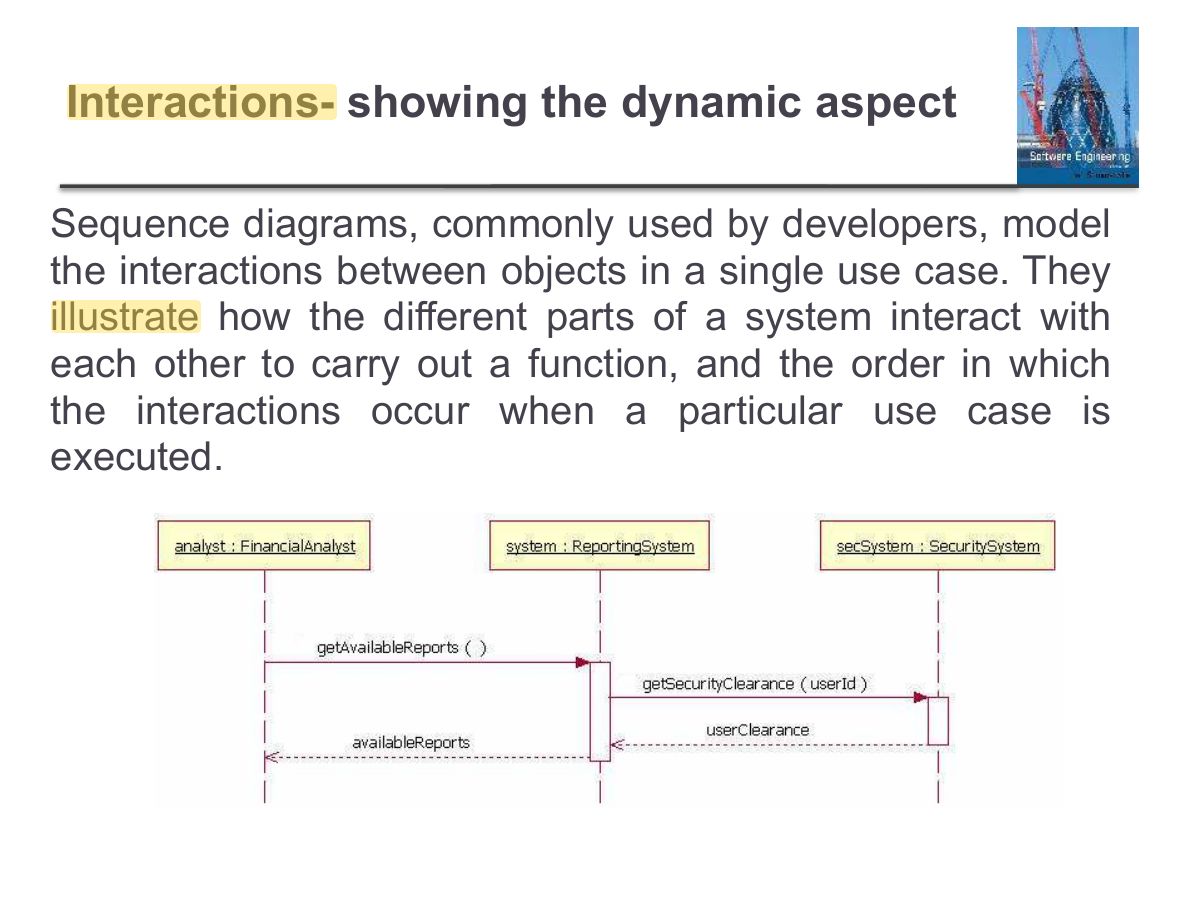
Interactions- showing the dynamic aspect
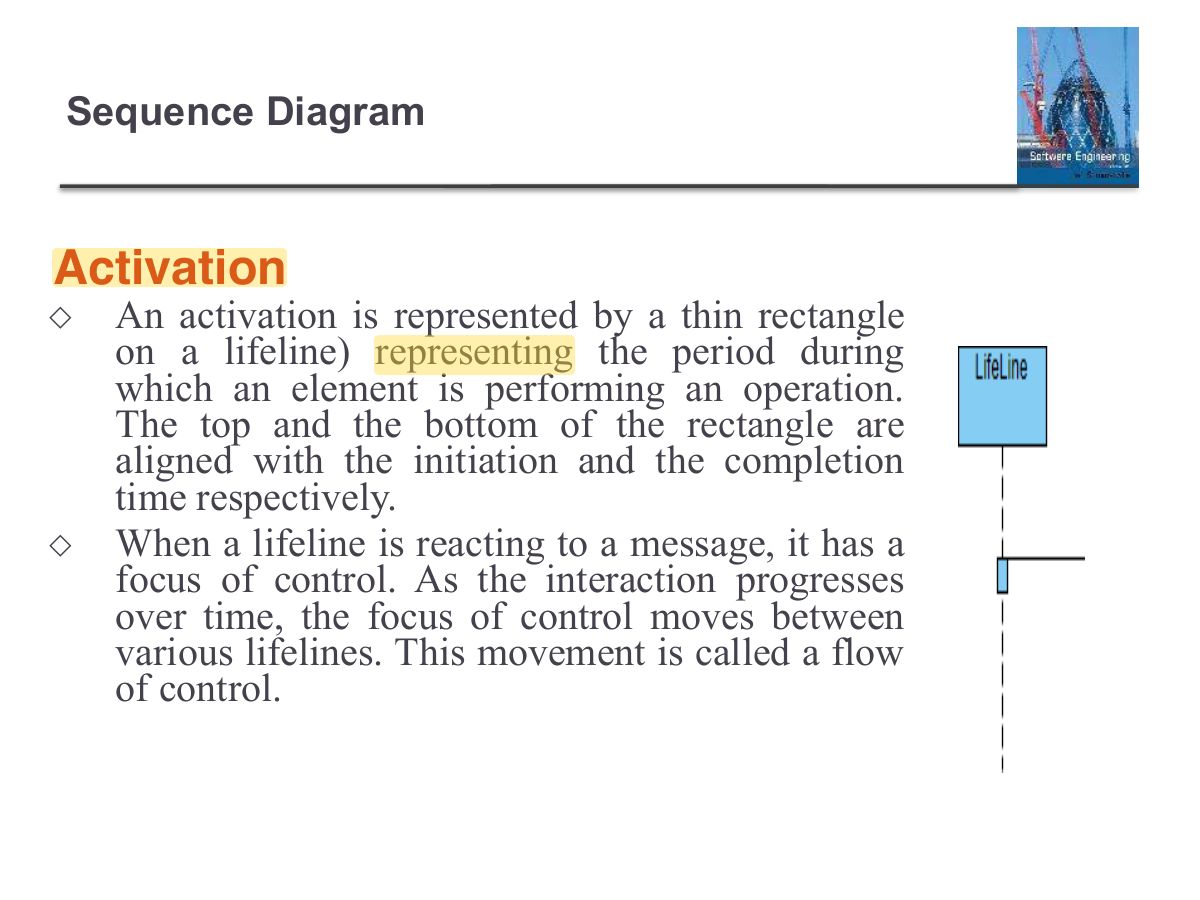
Sequence Diagram
Sequence Diagram
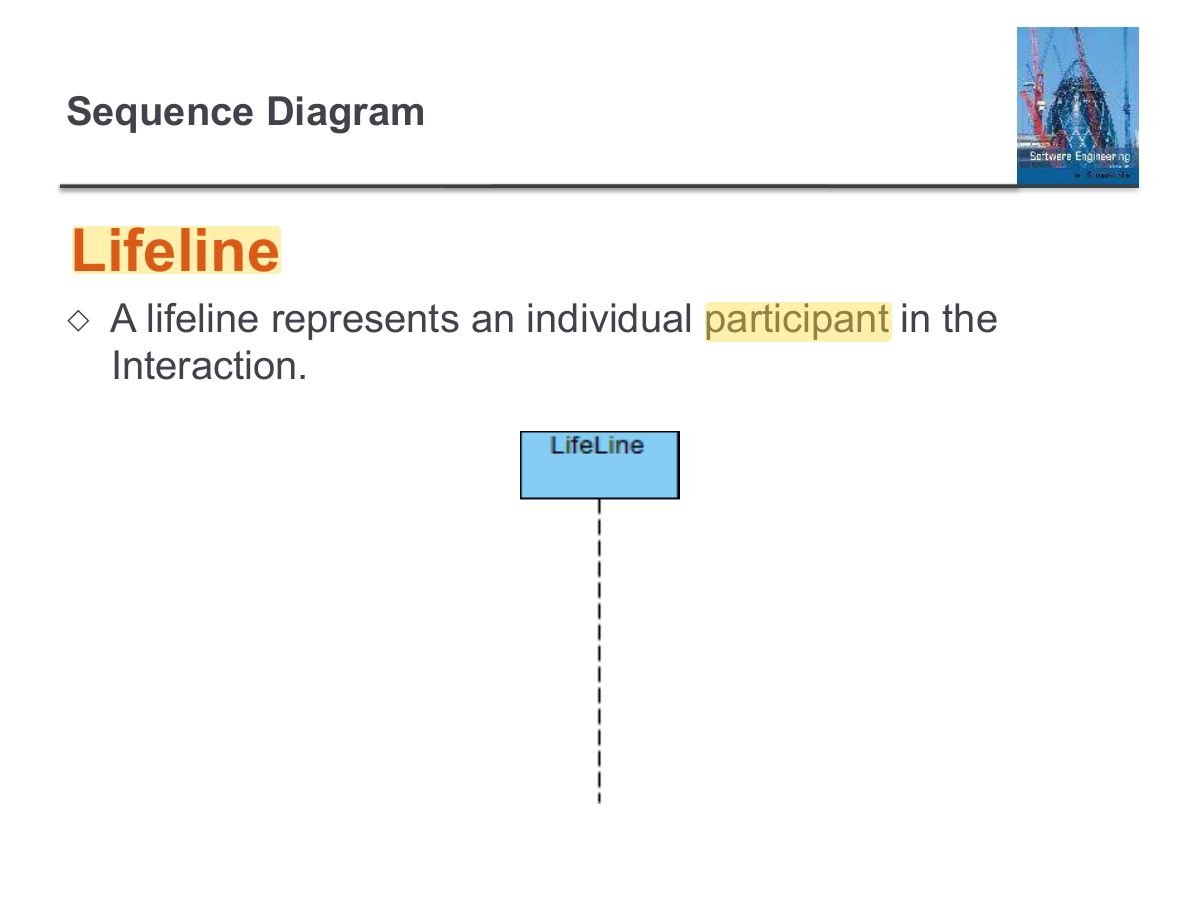
Sequence Diagram
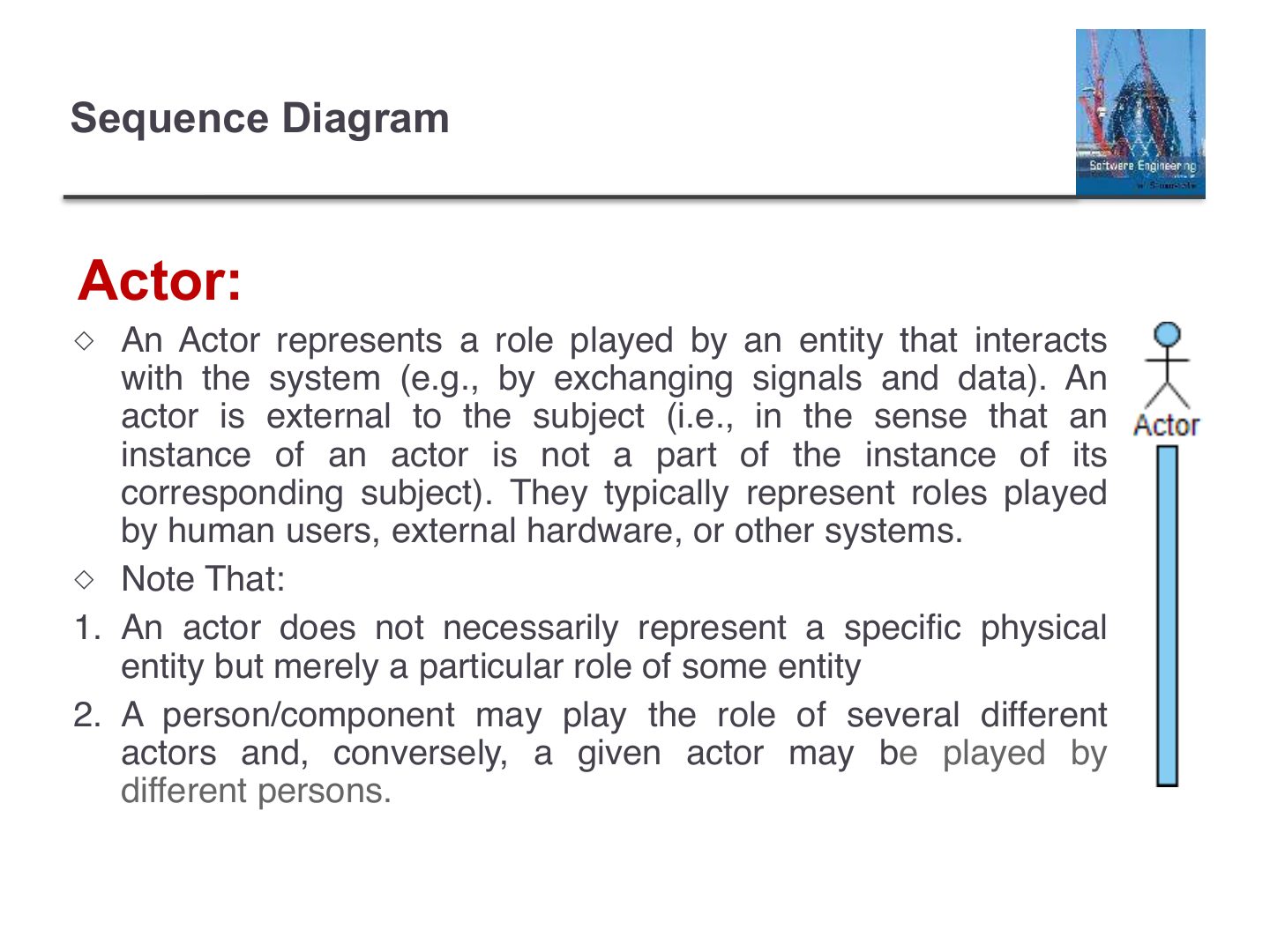
Sequence Diagram
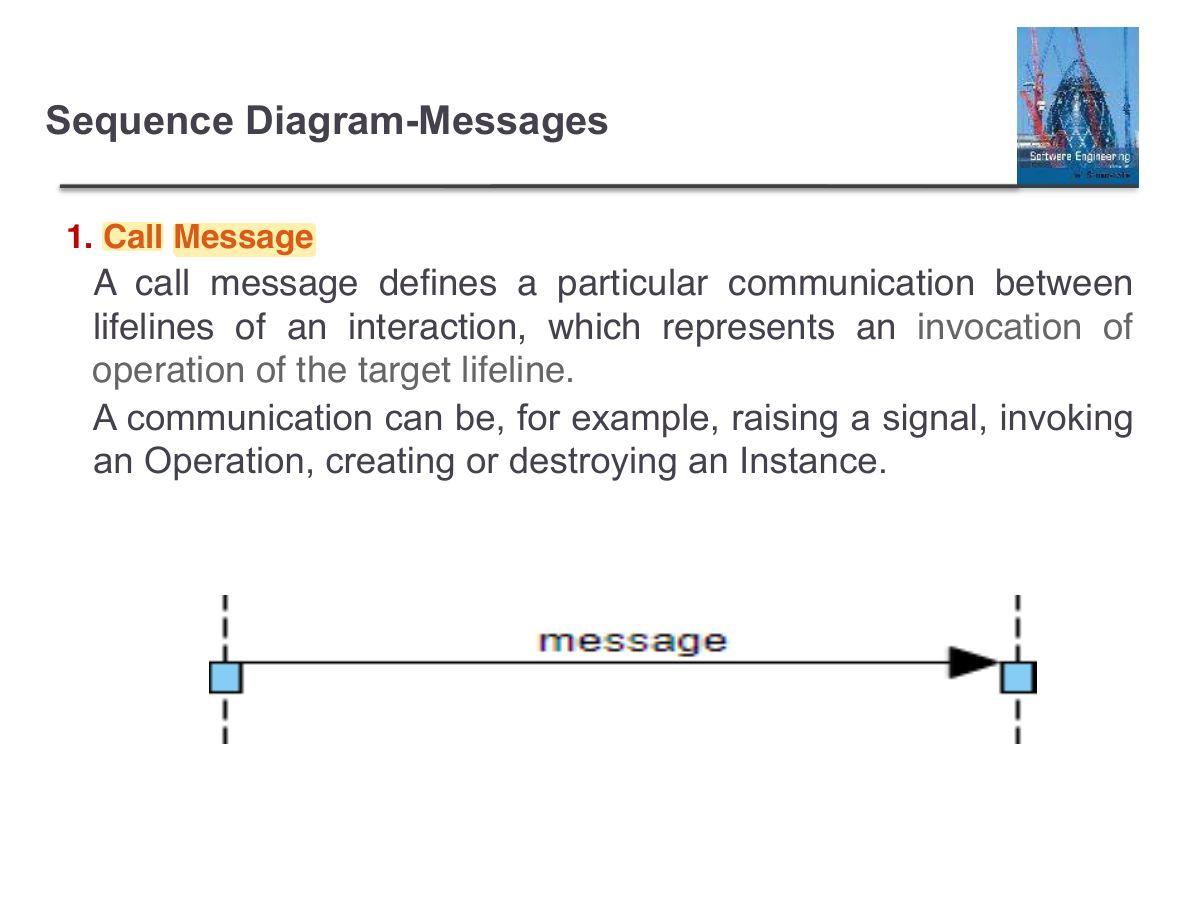
Sequence Diagram-Messages
Notes
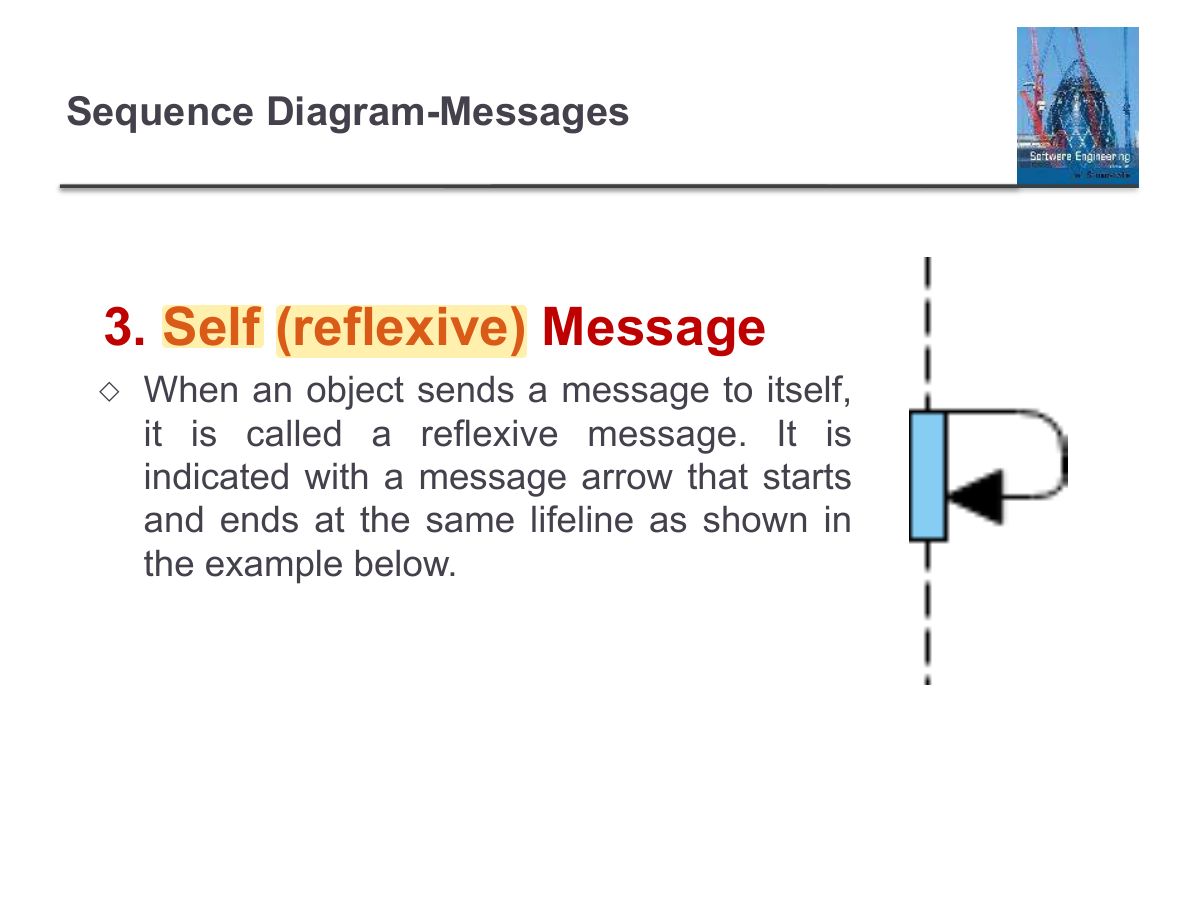
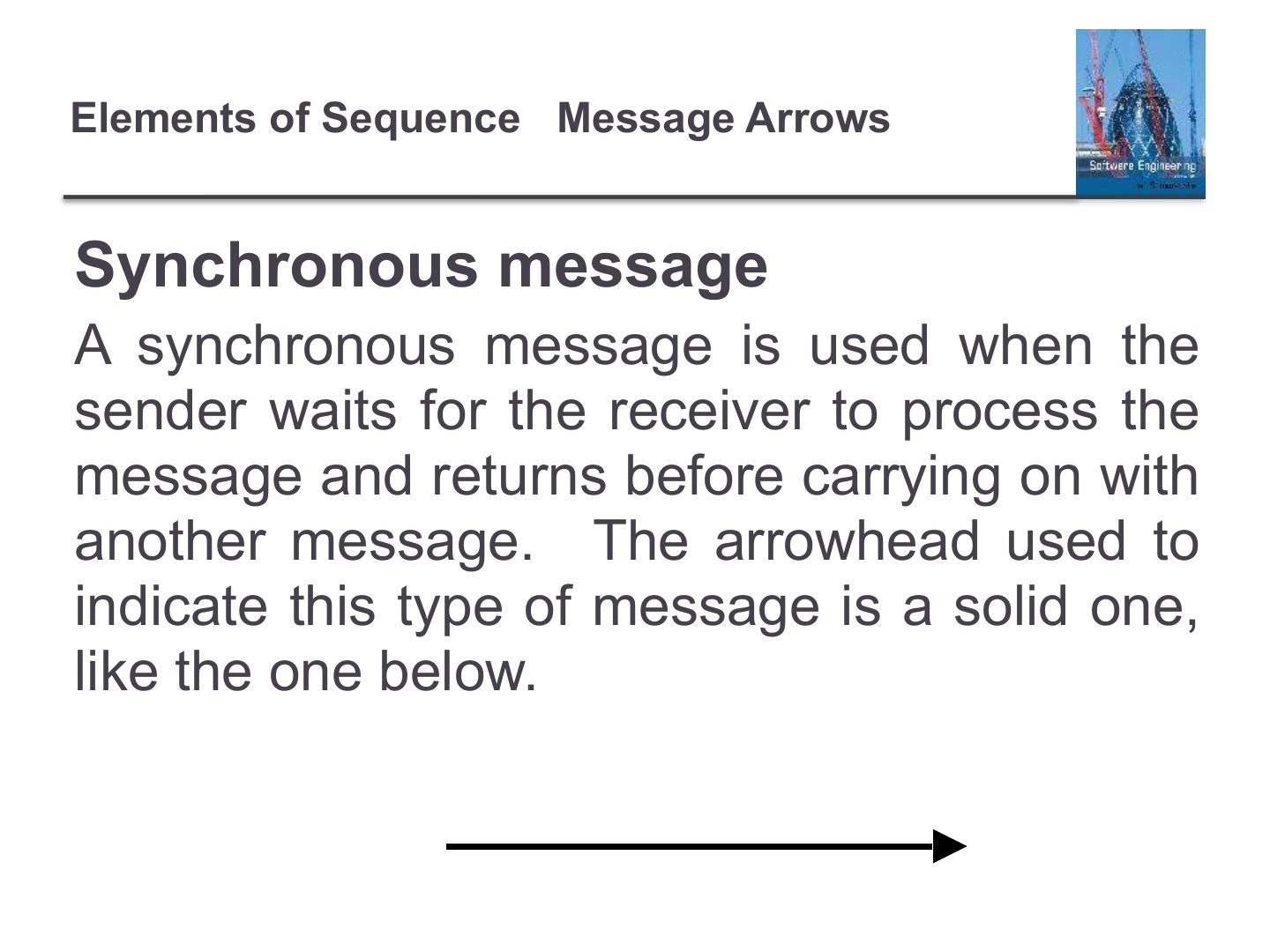
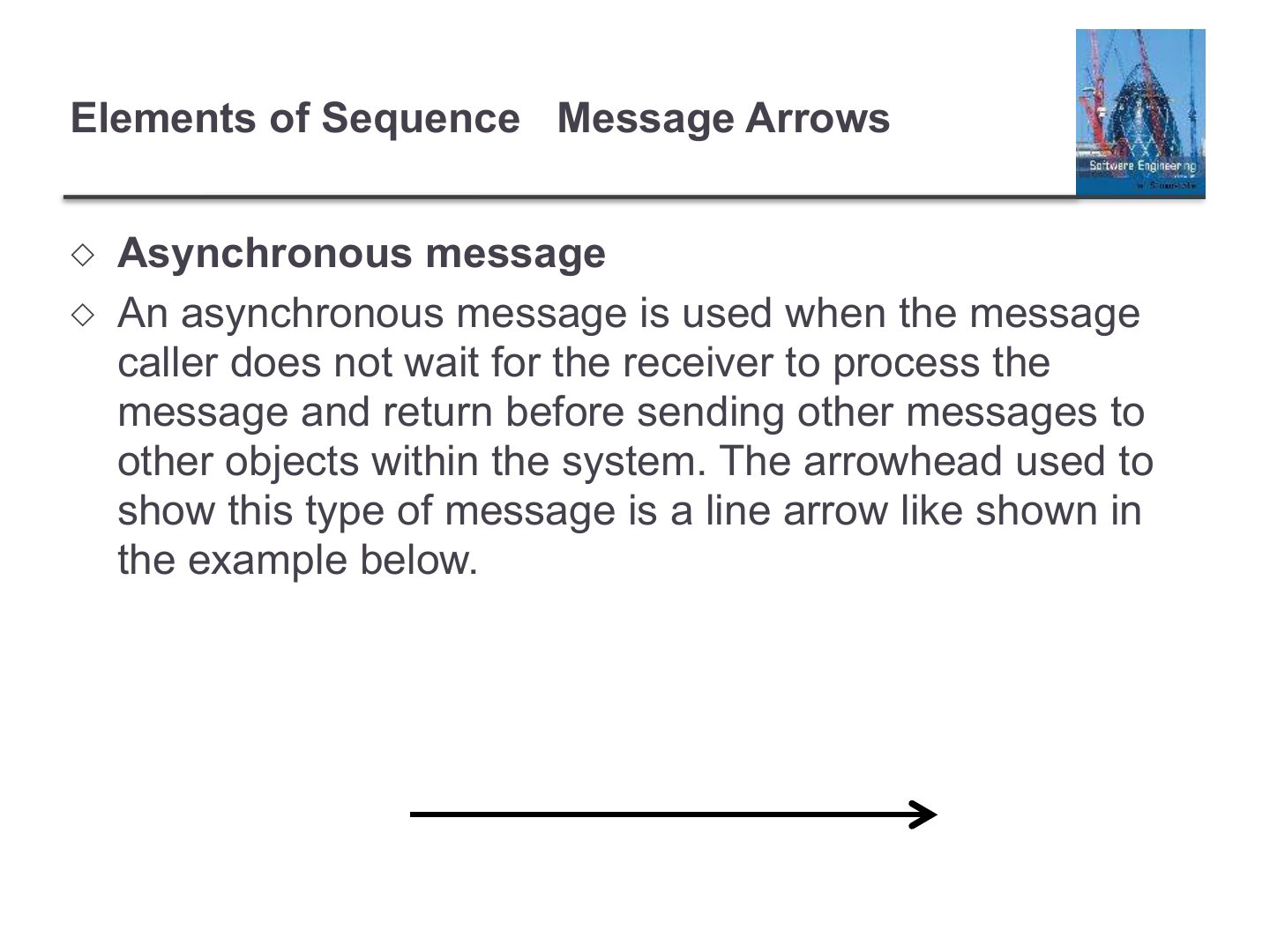
Messages: synchronous (filled arrowhead, caller waits), asynchronous (open arrowhead), return (dashed), self-message.
Sequence Diagram-Messages
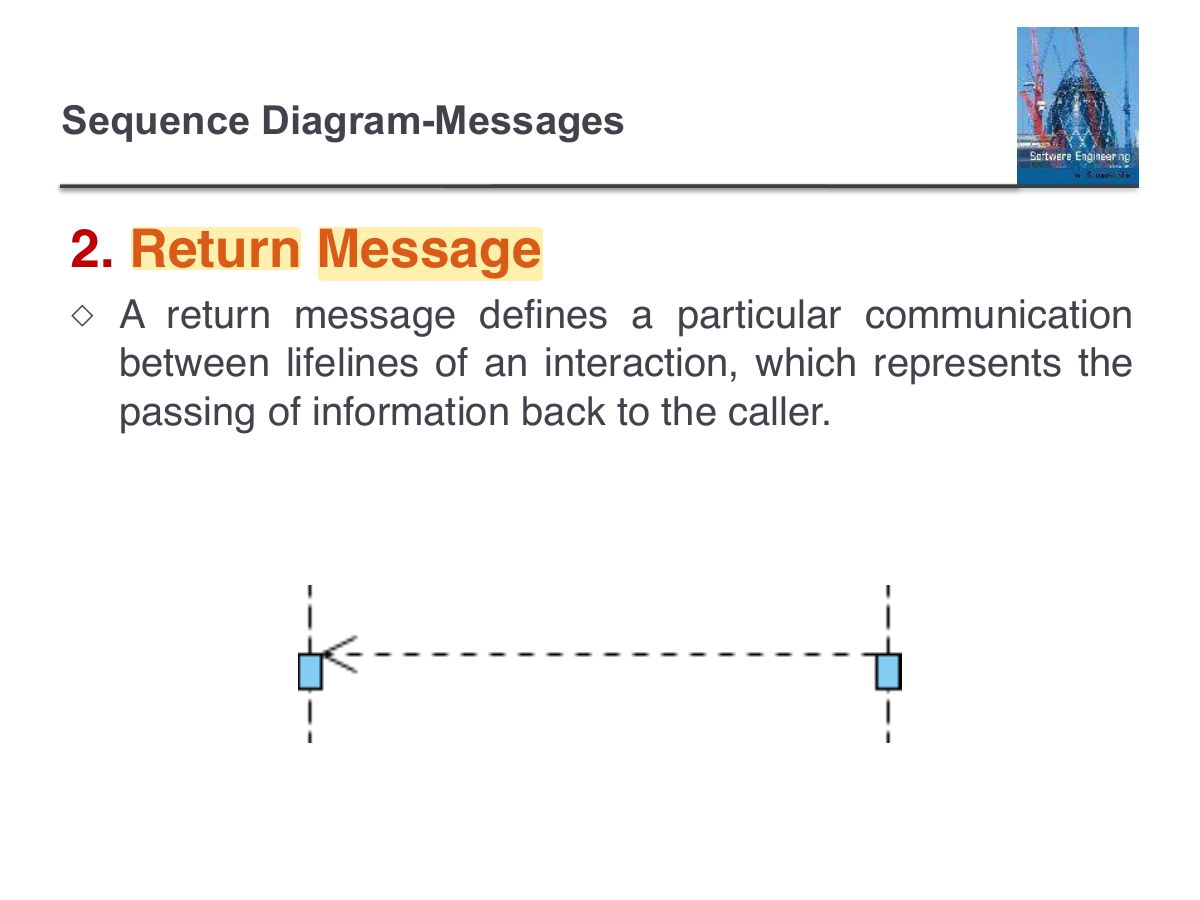
Sequence Diagram-Messages
Elements of Sequence Message Arrows
Elements of Sequence Message Arrows
Elements of Sequence Message Arrows
Sequence Diagram
Sequence diagram of Mcdonald's Ordering System
Mcdonald's Ordering System
Alternatives
Notes
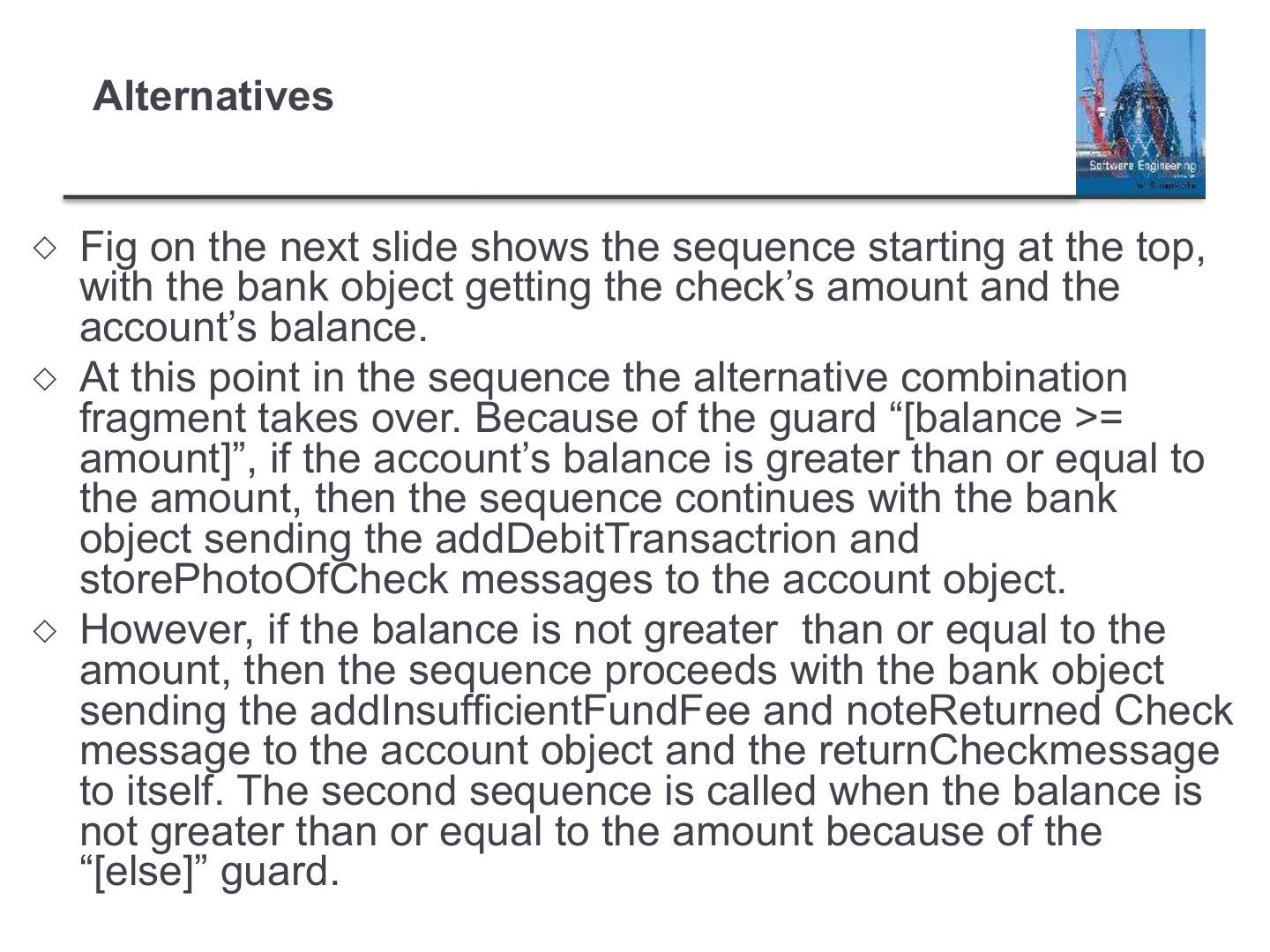
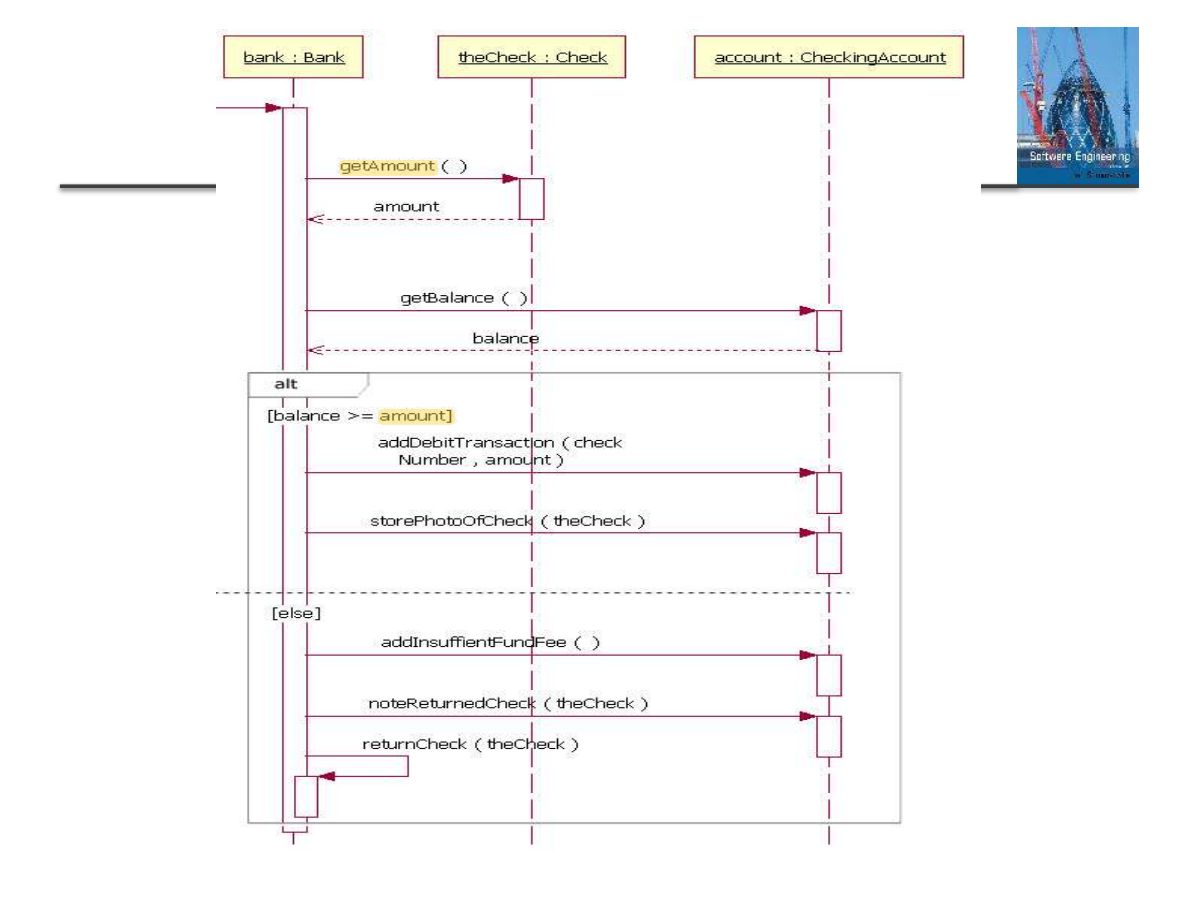
alt fragment: alternatives with guards; opt: optional; loop: repetition.
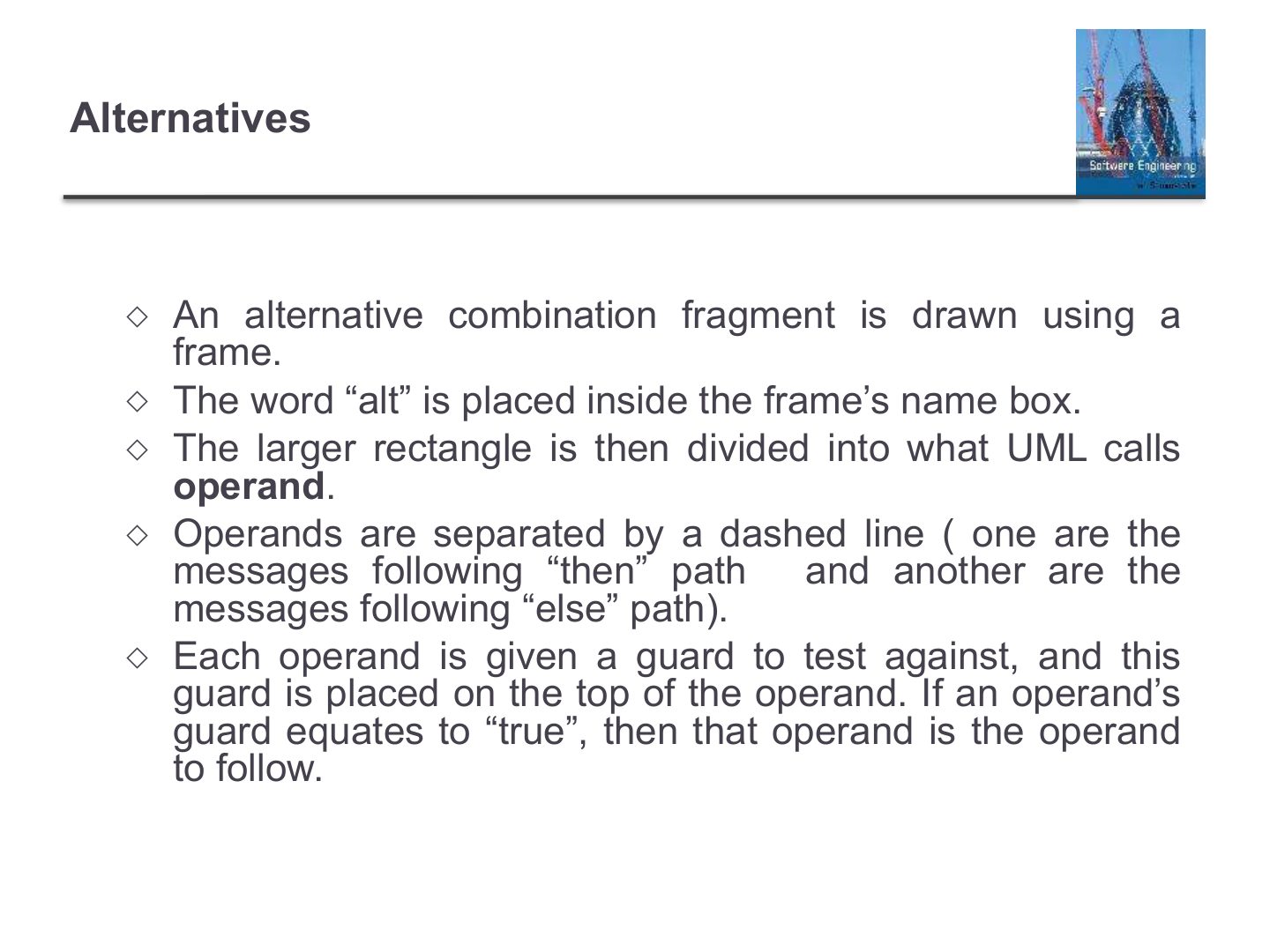
Alternatives
Alternatives
Slide 63
Slide 64
Class Diagram
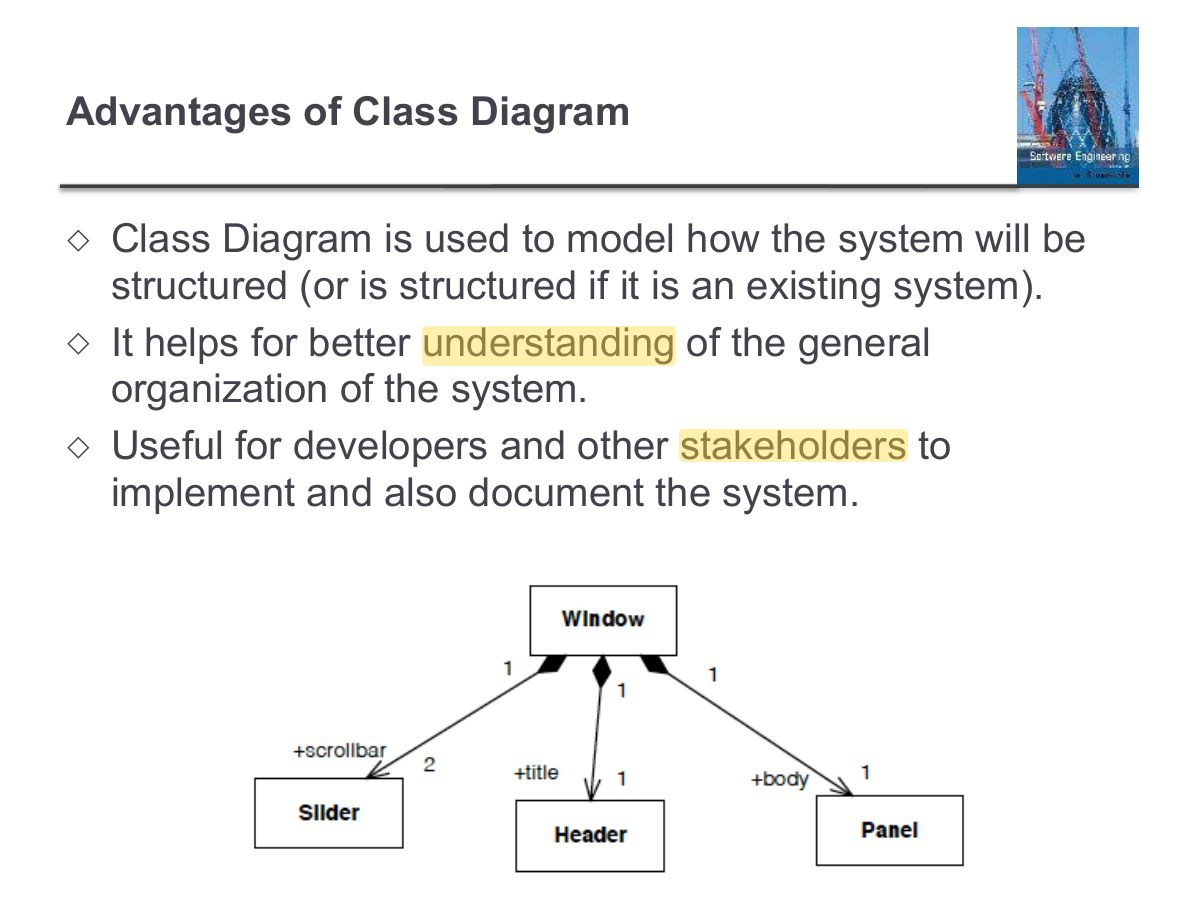
Advantages of Class Diagram
h
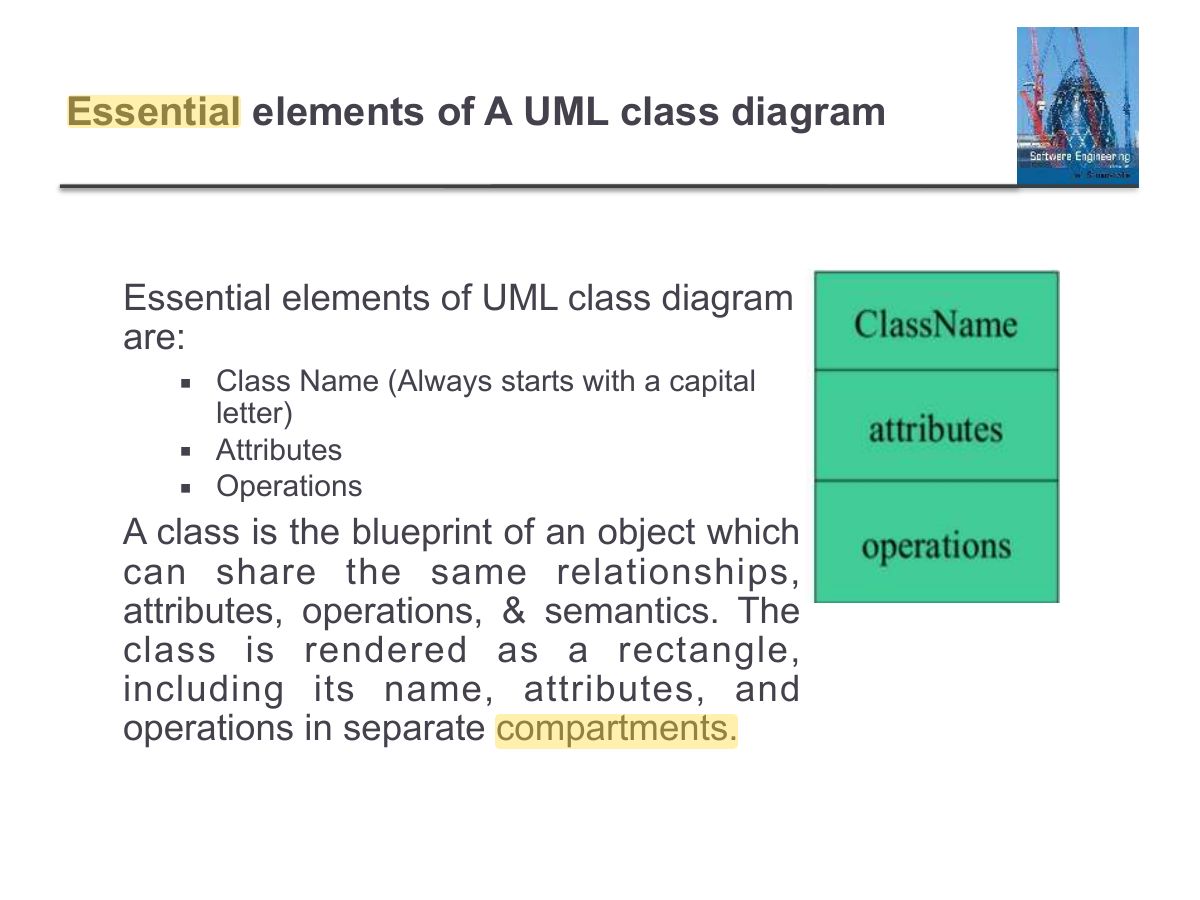
Essential elements of A UML class diagram
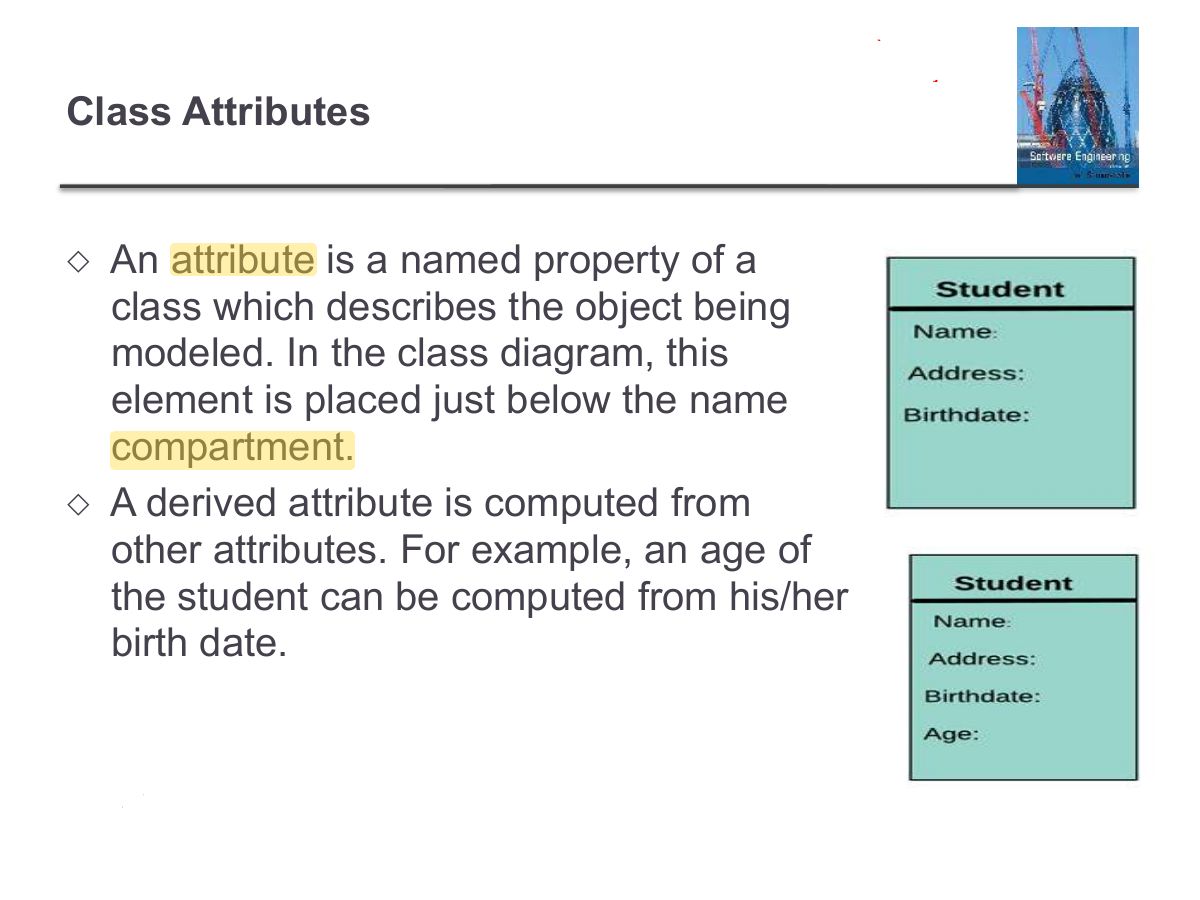
Class Attributes
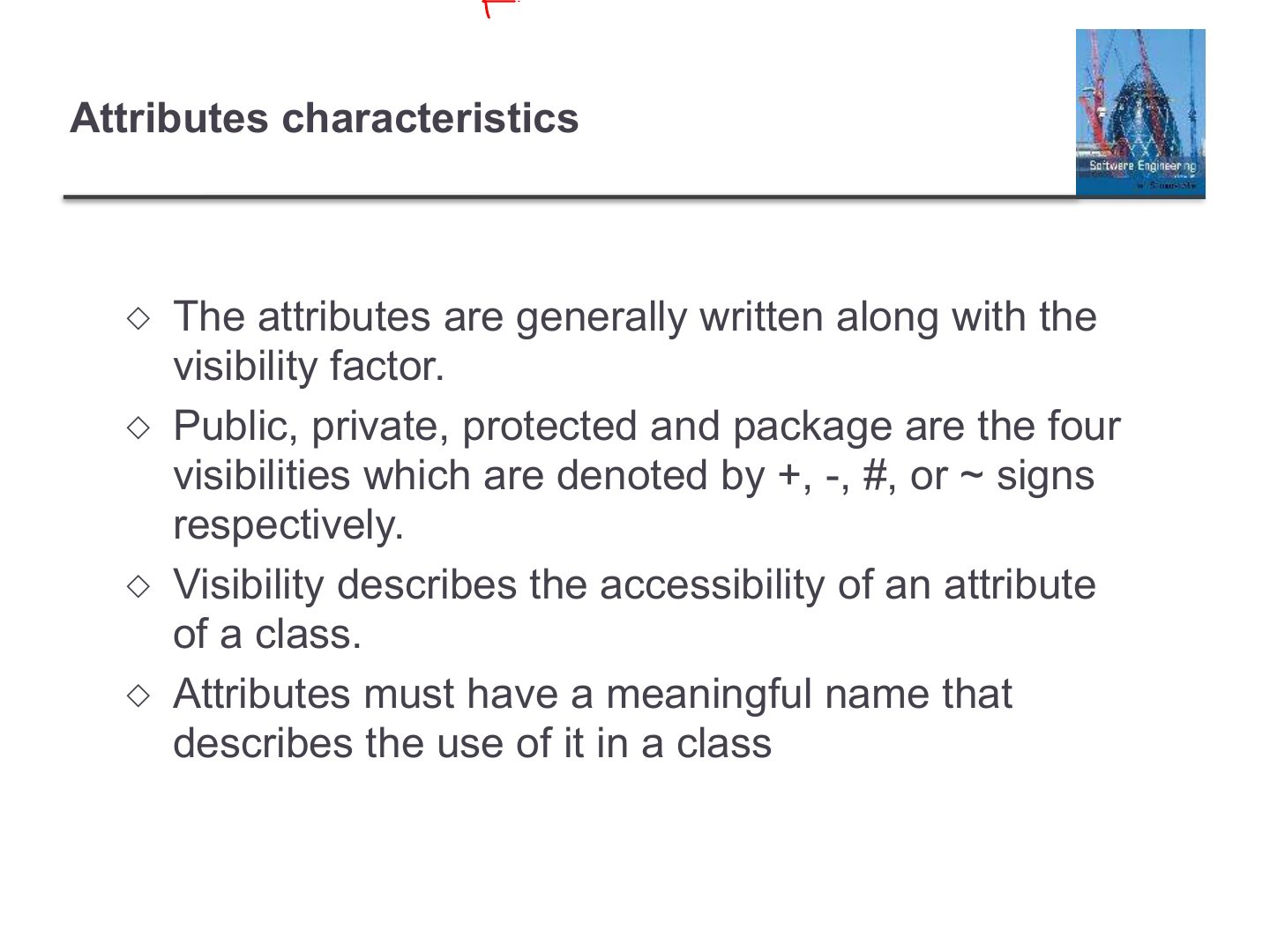
Attributes characteristics
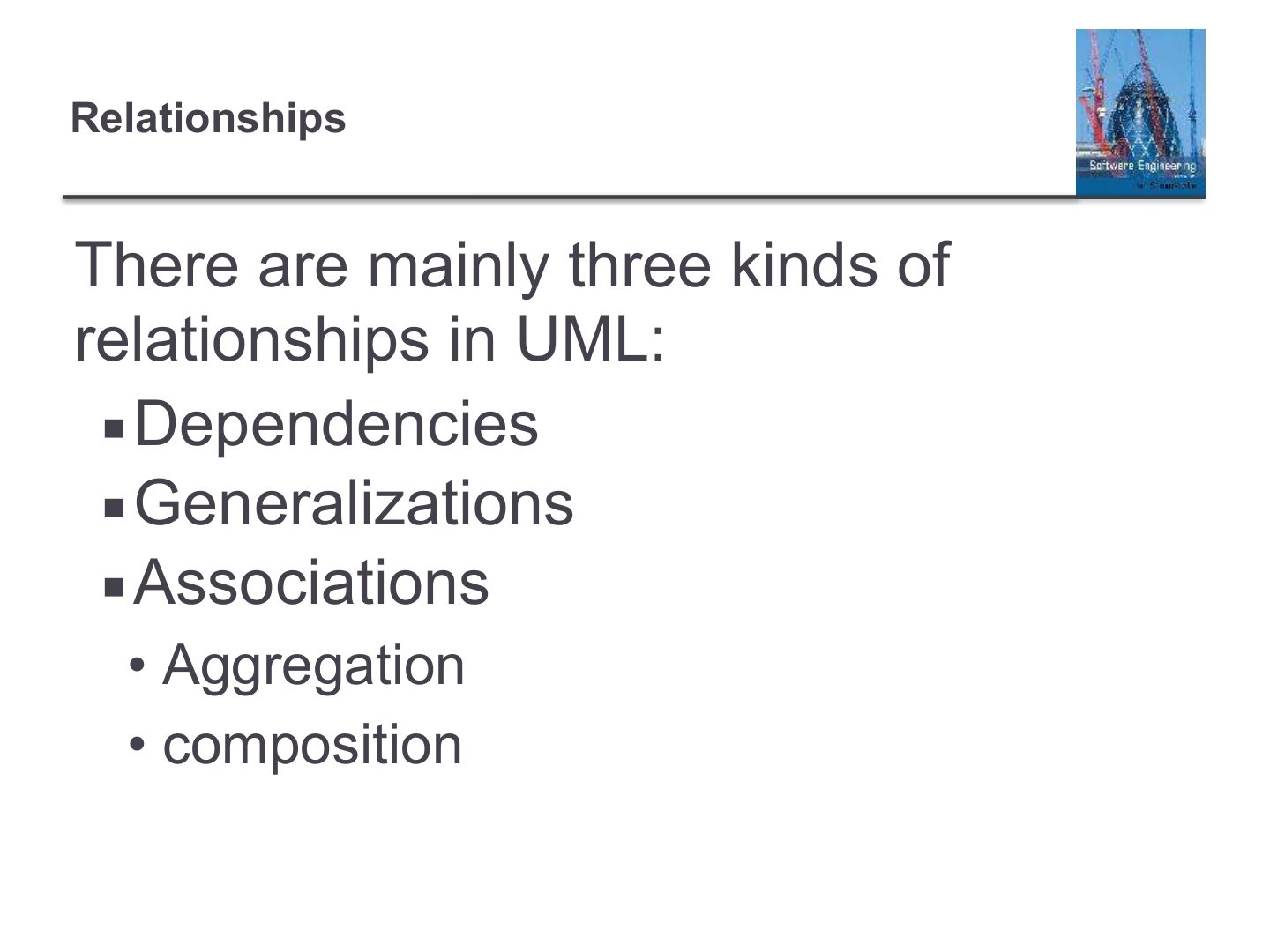
Relationships
Notes
Relationships: dependency (dashed arrow), association (line), generalization (hollow triangle), aggregation (hollow diamond), composition (filled diamond).
Relationship-Dependency
Examples of Dependency
3. Relationships- Generalization
Notes
Generalization = inheritance ("is-a"): hollow triangle points to the parent.
3. Relationships-Association
Exam angle
A multiplicity of 1..* means:
3. Relationships-Association(Multiplicity)
3. Relationships- Aggregation
3. Relationships- Aggregation
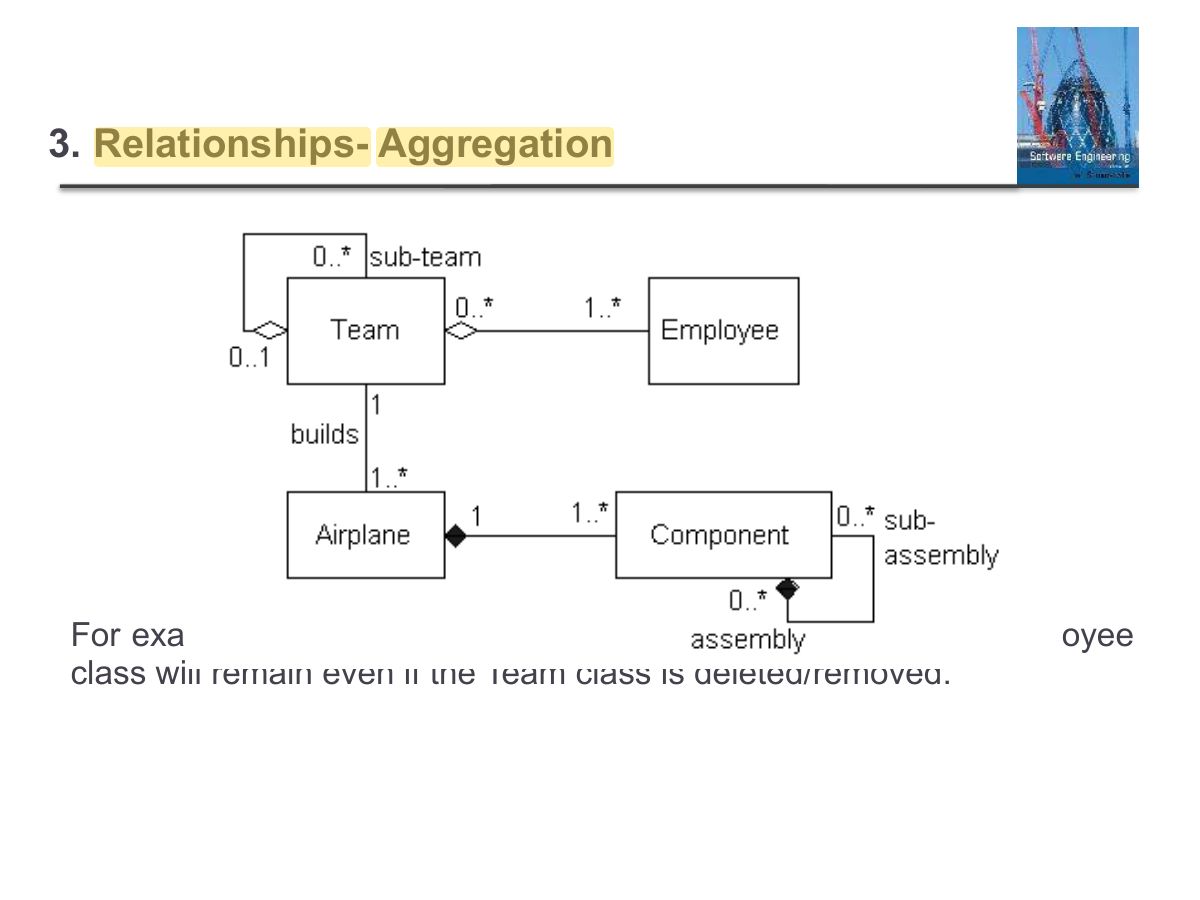
Relationship- Composition
Example 2-Composition
Aggregation vs. Composition
Notes
Aggregation: whole–part where parts can exist alone (Department–Professor). Composition: parts die with the whole (House–Room).
Memory trick Filled diamond = "dies with" (composition). Hollow diamond = "can live without" (aggregation).
Exam angle
An Order and its OrderLines (deleted with the order) is best modeled as:
Association Class
Notes
Association class: attributes that belong to the link itself (Enrollment with grade between Student and Course).
Association Class
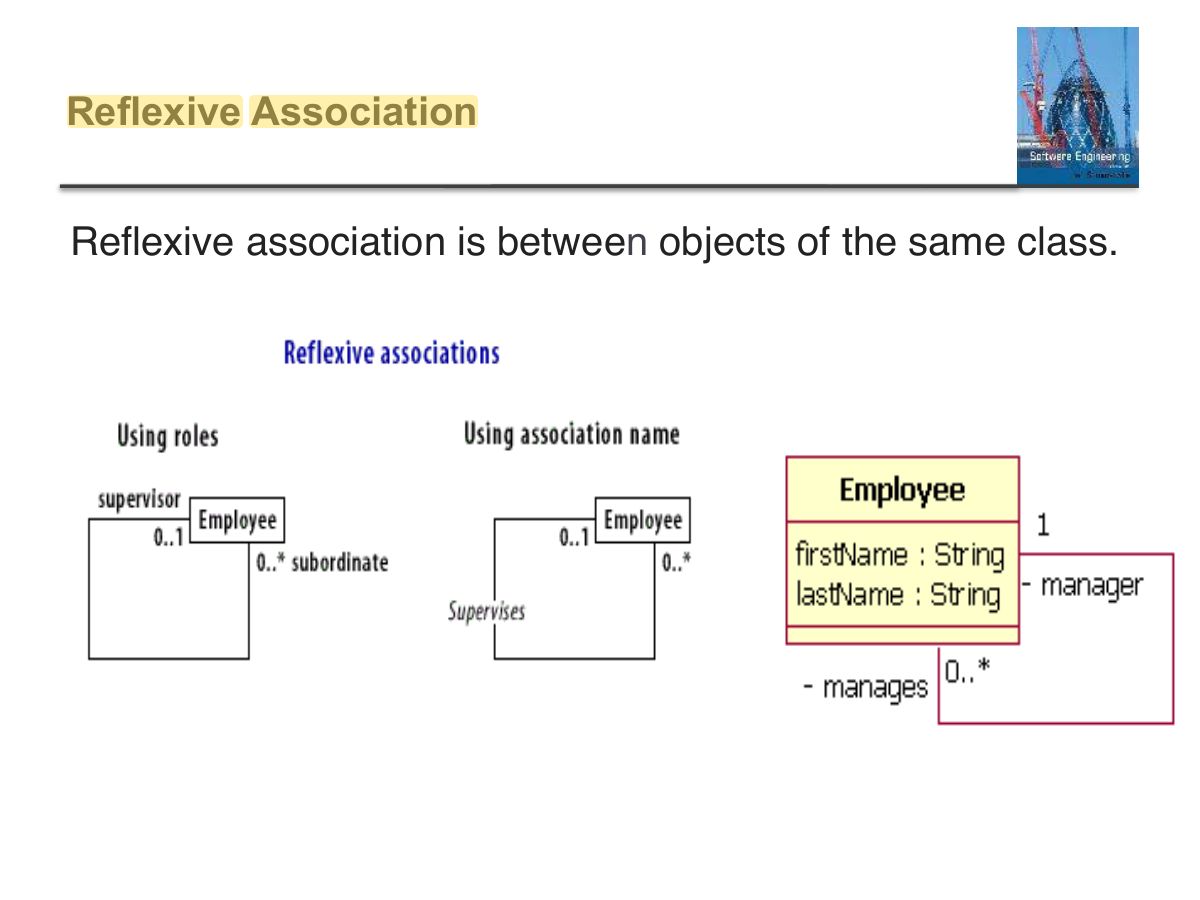
Reflexive Association
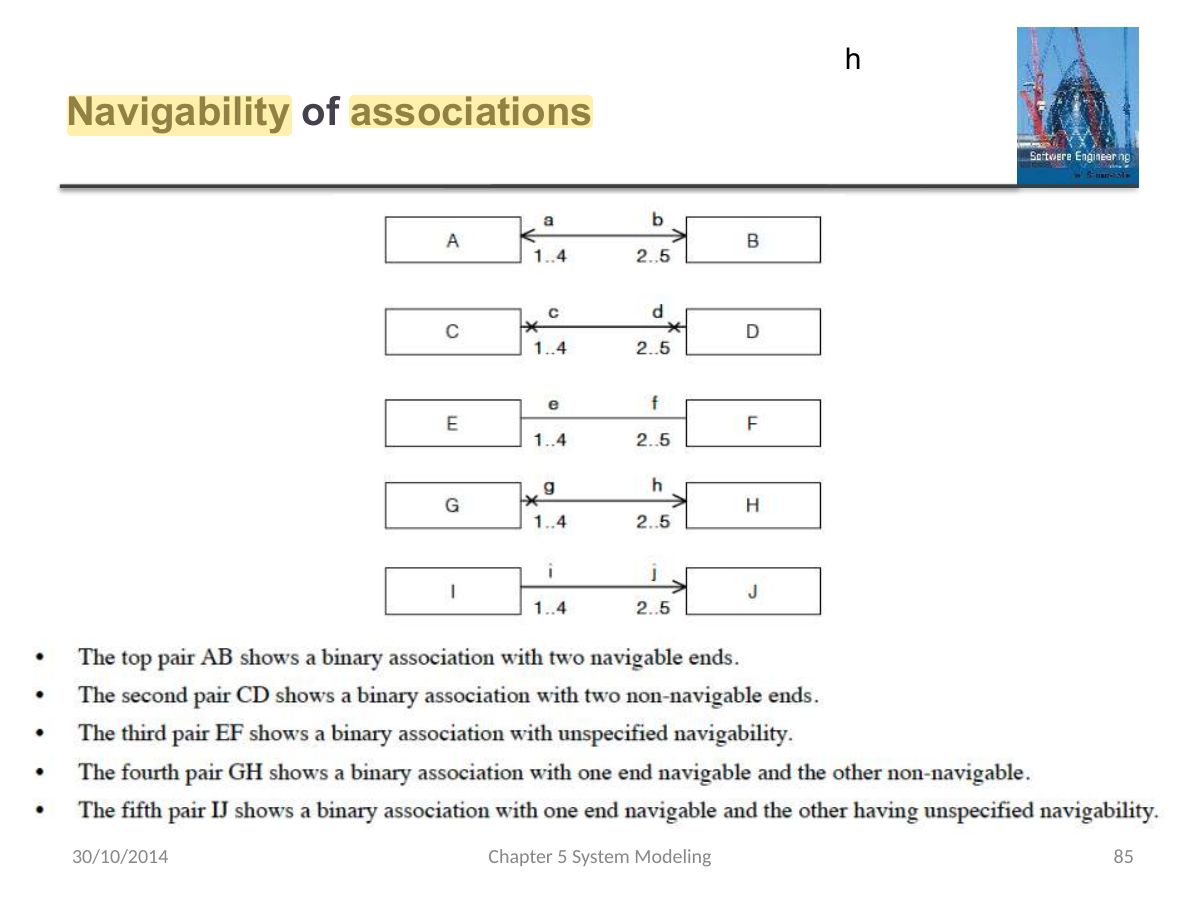
h
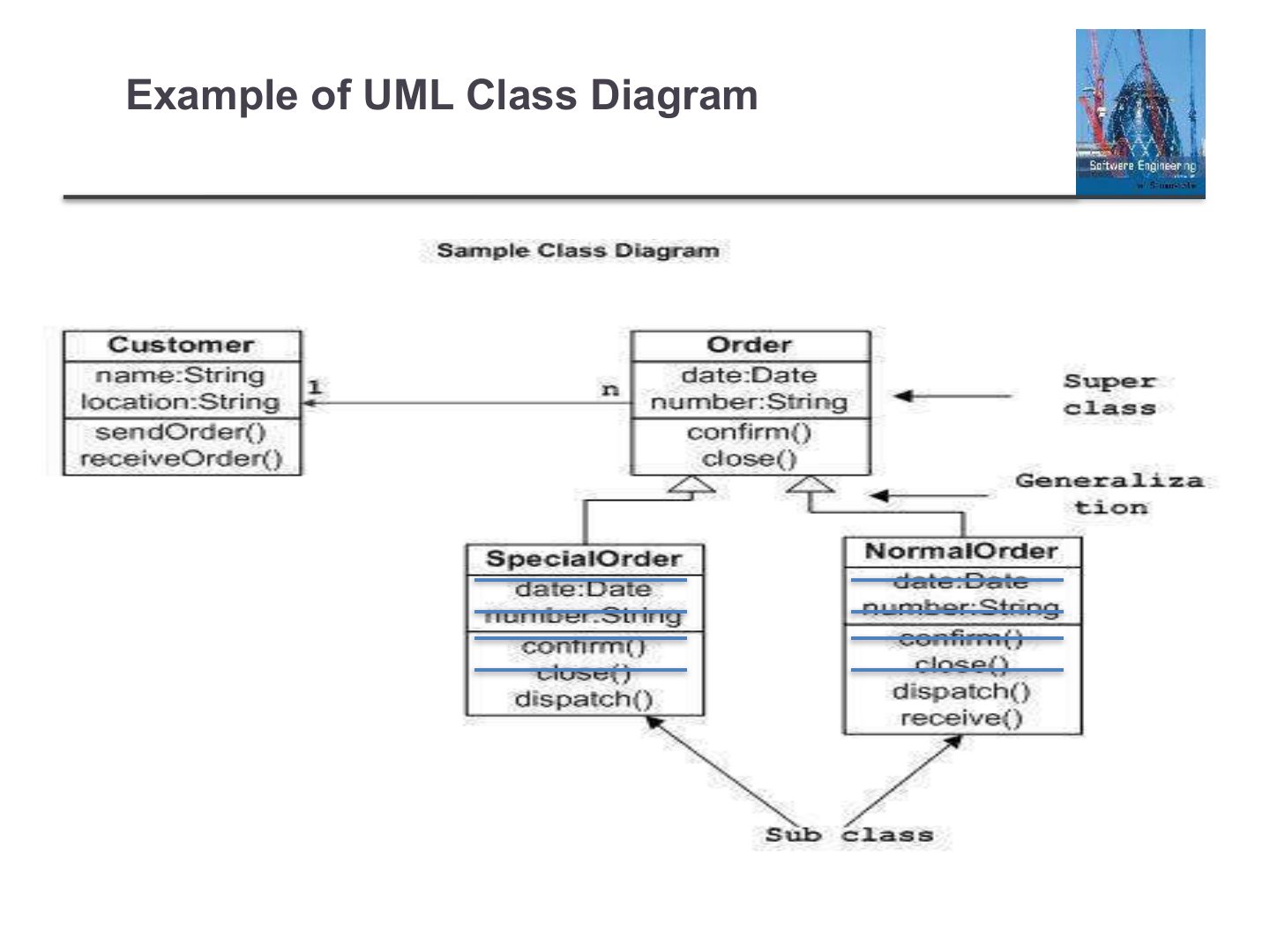
Example of UML Class Diagram
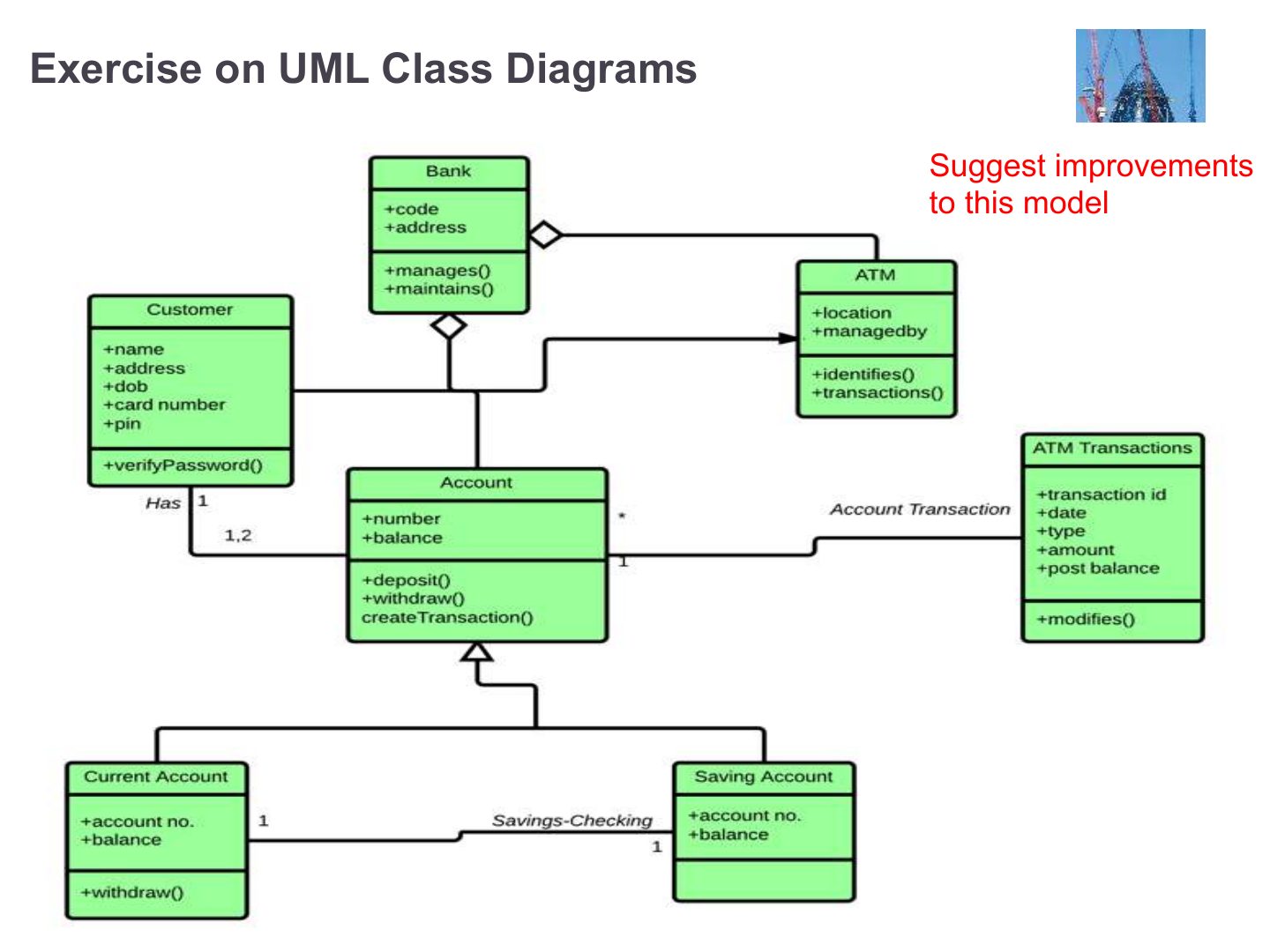
Exercise on UML Class Diagrams
Best practices of Designing of the Class Diagram
Slide 89
What is an Activity diagram?
Notes
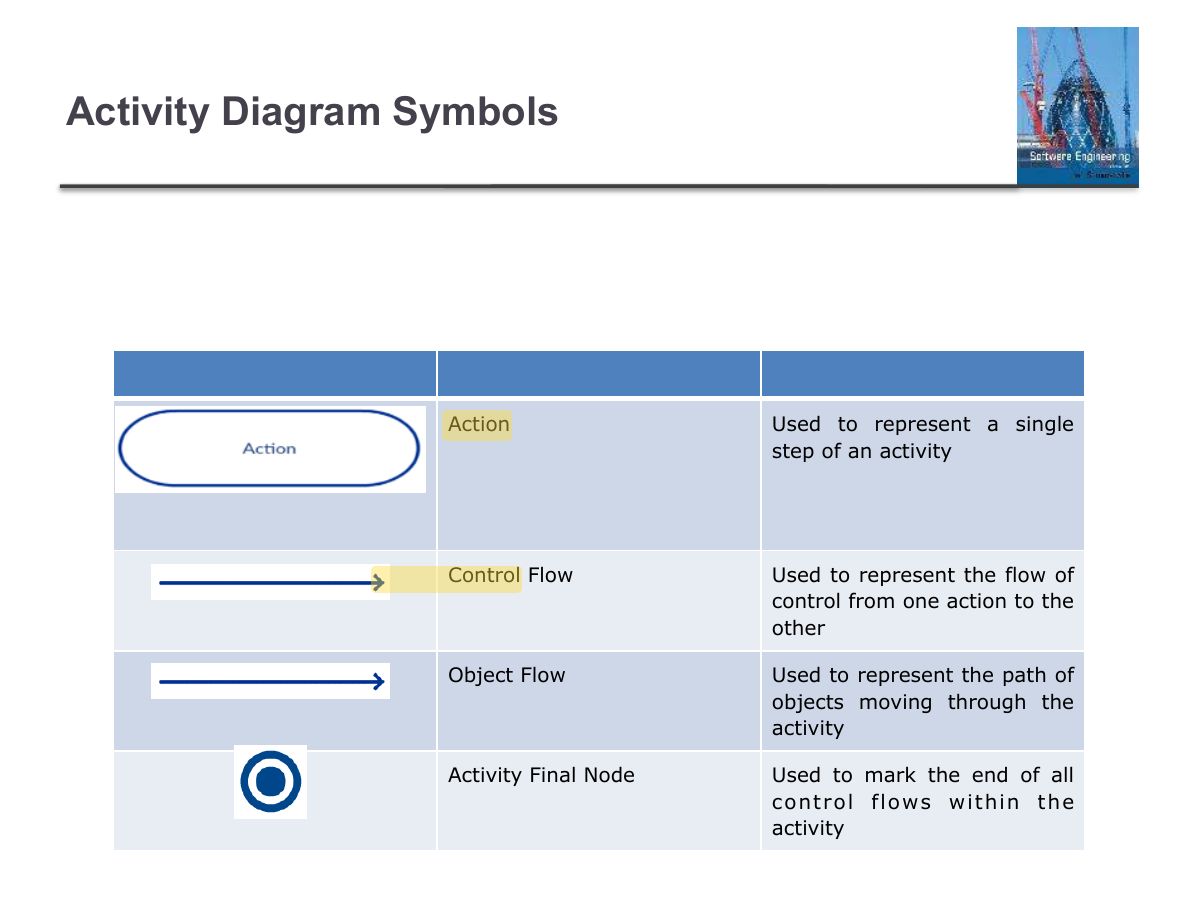
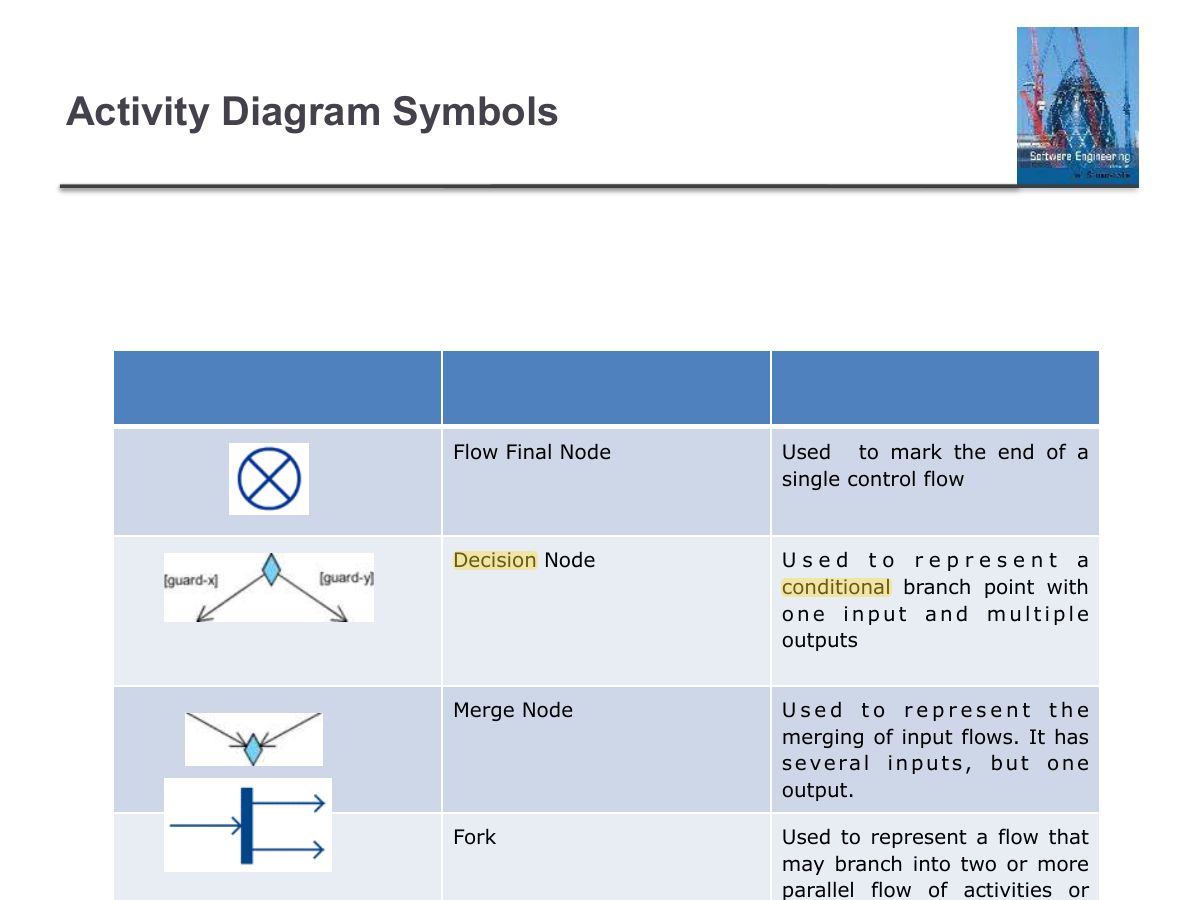
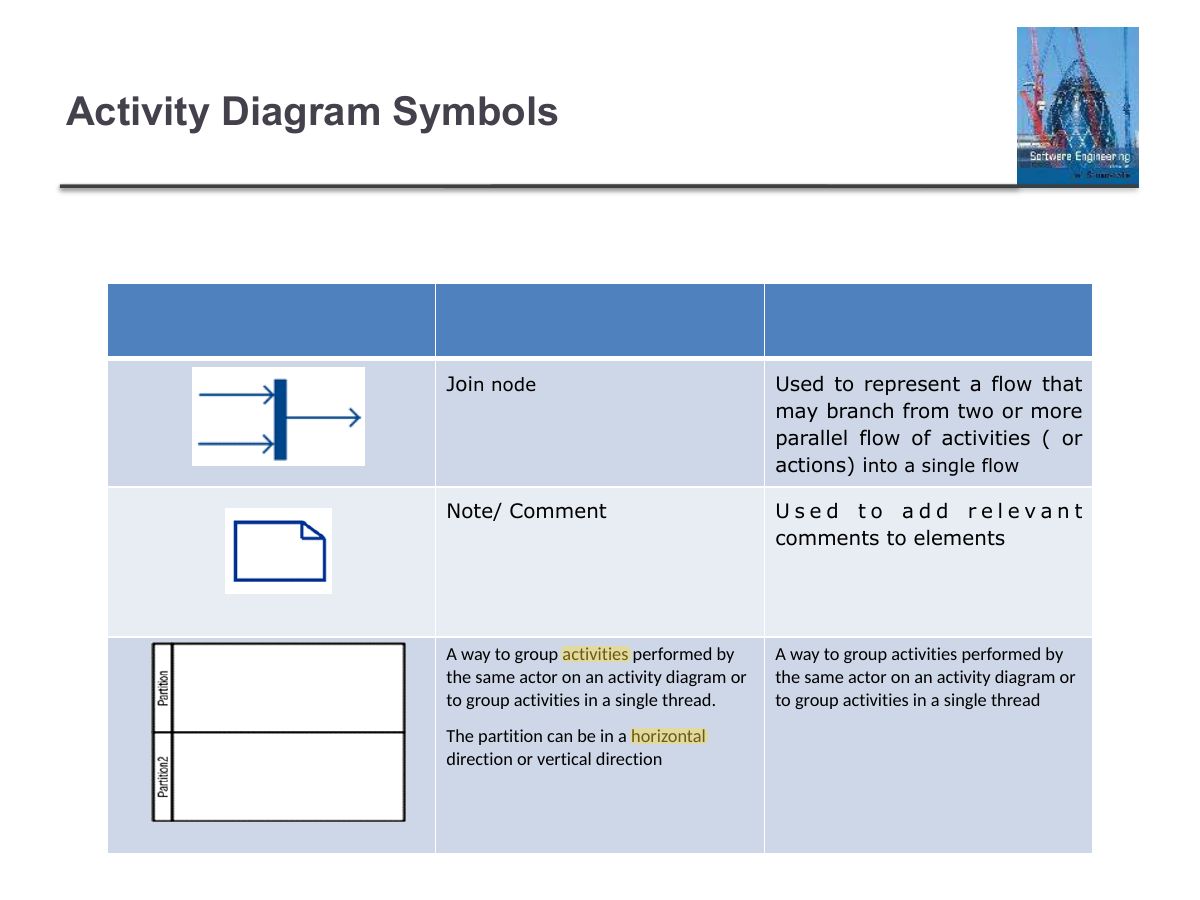
Activity diagram: workflow of actions; initial node, actions, decisions (diamond), fork/join bars, final node.
Activity Diagram Symbols
Activity Diagram Symbols
Activity Diagram Symbols
Activity Diagram Symbols
Slide 95
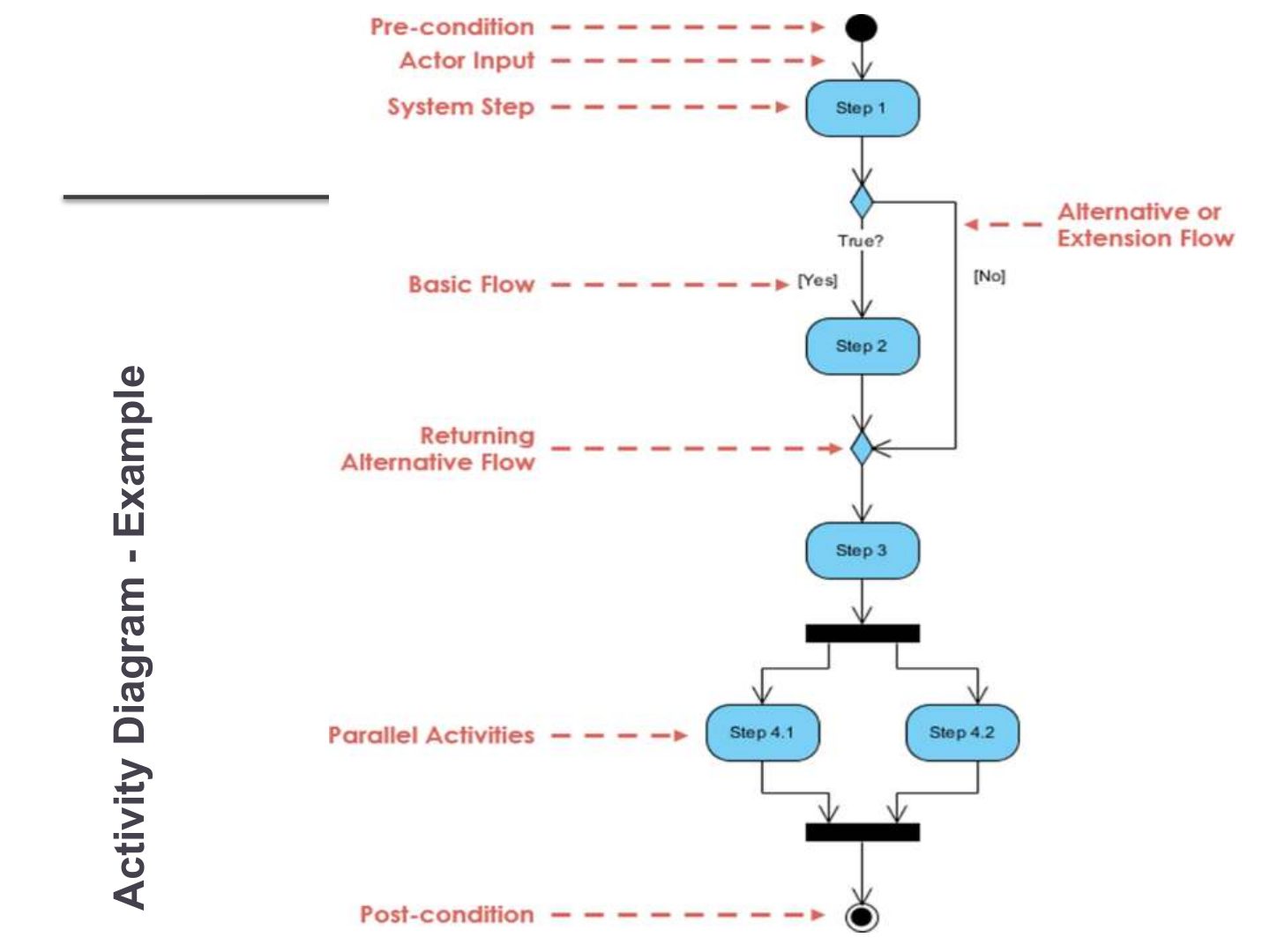
Activity Diagram - Process Order
Activity Diagram -Process Order
Activity Diagram for Order Handling
Activity diagram of : online shopping
Activity diagram with emphasis on Object nodes
Activity Diagrams with Swimlanes
Activity Diagram Reservation process
Statechart (or state Machine) Diagram
Notes
State machine: states an object can be in and the transitions triggered by events [guard] / action.
Exam angle
Which diagram best shows how one object changes state in response to events?
Uses of Statechart Diagram
Basic Components of a State Chart Diagram
Basic Components of a State Chart Diagram
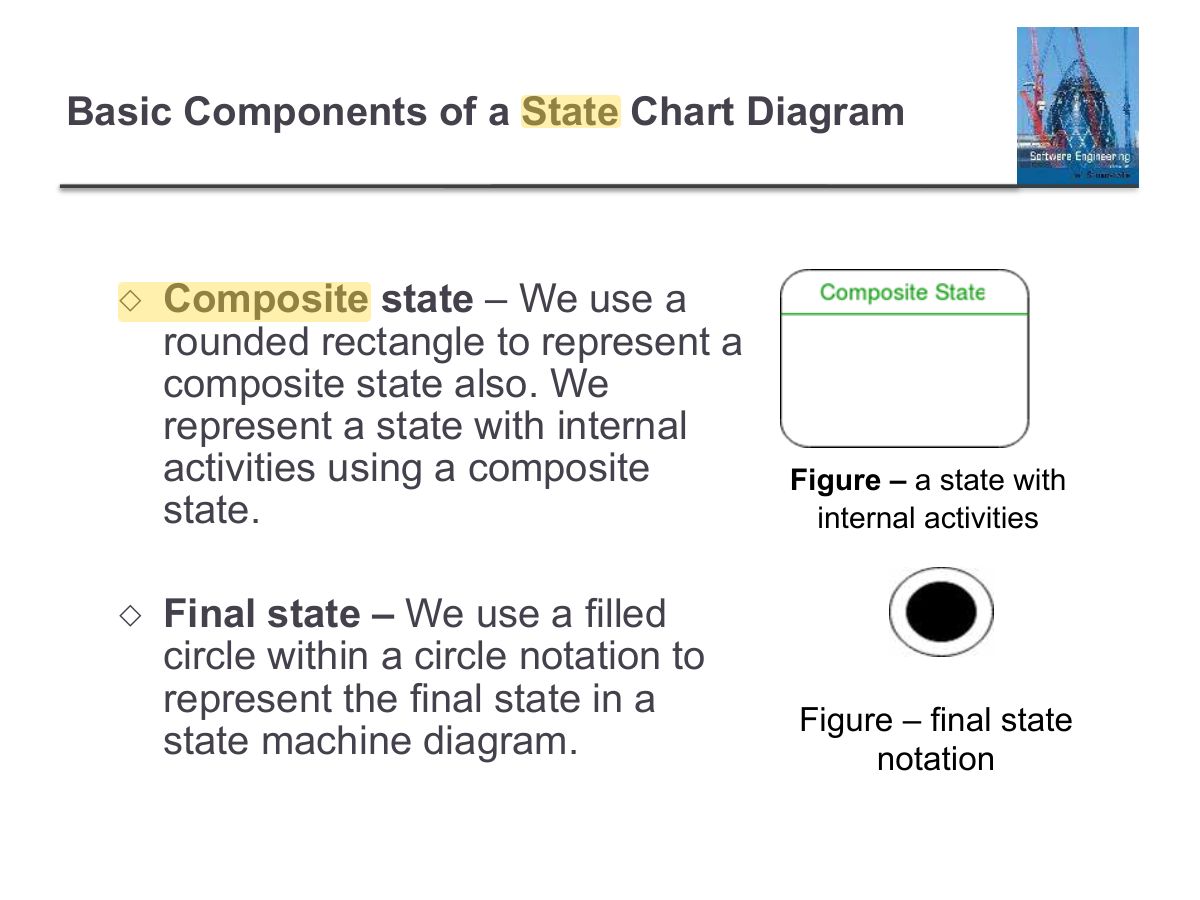
Basic Components of a State Chart Diagram
Basic Components of a State Chart Diagram
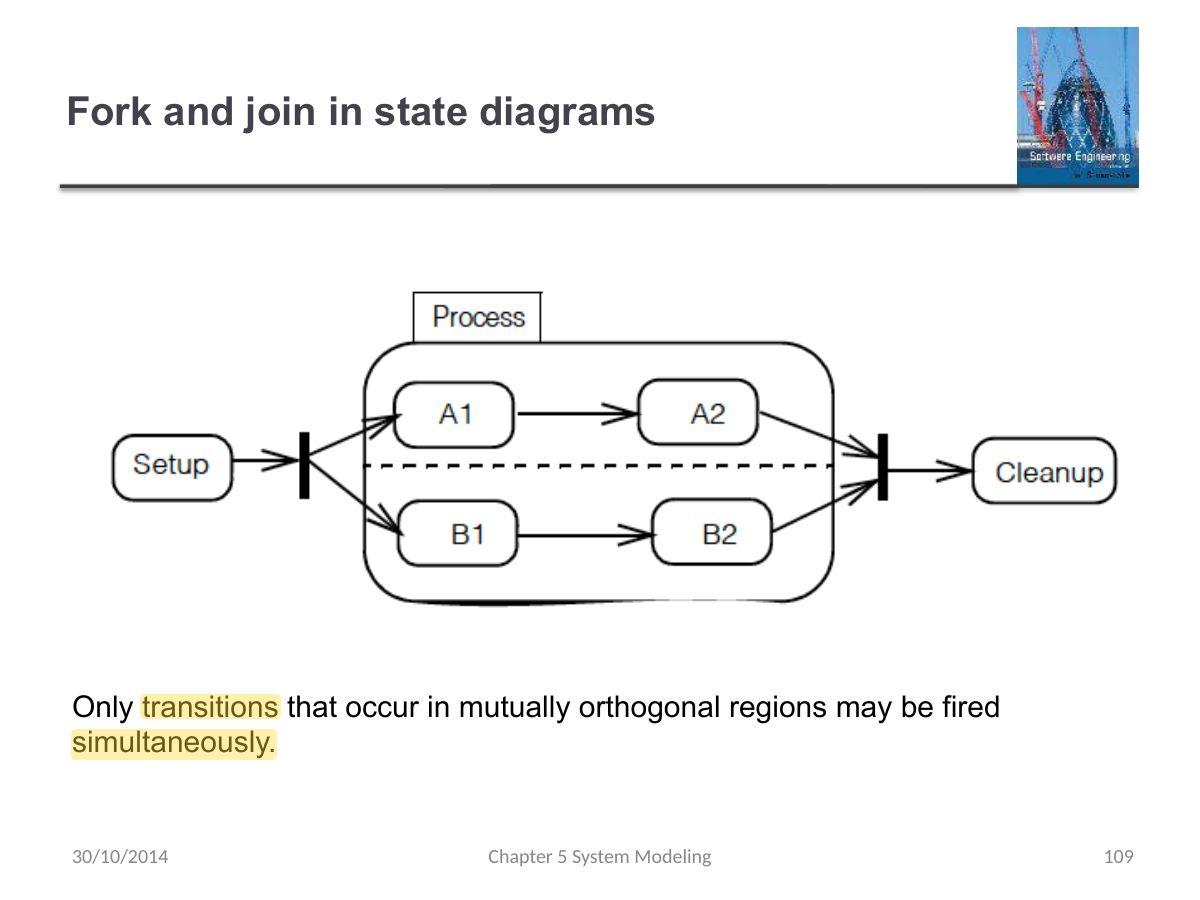
Fork and join in state diagrams
Steps to Draw a State Diagram
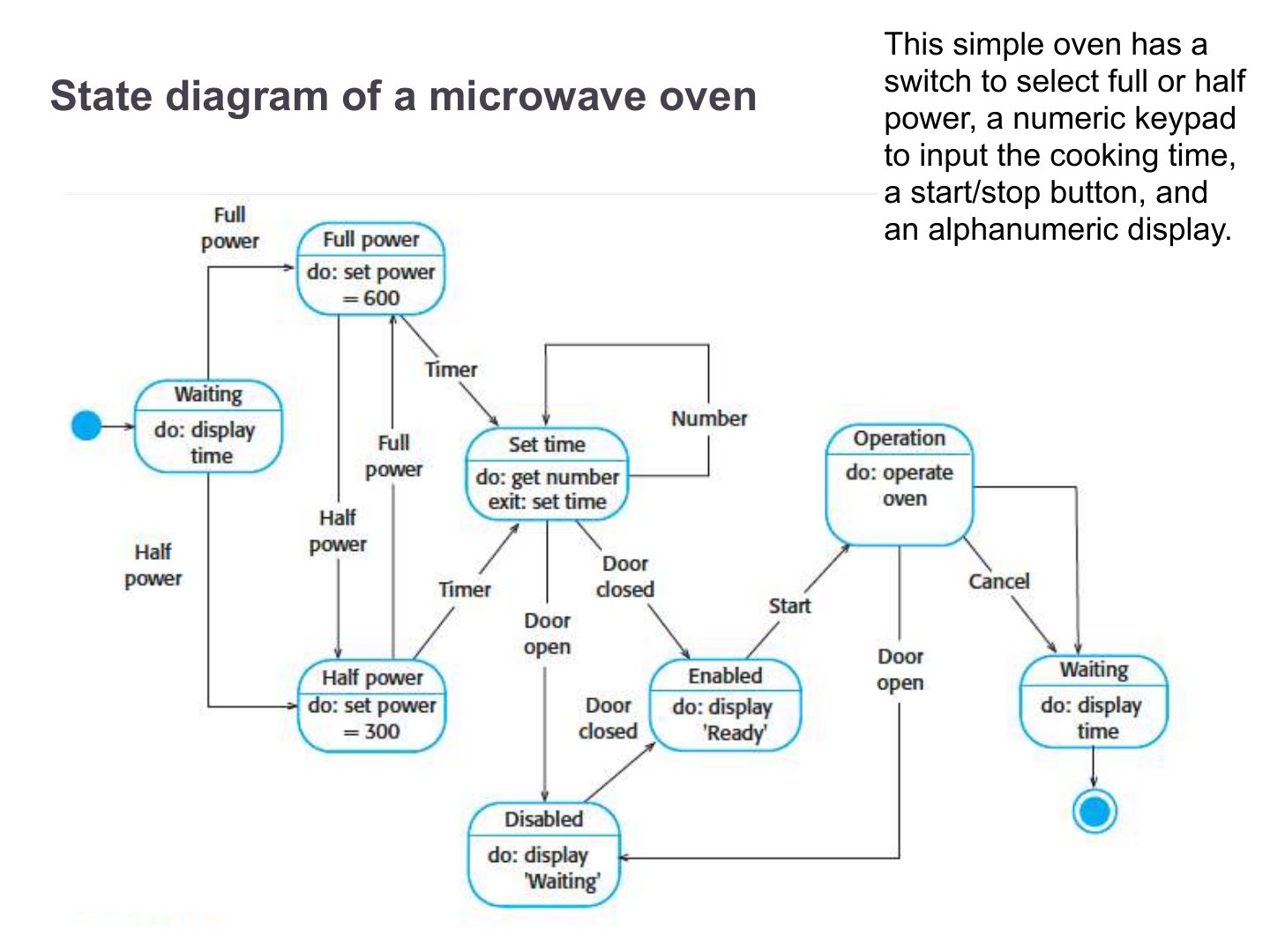
This simple oven has a switch to select full or half
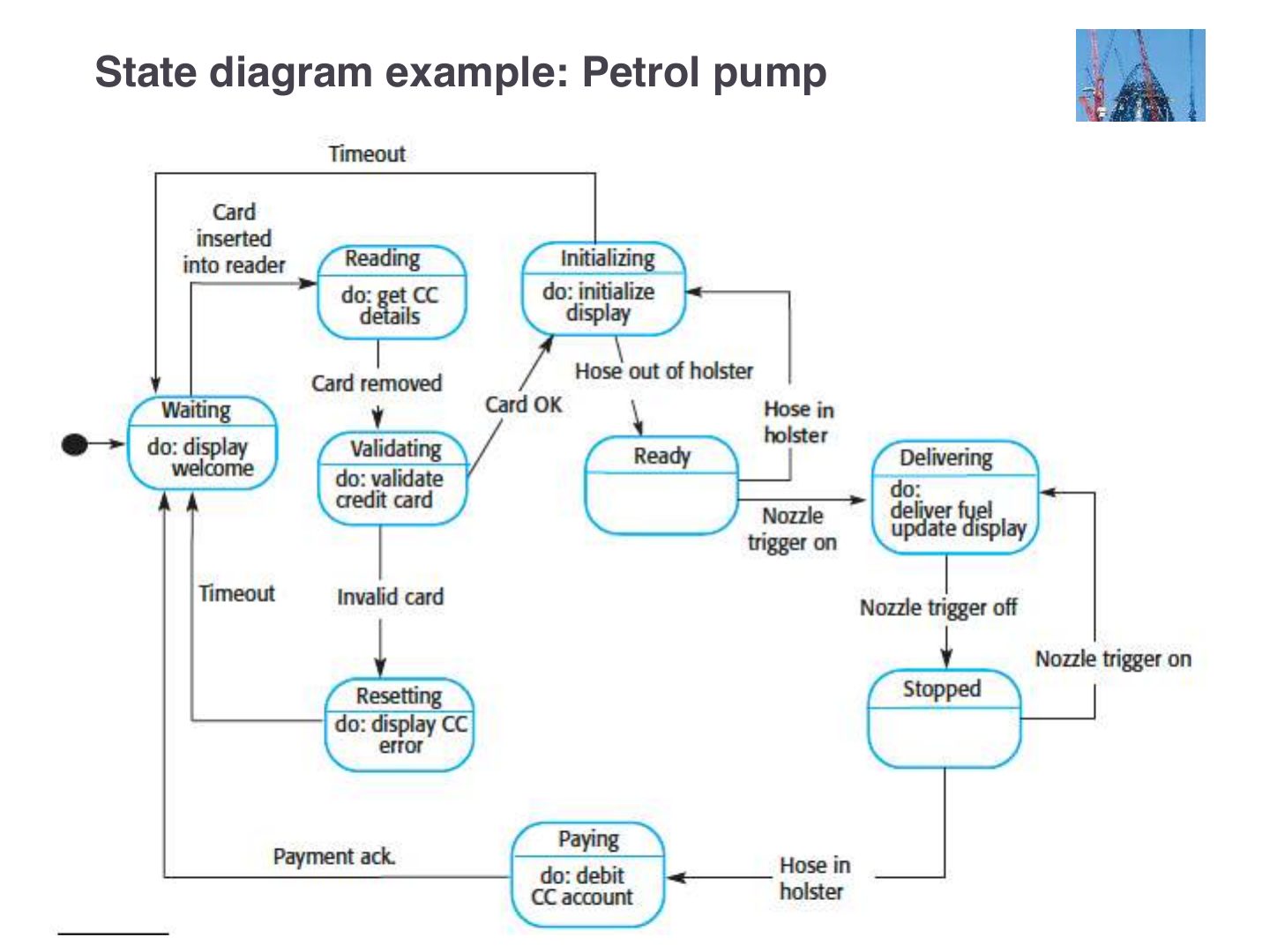
State diagram example: Petrol pump