"The system shall be available 99.9% of the time" is a:
Requirements Engineering
User vs. system requirements and their readers, stakeholders, functional, non-functional and domain requirements, the requirements engineering process (elicitation, specification, validation), user stories and scenarios, natural-language specification, the requirements document, and management.
How to read this page
Every original slide is shown unchanged. Yellow marks on a slide point to a numbered note: hover or tap a mark to jump to its note, and hover a note to see its marks. Questions tagged Past exam appeared on a real paper; Prediction questions are likely angles, not confirmed. Pick an answer to each question: a wrong pick tells you why it is wrong, so you can try again.
All 47 slides
- 1 Software Engineering
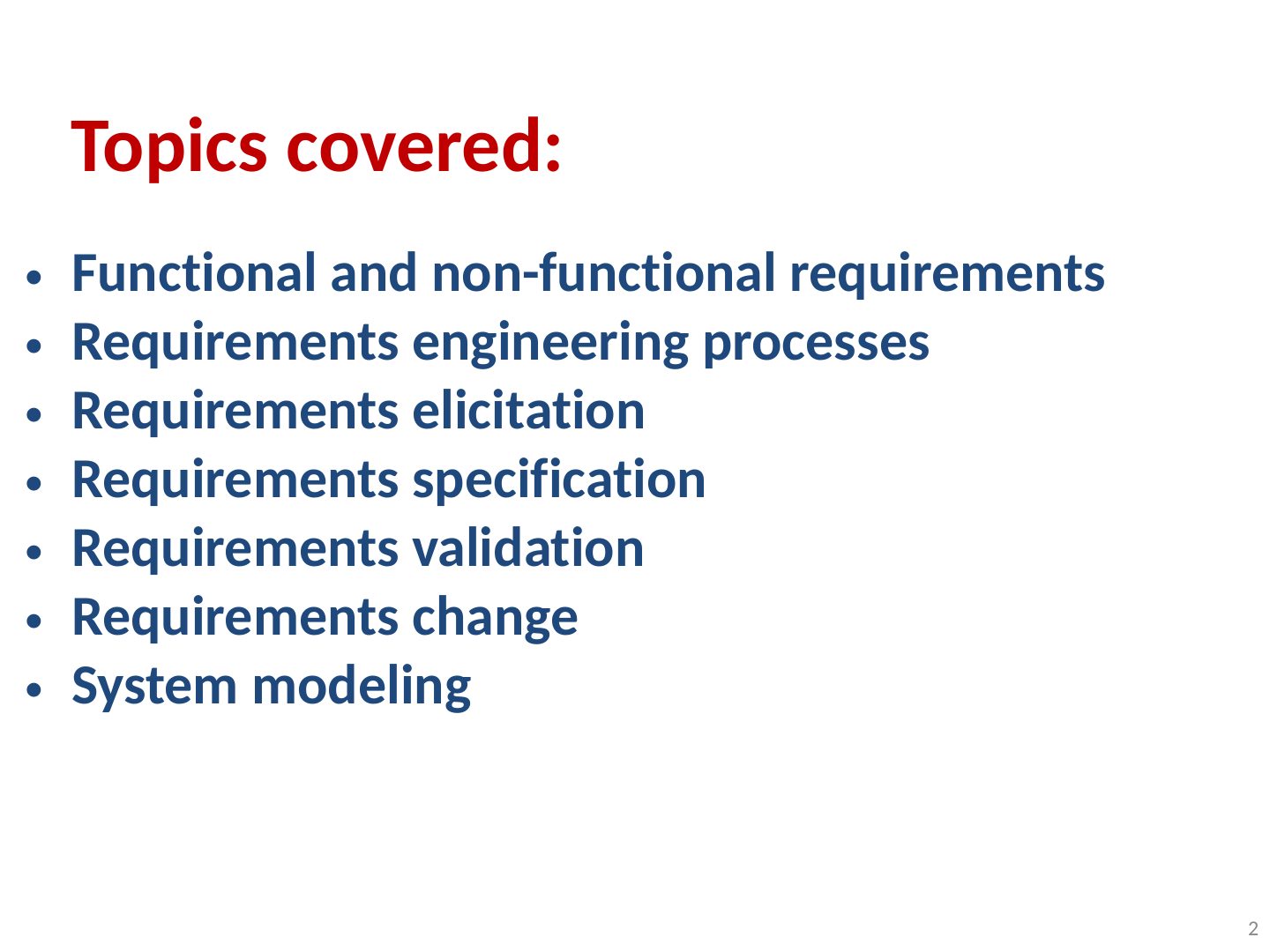
- 2 Topics covered:
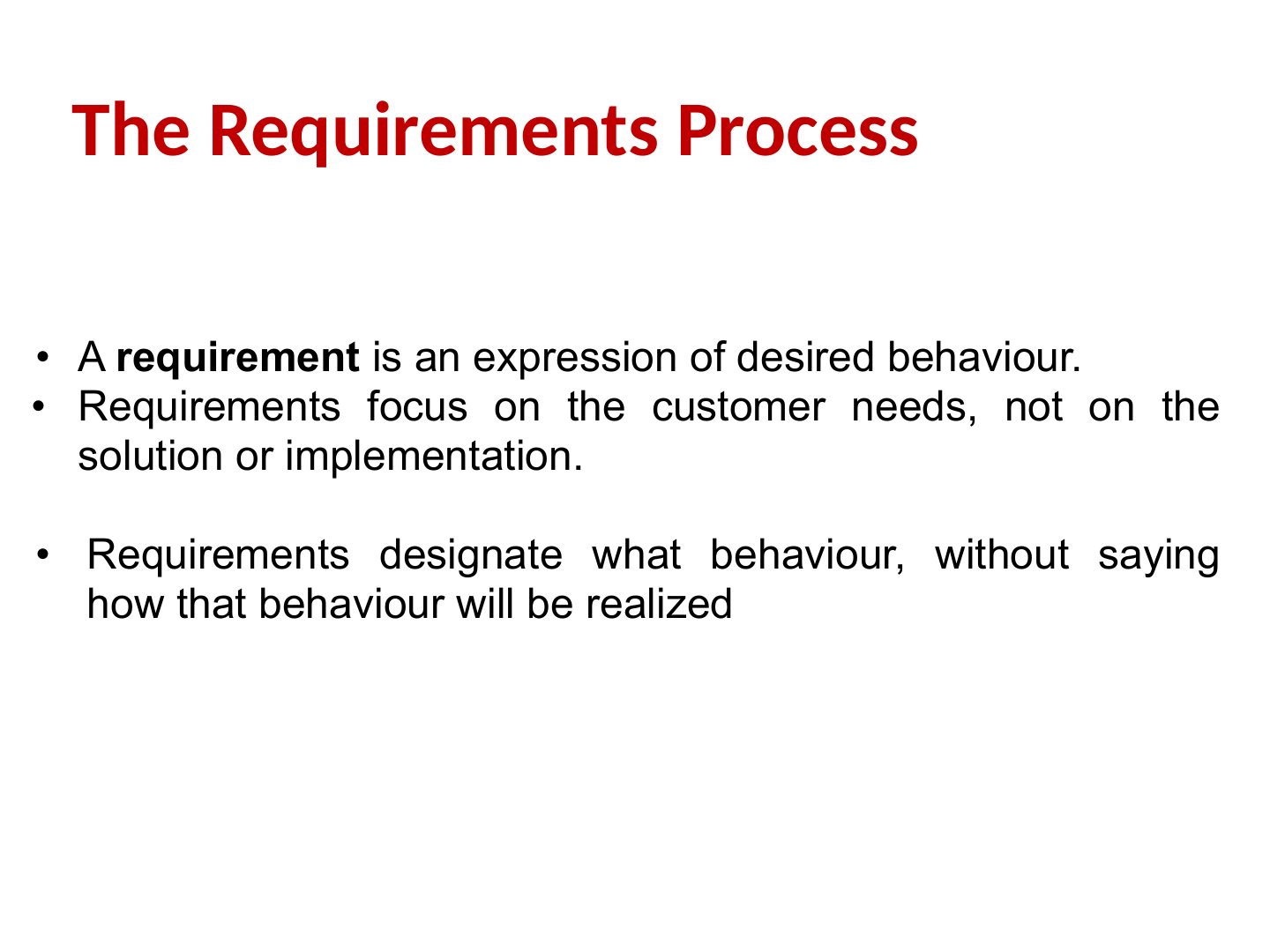
- 3 The Requirements Process
- 4 Requirements engineering
- 5 Types of Requirements
- 6 User and System Requirements
- 7 Readers of different types of requirements specification
- 8 System Stakeholders
- 9 Example: Stakeholders in the Mentcare system
- 10 Slide 10
- 11 Functional and Non-Functional Requirements
- 12 Functional and Non-Functional Requirements
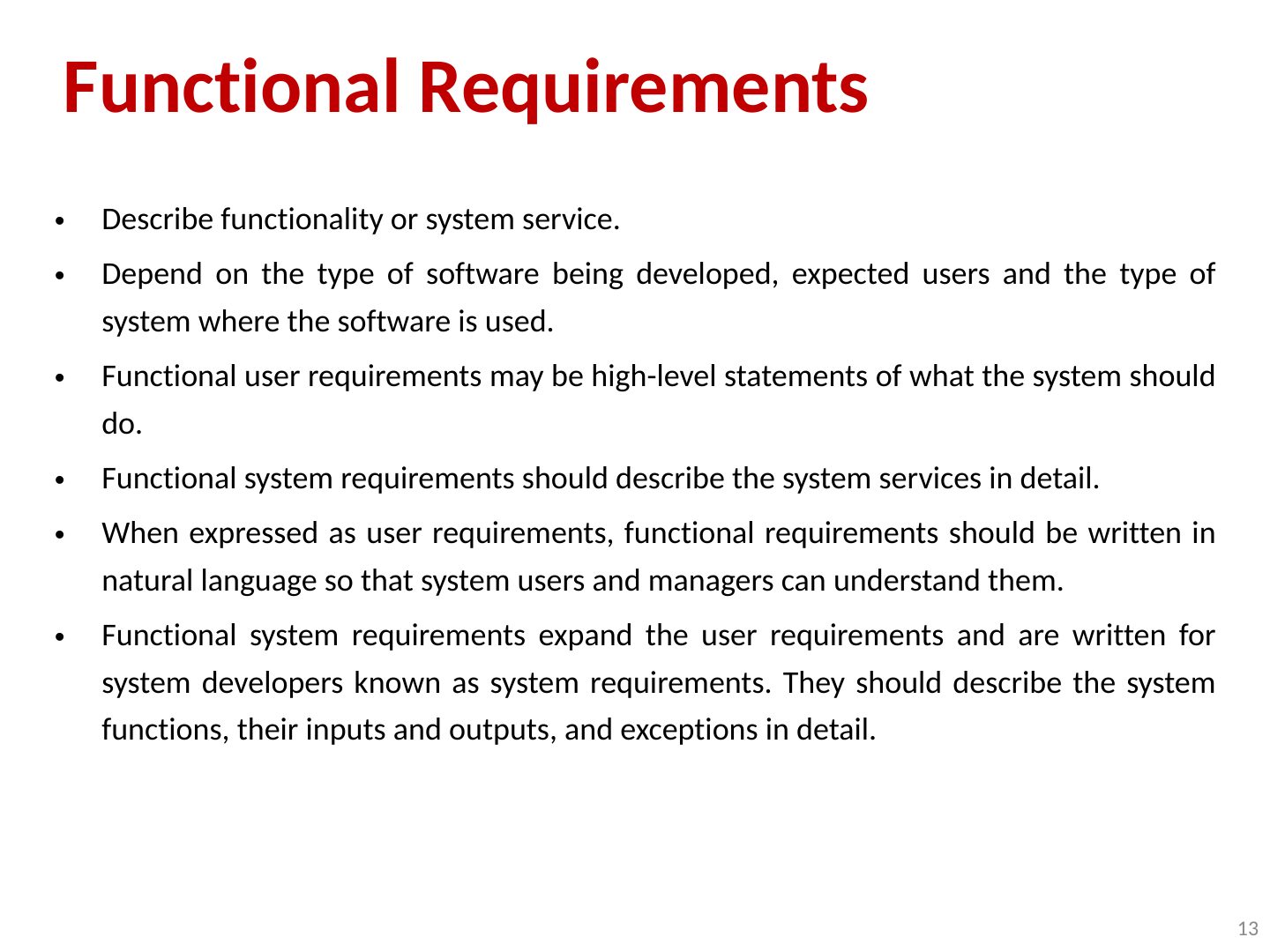
- 13 Functional Requirements
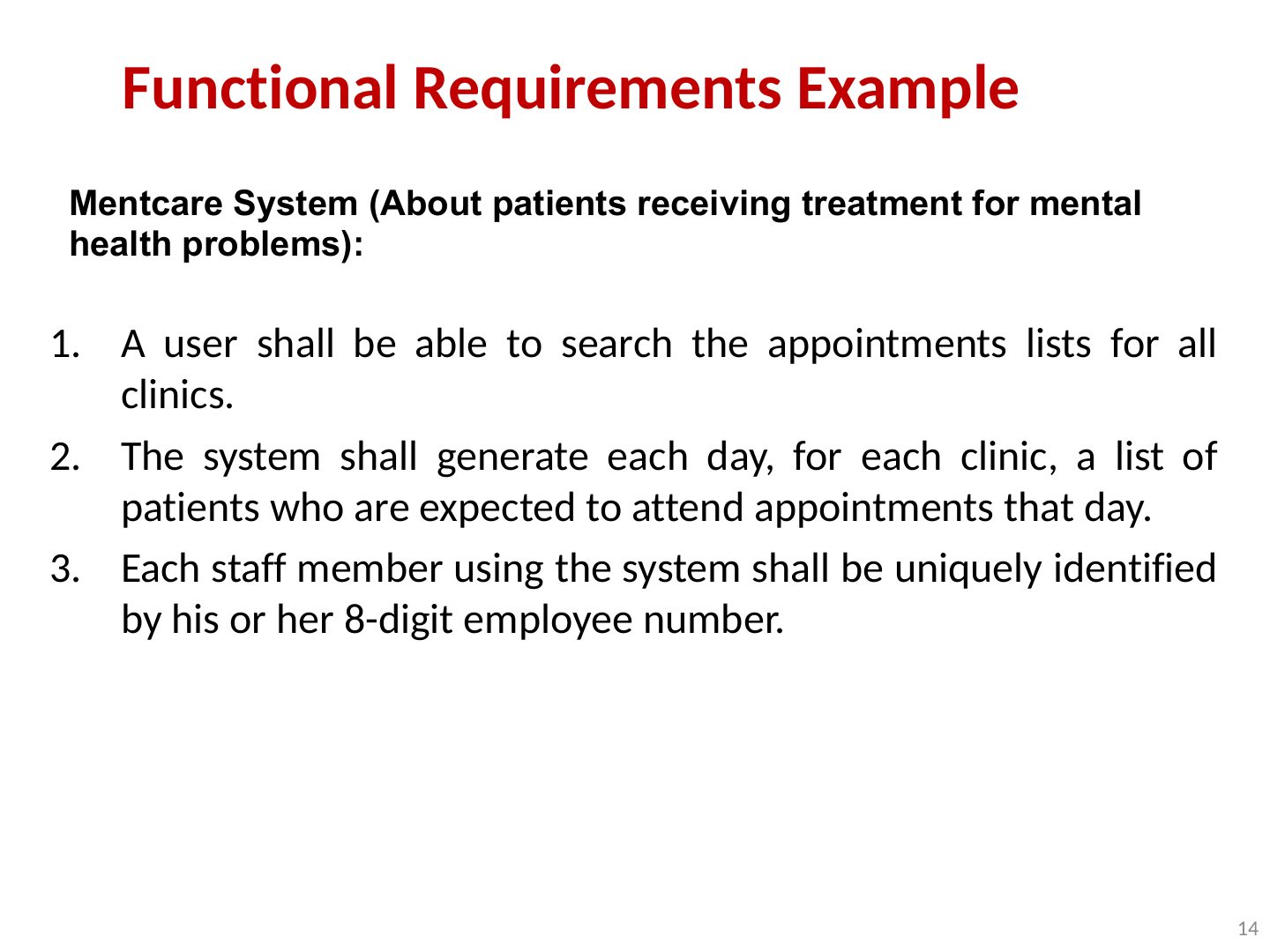
- 14 Functional Requirements Example
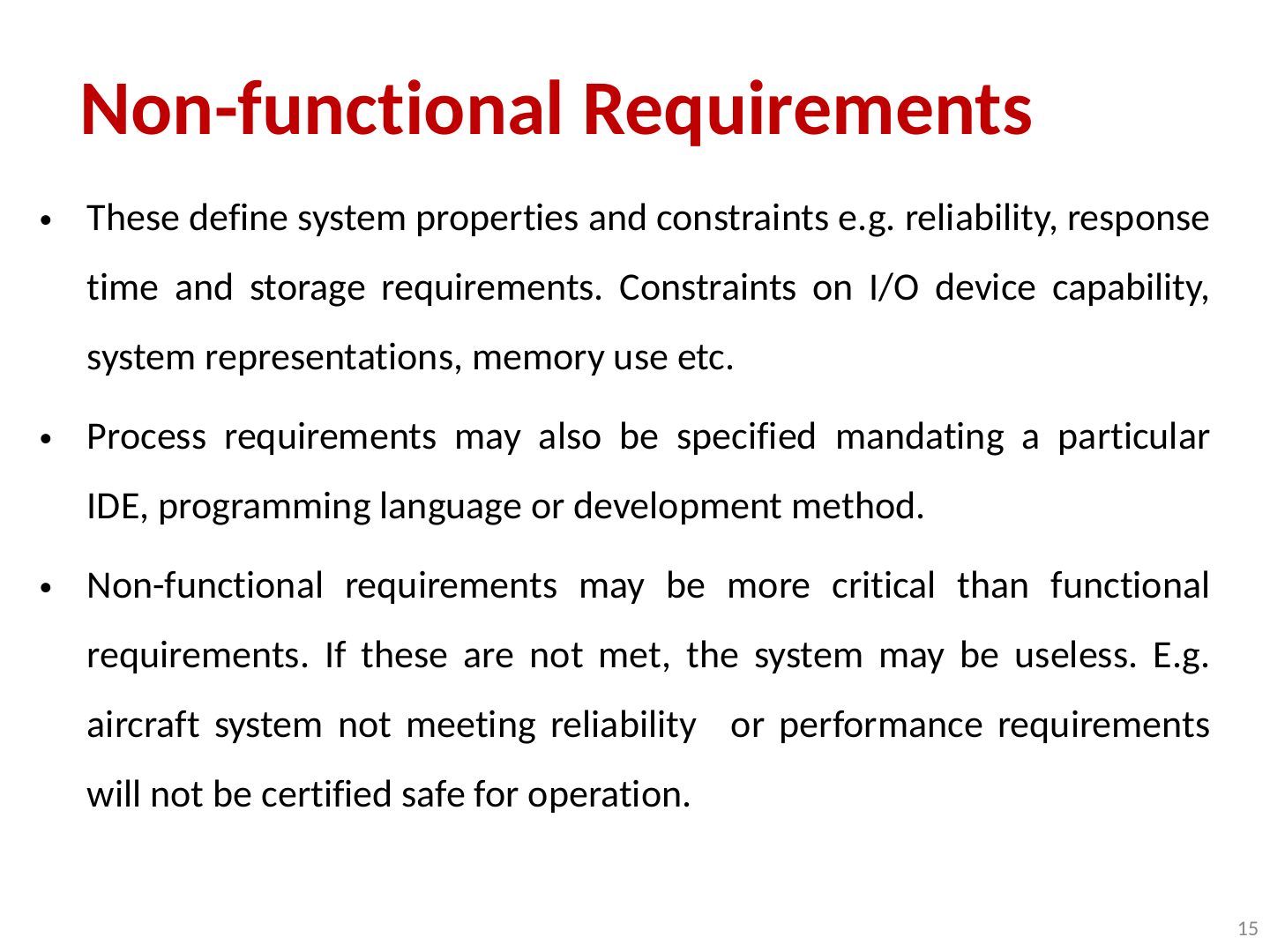
- 15 Non-functional Requirements
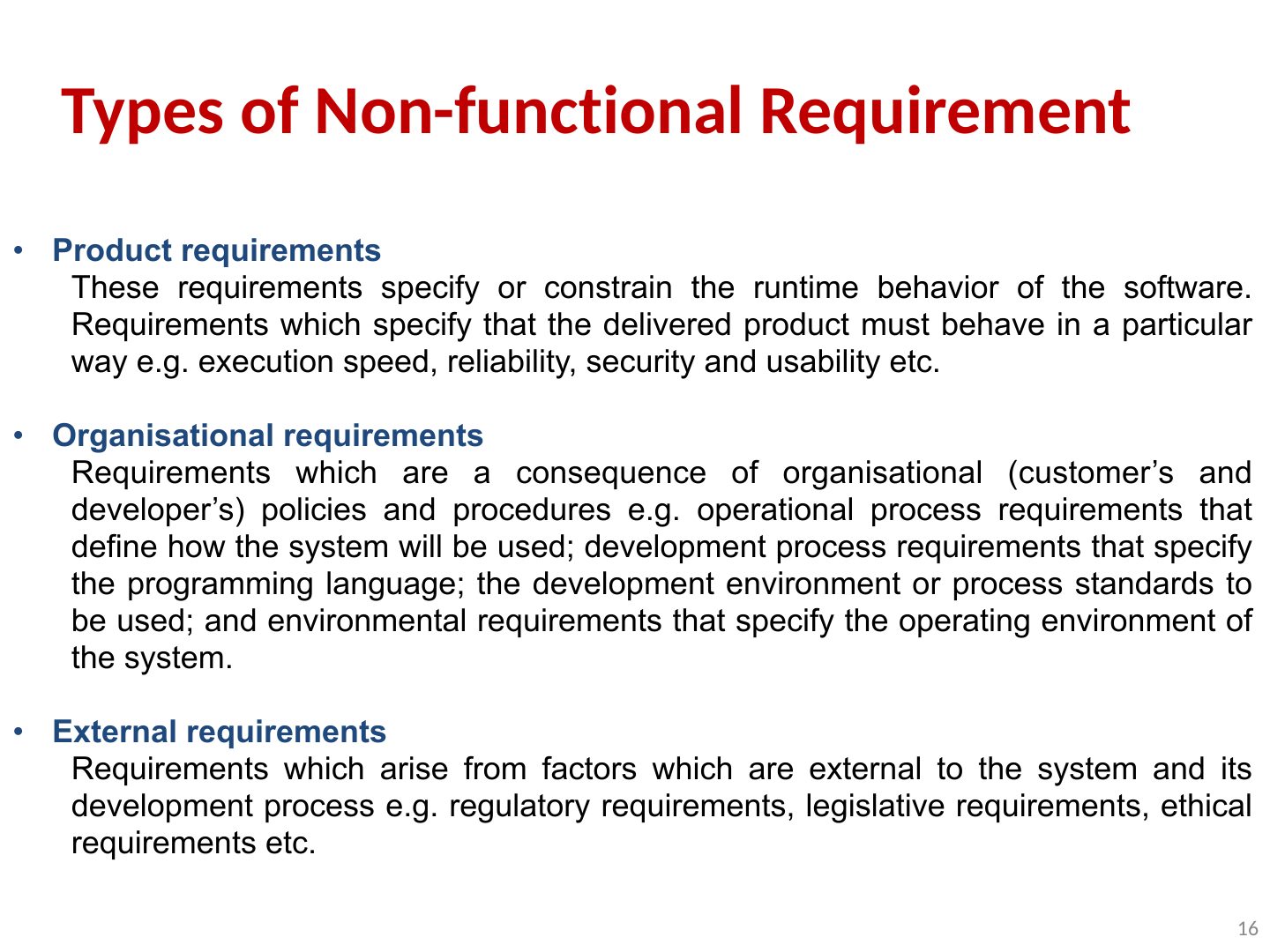
- 16 Types of Non-functional Requirement
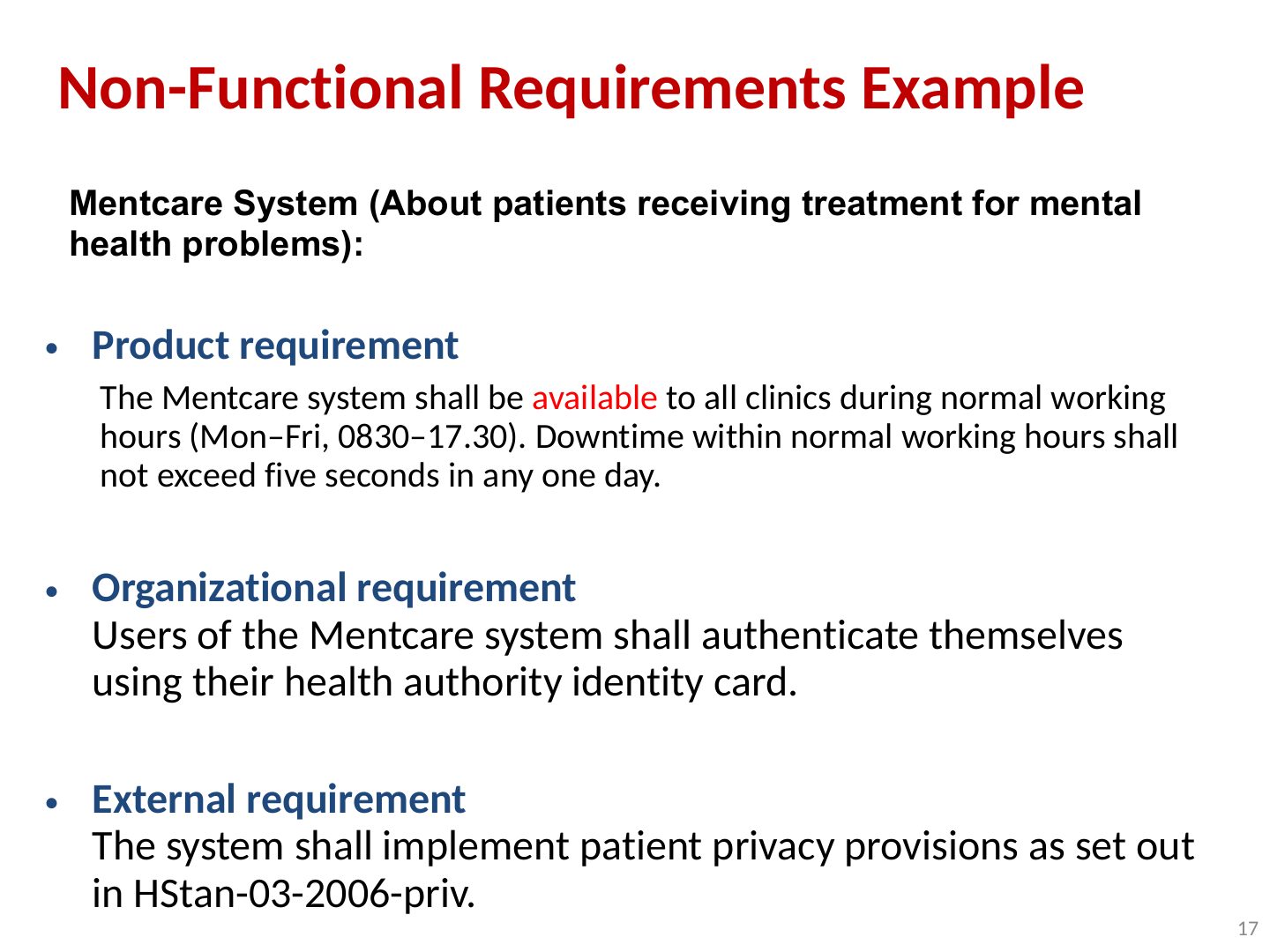
- 17 Non-Functional Requirements Example
- 18 Slide 18
- 19 Requirements Engineering Processes
- 20 Requirements elicitation and analysis
- 21 Problems of Requirements Elicitation
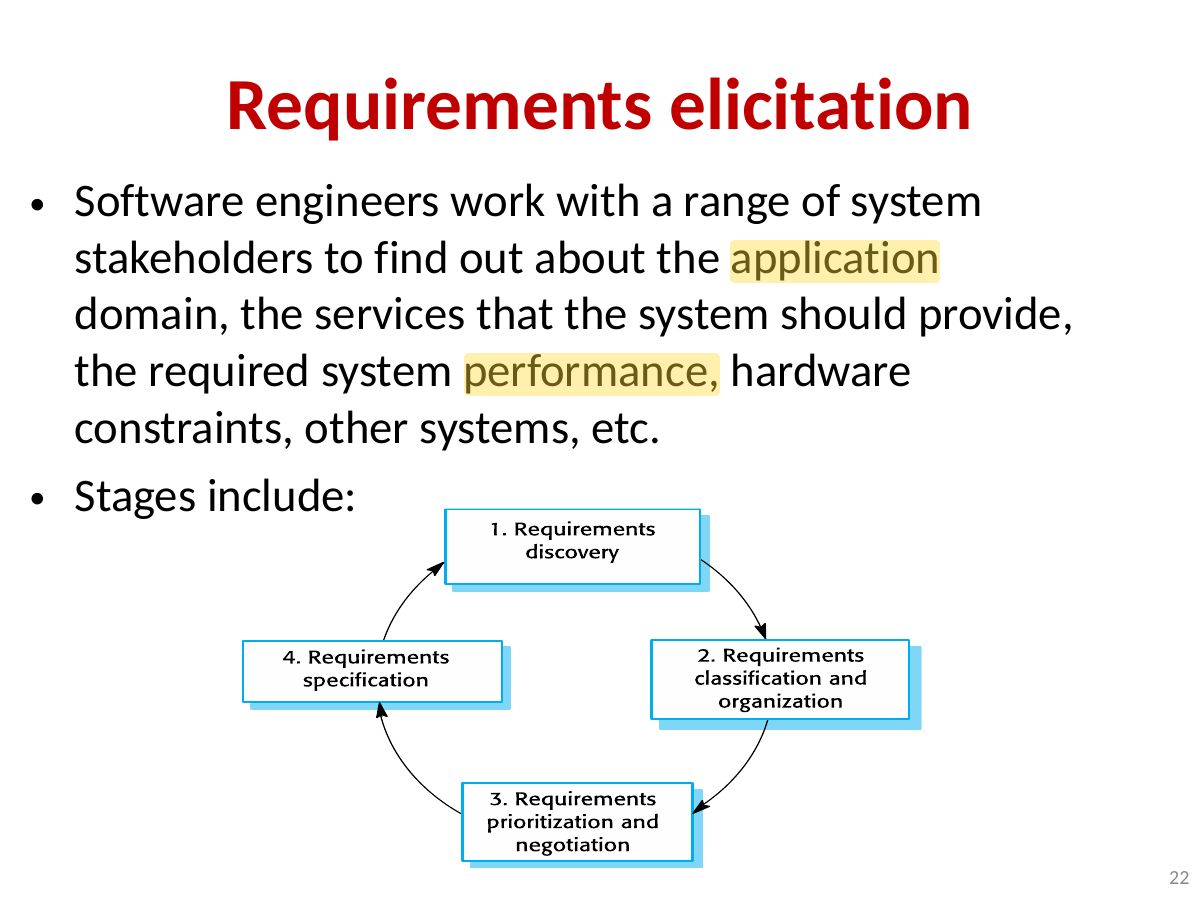
- 22 Requirements elicitation
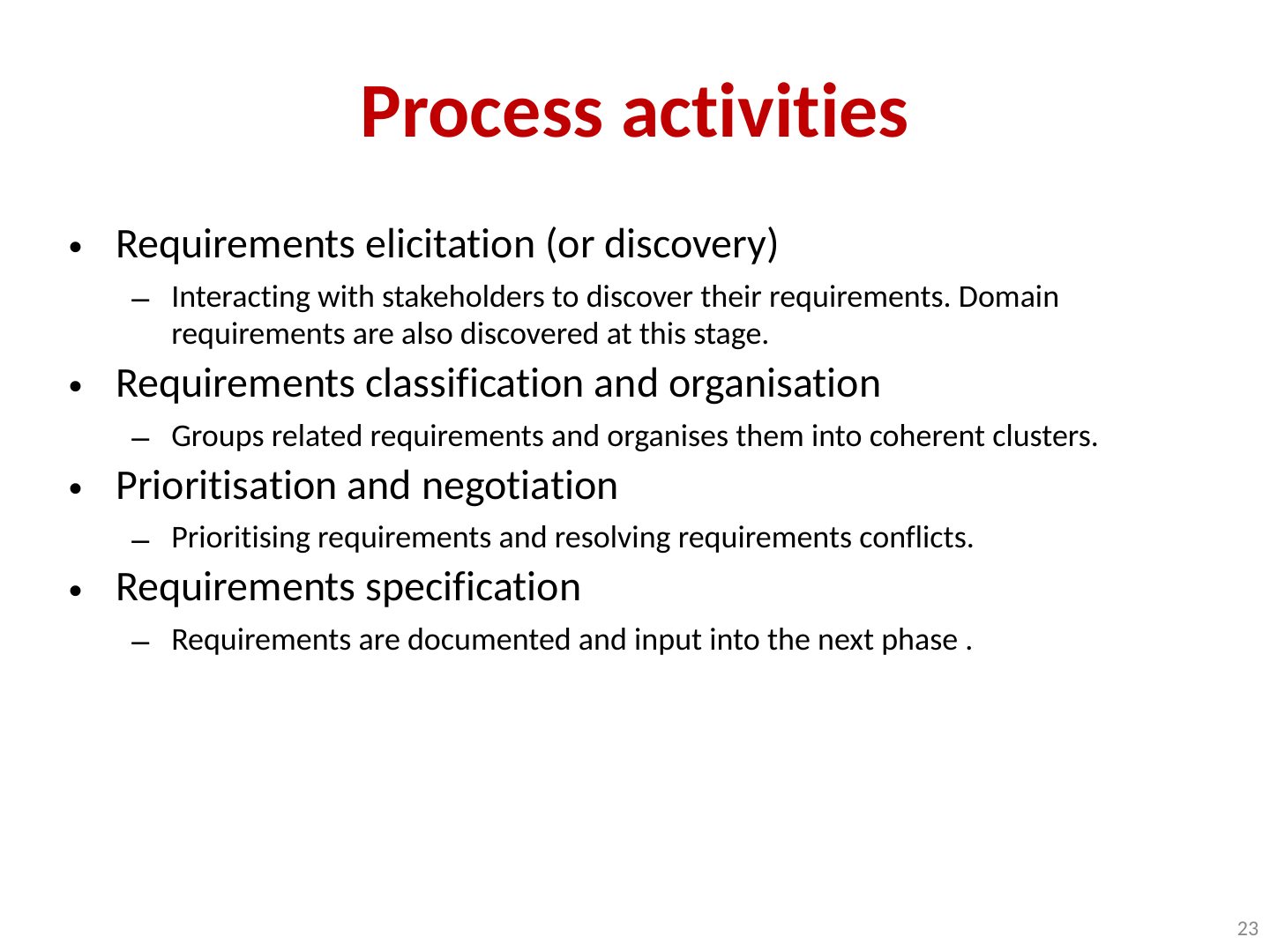
- 23 Process activities
- 24 Requirements Elicitation (or discovery)
- 25 Requirements elicitation techniques
- 26 Slide 26
- 27 Agile methods and requirements
- 28 Stories and scenarios
- 29 A user Story: Photo sharing in the classroom (iLearn)
- 30 Scenarios
- 31 Scenario: Uploading photos (iLearn)
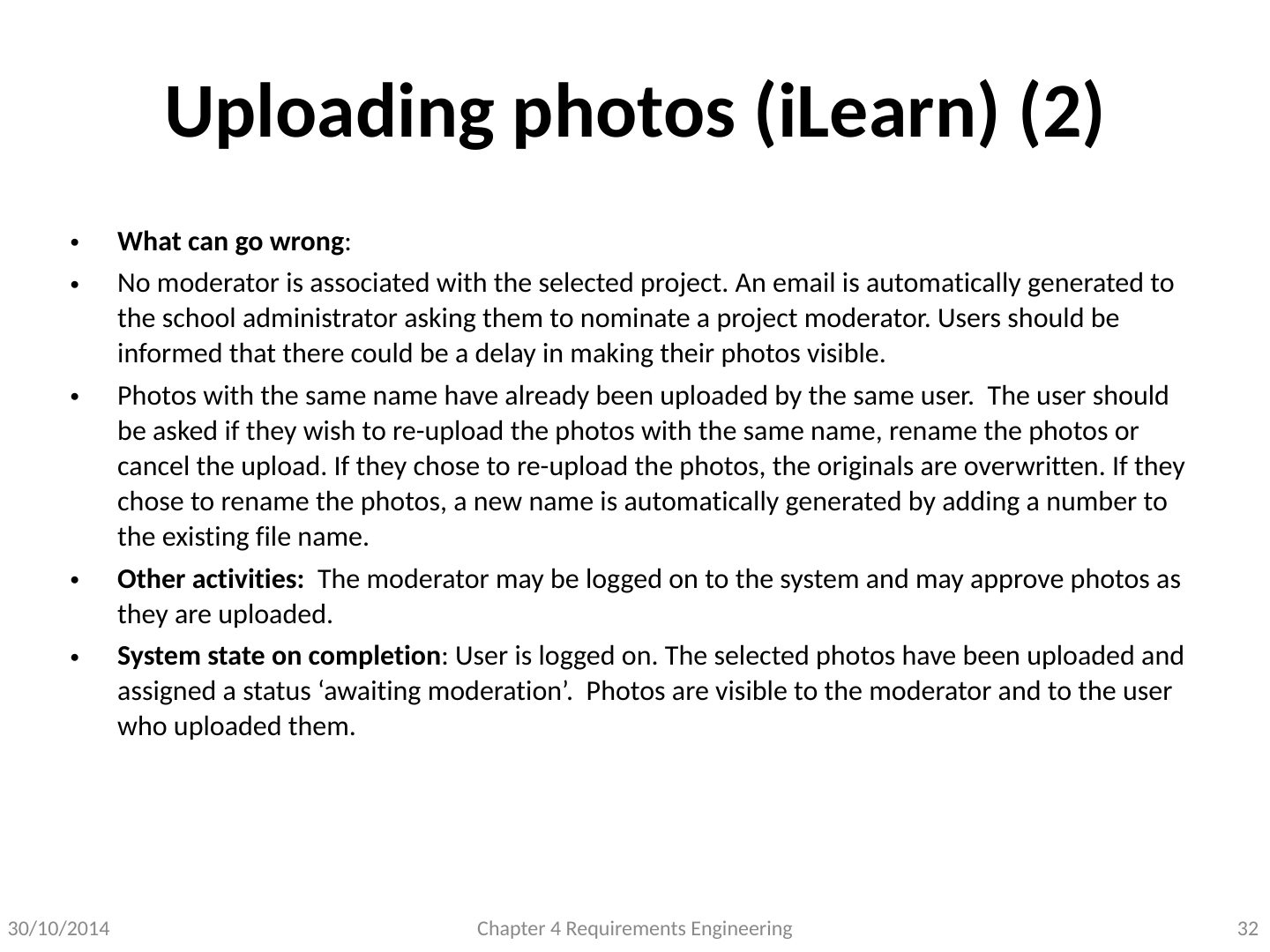
- 32 Uploading photos (iLearn) (2)
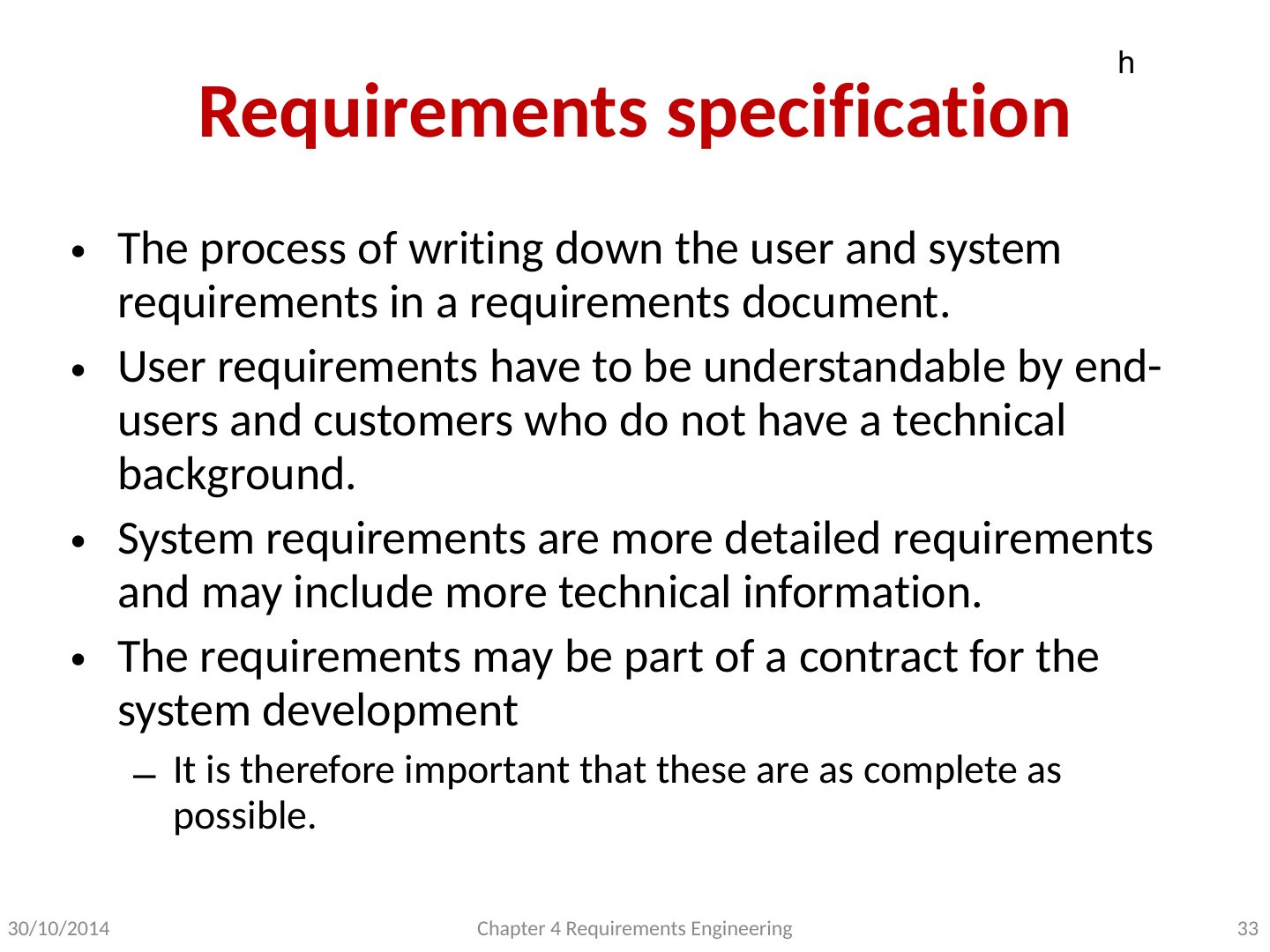
- 33 h
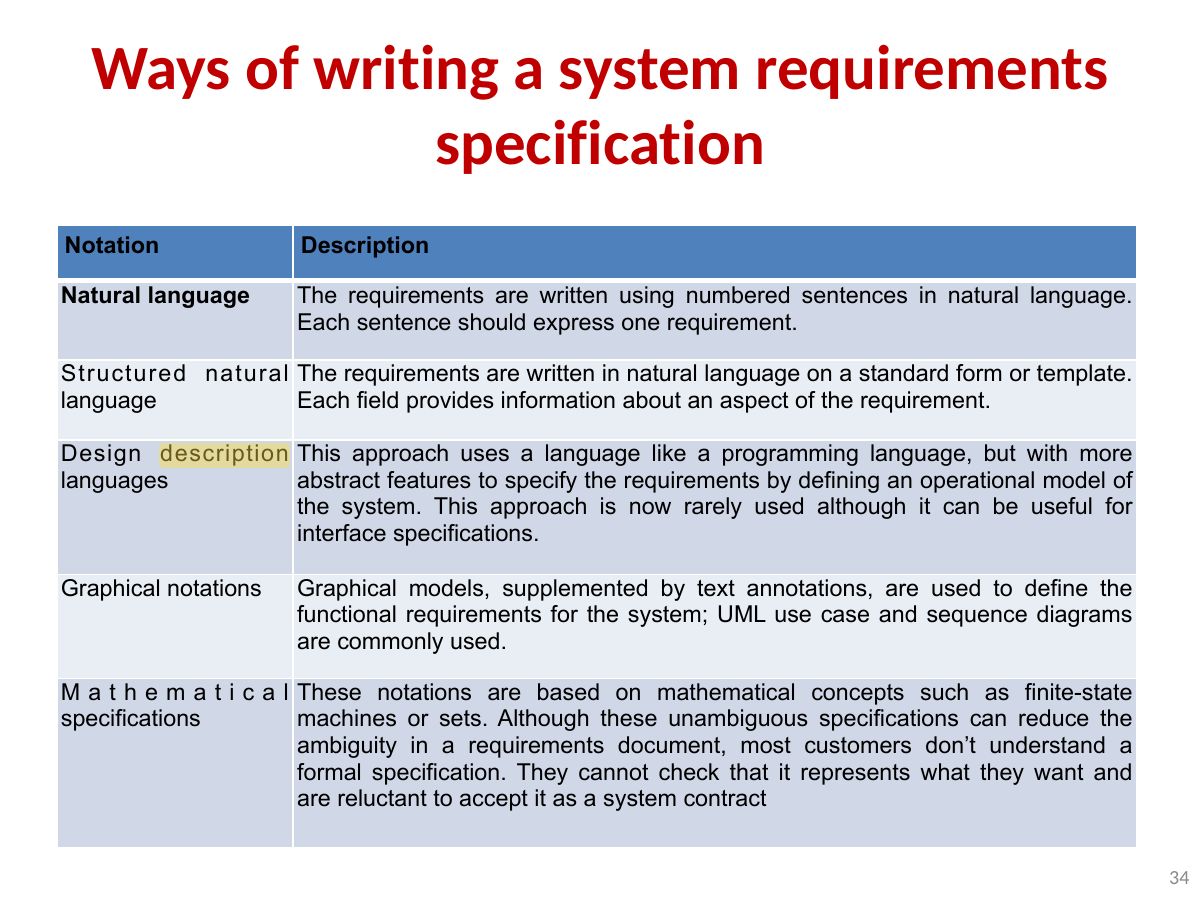
- 34 Ways of writing a system requirements specification
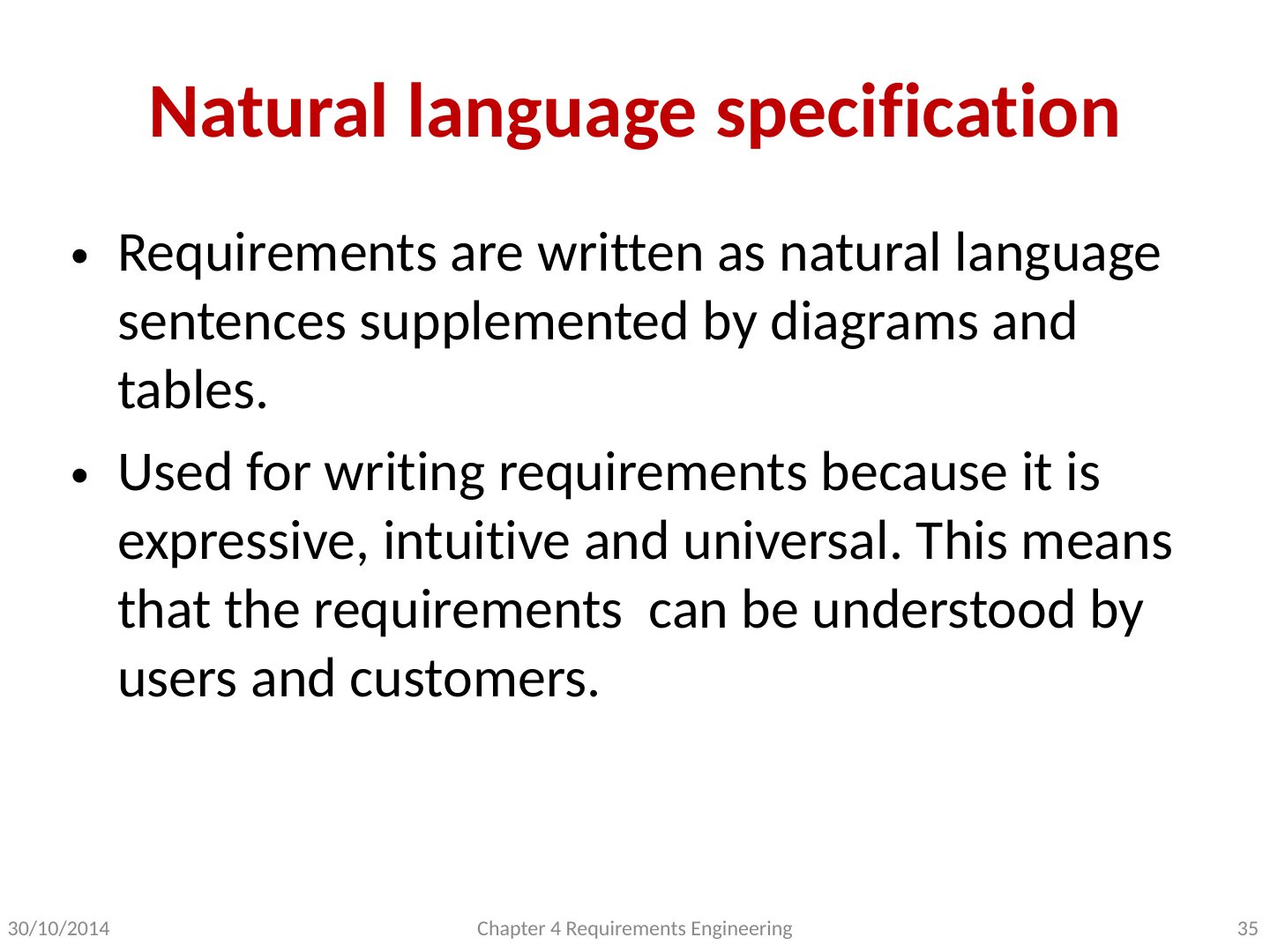
- 35 Natural language specification
- 36 Guidelines for writing requirements
- 37 Problems with natural language
- 38 Example requirements for the insulin pump software system
- 39 The software requirements document
- 40 Slide 40
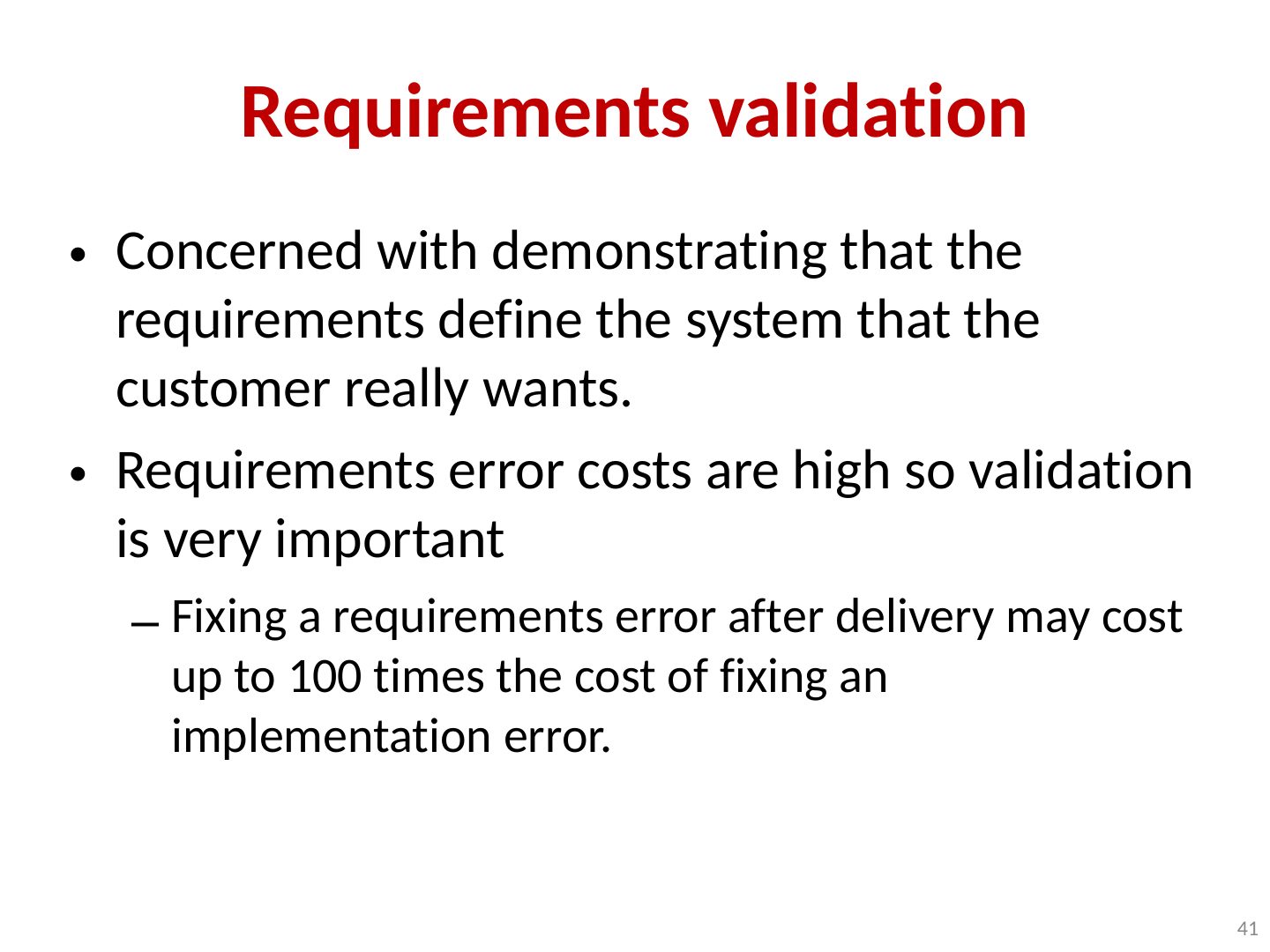
- 41 Requirements validation
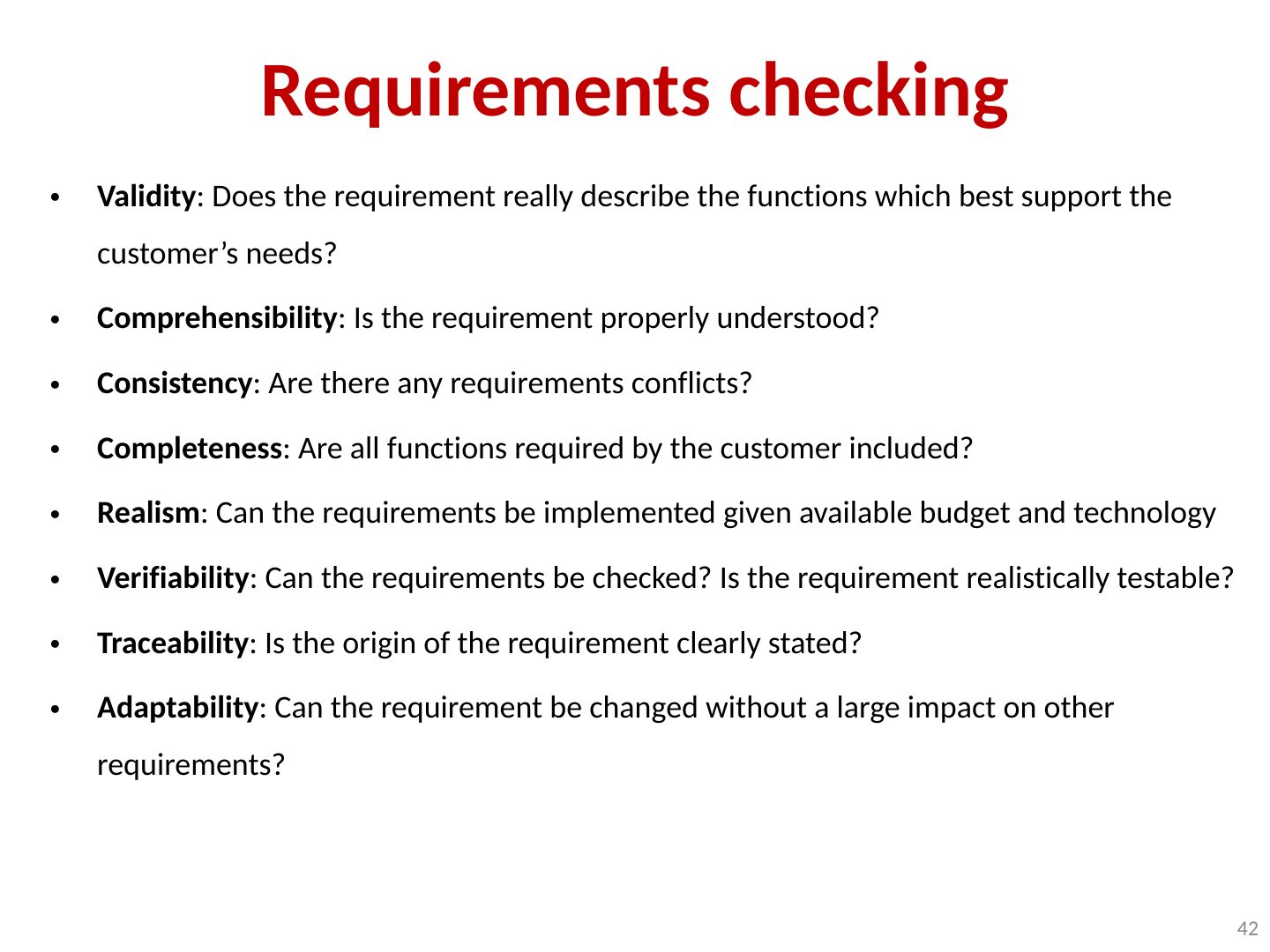
- 42 Requirements checking
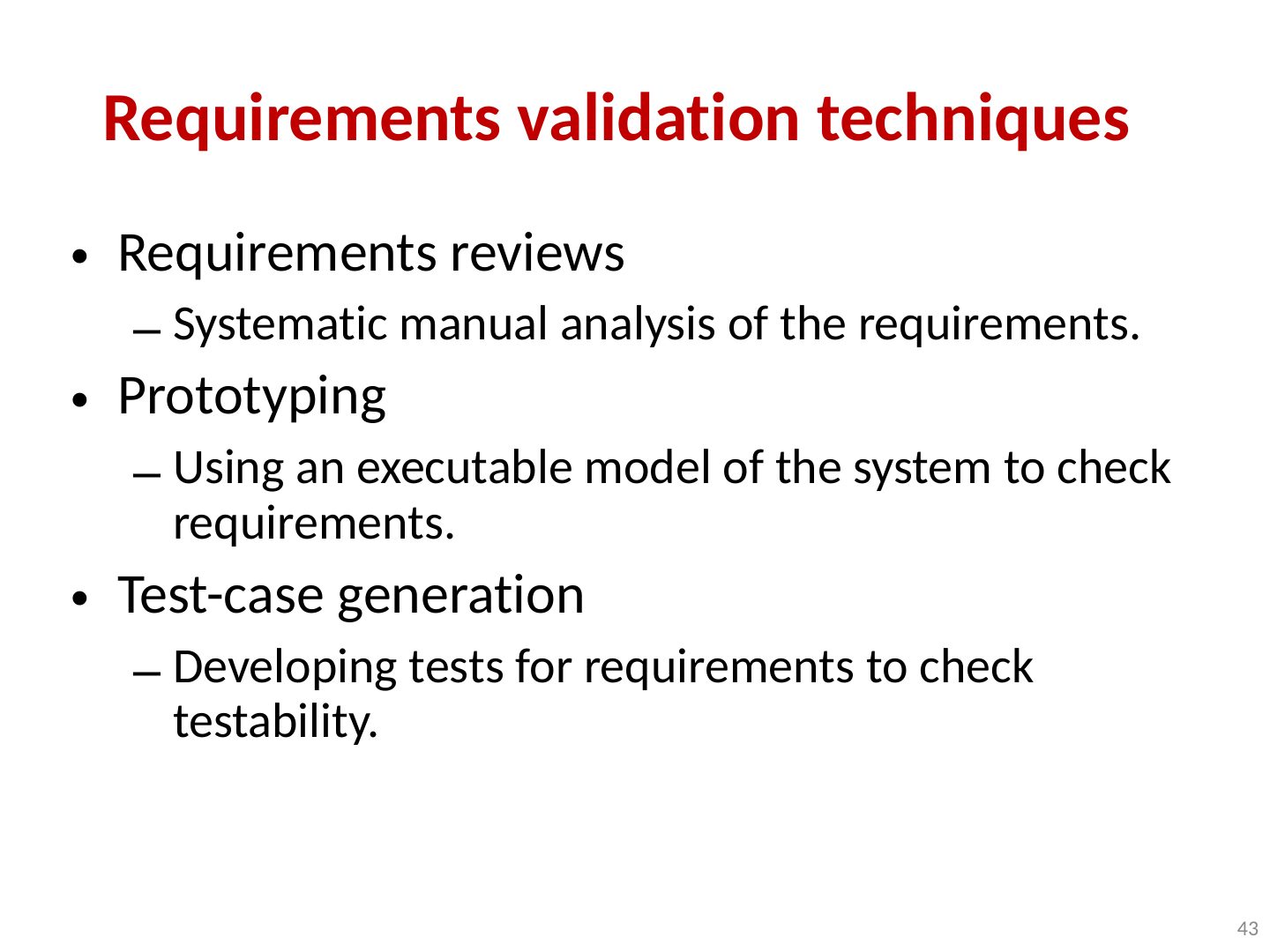
- 43 Requirements validation techniques
- 44 Requirements reviews
- 45 Requirements management
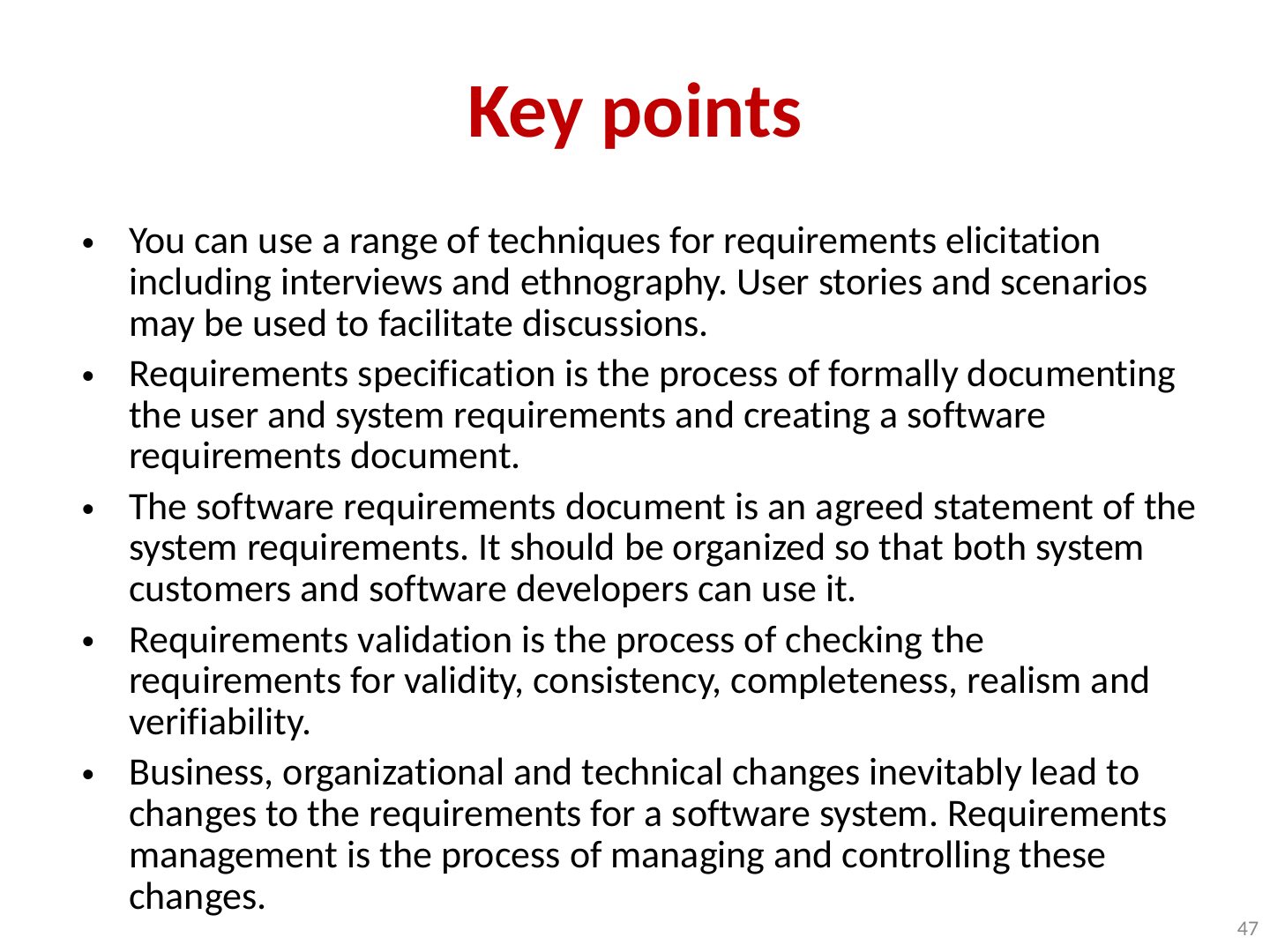
- 46 Key points
- 47 Key points
Software Engineering
Topics covered:
The Requirements Process
Requirements engineering
Types of Requirements
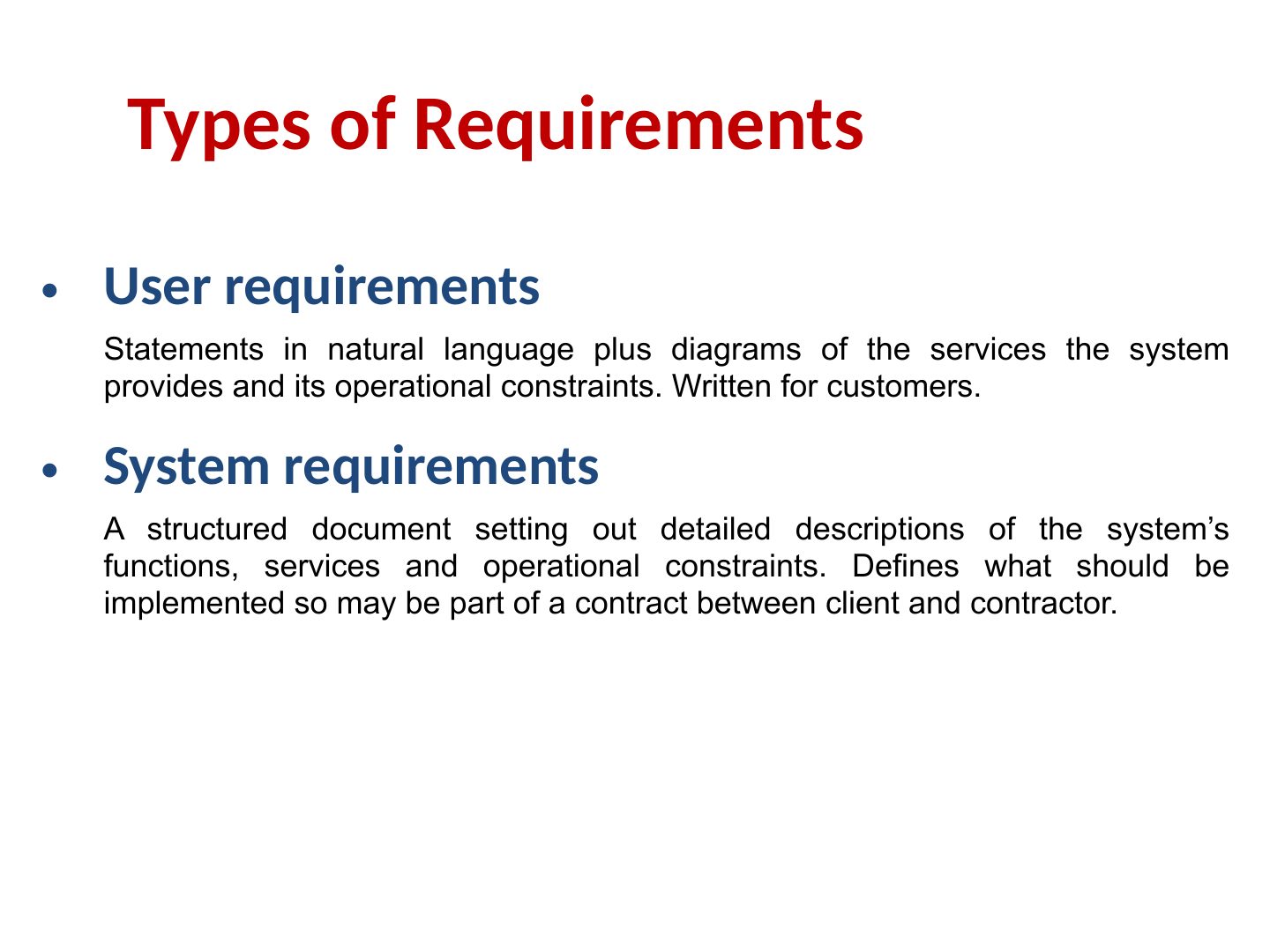
User and System Requirements
Notes
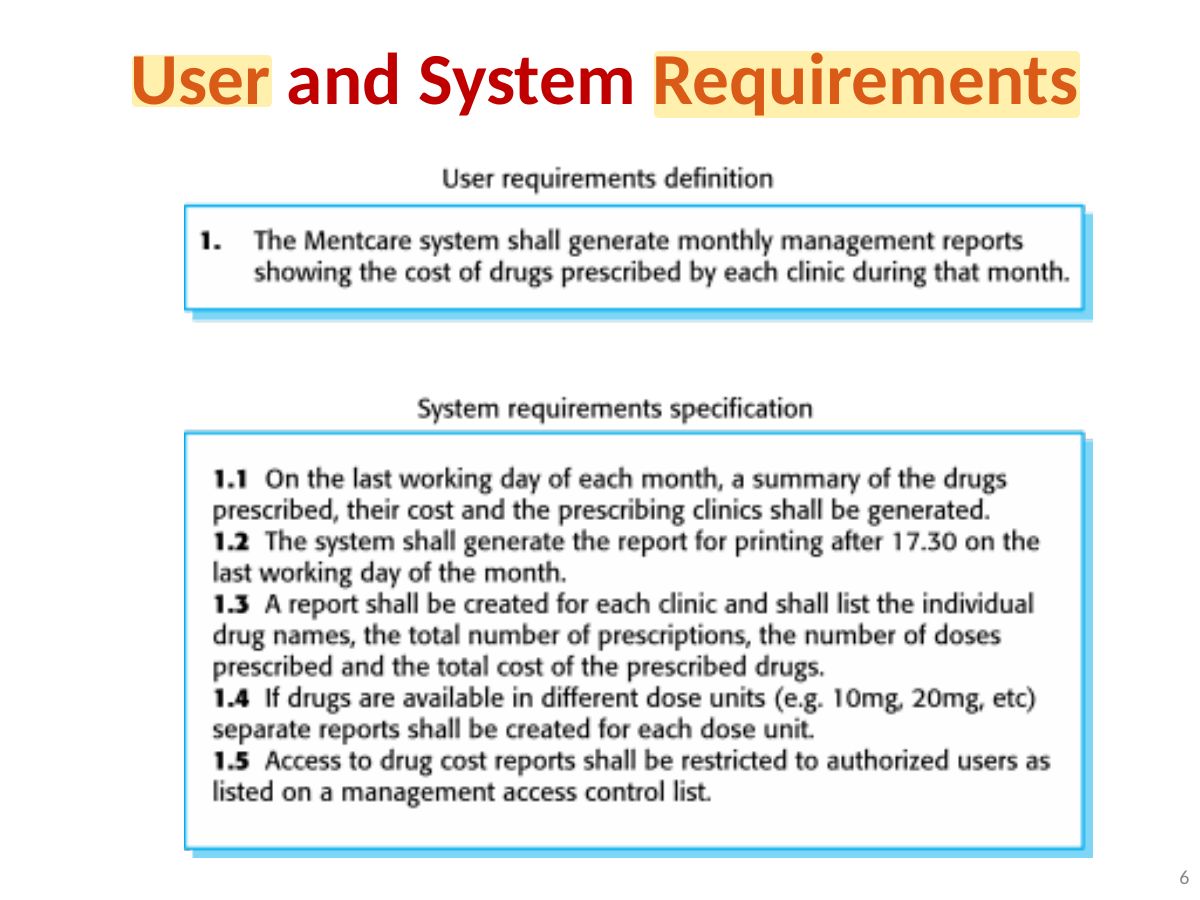
User requirements: natural language + diagrams for customers. System requirements: detailed, structured, for developers and contracts.
Readers of different types of requirements specification
System Stakeholders
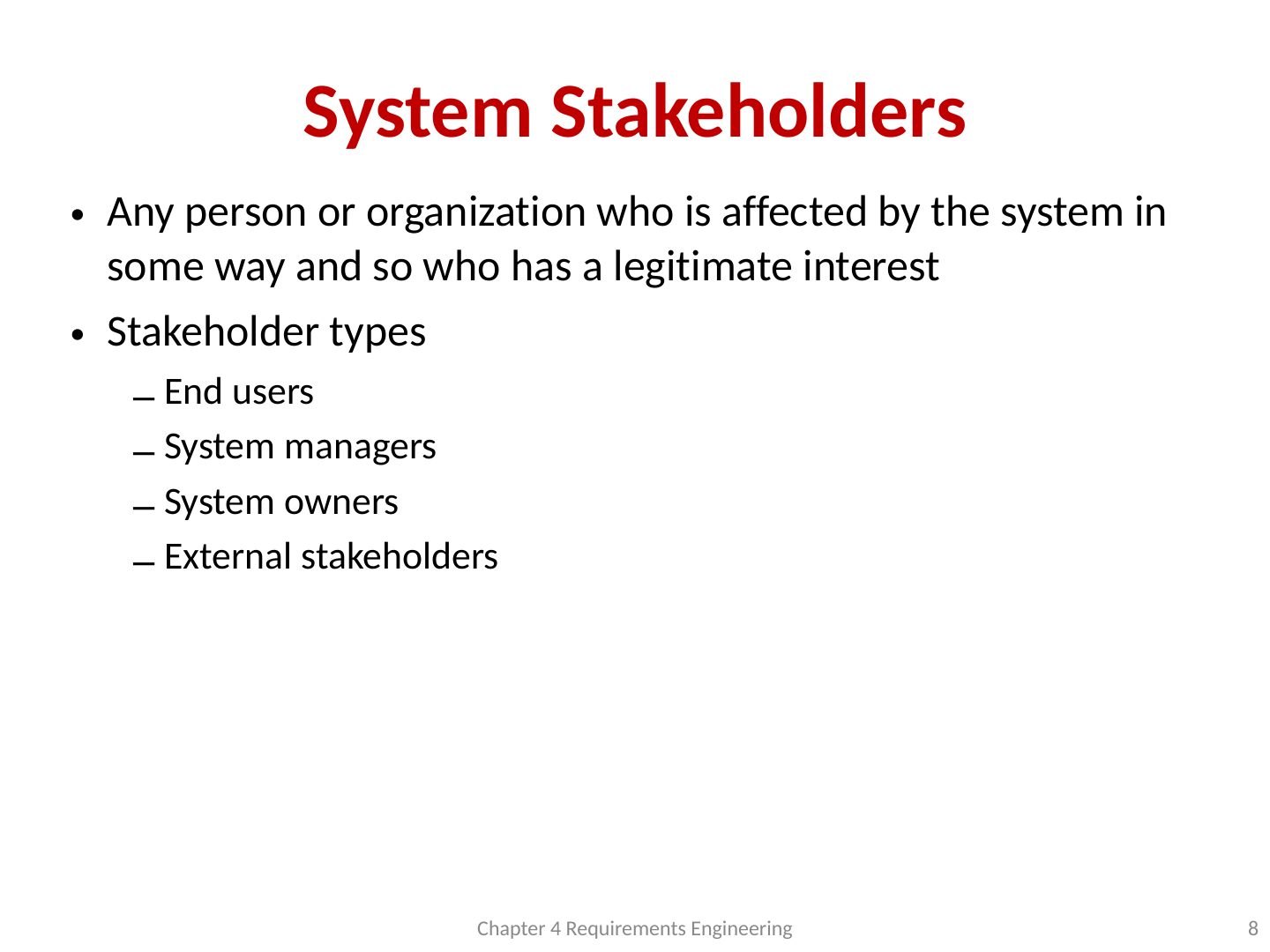
Example: Stakeholders in the Mentcare system
Slide 10
Notes
Functional: what the system should DO (services). Non-functional: constraints on HOW (performance, security, usability, reliability). Domain: from the application domain.
Memory trick If it says "the system shall <do something>", it is functional; if it talks about speed, availability, platform, it is non-functional.
Exam angle
"A user shall be able to search the appointment list" is a:
Functional and Non-Functional Requirements
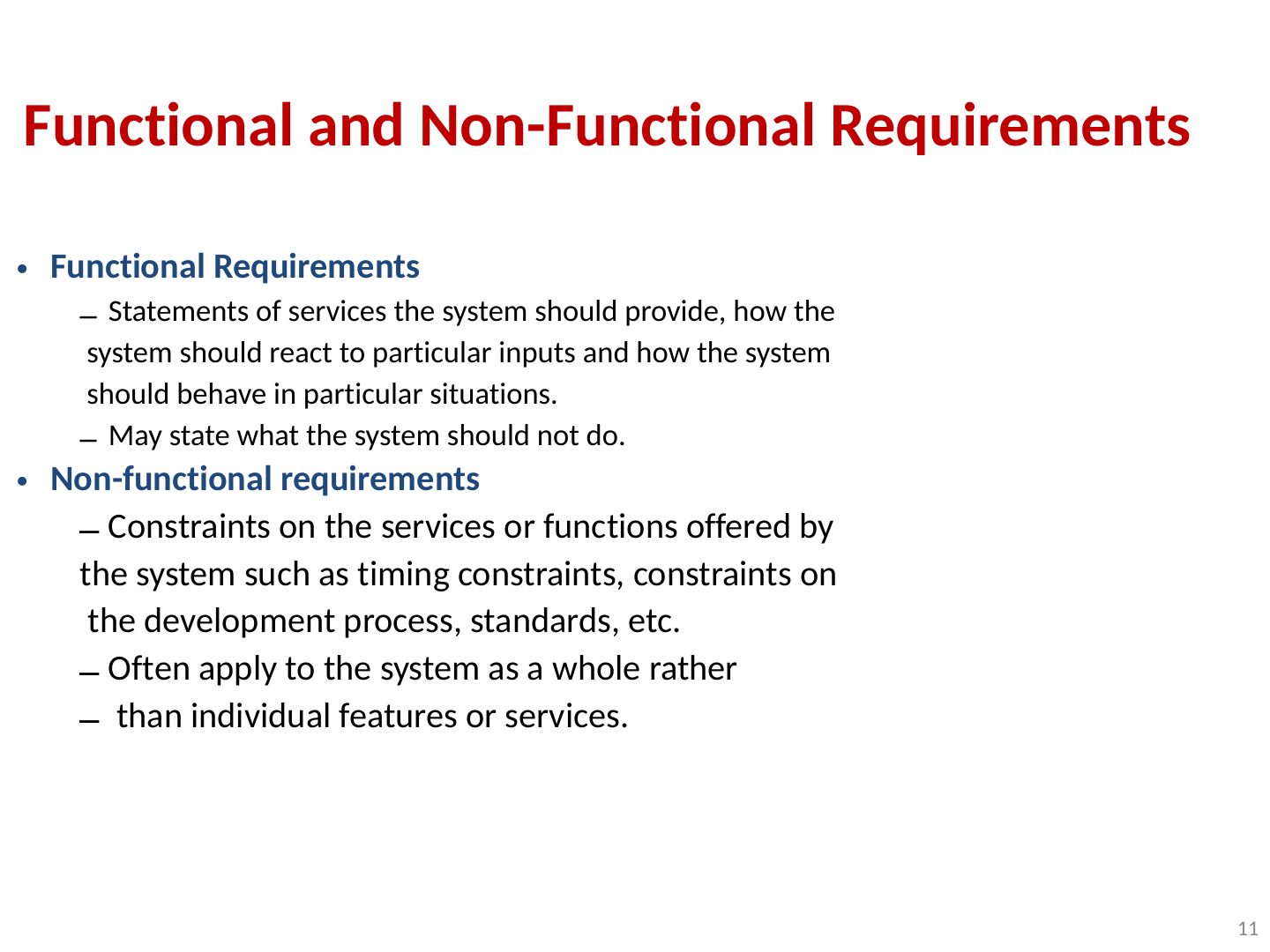
Functional and Non-Functional Requirements
Functional Requirements
Functional Requirements Example
Non-functional Requirements
Types of Non-functional Requirement
Non-Functional Requirements Example
Slide 18
Notes
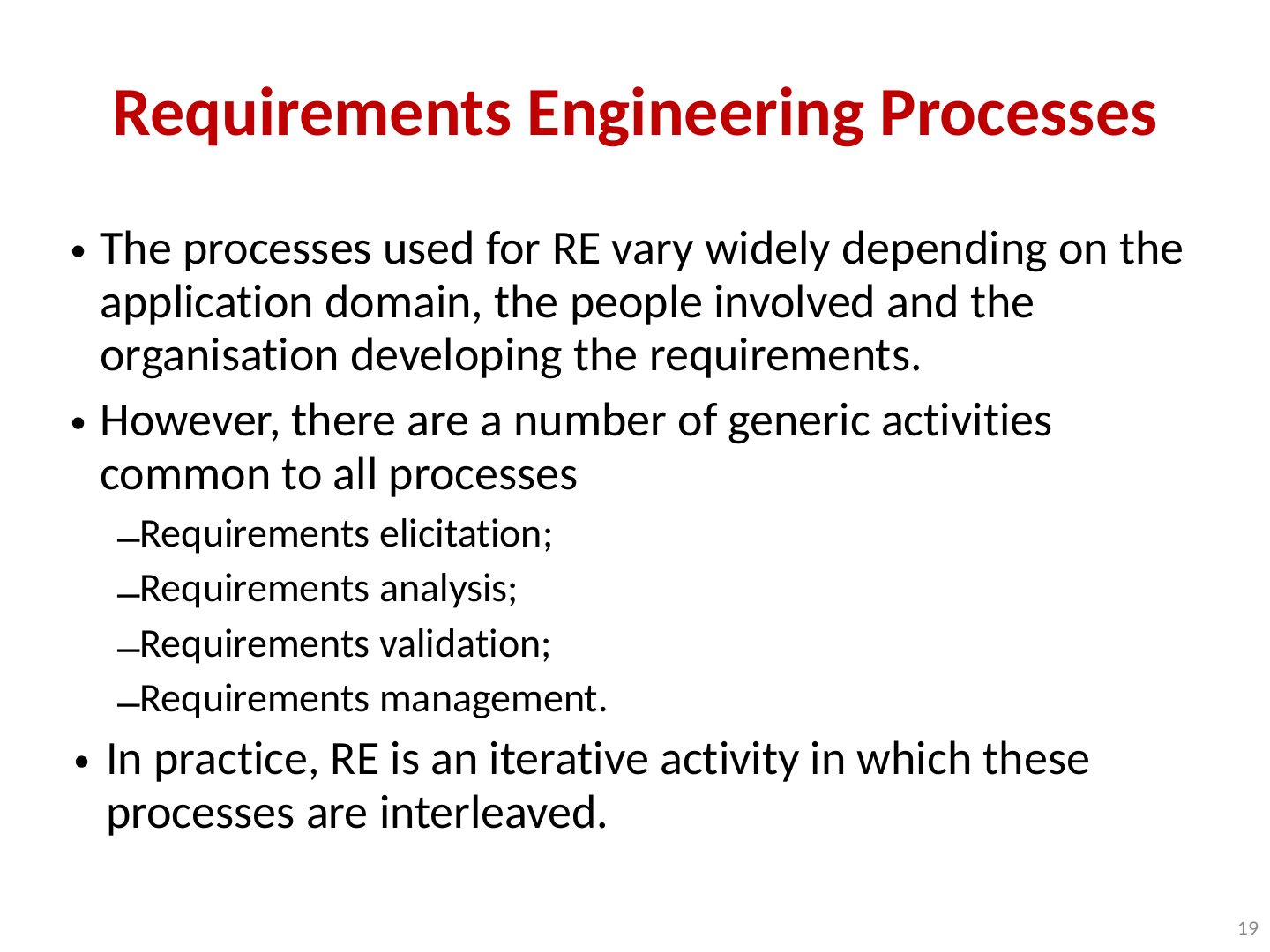
RE process: elicitation and analysis → specification → validation, iterated (spiral).
Requirements Engineering Processes
Requirements elicitation and analysis
Problems of Requirements Elicitation
Notes
Elicitation problems: stakeholders don’t know what they want, use their own terms, conflict, change their minds; politics.
Requirements elicitation
Process activities
Requirements Elicitation (or discovery)
Requirements elicitation techniques
Notes
Techniques: interviews (closed/open), ethnography (observation), scenarios, use cases, stories.
Slide 26
Agile methods and requirements
Stories and scenarios
Notes
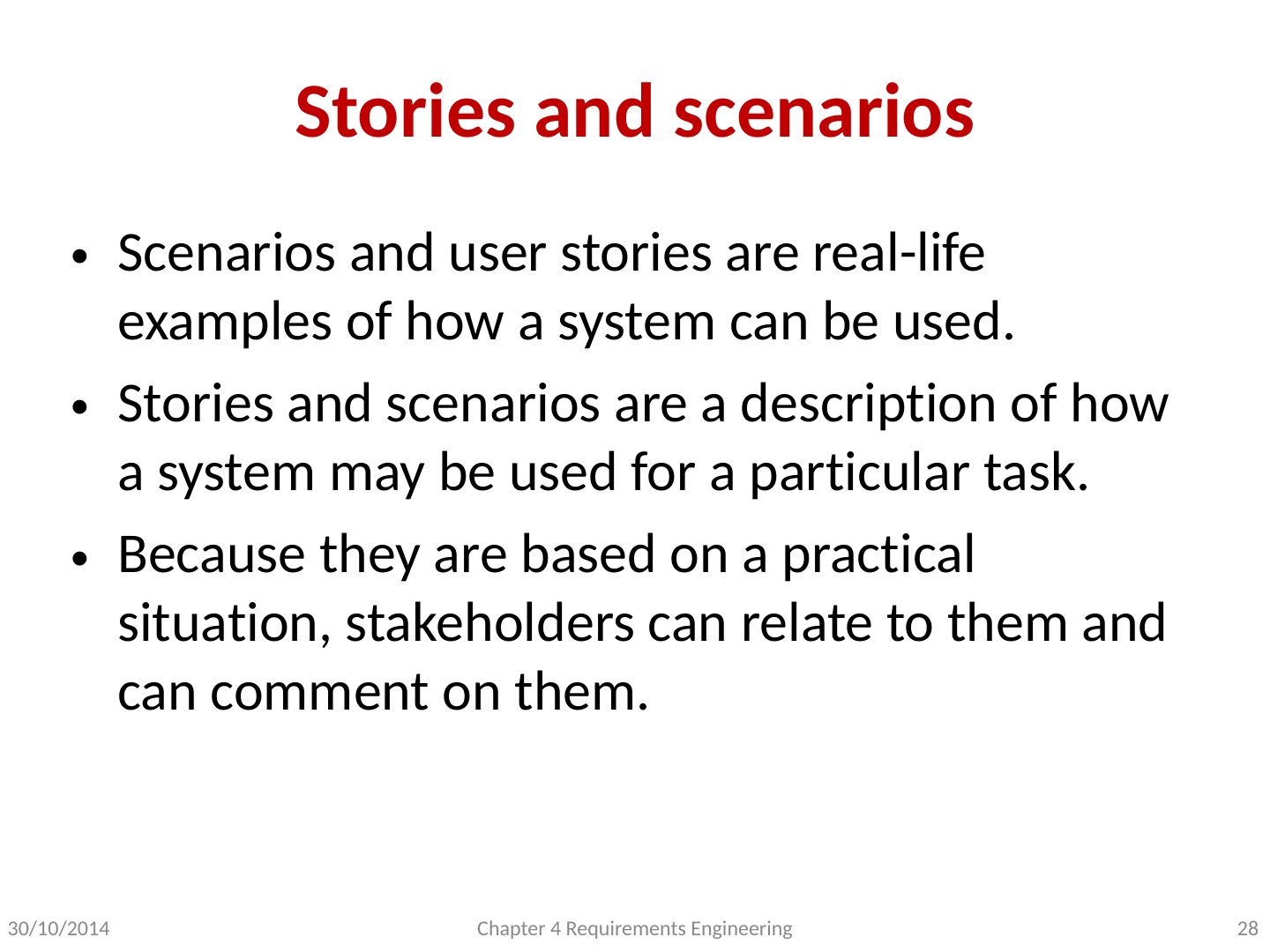
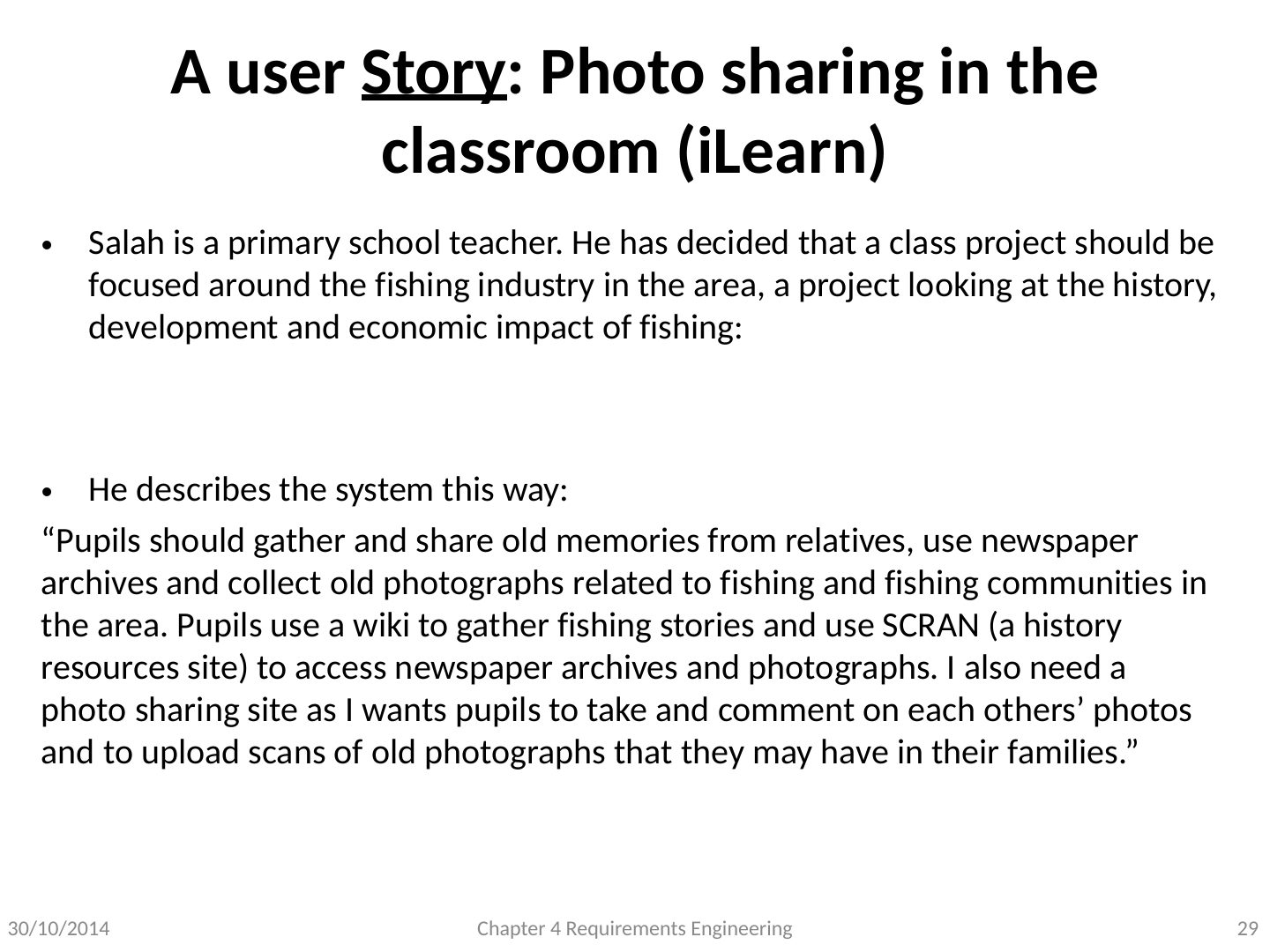
User story: "As a <role>, I want <goal> so that <benefit>." Scenarios describe a real interaction in more detail.
A user Story: Photo sharing in the classroom (iLearn)
Scenarios
Scenario: Uploading photos (iLearn)
Uploading photos (iLearn) (2)
h
Ways of writing a system requirements specification
Natural language specification
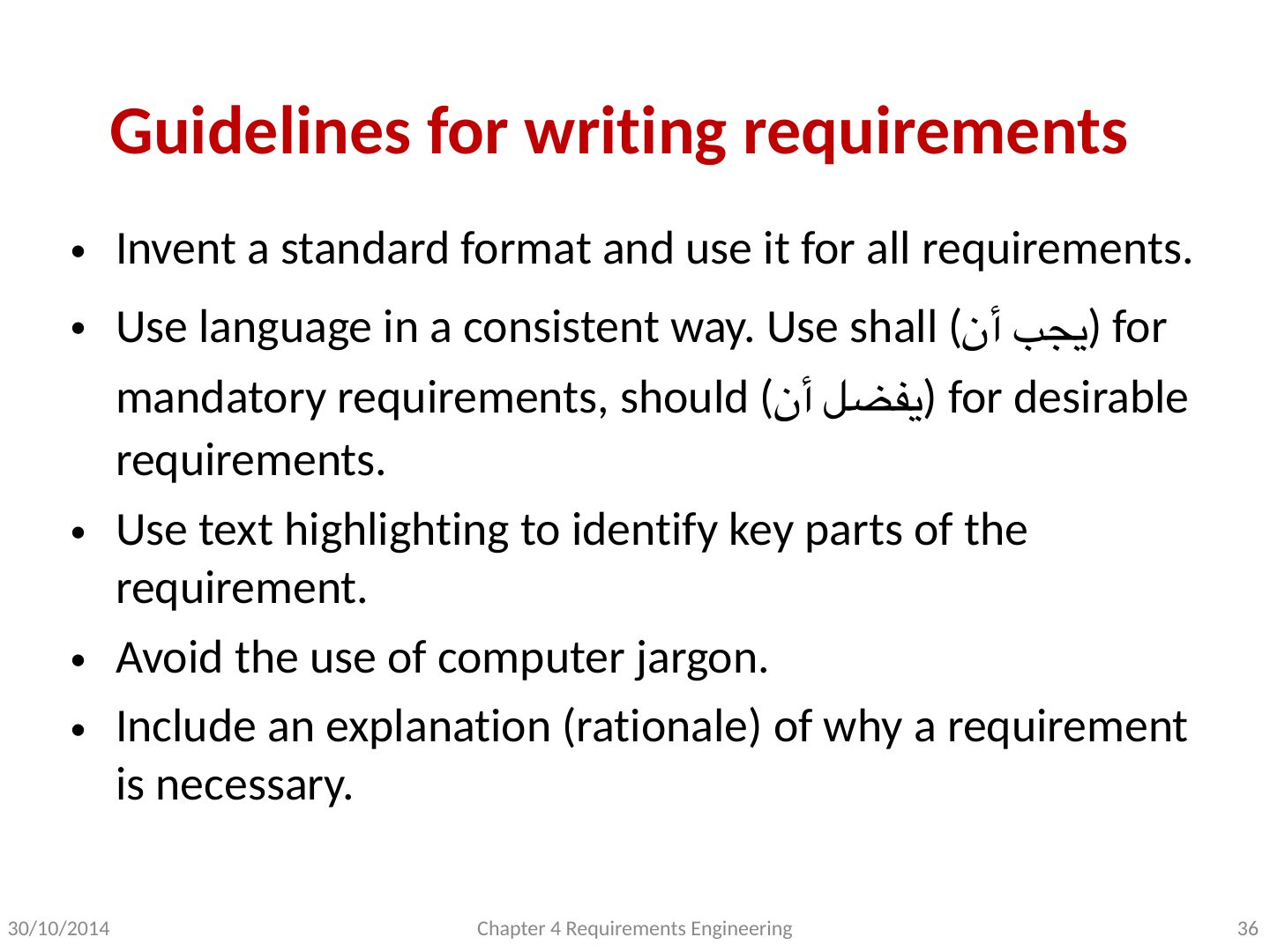
Guidelines for writing requirements
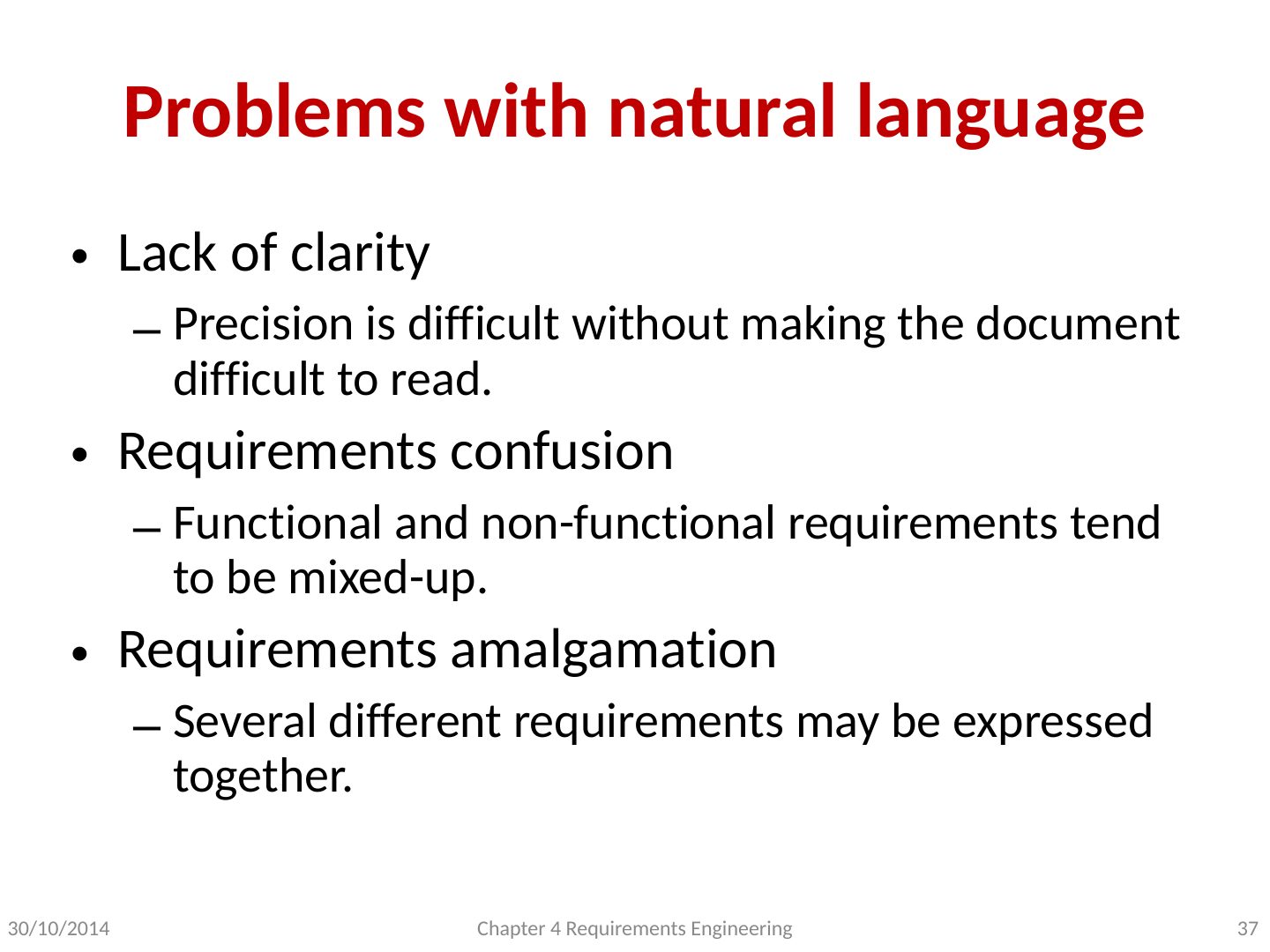
Problems with natural language
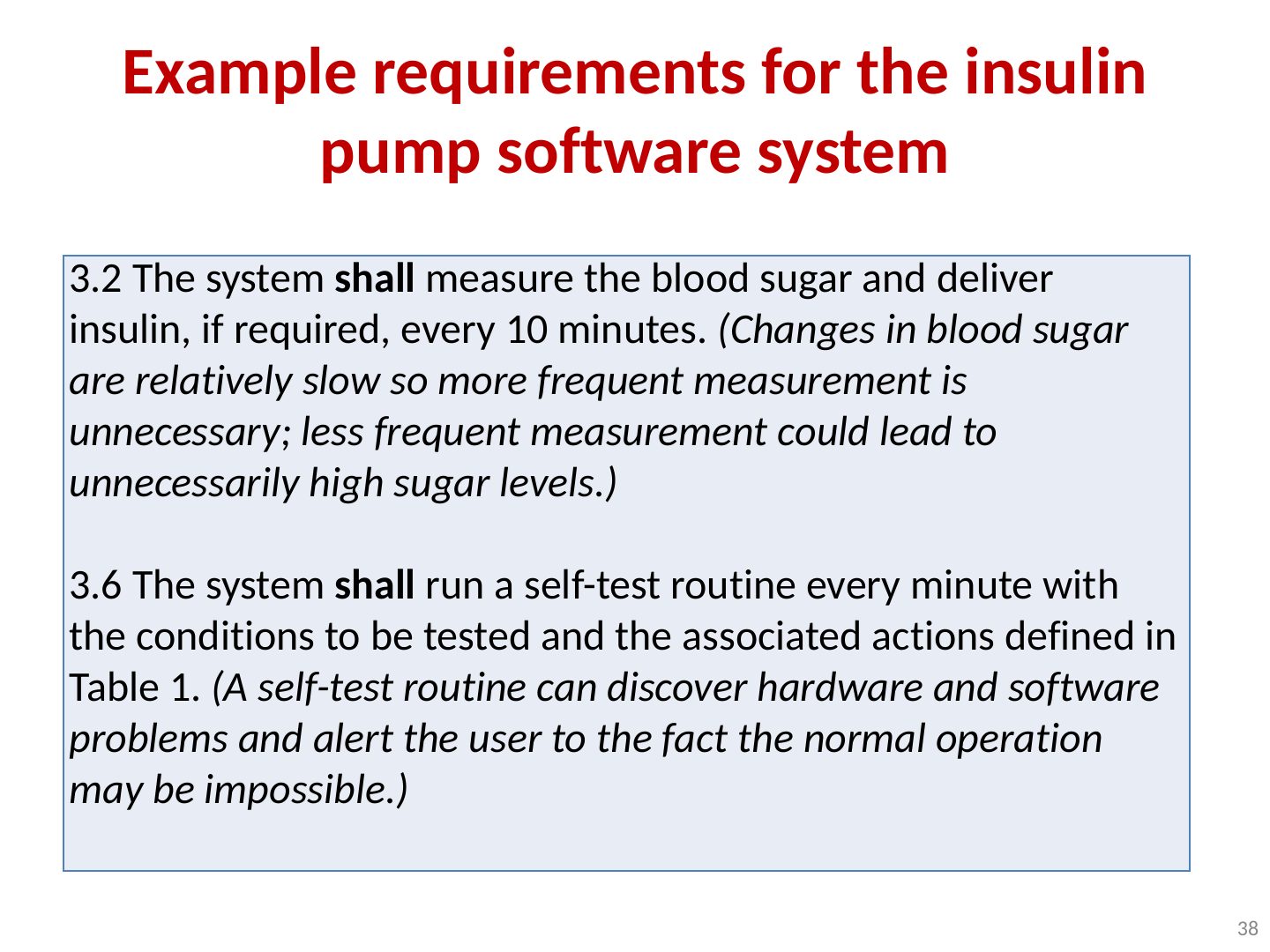
Example requirements for the insulin pump software system
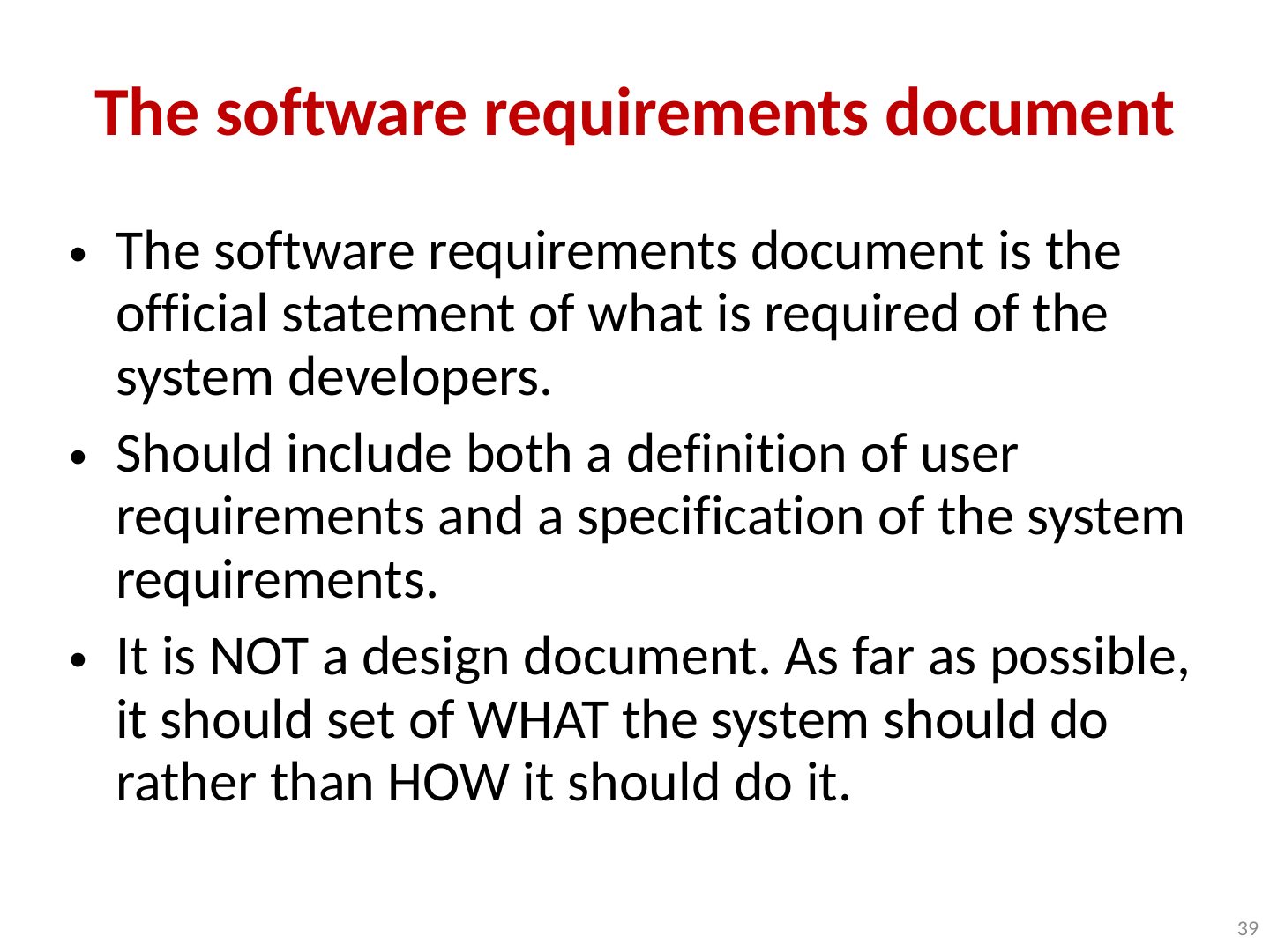
The software requirements document
Slide 40
Requirements validation
Notes
Validation checks: validity, consistency, completeness, realism, verifiability.
Exam angle
Checking that requirements do not contradict each other is a check for:
Requirements checking
Requirements validation techniques
Requirements reviews
Requirements management
Key points
Key points