In XP, tests are written:
Agile Software Engineering
Extreme Programming and its practices (user stories, test-first development, pair programming, refactoring, continuous integration), Scrum terminology, roles, sprints and the product backlog, and agile project management.
How to read this page
Every original slide is shown unchanged. Yellow marks on a slide point to a numbered note: hover or tap a mark to jump to its note, and hover a note to see its marks. Questions tagged Past exam appeared on a real paper; Prediction questions are likely angles, not confirmed. Pick an answer to each question: a wrong pick tells you why it is wrong, so you can try again.
All 37 slides
- 1 Software Engineering
- 2 Course Learning Outcome
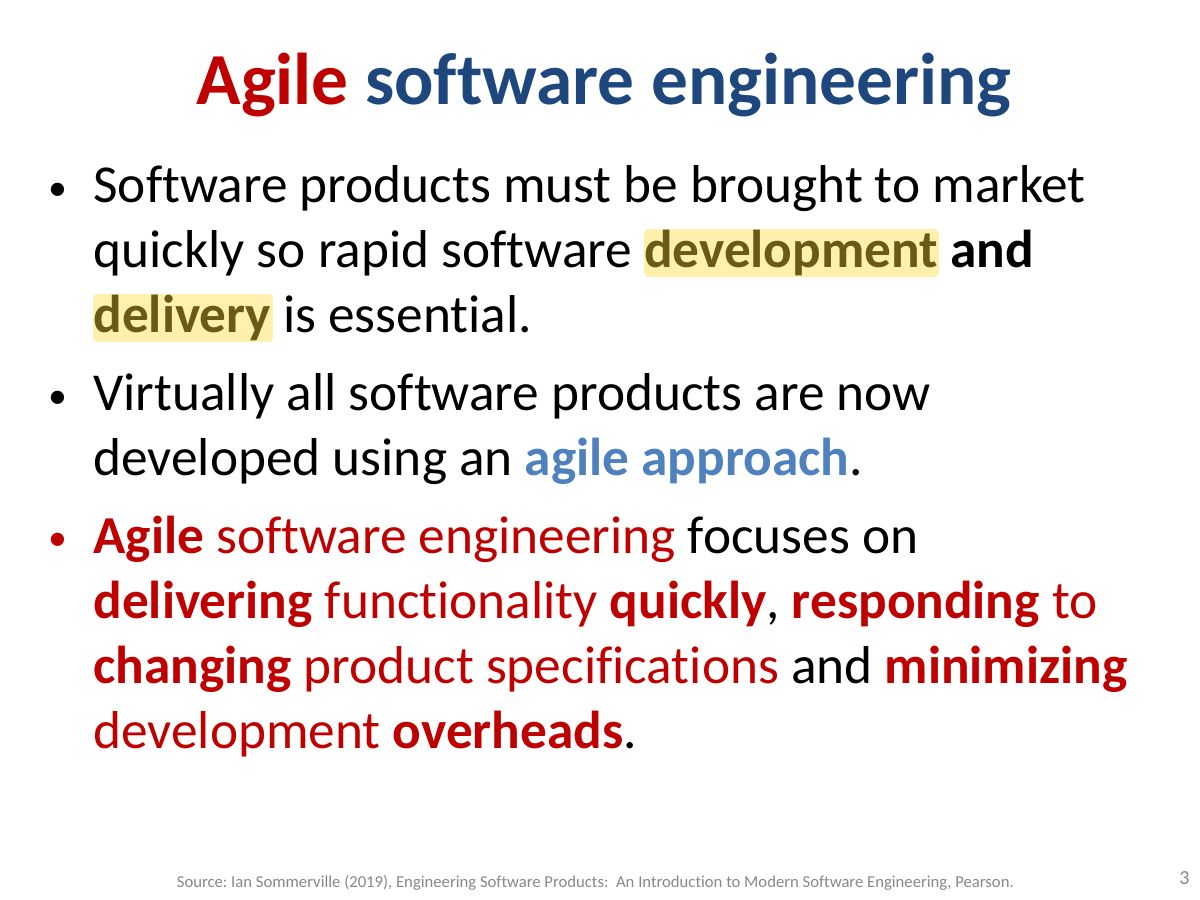
- 3 Agile software engineering
- 4 Extreme Programming (XP)
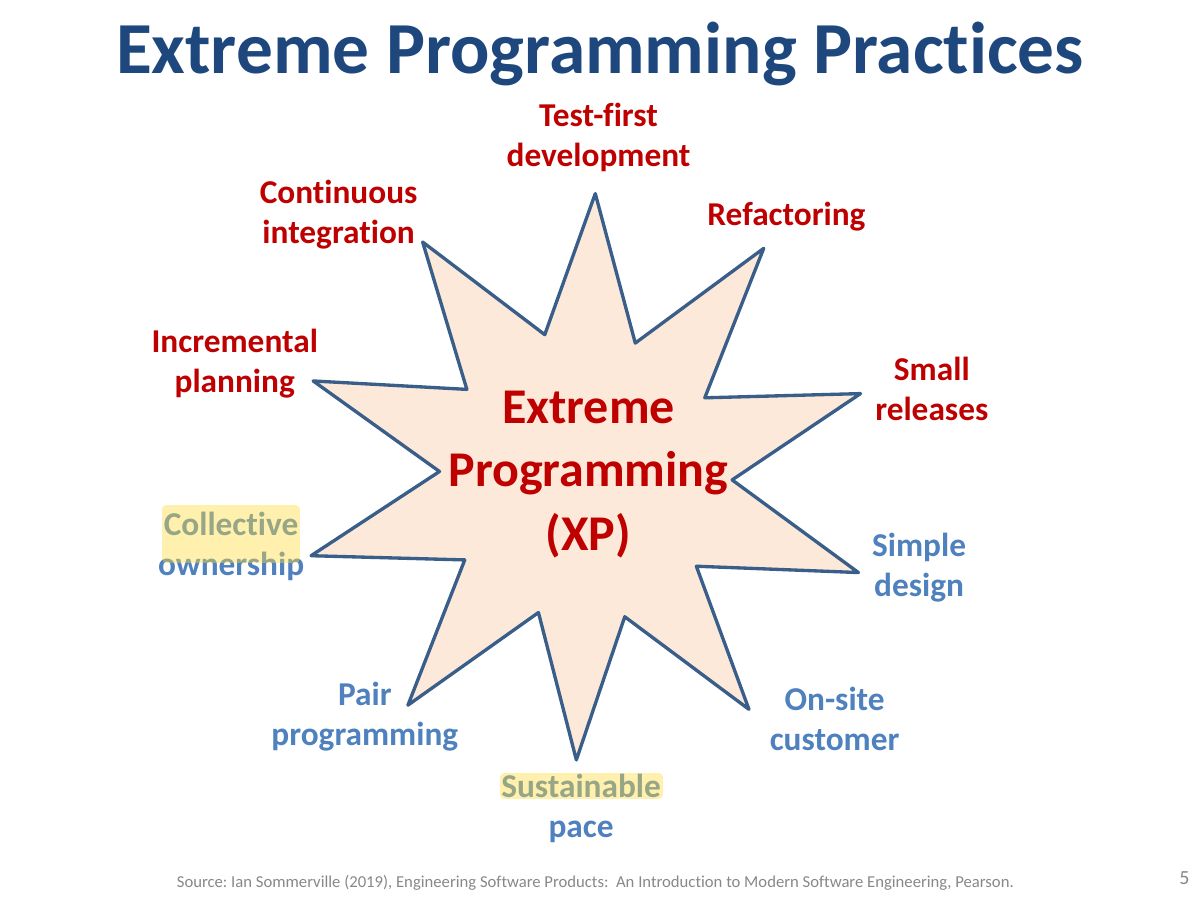
- 5 Extreme Programming Practices
- 6 Widely adopted XP practices
- 7 A ‘prescribing medication’ story
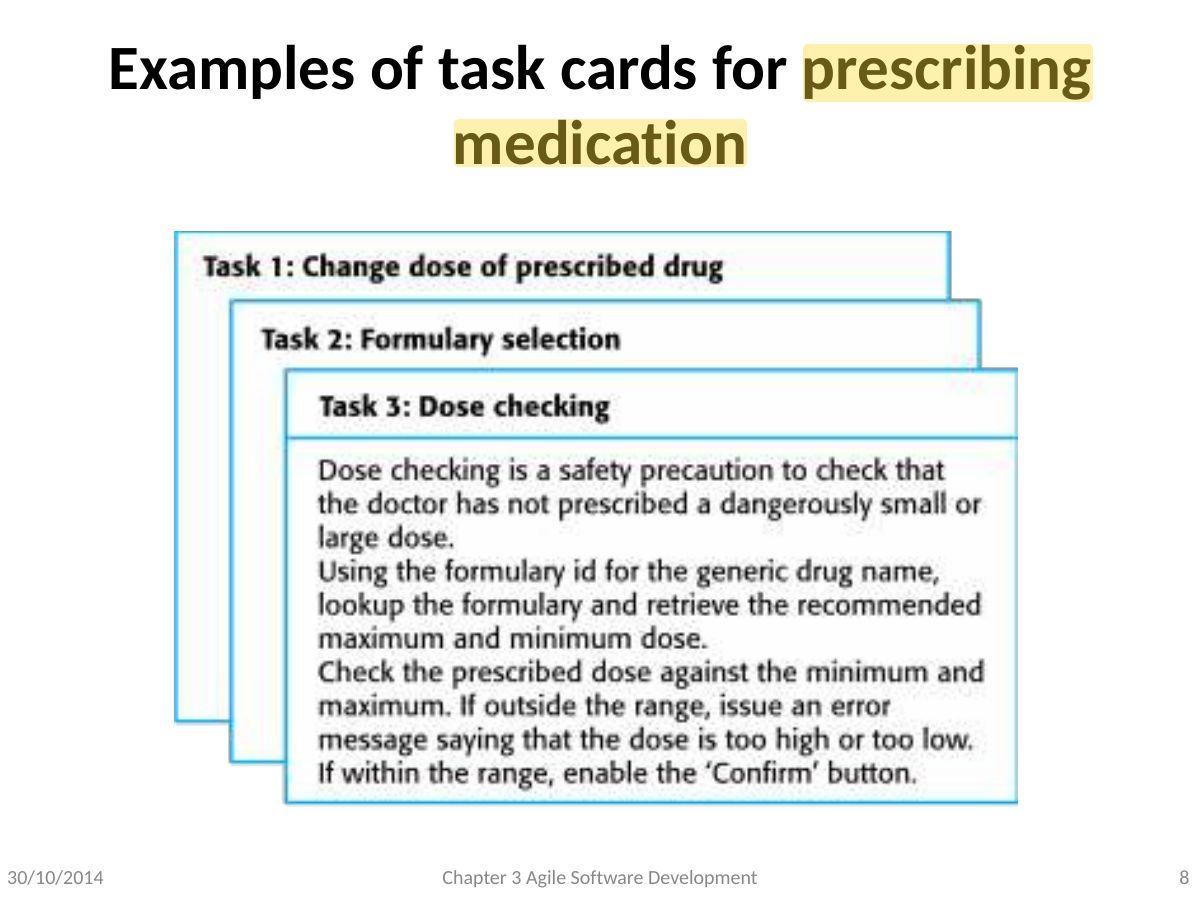
- 8 Examples of task cards for prescribing medication
- 9 Widely adopted XP practices
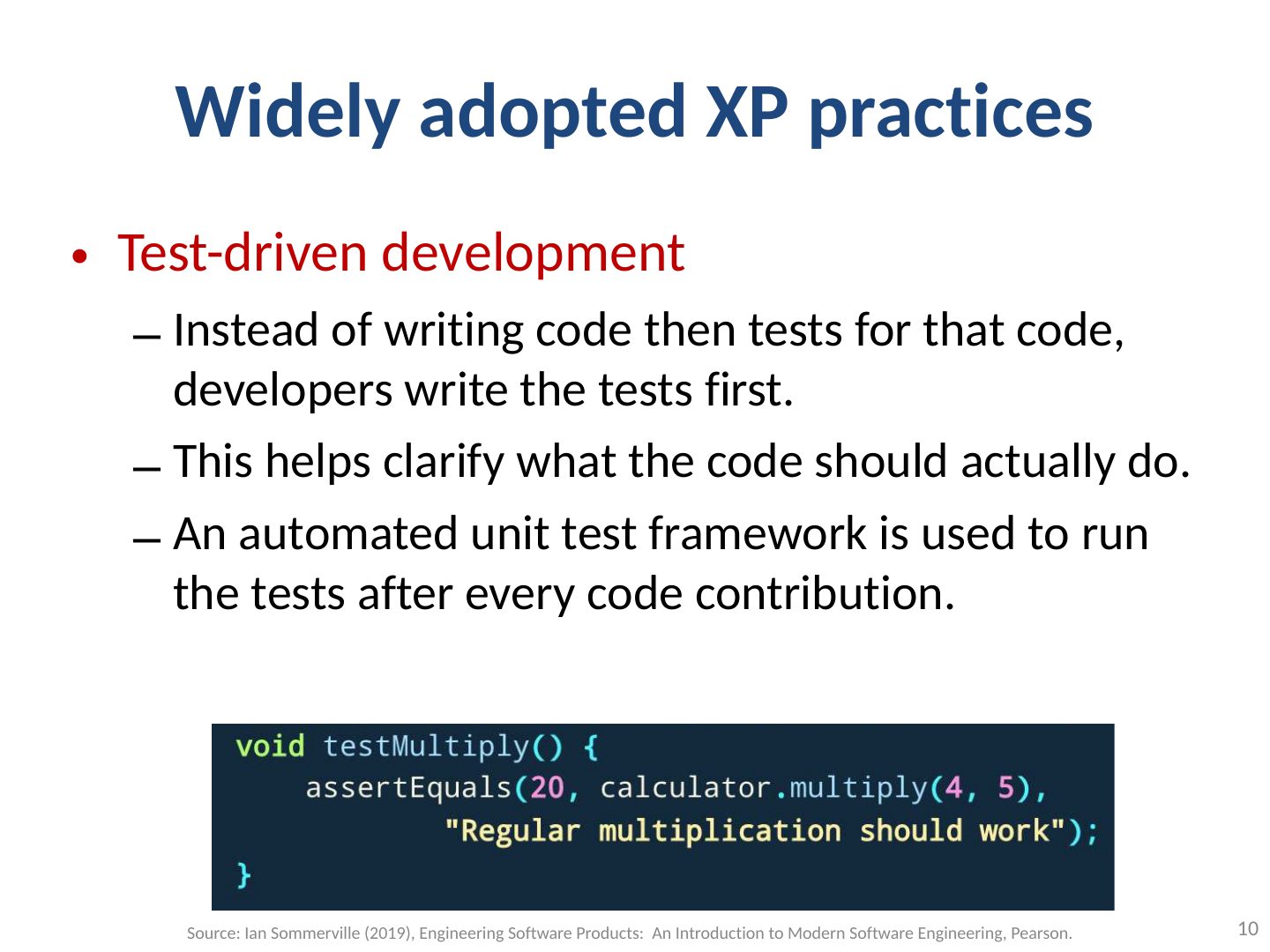
- 10 Widely adopted XP practices
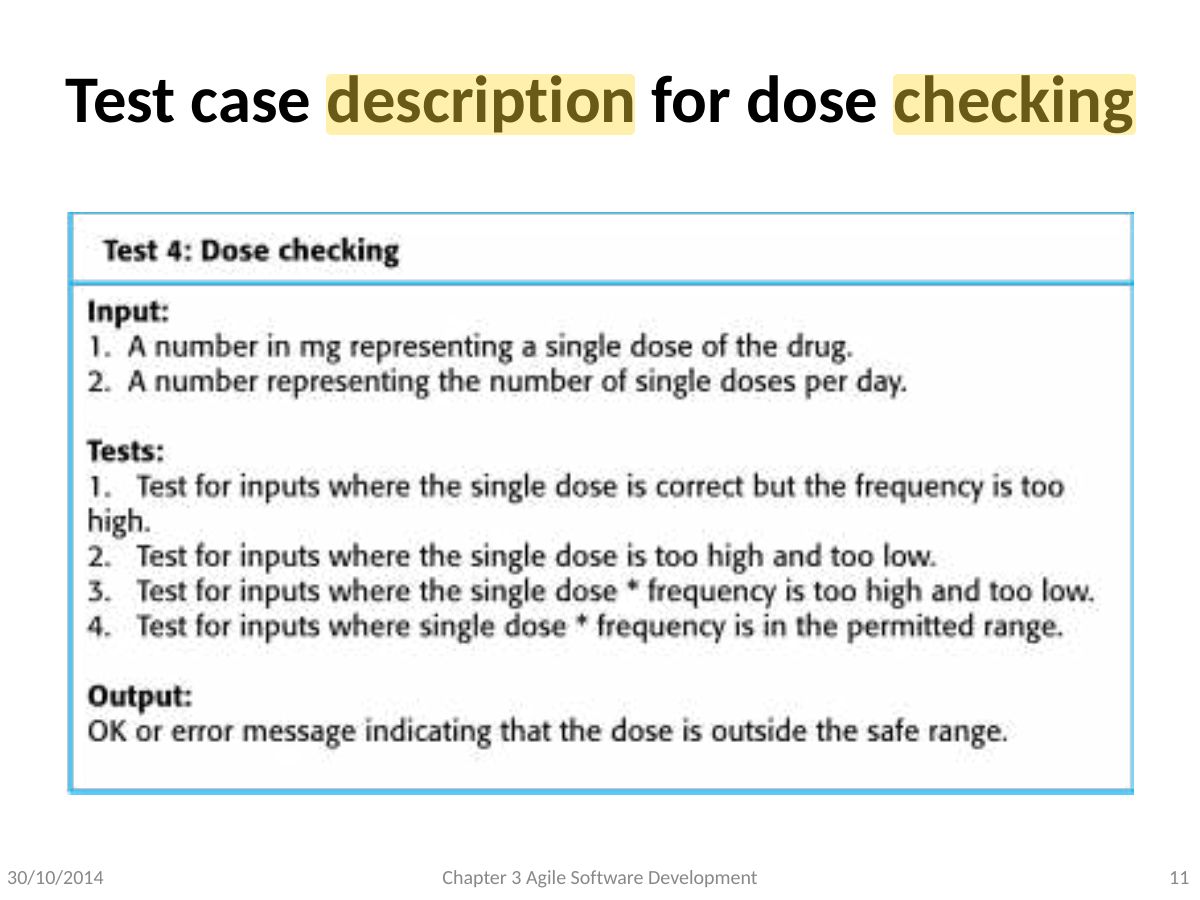
- 11 Test case description for dose checking
- 12 Widely adopted XP practices
- 13 Widely adopted XP practices
- 14 Slide 14
- 15 Scrum
- 16 What is Scrum?
- 17 Scrum Terminology (a)
- 18 Scrum Terminology (b)
- 19 Key roles in Scrum
- 20 Key roles in Scrum
- 21 Scrum and sprints
- 22 Scrum Process Flow
- 23 Scrum Sprint Cycle
- 24 Key Scrum practices
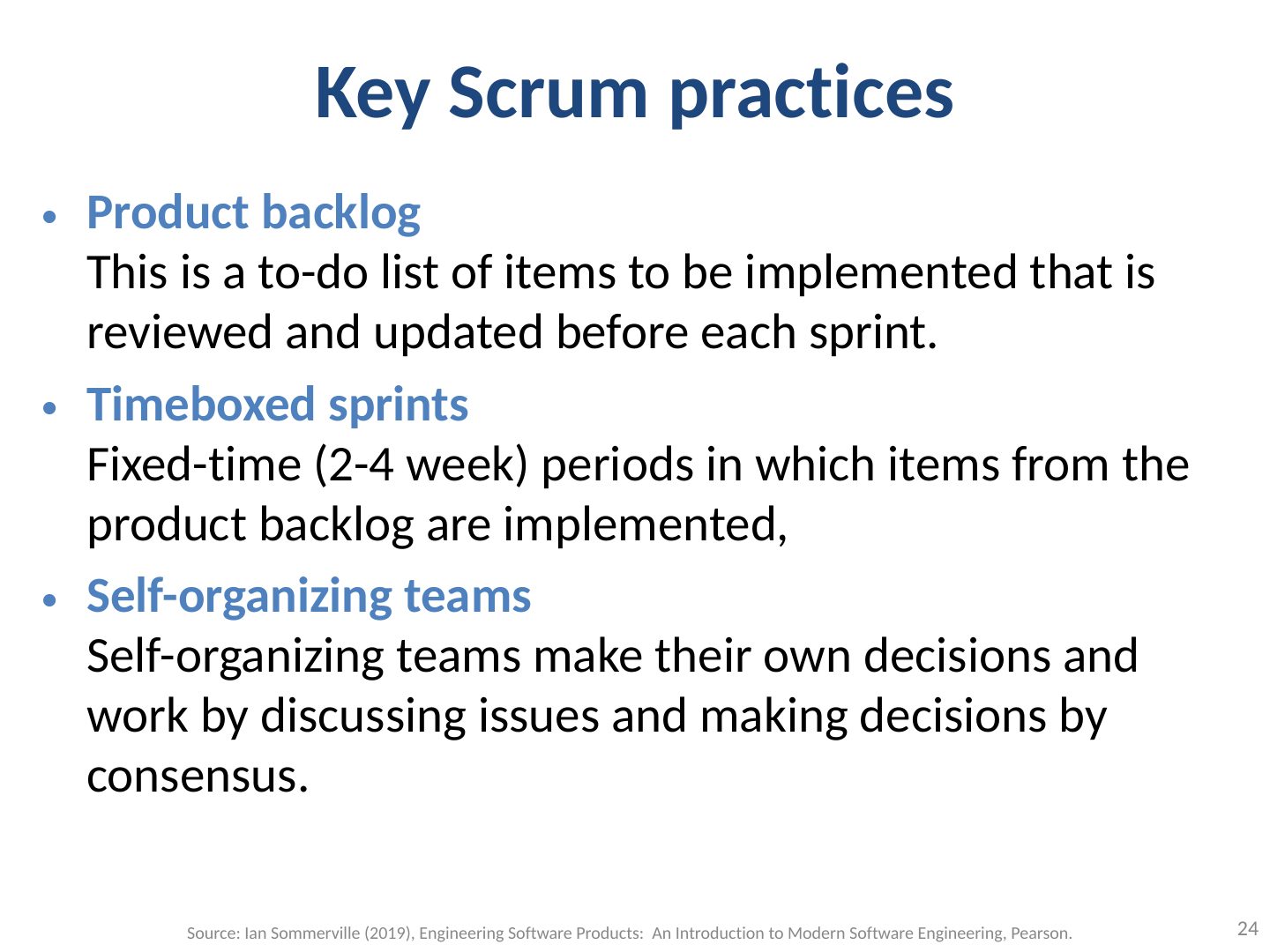
- 25 Product backlogs
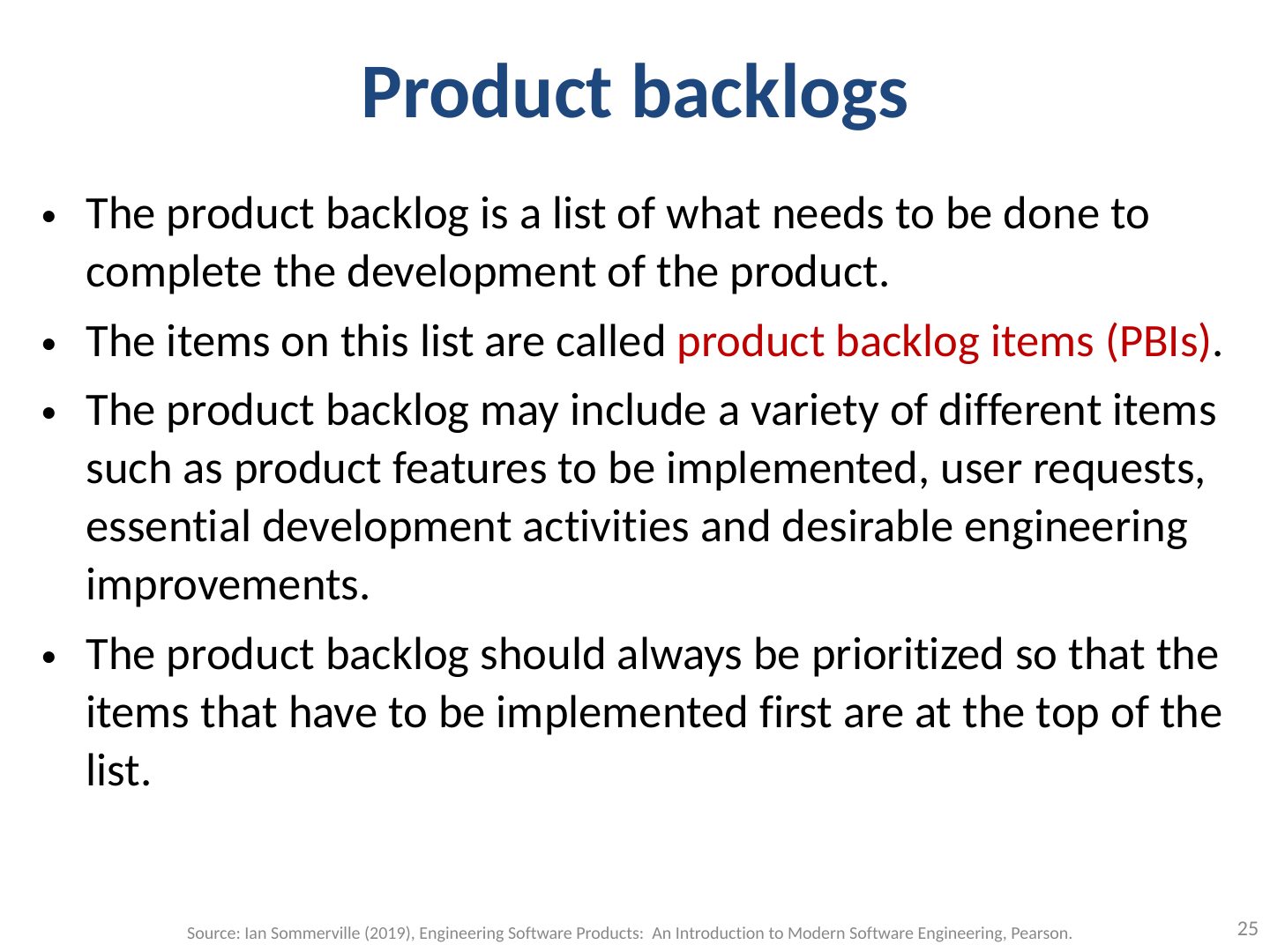
- 26 Examples of product backlog items (PBIs)
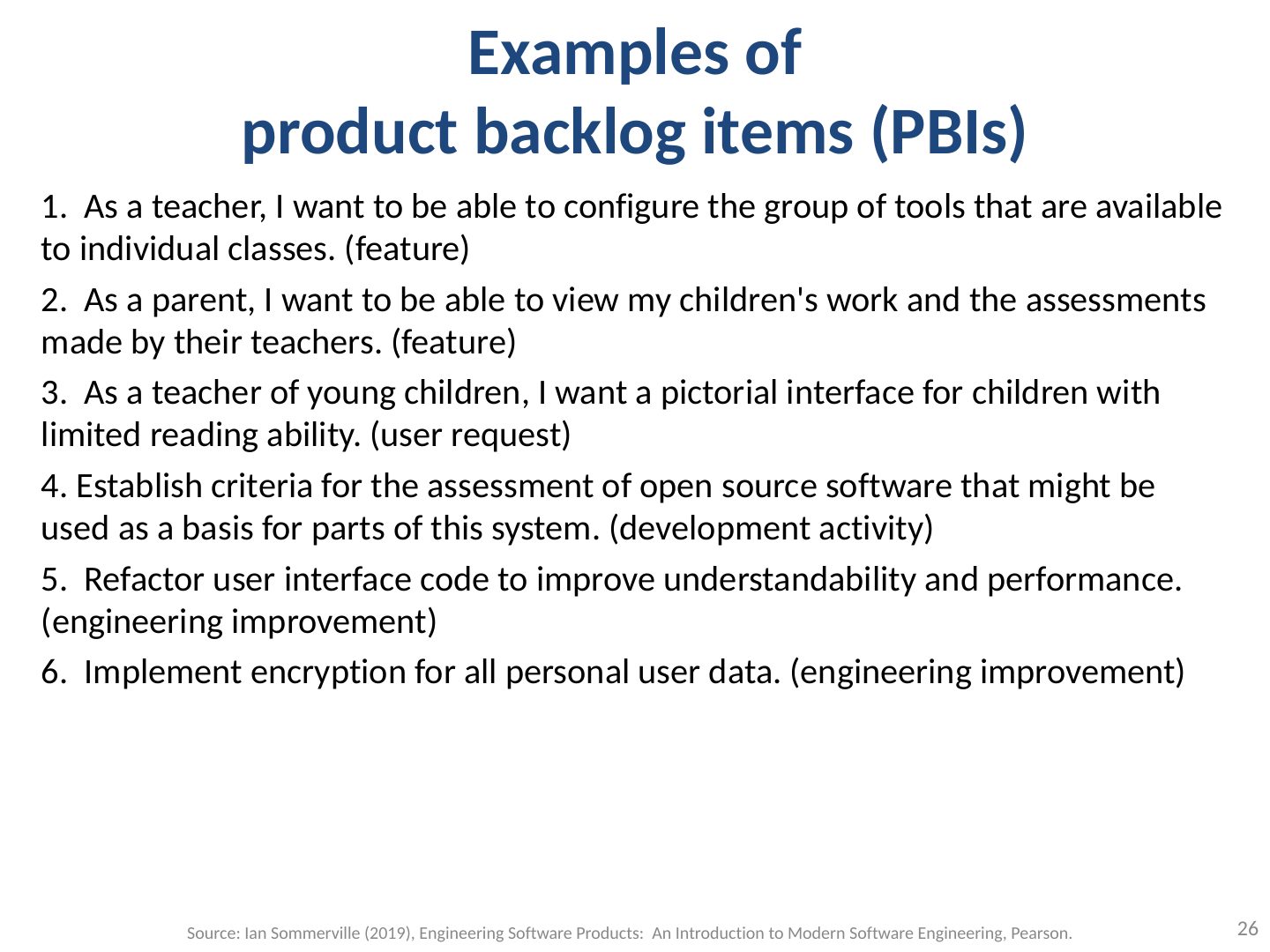
- 27 Product Backlog Item States
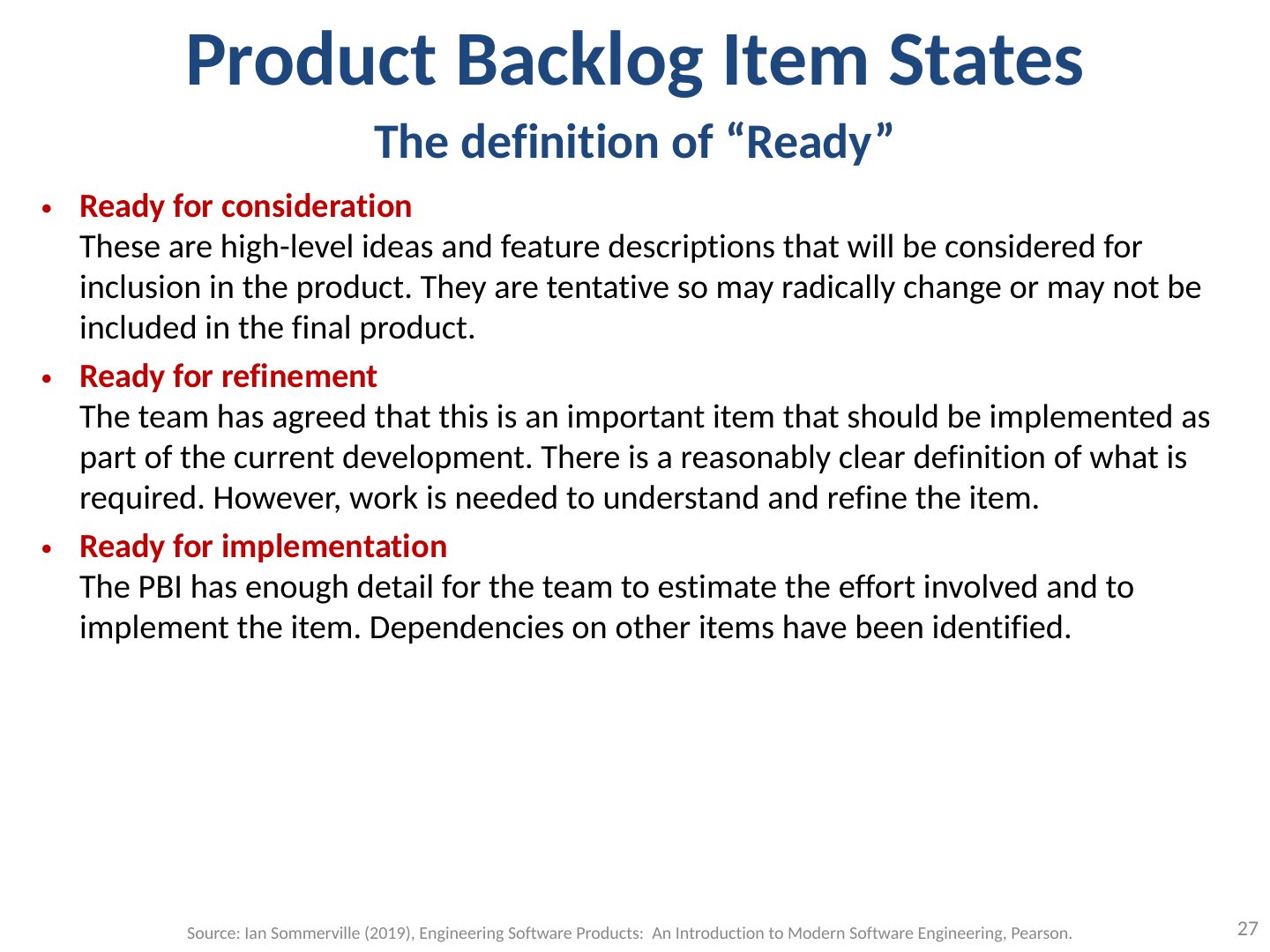
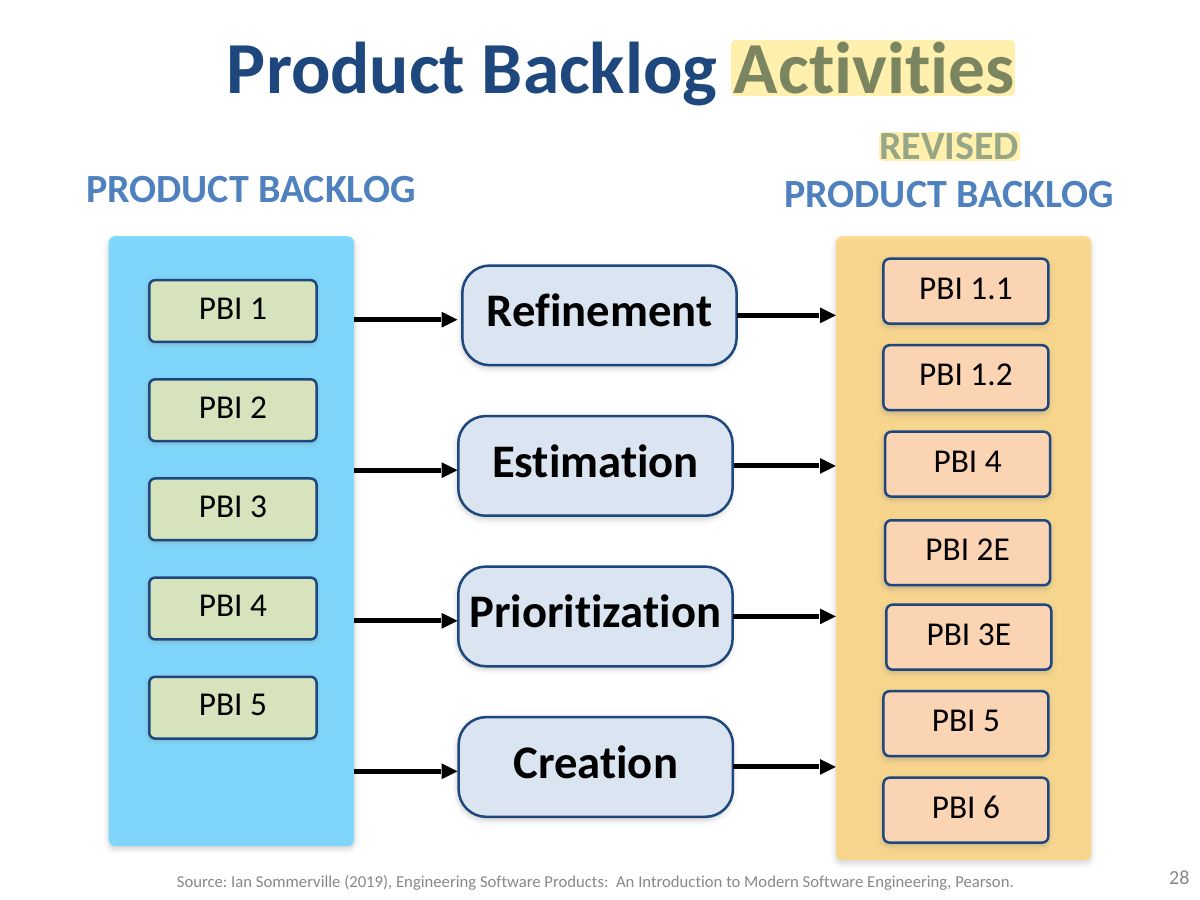
- 28 Product Backlog Activities
- 29 Sprint Activities
- 30 Managing External Interactions
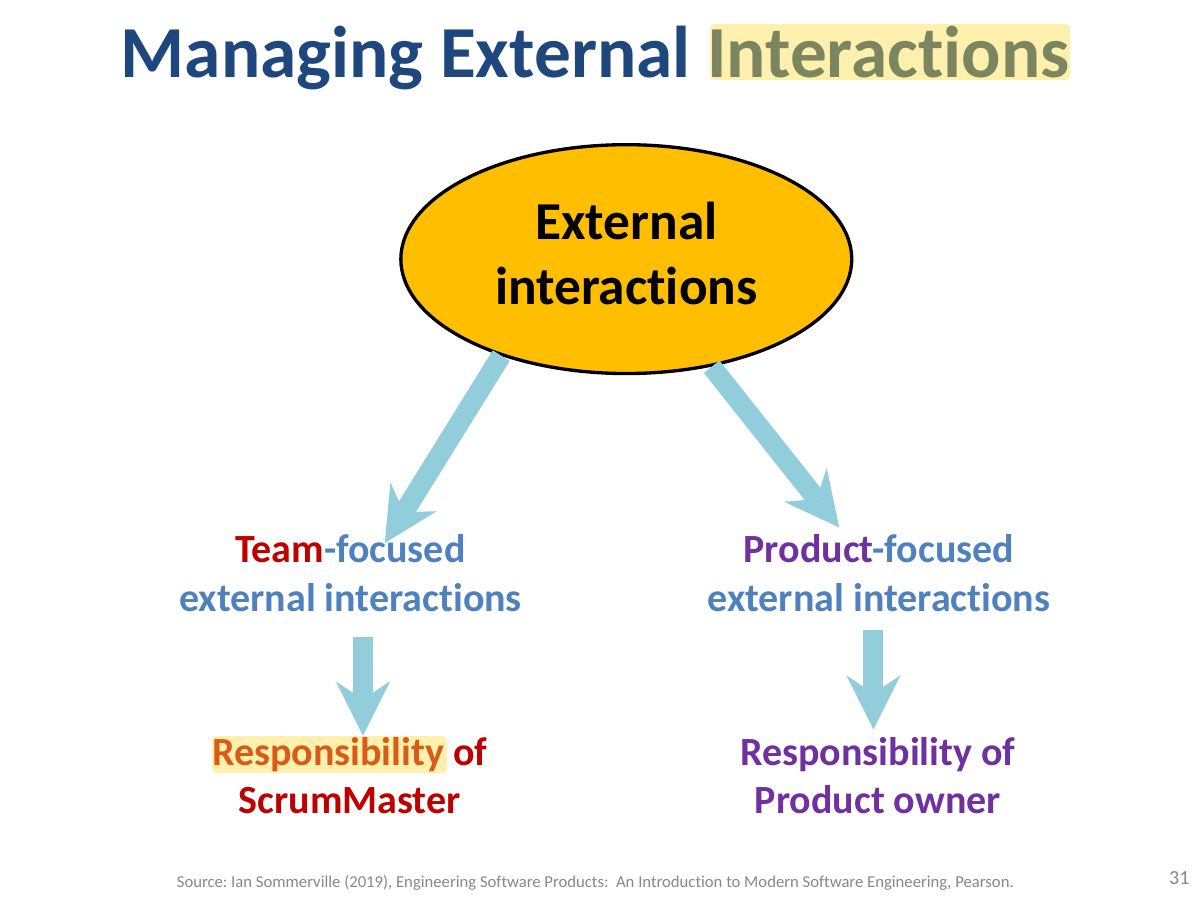
- 31 Managing External Interactions
- 32 Project management
- 33 Project Management Responsibilities
- 34 The Continuum of Life Cycles
- 35 Summary
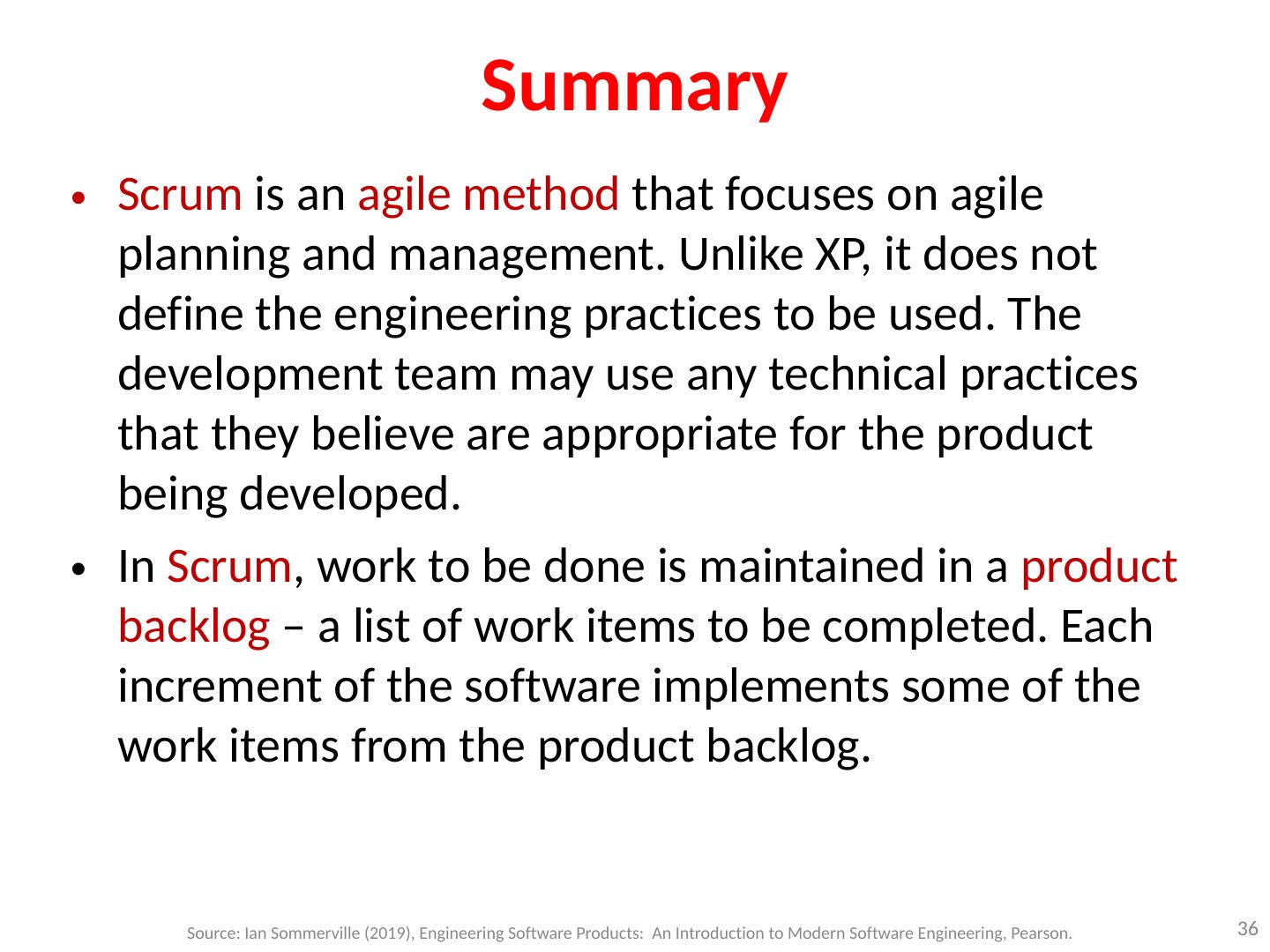
- 36 Summary
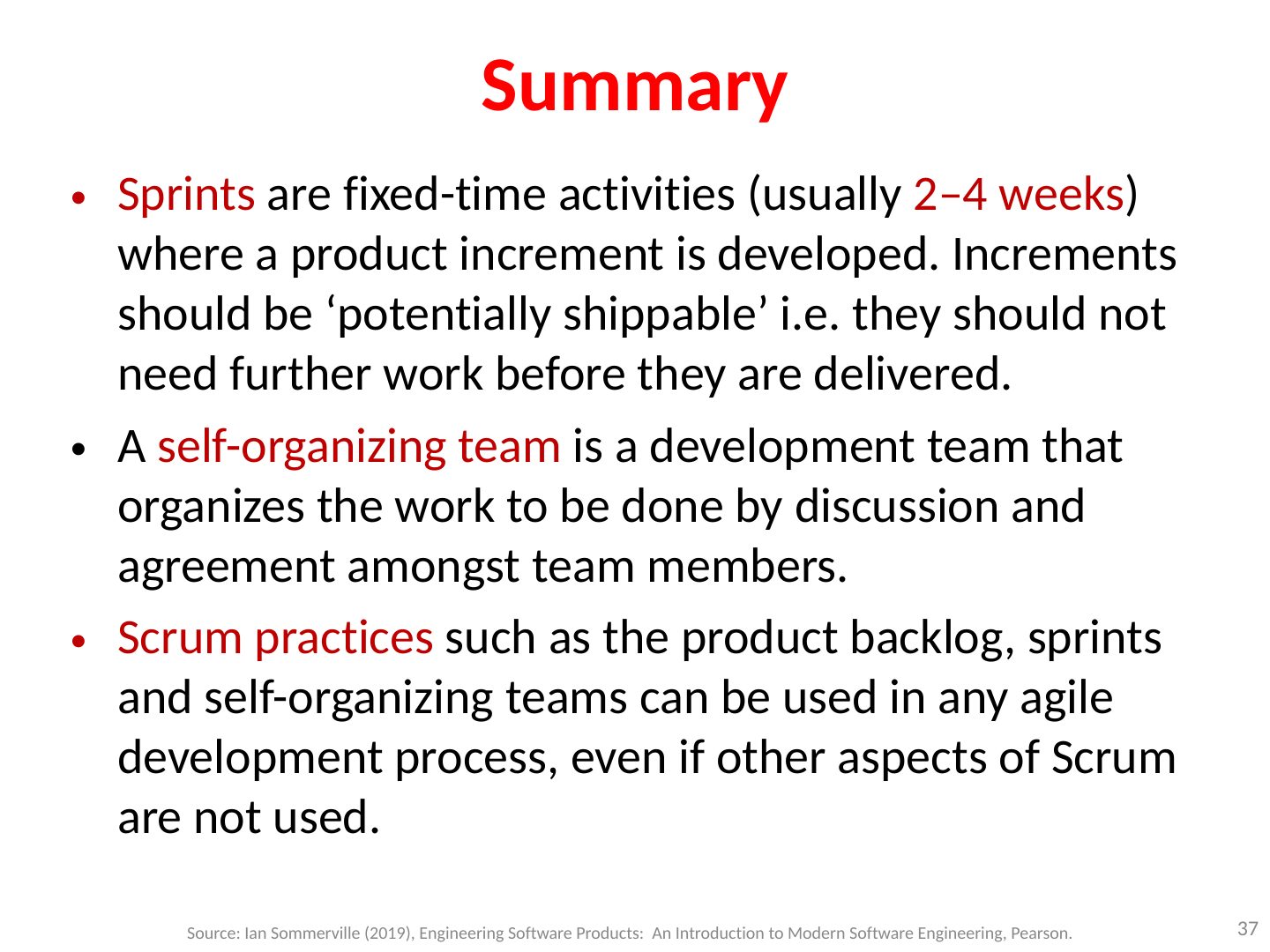
- 37 Summary
Software Engineering
Course Learning Outcome
Agile software engineering
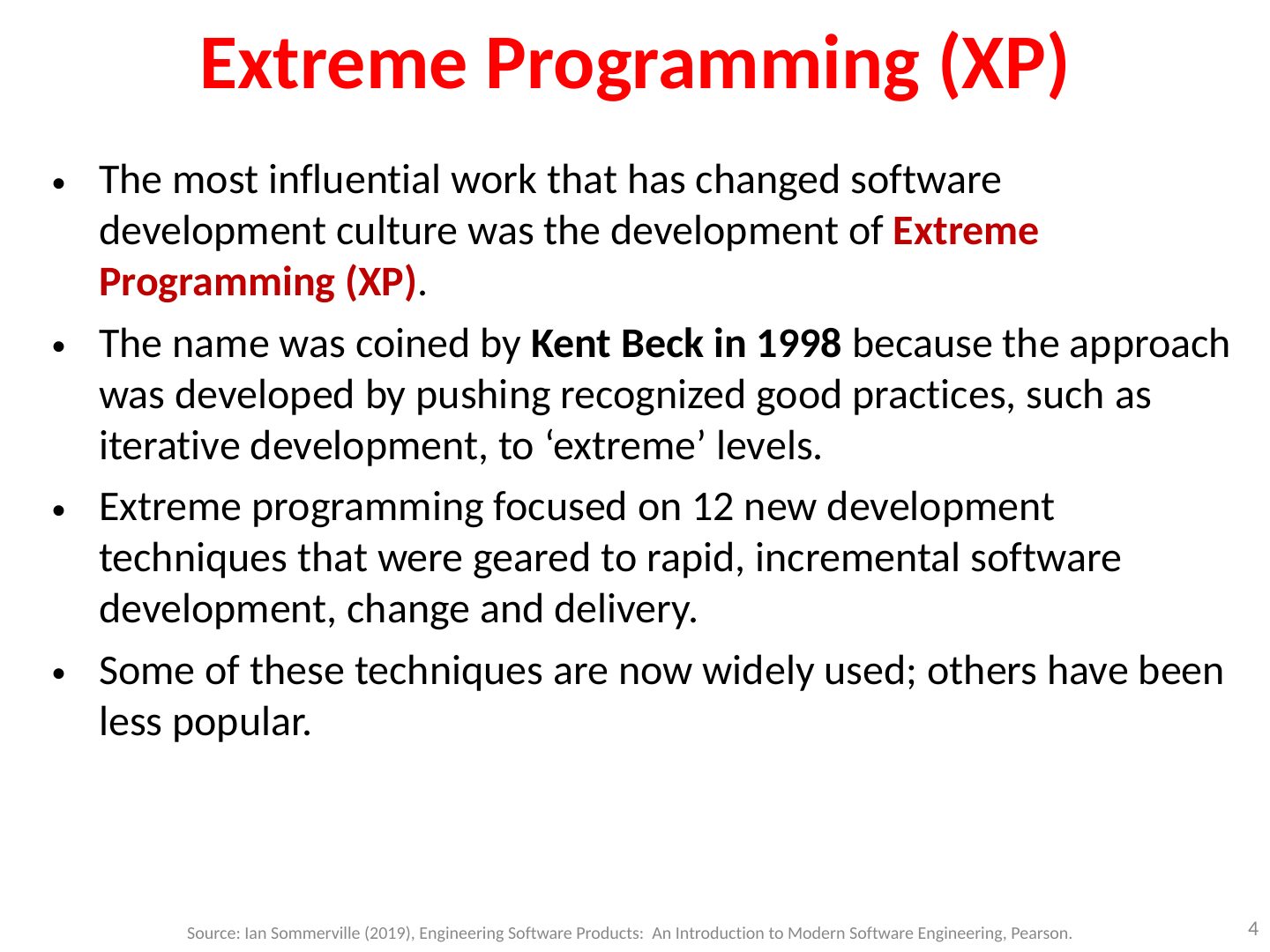
Extreme Programming (XP)
Notes
XP: an influential agile method taking good practice to the "extreme": very frequent releases, small increments.
Extreme Programming Practices
Widely adopted XP practices
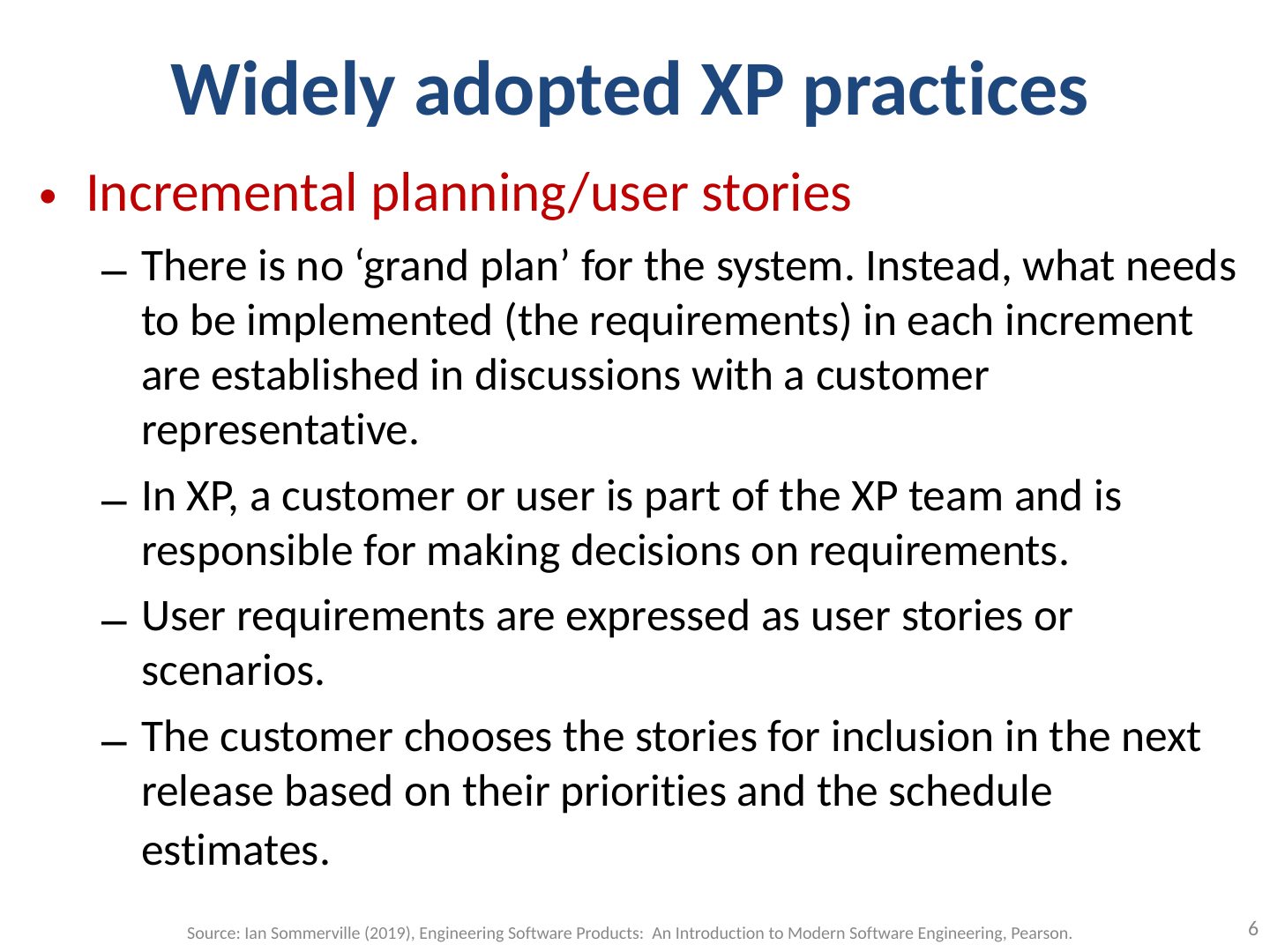
A ‘prescribing medication’ story
Notes
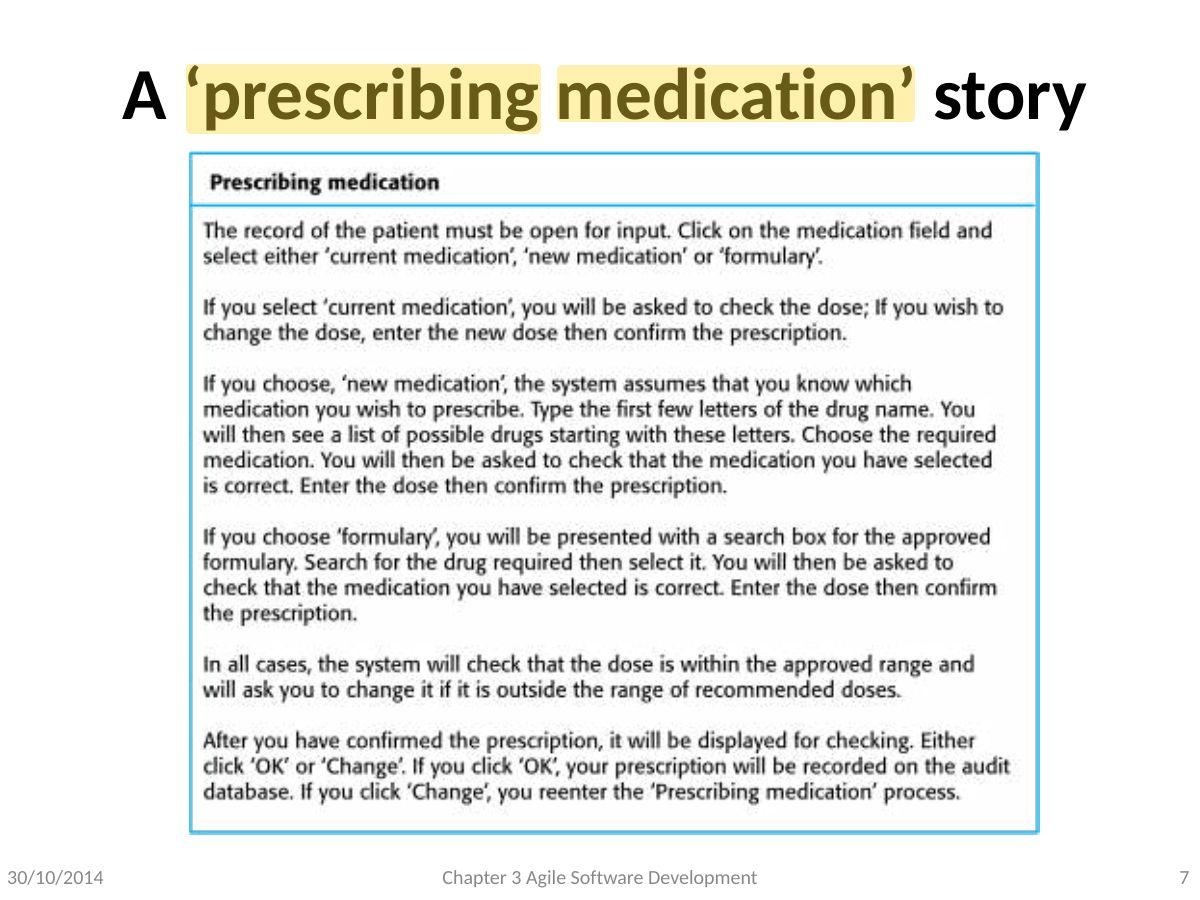
User stories: short scenarios from the user’s view; broken into task cards that are estimated.
Examples of task cards for prescribing medication
Widely adopted XP practices
Widely adopted XP practices
Notes
Test-first (TDD): write the test before the code; tests are automated and run on every build.
Exam angle
Test case description for dose checking
Widely adopted XP practices
Notes
Refactoring: improve structure without changing behaviour. Pair programming: two developers at one computer, roles swap.
Exam angle
Improving code structure without changing what it does is:
Widely adopted XP practices
Slide 14
Scrum
What is Scrum?
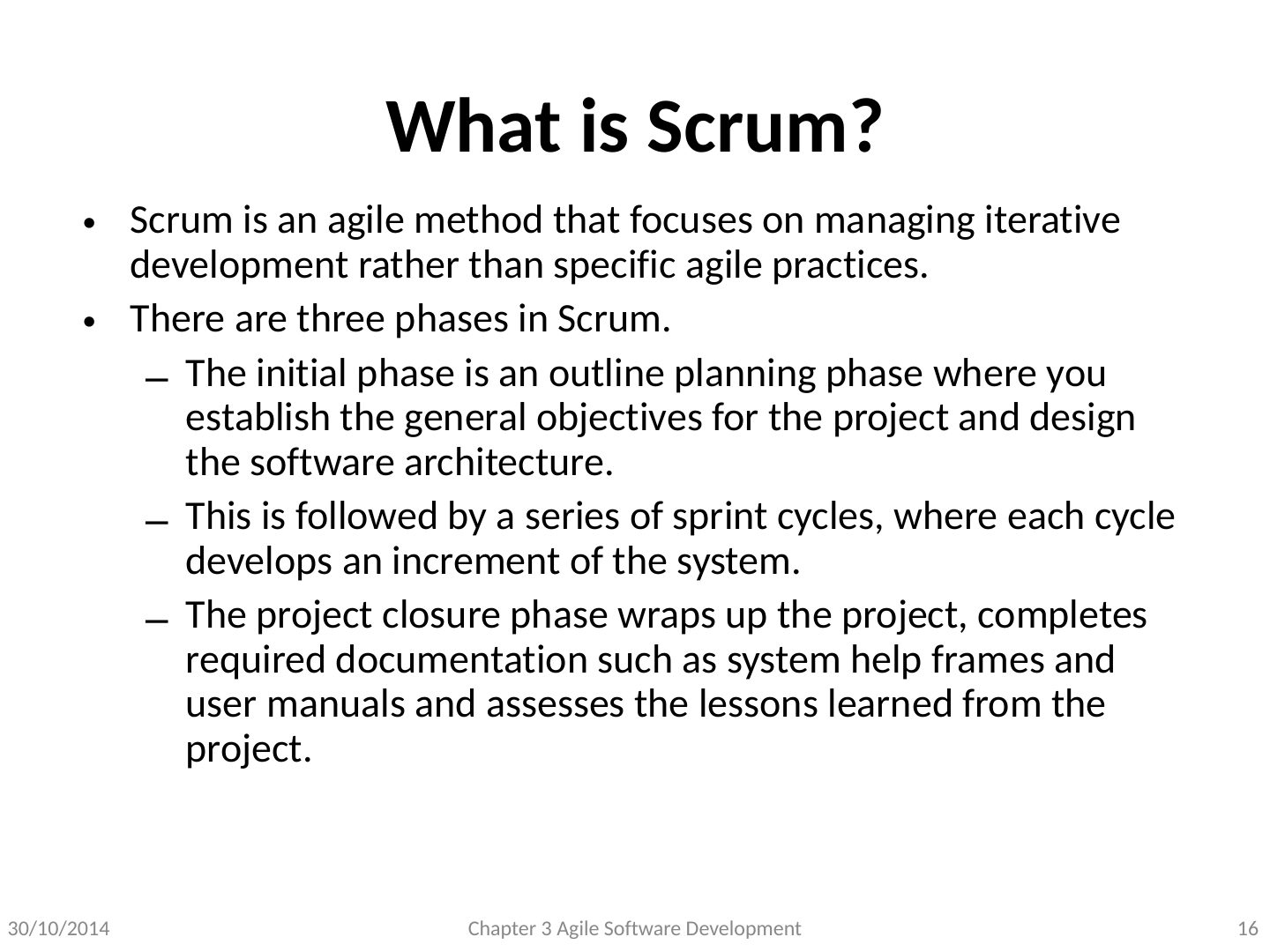
Scrum Terminology (a)
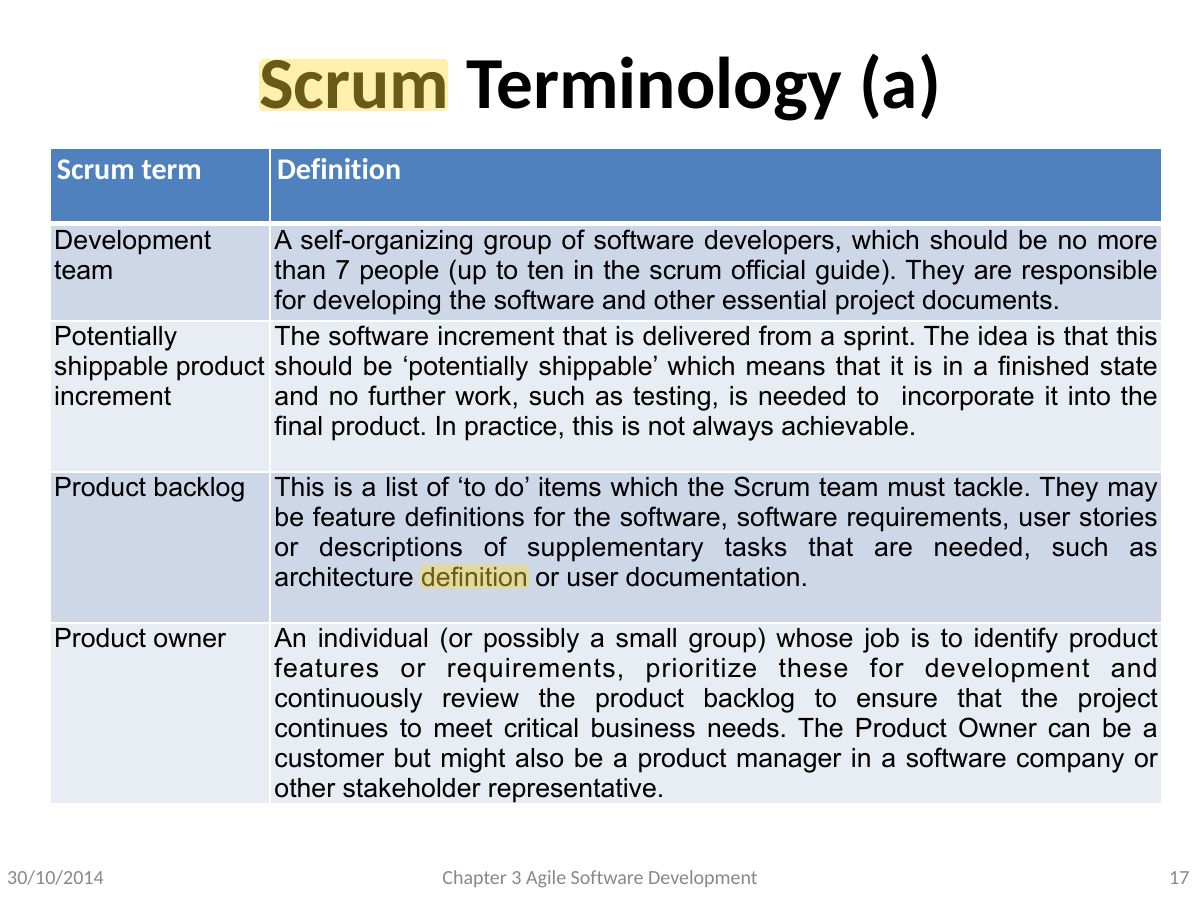
Notes
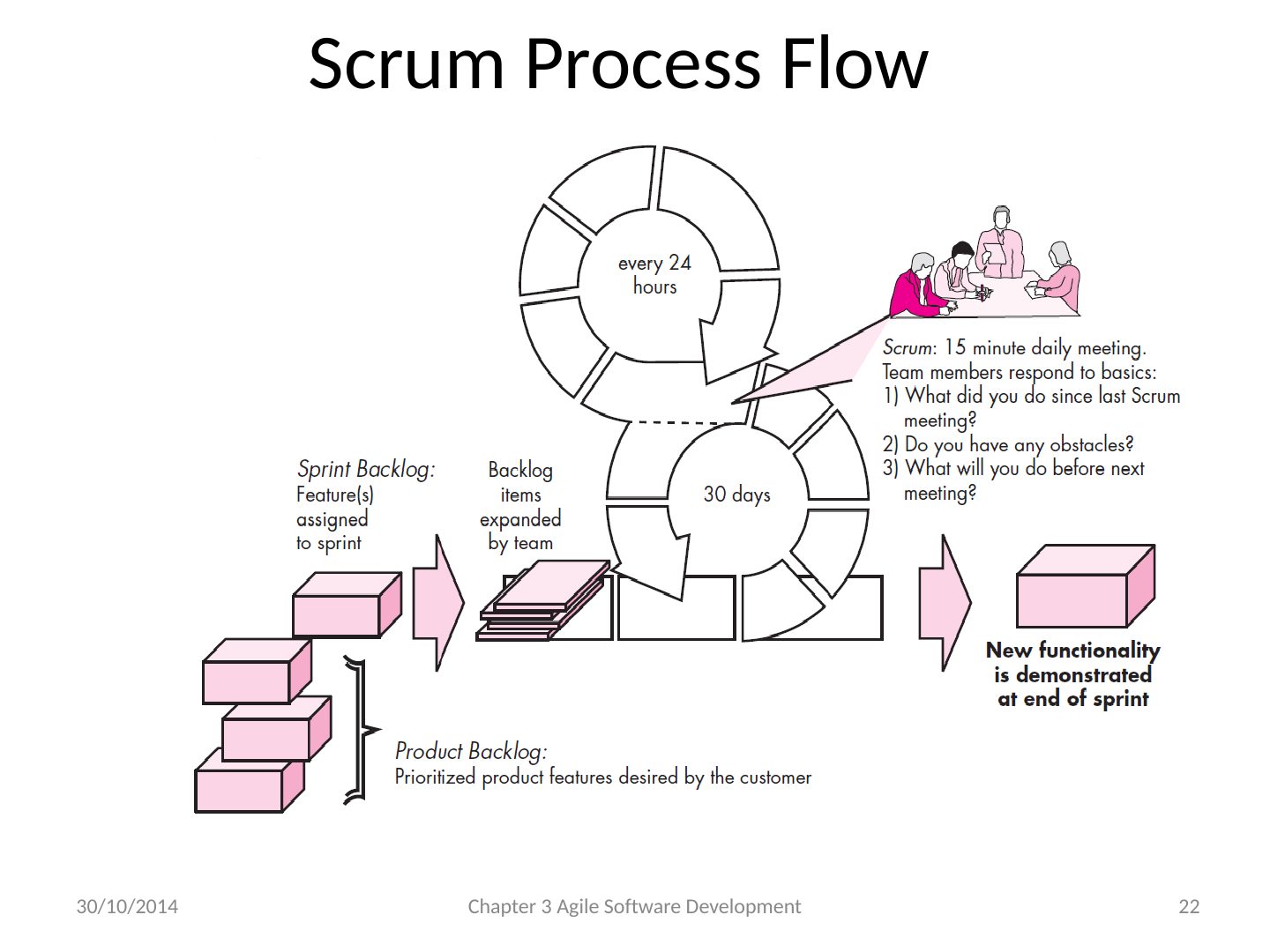
Scrum terms: product backlog, sprint backlog, sprint (2–4 weeks), daily scrum, velocity, potentially shippable increment.
Scrum Terminology (b)
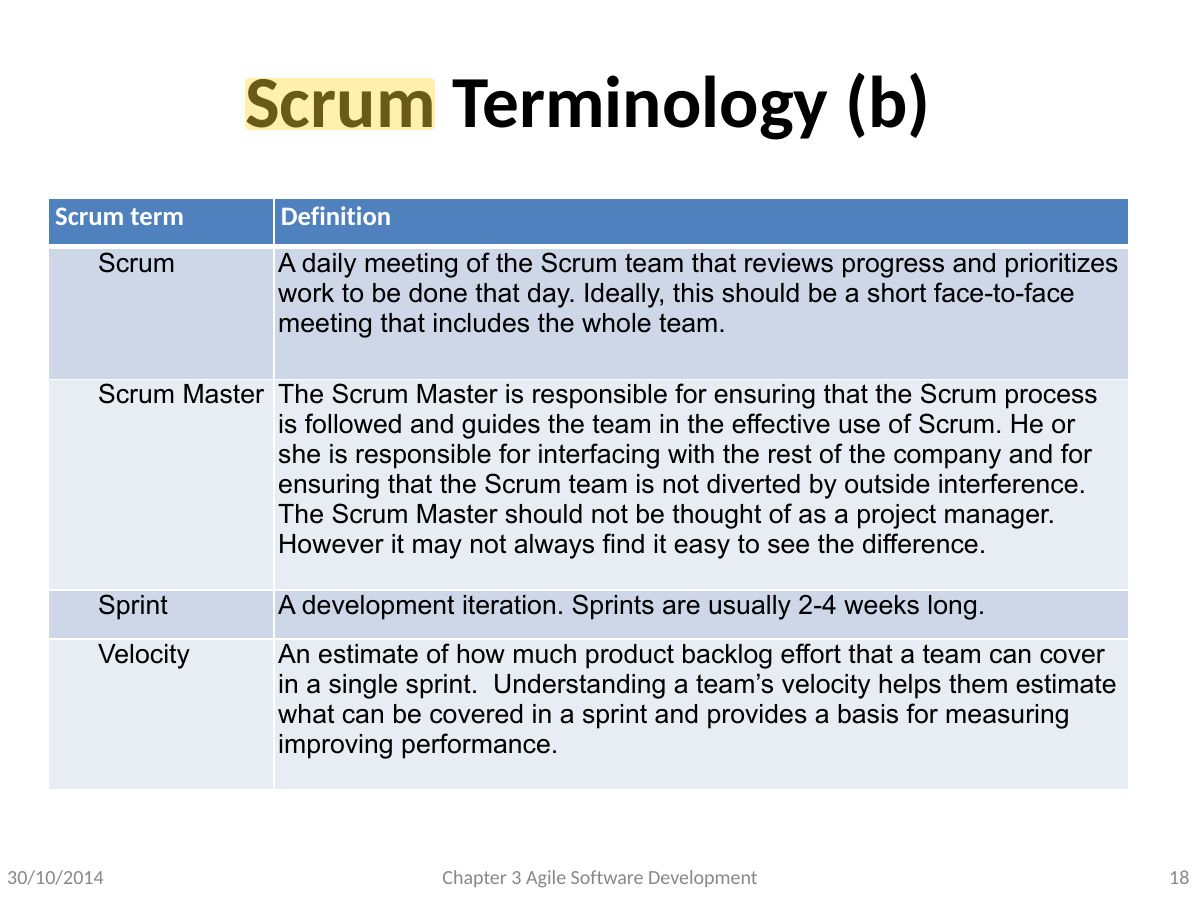
Key roles in Scrum
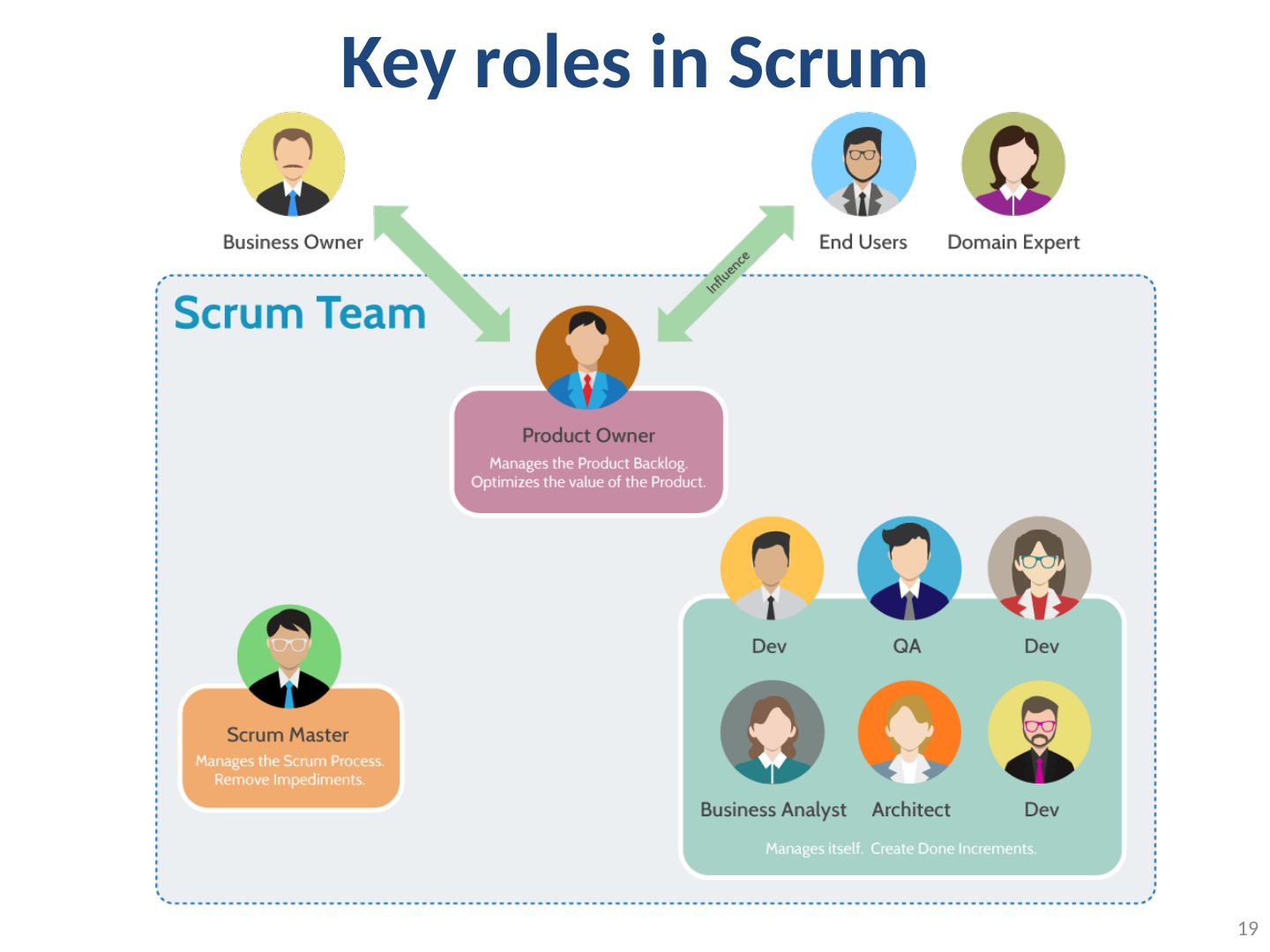
Notes
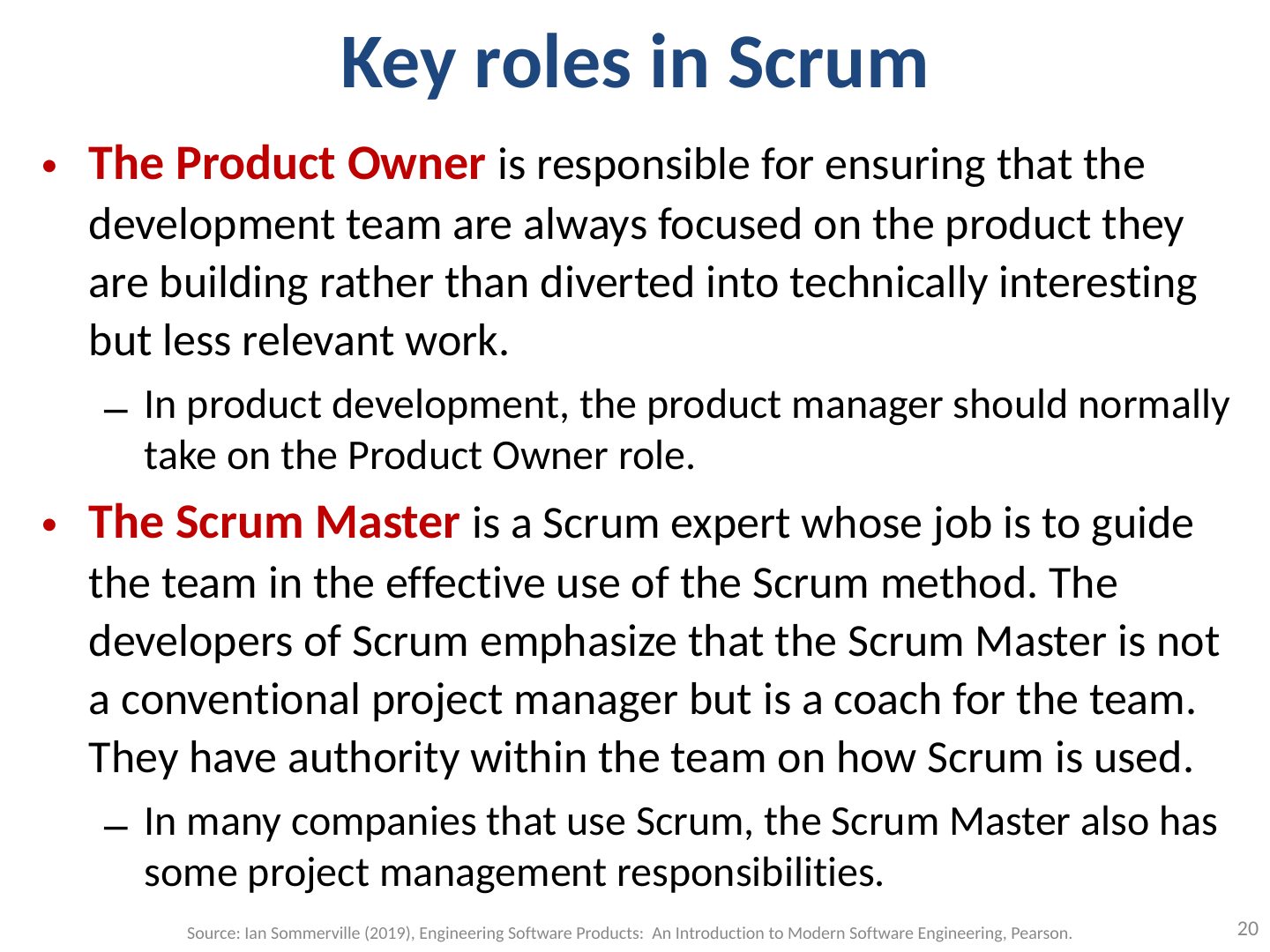
Roles: Product Owner (owns and prioritizes the backlog), Scrum Master (coach, removes impediments), Development Team (self-organizing).
Trap The Scrum Master is NOT a traditional project manager; the Product Owner prioritizes.
Exam angle
Who prioritizes the product backlog?
Who removes impediments for the team?
Key roles in Scrum
Scrum and sprints
Notes
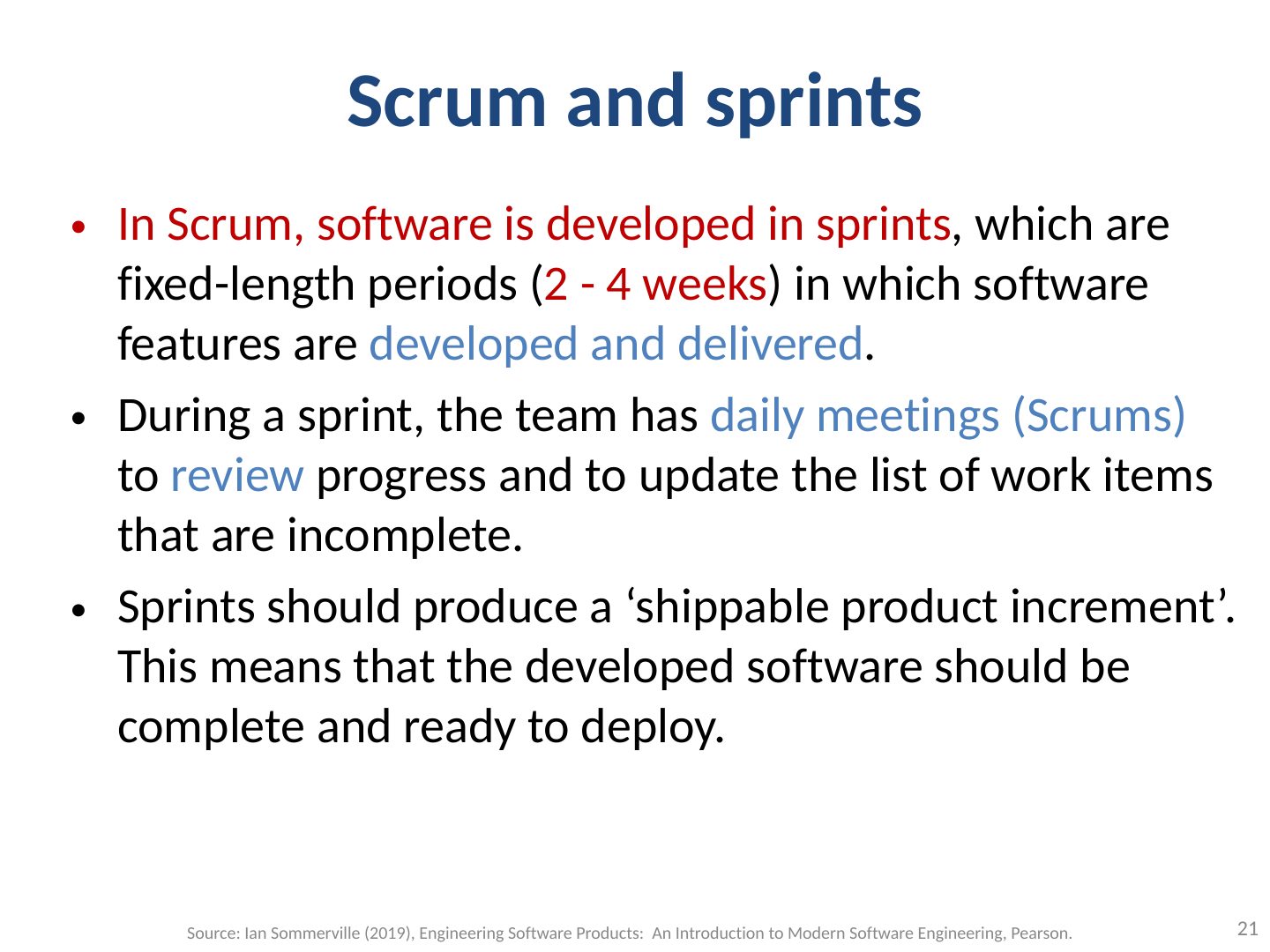
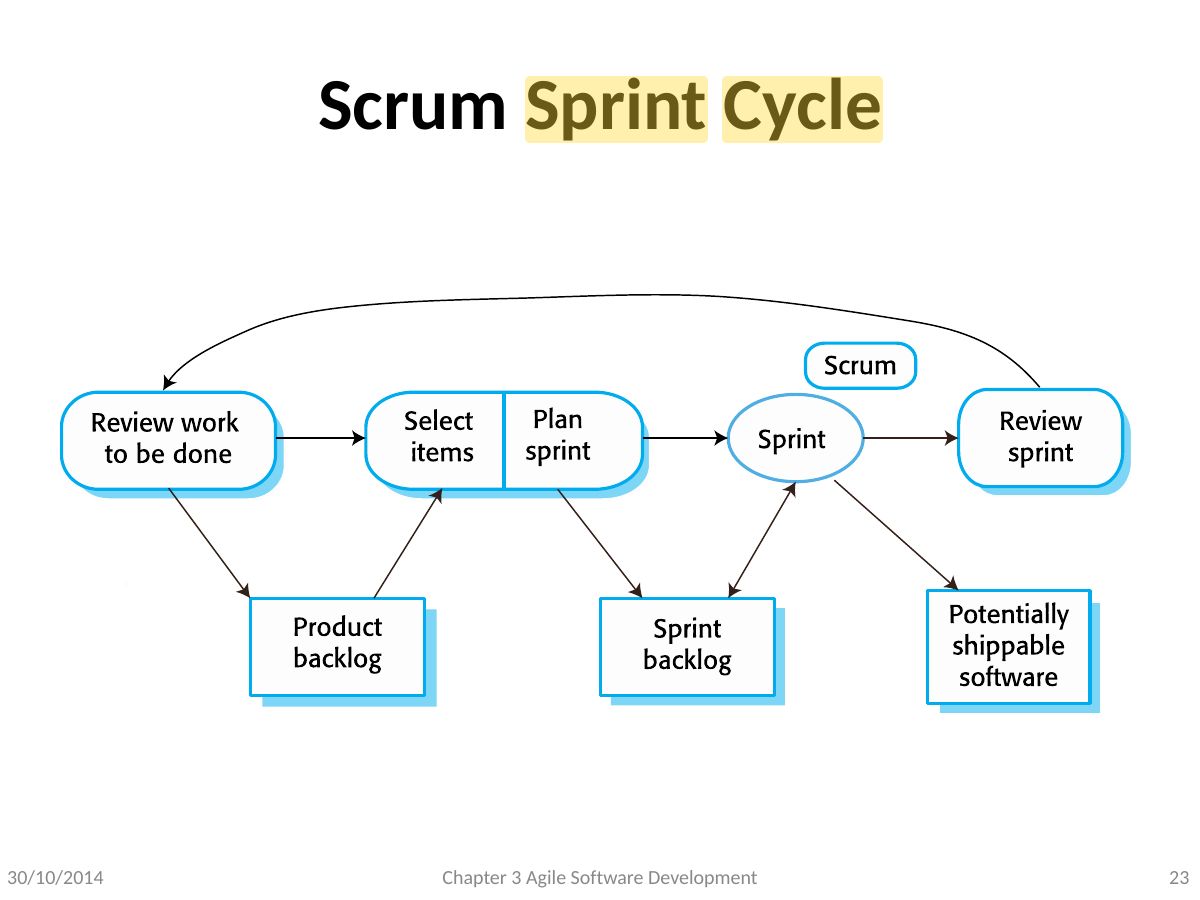
Sprint: a fixed time-box producing a potentially shippable increment. Sprint planning → daily scrums → review → retrospective.
Exam angle
The daily scrum is a short meeting where the team:
Scrum Process Flow
Scrum Sprint Cycle
Key Scrum practices
Product backlogs
Notes
Product backlog: a prioritized list of items (features, bugs, tech work) to do.
Examples of product backlog items (PBIs)
Product Backlog Item States
Product Backlog Activities
Sprint Activities
Managing External Interactions
Managing External Interactions
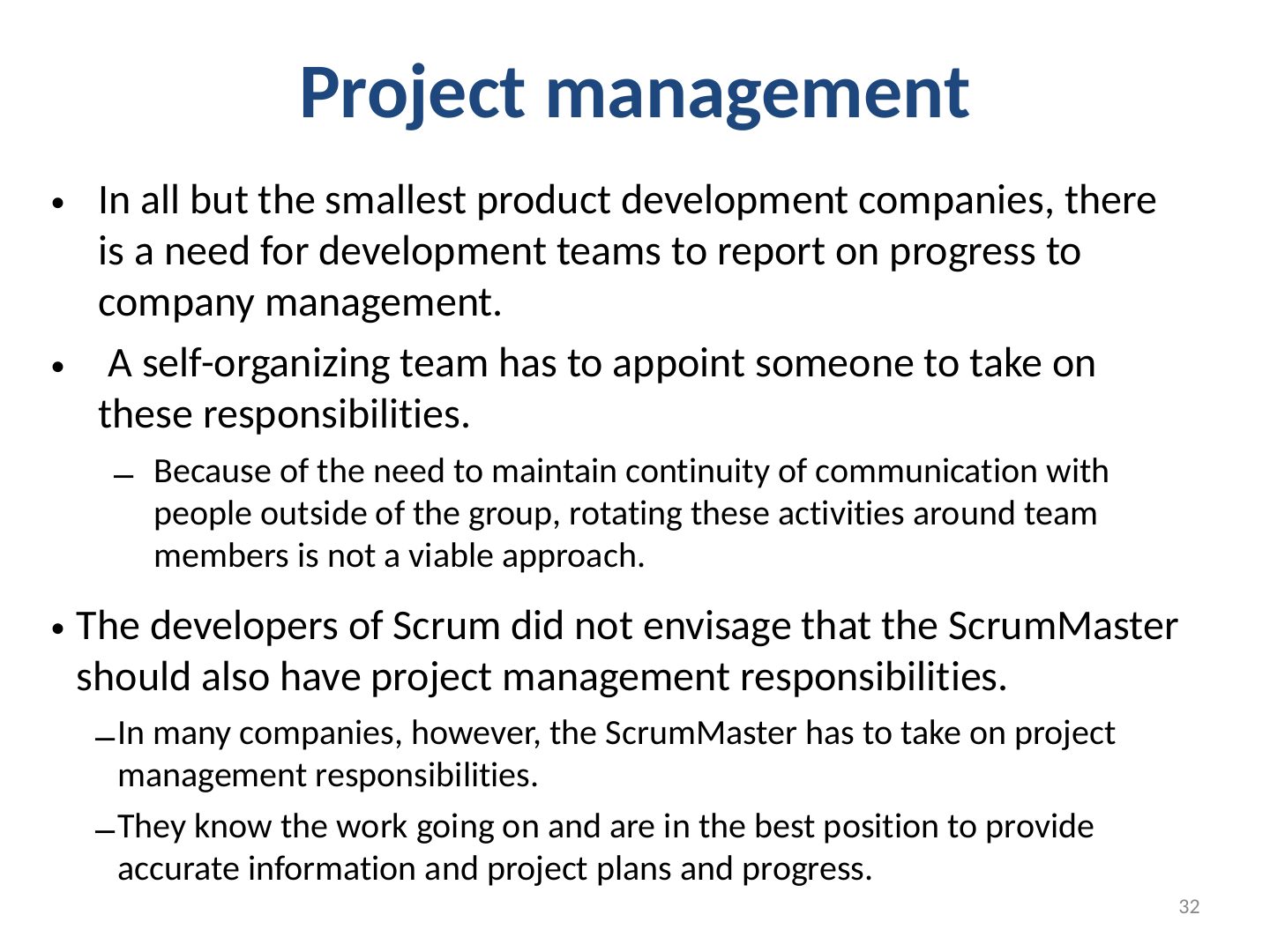
Project management
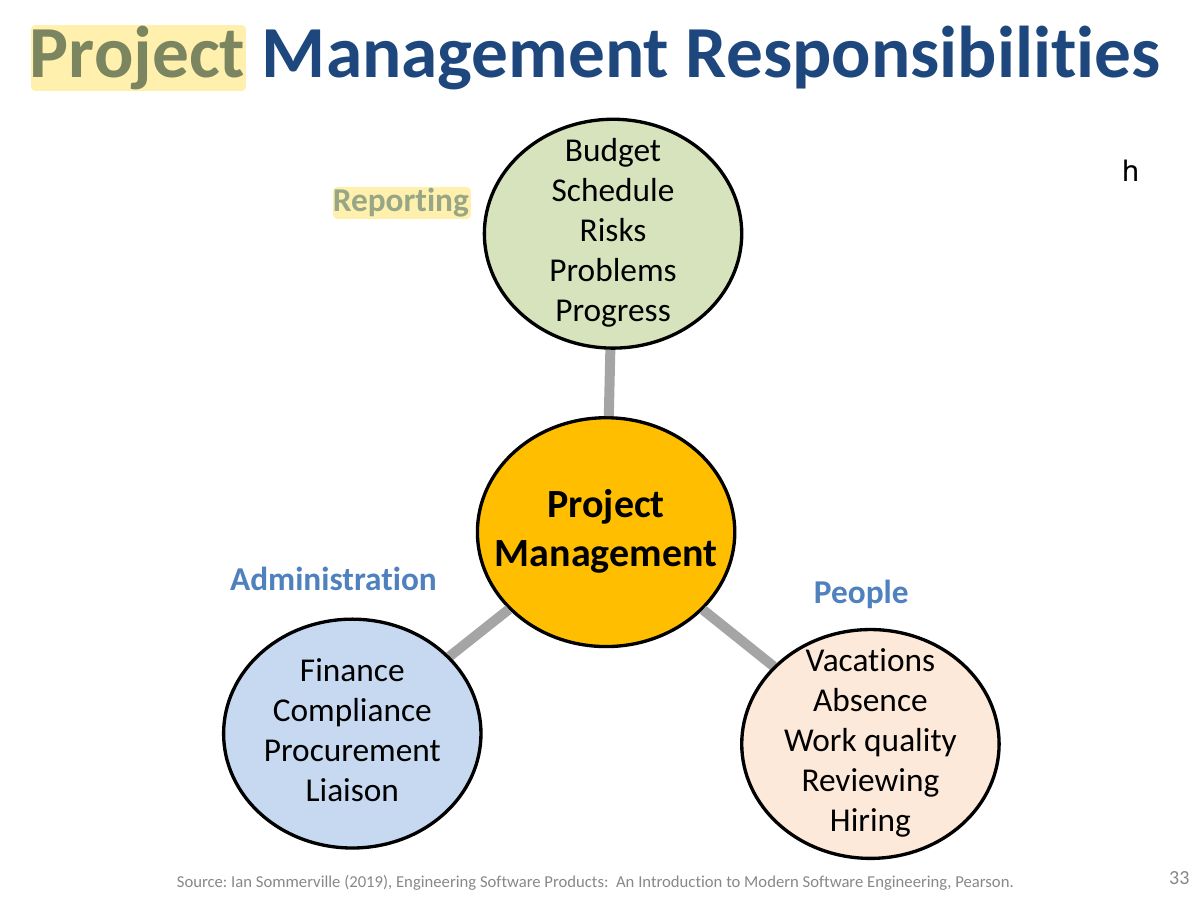
Project Management Responsibilities
Notes
Agile PM: the team estimates and commits; the Scrum Master facilitates; transparency through boards and burndown charts.
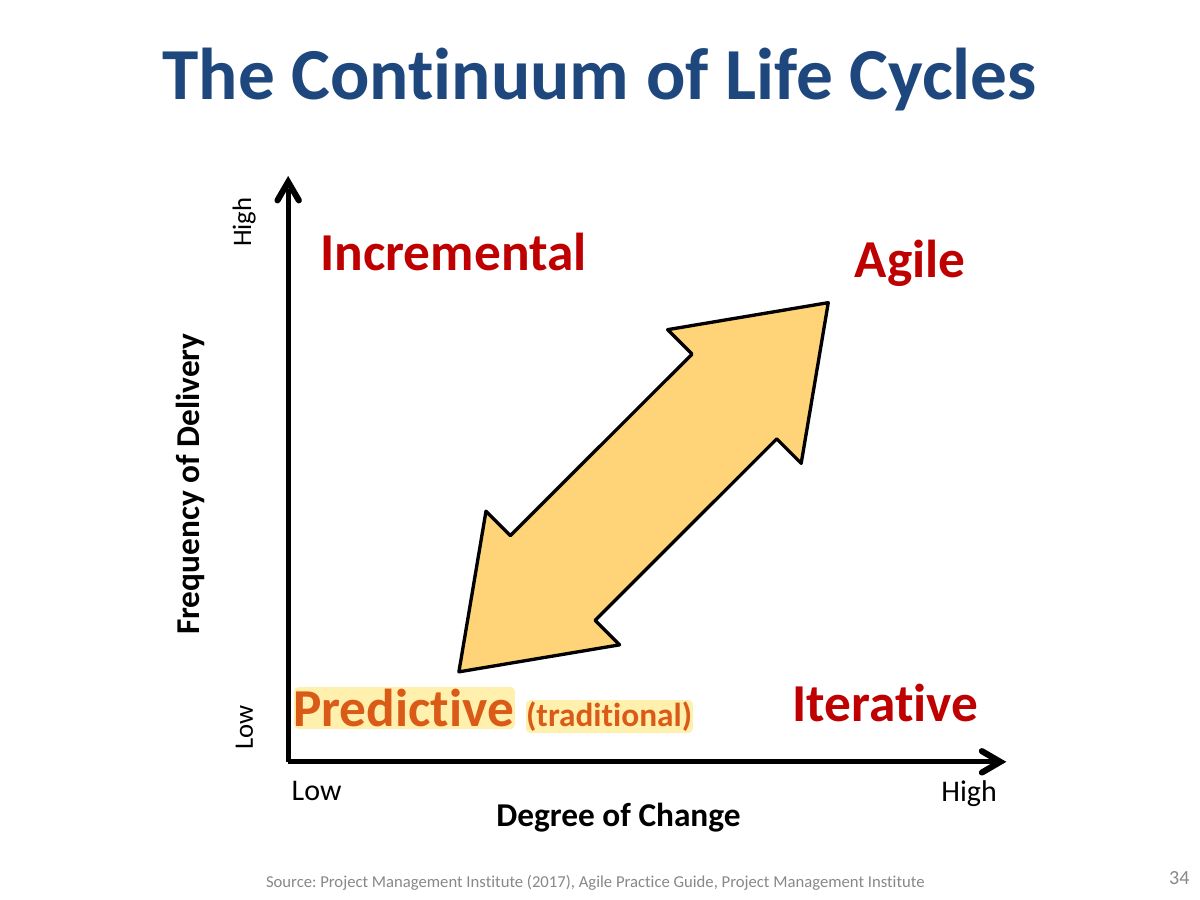
The Continuum of Life Cycles
Summary
Summary
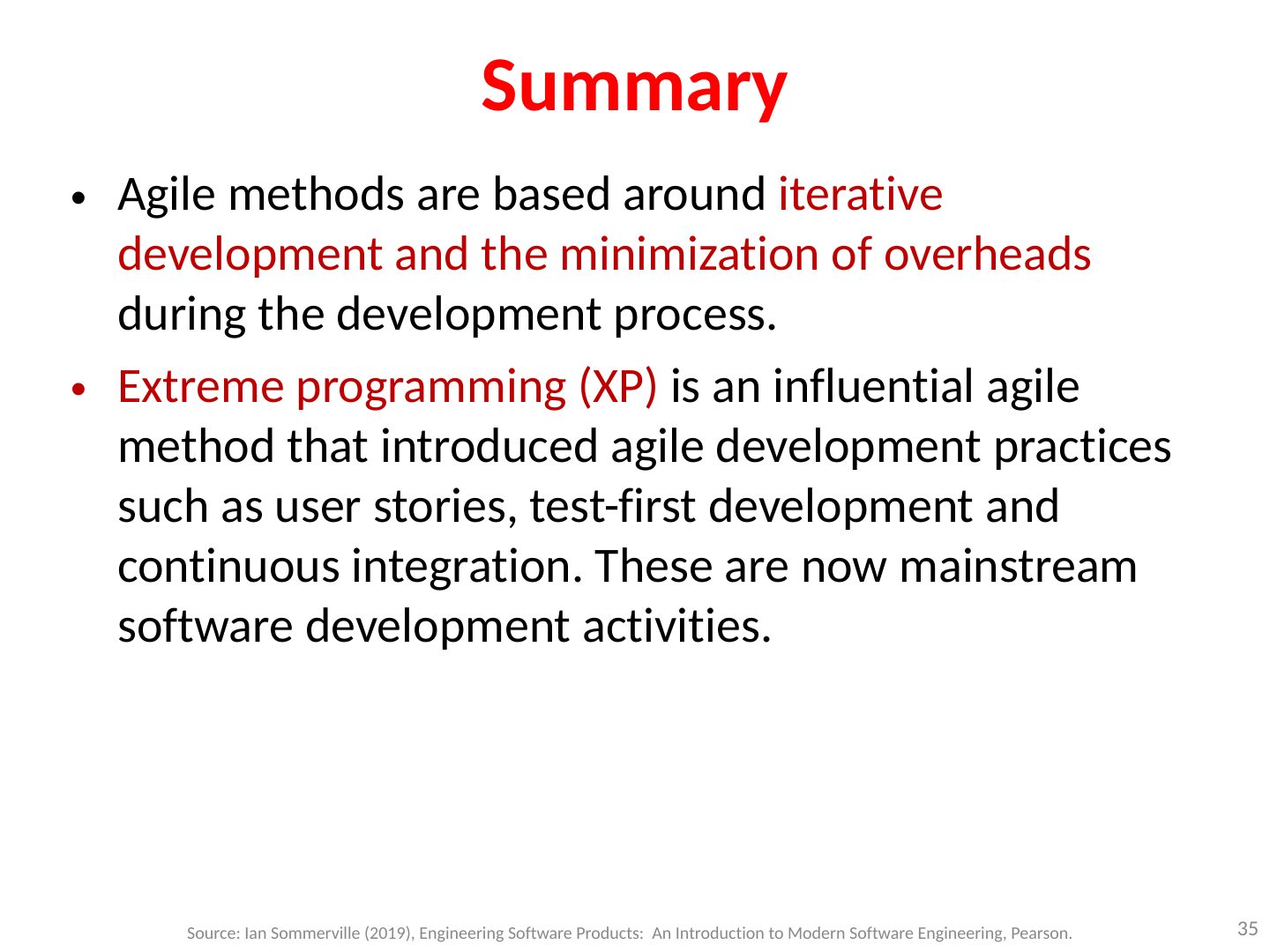
Summary