The waterfall model is most appropriate when:
Software Processes
Software process descriptions, plan-driven vs. agile processes, the waterfall and modified waterfall models, incremental development, evolutionary models (prototyping, spiral), component-based and reuse-oriented development, the Unified Process, and the Agile manifesto values and principles.
How to read this page
Every original slide is shown unchanged. Yellow marks on a slide point to a numbered note: hover or tap a mark to jump to its note, and hover a note to see its marks. Questions tagged Past exam appeared on a real paper; Prediction questions are likely angles, not confirmed. Pick an answer to each question: a wrong pick tells you why it is wrong, so you can try again.
All 49 slides
- 1 Software Engineering
- 2 Course Learning Outcome
- 3 The Software Process
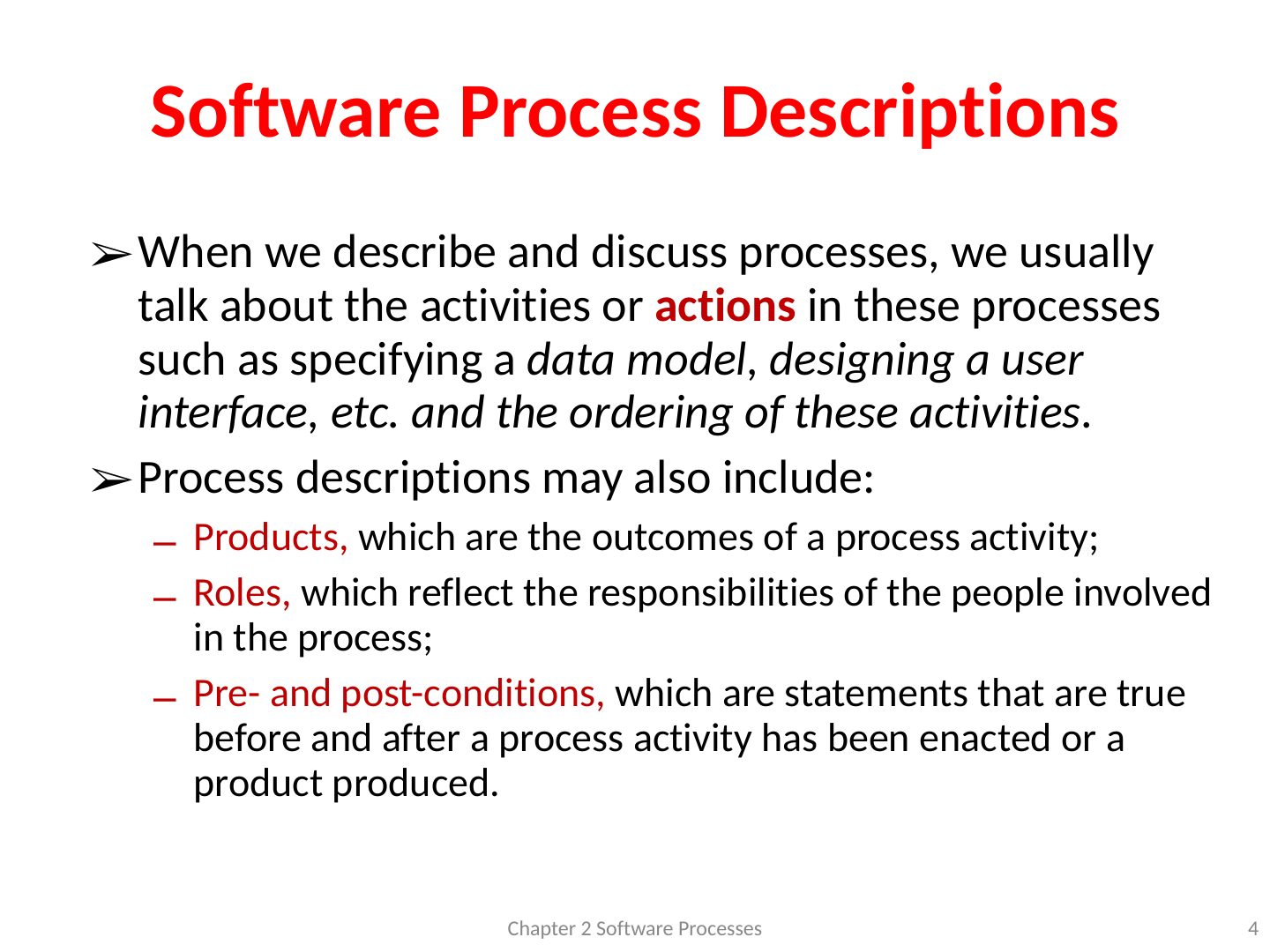
- 4 Software Process Descriptions
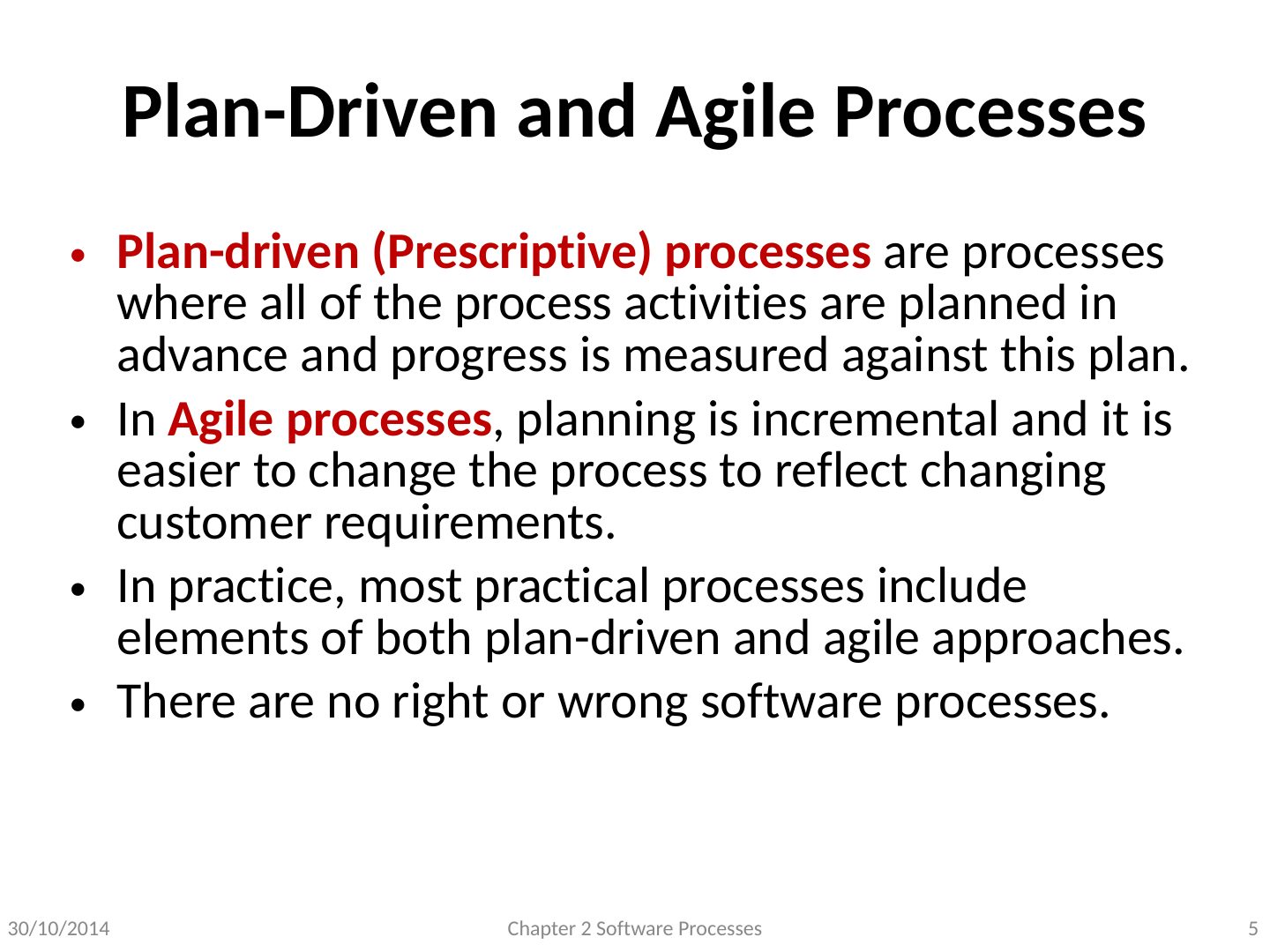
- 5 Plan-Driven and Agile Processes
- 6 Traditional/Planned
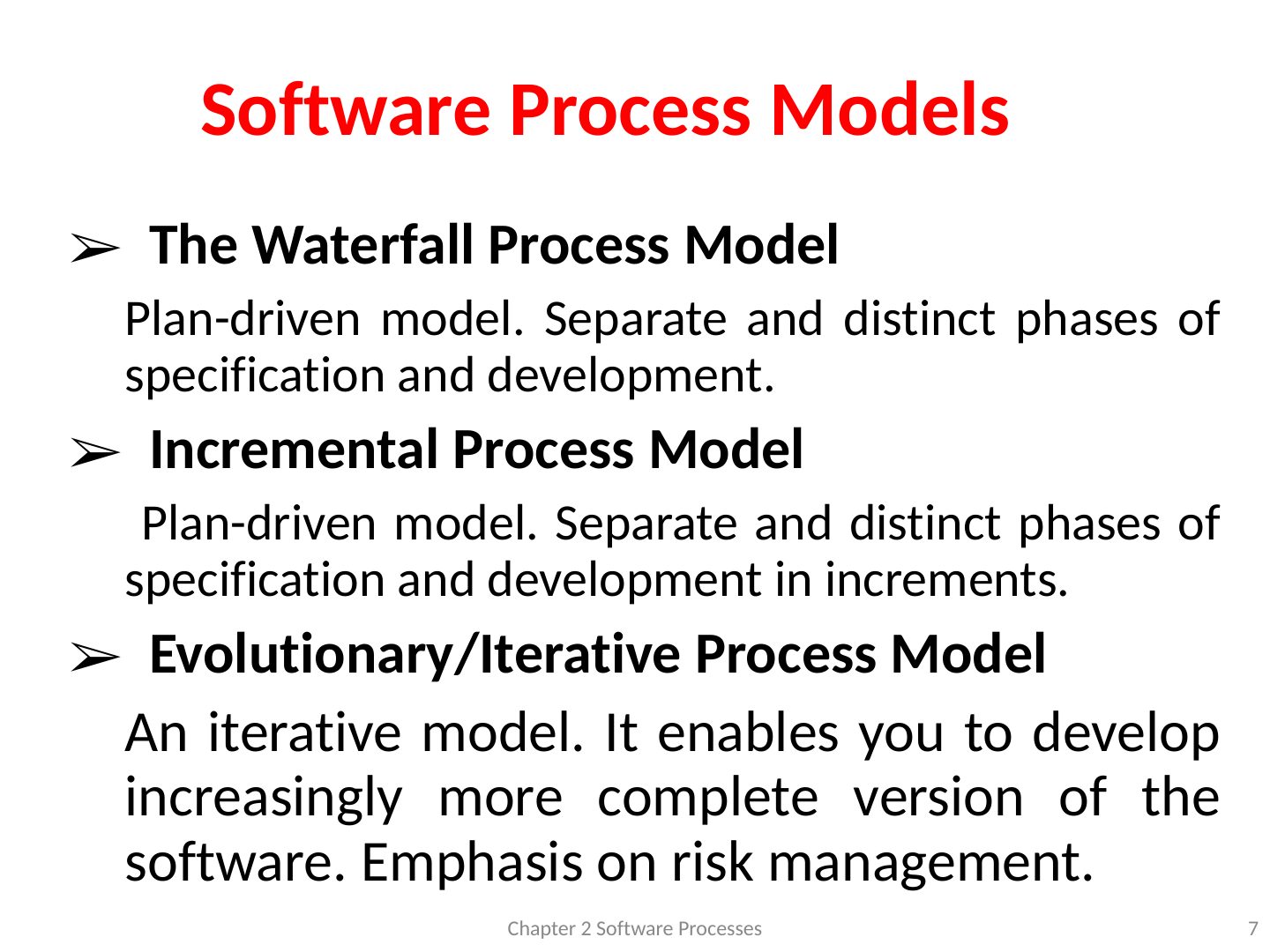
- 7 Software Process Models
- 8 The waterfall model
- 9 Waterfall model phases
- 10 When to Use Waterfall Model
- 11 Waterfall Model drawback
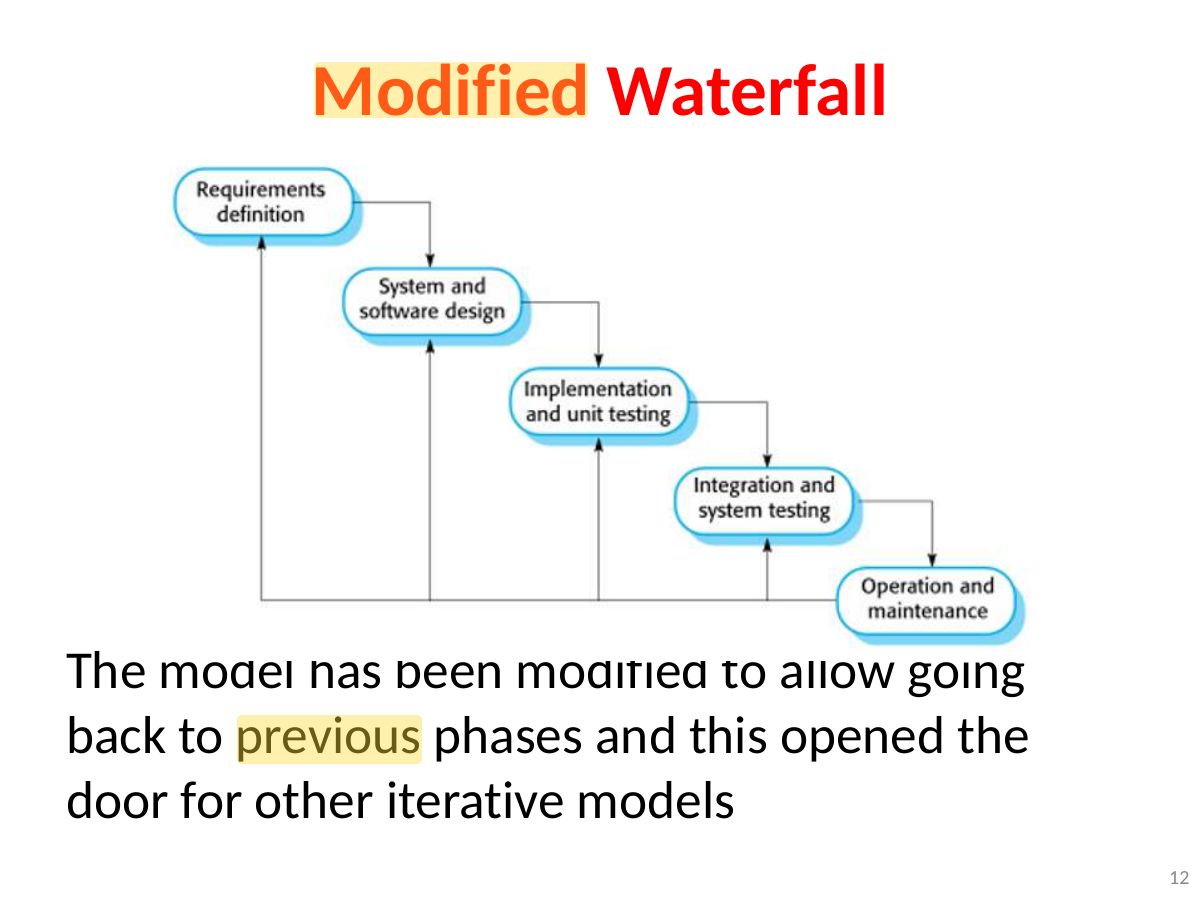
- 12 Modified Waterfall
- 13 Incremental Model
- 14 Incremental Model
- 15 Incremental Model Activities
- 16 Incremental Model Benefits
- 17 Incremental Model Problems
- 18 Evolutionary Model
- 19 Evolutionary Models - Prototyping
- 20 Evolutionary Models - Prototyping
- 21 Evolutionary Models - Prototyping
- 22 Evolutionary Models - Prototyping
- 23 Evolutionary Models - Spiral
- 24 Evolutionary Models - Spiral
- 25 Evolutionary Models - Spiral
- 26 Slide 26
- 27 Component-Based Development
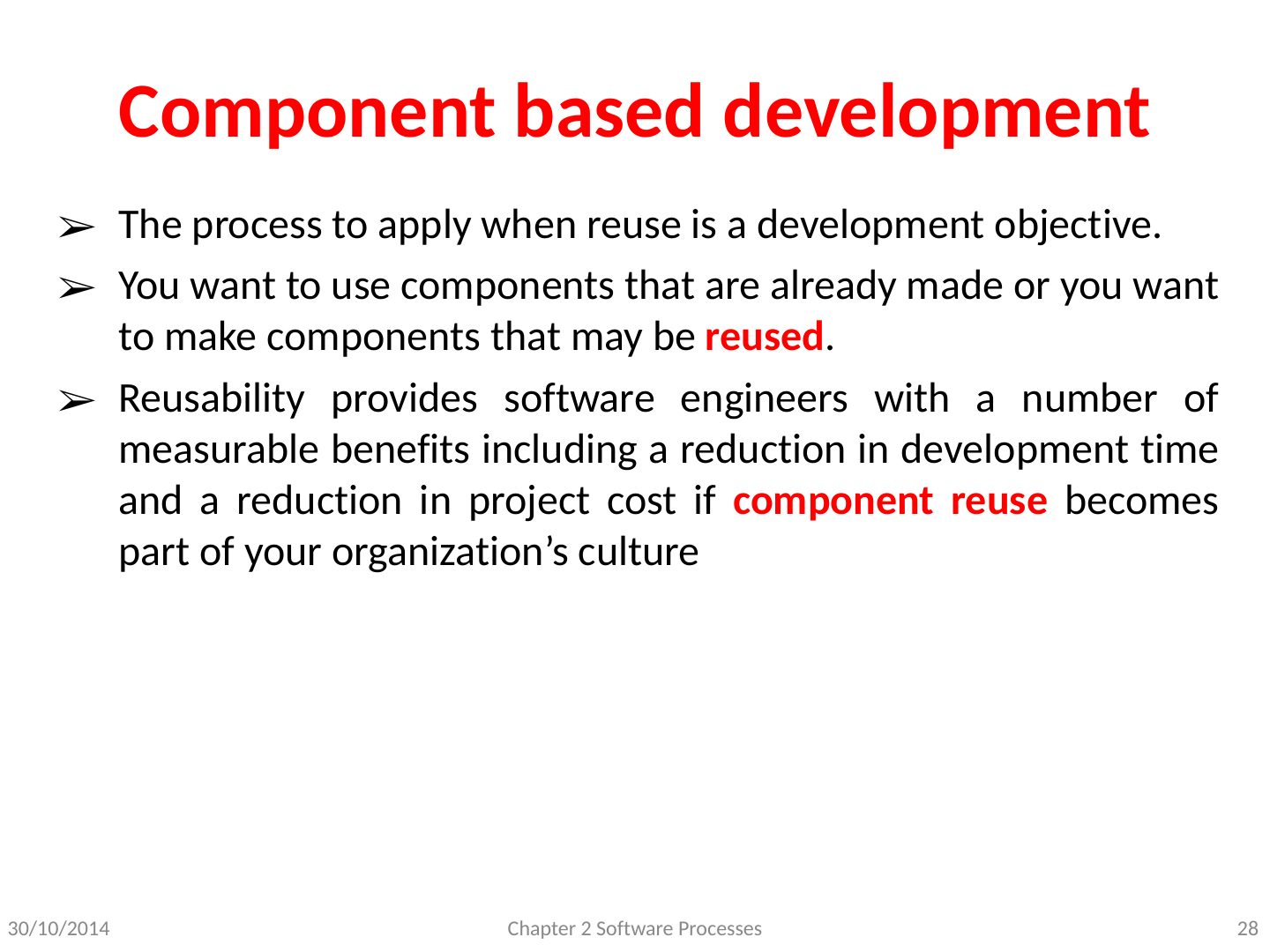
- 28 Component based development
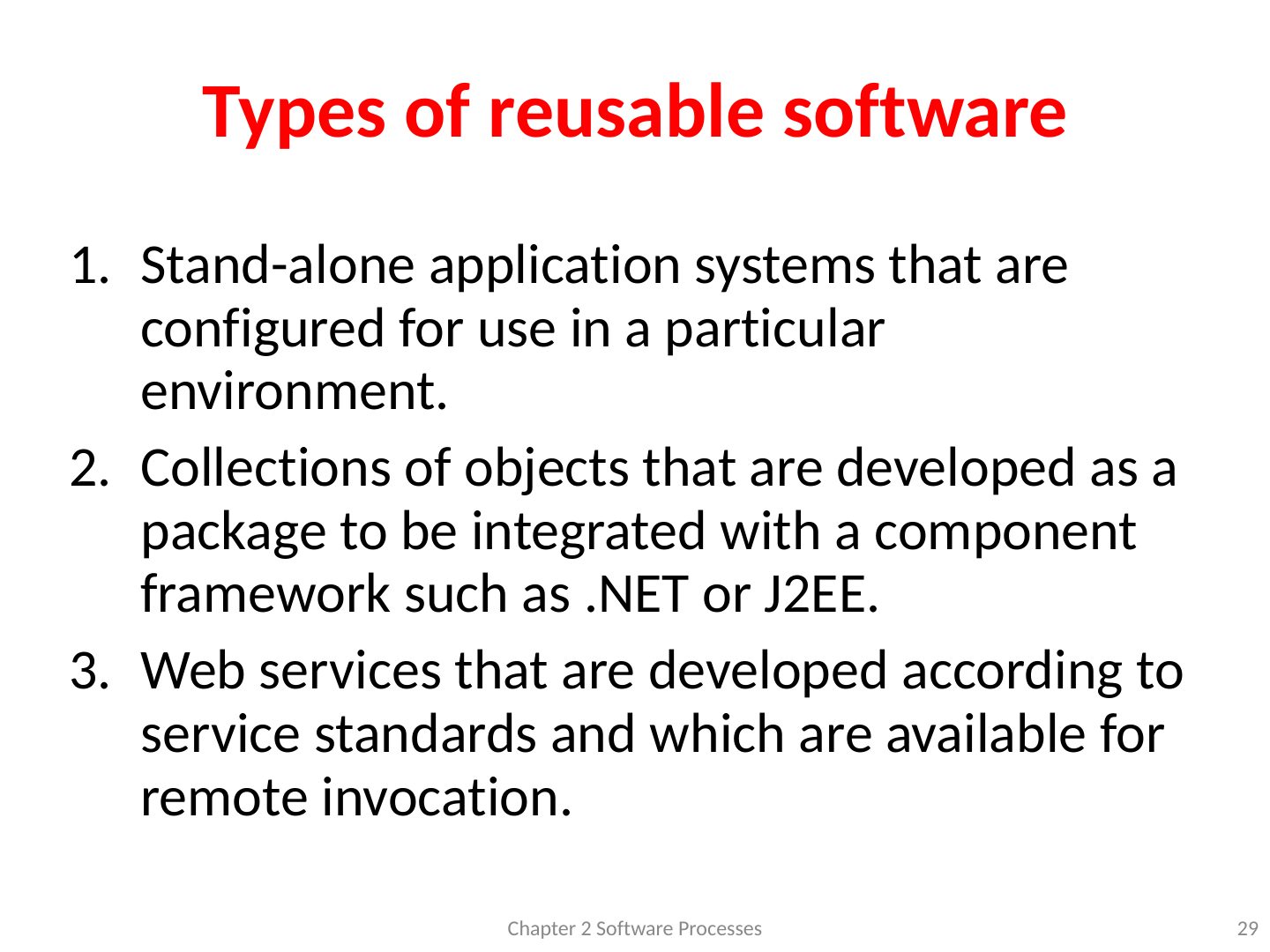
- 29 Types of reusable software
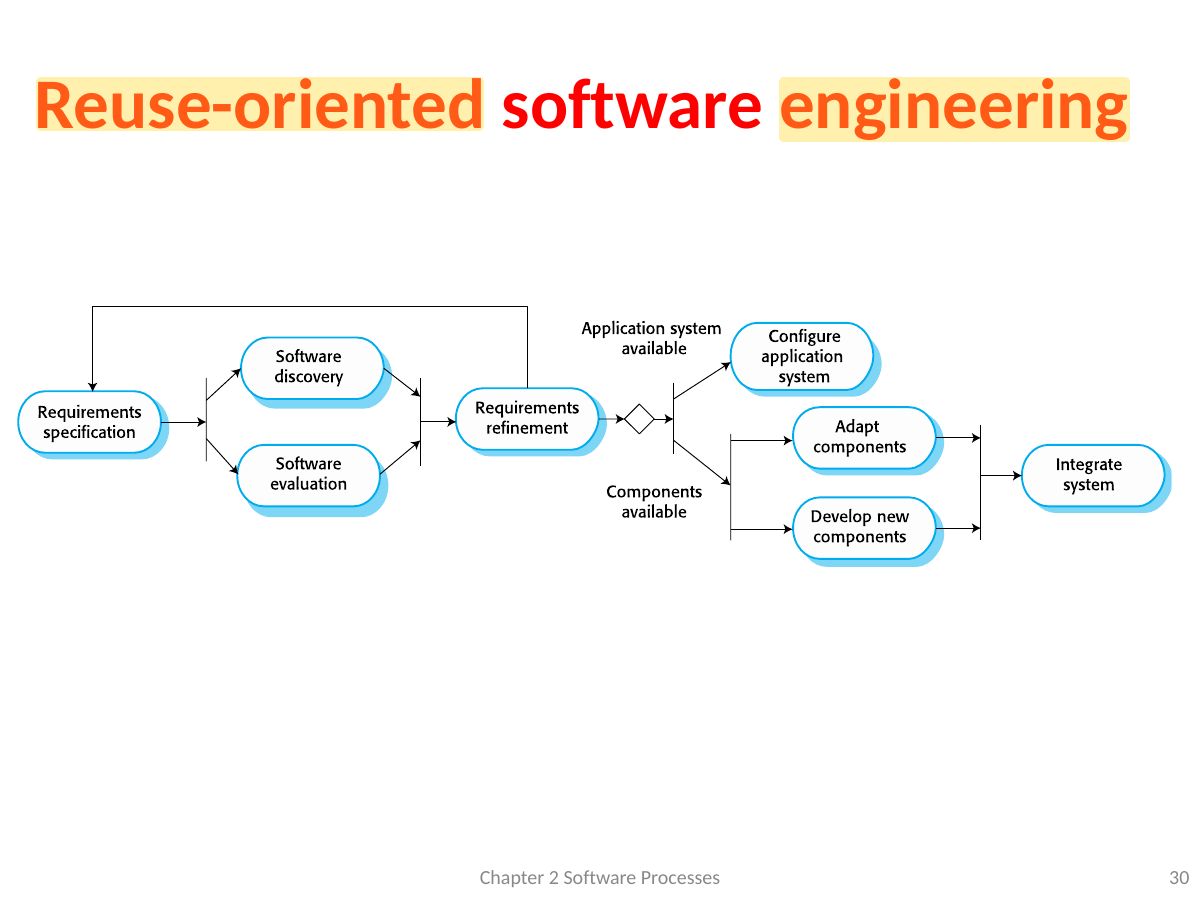
- 30 Reuse-oriented software engineering
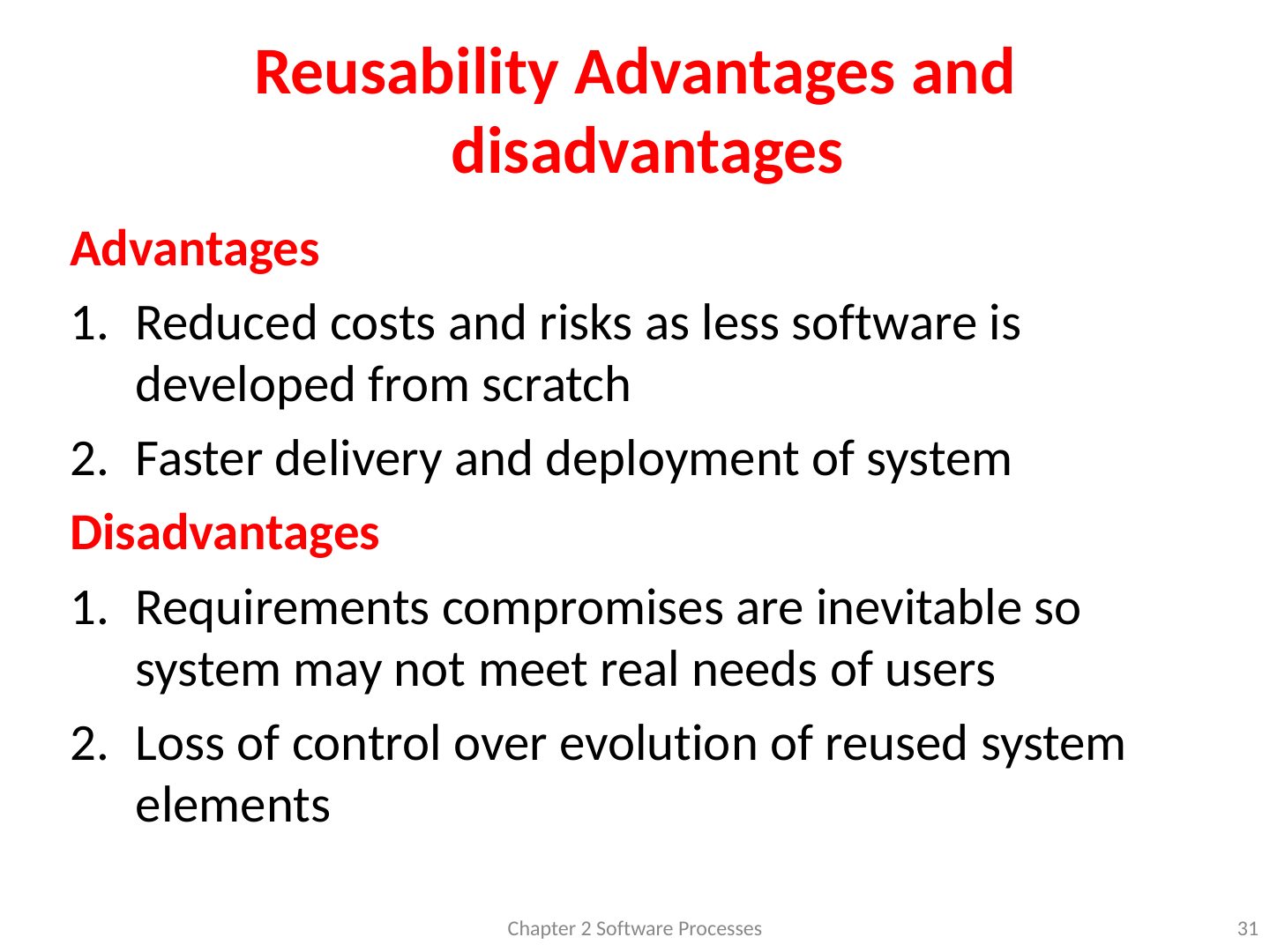
- 31 Reusability Advantages and disadvantages
- 32 The Unified Process (UP)
- 33 The Unified Process (UP)
- 34 The Unified Process (UP)
- 35 The Unified Process (UP)
- 36 Agile
- 37 Agile software engineering
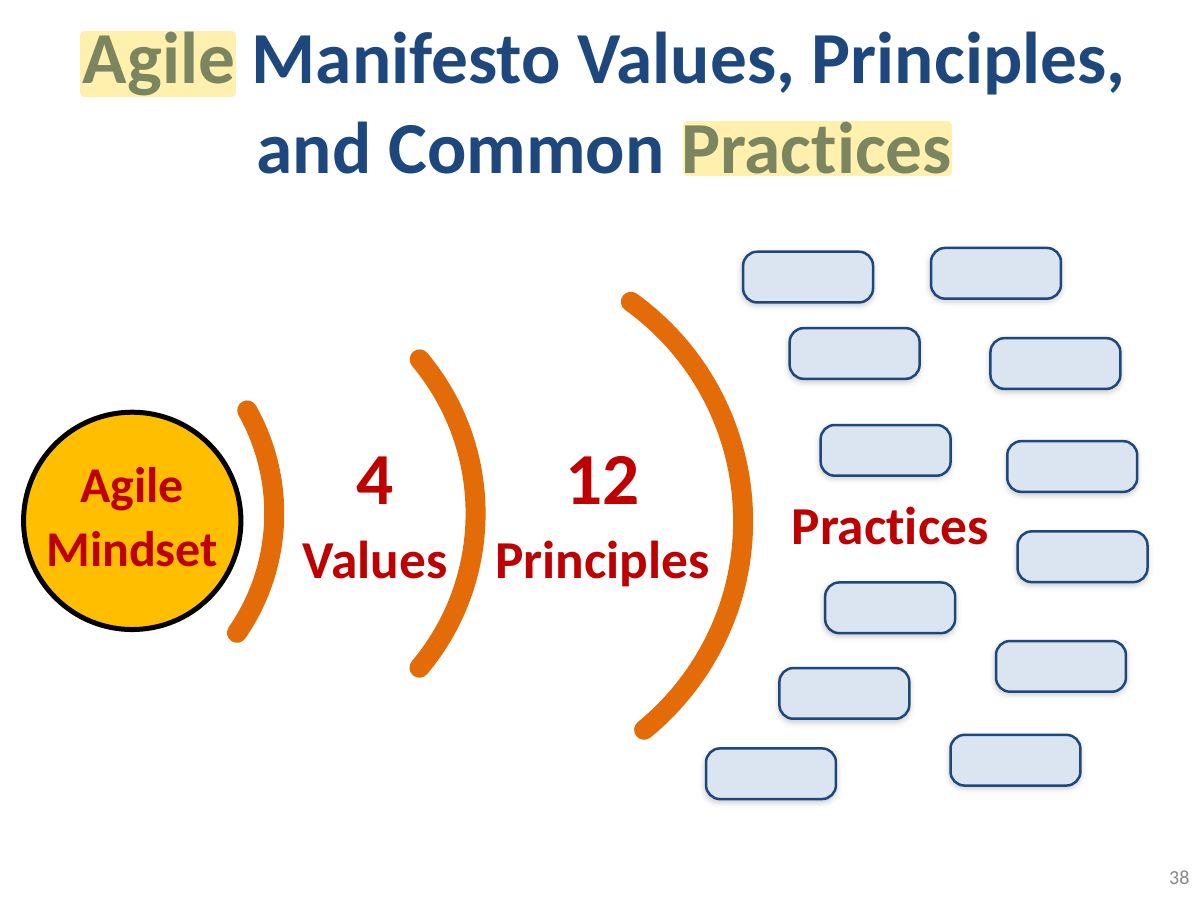
- 38 Agile Manifesto Values, Principles, and Common Practices
- 39 Agile Manifesto and Mindset
- 40 Slide 40
- 41 The Four Values of the Agile Manifesto
- 42 Slide 42
- 43 The Twelve Principles Behind the Agile Manifesto
- 44 The Twelve Principles Behind the Agile Manifesto
- 45 Agile is a Blanket Term for Many Approaches
- 46 Key points
- 47 Key points
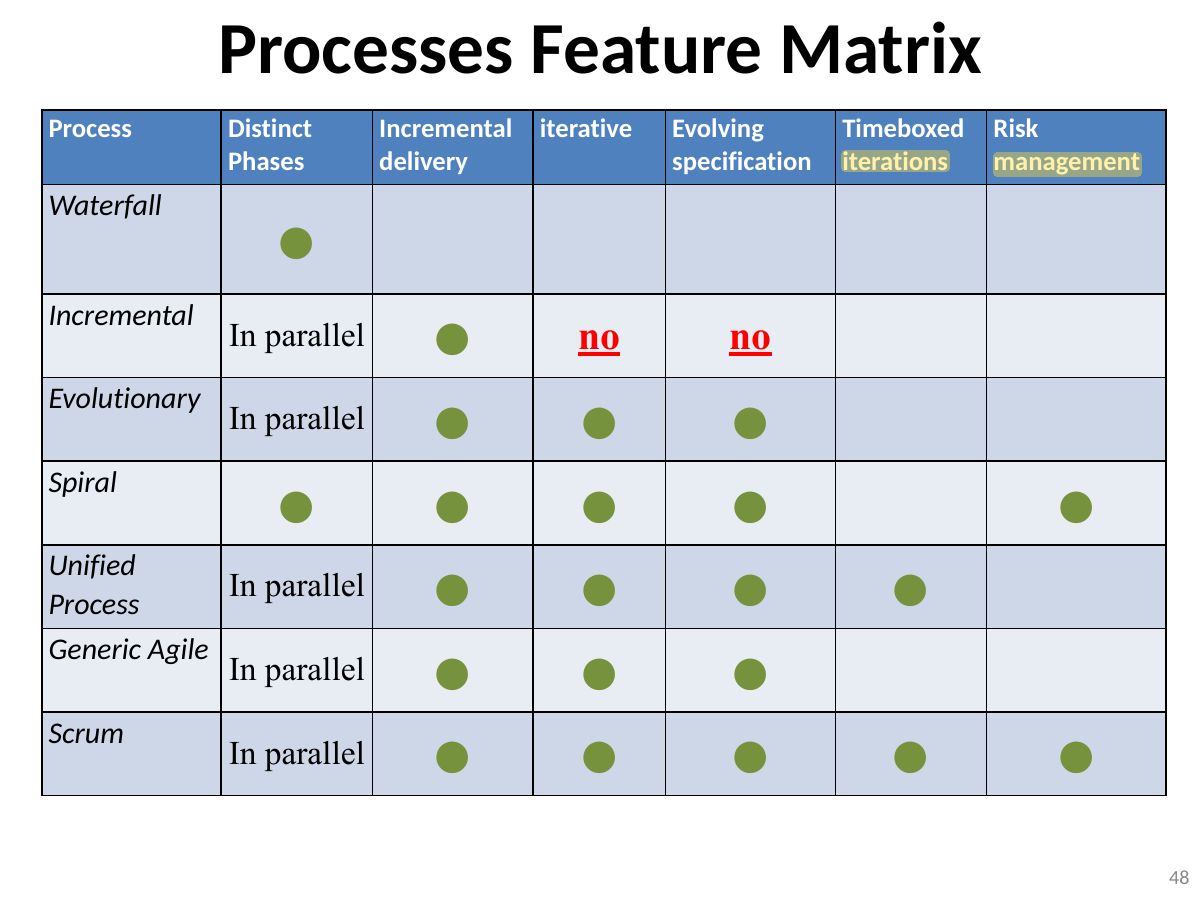
- 48 Processes Feature Matrix
- 49 Key points
Software Engineering
Course Learning Outcome
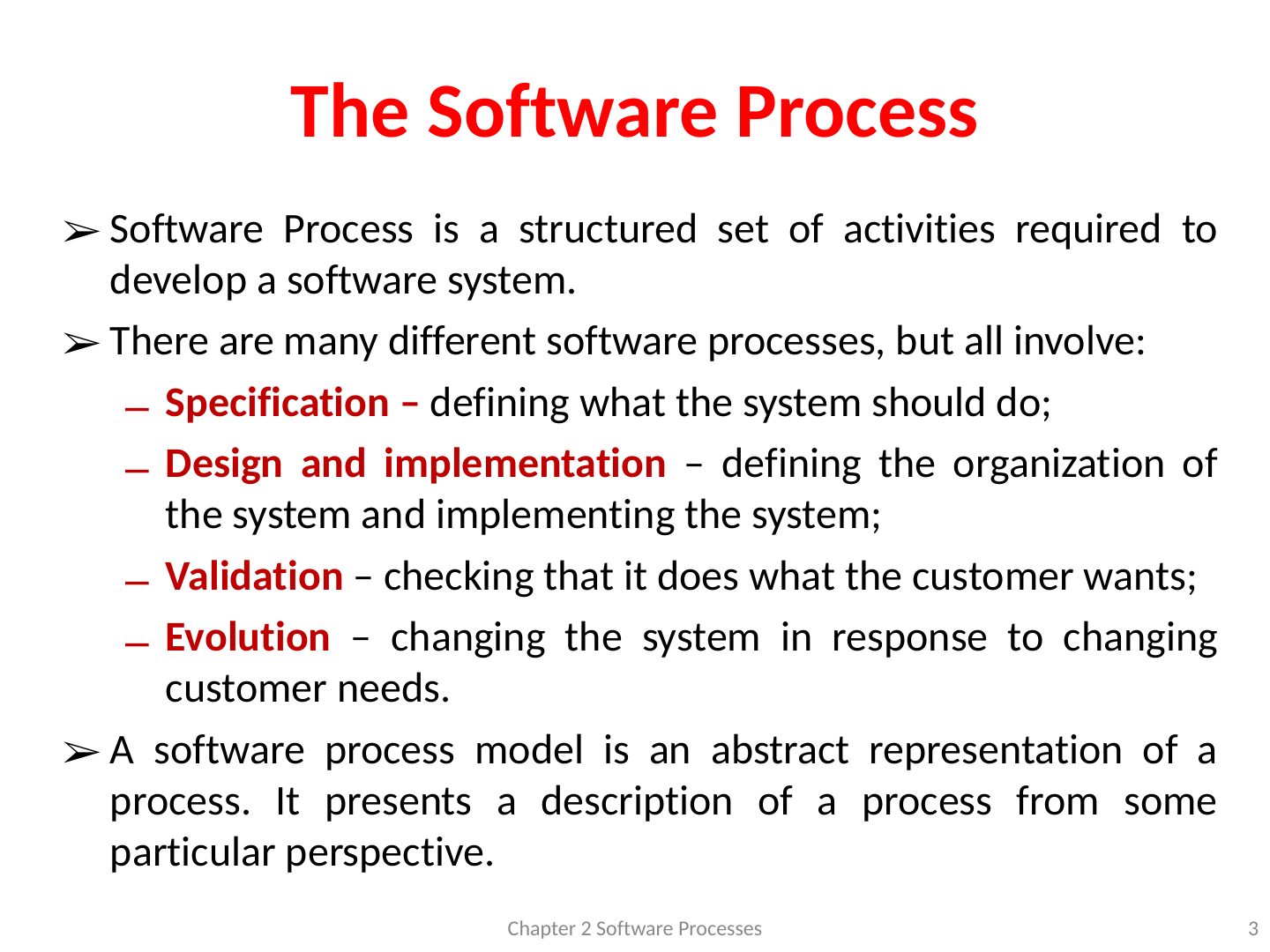
The Software Process
Software Process Descriptions
Plan-Driven and Agile Processes
Traditional/Planned
Software Process Models
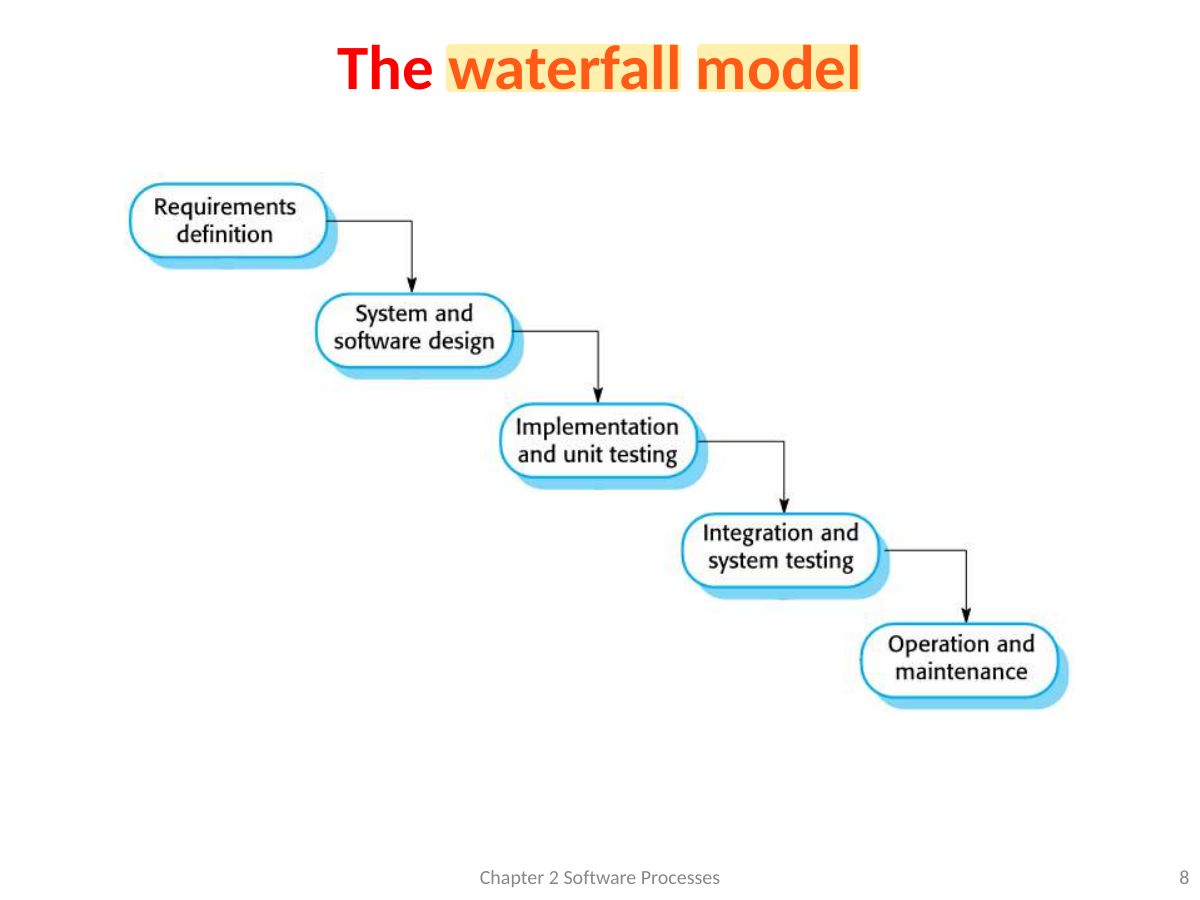
The waterfall model
Notes
Waterfall: separate sequential phases; each must finish before the next. Good when requirements are well understood and stable.
Exam angle
Waterfall model phases
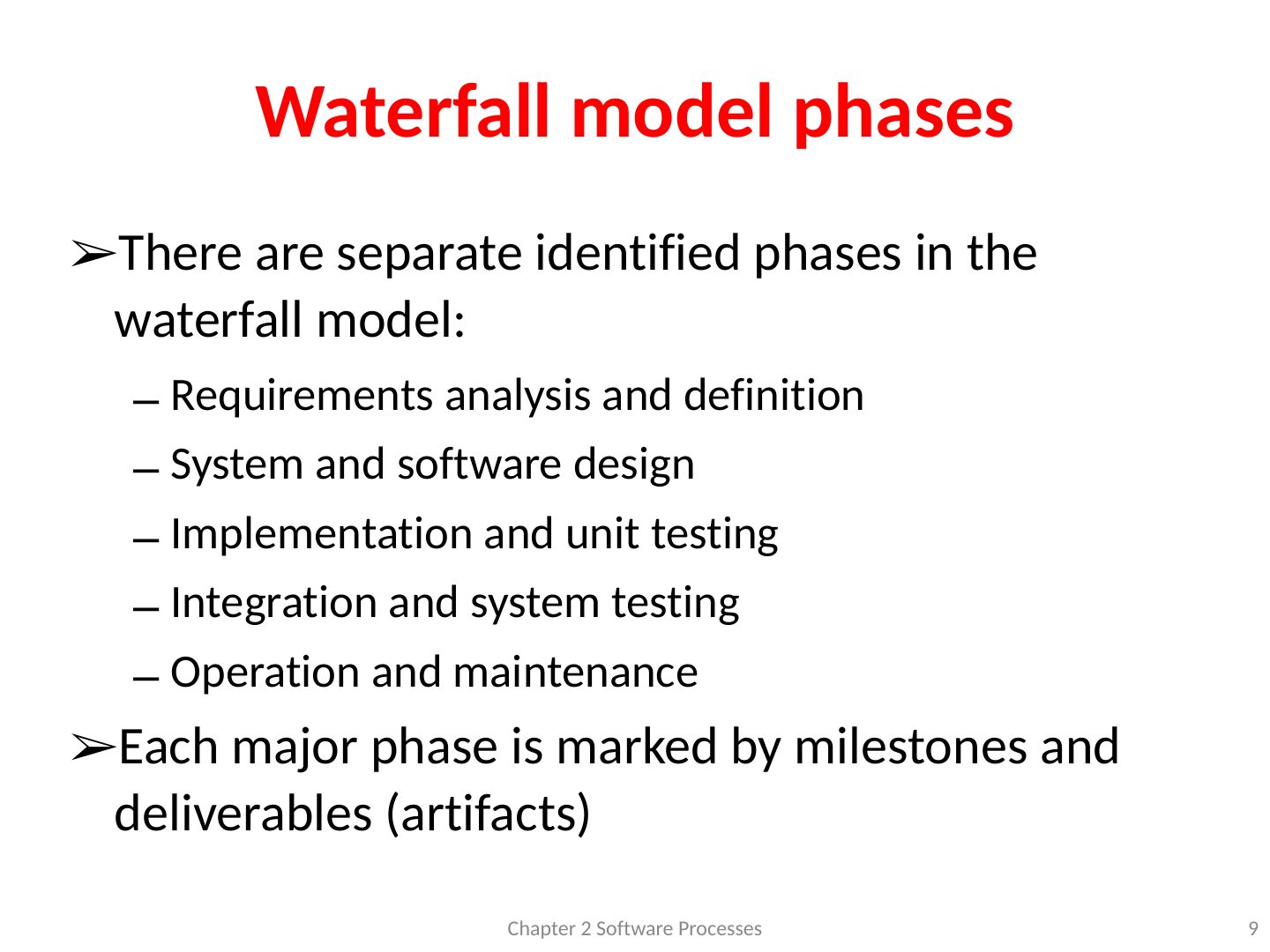
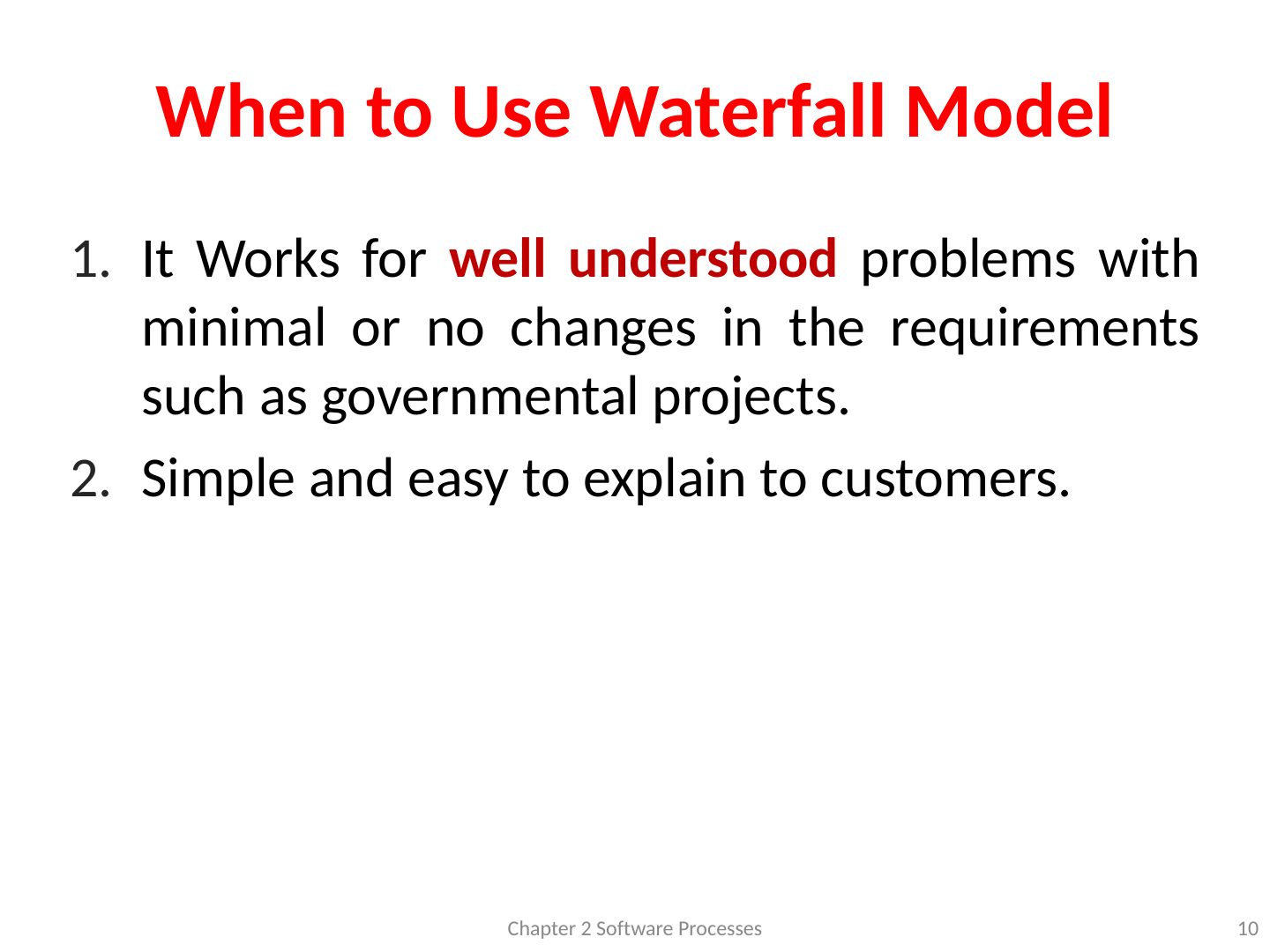
When to Use Waterfall Model
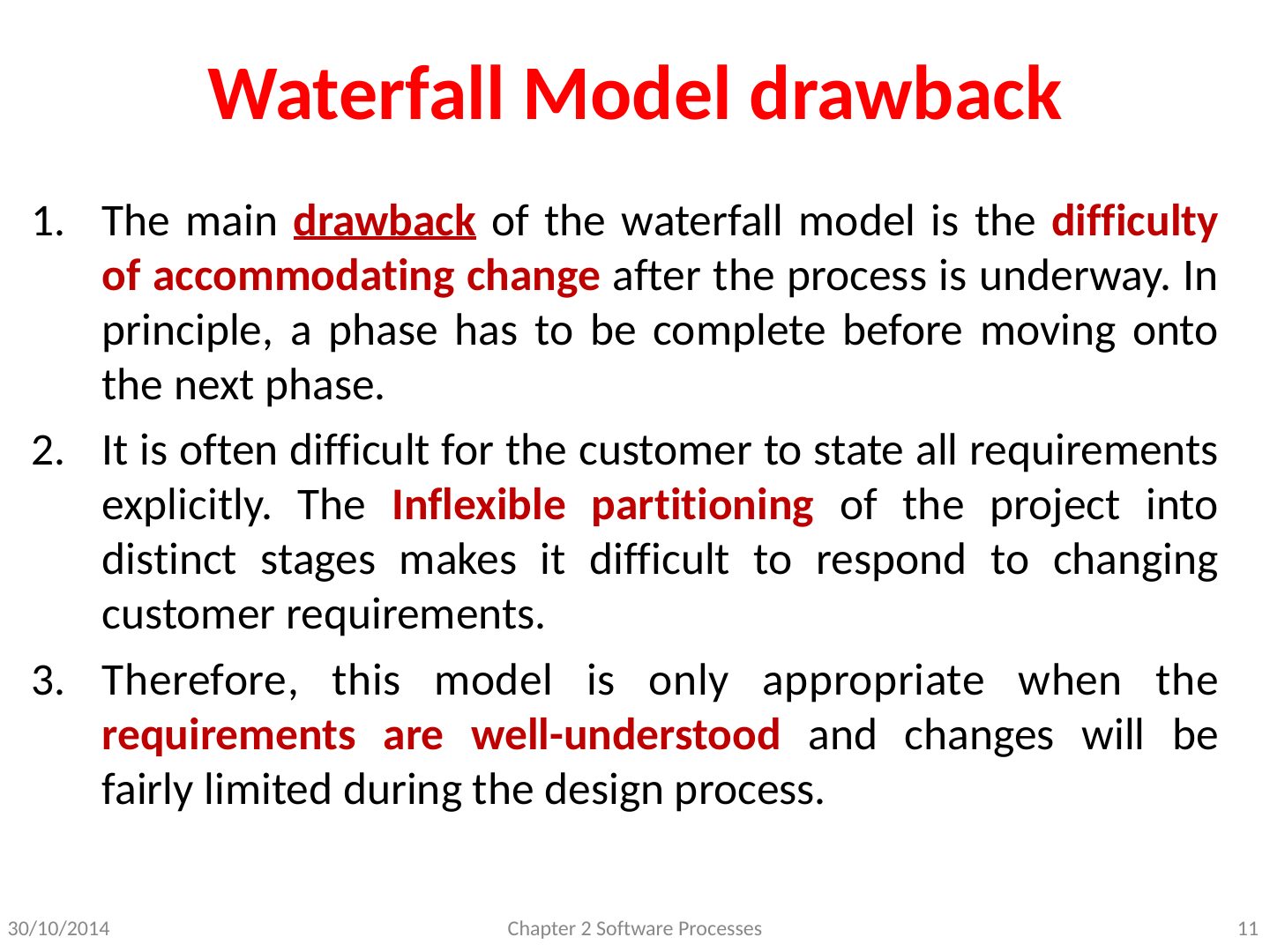
Waterfall Model drawback
Notes
Drawback: inflexible partitioning makes it hard to respond to changing requirements; working software appears late.
Modified Waterfall
Incremental Model
Notes
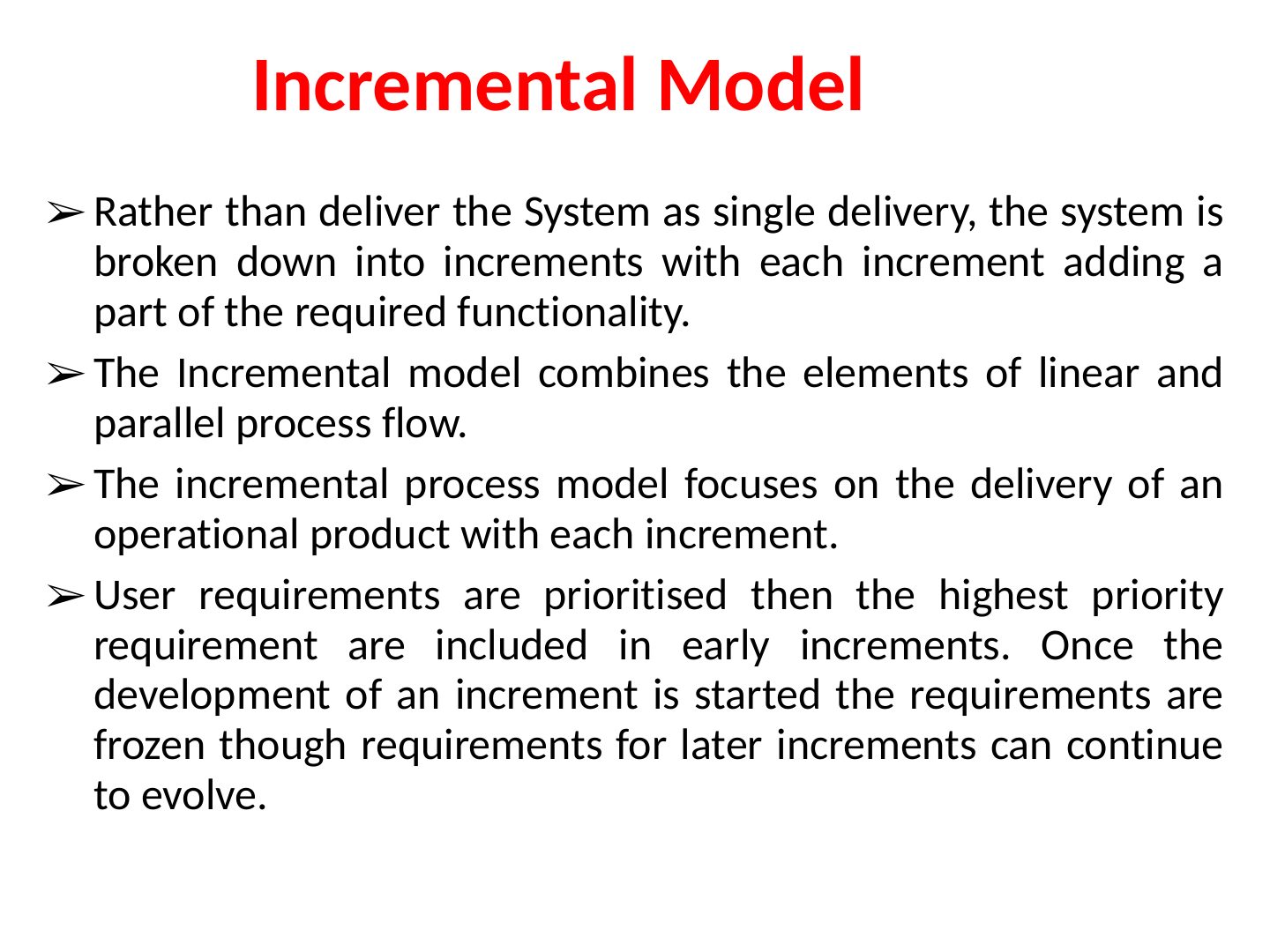
Incremental: deliver the system in increments; each adds functionality. Combines linear sequences applied in parallel (staggered).
Exam angle
incremental = linear + parallel flow
The incremental model combines elements of linear and parallel process flow.
Incremental Model
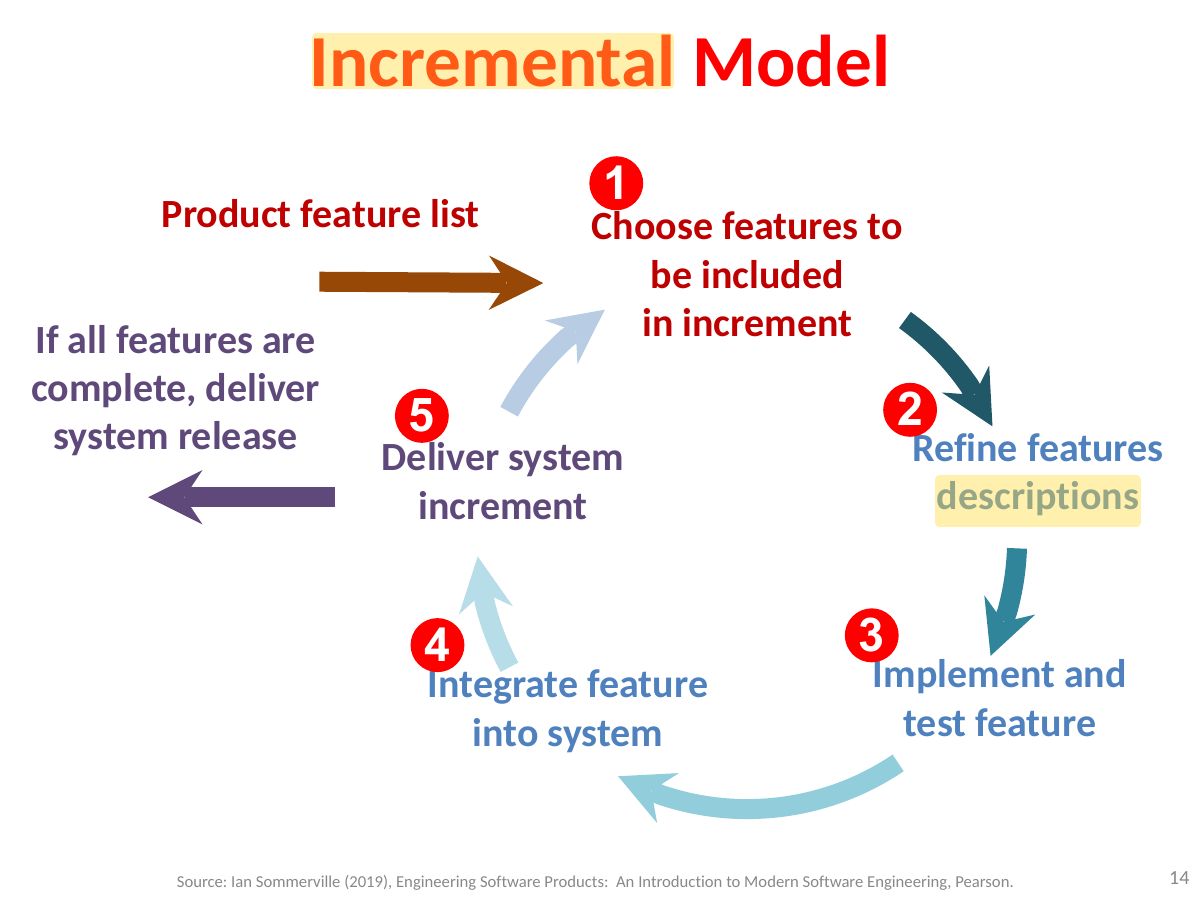
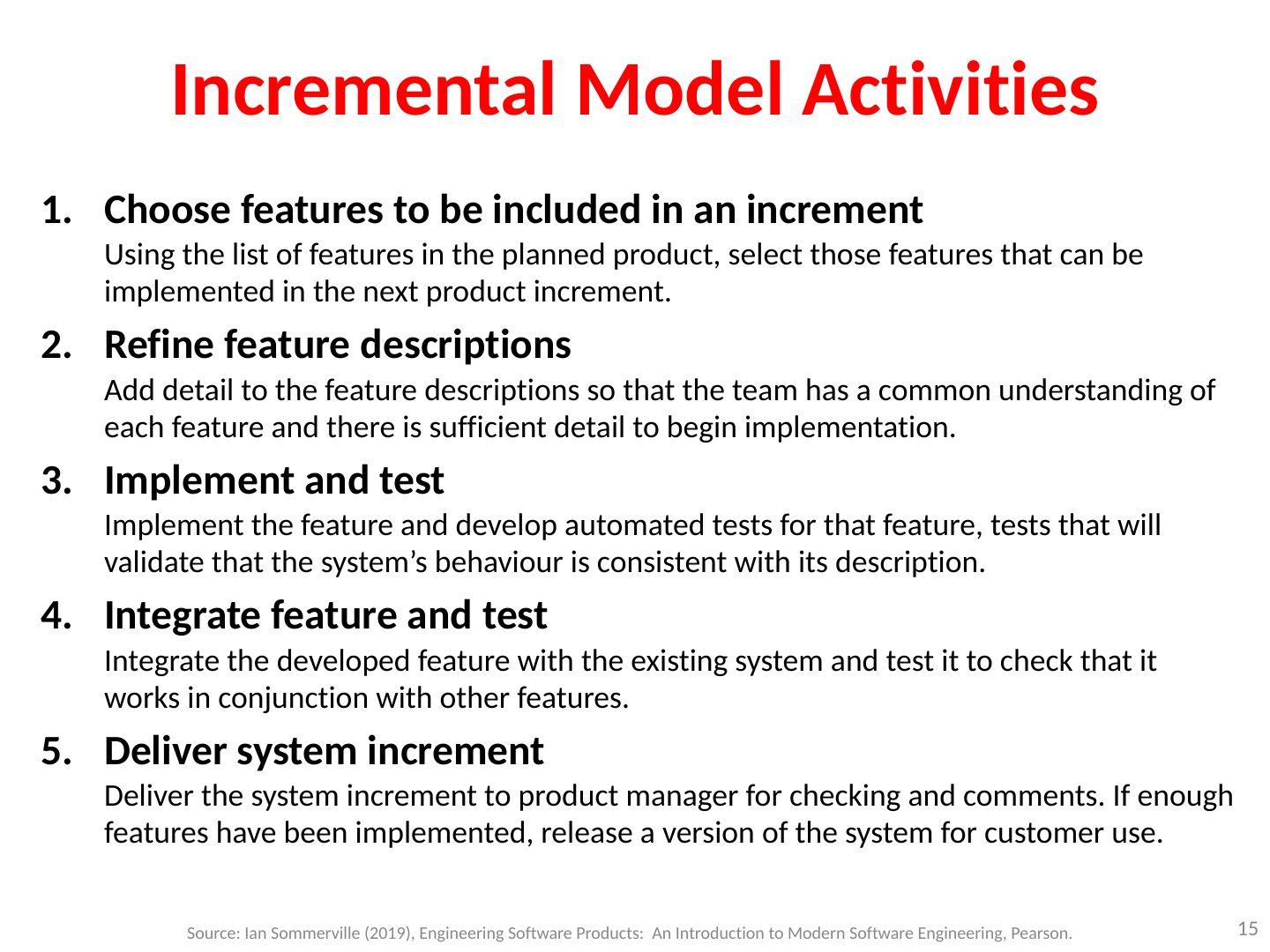
Incremental Model Activities
Incremental Model Benefits
Incremental Model Problems
Evolutionary Model
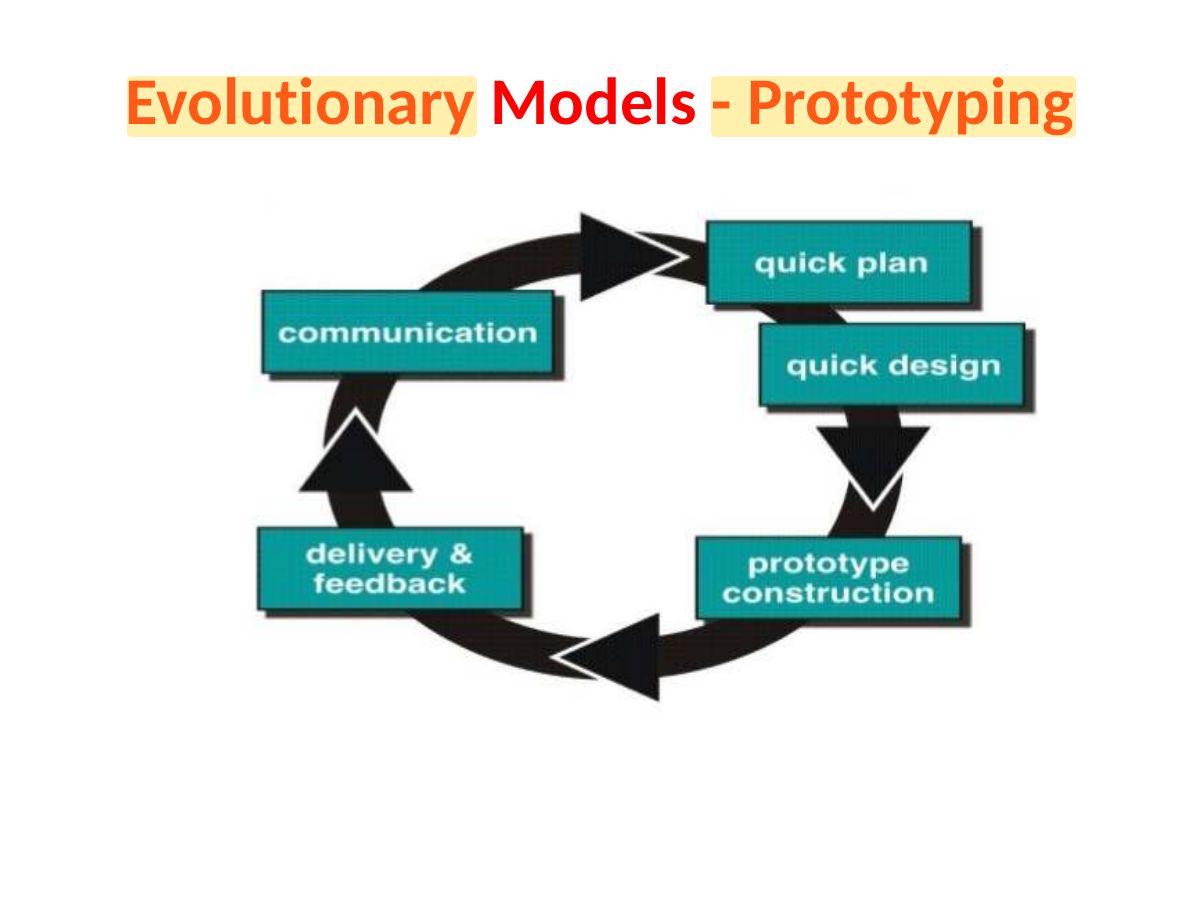
Evolutionary Models - Prototyping
Notes
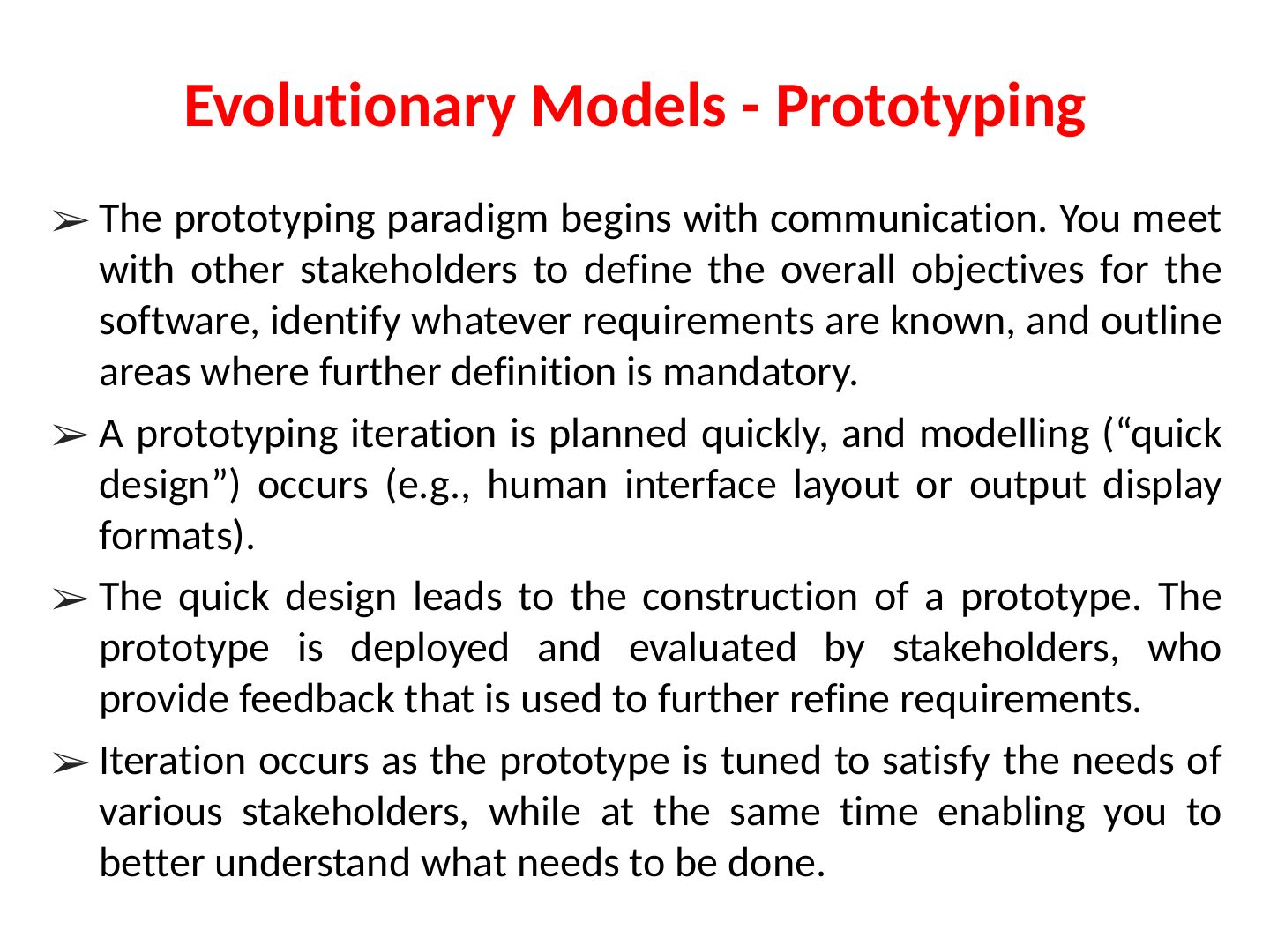
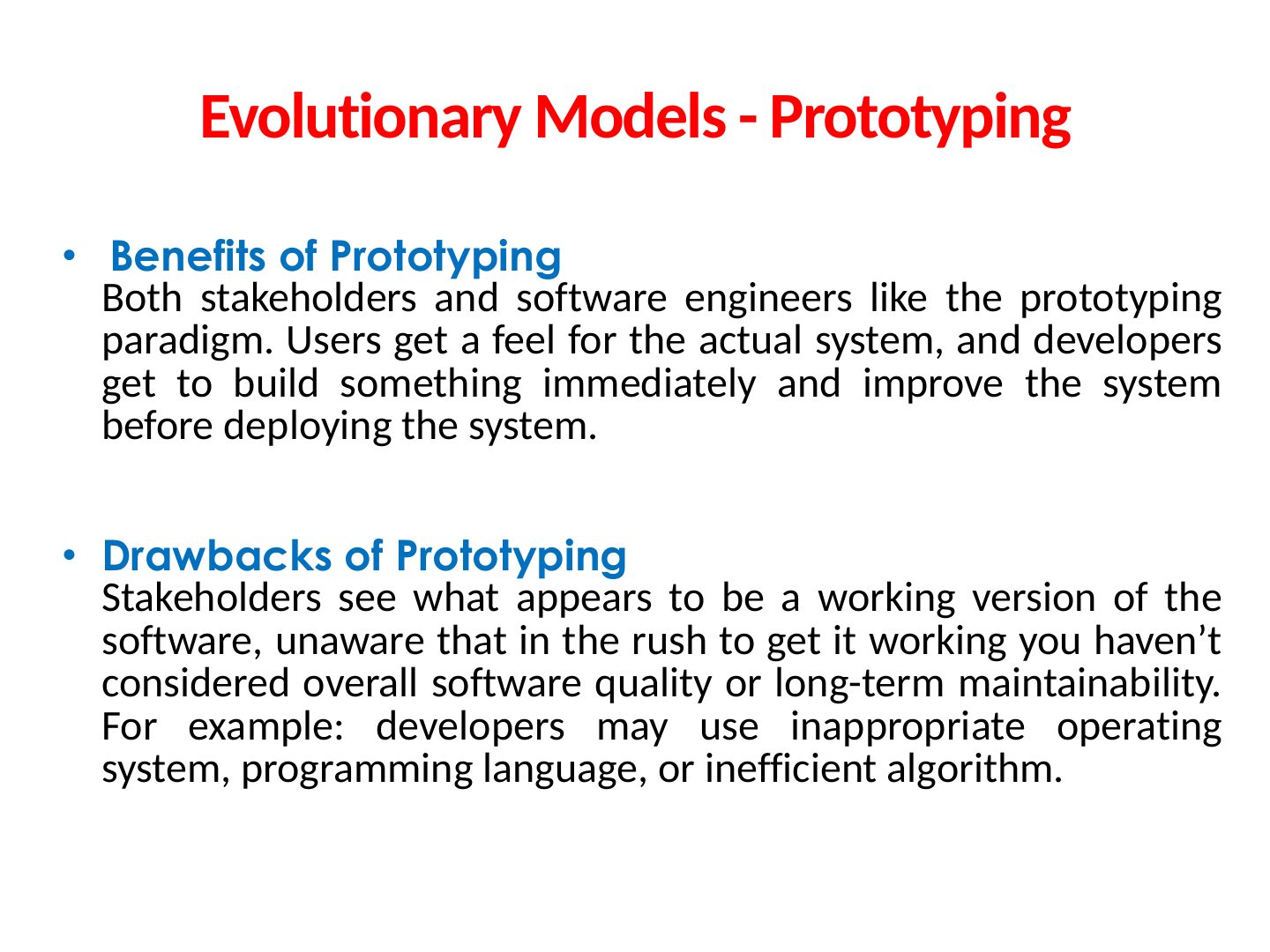
Prototyping: build a quick version to clarify requirements when they are fuzzy. Risk: customers think the prototype is the product.
Exam angle
Prototyping is most useful when:
Evolutionary Models - Prototyping
Evolutionary Models - Prototyping
Evolutionary Models - Prototyping
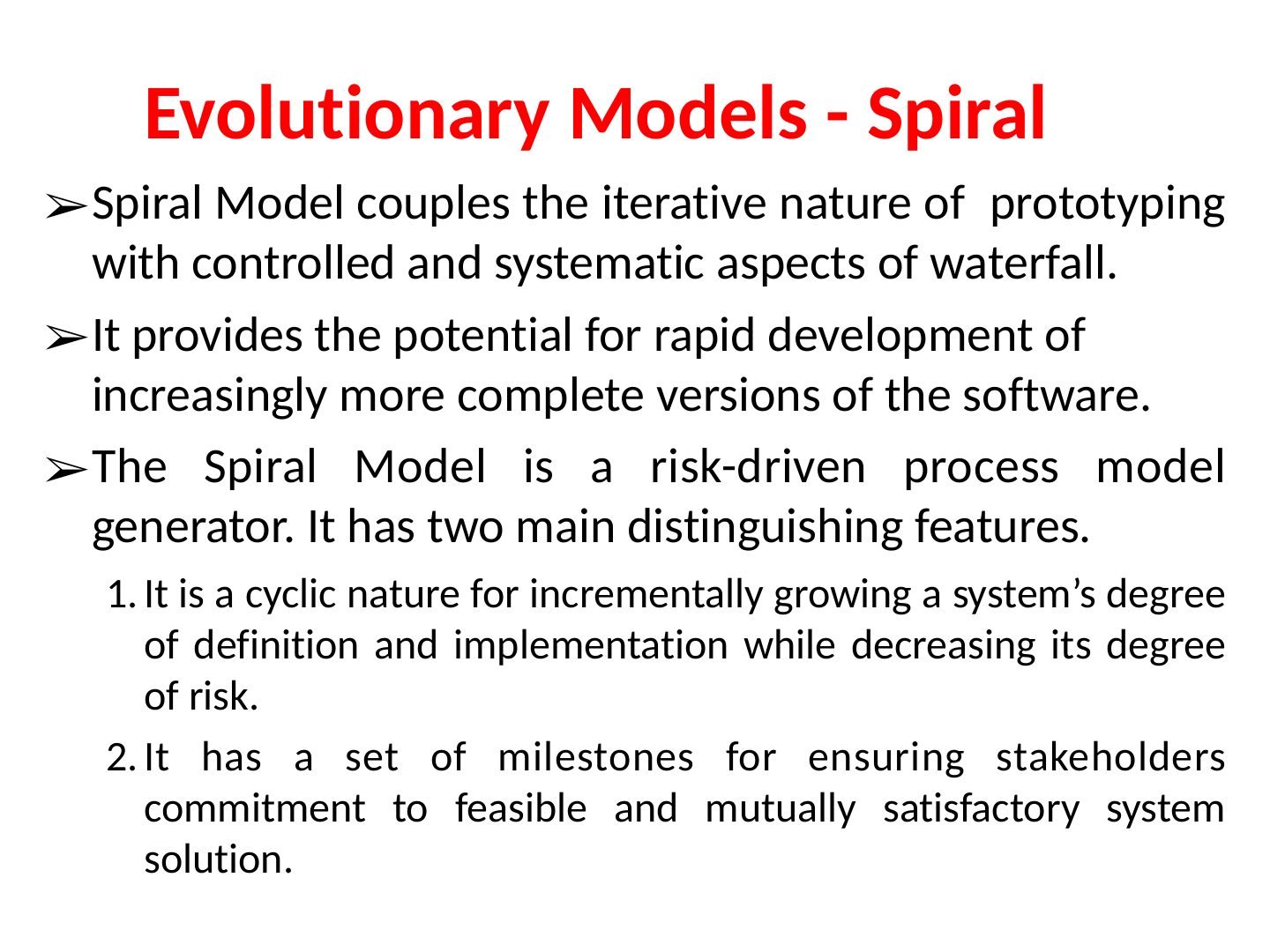
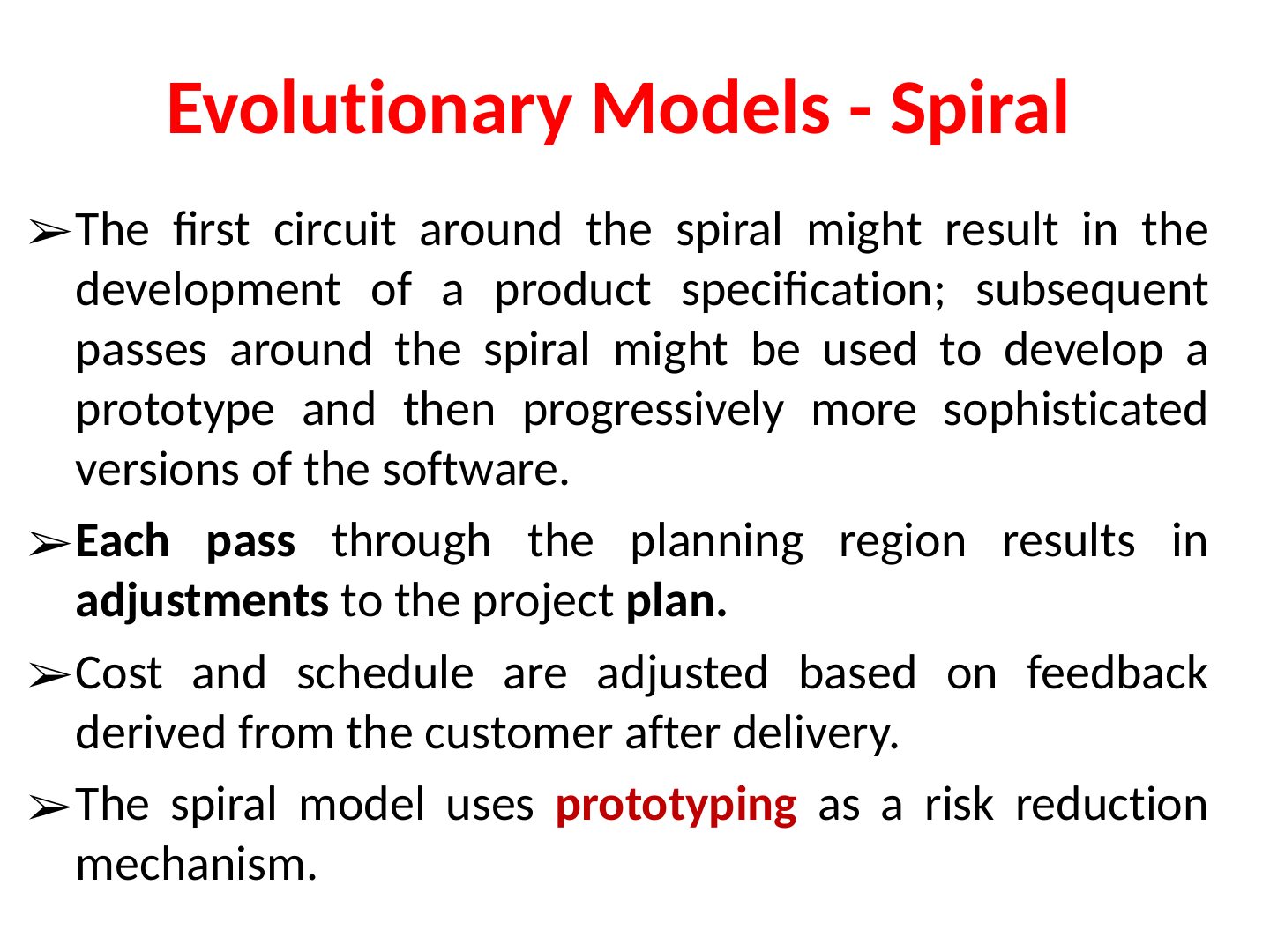
Evolutionary Models - Spiral
Notes
Spiral (Boehm): iterative loops of planning, RISK ANALYSIS, engineering and evaluation. Risk-driven.
Memory trick Spiral = risk-driven.
Exam angle
Which process model is explicitly risk-driven?
Evolutionary Models - Spiral
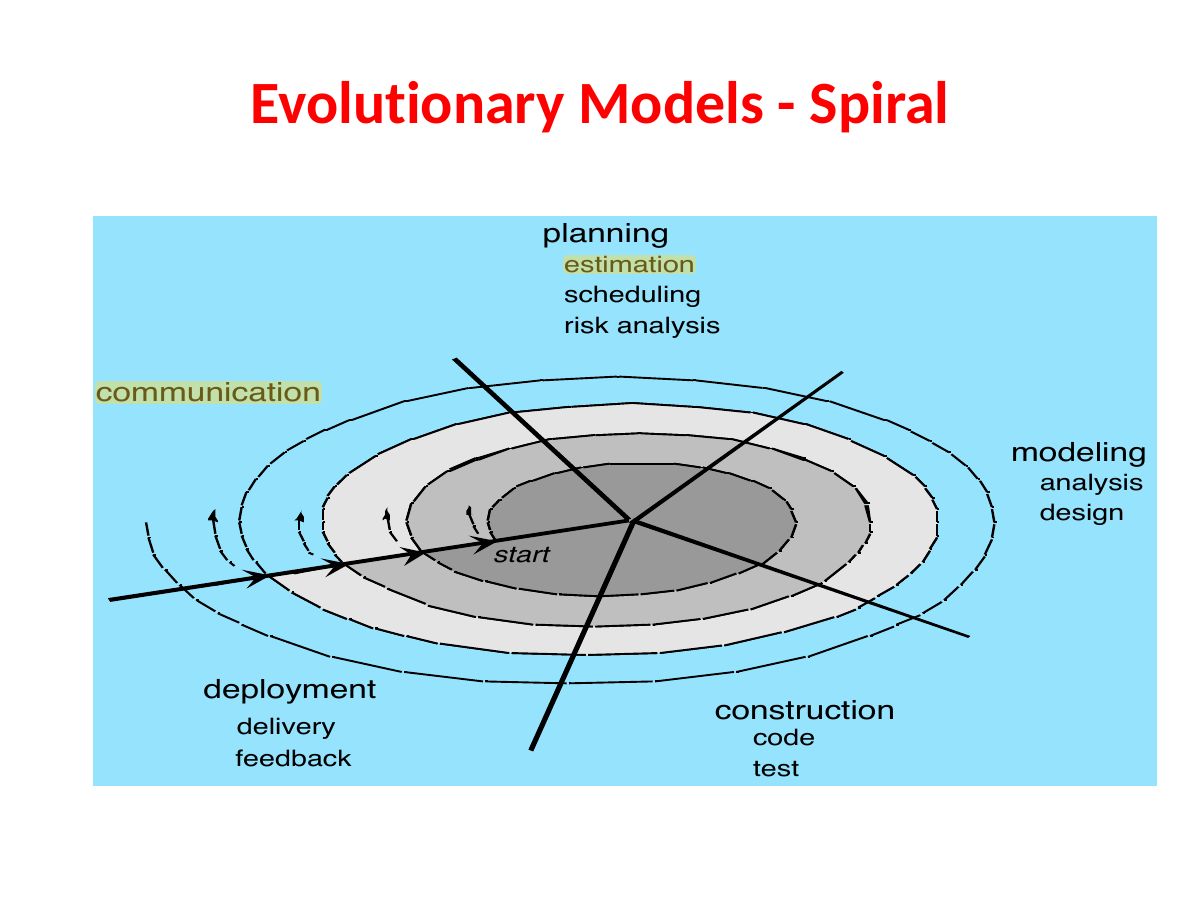
Evolutionary Models - Spiral
Slide 26
Component-Based Development
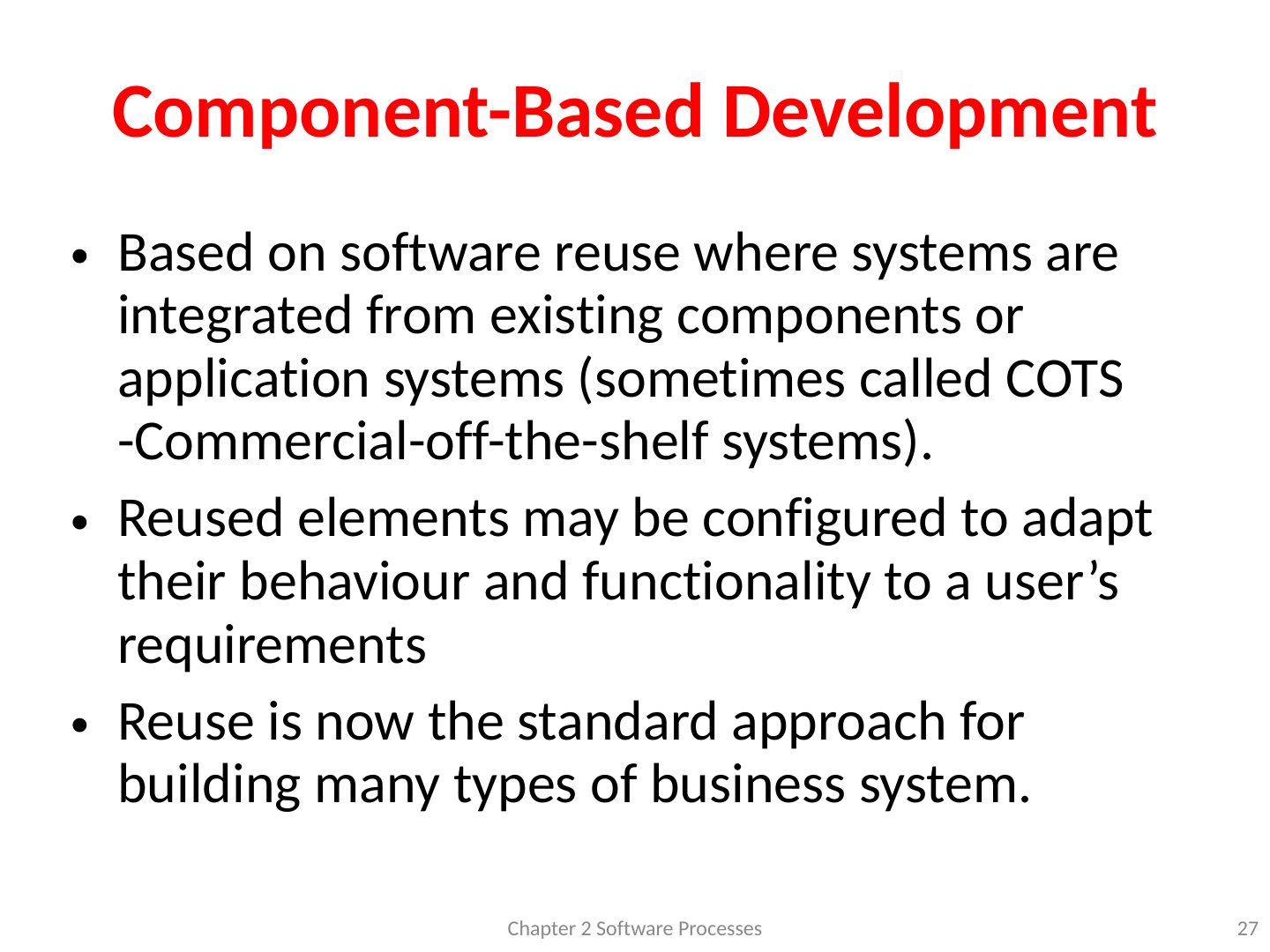
Component based development
Types of reusable software
Reuse-oriented software engineering
Reusability Advantages and disadvantages
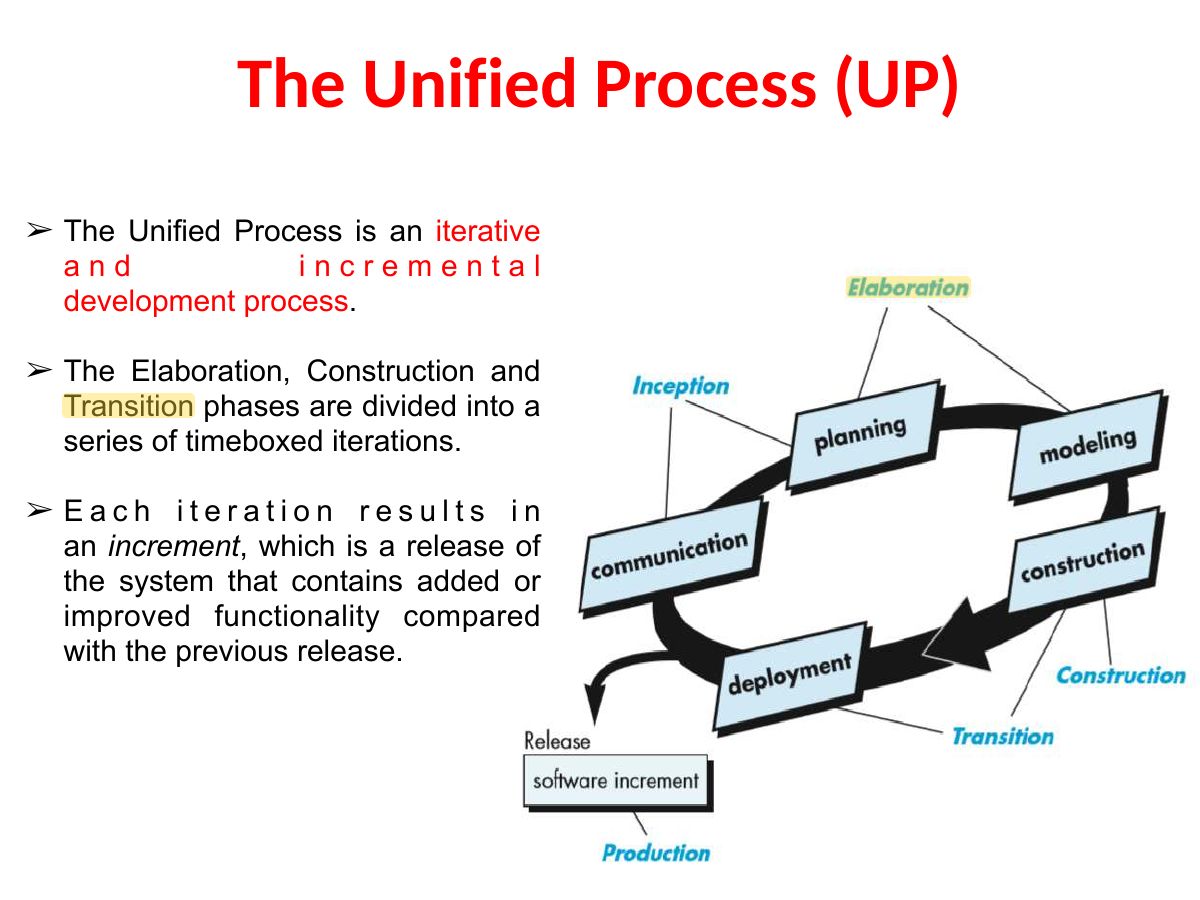
The Unified Process (UP)
Notes
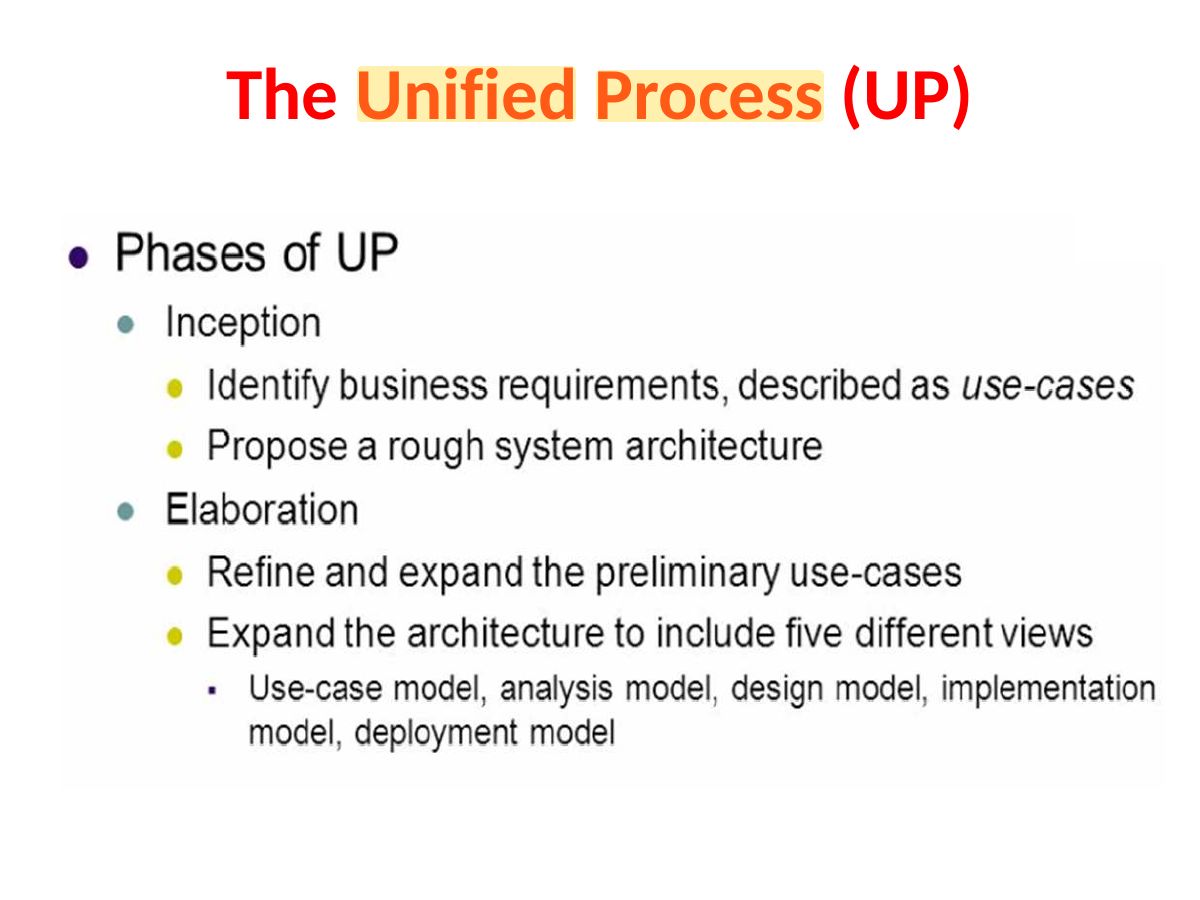
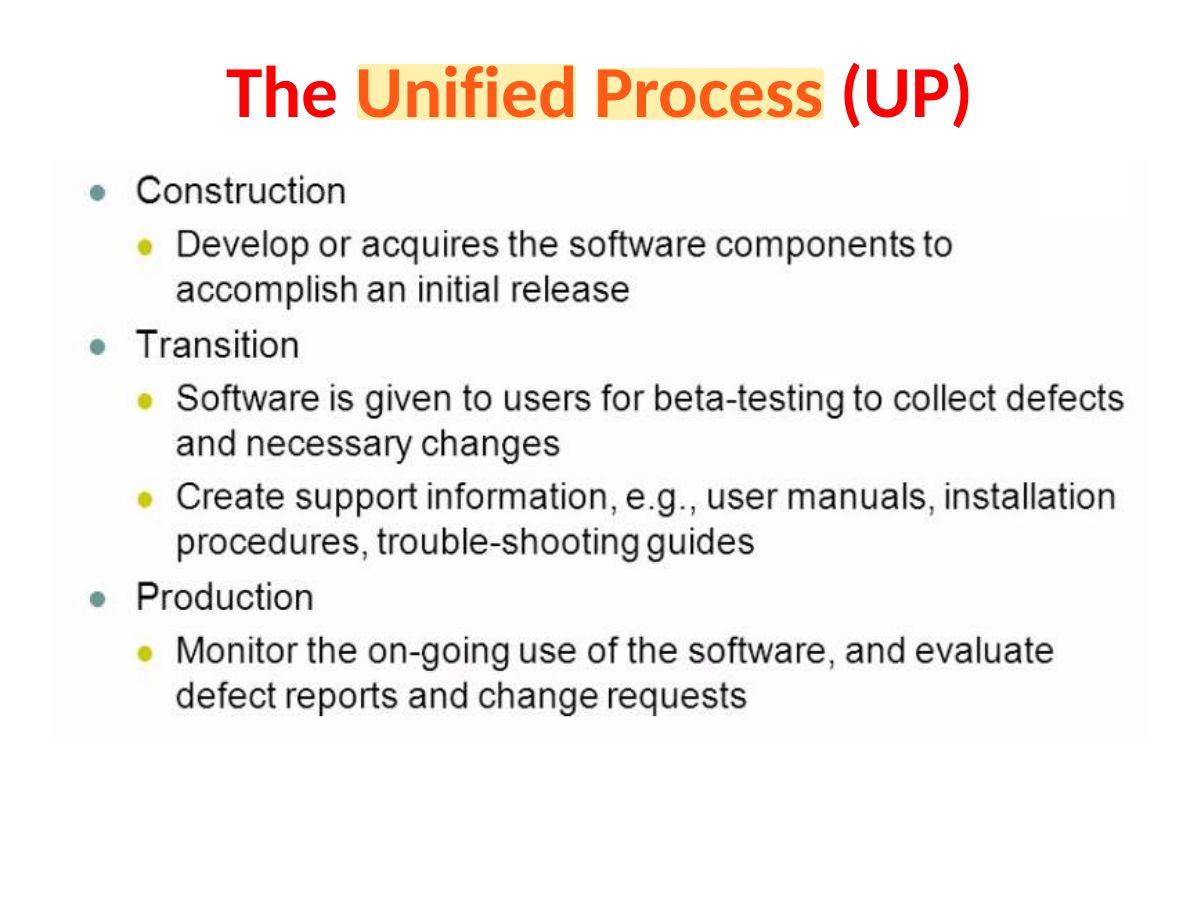
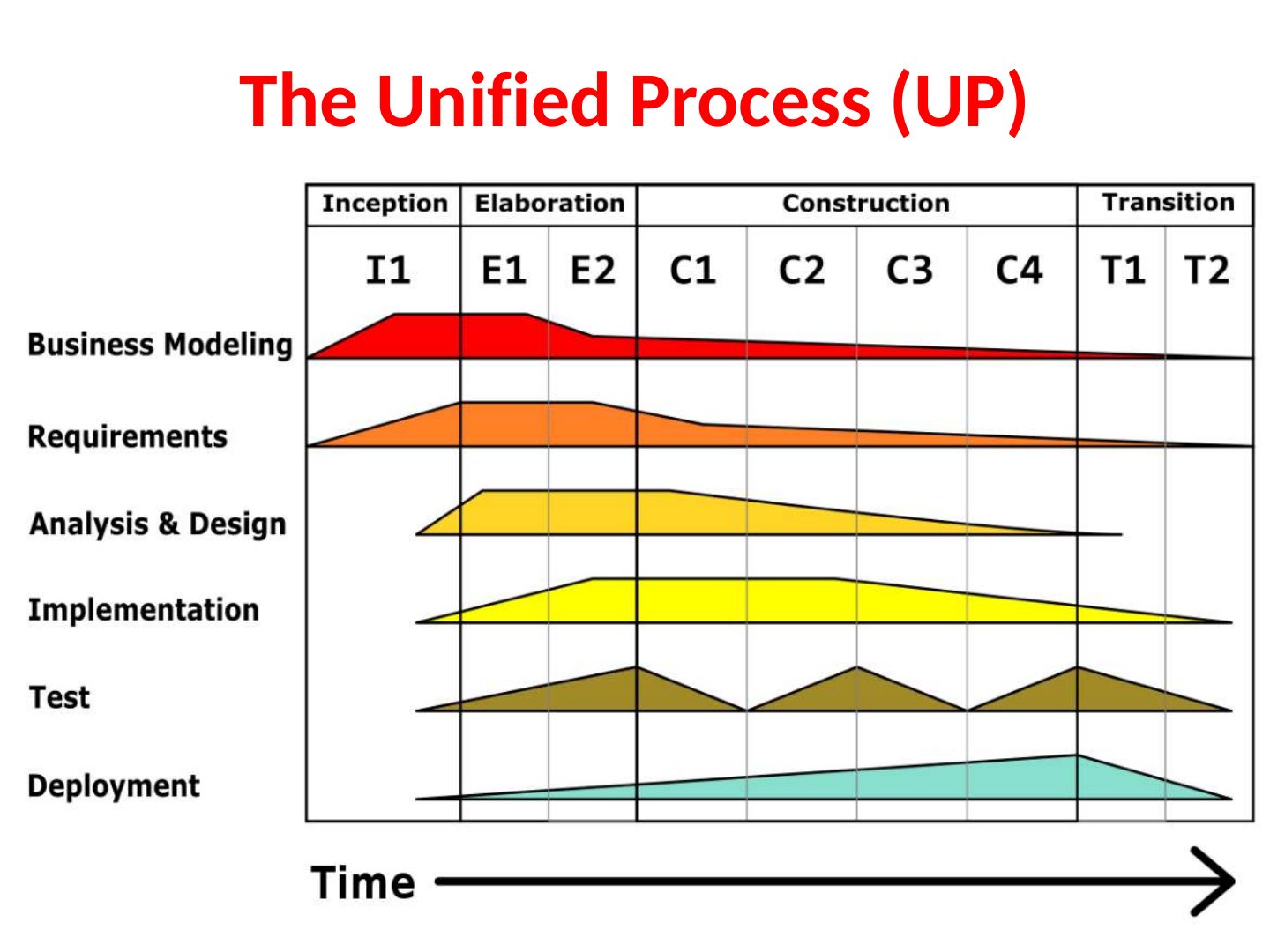
Unified Process: use-case driven, architecture-centric, iterative and incremental. Phases: inception, elaboration, construction, transition. Requirements are refined across phases.
Exam angle
requirements across UP phases
The four phases of the Unified Process are:
The Unified Process (UP)
The Unified Process (UP)
The Unified Process (UP)
Agile
Agile software engineering
Agile Manifesto Values, Principles, and Common Practices
Agile Manifesto and Mindset
Slide 40
Notes
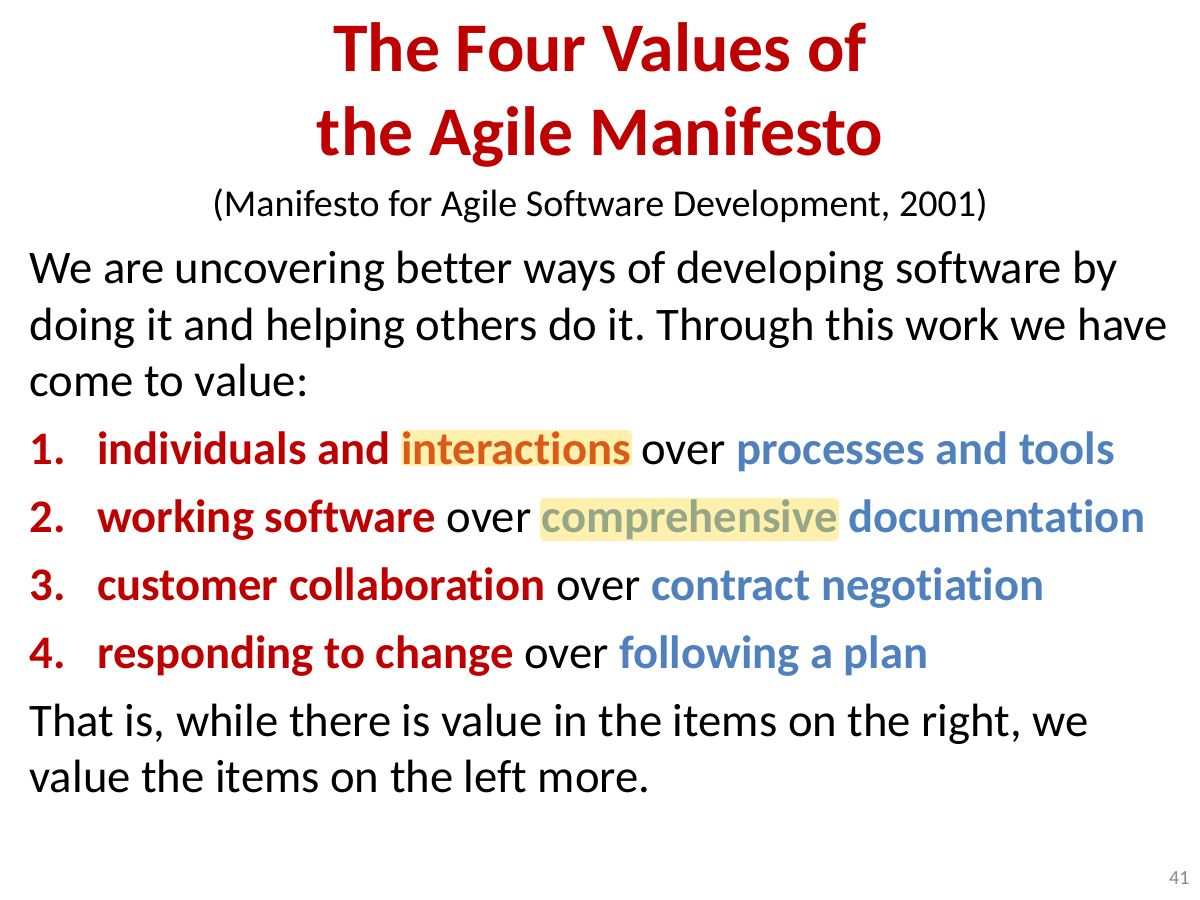
Agile values: individuals and interactions over processes and tools; working software over documentation; customer collaboration over contract negotiation; responding to change over following a plan.
Trap The manifesto says the items on the right still have value; the left is valued MORE.
Exam angle
Which is an Agile Manifesto value?
The Four Values of the Agile Manifesto
Slide 42
The Twelve Principles Behind the Agile Manifesto
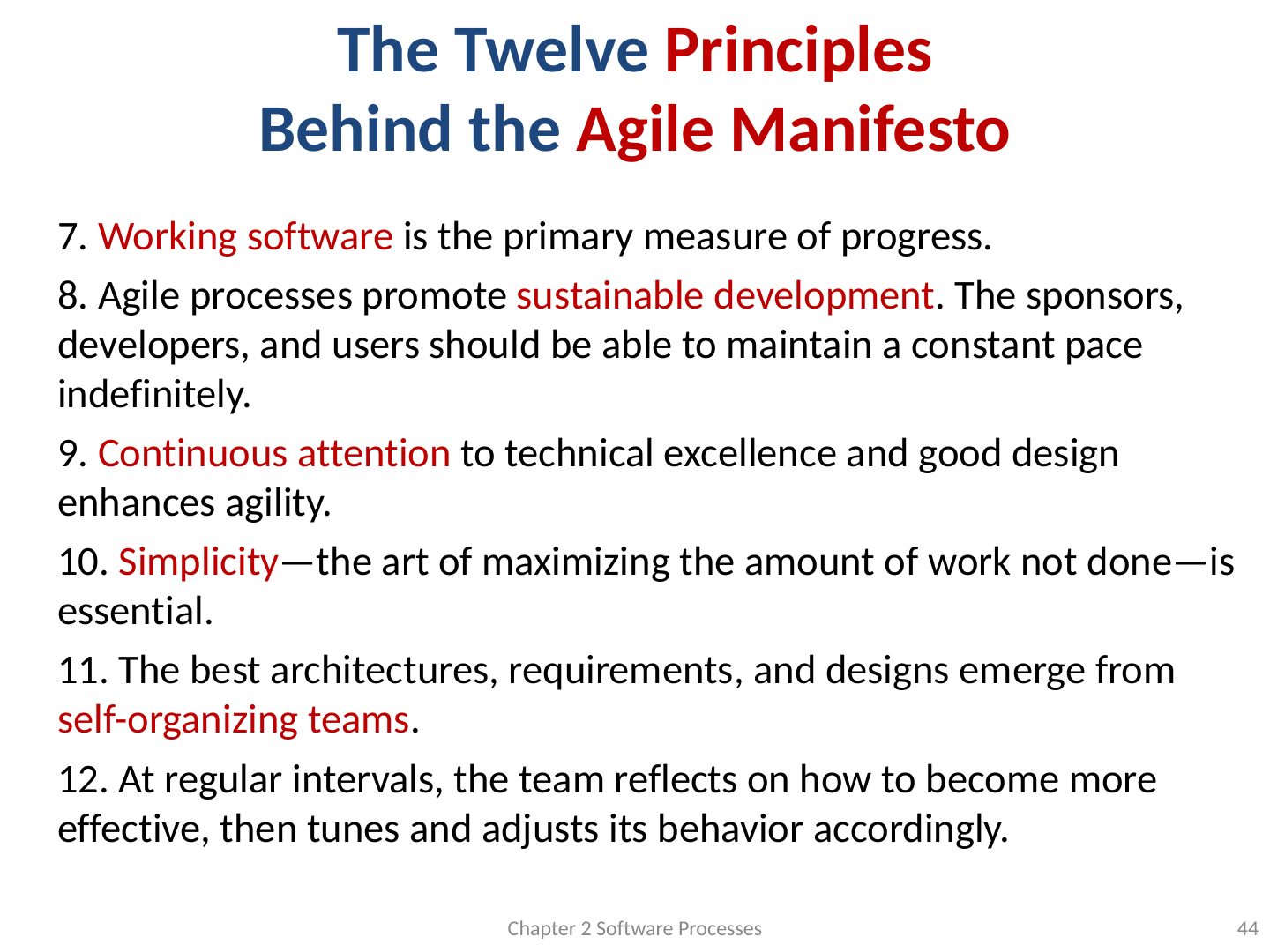
The Twelve Principles Behind the Agile Manifesto
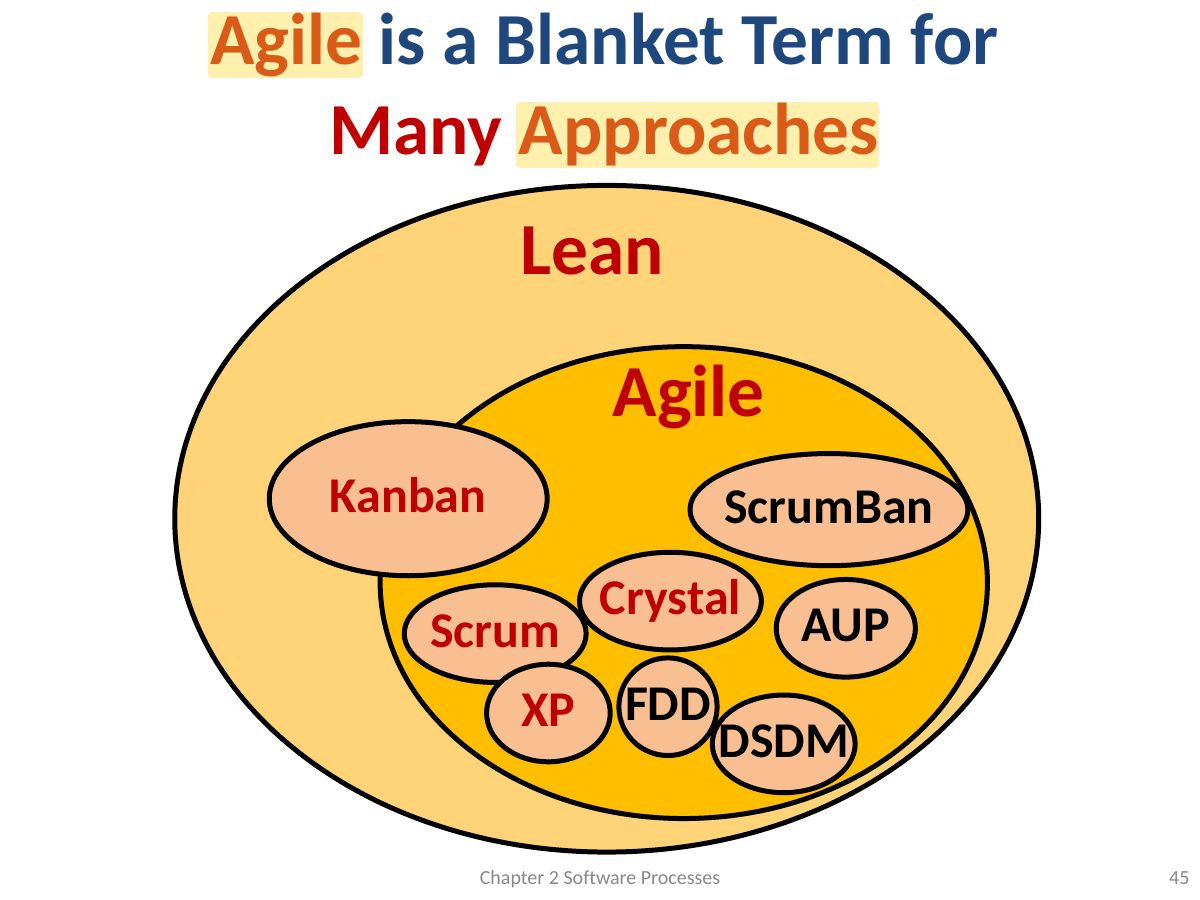
Agile is a Blanket Term for Many Approaches
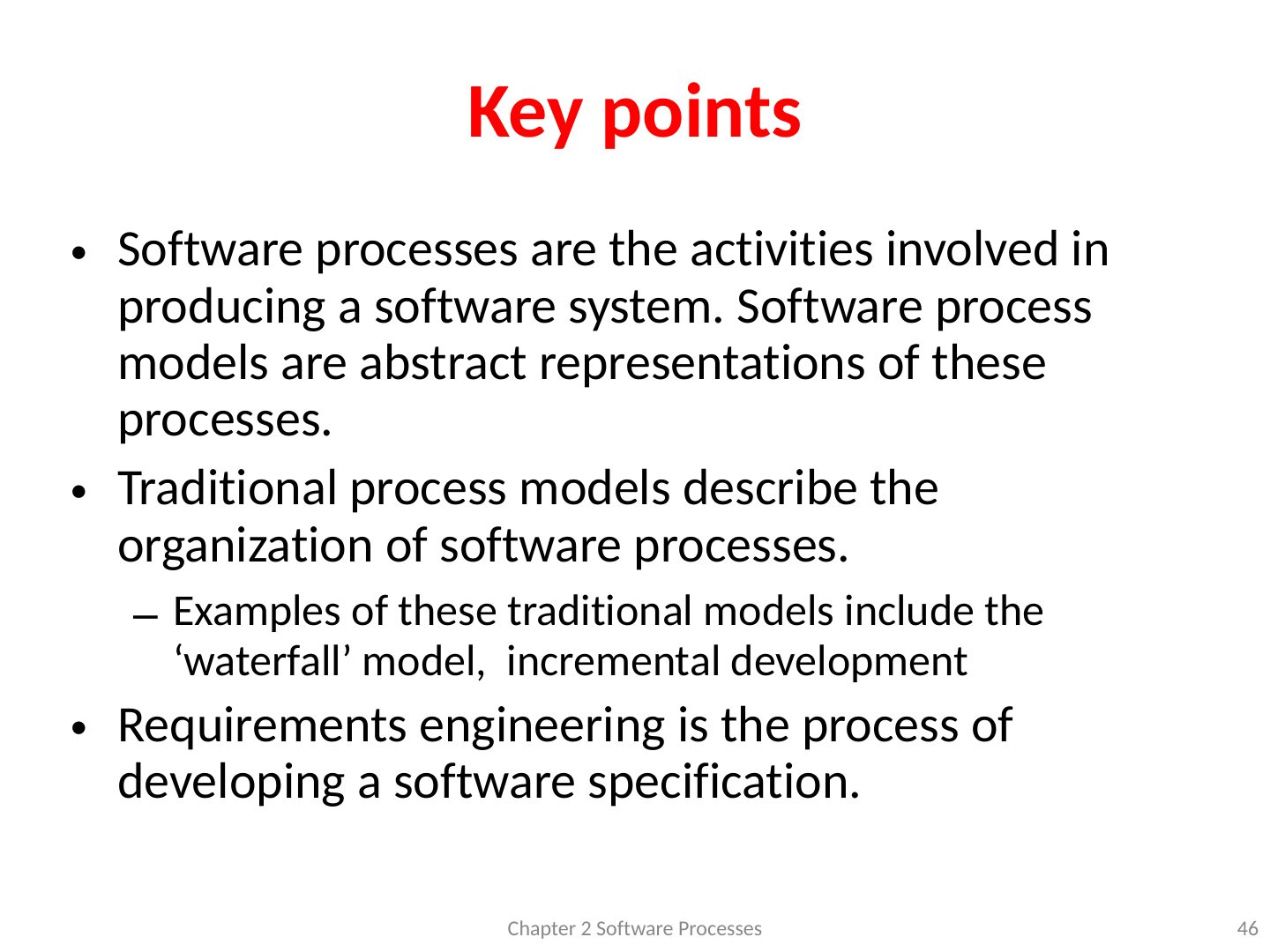
Key points
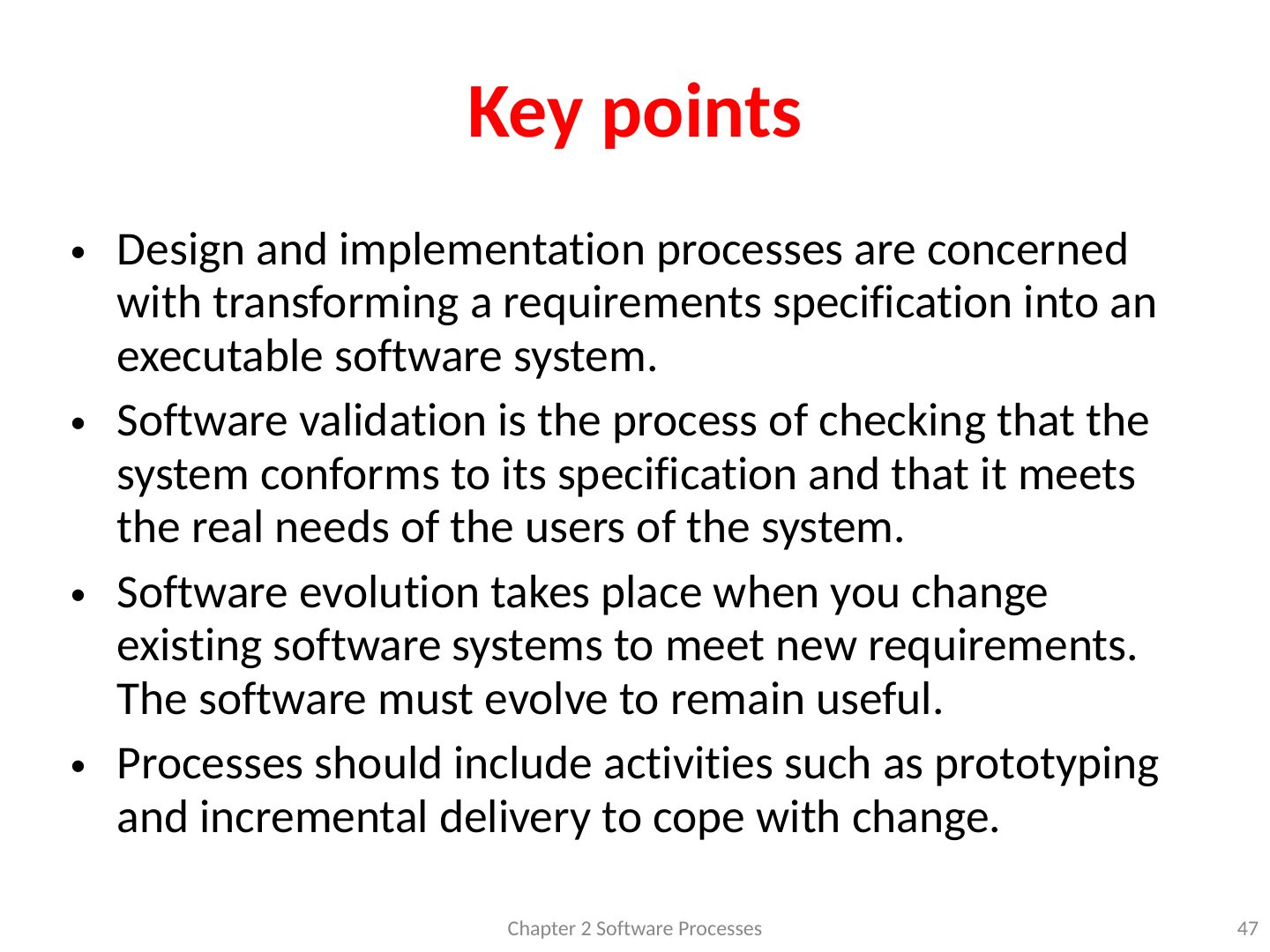
Key points
Processes Feature Matrix
Notes
Feature matrix: compare models by requirements stability, customer involvement, risk, delivery speed.
Key points