p = 3.1416, p* = 3.14. The relative error is about:
- 0.0016 / 3.1416.
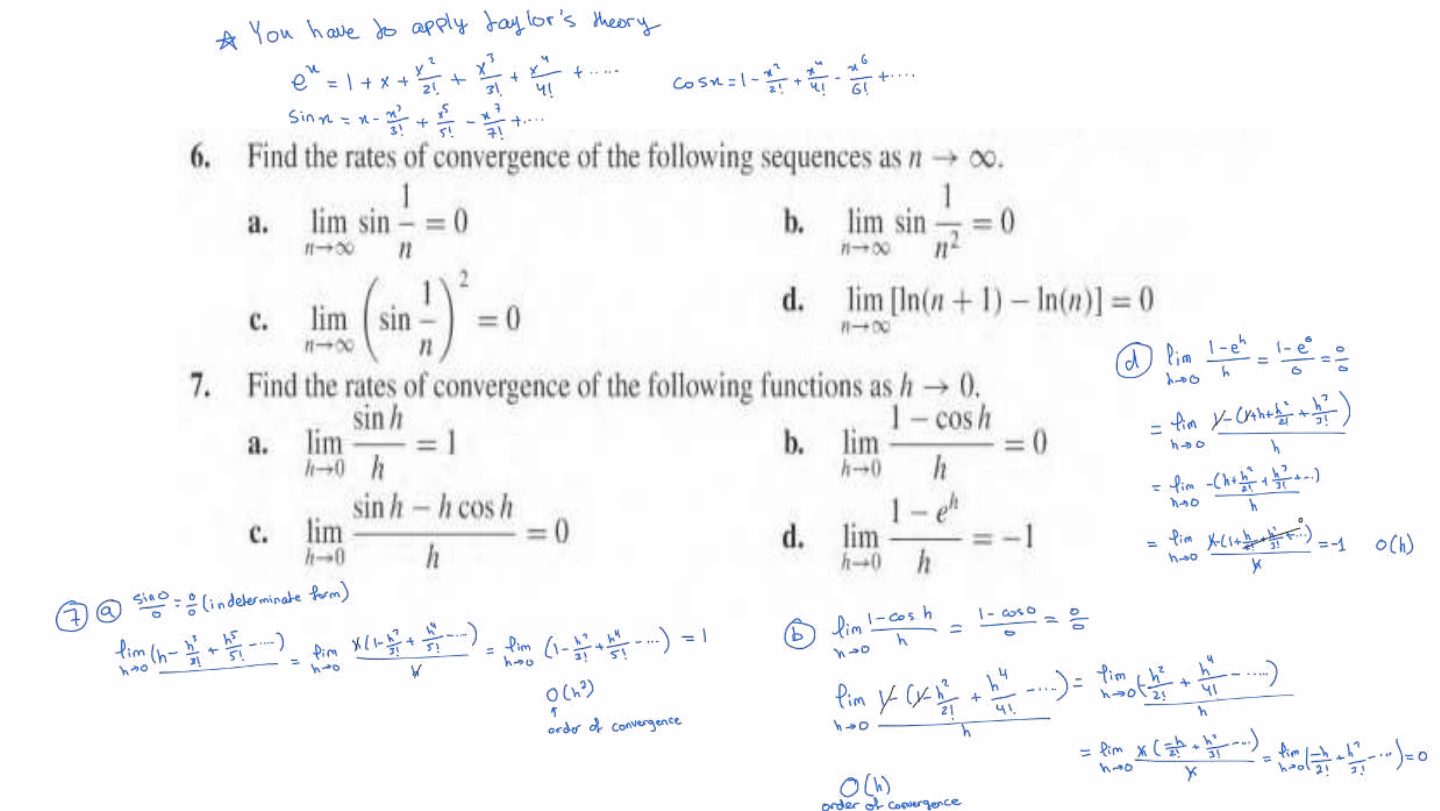
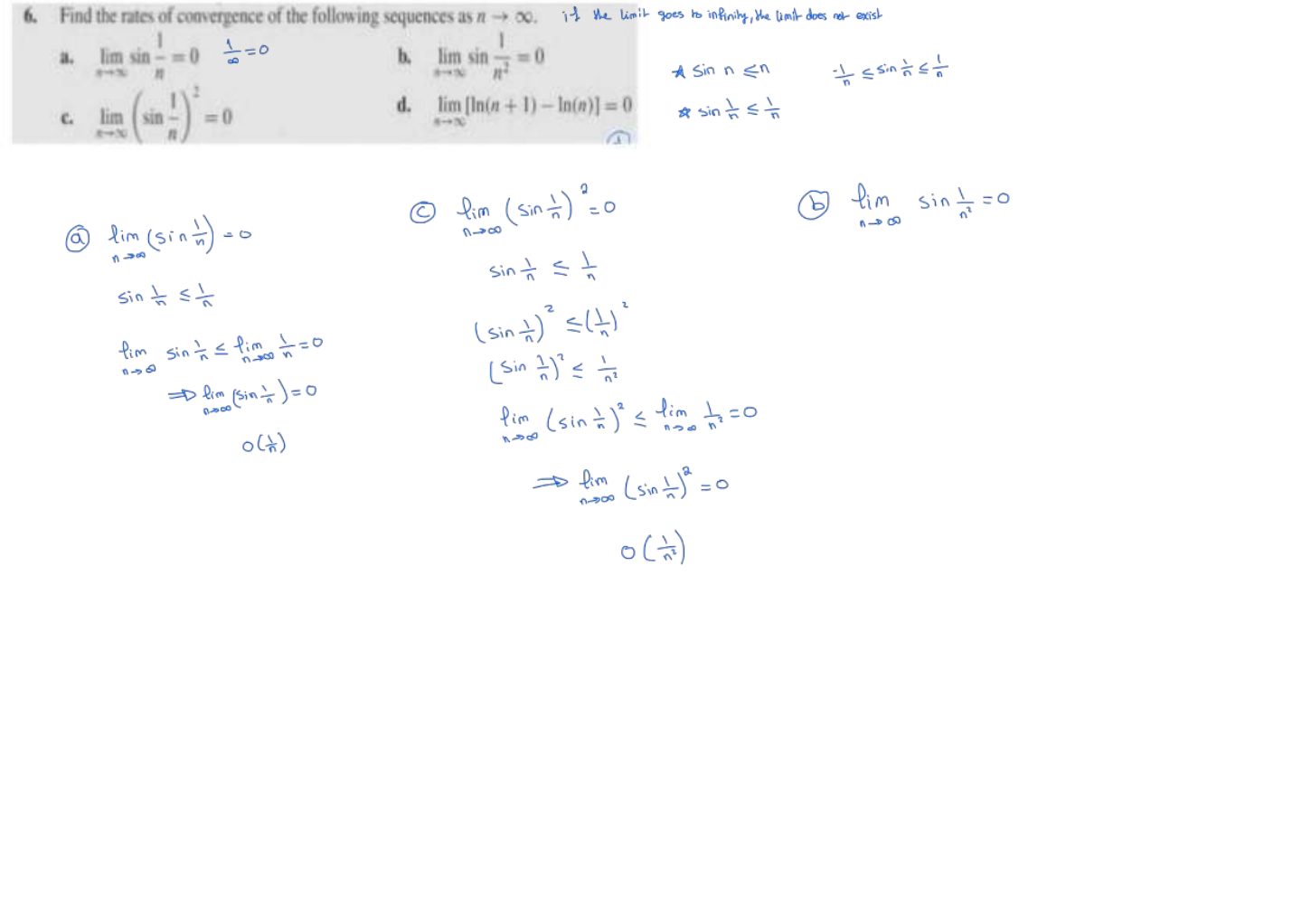
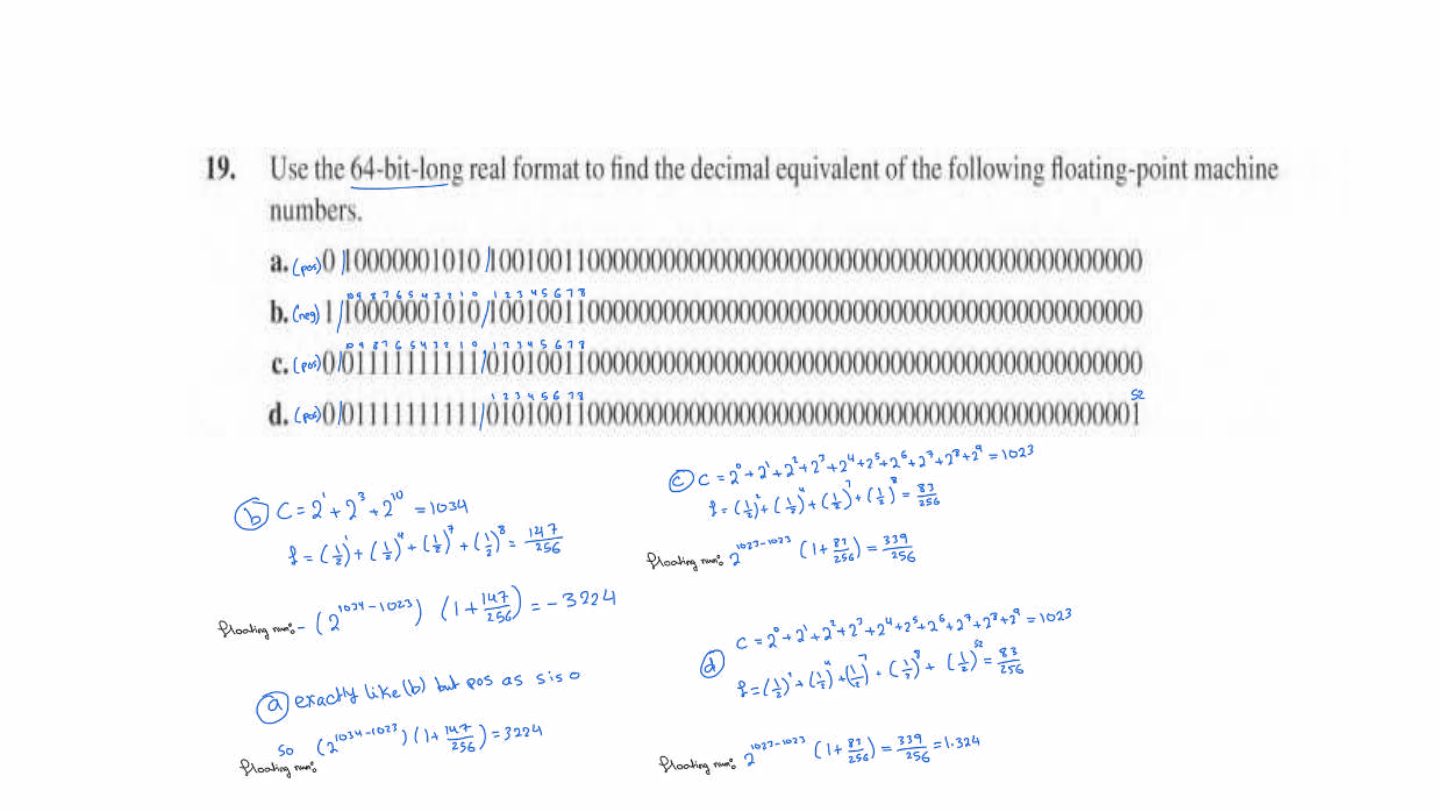
Floating-point representation, chopping vs. rounding, absolute and relative error, significant digits, loss of significance, and rates of convergence.
Every original slide is shown unchanged. Yellow marks on a slide point to a numbered note: hover or tap a mark to jump to its note, and hover a note to see its marks. Questions tagged Past exam appeared on a real paper; Prediction questions are likely angles, not confirmed. Pick an answer to each question: a wrong pick tells you why it is wrong, so you can try again.
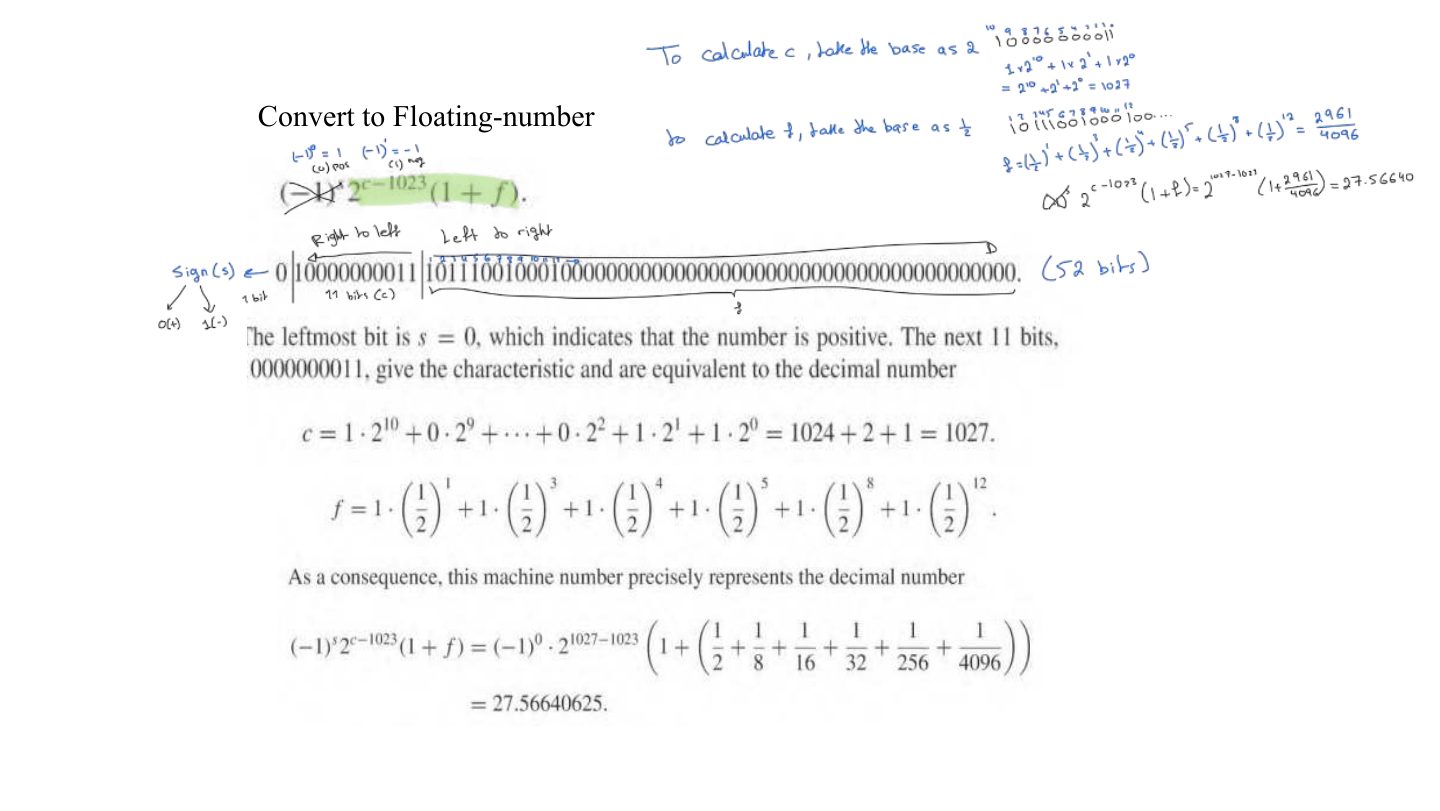
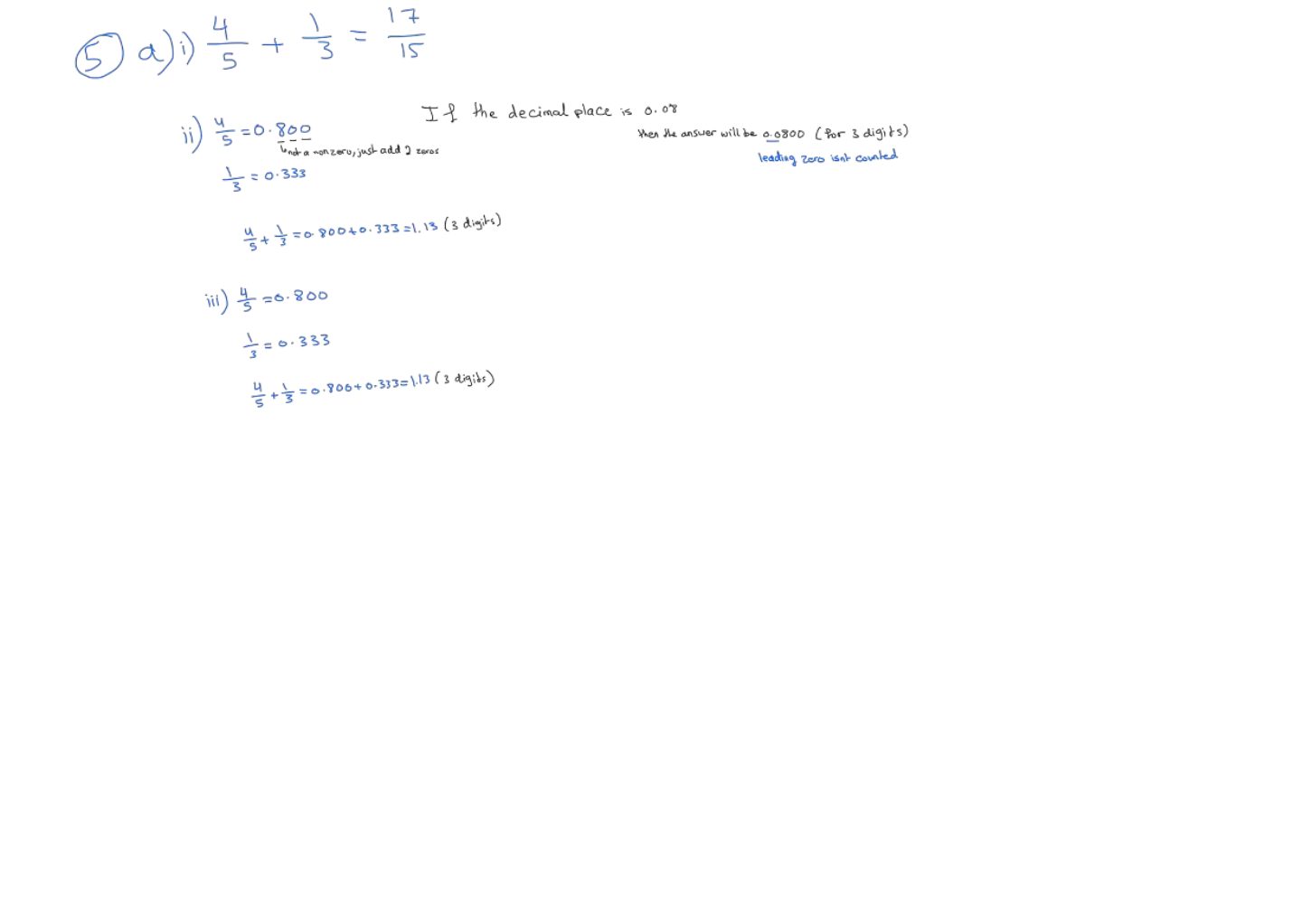
k-digit chopping drops extra digits; rounding rounds the k-th digit.
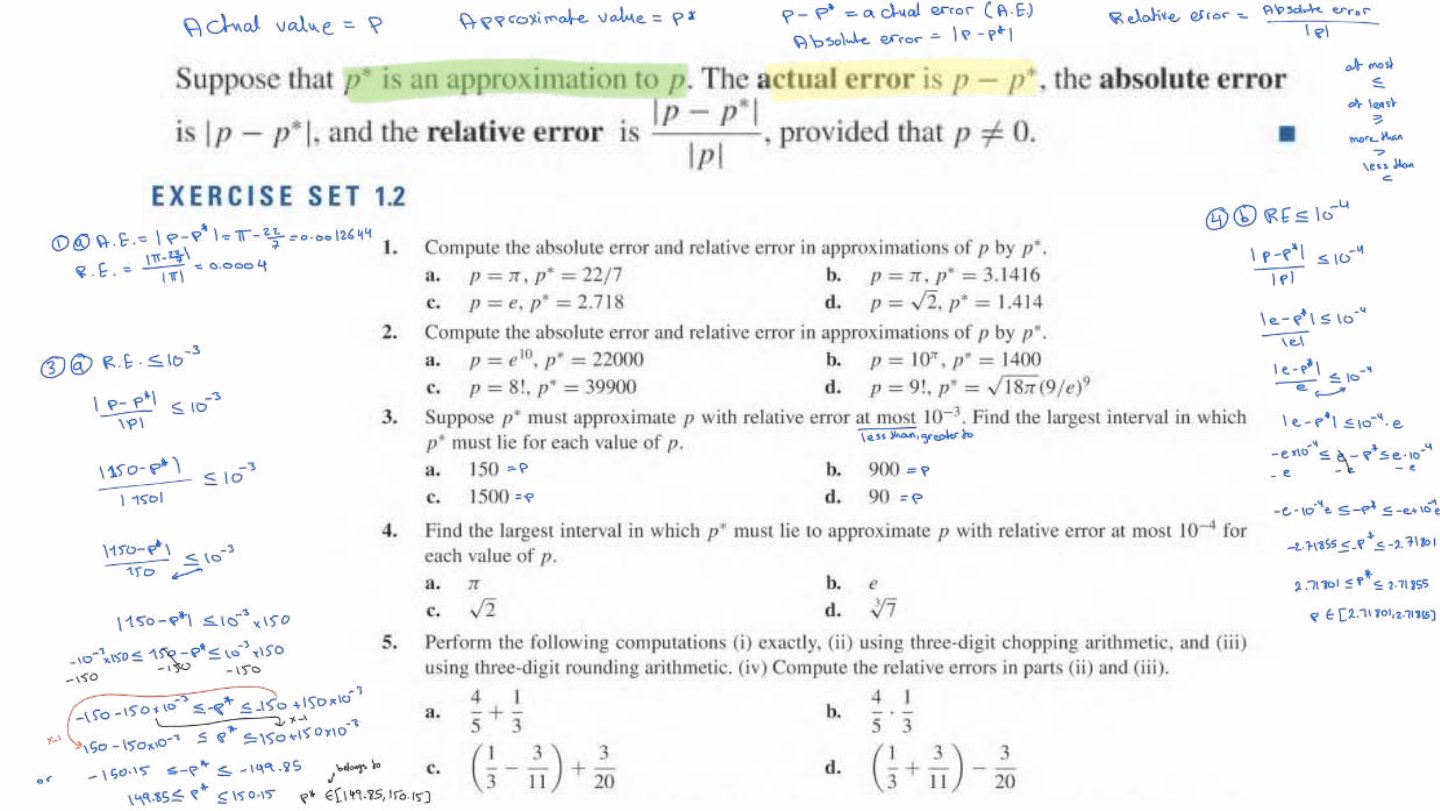
Absolute error |p − p*|; relative error |p − p*| / |p|.
Trap Relative error divides by the TRUE value p, not the approximation.
p = 3.1416, p* = 3.14. The relative error is about:
Subtracting nearly equal numbers loses significant digits; rewrite the formula (e.g. rationalize) to avoid it.