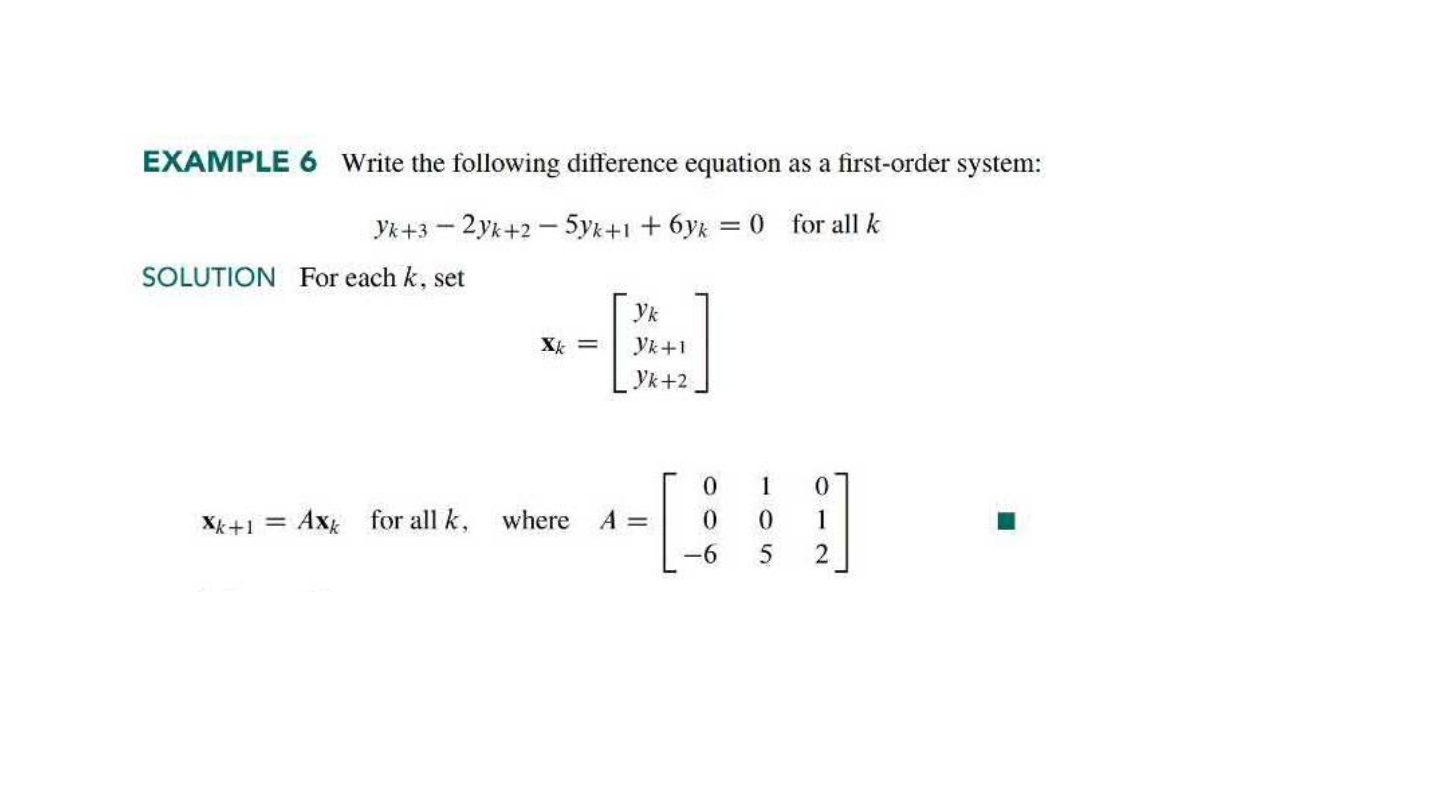
Applications to Difference Equations and Signals
Discrete-time signals, periodic signals, linear difference equations, and the solution space of a homogeneous linear difference equation.
How to read this page
Every original slide is shown unchanged. Yellow marks on a slide point to a numbered note: hover or tap a mark to jump to its note, and hover a note to see its marks. Questions tagged Past exam appeared on a real paper; Prediction questions are likely angles, not confirmed. Pick an answer to each question: a wrong pick tells you why it is wrong, so you can try again.
A discrete signal is an infinite sequence of numbers {y } where k
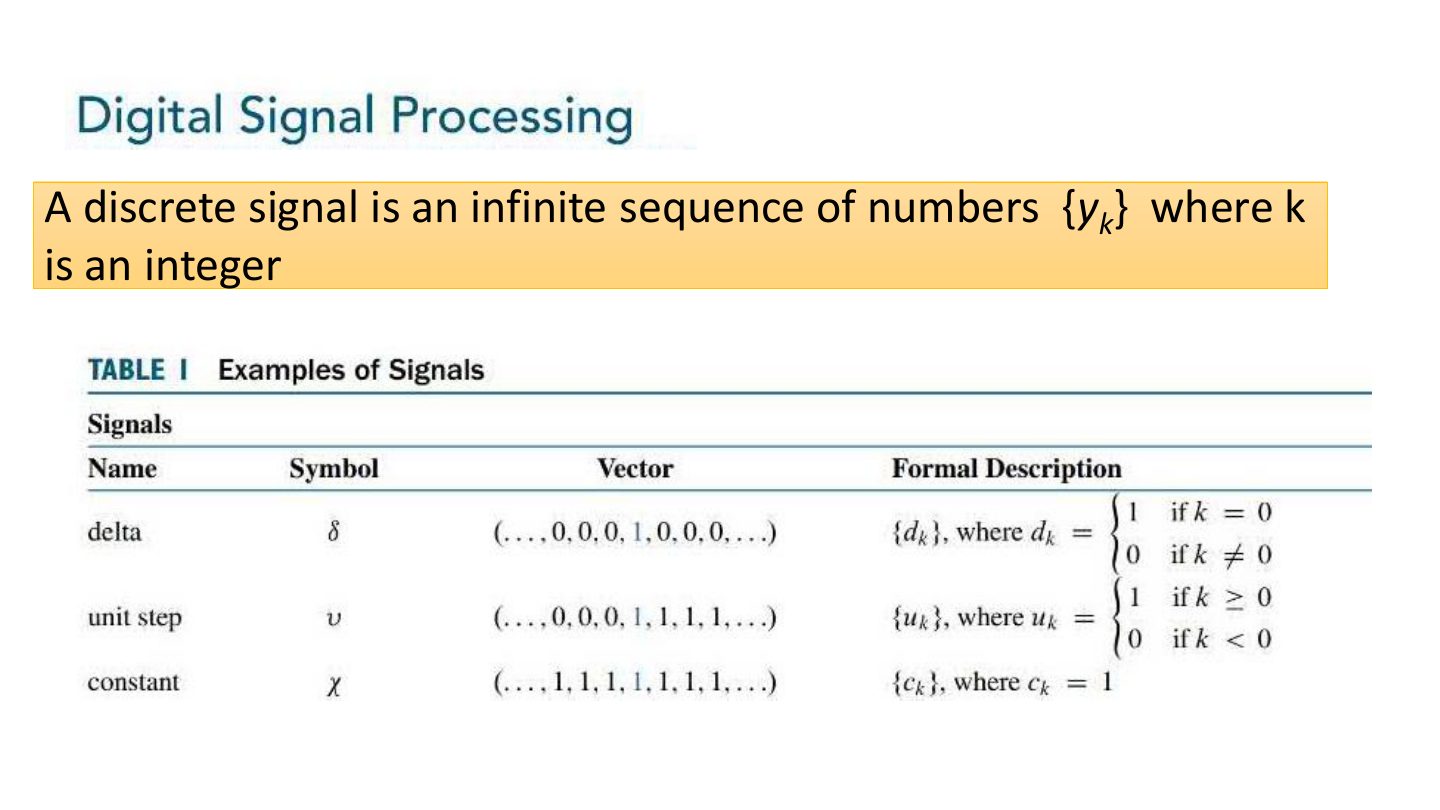
Notes
A discrete signal is a sequence {yₖ}. A linear difference equation: a₀yₖ₊ₙ + … + aₙyₖ = zₖ.
A periodic signal is signal for which there exist a positive integer q
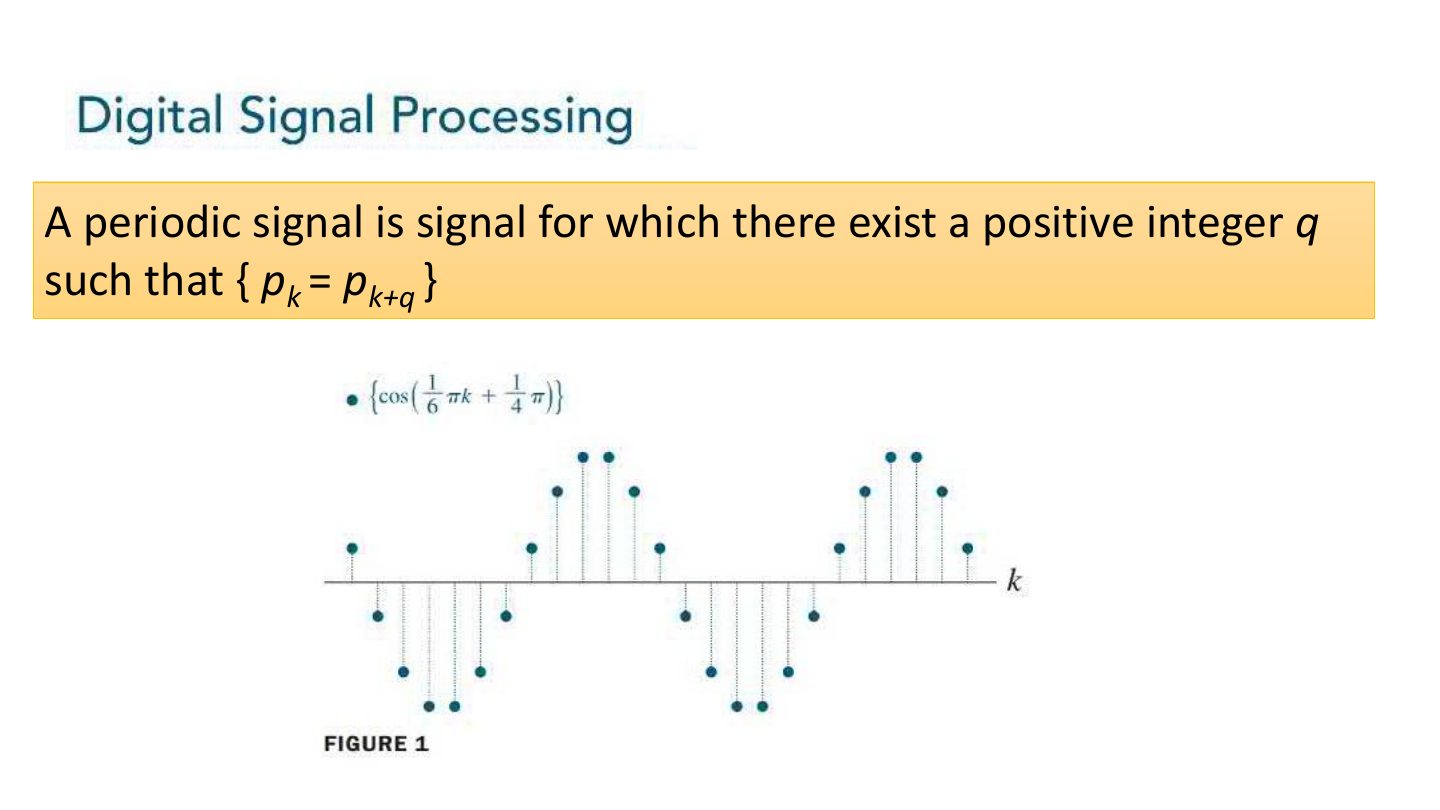
Slide 3
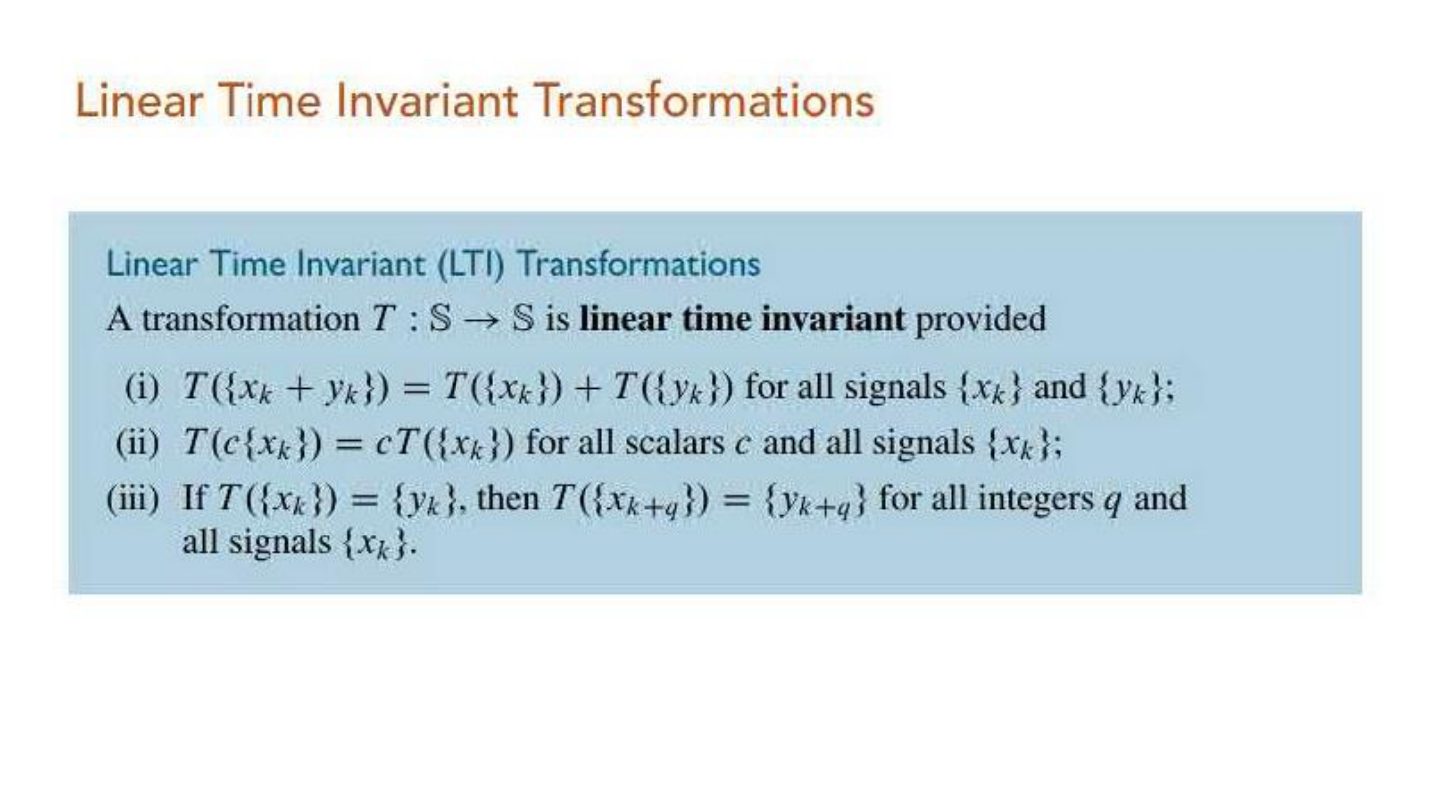
Slide 4
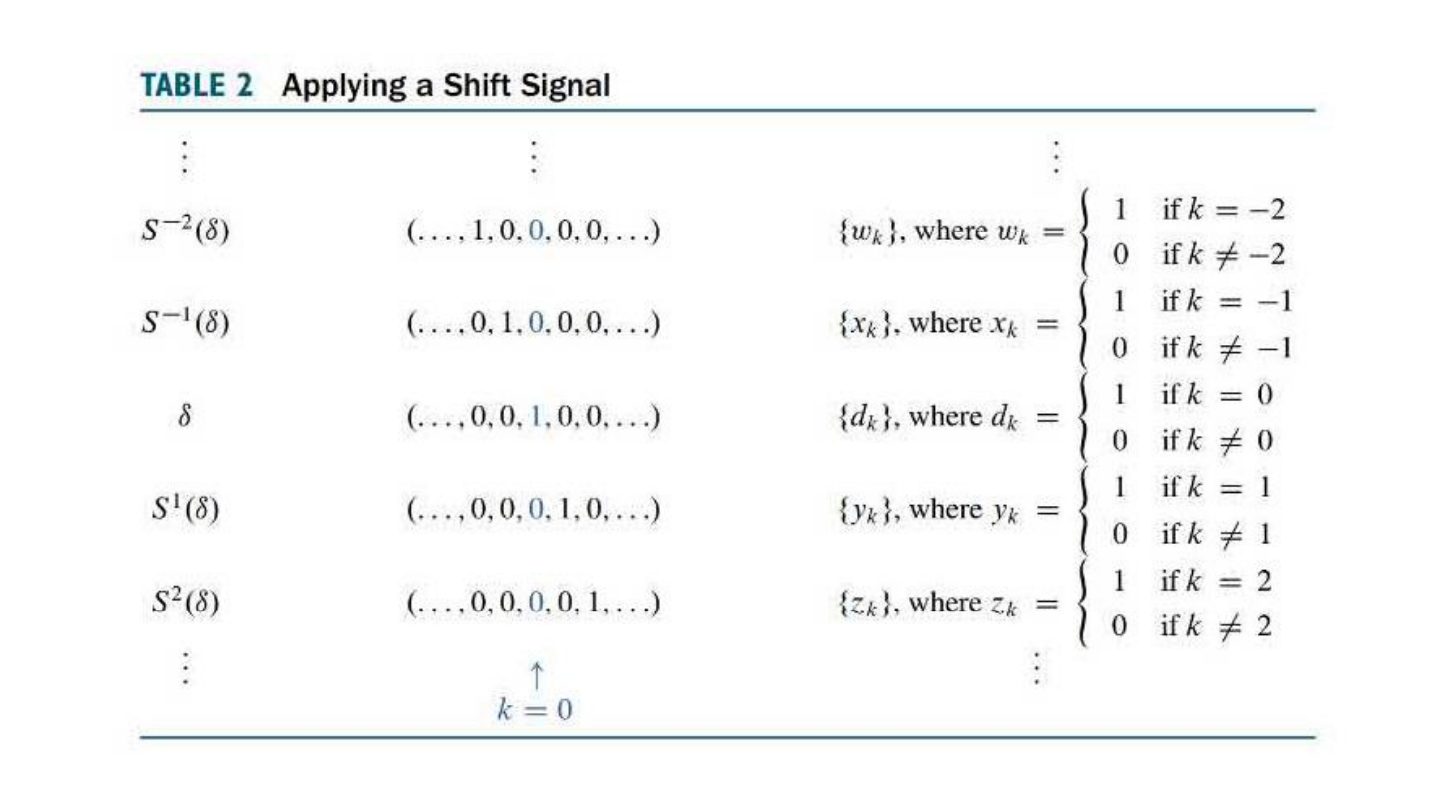
Slide 5
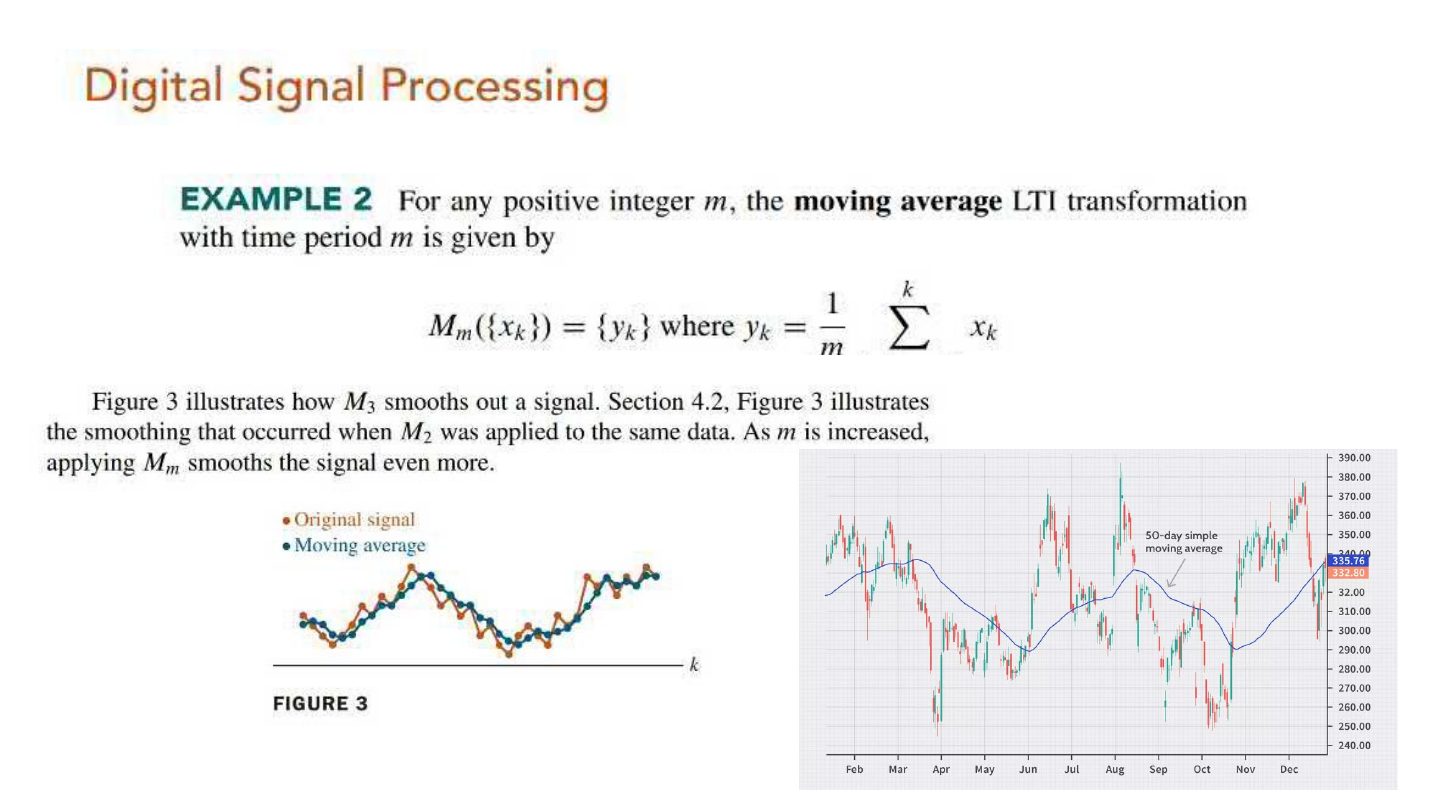
Notes
Solutions of a homogeneous n-th order linear difference equation form an n-dimensional space; try yₖ = rᵏ to get the auxiliary equation.
Slide 6
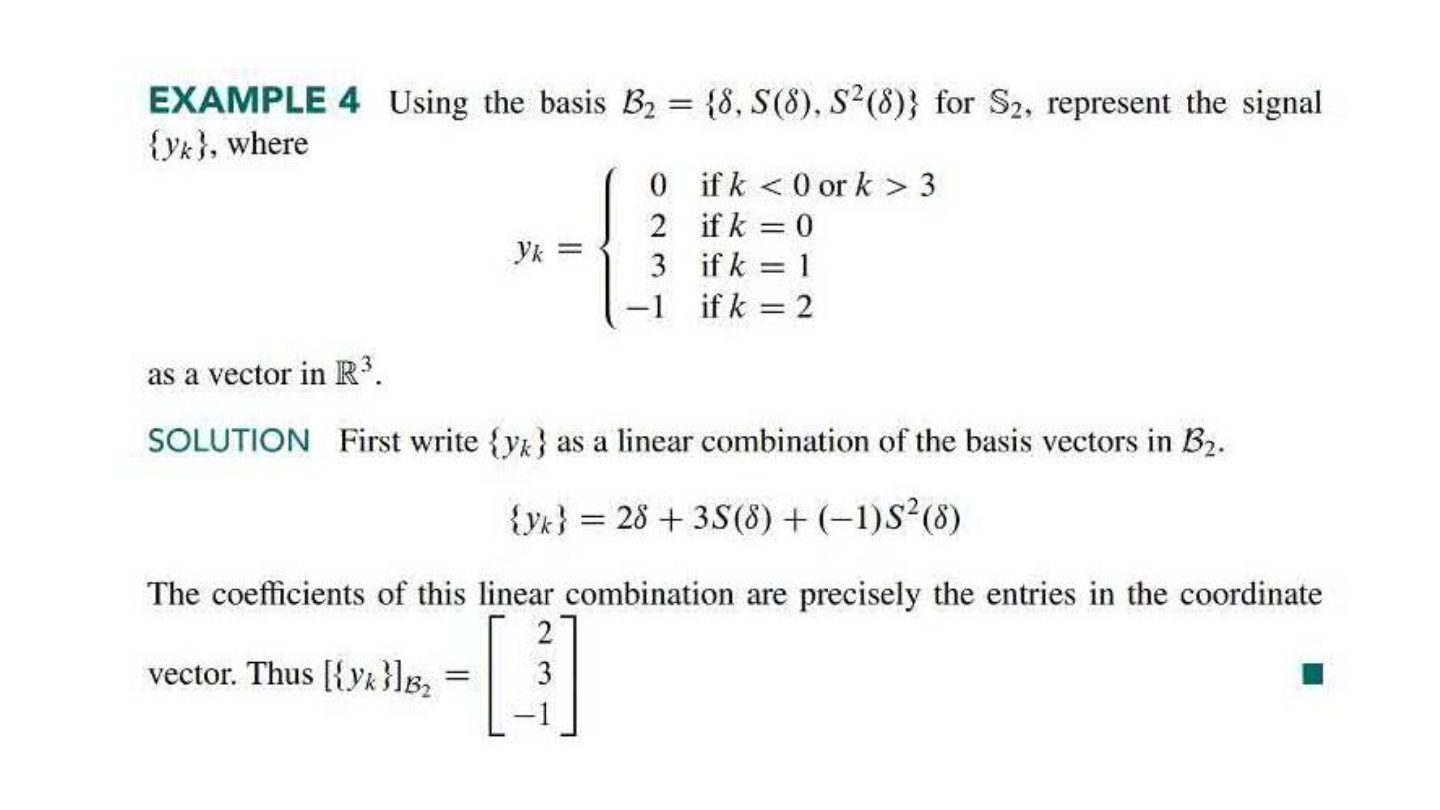
Slide 7
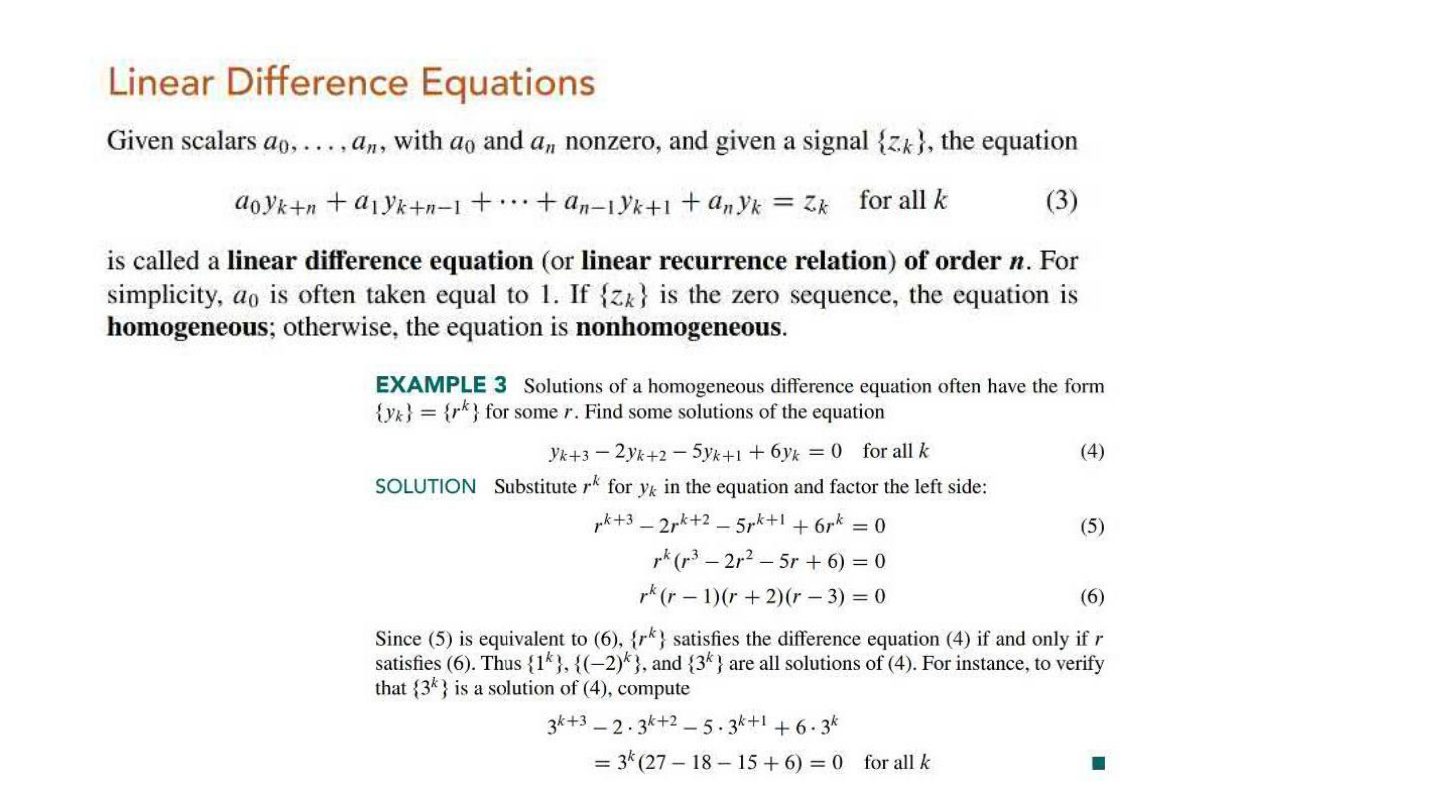
Slide 8
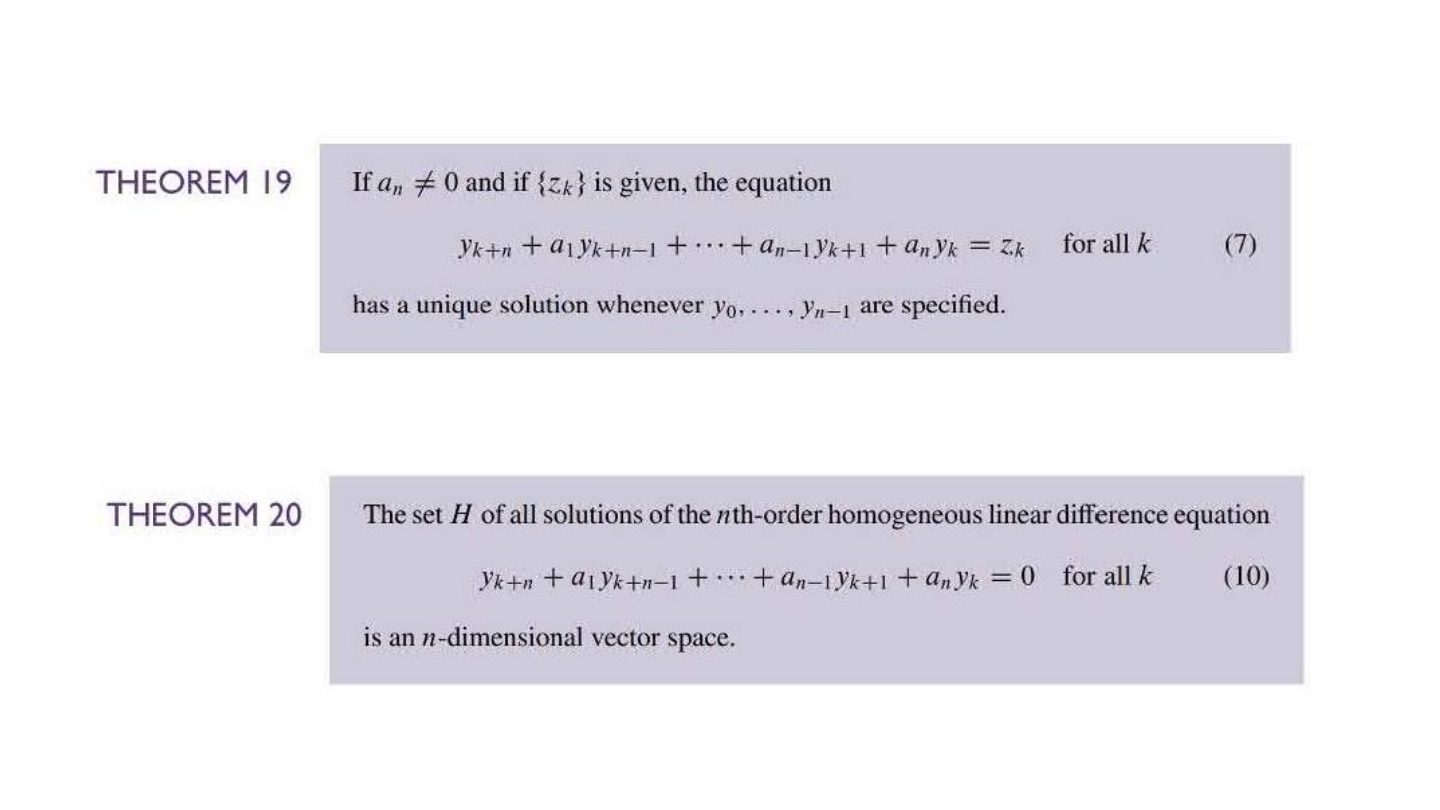
Slide 9
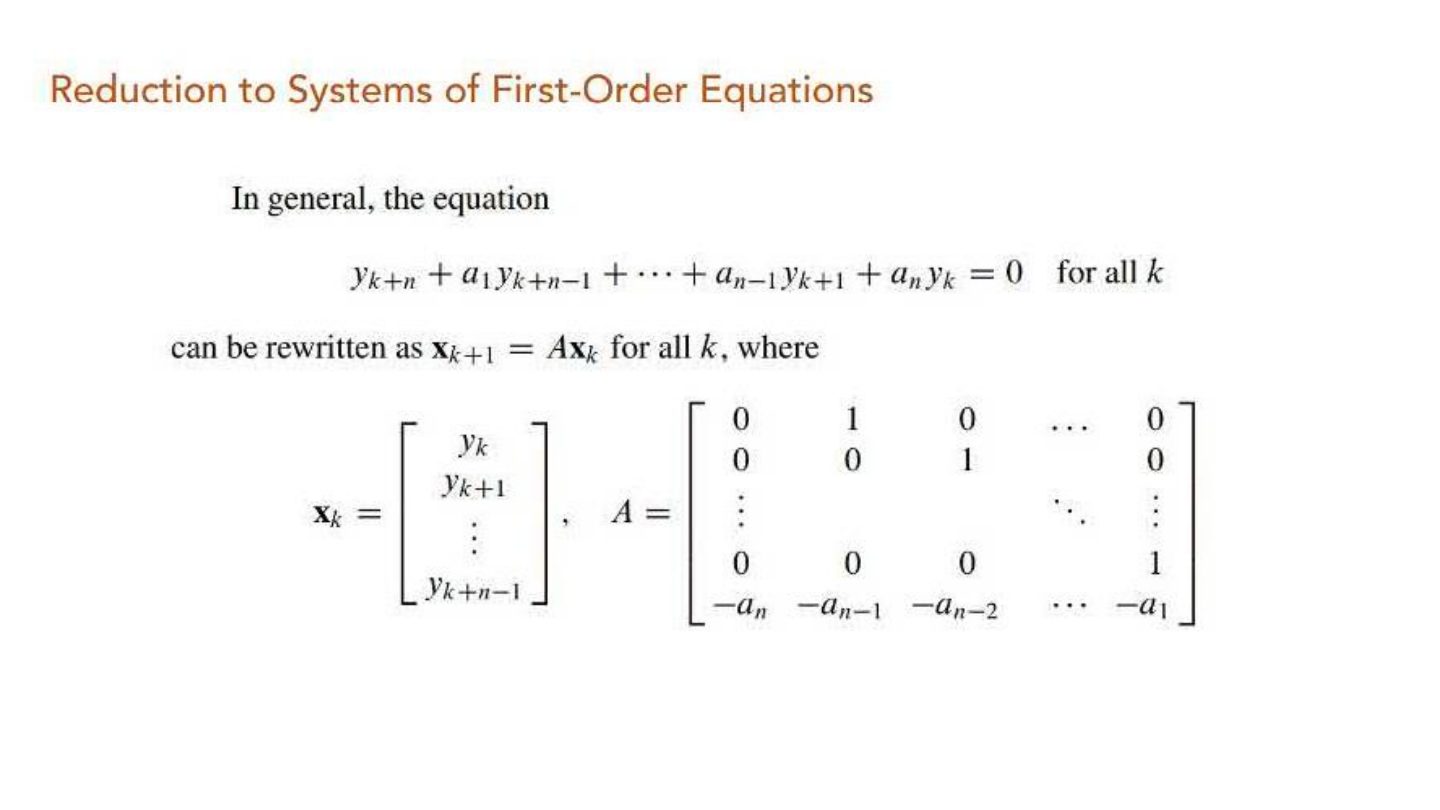
Slide 10