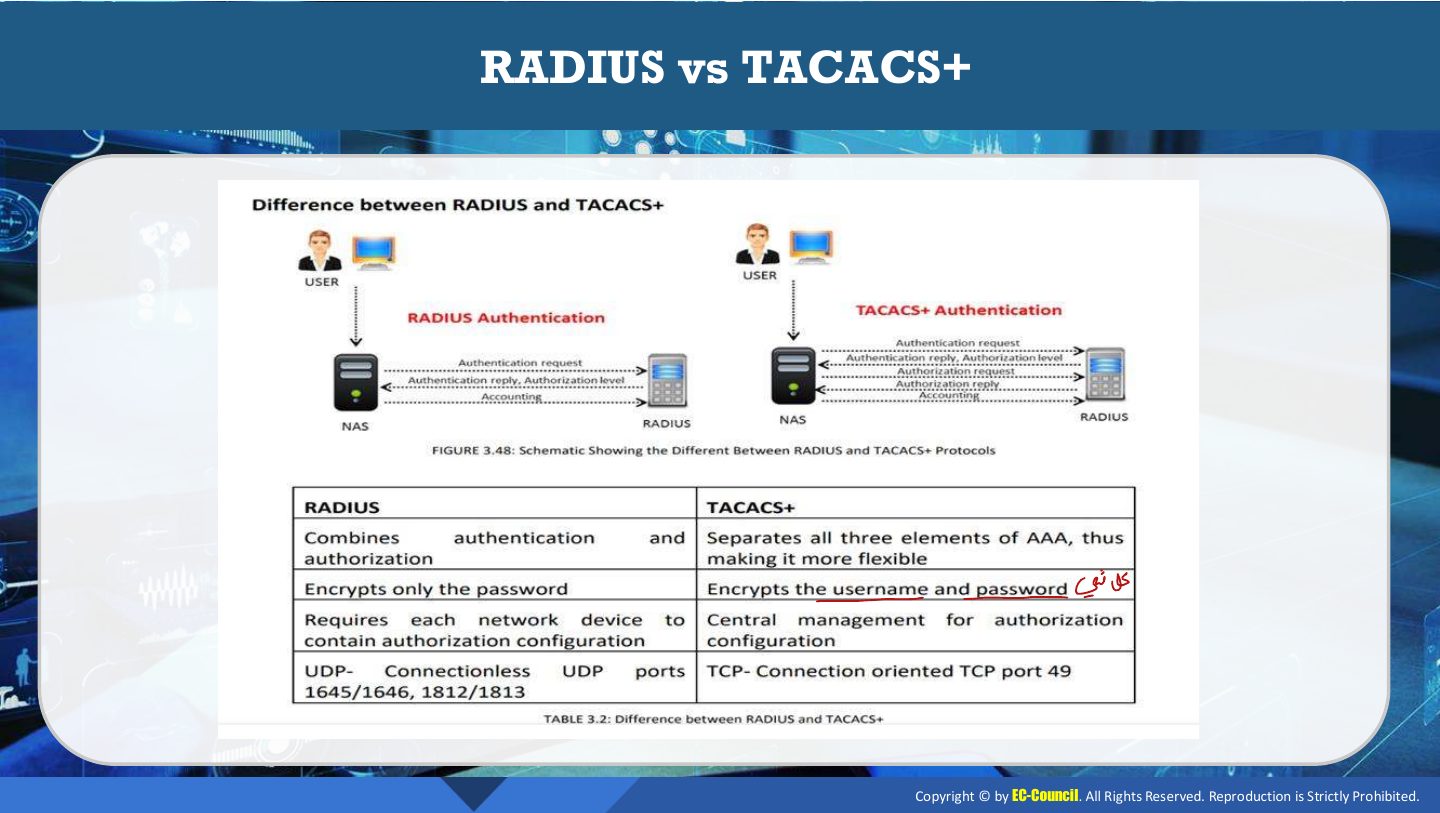
Compared with RADIUS, TACACS+:
Network Security Protocols
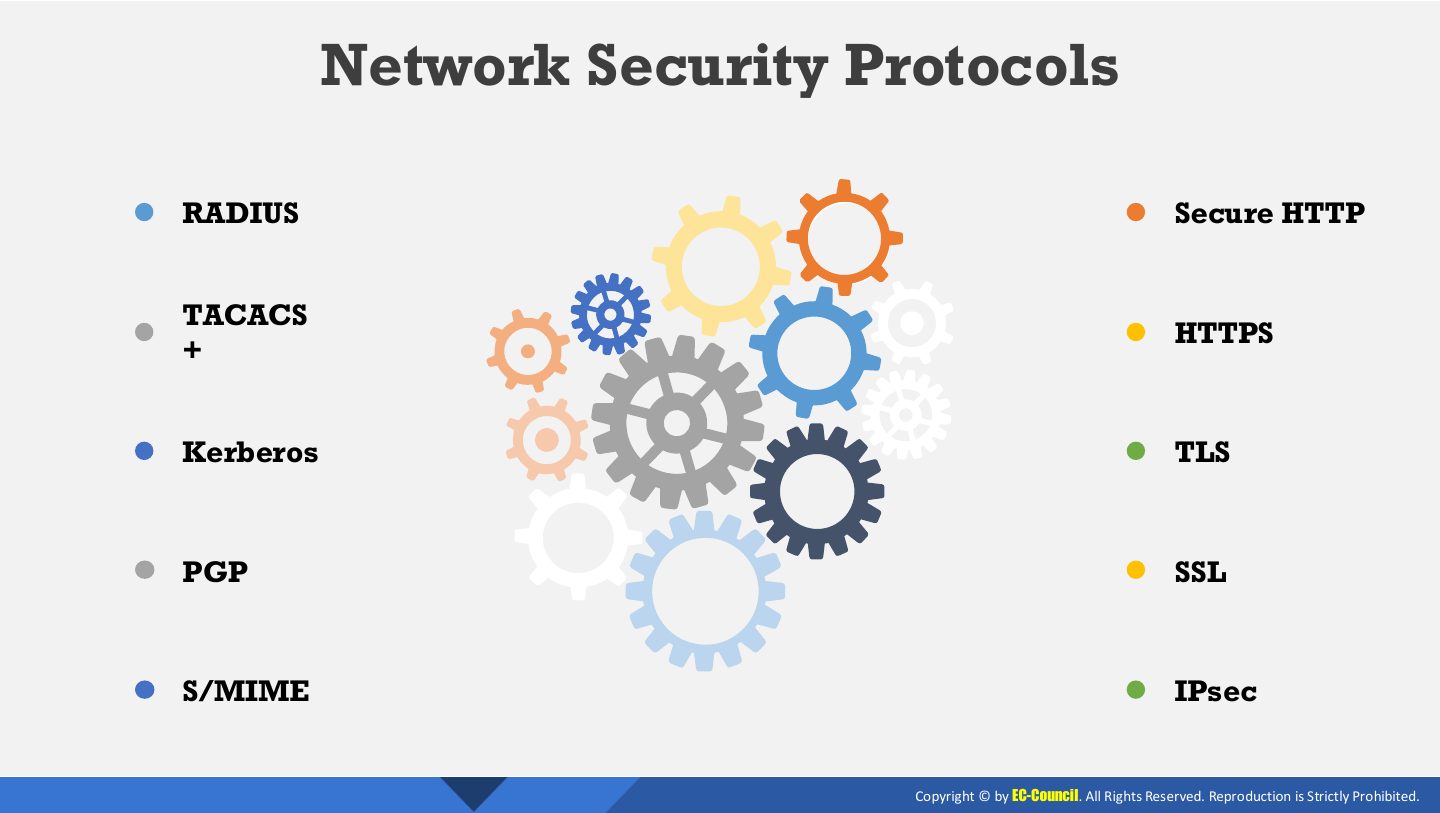
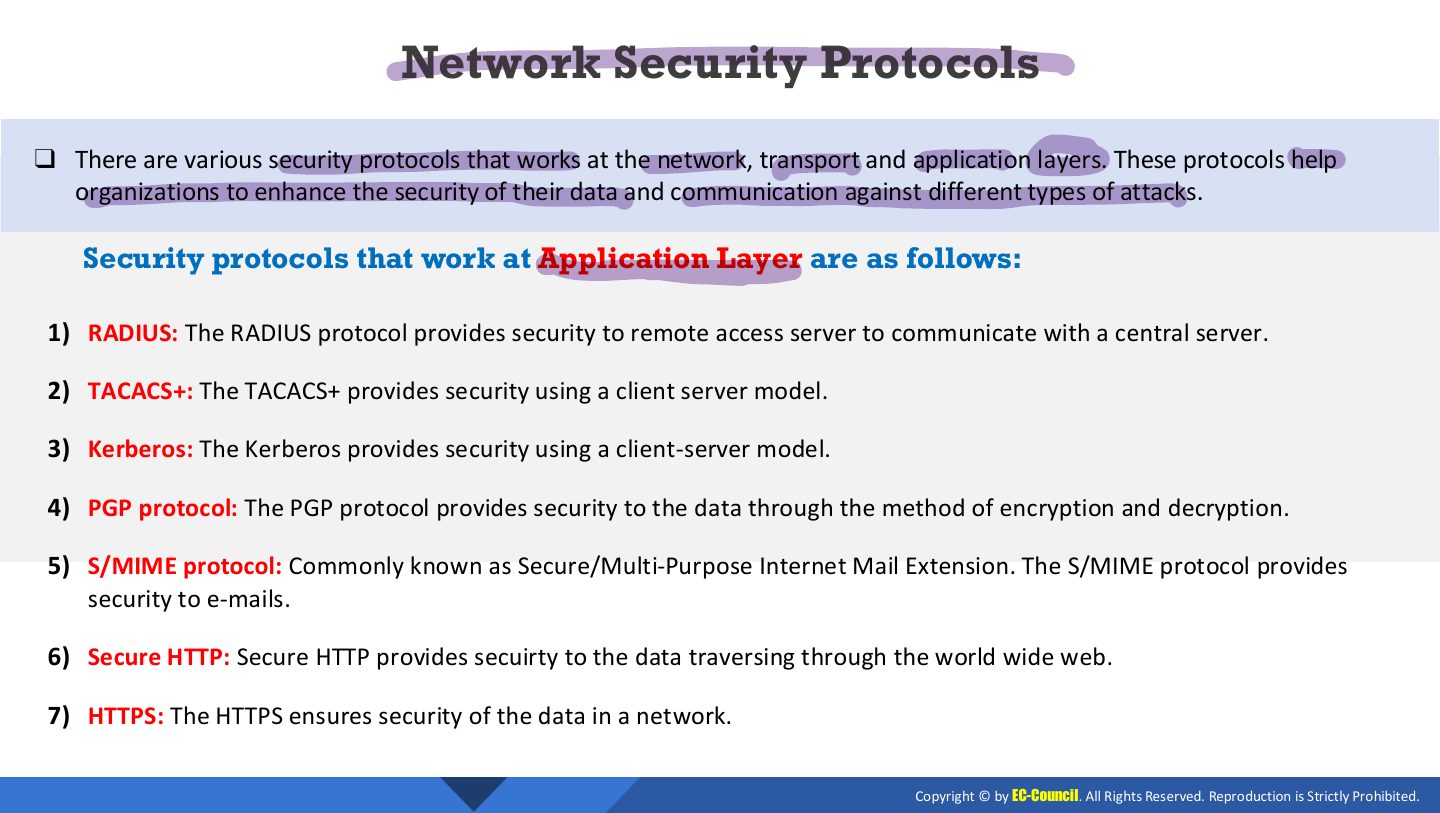
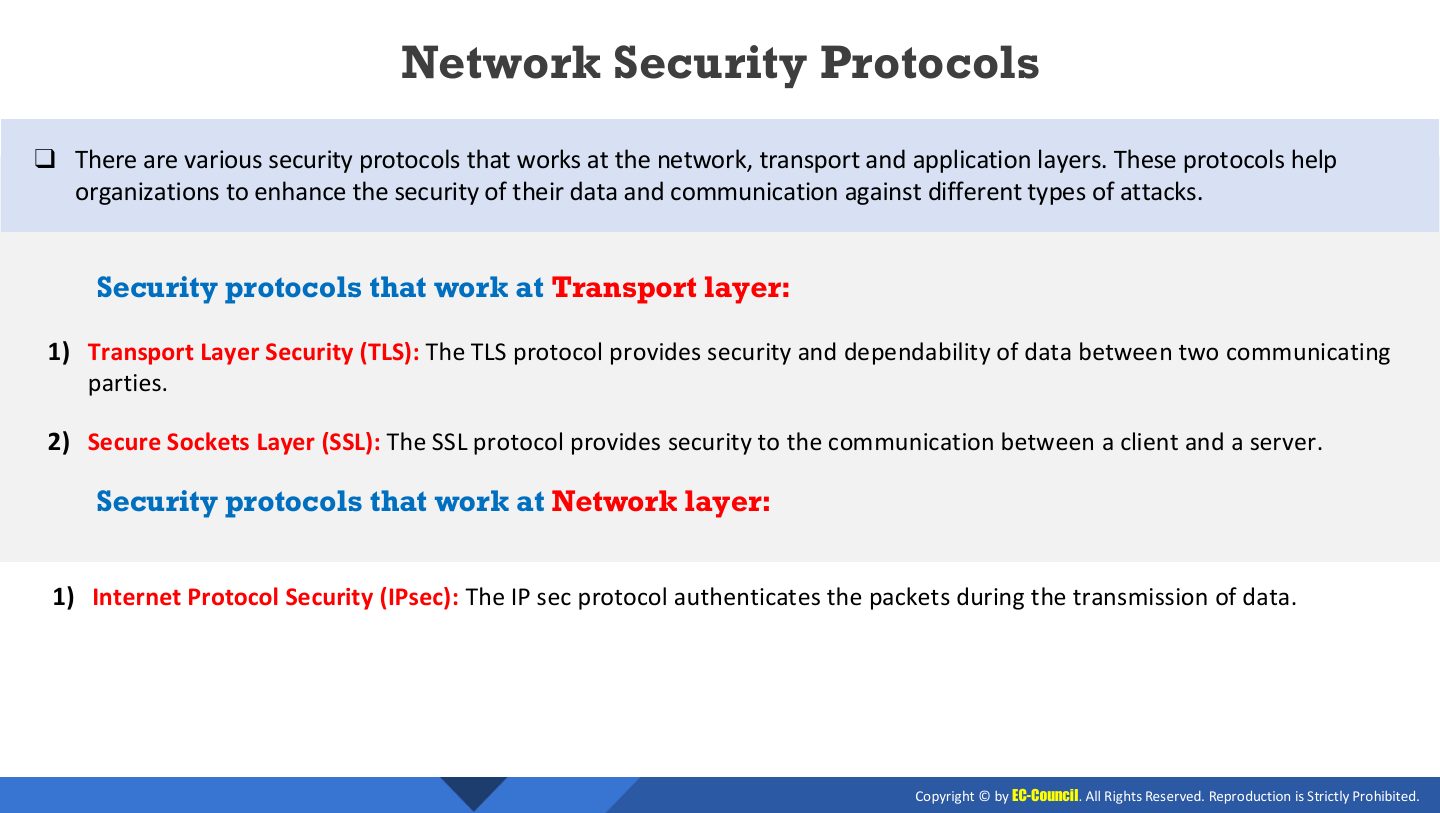
RADIUS and TACACS+ for AAA, Kerberos, email security with PGP and S/MIME, HTTPS, TLS and SSL, and IPsec.
How to read this page
Every original slide is shown unchanged. Yellow marks on a slide point to a numbered note: hover or tap a mark to jump to its note, and hover a note to see its marks. Questions tagged Past exam appeared on a real paper; Prediction questions are likely angles, not confirmed. Pick an answer to each question: a wrong pick tells you why it is wrong, so you can try again.
All 29 slides
- 1 Slide 1
- 2 Module Objectives
- 3 Module Flow
- 4 Network Security Controls: Technical Security Controls
- 5 Network Security Protocols
- 6 Network Security Protocols
- 7 Network Security Protocols
- 8 Remote Authentication Dial-in User Service (RADIUS)
- 9 Remote Authentication Dial-in User Service (RADIUS) (Cont’d)
- 10 Remote Authentication Dial-in User Service (RADIUS) (Cont’d)
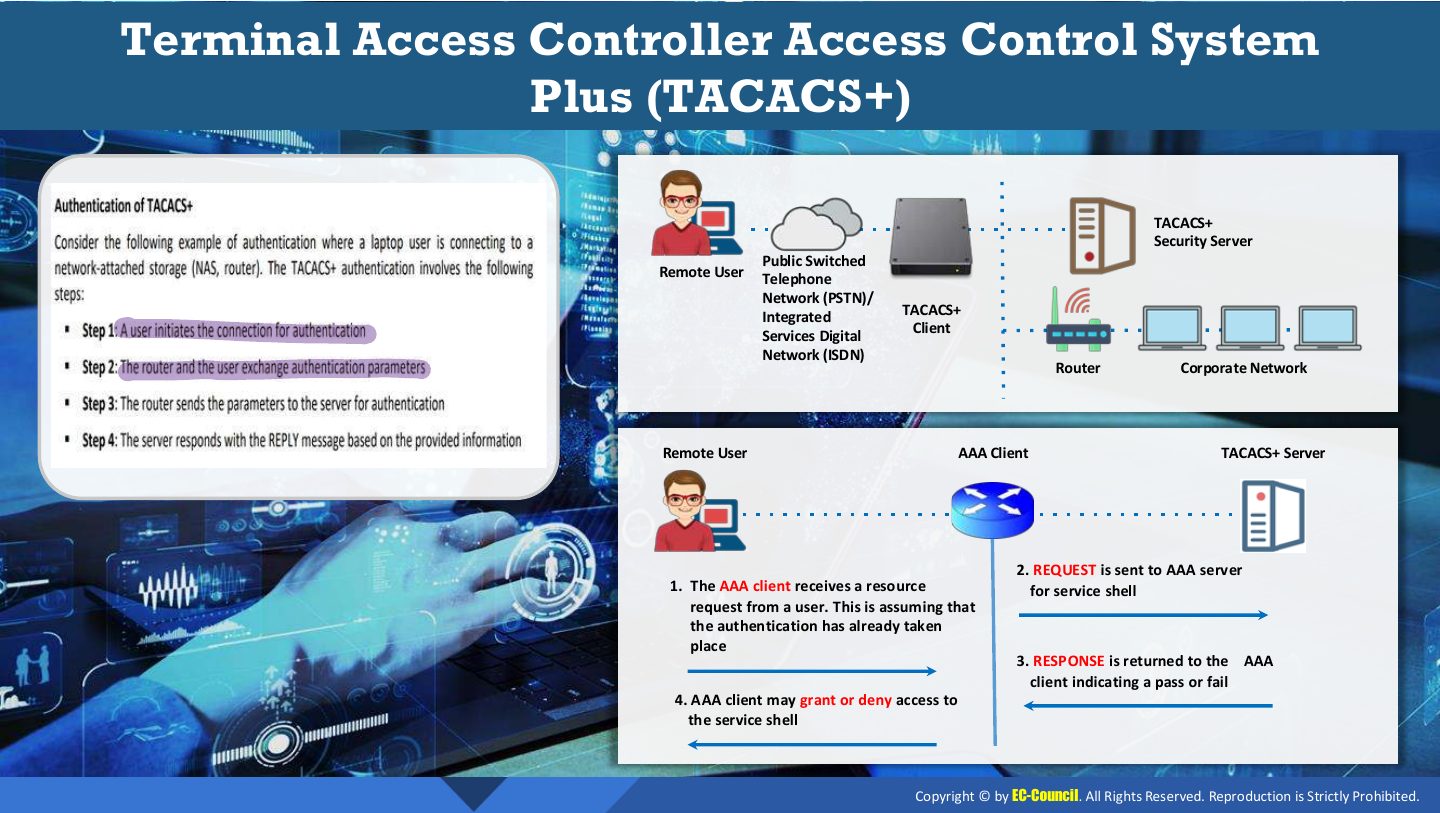
- 11 Terminal Access Controller Access Control System Plus (TACACS+)
- 12 Terminal Access Controller Access Control System Plus (TACACS+)
- 13 RADIUS vs TACACS+
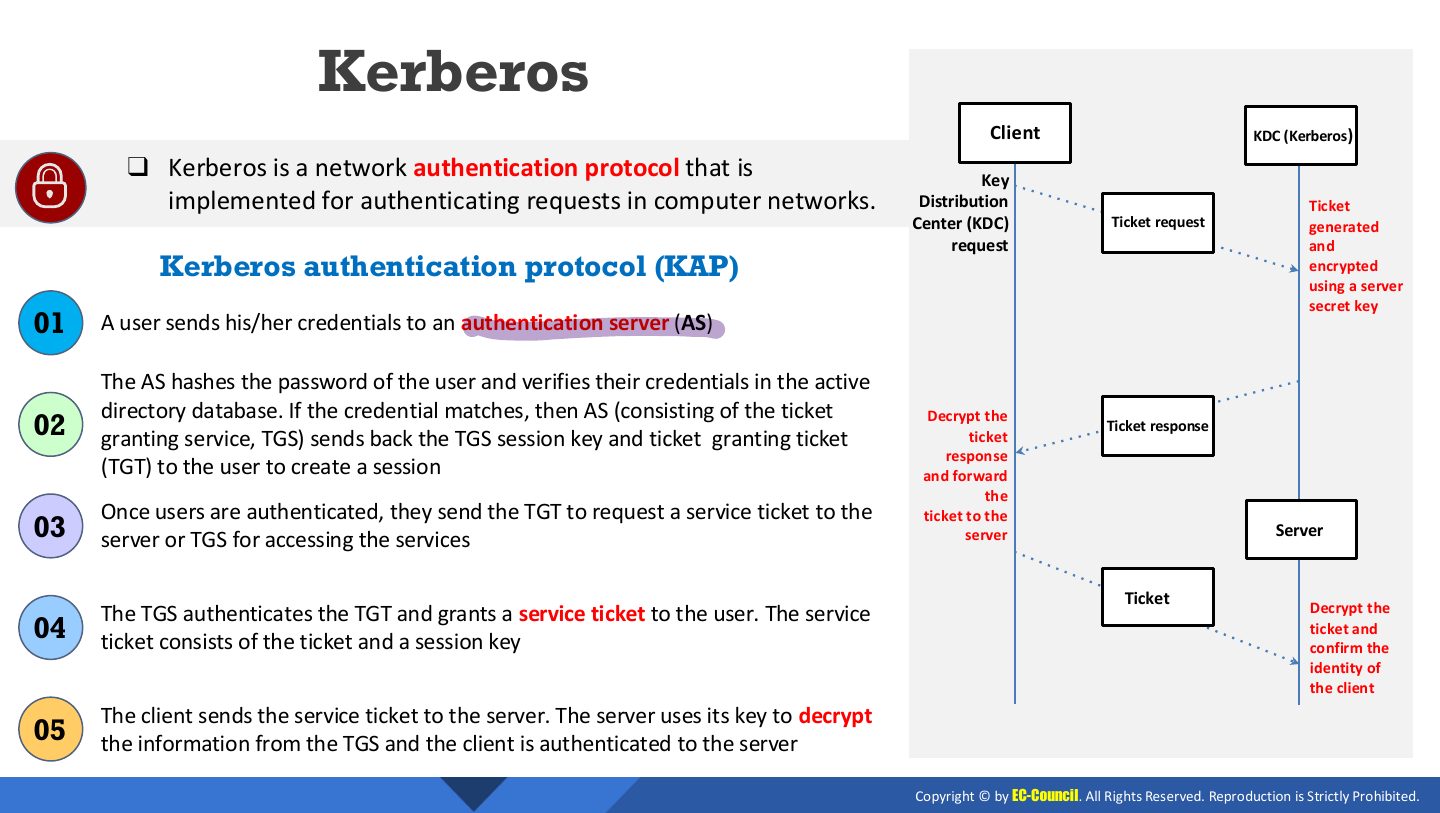
- 14 Kerberos
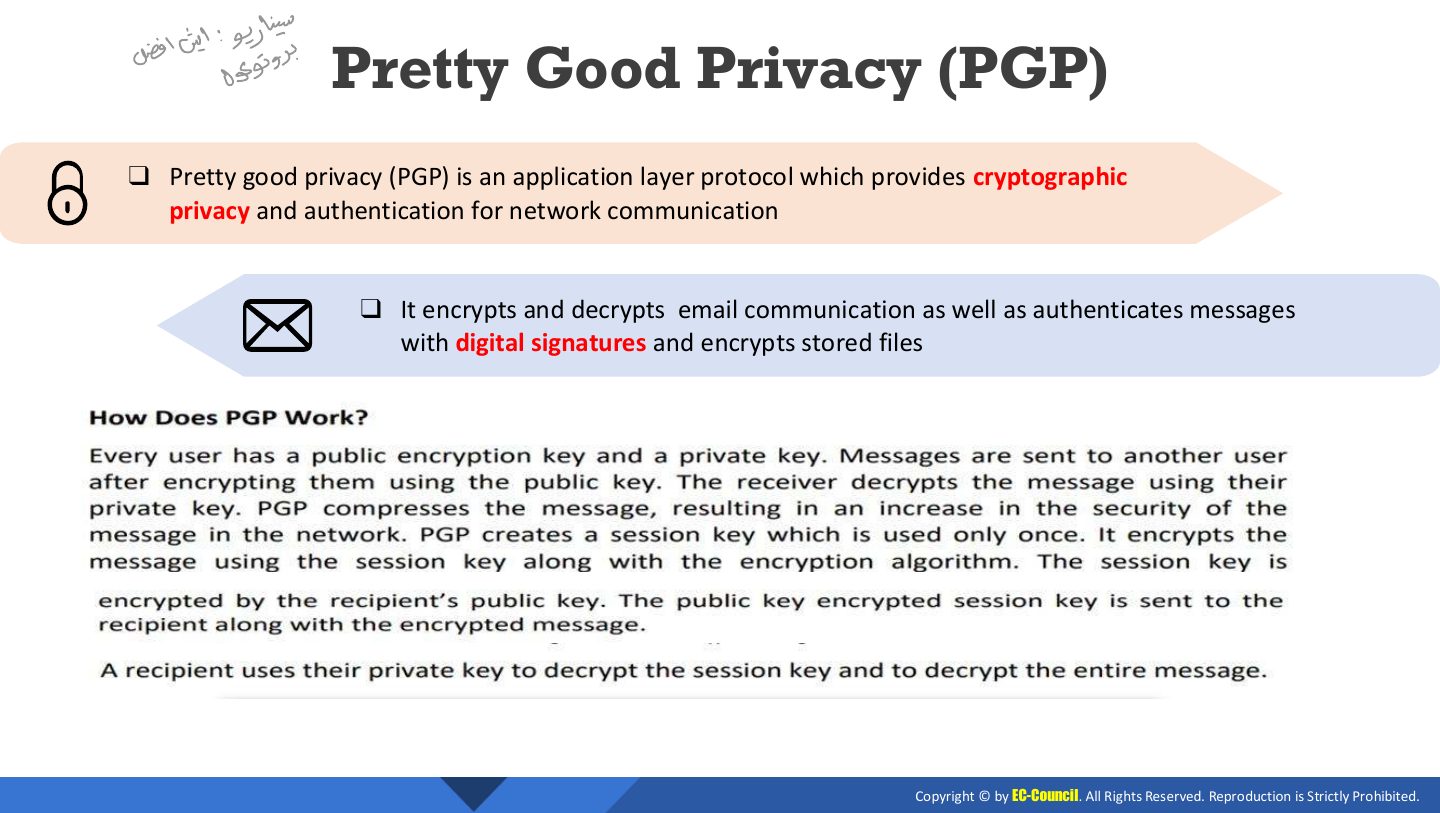
- 15 Pretty Good Privacy (PGP)
- 16 Pretty Good Privacy (PGP)
- 17 Secure/Multipurpose Internet Mail Extensions (S/MIME)
- 18 Secure/Multipurpose Internet Mail Extensions (S/MIME)
- 19 Secure/Multipurpose Internet Mail Extensions (S/MIME) (Cont’d)
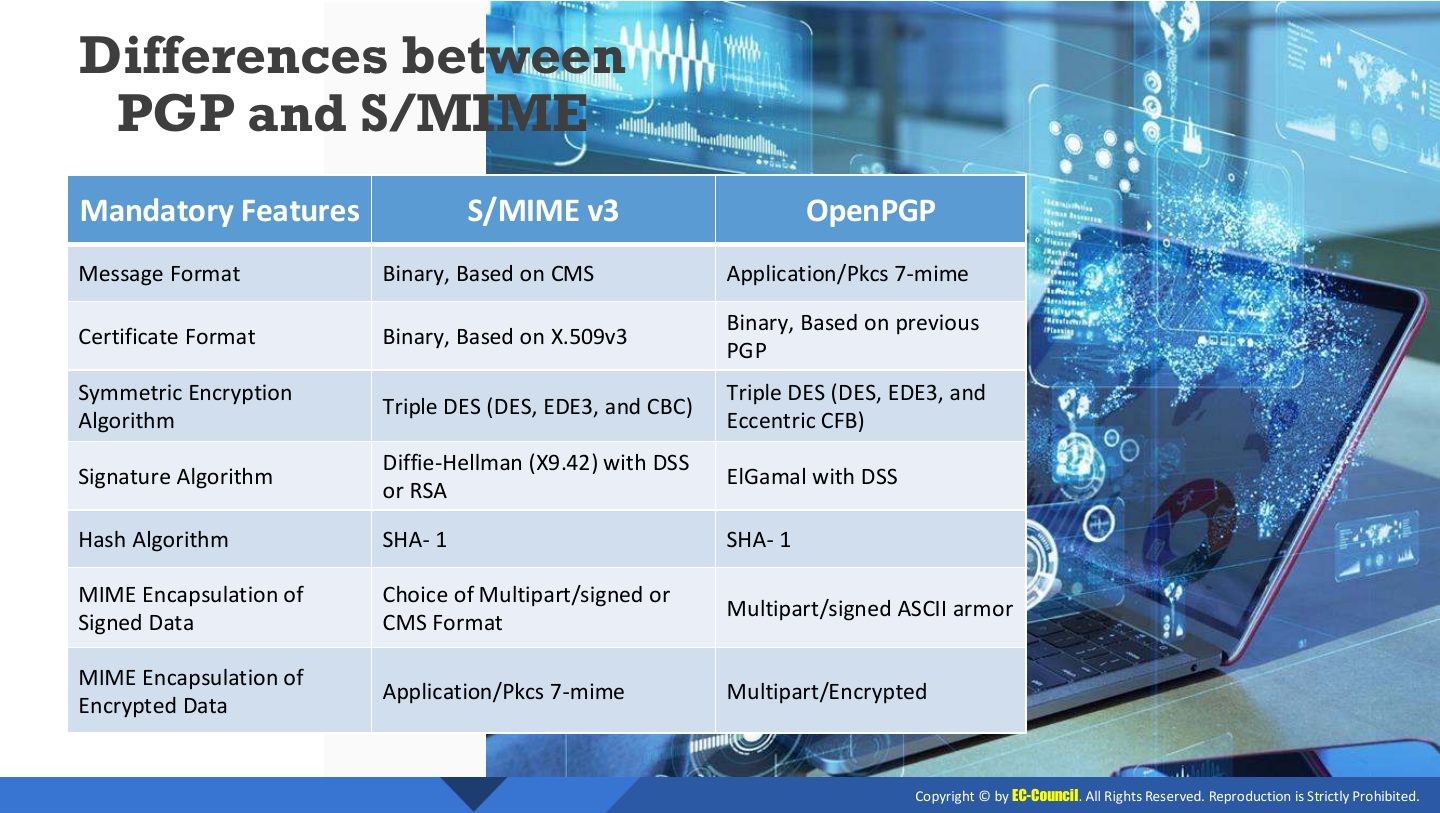
- 20 Differences between PGP and S/MIME
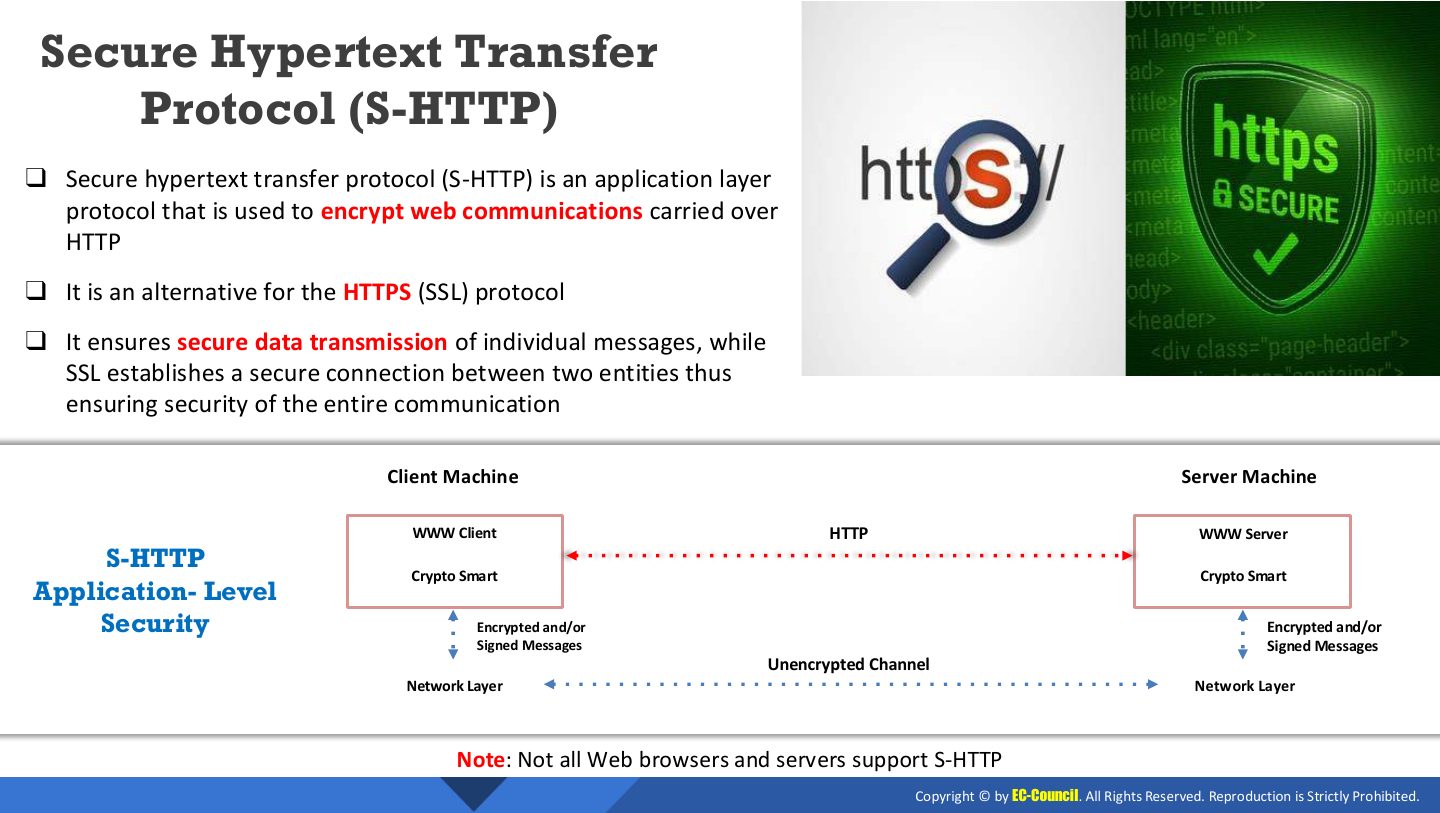
- 21 Secure Hypertext Transfer Protocol (S-HTTP)
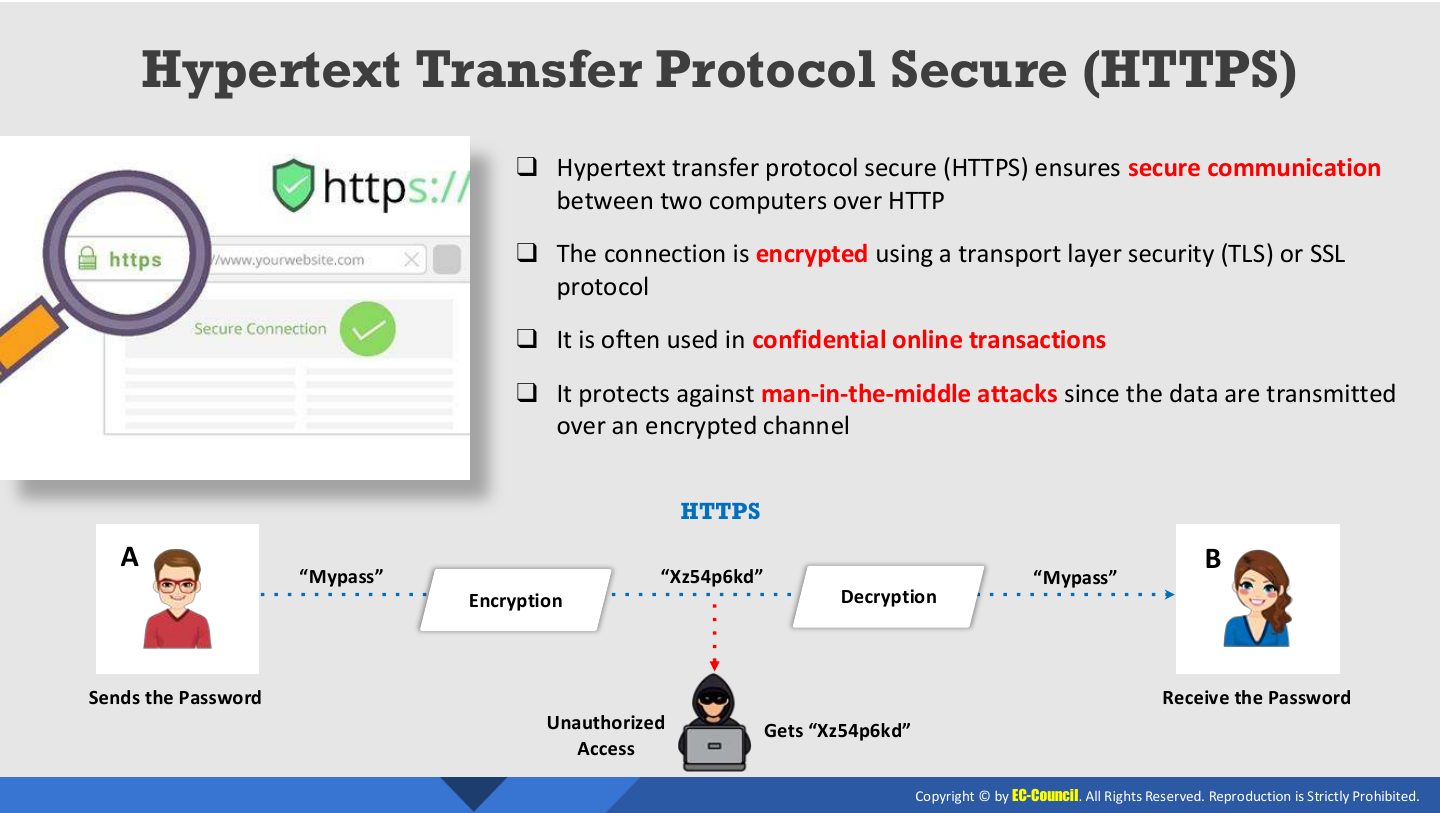
- 22 Hypertext Transfer Protocol Secure (HTTPS)
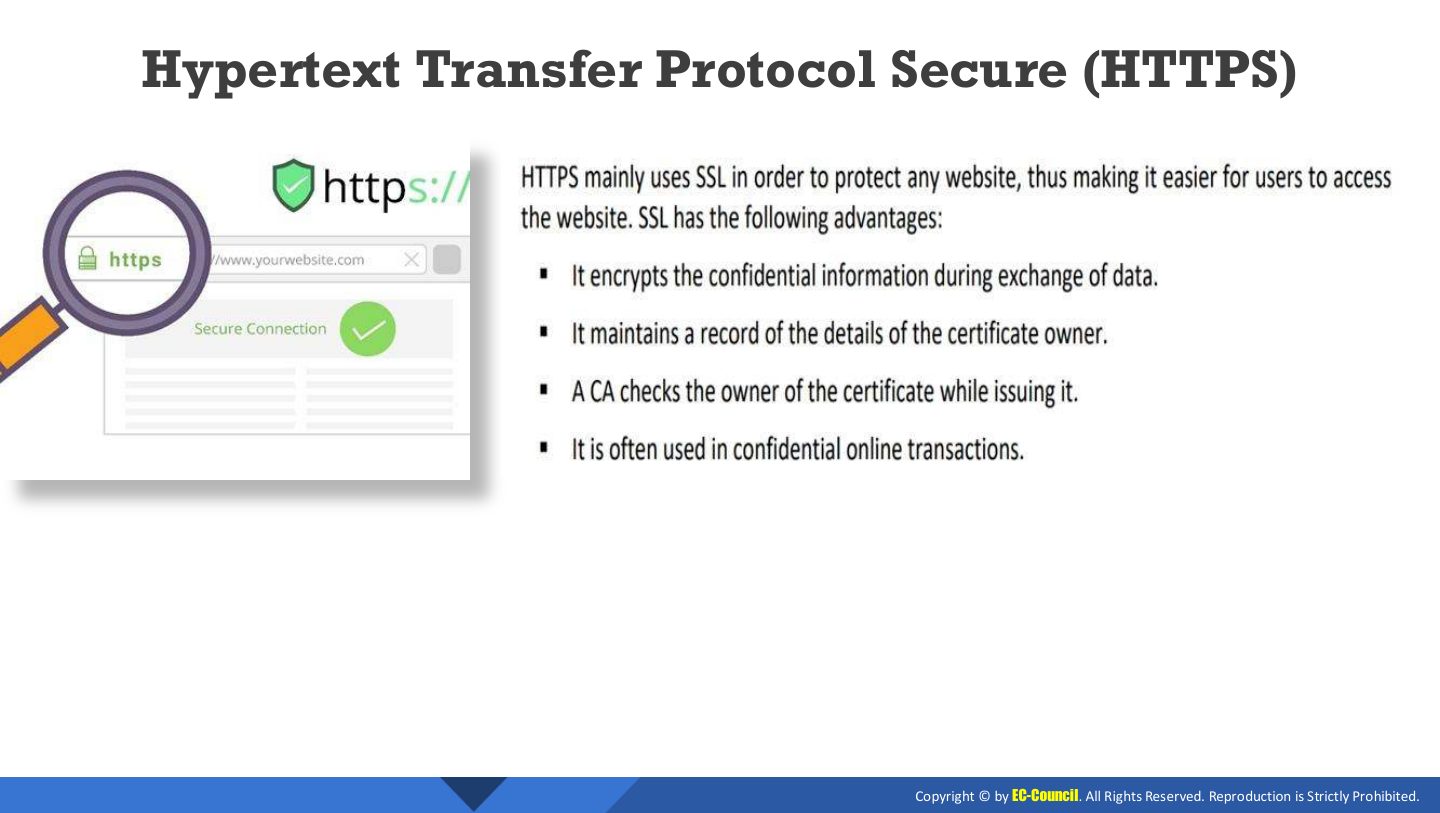
- 23 Hypertext Transfer Protocol Secure (HTTPS)
- 24 Transport Layer Security (TLS)
- 25 Secure Sockets Layer (SSL)
- 26 Secure Sockets Layer (SSL)
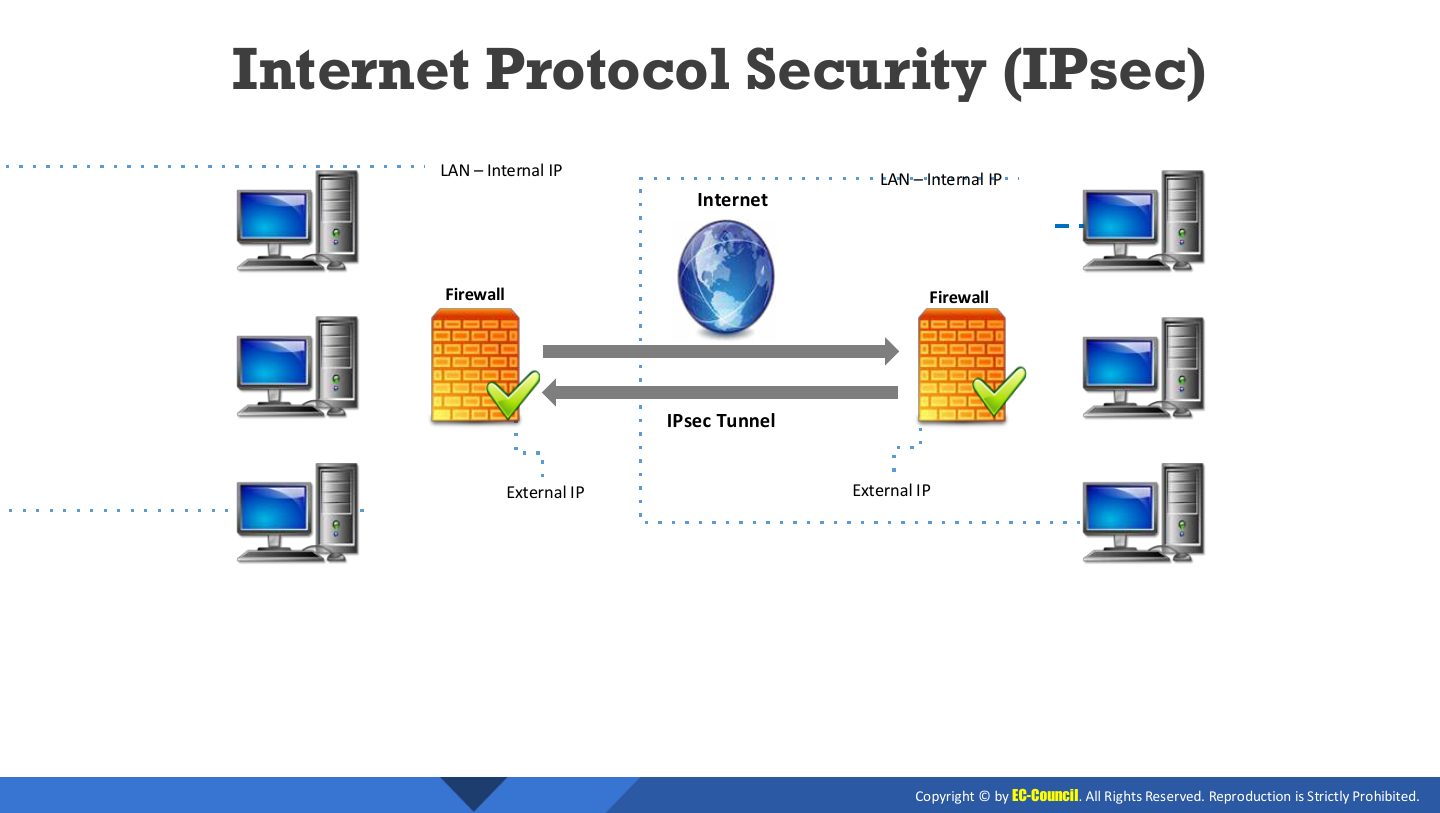
- 27 Internet Protocol Security (IPsec)
- 28 Internet Protocol Security (IPsec)
- 29 Module Summary
Slide 1
Module Objectives
Module Flow
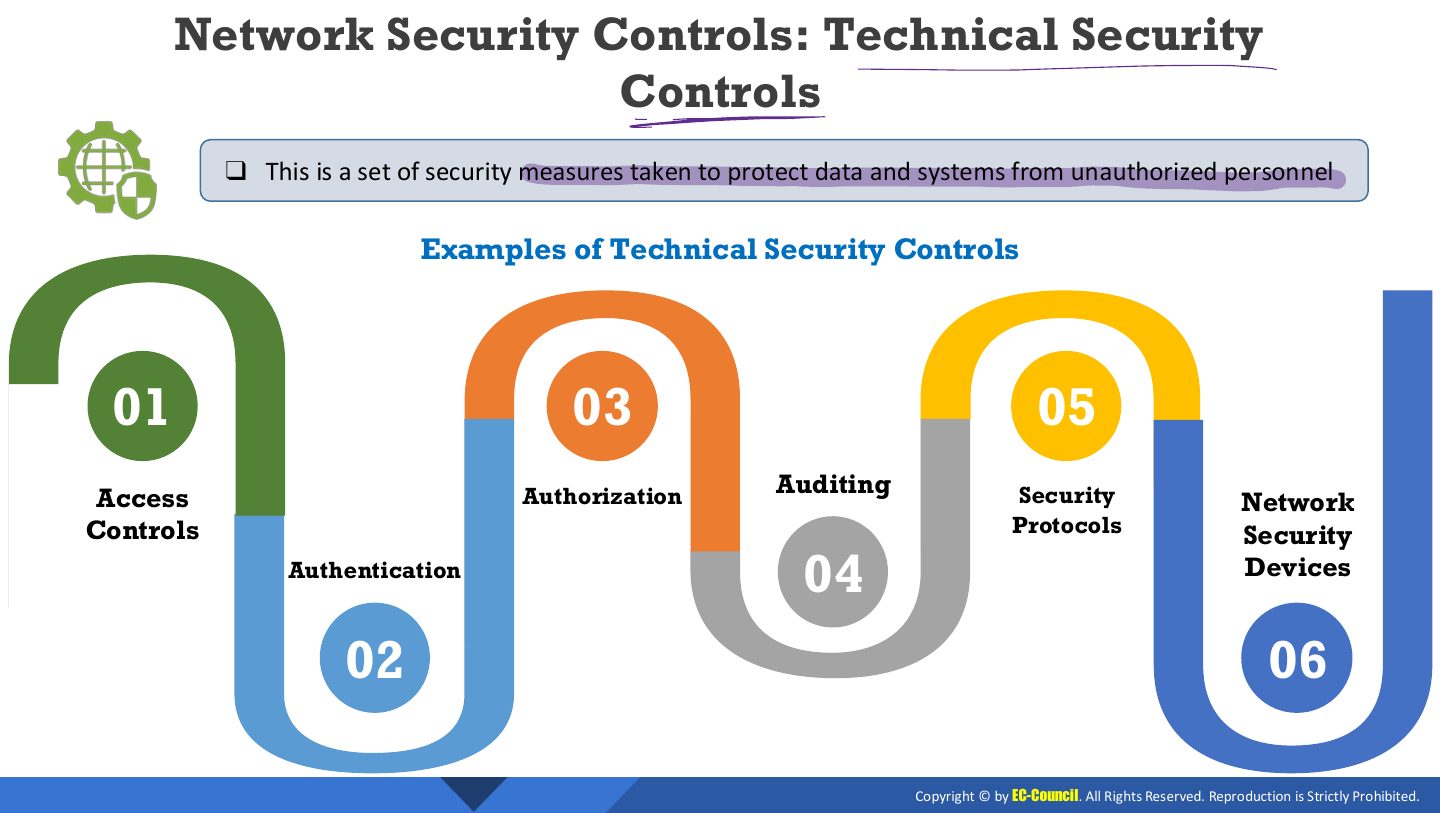
Network Security Controls: Technical Security Controls
Network Security Protocols
Network Security Protocols
Network Security Protocols
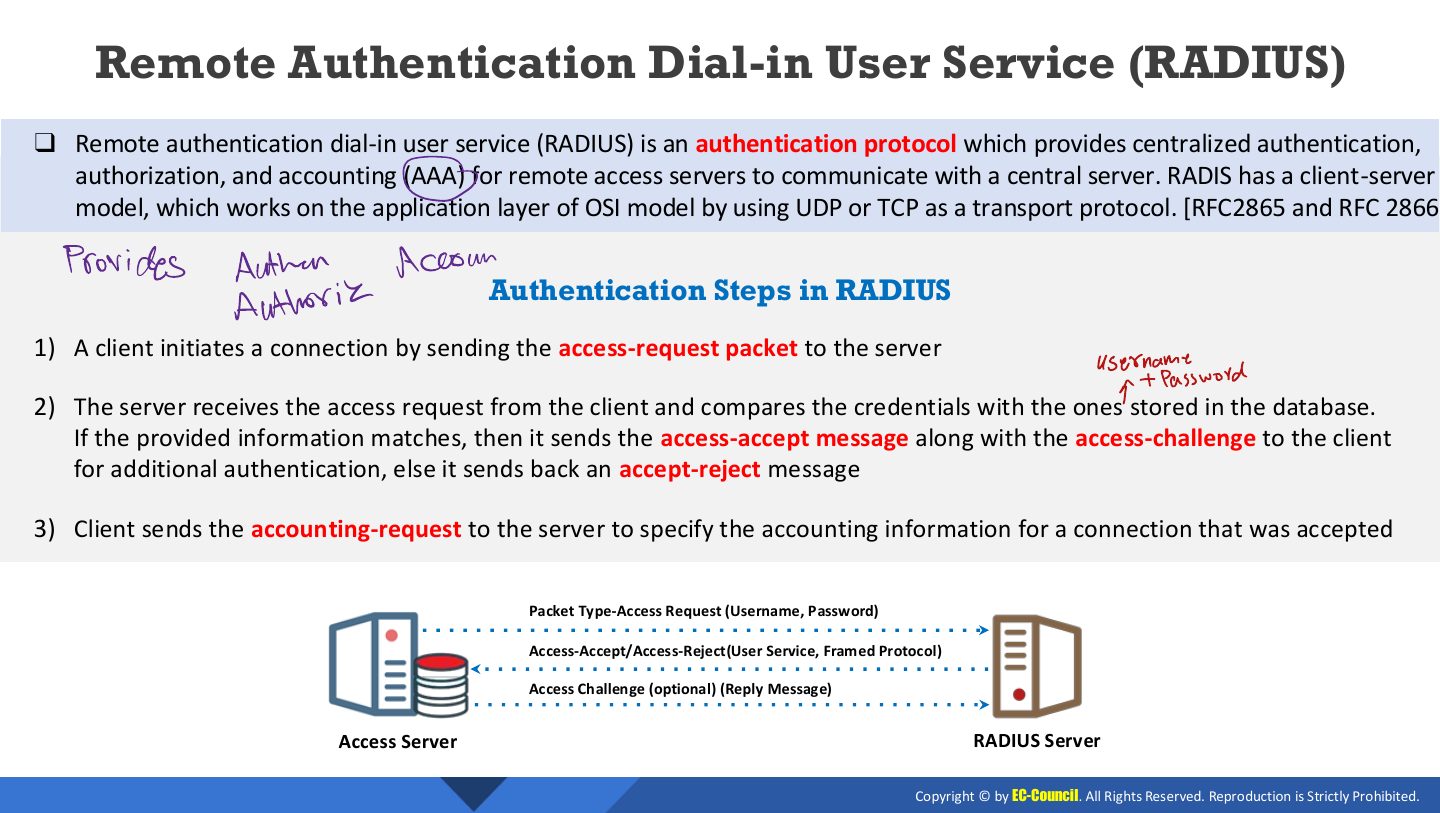
Remote Authentication Dial-in User Service (RADIUS)
Notes
RADIUS: centralized AAA over UDP (1812/1813); encrypts only the password.
Remote Authentication Dial-in User Service (RADIUS) (Cont’d)
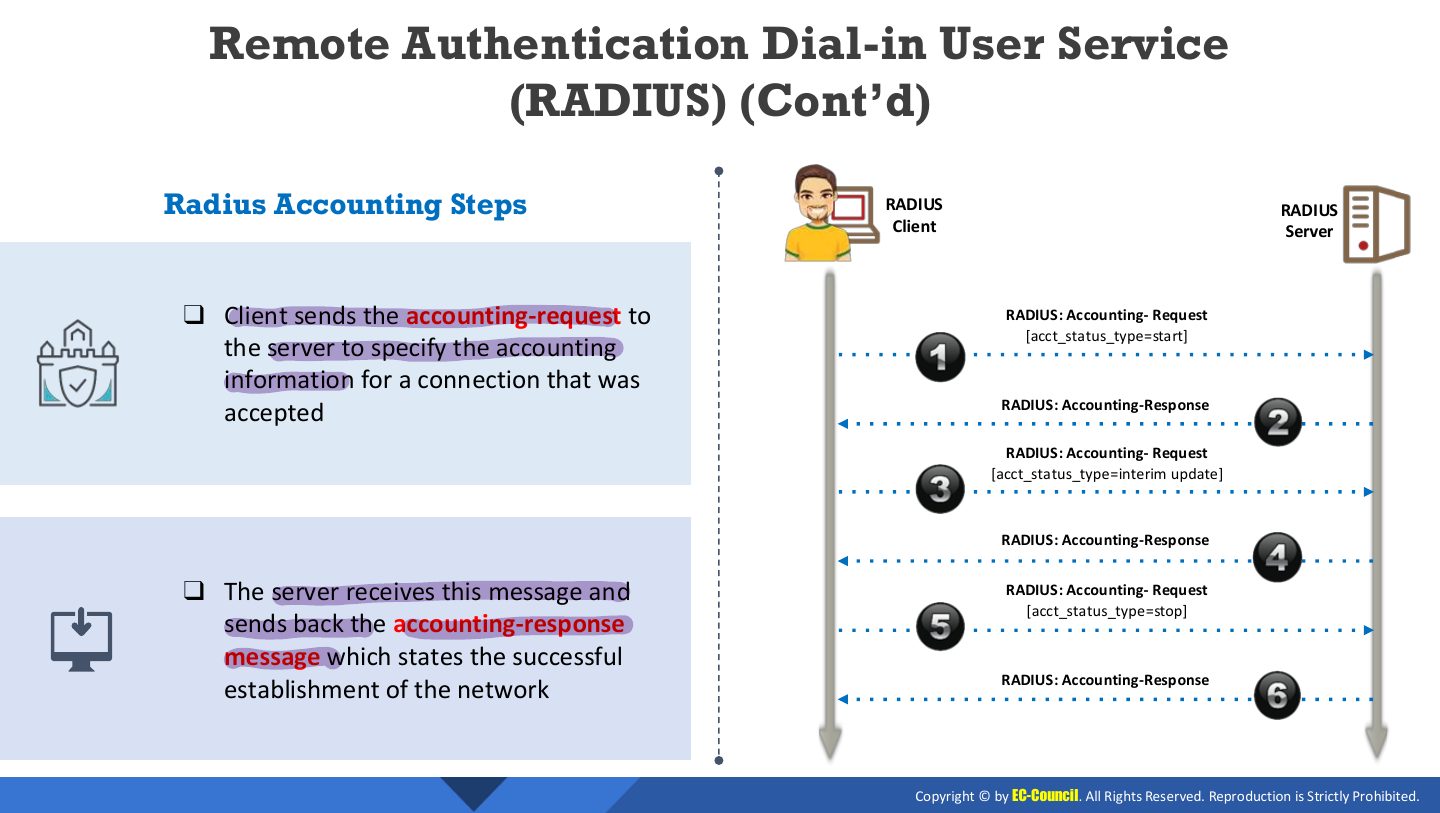
Remote Authentication Dial-in User Service (RADIUS) (Cont’d)
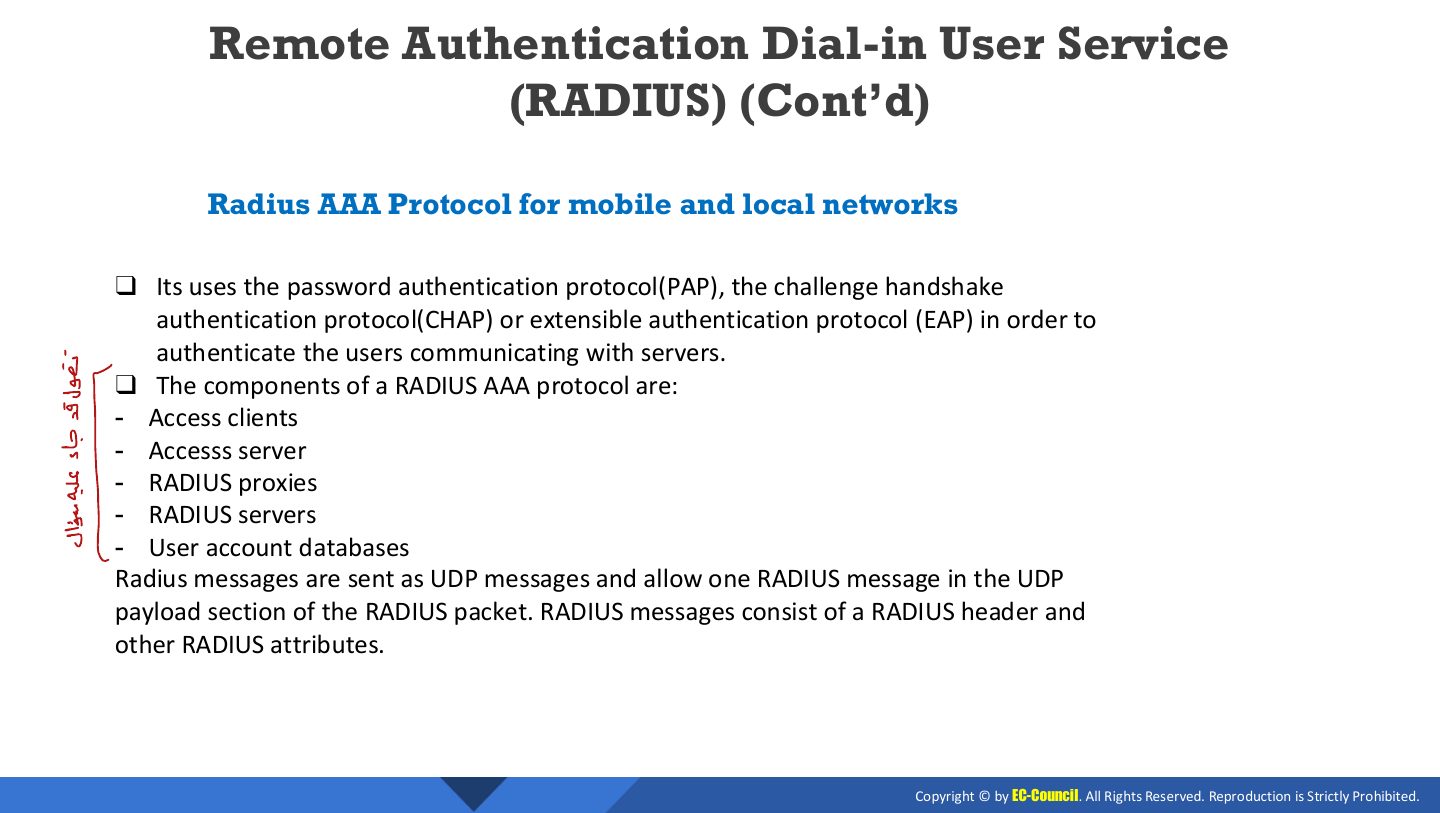
Terminal Access Controller Access Control System Plus (TACACS+)
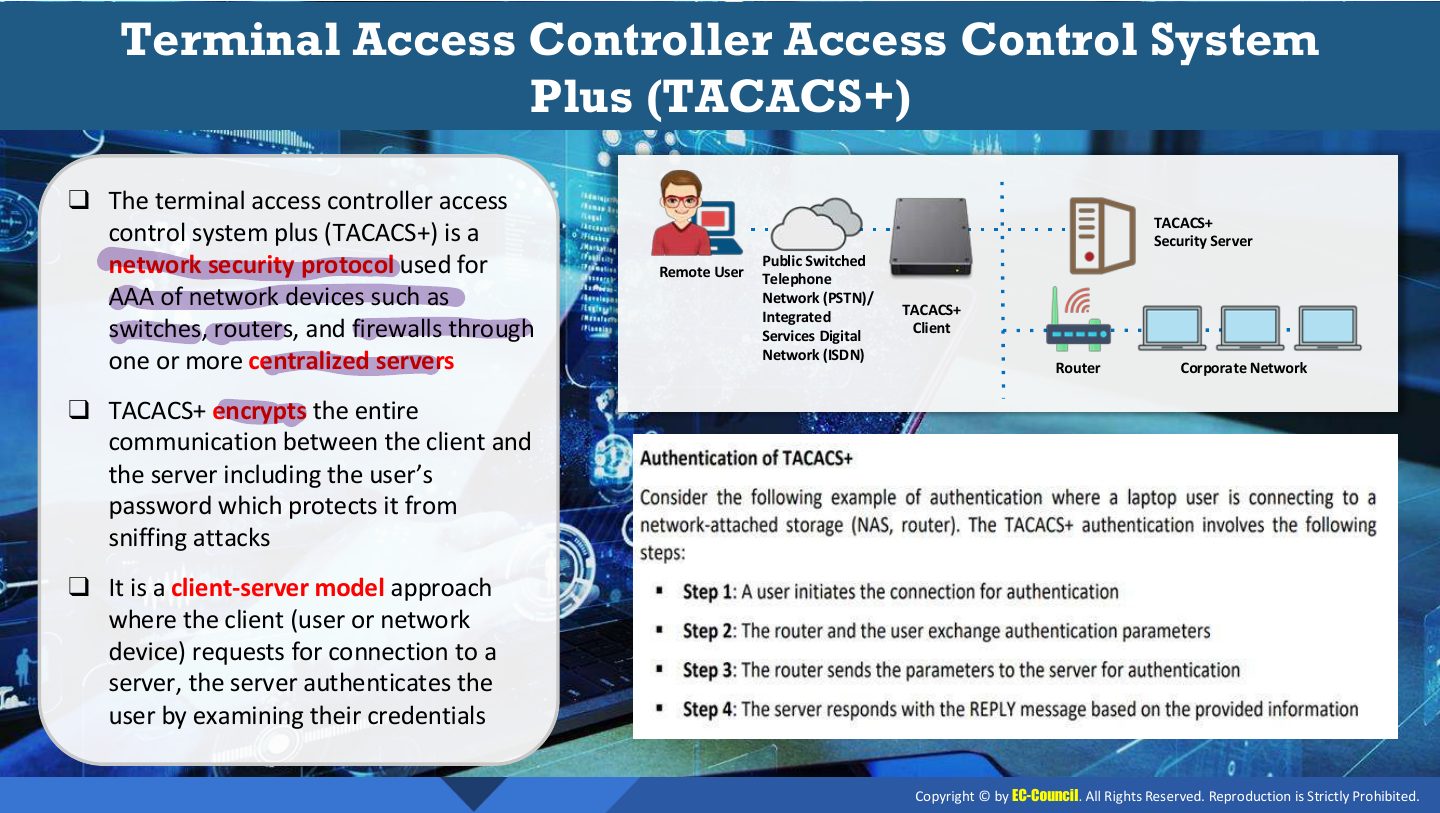
Notes
TACACS+ (Cisco): TCP 49, encrypts the whole body, separates authentication, authorization and accounting.
Exam angle
Terminal Access Controller Access Control System Plus (TACACS+)
RADIUS vs TACACS+
Kerberos
Notes
Kerberos: ticket-based authentication with a KDC (AS + TGS); uses symmetric keys and timestamps; needs synchronized clocks.
Exam angle
Kerberos issues users a:
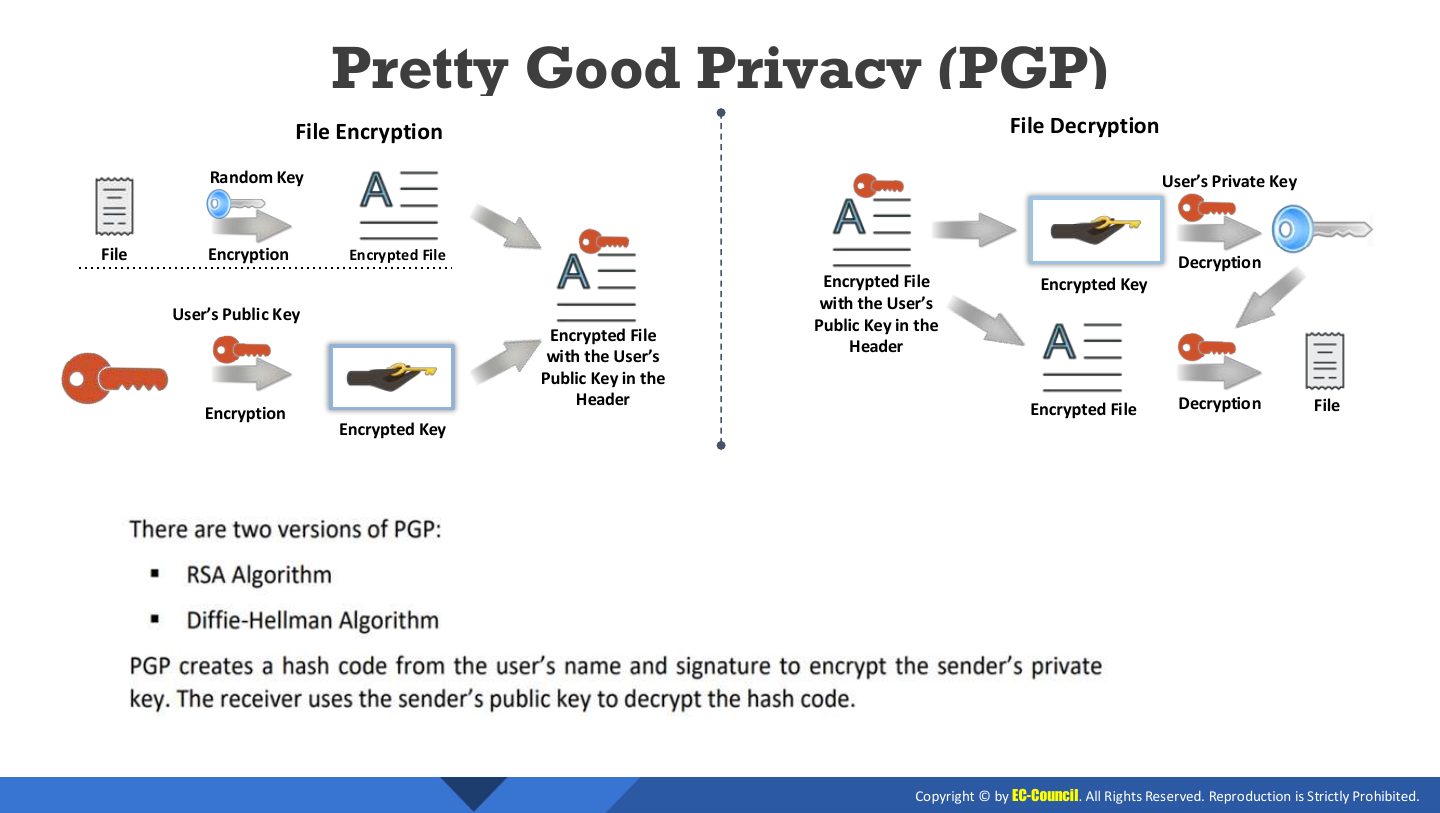
Pretty Good Privacy (PGP)
Notes
PGP: email/file confidentiality, integrity, authentication; web of trust.
Pretty Good Privacy (PGP)
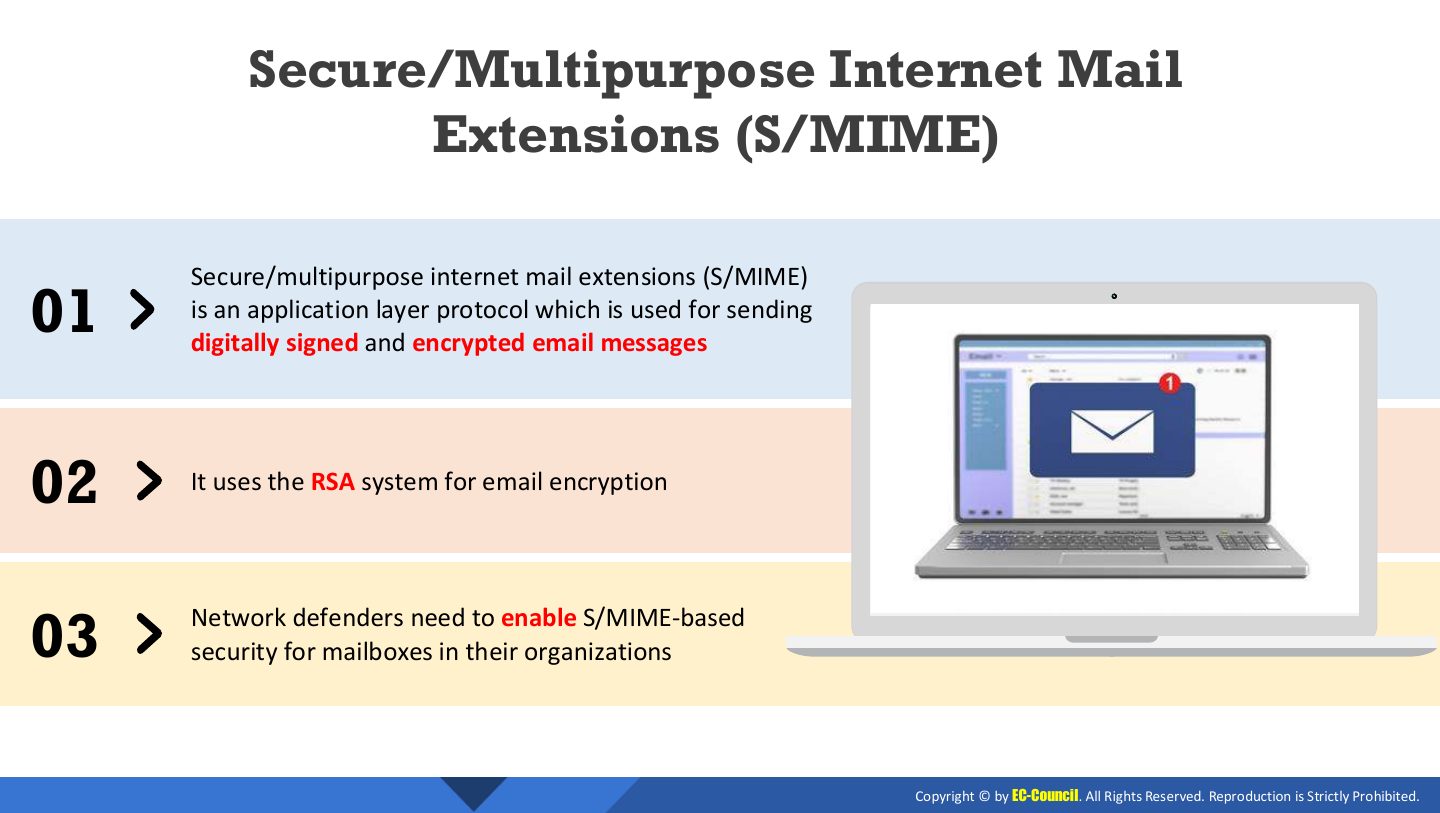
Secure/Multipurpose Internet Mail Extensions (S/MIME)
Notes
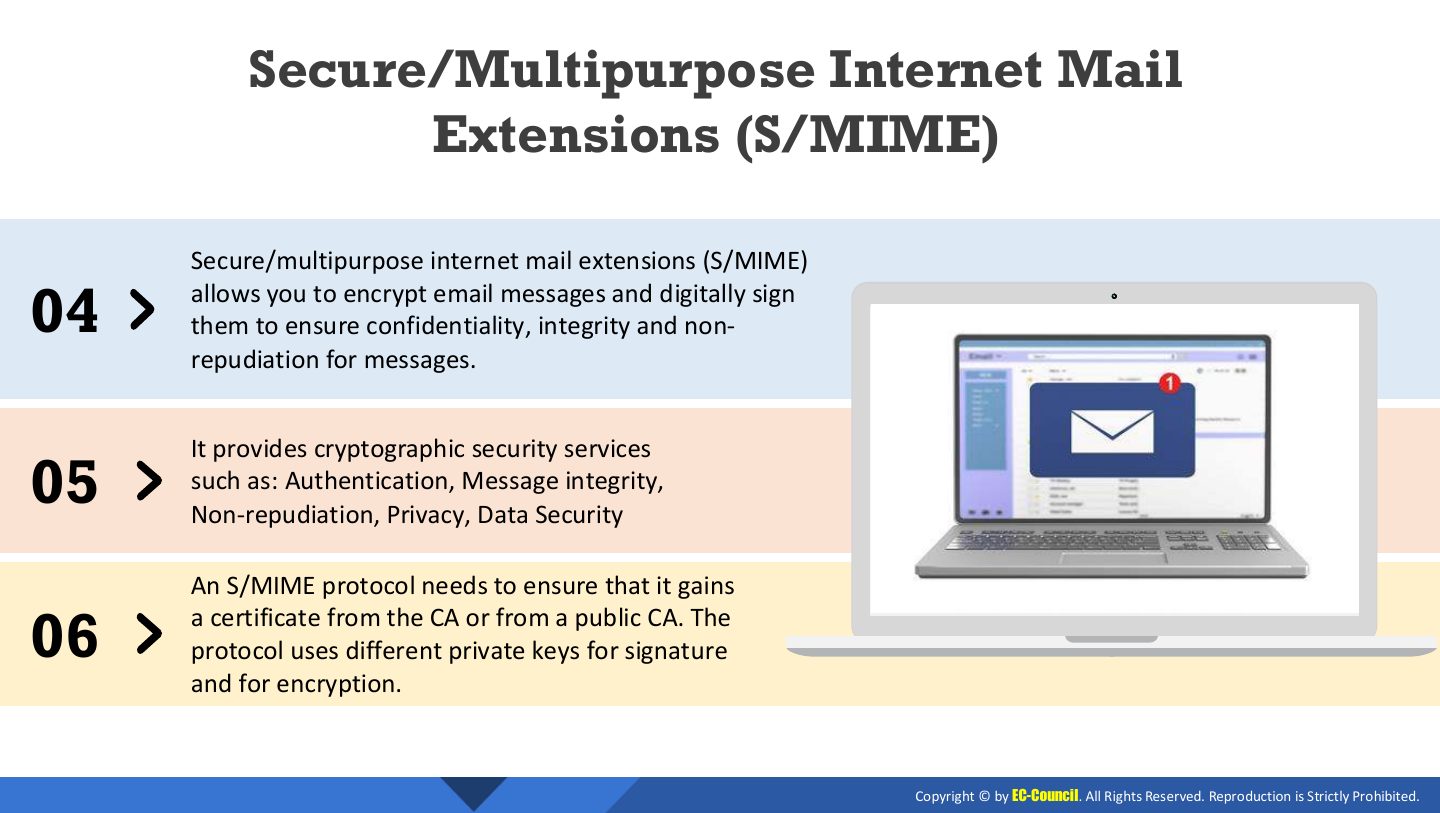
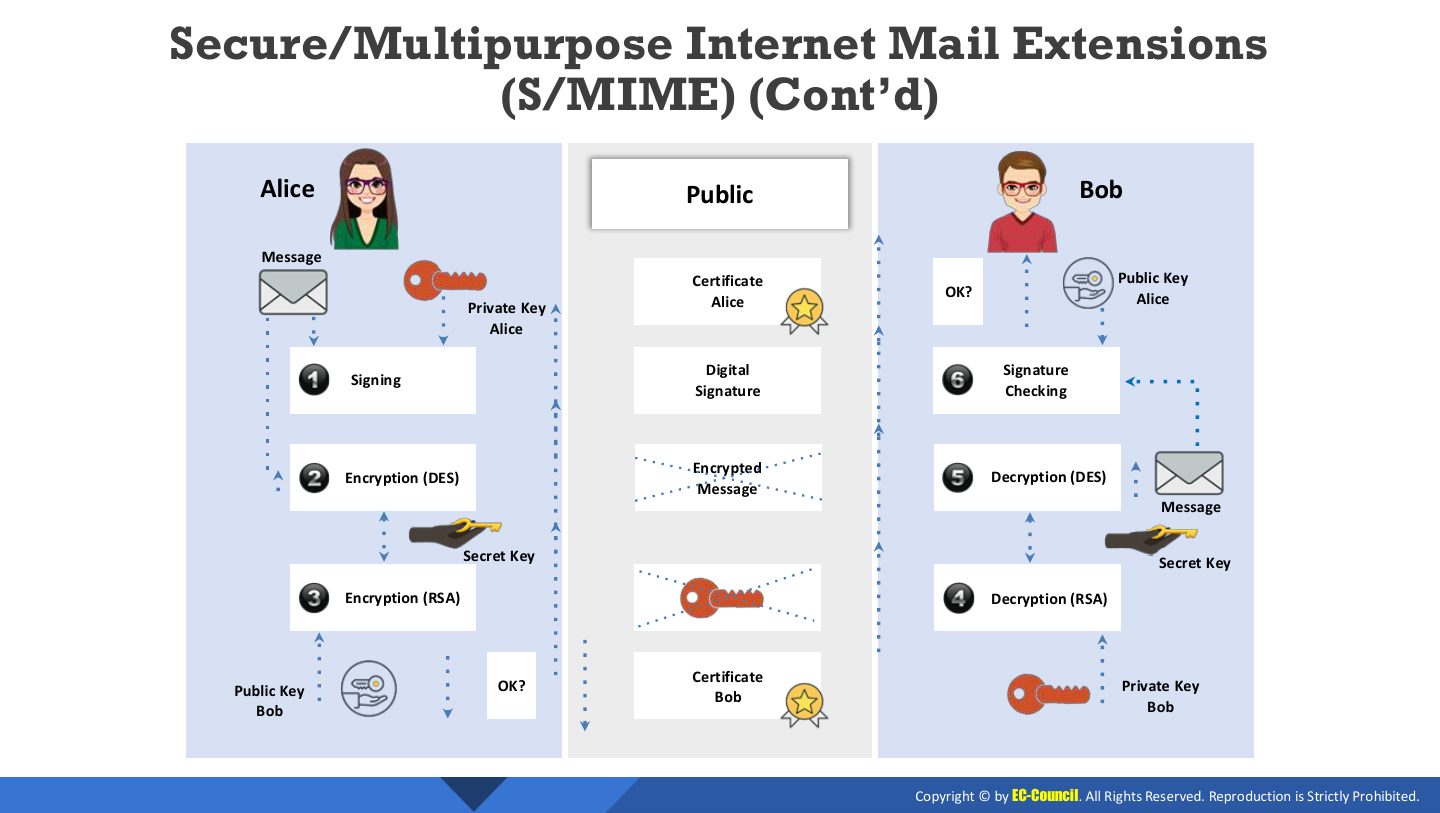
S/MIME: secure email using X.509 certificates (hierarchical CA trust).
Memory trick PGP = web of trust; S/MIME = certificate authorities.
Secure/Multipurpose Internet Mail Extensions (S/MIME)
Secure/Multipurpose Internet Mail Extensions (S/MIME) (Cont’d)
Differences between PGP and S/MIME
Secure Hypertext Transfer Protocol (S-HTTP)
Notes
HTTPS = HTTP over TLS (port 443).
Hypertext Transfer Protocol Secure (HTTPS)
Hypertext Transfer Protocol Secure (HTTPS)
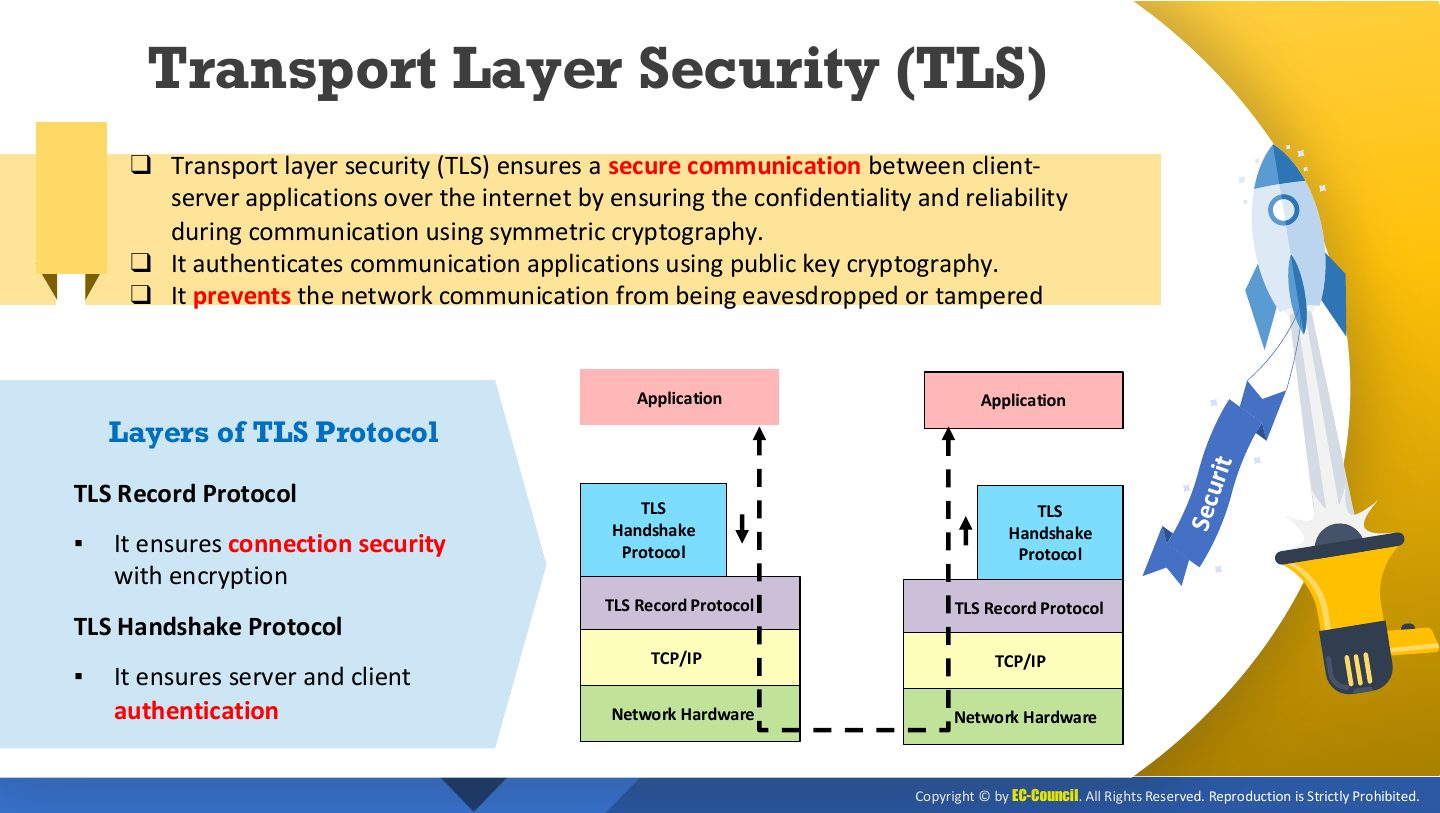
Transport Layer Security (TLS)
Notes
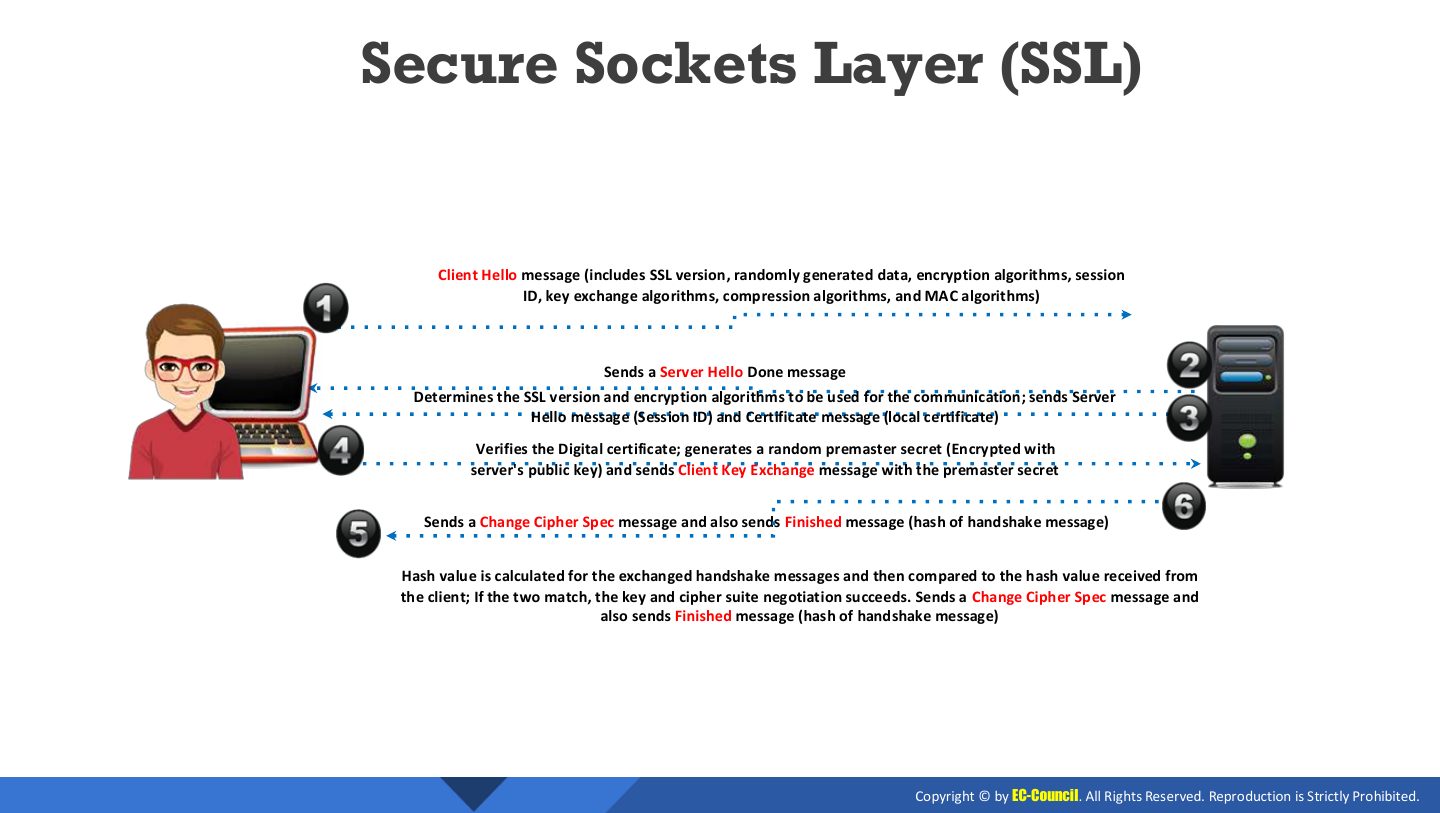
TLS (successor to SSL): handshake negotiates ciphers, authenticates the server with a certificate, and derives session keys.
Exam angle
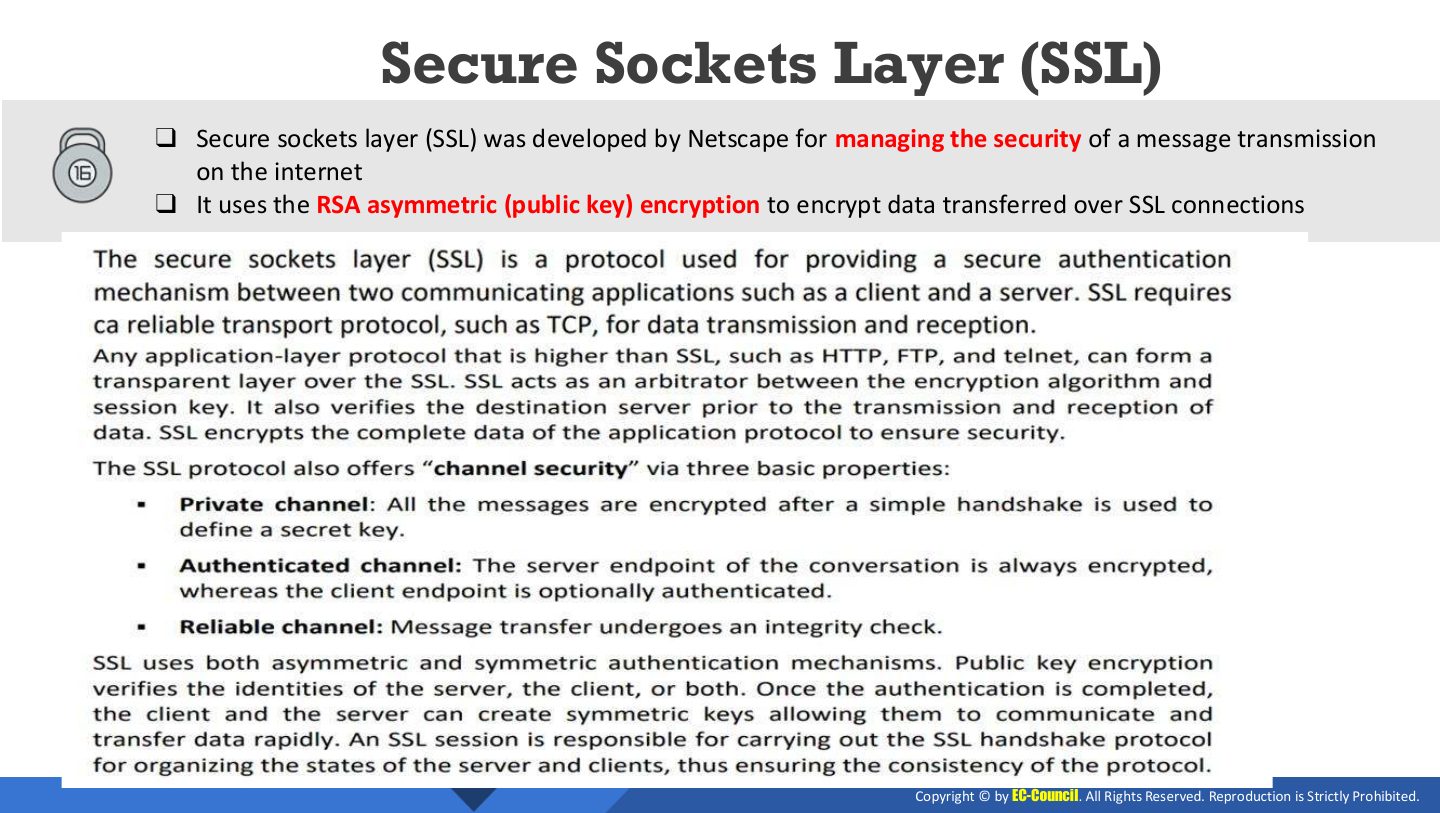
SSL is still considered secure and preferred over TLS.
- SSL is deprecated; use TLS 1.2/1.3.
Secure Sockets Layer (SSL)
Secure Sockets Layer (SSL)
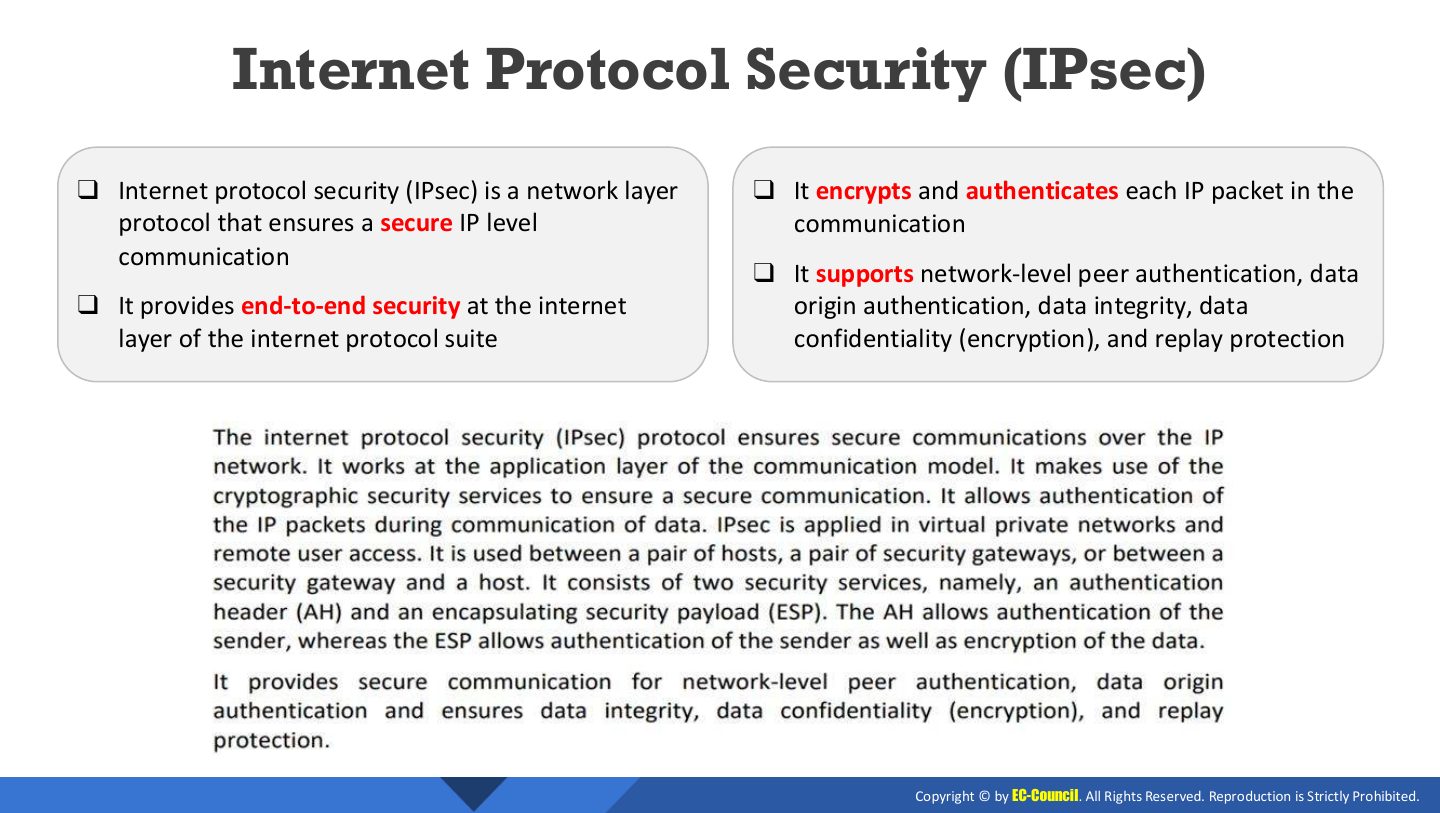
Internet Protocol Security (IPsec)
Notes
IPsec: network-layer security. AH = integrity/authentication (no encryption); ESP = encryption (+ integrity). Transport mode protects the payload; tunnel mode protects the whole packet.
Exam angle
Which IPsec protocol provides encryption?
IPsec mode that encapsulates the entire original IP packet (used for site-to-site VPNs):
Internet Protocol Security (IPsec)
Module Summary