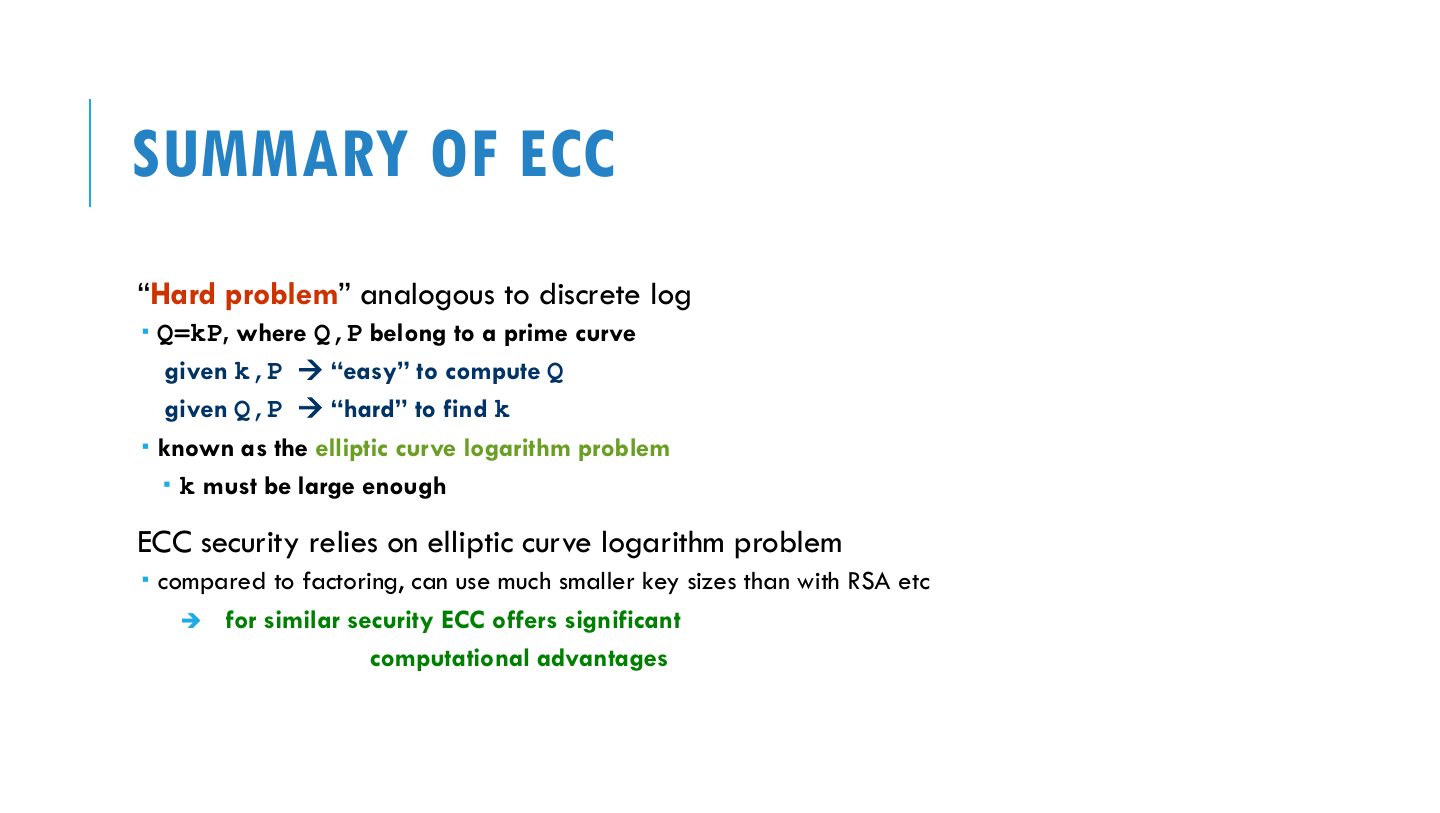
ECC’s security relies on the difficulty of:
Elliptic Curve Cryptography
Elliptic curves and their properties, trapdoor functions, groups and point addition, finite fields, scalar multiplication and cyclic subgroups, the elliptic-curve discrete logarithm problem, ECC encryption, ECDH key exchange, and why ECC gives the same security with smaller keys.
How to read this page
Every original slide is shown unchanged. Yellow marks on a slide point to a numbered note: hover or tap a mark to jump to its note, and hover a note to see its marks. Questions tagged Past exam appeared on a real paper; Prediction questions are likely angles, not confirmed. Pick an answer to each question: a wrong pick tells you why it is wrong, so you can try again.
All 33 slides
- 1 Slide 1
- 2 WHAT ARE ELLIPTIC
- 3 EXAMPLES
- 4 PROPERTIES OF ELLIPTIC
- 5 TRAP DOOR FUNCTION
- 6 A group in mathematics is a set for which we
- 7 closure: if and a b are members of G, then
- 8 GROUPS OVER ELLIPTIC
- 9 SUM AND INVERSE
- 10 A finite field is a set with a finite
- 11 In fields we have two binary
- 12 MULTIPLICATION OVER
- 13 CYCLIC BEHAVIOR
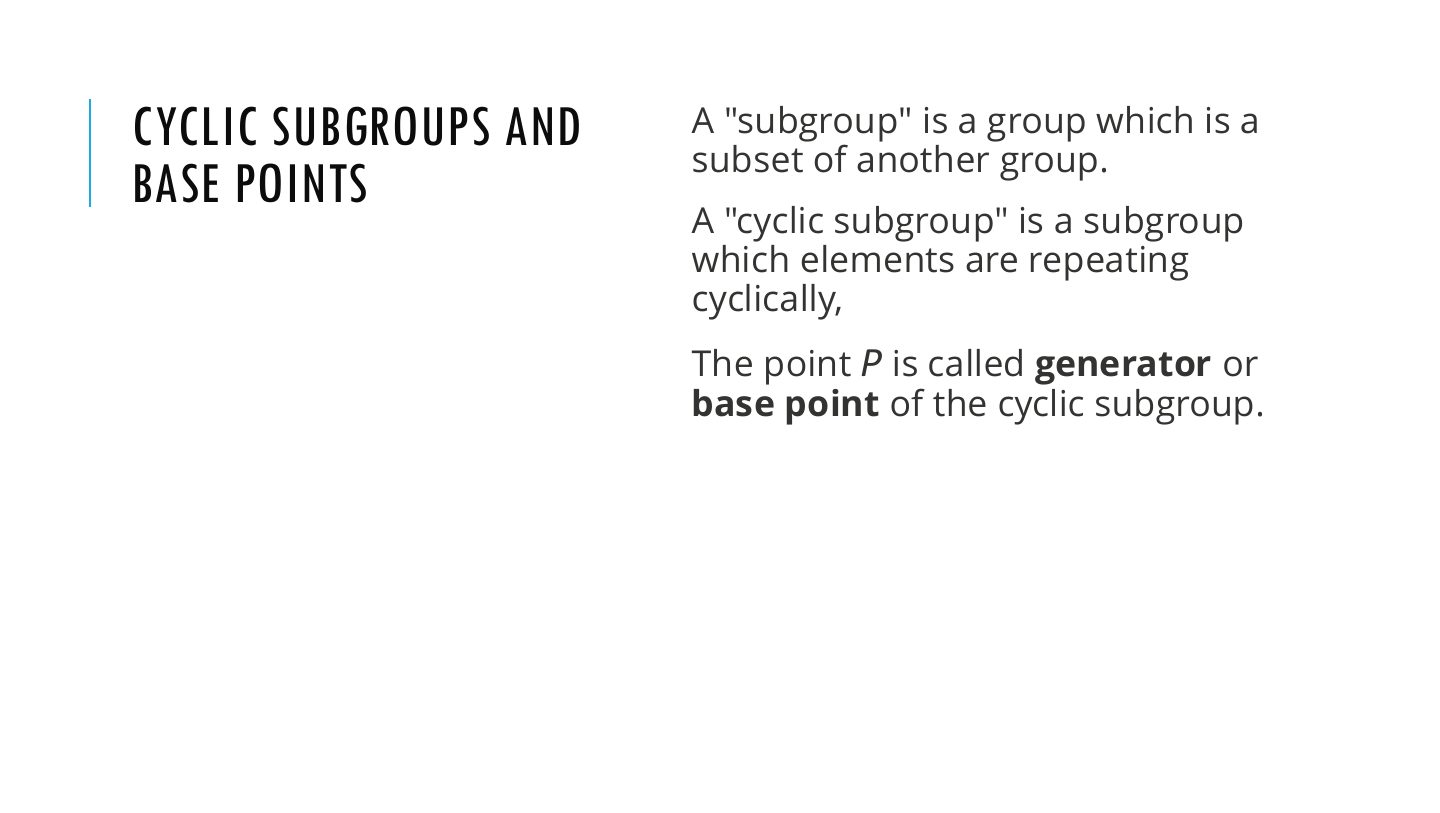
- 14 CYCLIC SUBGROUPS AND
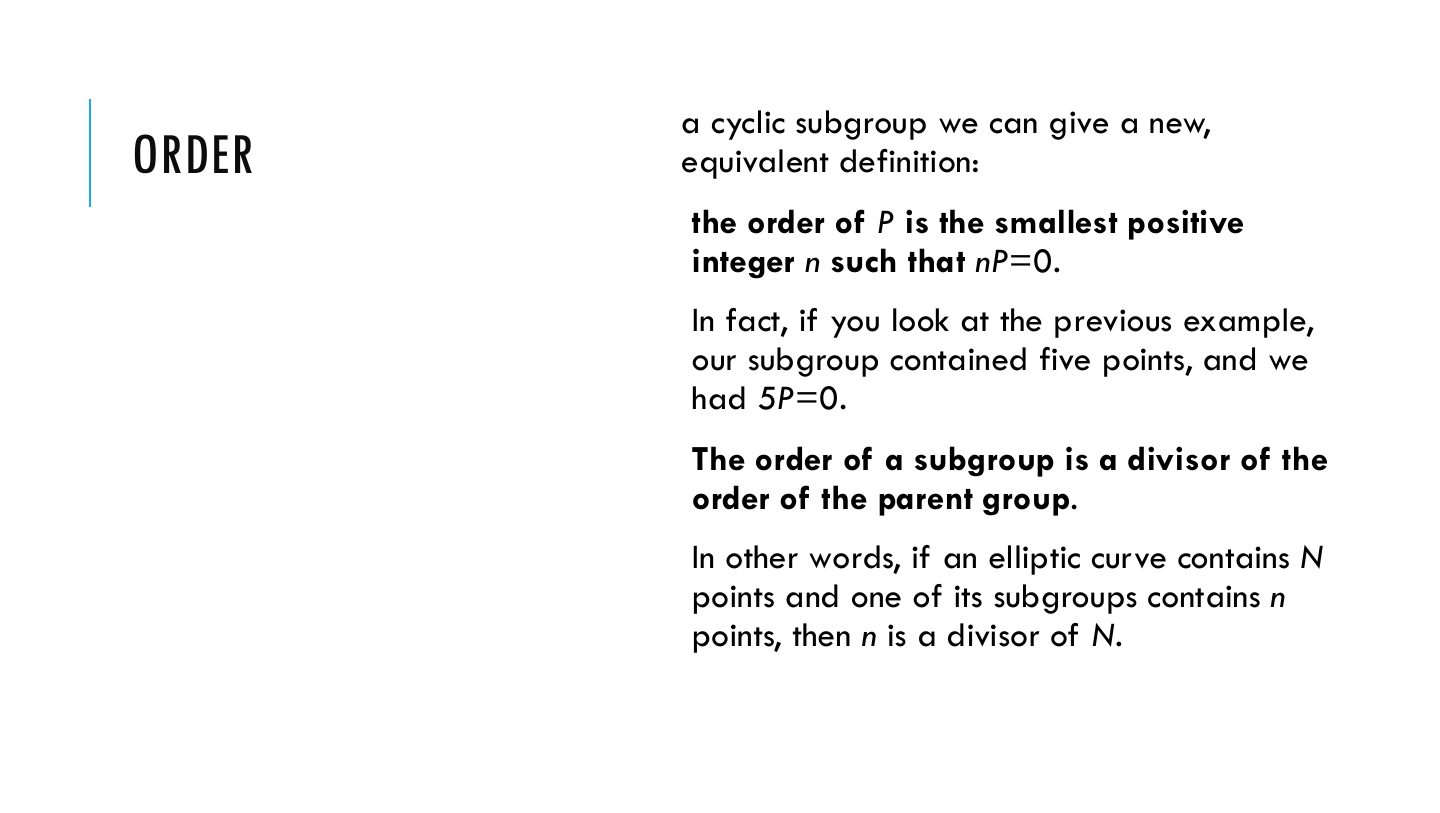
- 15 a cyclic subgroup we can give a new,
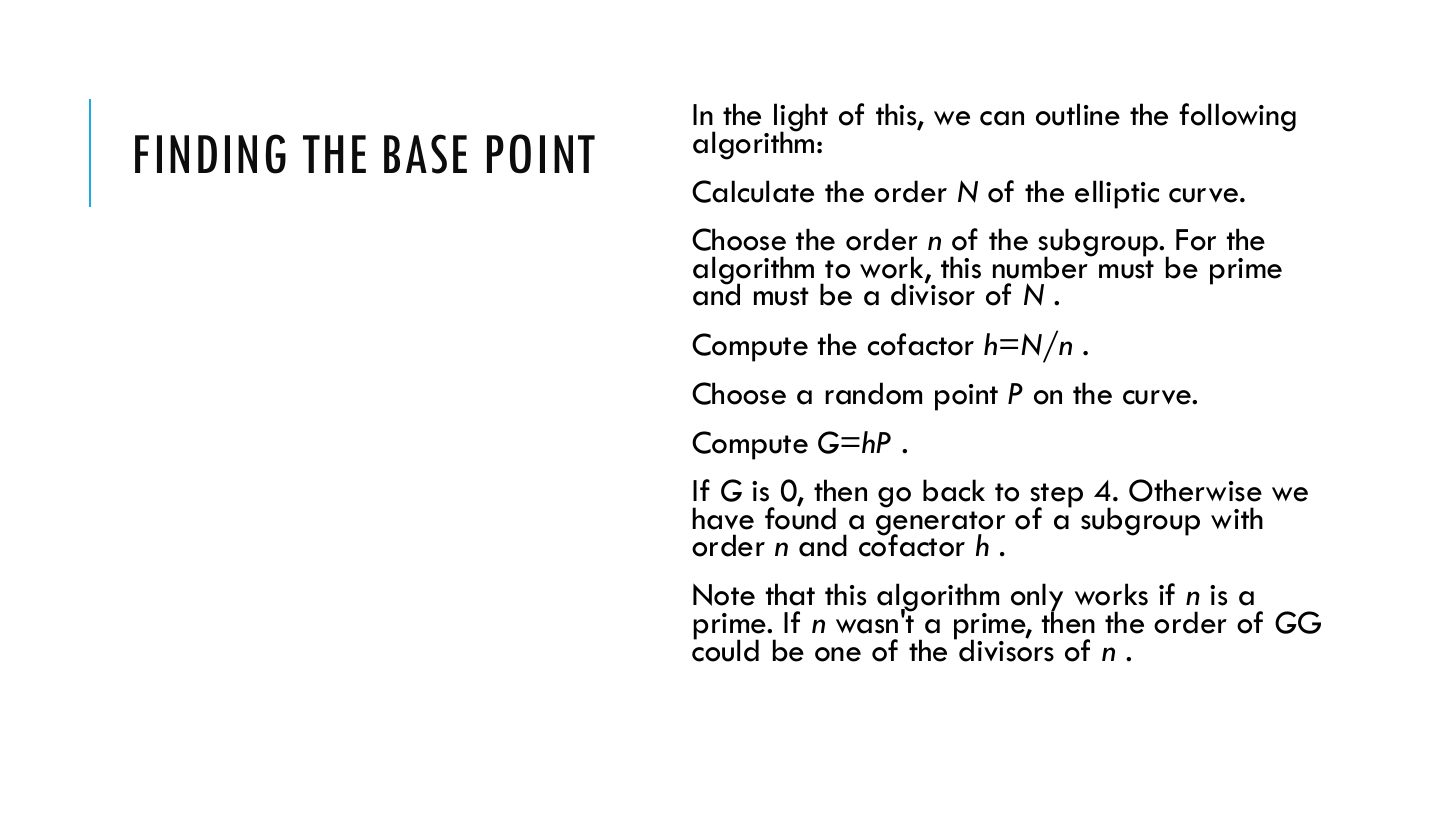
- 16 In the light of this, we can outline the following
- 17 ELLIPTIC CURVES IN CRYPTOGRAPHY
- 18 DISCRETE LOGARITHMS IN FINITE FIELDS
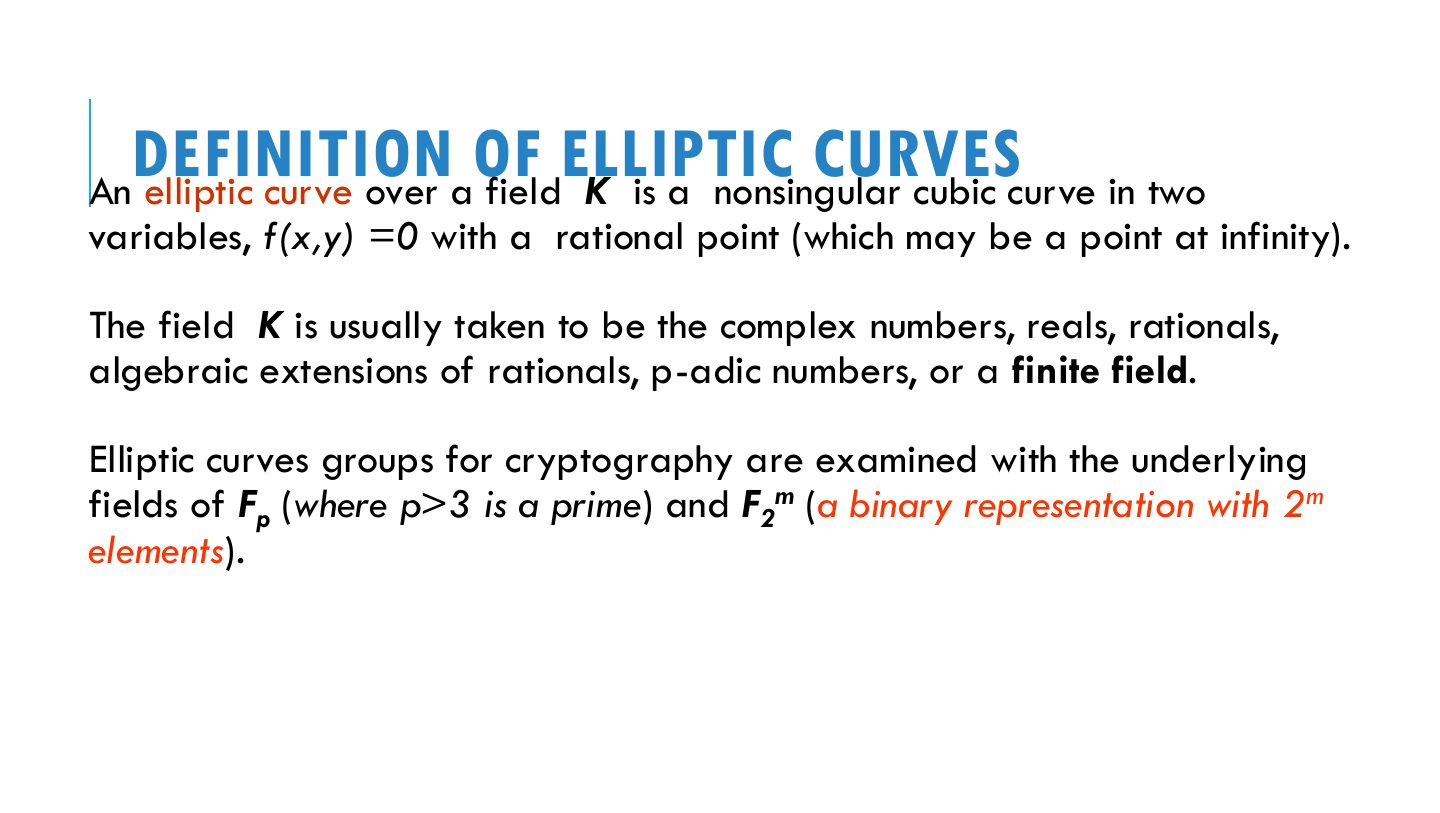
- 19 DEFINITION OF ELLIPTIC CURVES
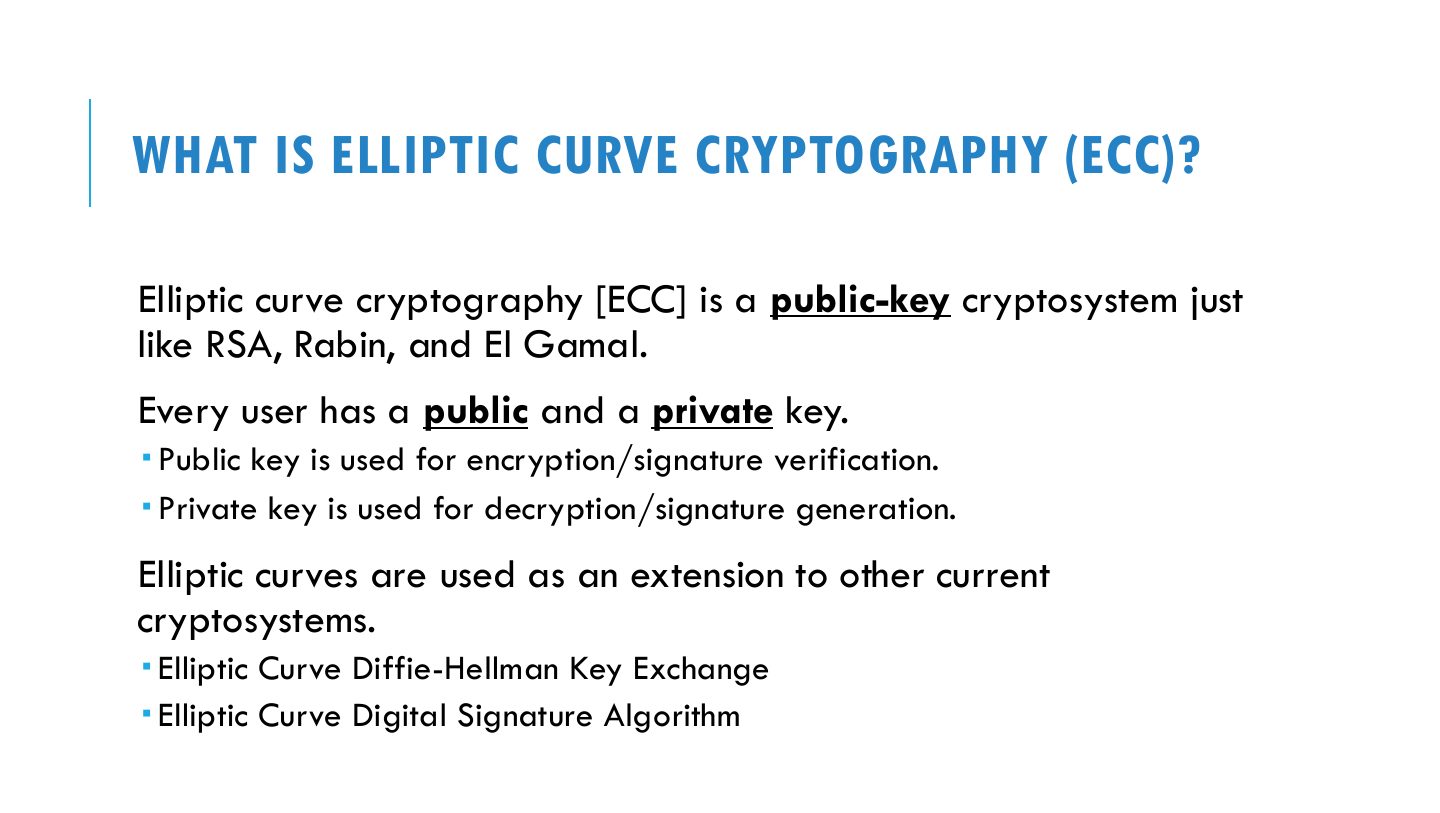
- 20 WHAT IS ELLIPTIC CURVE CRYPTOGRAPHY (ECC)?
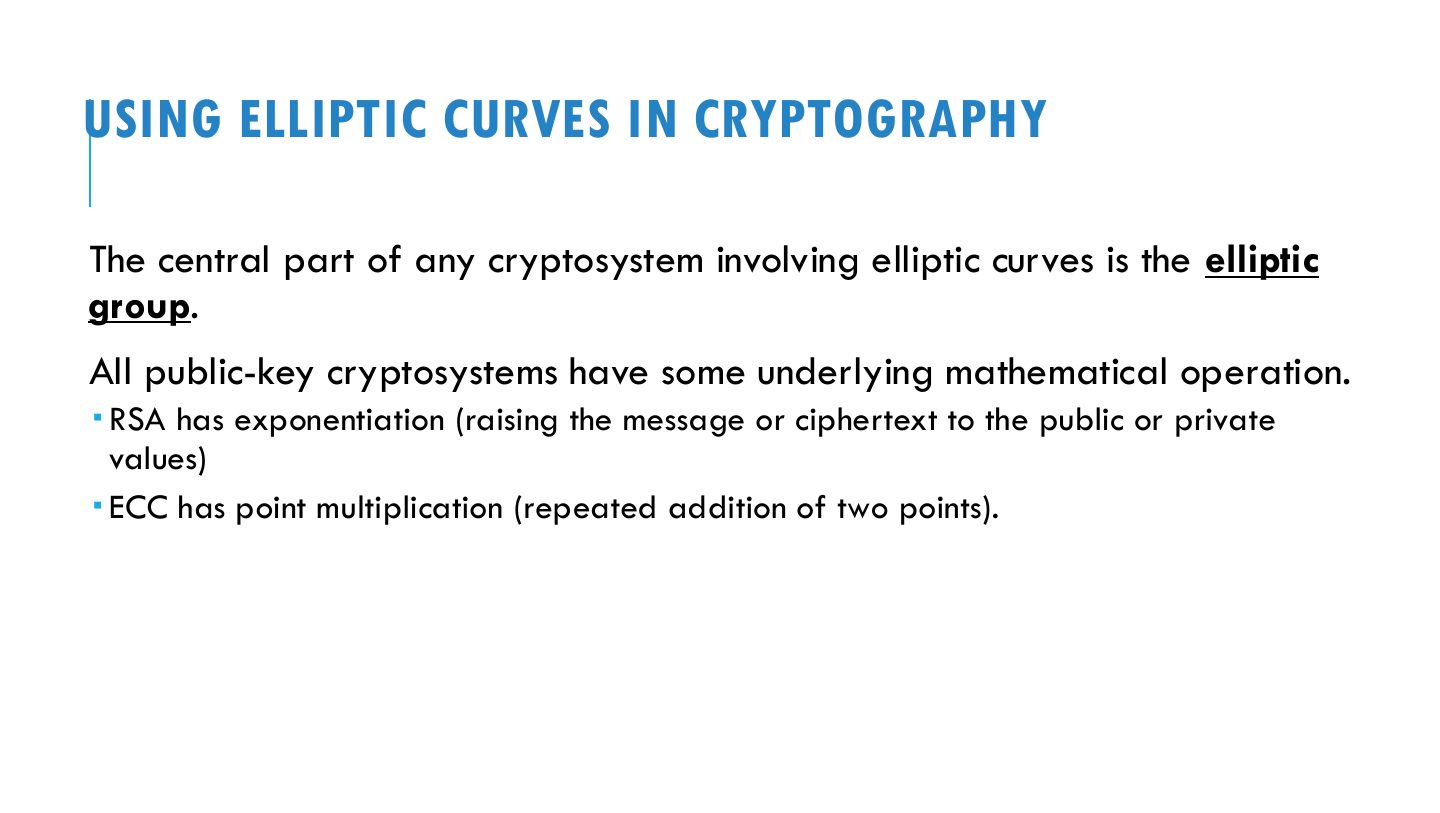
- 21 USING ELLIPTIC CURVES IN CRYPTOGRAPHY
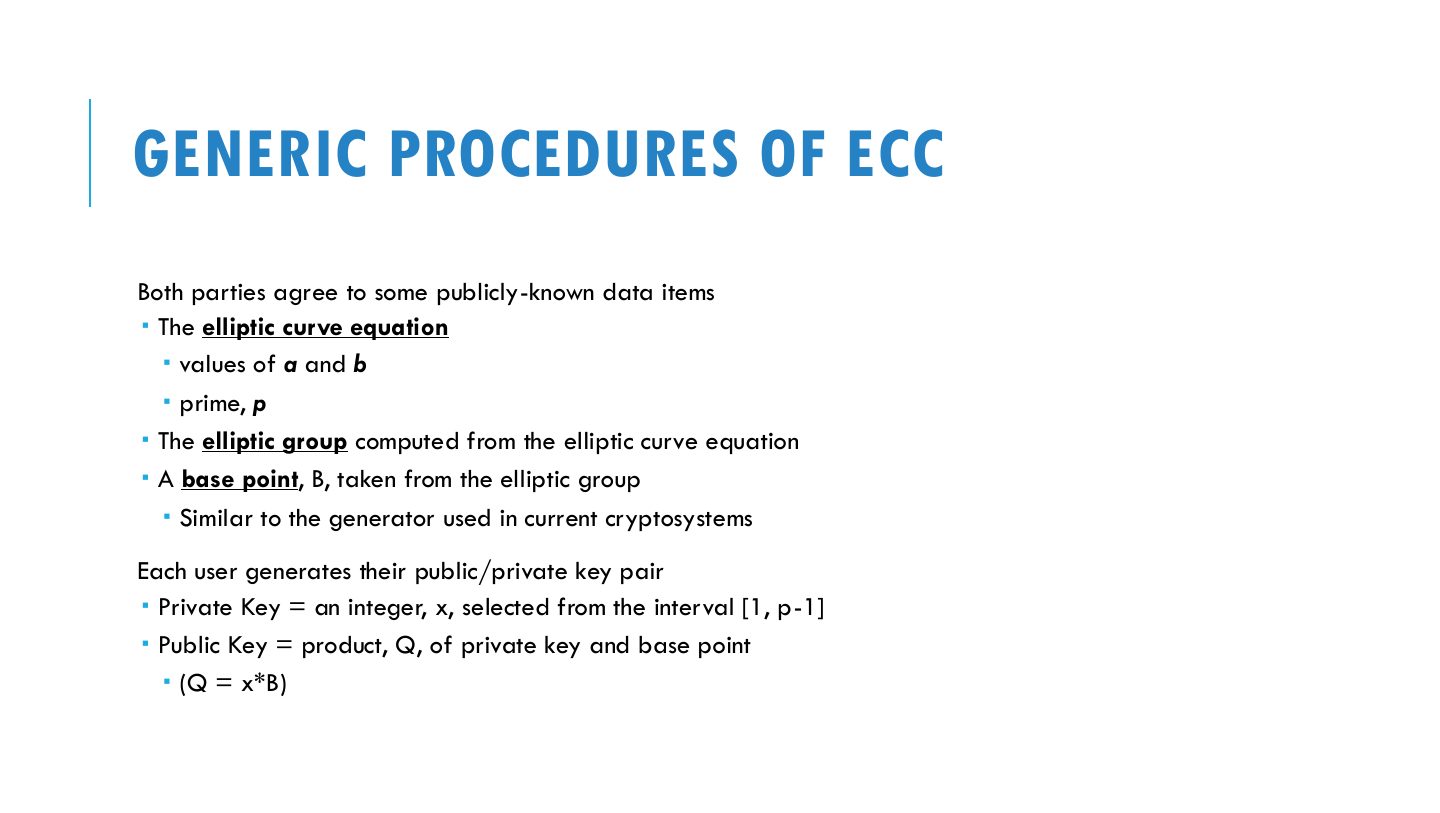
- 22 GENERIC PROCEDURES OF ECC
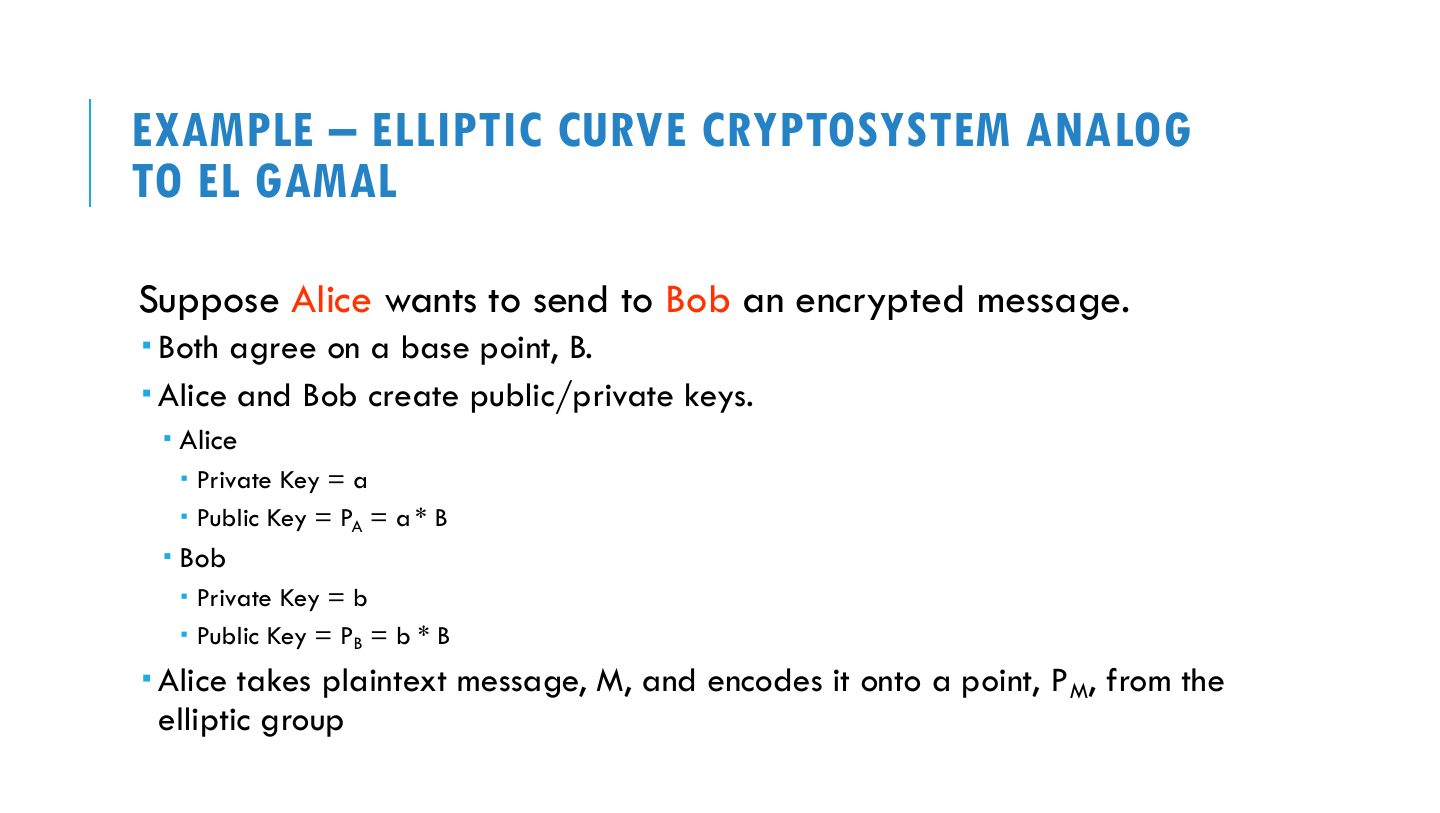
- 23 EXAMPLE – ELLIPTIC CURVE CRYPTOSYSTEM ANALOG TO EL GAMAL
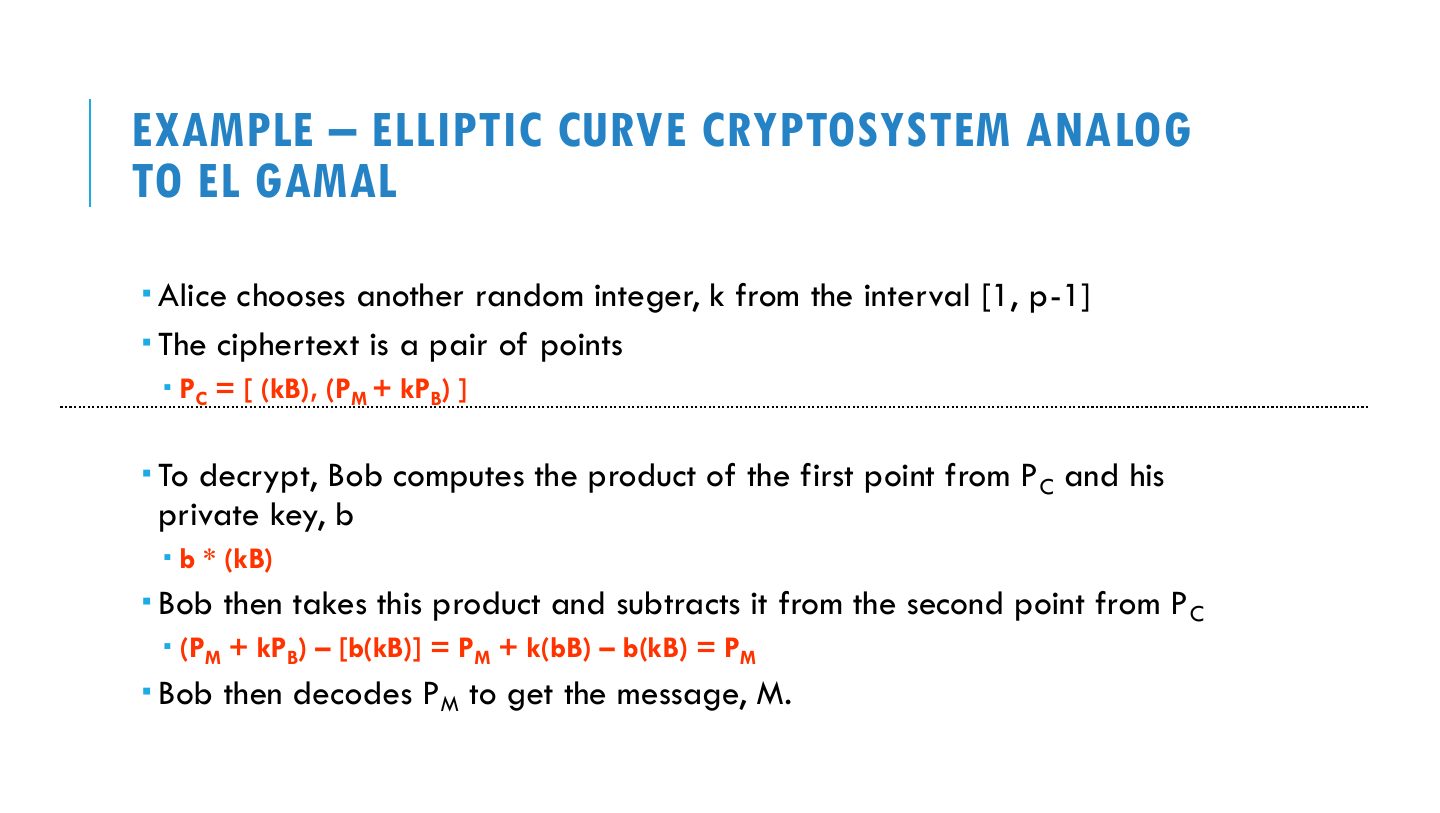
- 24 EXAMPLE – ELLIPTIC CURVE CRYPTOSYSTEM ANALOG TO EL GAMAL
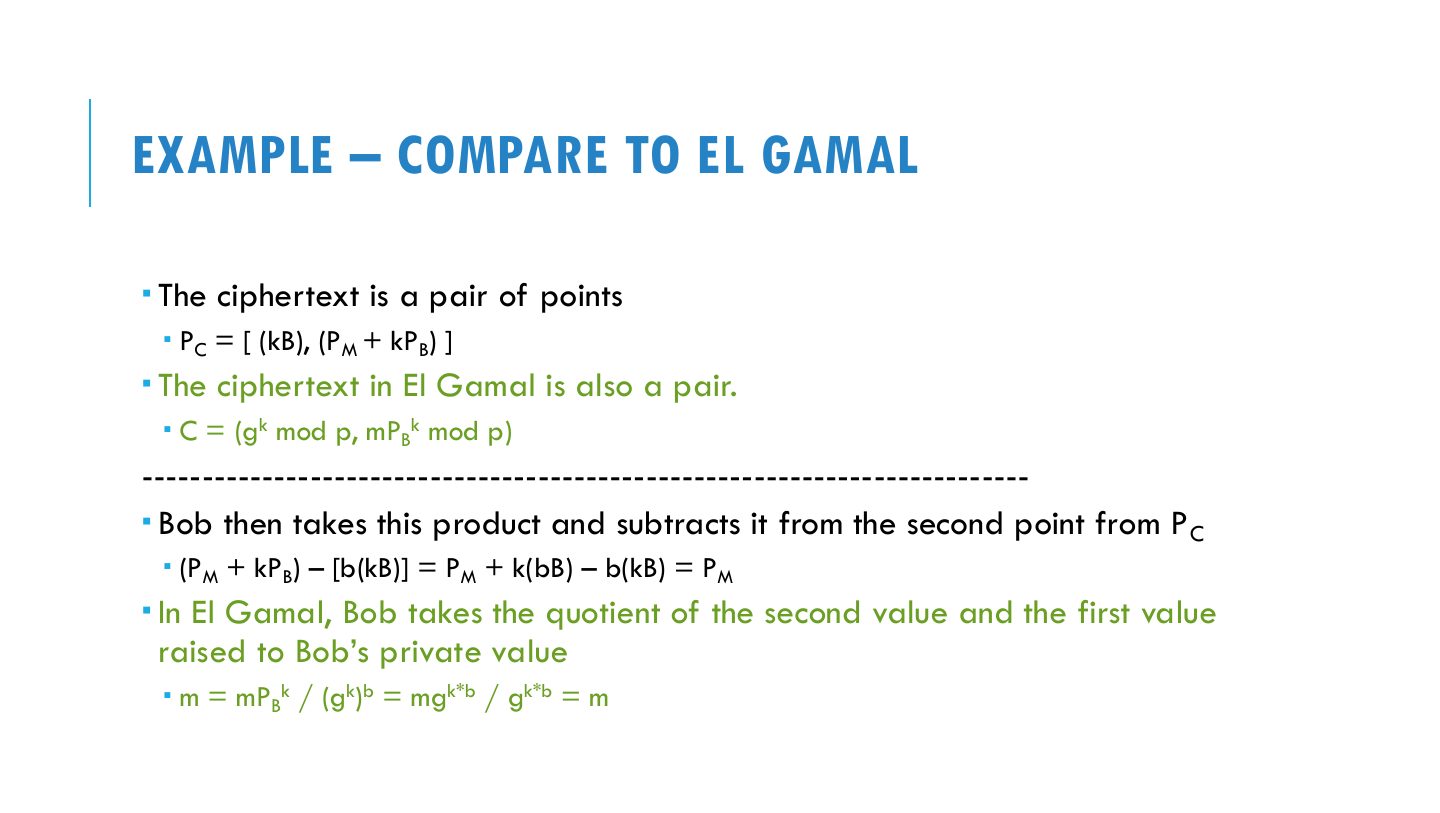
- 25 EXAMPLE – COMPARE TO EL GAMAL
- 26 DIFFIE-HELLMAN (DH) KEY EXCHANGE
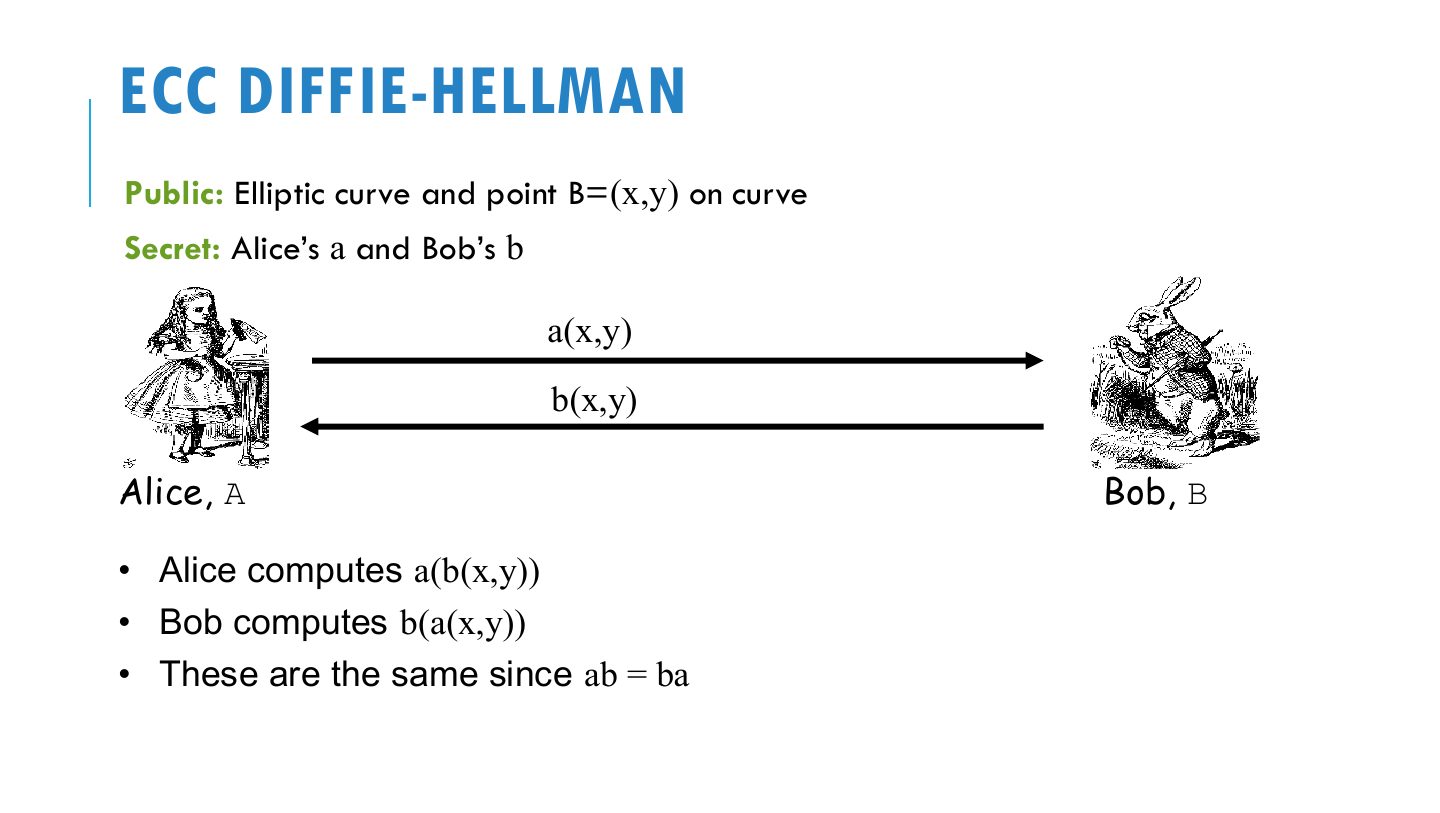
- 27 ECC DIFFIE-HELLMAN
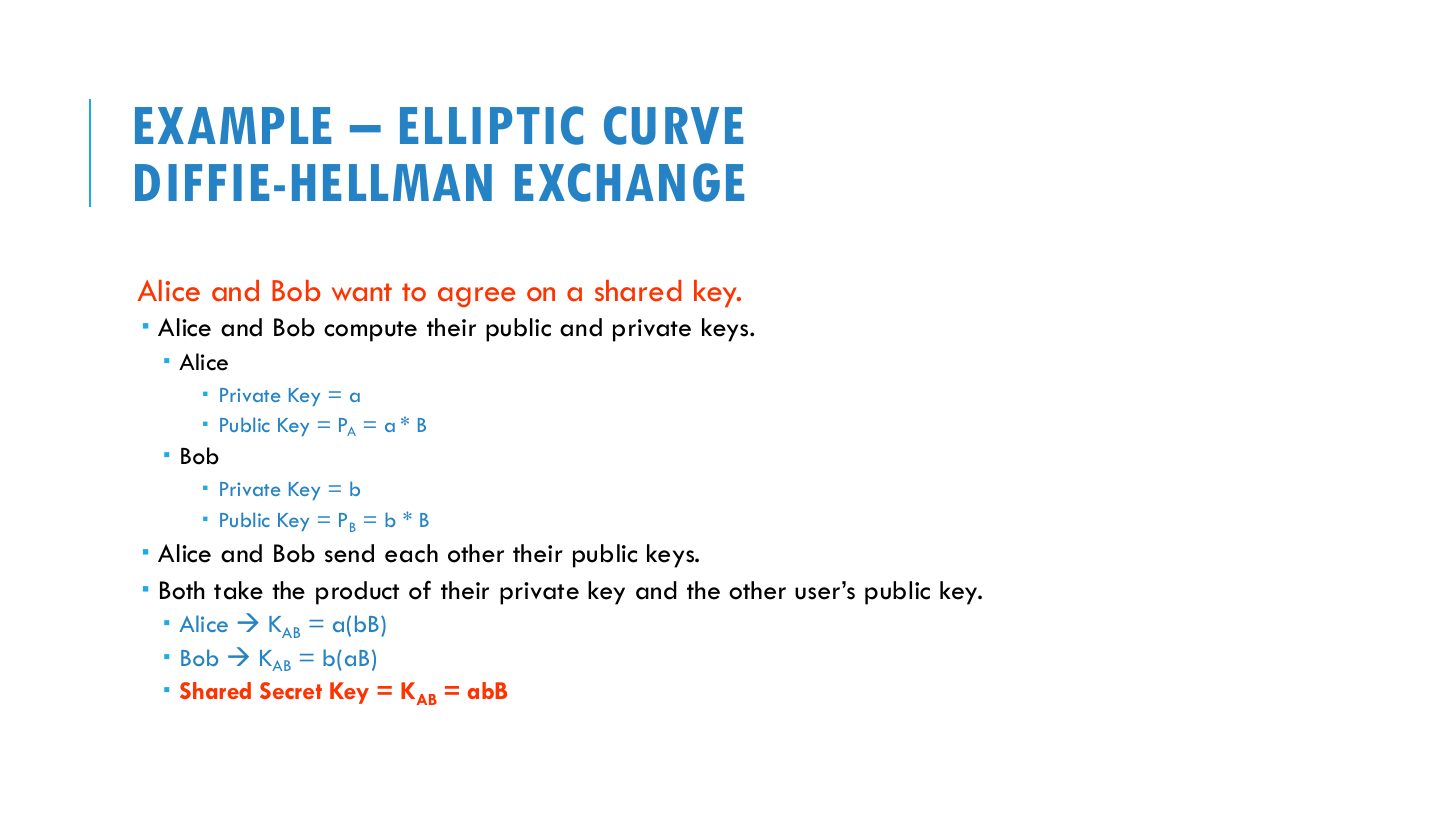
- 28 EXAMPLE – ELLIPTIC CURVE DIFFIE-HELLMAN EXCHANGE
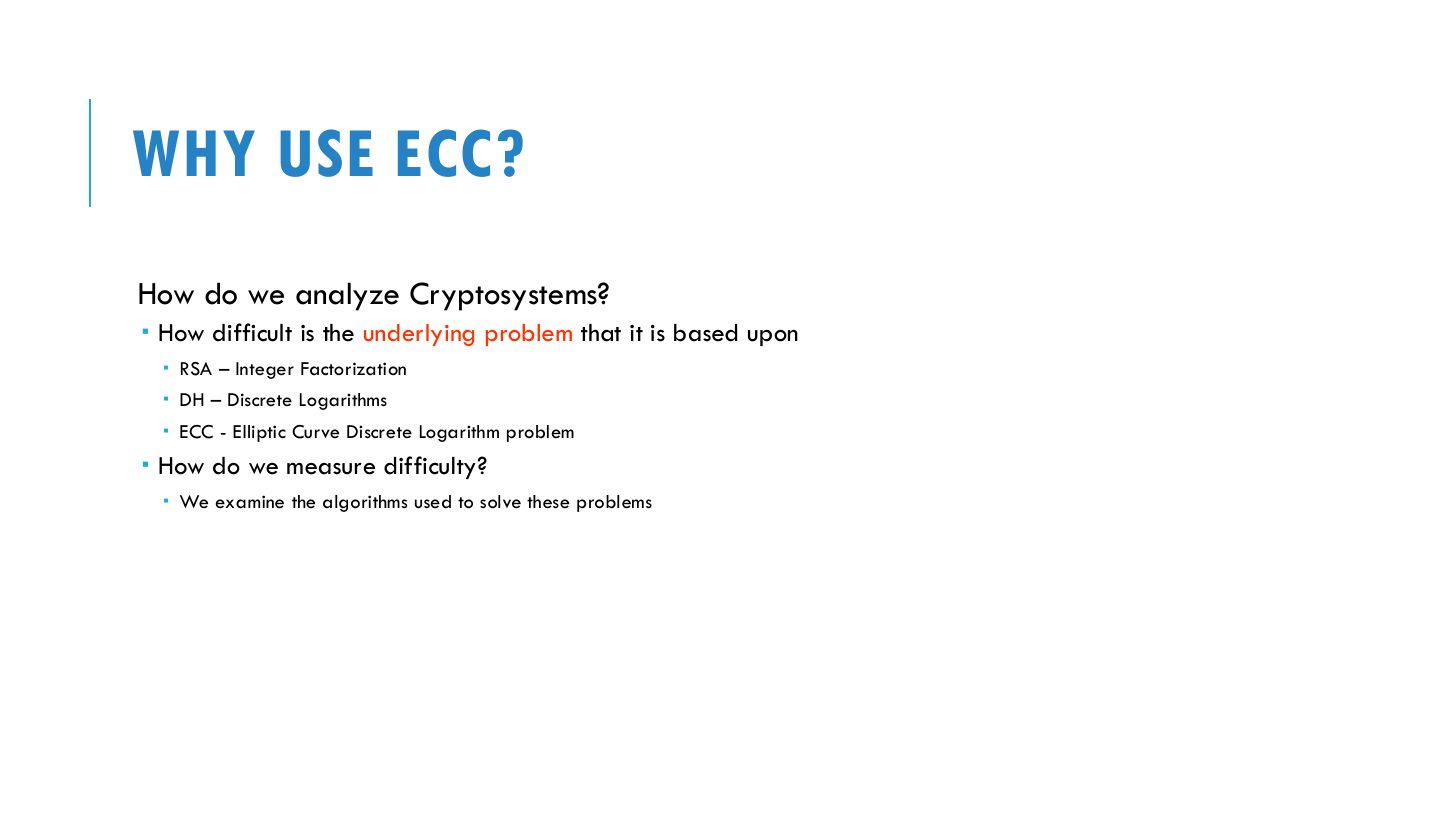
- 29 WHY USE ECC?
- 30 SECURITY OF ECC
- 31 APPLICATIONS OF ECC
- 32 BENEFITS OF ECC
- 33 SUMMARY OF ECC
Slide 1

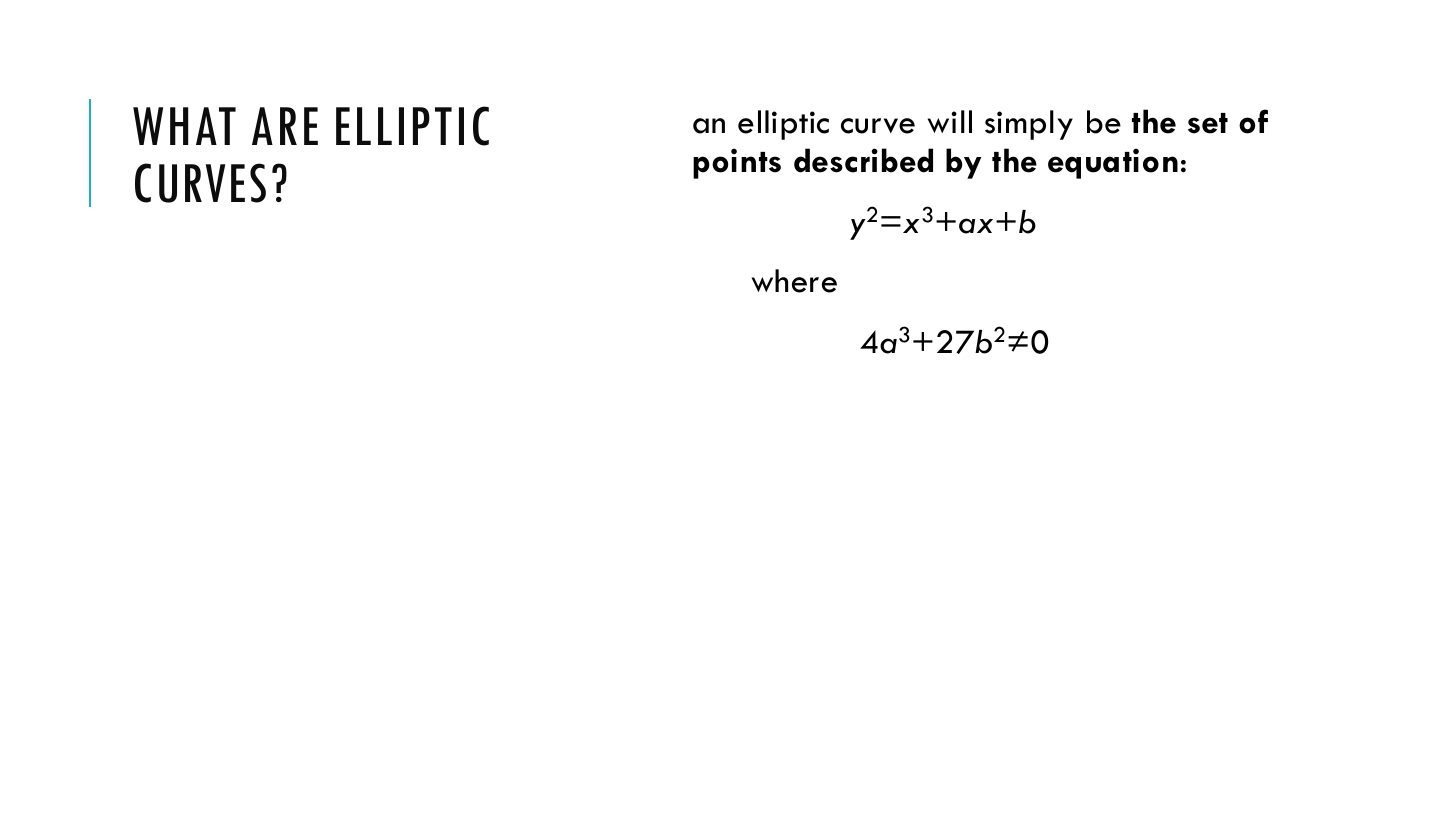
WHAT ARE ELLIPTIC
Notes
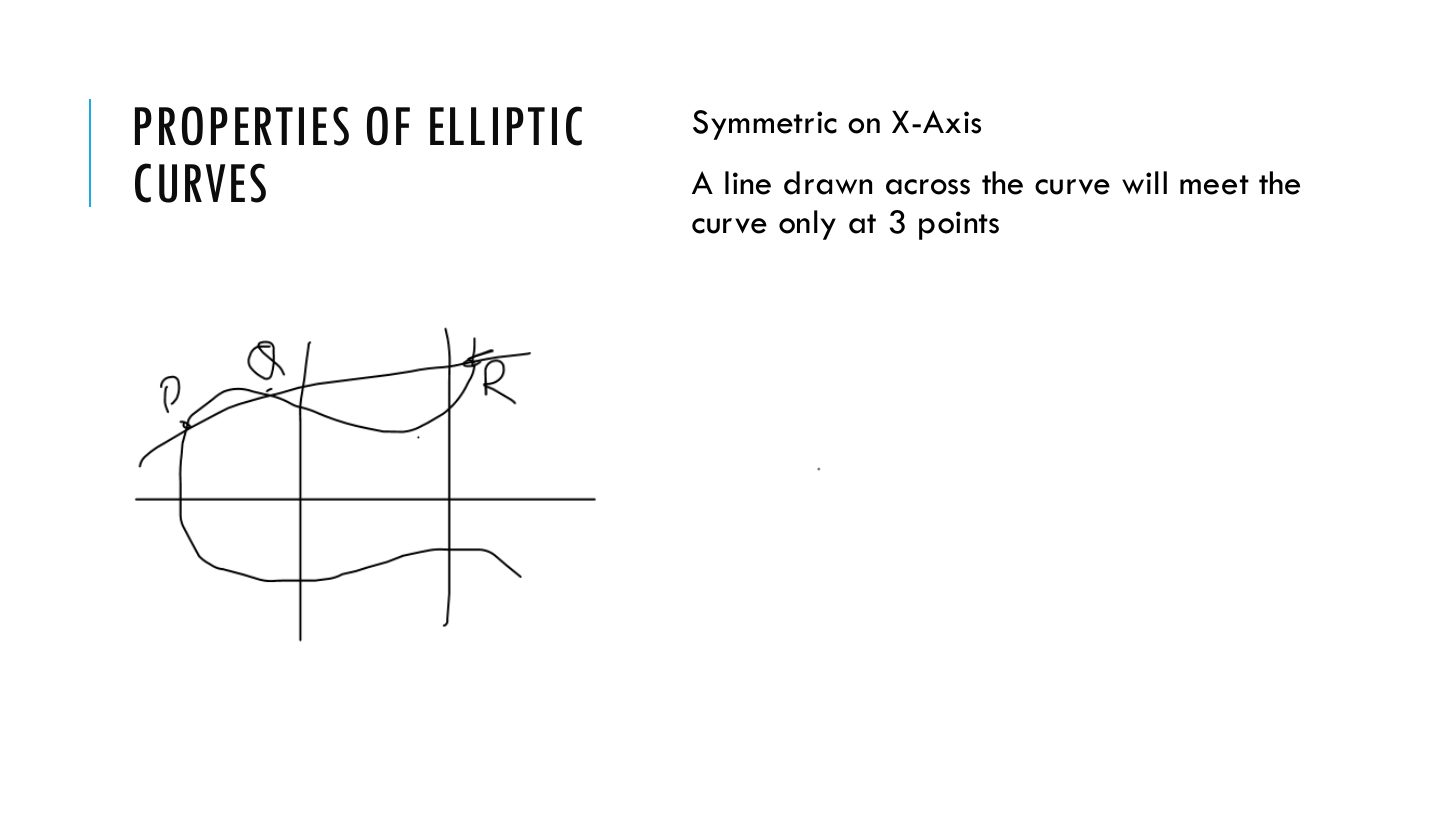
Elliptic curve: y² = x³ + ax + b (with 4a³ + 27b² ≠ 0). Symmetric about the x-axis.
EXAMPLES

PROPERTIES OF ELLIPTIC
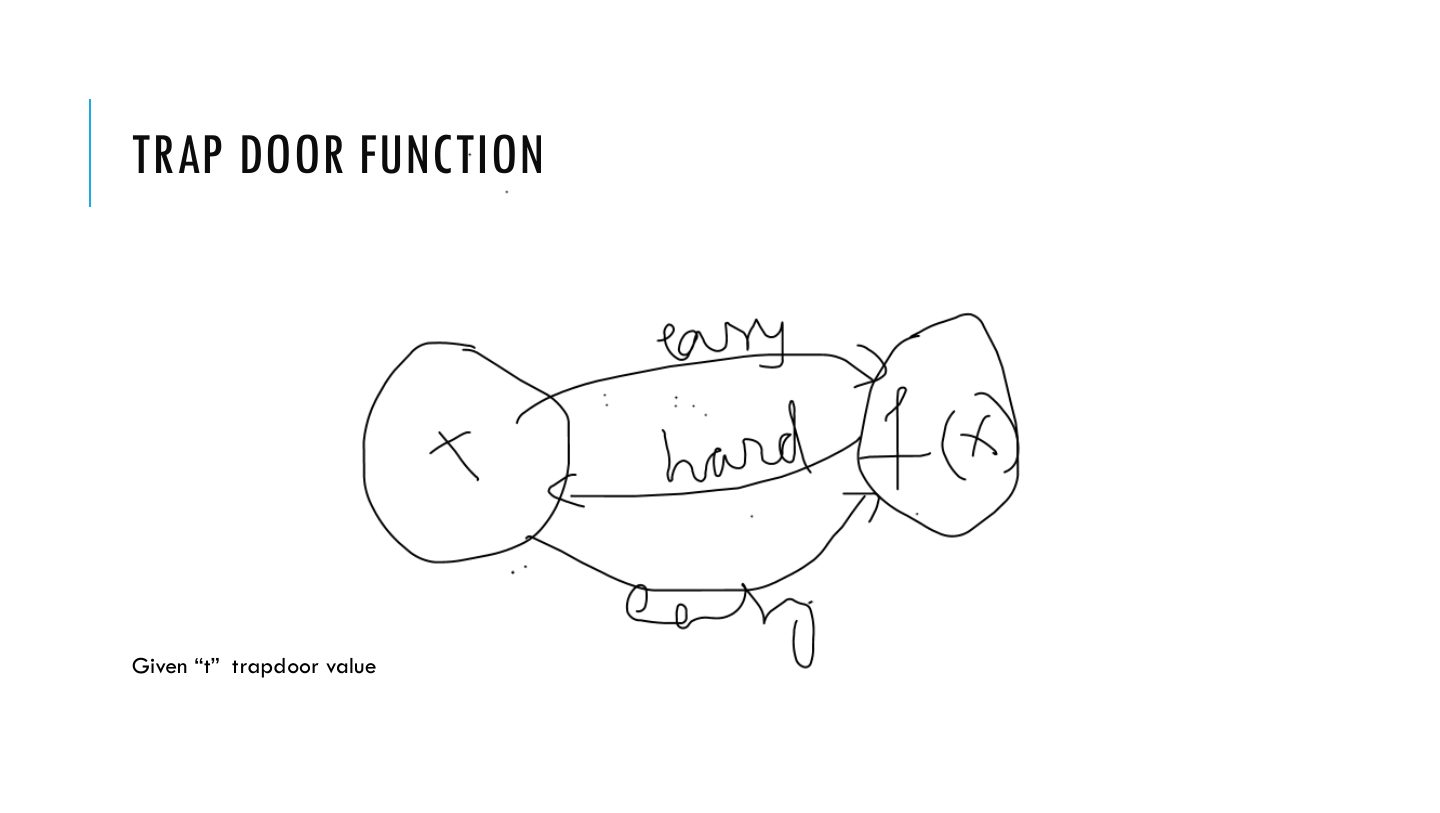
TRAP DOOR FUNCTION
Notes
Trapdoor function: easy one way, hard to reverse without secret information.
A group in mathematics is a set for which we
closure: if and a b are members of G, then
GROUPS OVER ELLIPTIC
SUM AND INVERSE
Notes
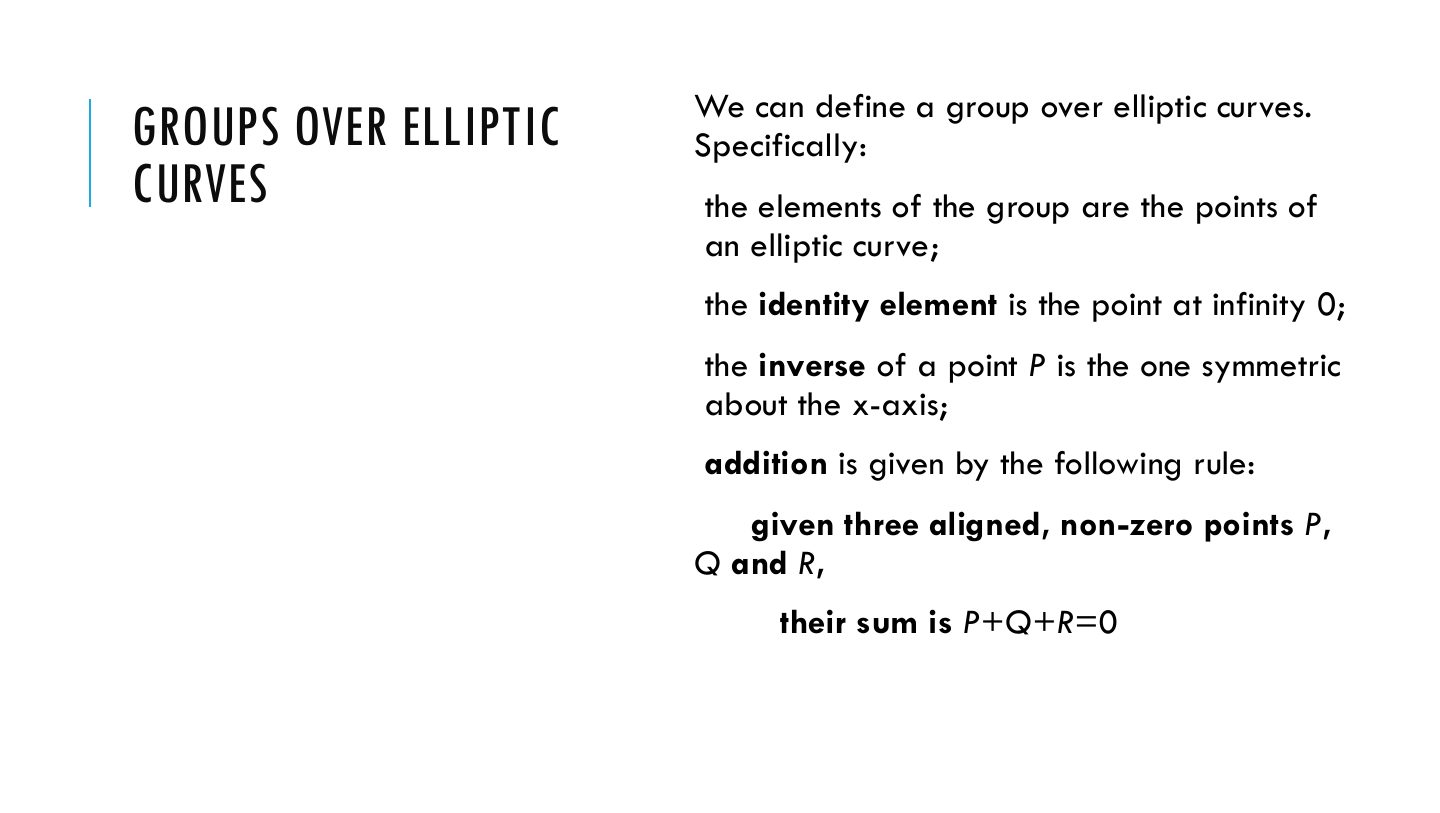
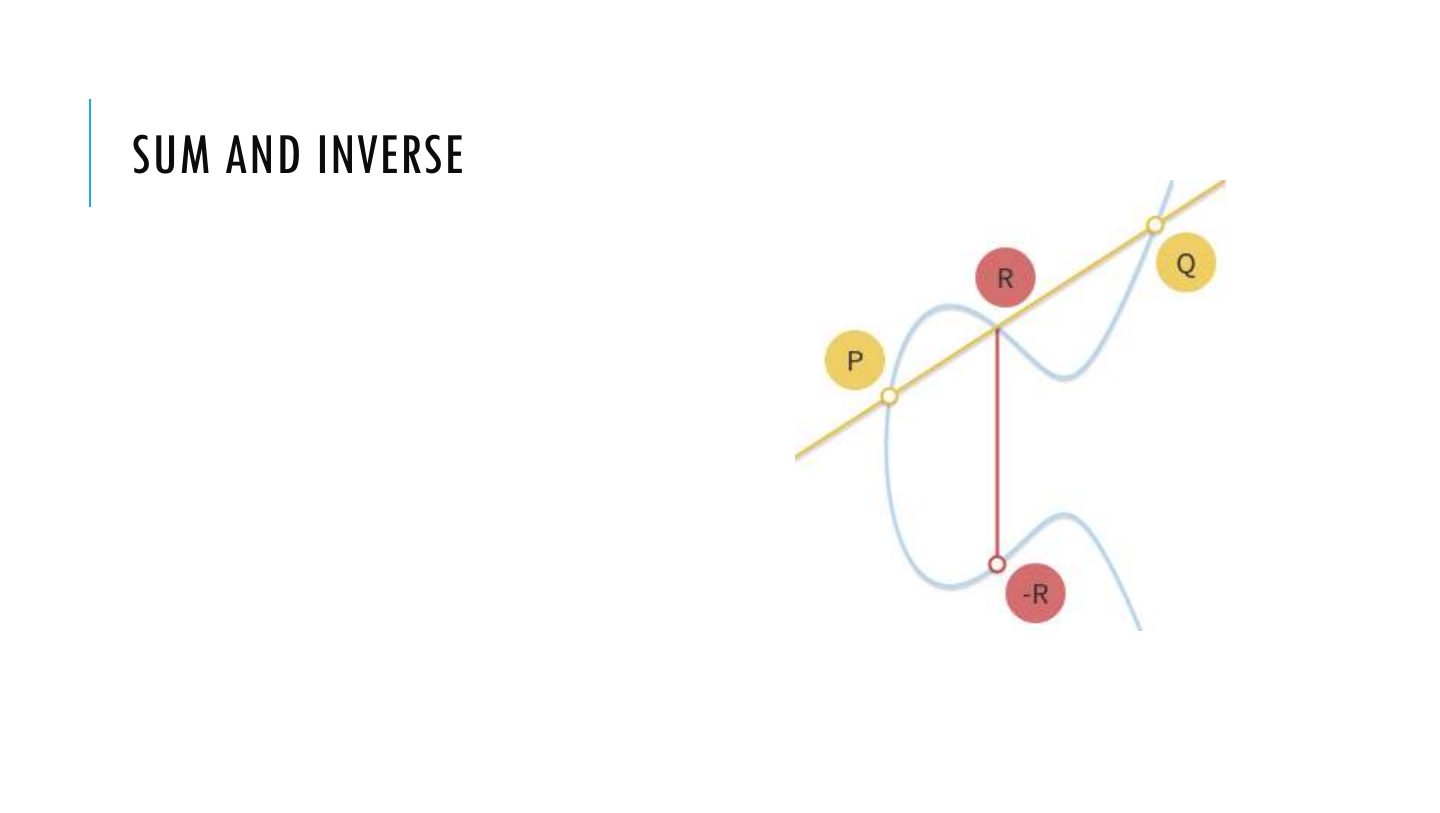
Point addition: the line through P and Q meets the curve at a third point; reflect it to get P + Q. The inverse of (x, y) is (x, −y).
A finite field is a set with a finite
In fields we have two binary
MULTIPLICATION OVER
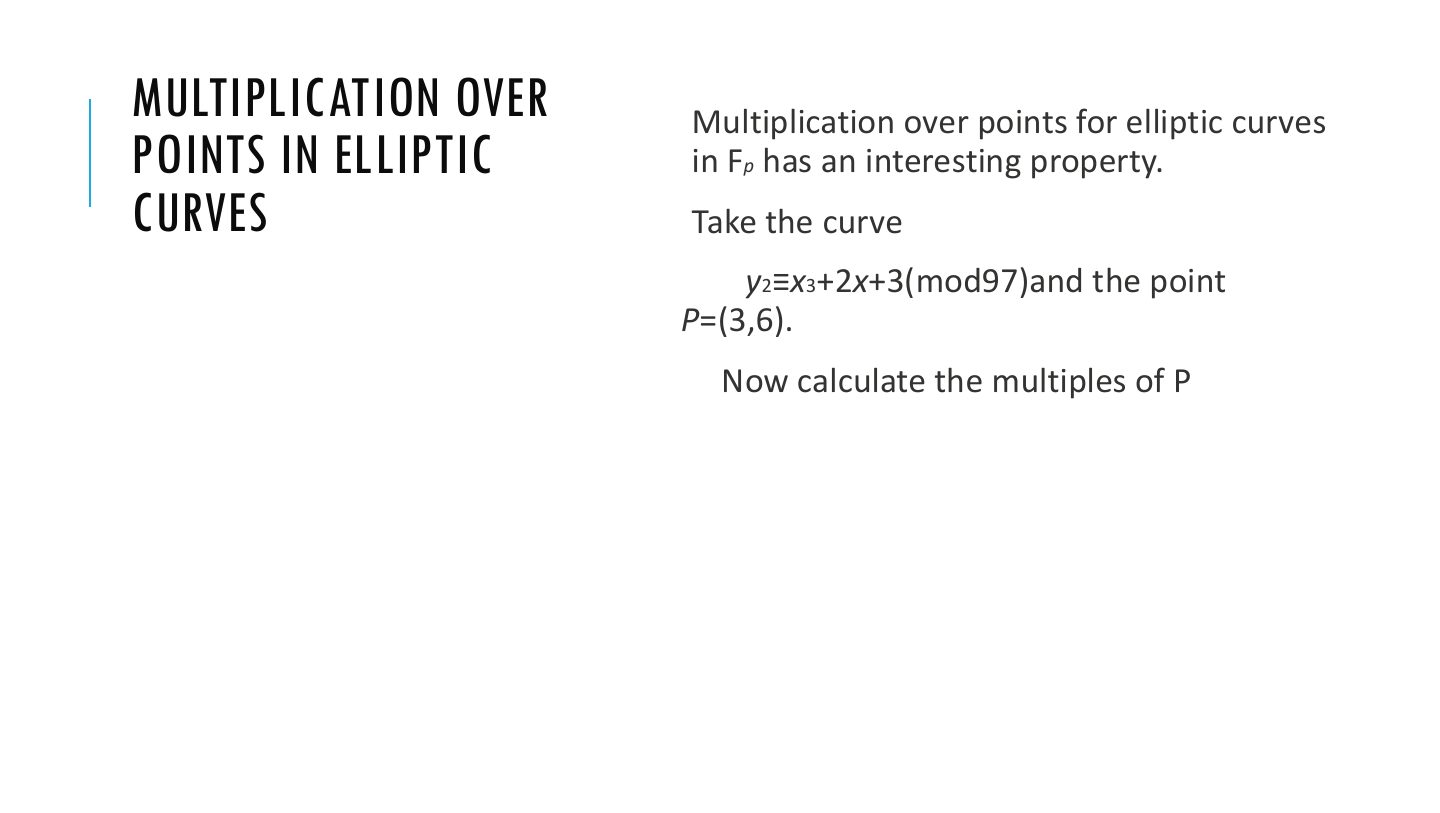
Notes
Scalar multiplication nP = P + P + … + P (n times), computed fast with double-and-add.
CYCLIC BEHAVIOR
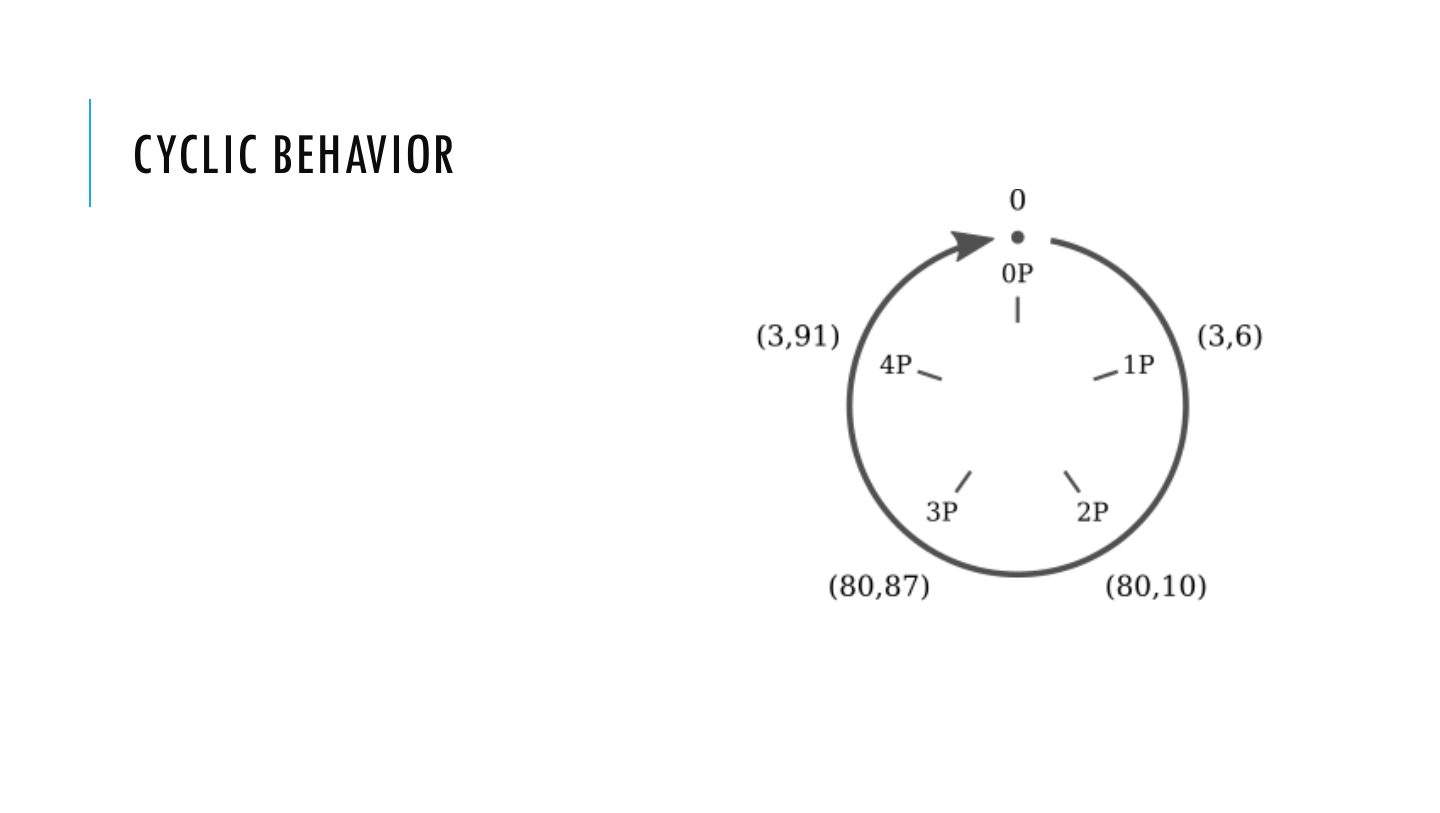
CYCLIC SUBGROUPS AND
a cyclic subgroup we can give a new,
In the light of this, we can outline the following
ELLIPTIC CURVES IN CRYPTOGRAPHY
DISCRETE LOGARITHMS IN FINITE FIELDS
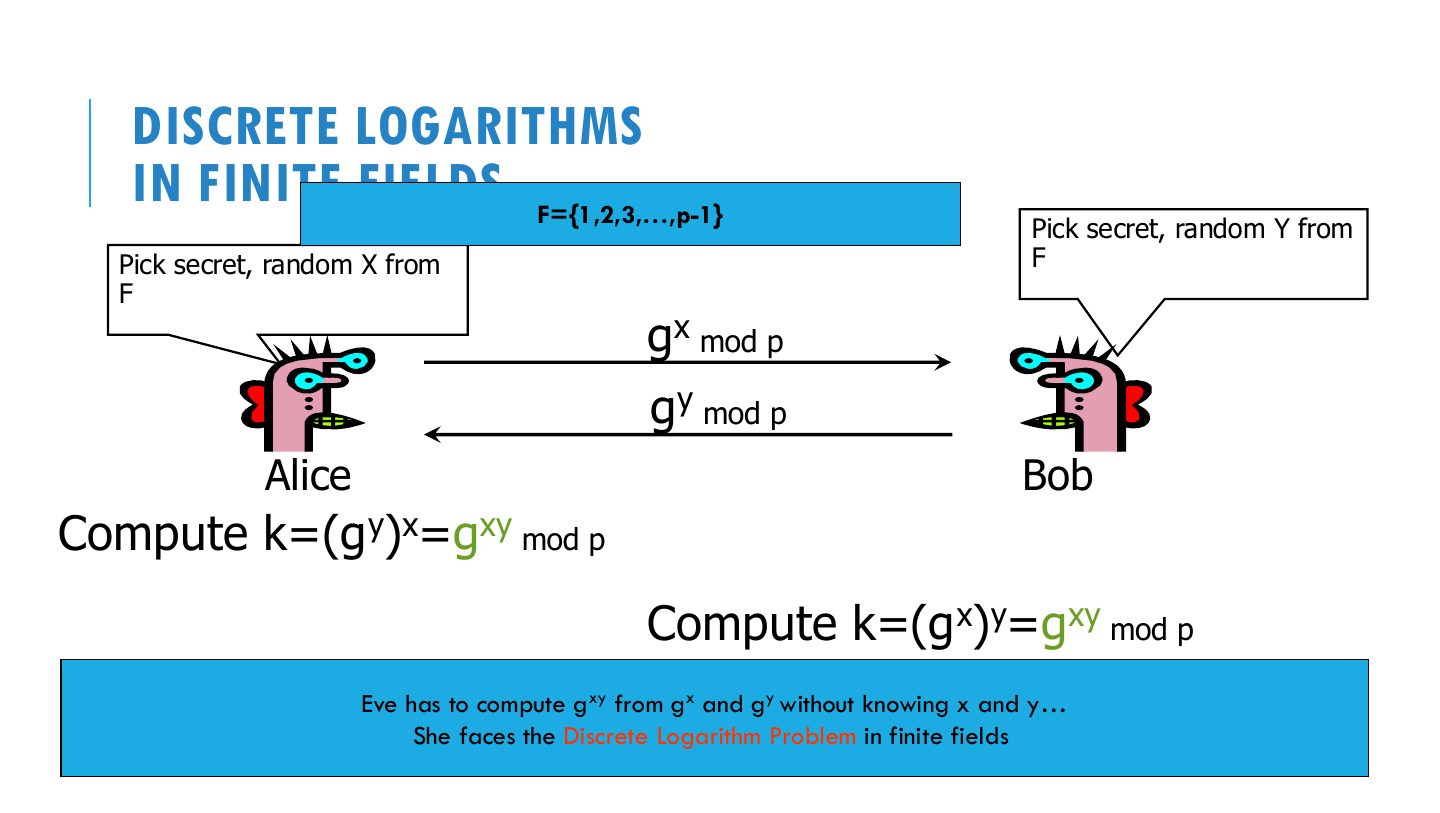
Notes
ECDLP: given P and Q = kP, finding k is infeasible. That is ECC’s hard problem.
Exam angle
DEFINITION OF ELLIPTIC CURVES
WHAT IS ELLIPTIC CURVE CRYPTOGRAPHY (ECC)?
USING ELLIPTIC CURVES IN CRYPTOGRAPHY
GENERIC PROCEDURES OF ECC
EXAMPLE – ELLIPTIC CURVE CRYPTOSYSTEM ANALOG TO EL GAMAL
EXAMPLE – ELLIPTIC CURVE CRYPTOSYSTEM ANALOG TO EL GAMAL
EXAMPLE – COMPARE TO EL GAMAL
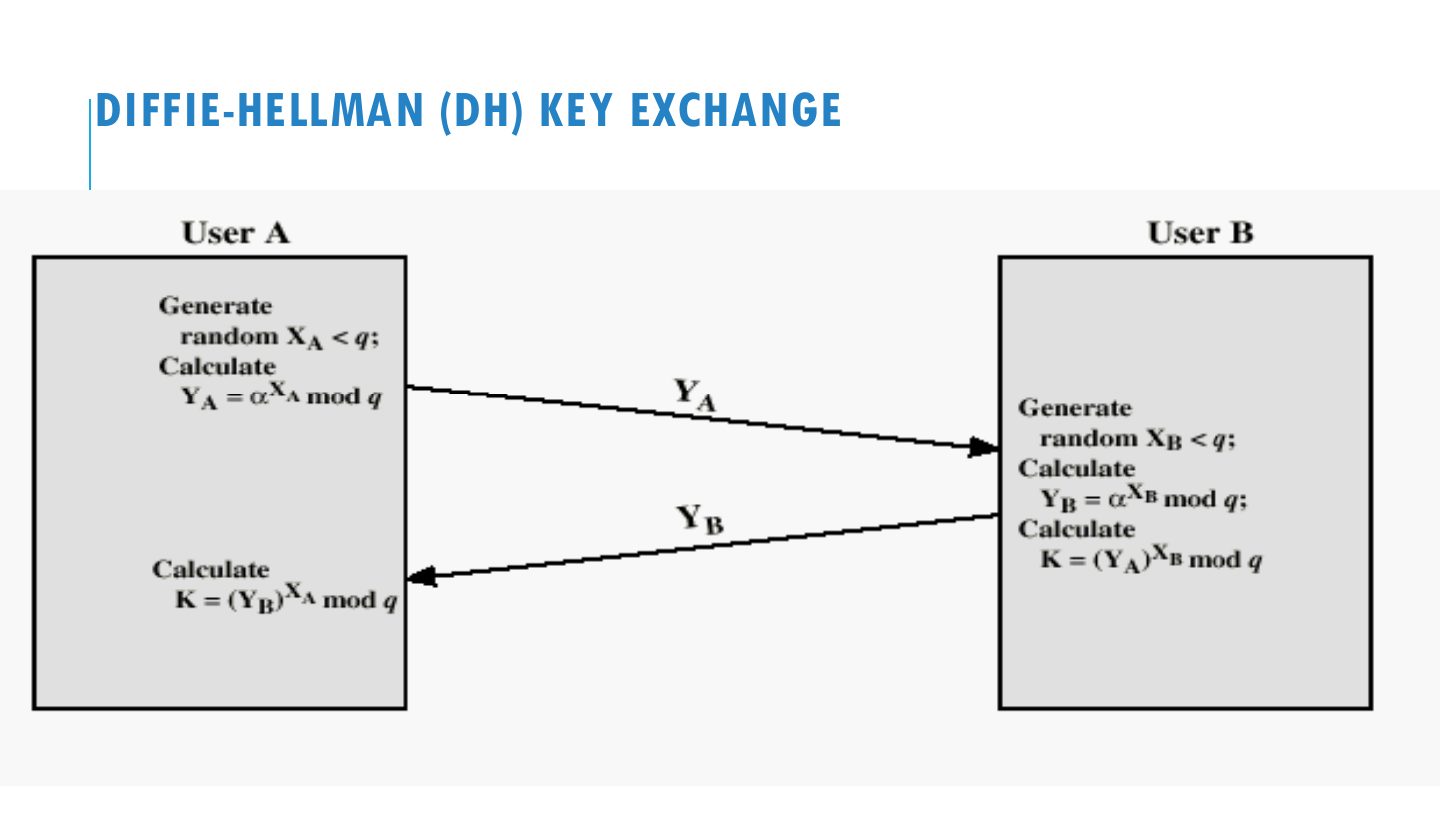
DIFFIE-HELLMAN (DH) KEY EXCHANGE
ECC DIFFIE-HELLMAN
Notes
ECDH: Alice sends aG, Bob sends bG; both compute the shared point abG.
Seen again Chapter 8: Diffie-Hellman Key Exchange, slide 6: classic Diffie–Hellman
EXAMPLE – ELLIPTIC CURVE DIFFIE-HELLMAN EXCHANGE
WHY USE ECC?
Notes
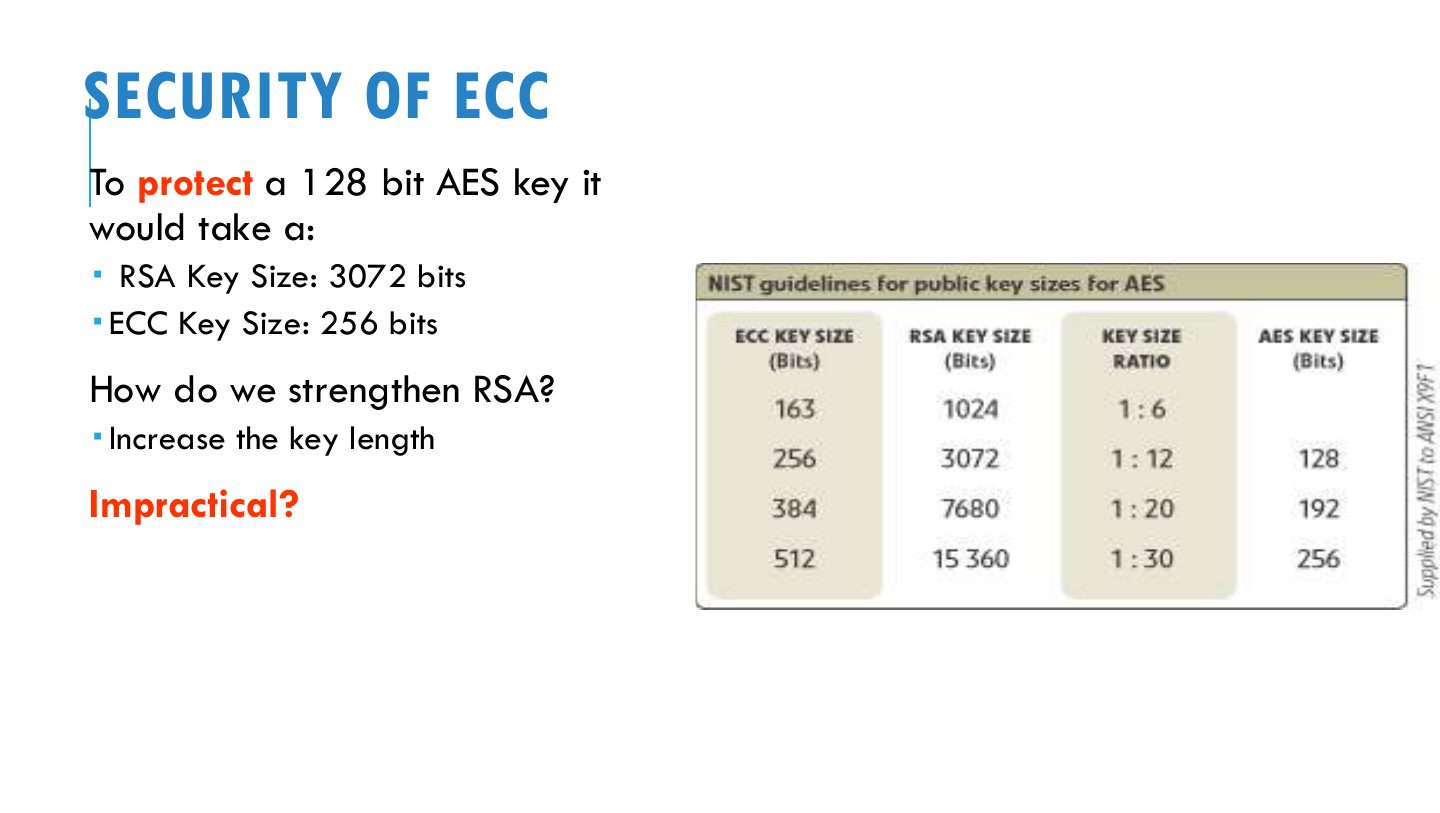
A 256-bit ECC key ≈ 3072-bit RSA security: smaller keys, faster, less power and bandwidth (good for mobile and IoT).
Exam angle
The main advantage of ECC over RSA is:
SECURITY OF ECC
APPLICATIONS OF ECC
Notes
Applications: TLS key exchange, ECDSA signatures, Bitcoin, mobile devices.
BENEFITS OF ECC
SUMMARY OF ECC