Spoofed DNS queries that make open resolvers flood a victim with large responses are:
Web and Database Hacking
Web server operations and why servers get compromised, DNS hijacking and amplification, directory traversal, MITM, cache poisoning, DoS, session hijacking with cookies, the web-server attack methodology, web application and session attacks, database vulnerabilities and attacks, and testing.
How to read this page
Every original slide is shown unchanged. Yellow marks on a slide point to a numbered note: hover or tap a mark to jump to its note, and hover a note to see its marks. Questions tagged Past exam appeared on a real paper; Prediction questions are likely angles, not confirmed. Pick an answer to each question: a wrong pick tells you why it is wrong, so you can try again.
All 59 slides
- 1 Slide 1
- 2 Learning Objective
- 3 Key Concepts
- 4 Web Server Operations
- 5 Web Server Security Issues
- 6 ▪ Organizations can defend most network-level and OS-level attacks by using
- 7 Common Goals behind Web Server Hacking
- 8 Dangerous Security Flaws Affecting Web Server
- 9 Why Web Servers Are Compromised
- 10 Shift Toward Web Layer Attacks
- 11 Webmaster’s Perspective
- 12 Network Administrator’s Perspective
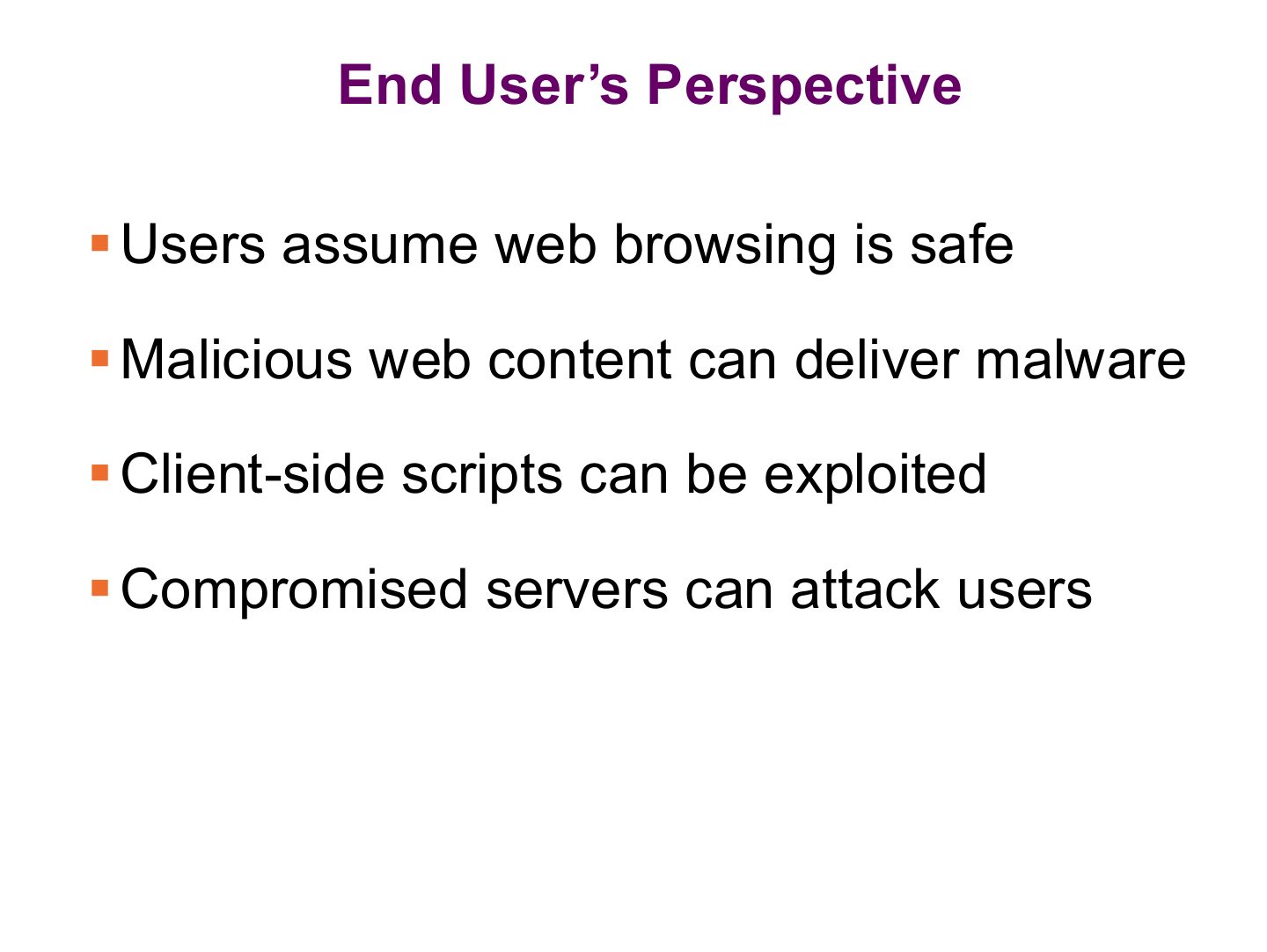
- 13 End User’s Perspective
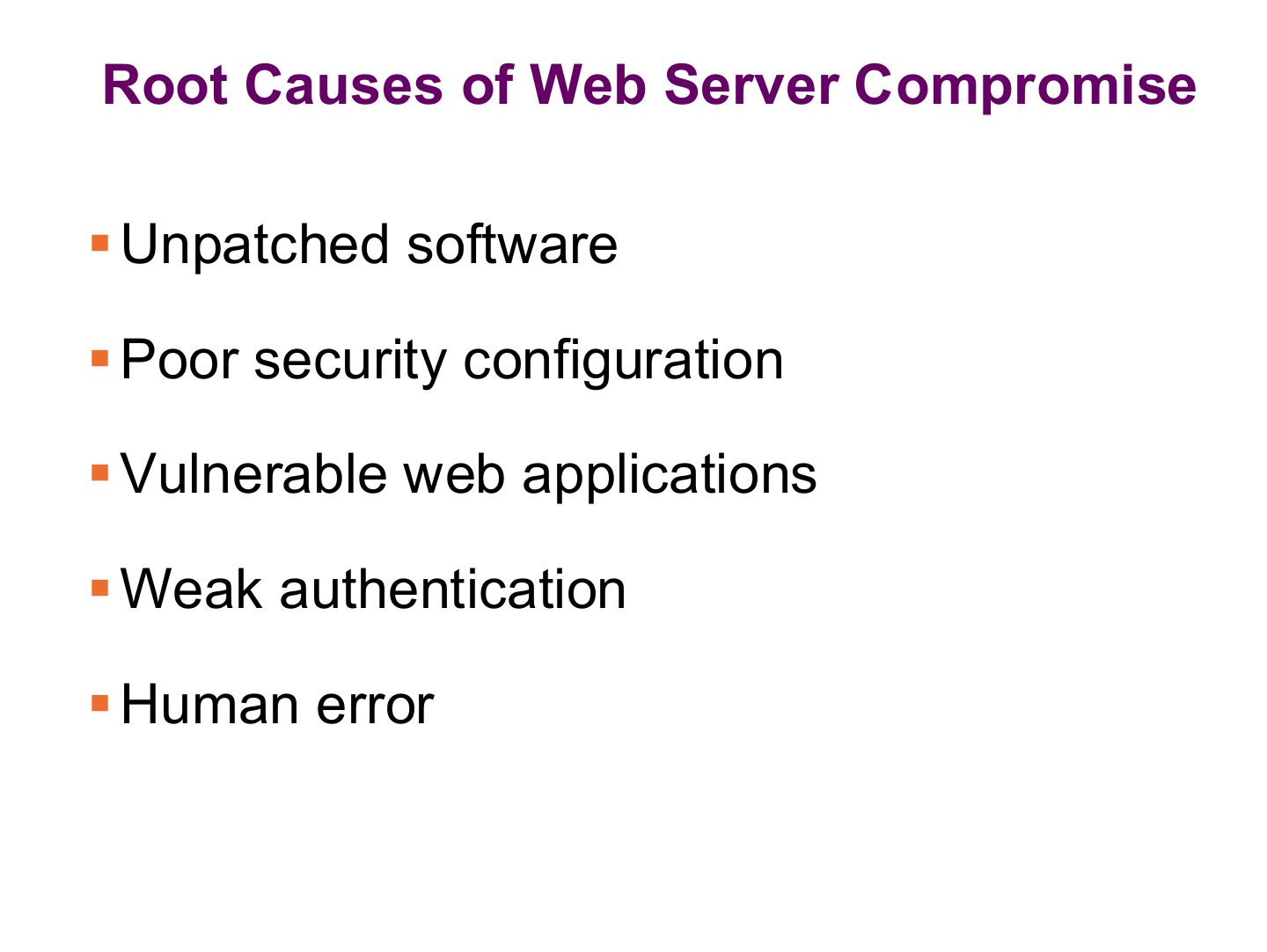
- 14 Root Causes of Web Server Compromise
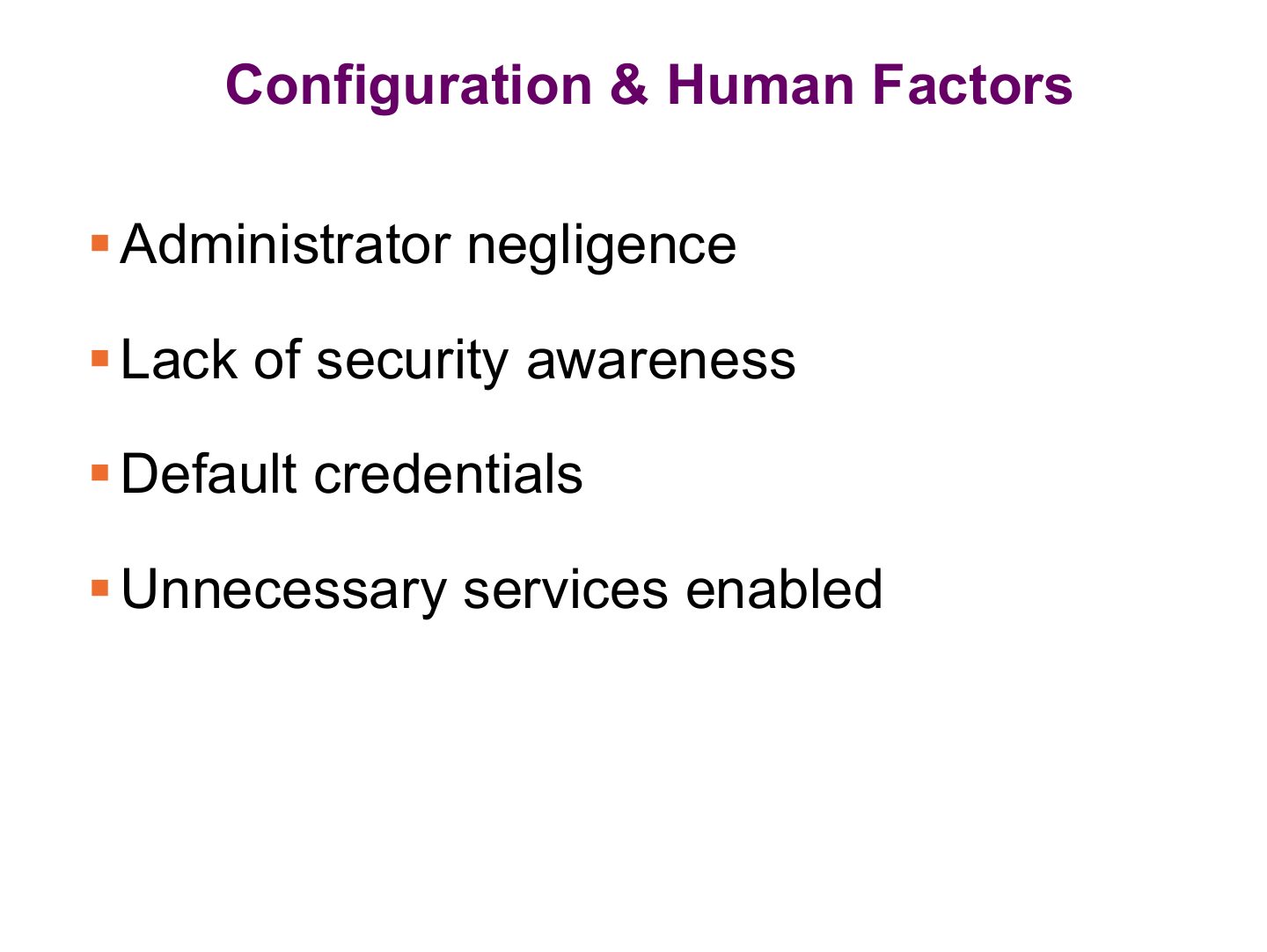
- 15 Configuration & Human Factors
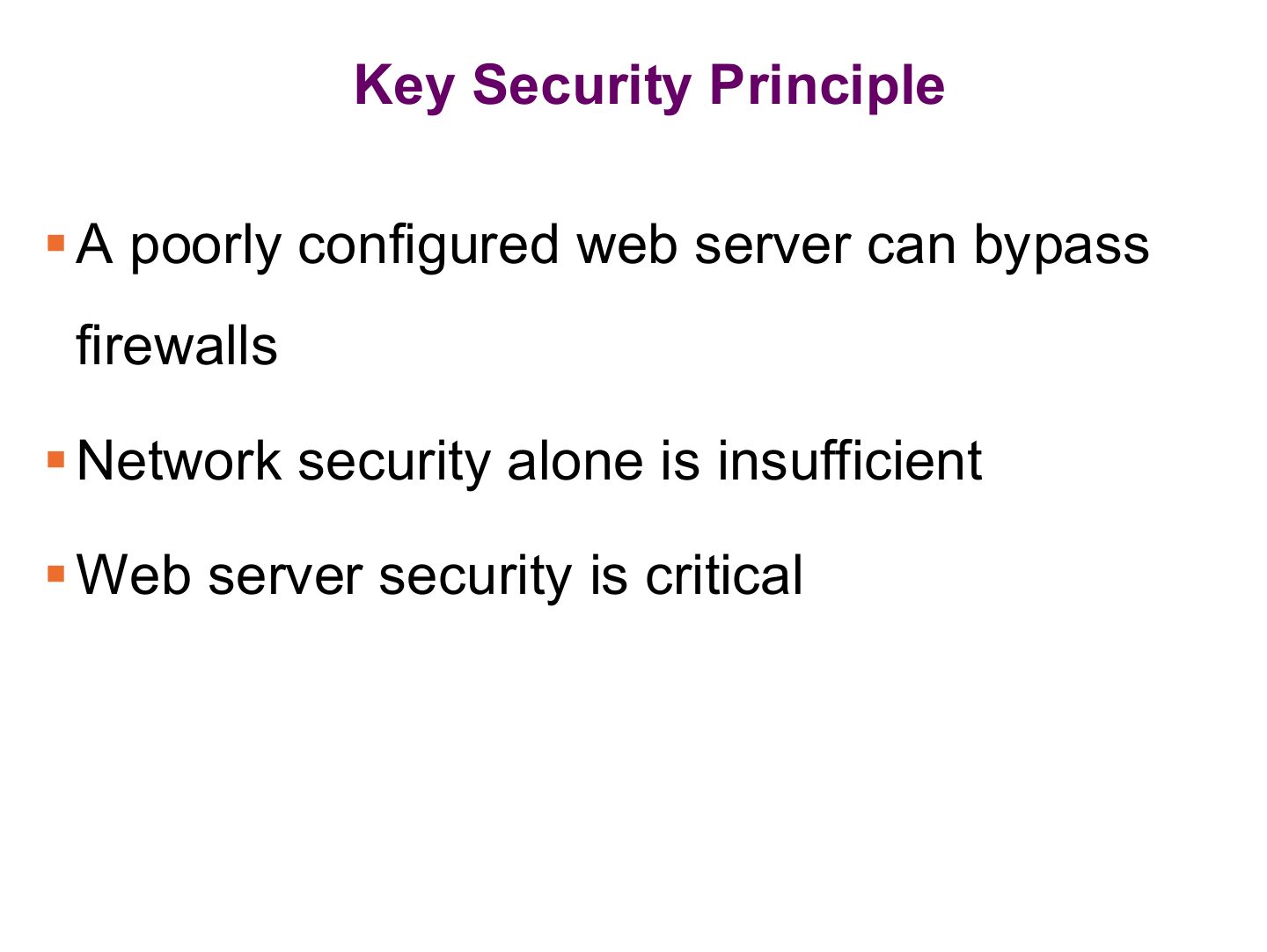
- 16 Key Security Principle
- 17 Impact of Web Server Compromise
- 18 Slide 18
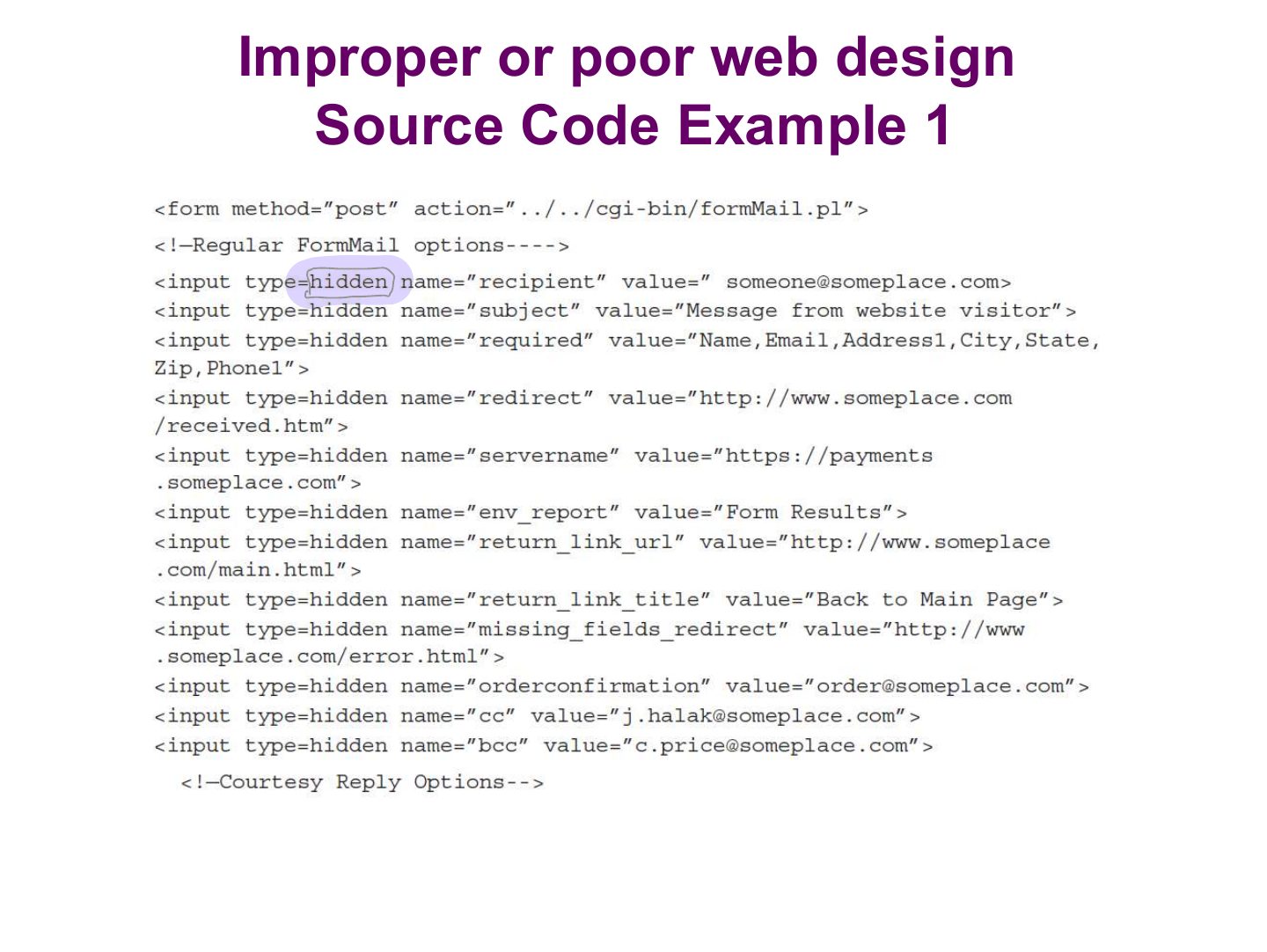
- 19 Improper or poor web design Source Code Example 1
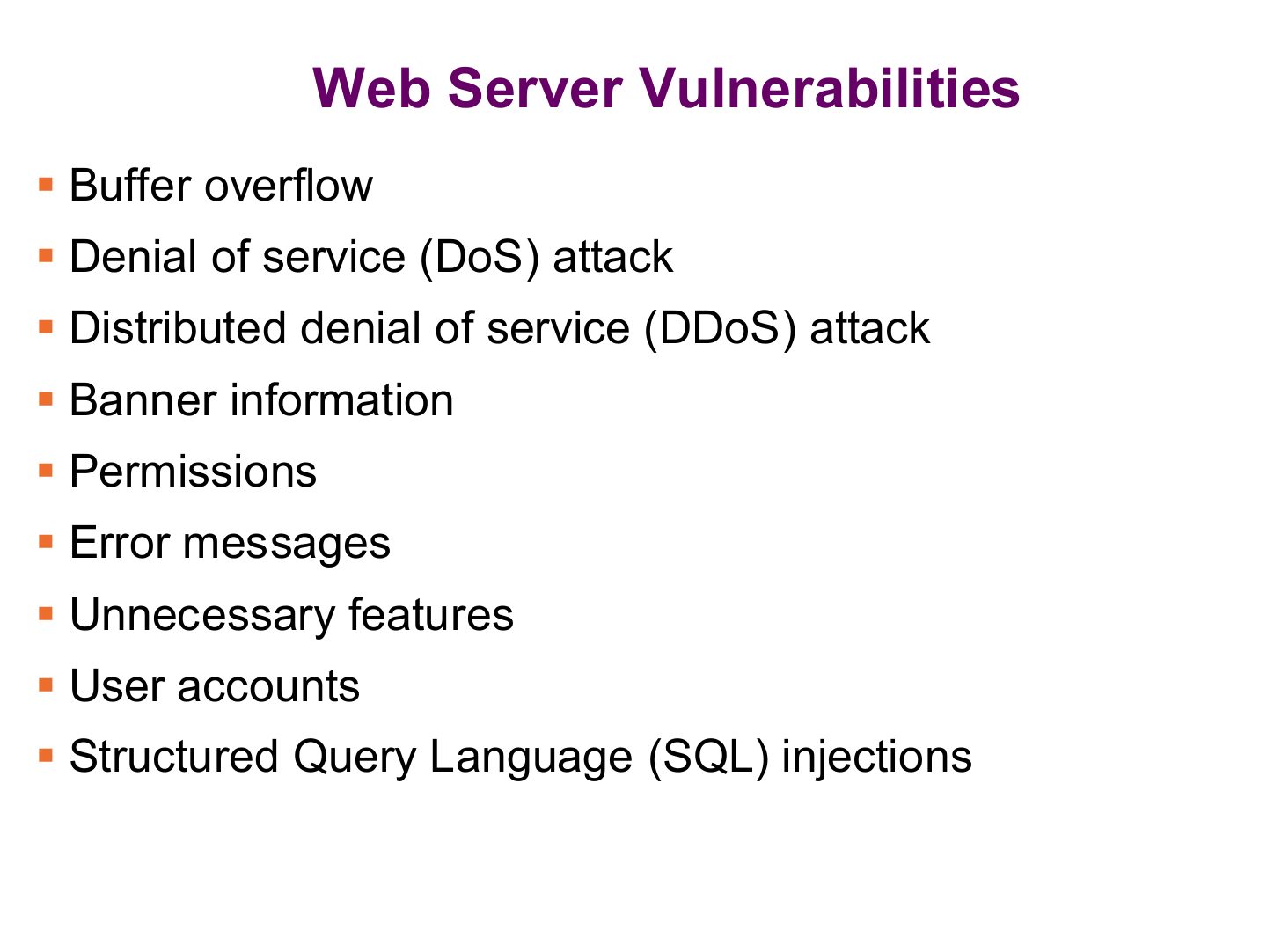
- 20 Web Server Vulnerabilities
- 21 Slide 21
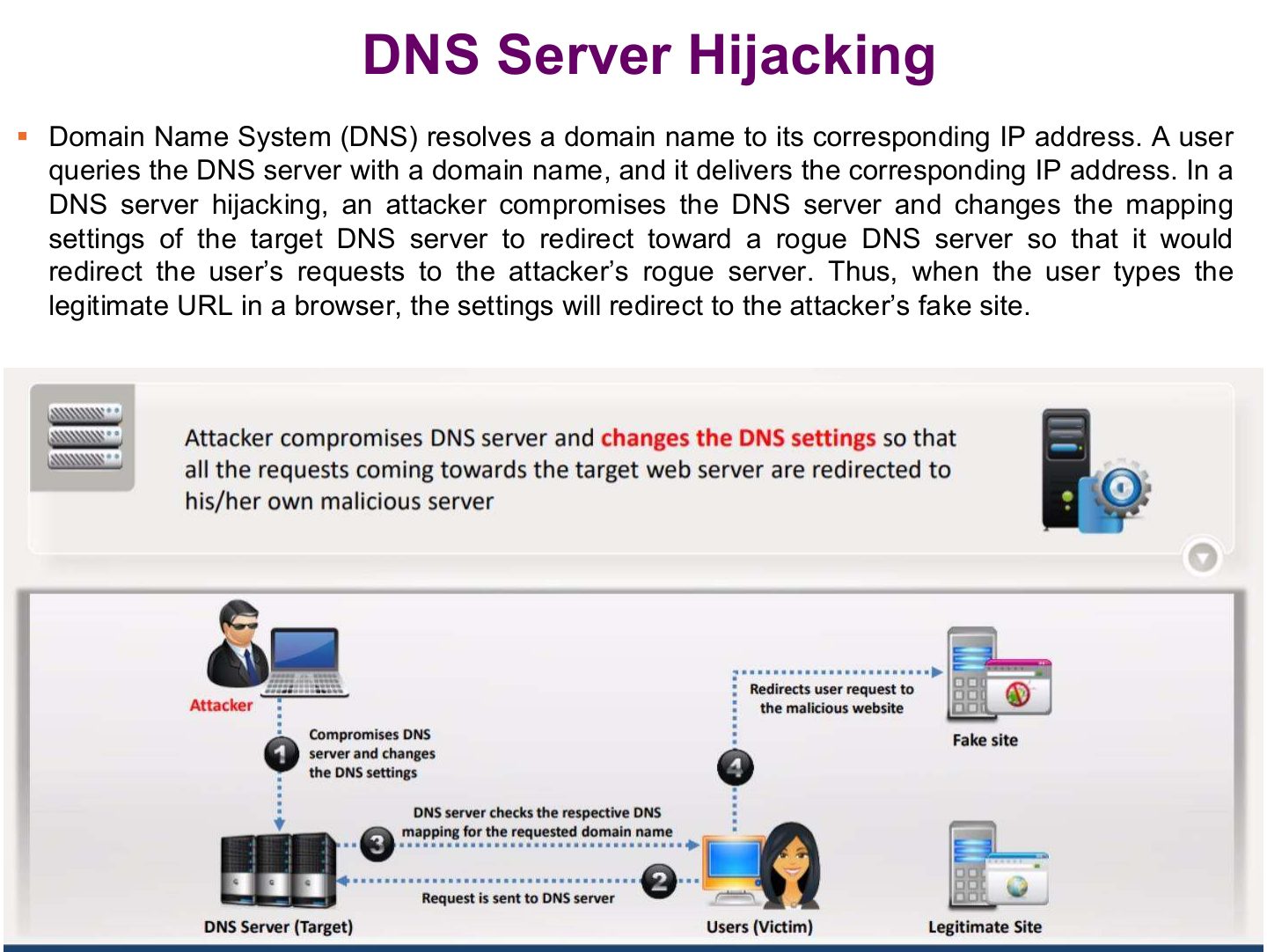
- 22 DNS Server Hijacking
- 23 DNS Amplification Attack
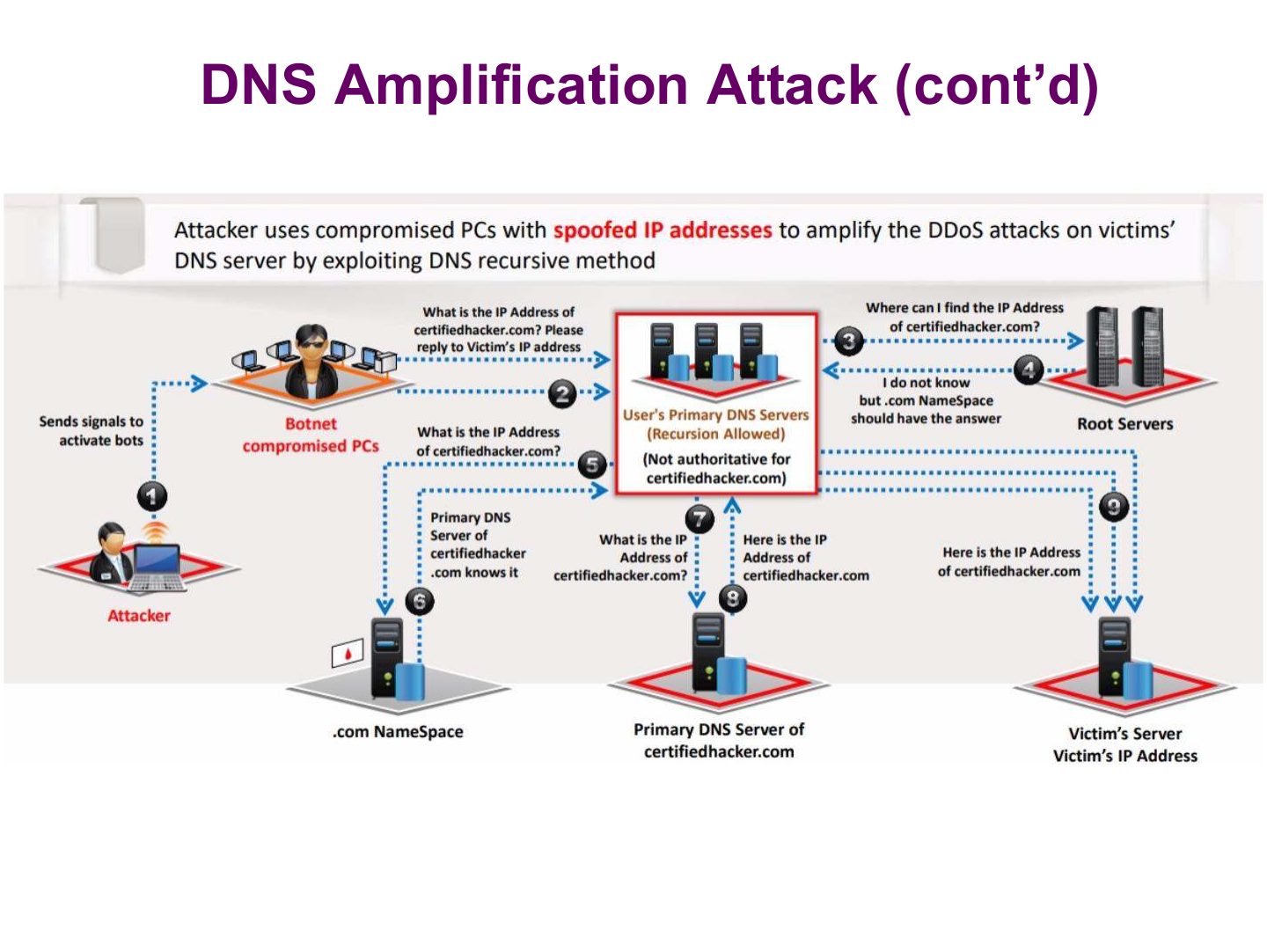
- 24 DNS Amplification Attack ( cont’d)
- 25 Directory Traversal Attack
- 26 Man-in-the-Middle/Sniffing Attack
- 27 Web Cache Poisoning Attack
- 28 DoS/DDoS Attack
- 29 Session Hijacking with cookies
- 30 Web Server Attack Methodology
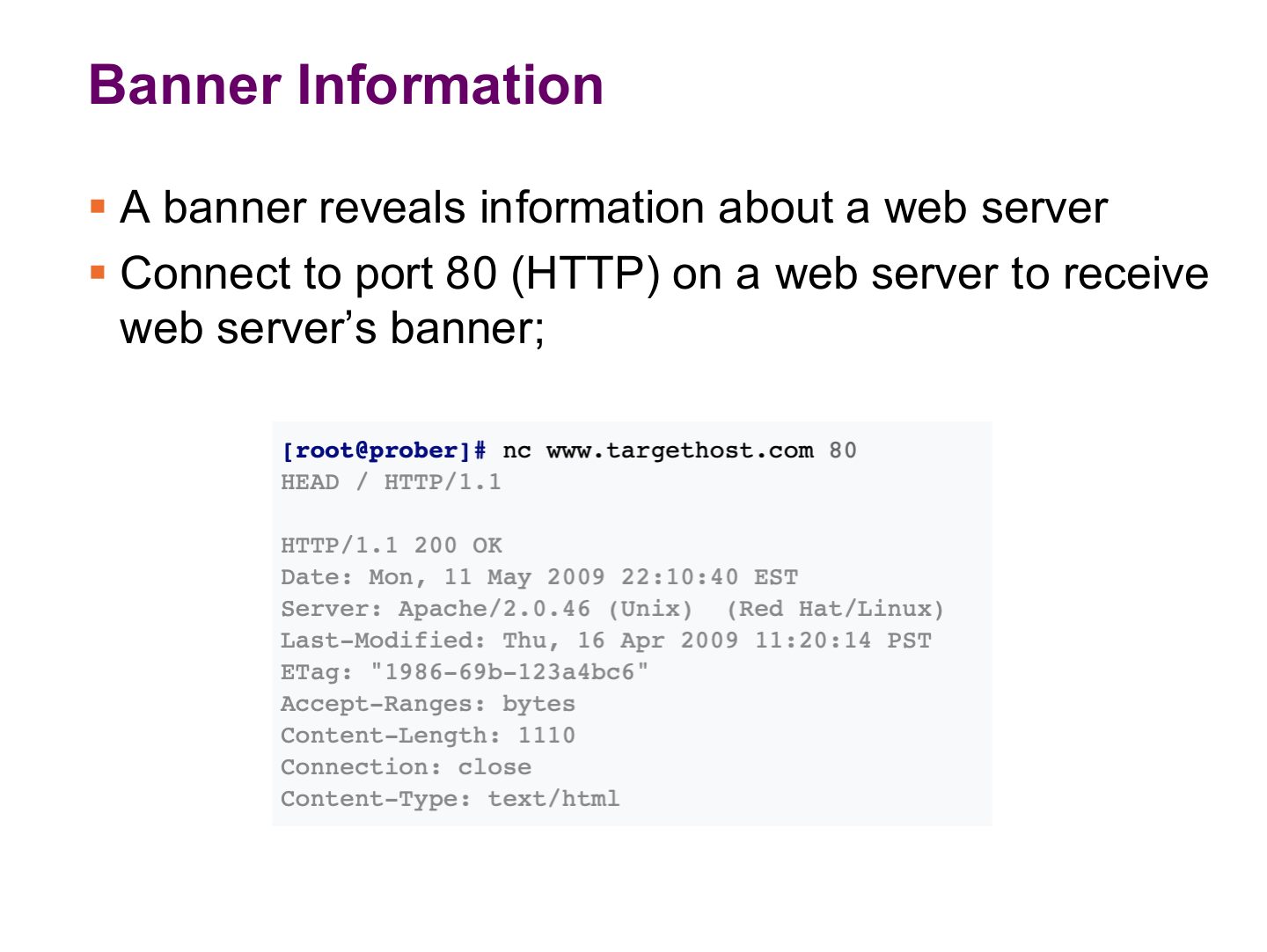
- 31 Banner Information
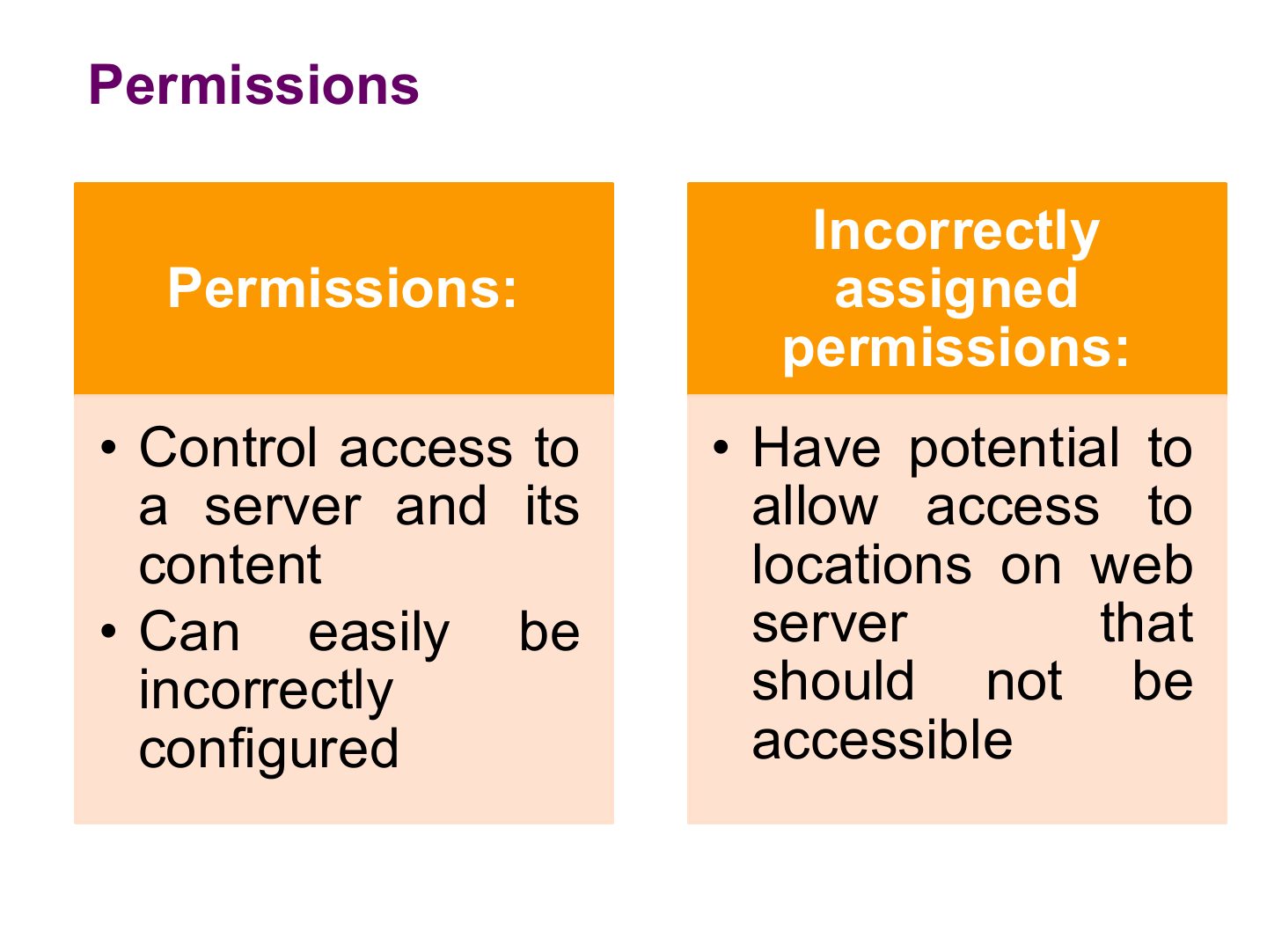
- 32 Permissions
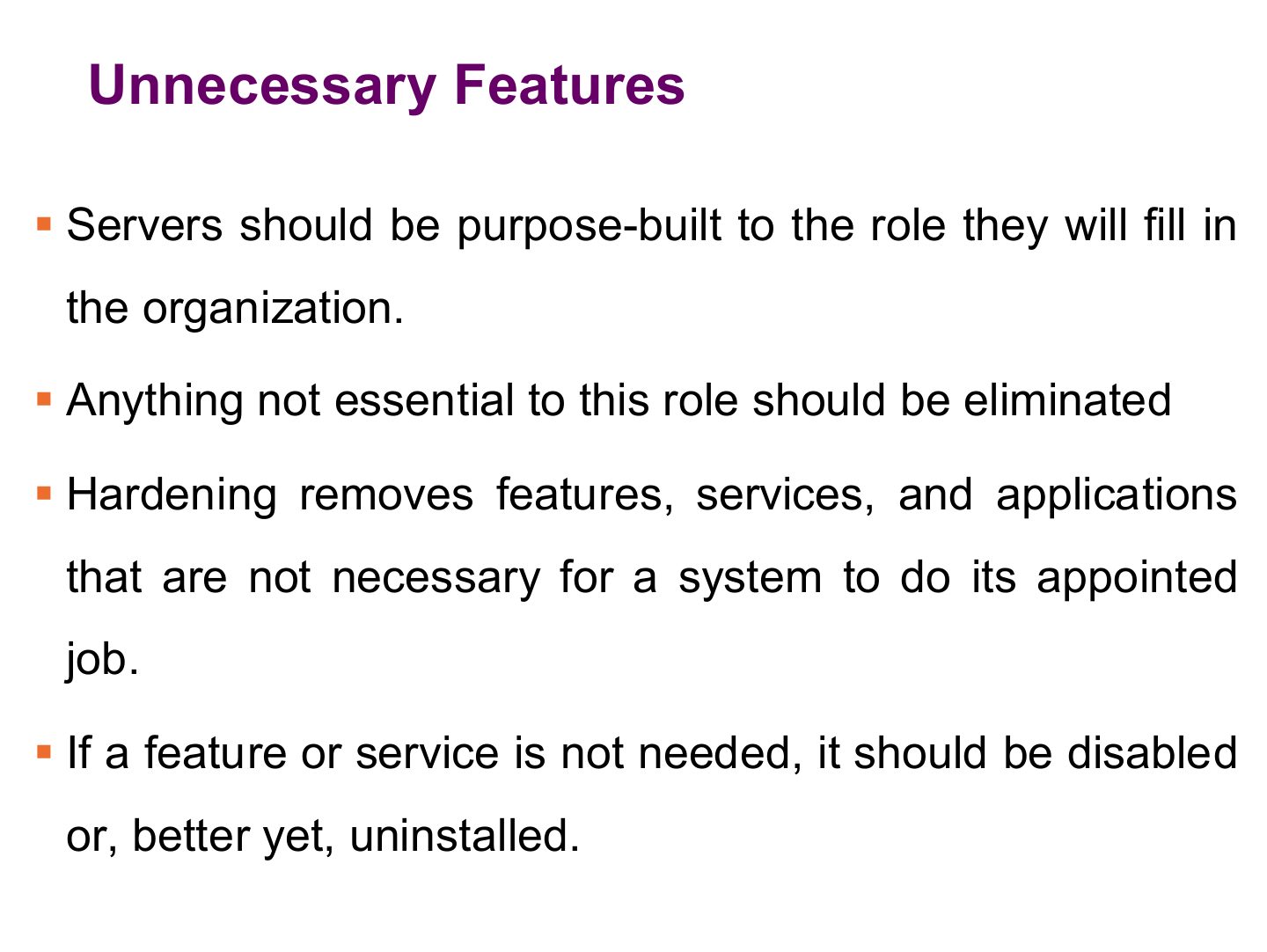
- 33 Unnecessary Features
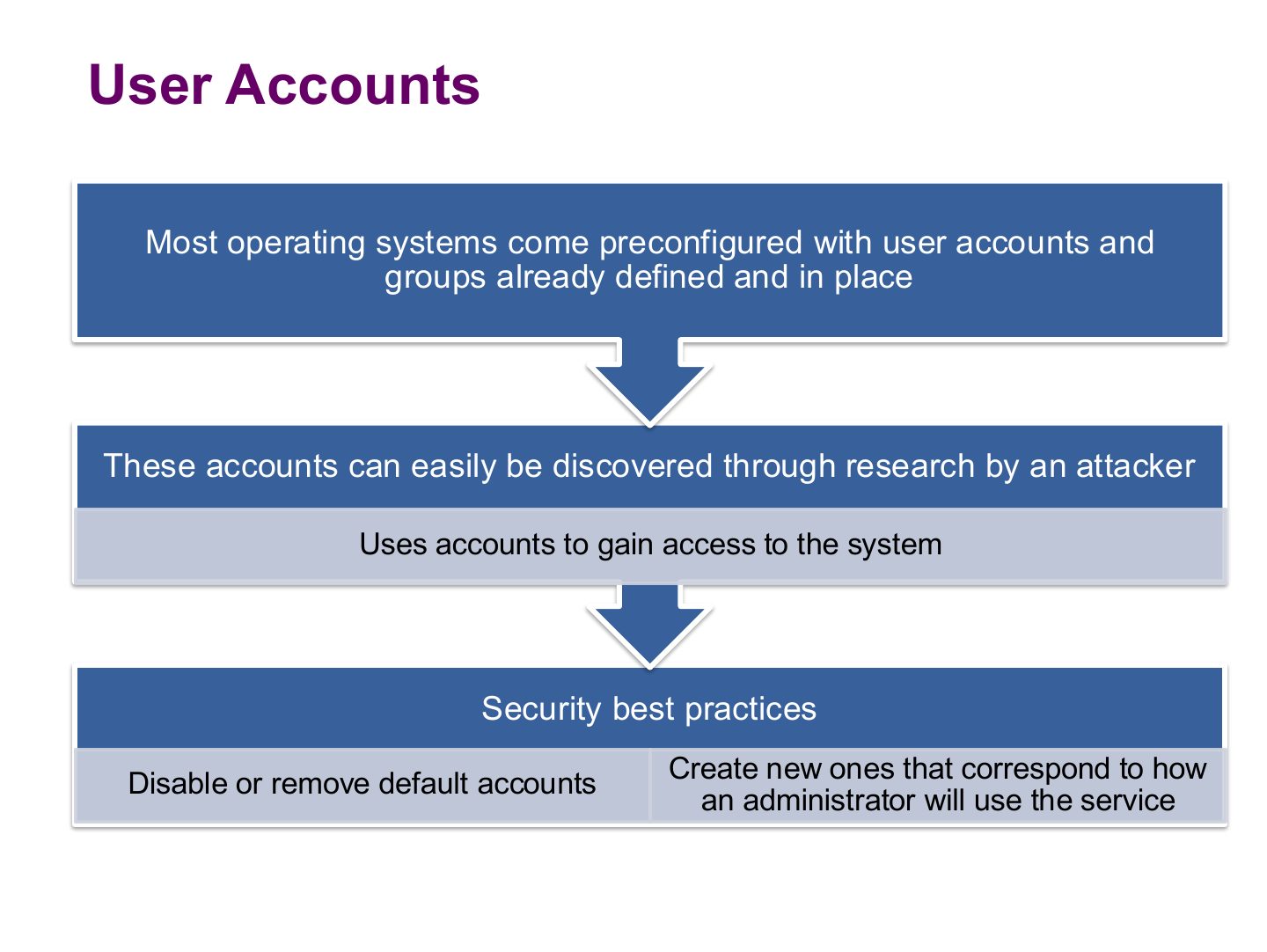
- 34 User Accounts
- 35 Slide 35
- 36 Web Application Attacks
- 37 Web Application Attacks (cont’d)
- 38 Session Management Issues
- 39 Session Vulnerabilities
- 40 Encryption Weaknesses
- 41 Slide 41
- 42 Database Attacks and Vulnerabilities Overview
- 43 Database Vulnerabilities
- 44 Database Vulnerabilities (cont.)
- 45 Database Vulnerabilities (cont.)
- 46 Database Attacks
- 47 Database Attacks (cont.)
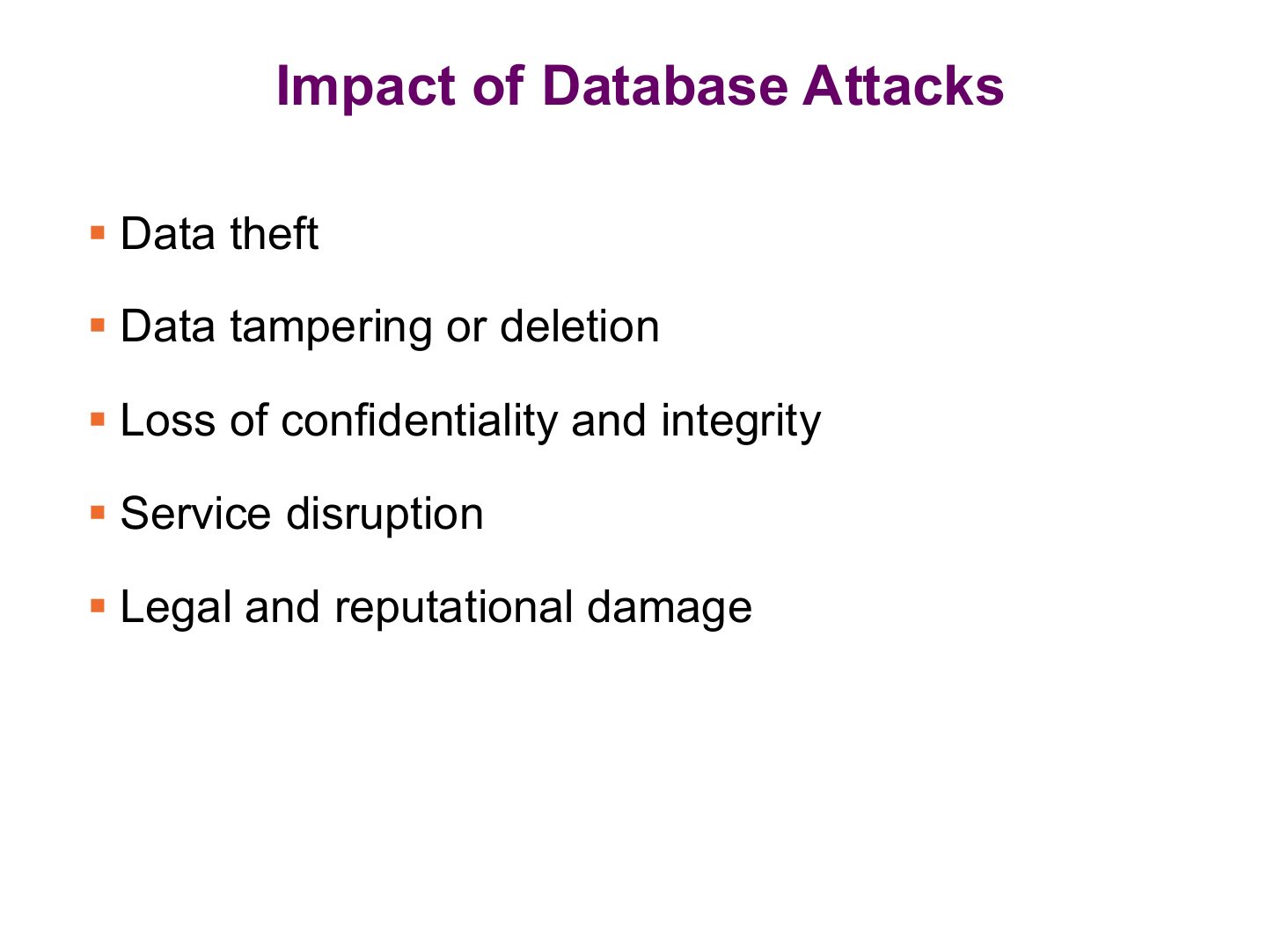
- 48 Impact of Database Attacks
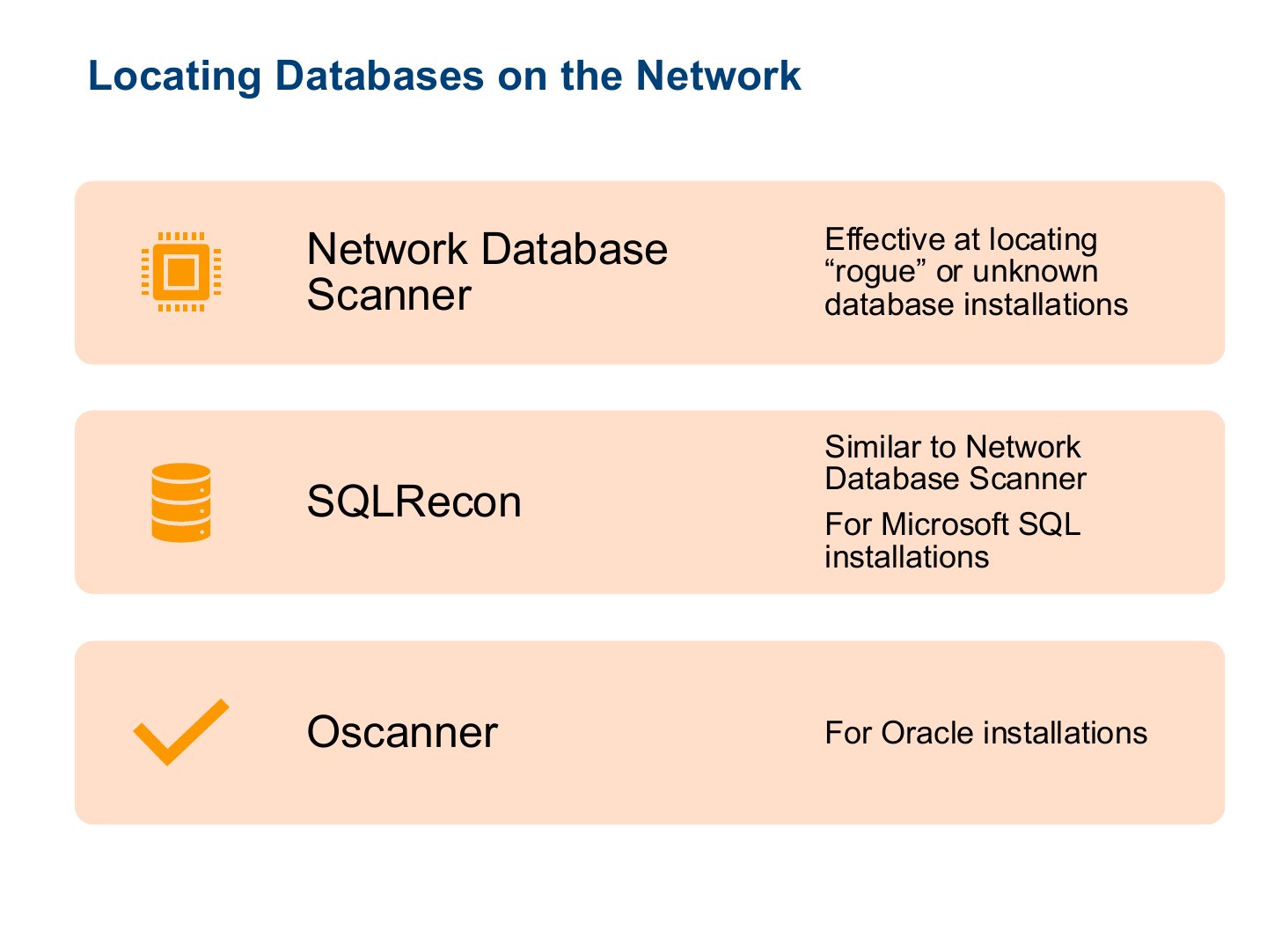
- 49 Locating Databases on the Network
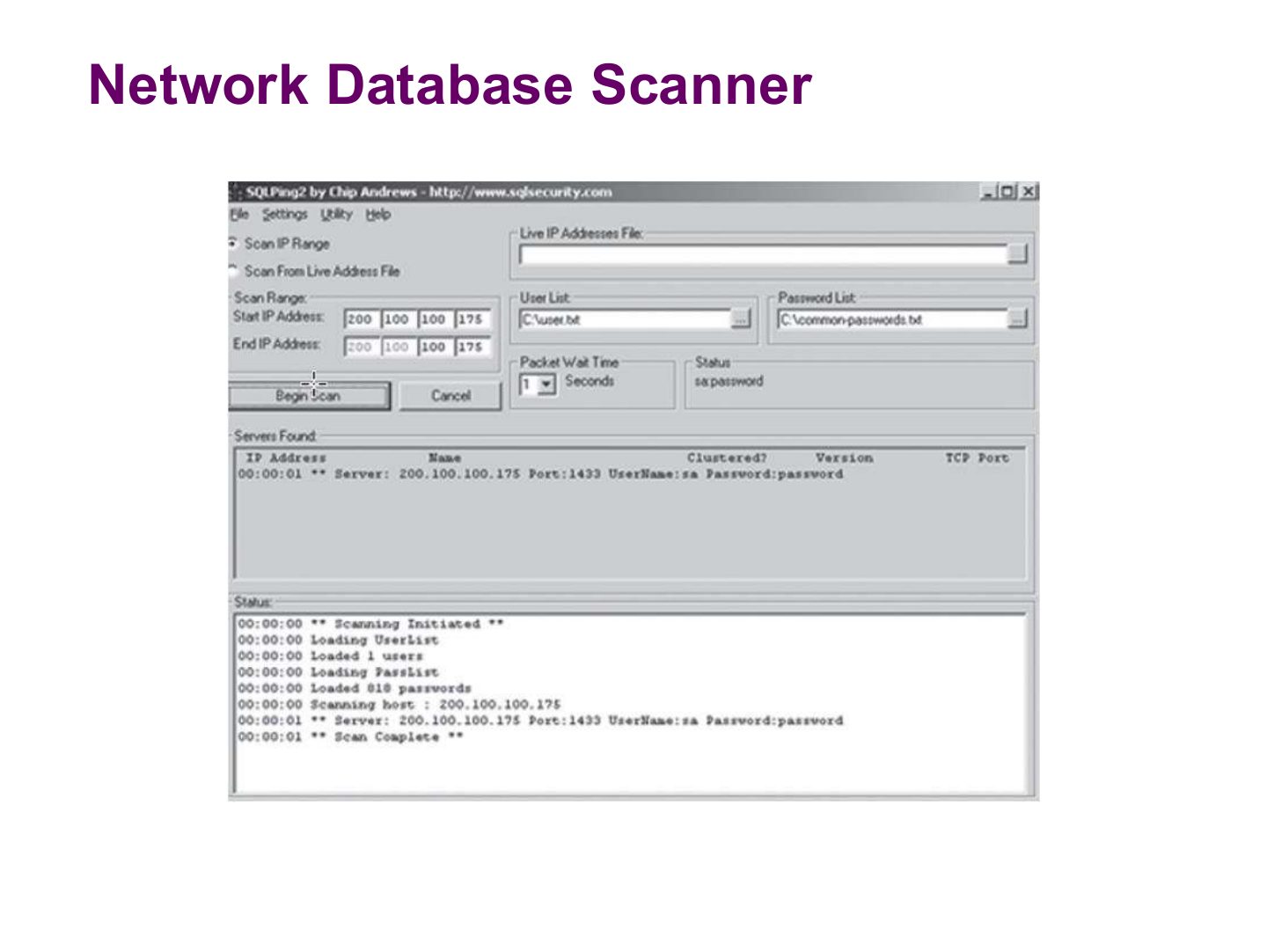
- 50 Network Database Scanner
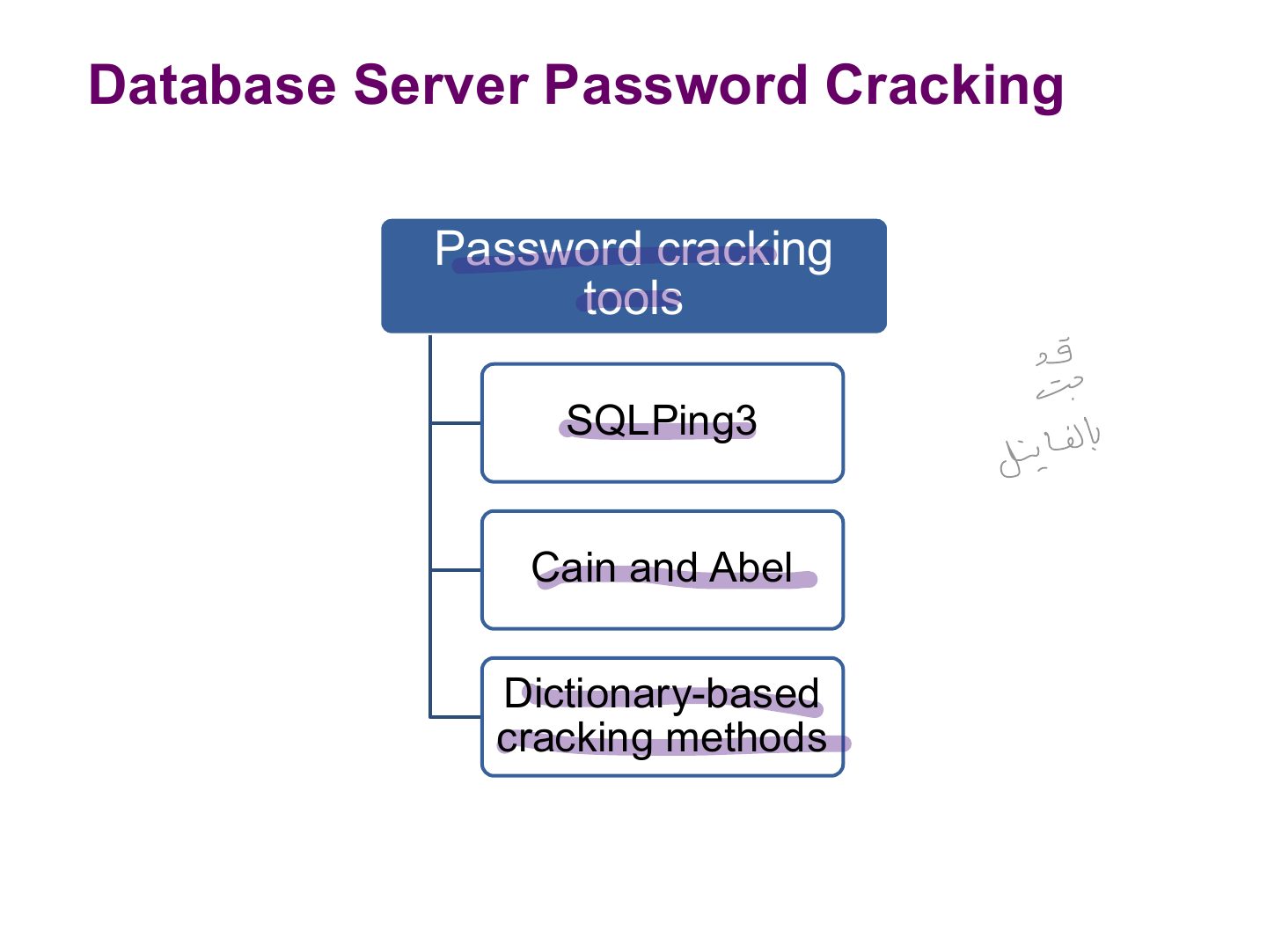
- 51 Database Server Password Cracking
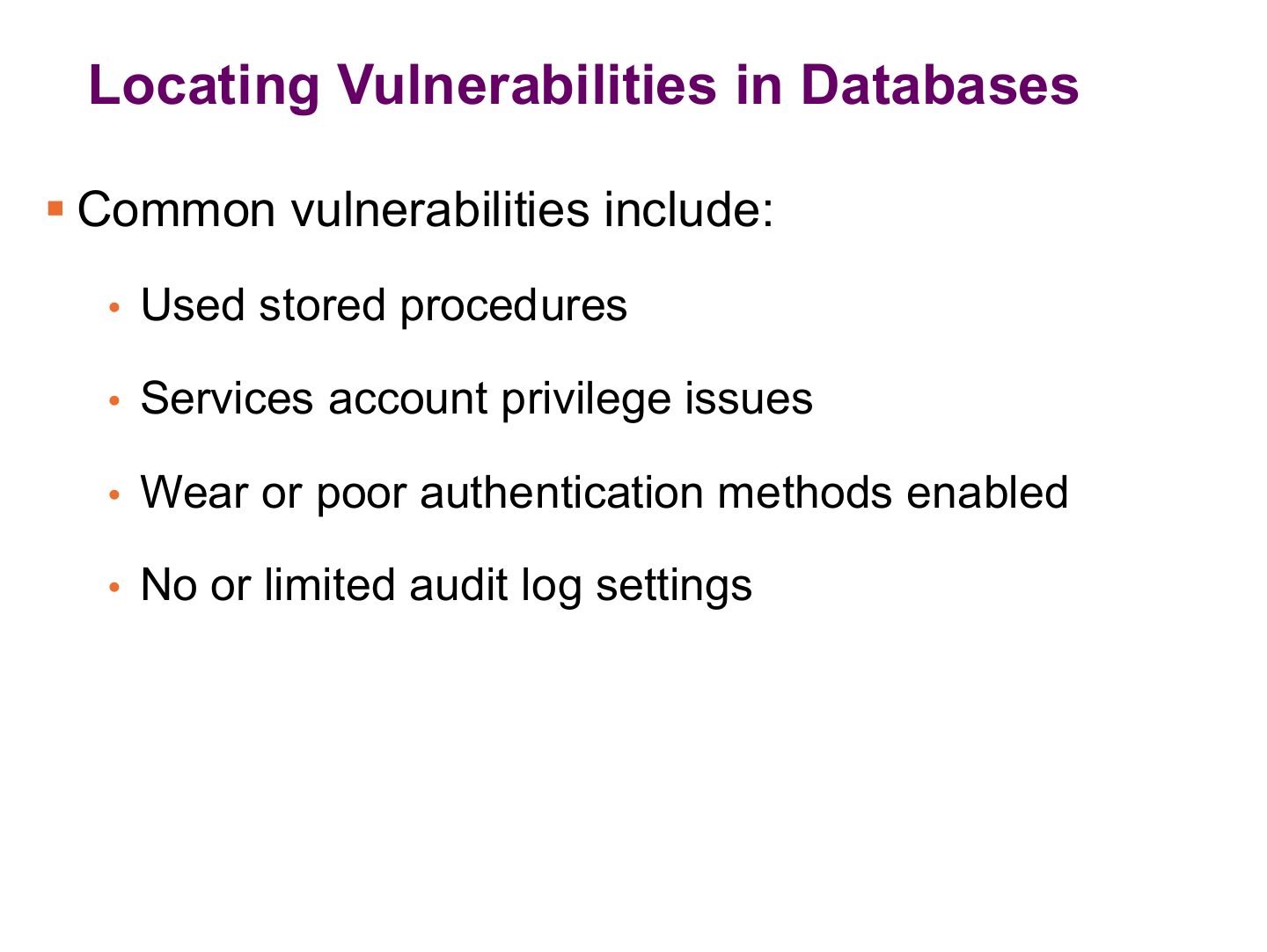
- 52 Locating Vulnerabilities in Databases
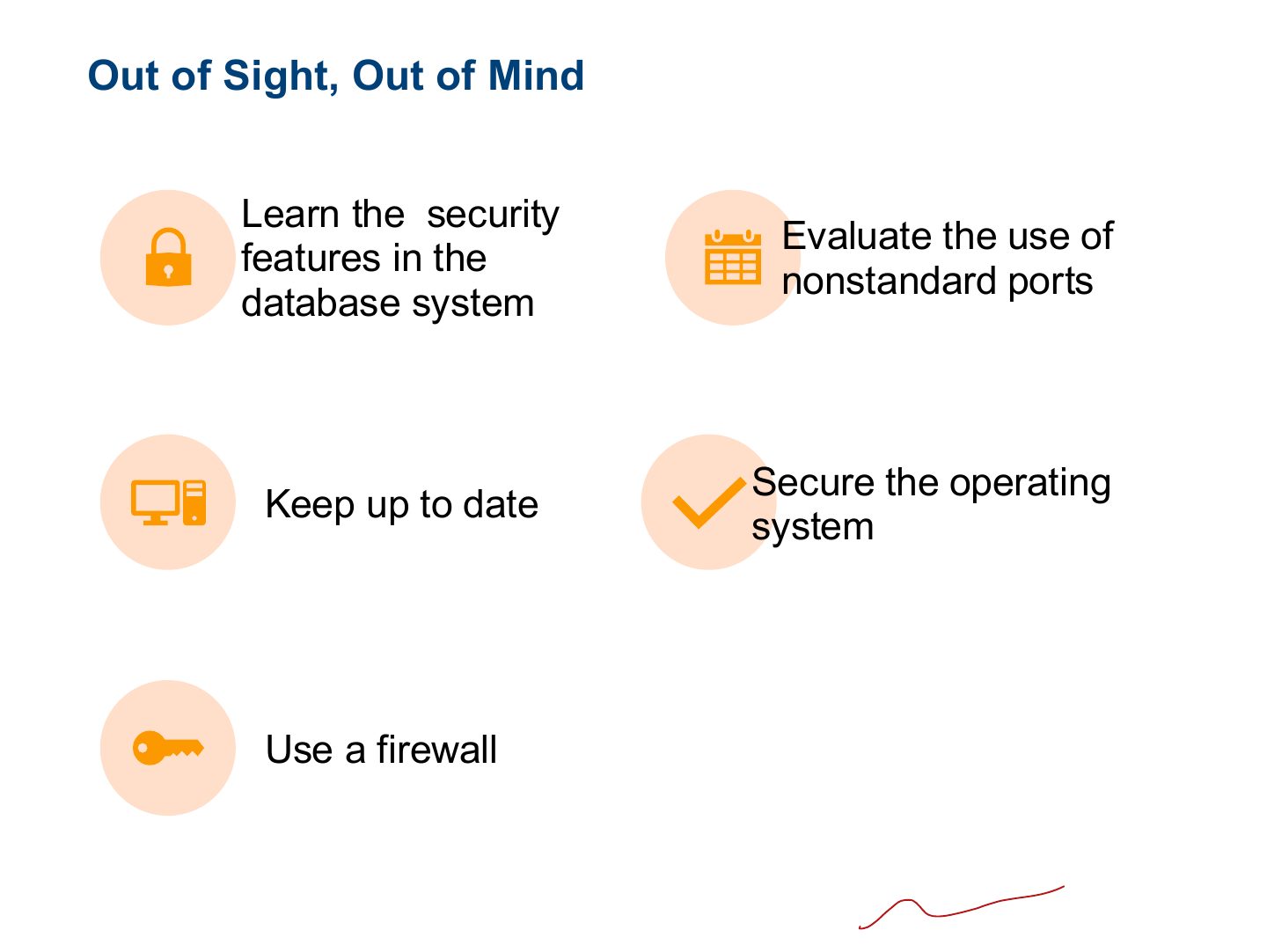
- 53 Out of Sight, Out of Mind
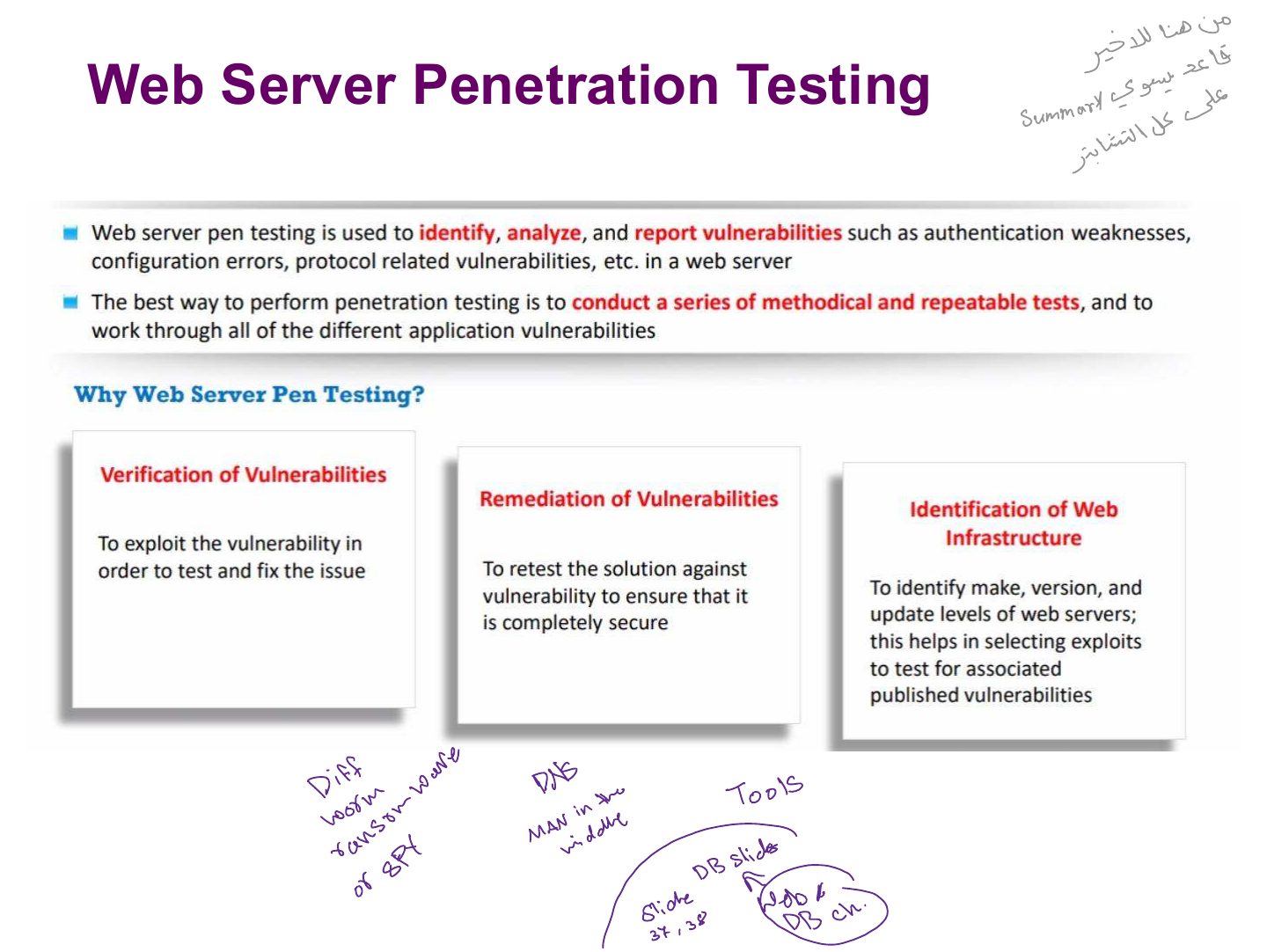
- 54 Web Server Penetration Testing
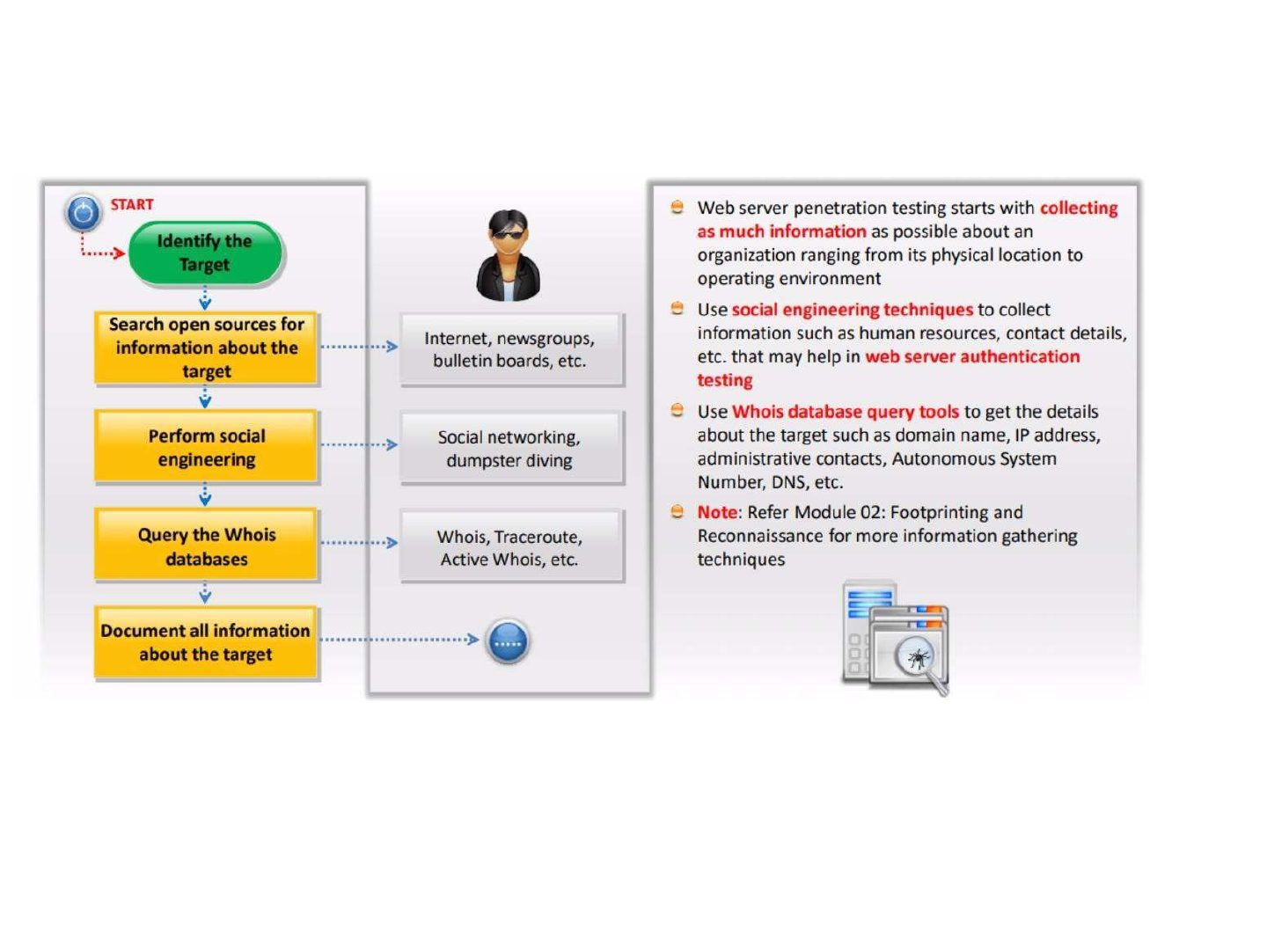
- 55 Slide 55
- 56 Slide 56
- 57 Slide 57
- 58 Slide 58
- 59 Summary
Slide 1

Learning Objective
Key Concepts
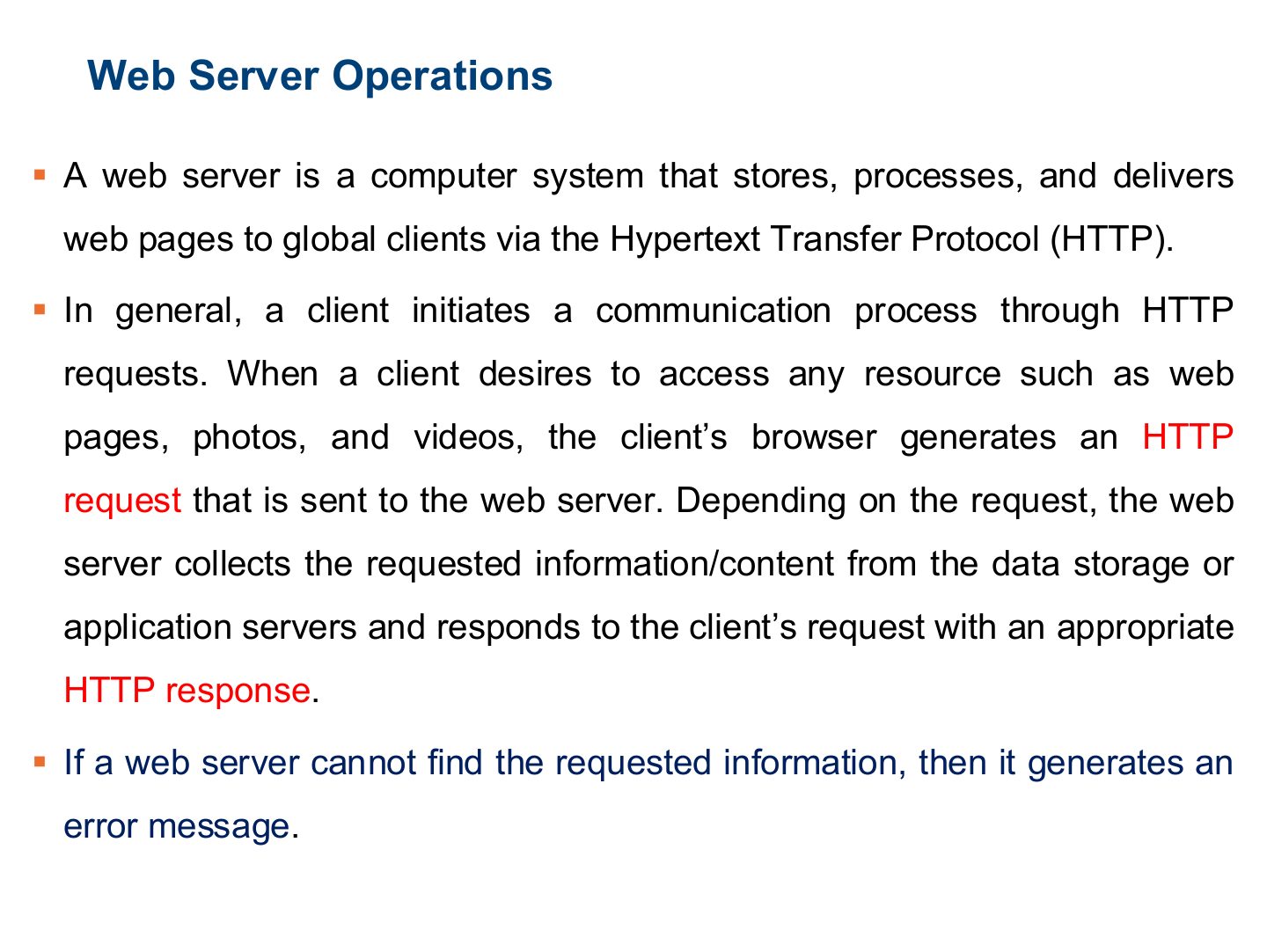
Web Server Operations
Web Server Security Issues
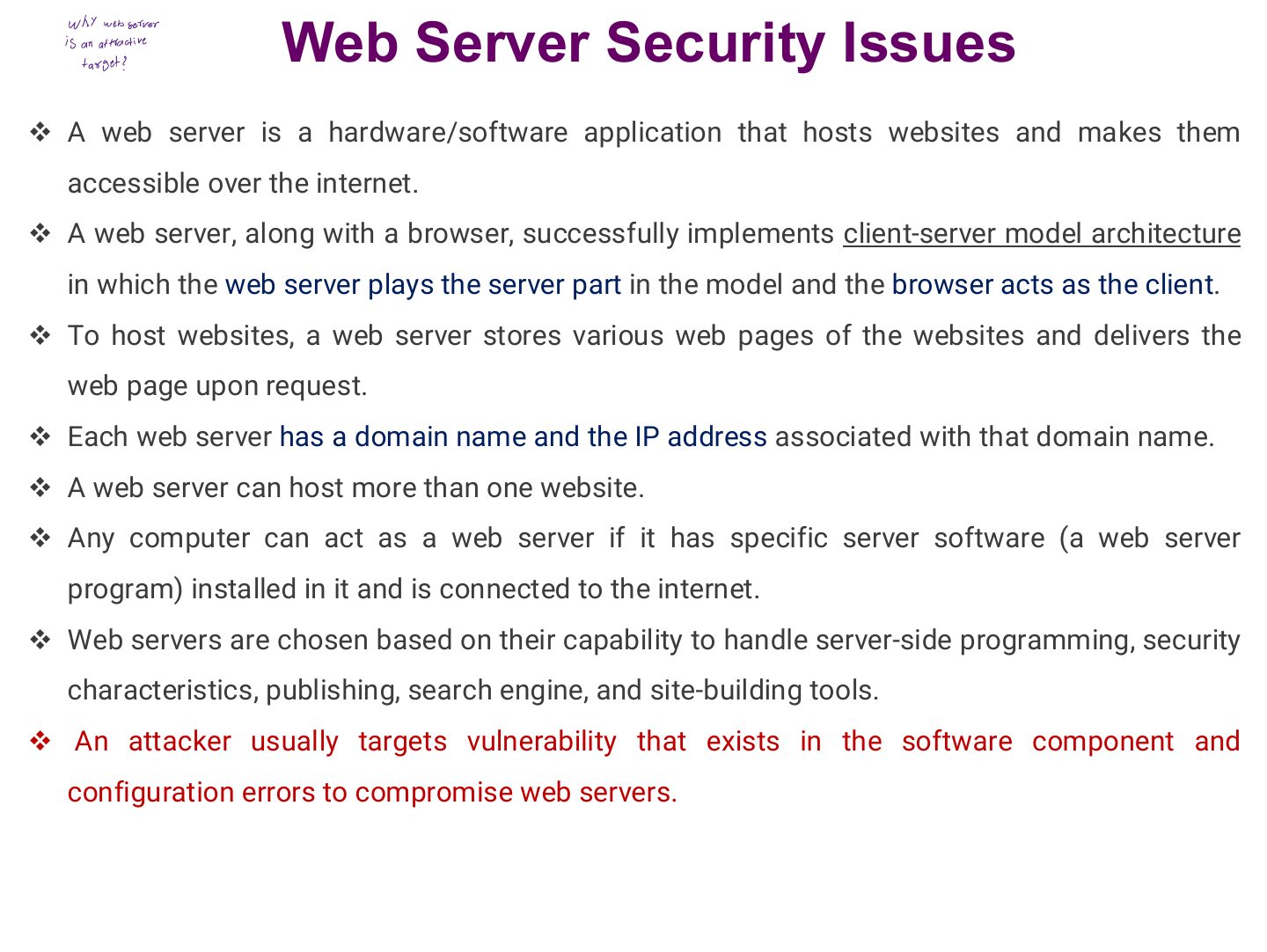
▪ Organizations can defend most network-level and OS-level attacks by using
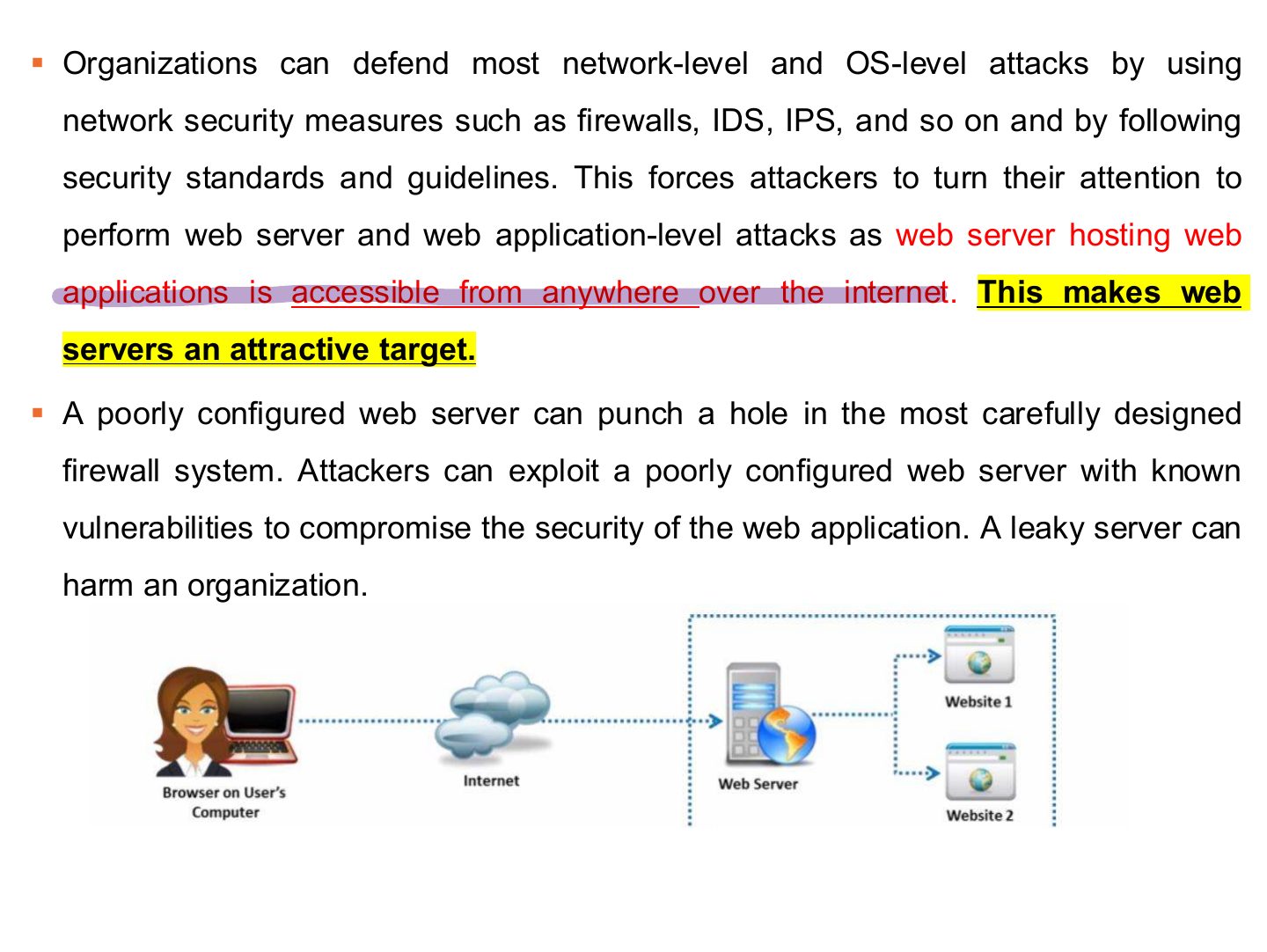
Common Goals behind Web Server Hacking
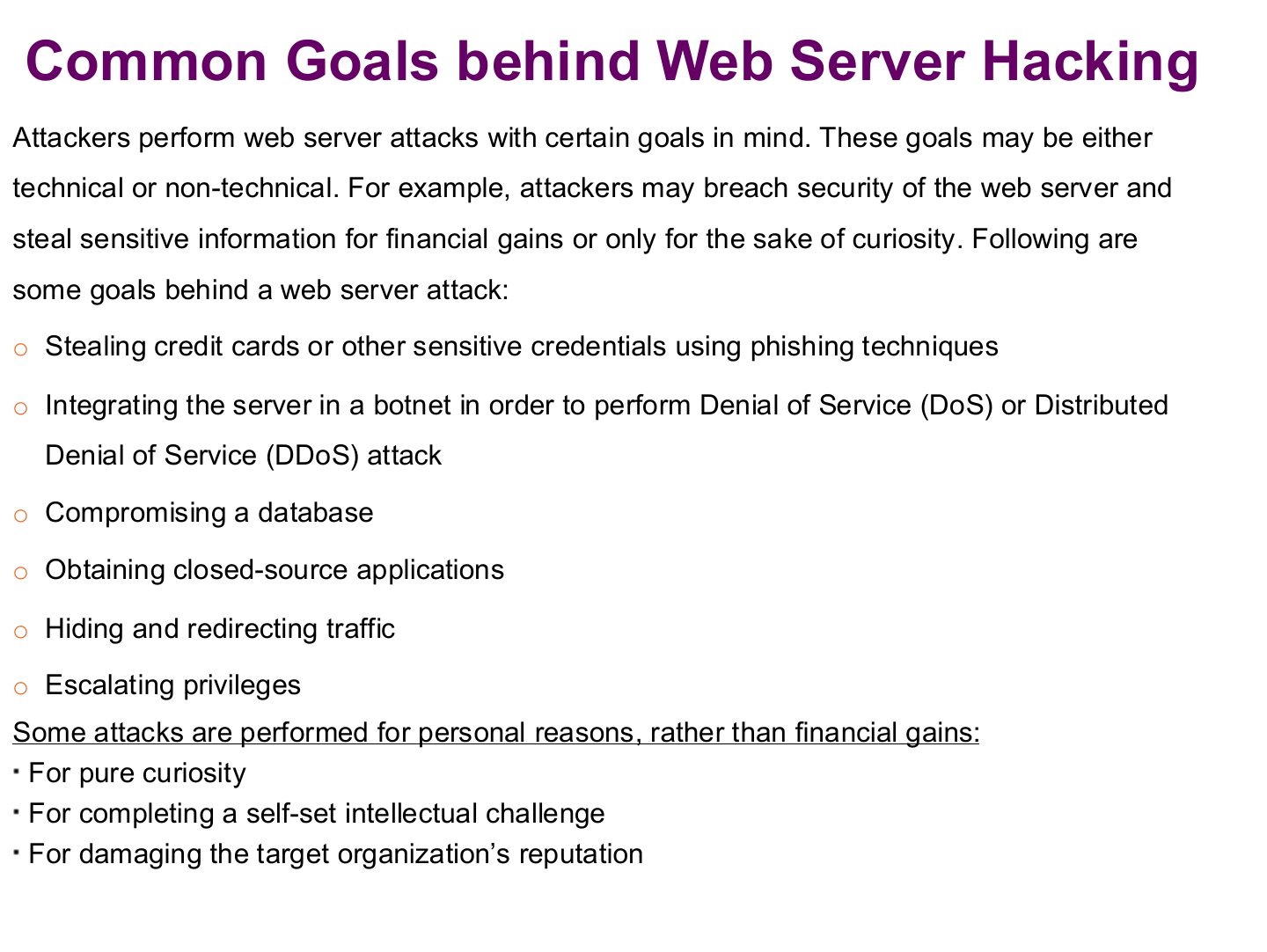
Dangerous Security Flaws Affecting Web Server
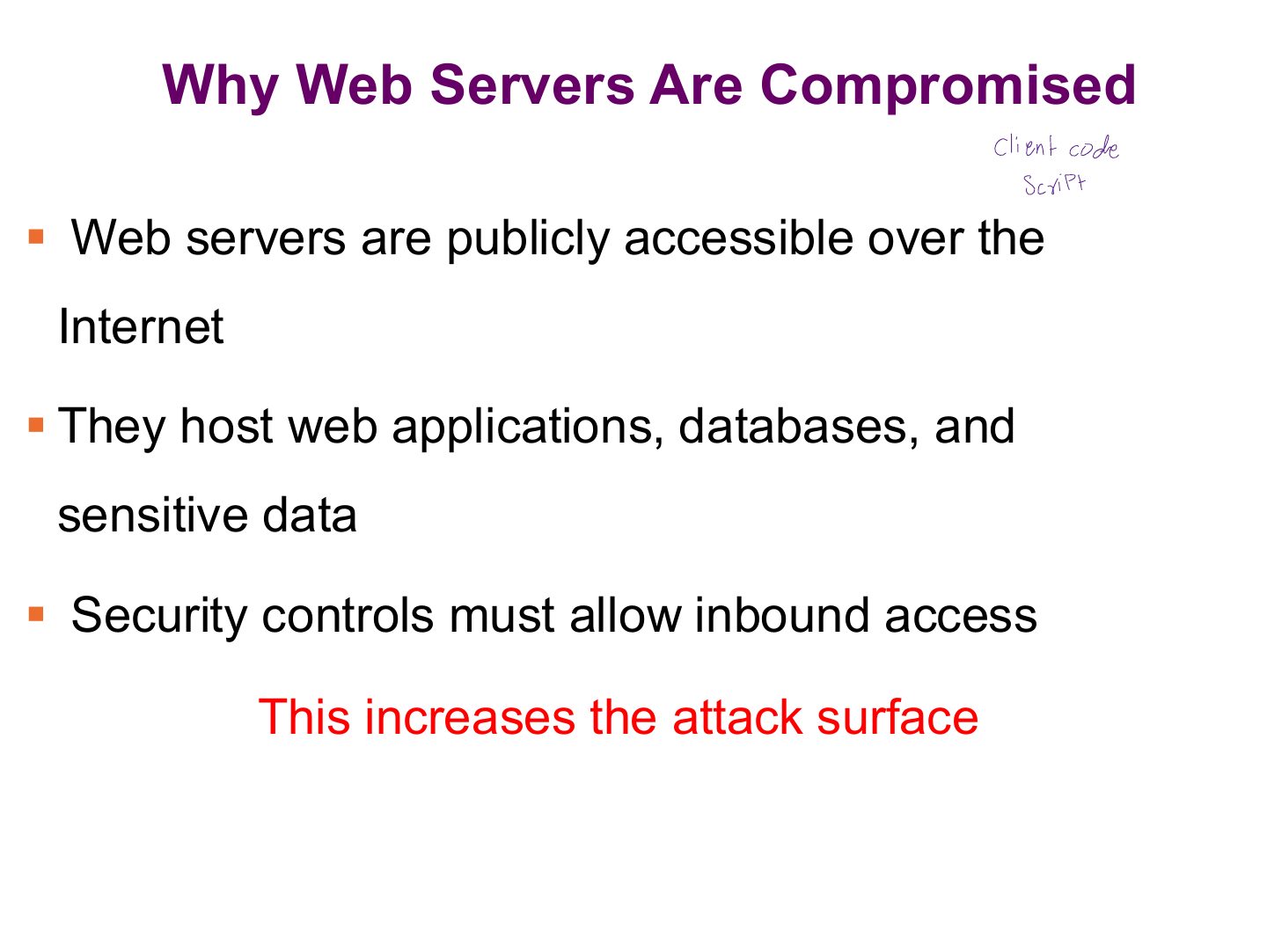
Why Web Servers Are Compromised
Notes
Why web servers are compromised: default settings, unpatched software, misconfiguration, weak permissions, unnecessary services, poor input validation.
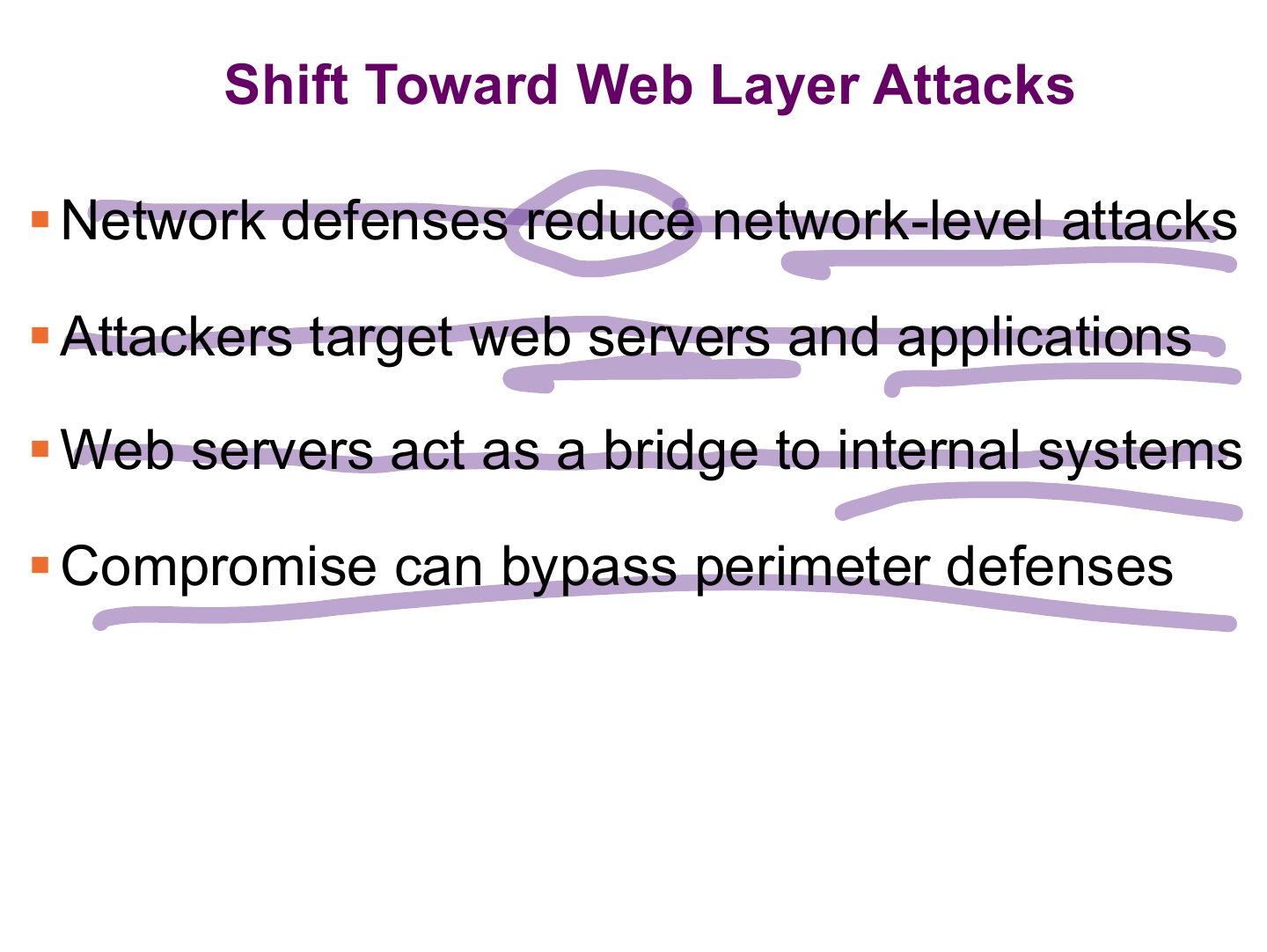
Shift Toward Web Layer Attacks
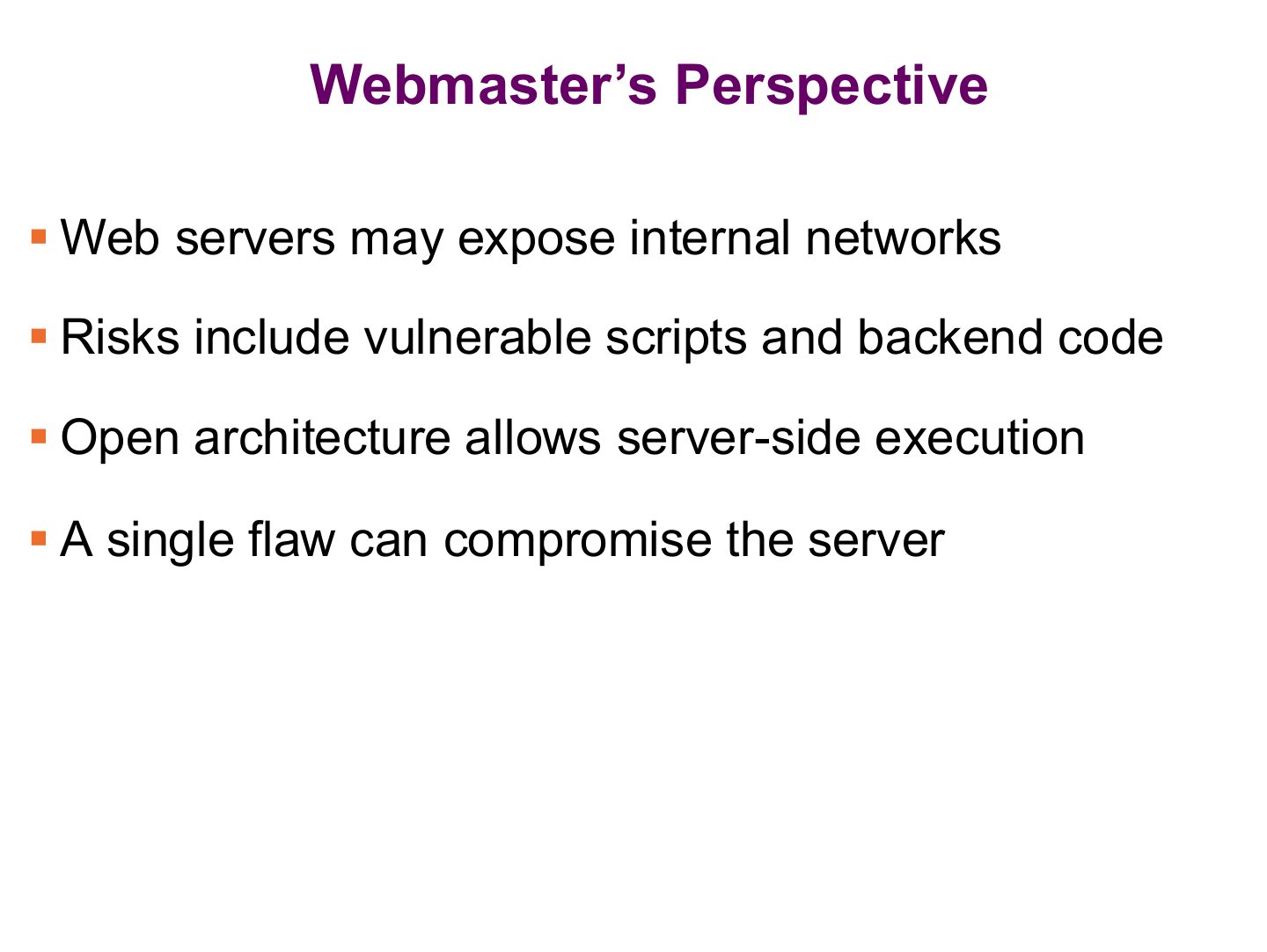
Webmaster’s Perspective
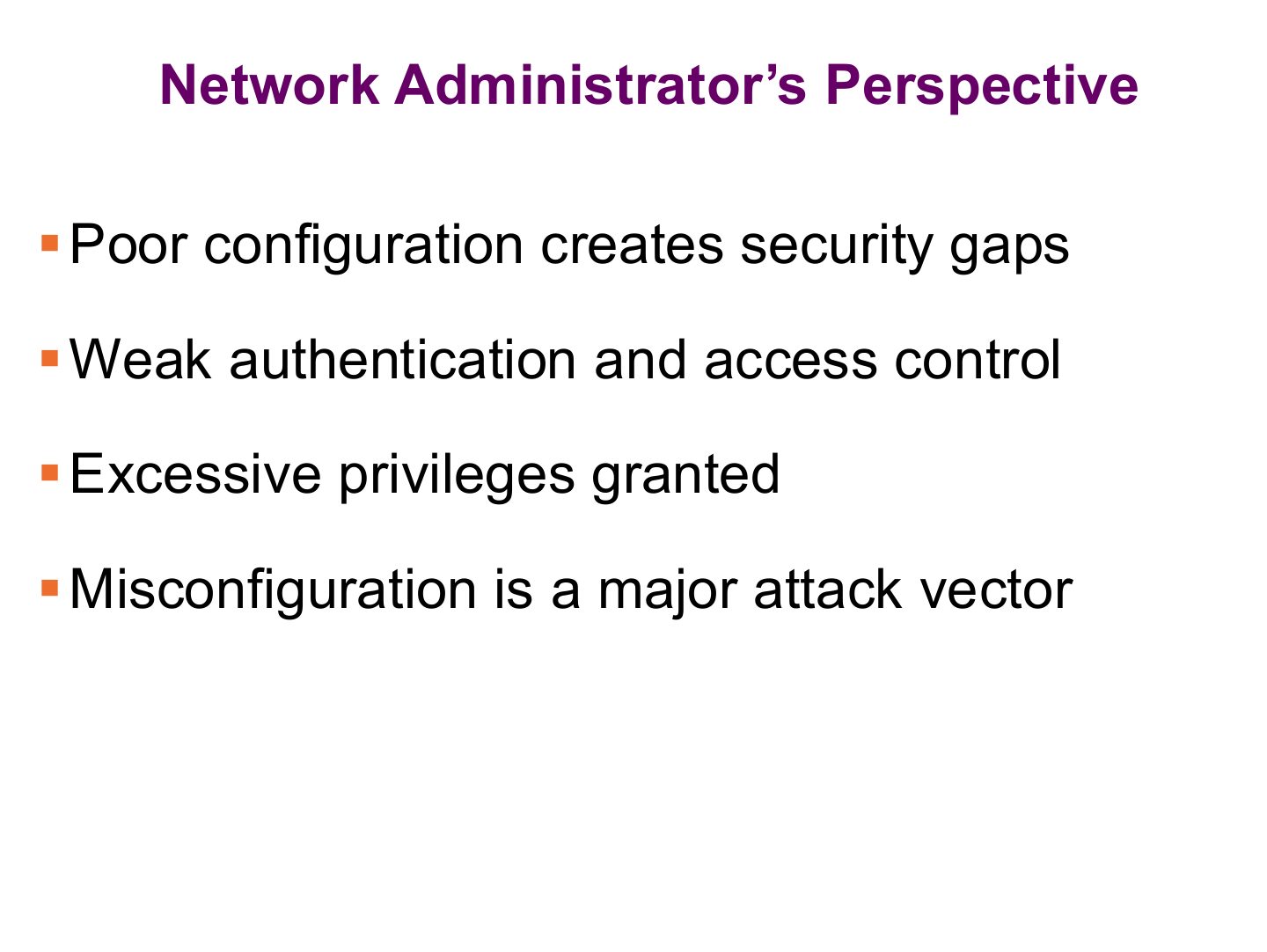
Network Administrator’s Perspective
End User’s Perspective
Root Causes of Web Server Compromise
Configuration & Human Factors
Key Security Principle
Impact of Web Server Compromise
Slide 18

Improper or poor web design Source Code Example 1
Web Server Vulnerabilities
Slide 21

DNS Server Hijacking
Notes
DNS server hijacking: attacker changes DNS records so users are sent to a malicious server.
DNS Amplification Attack
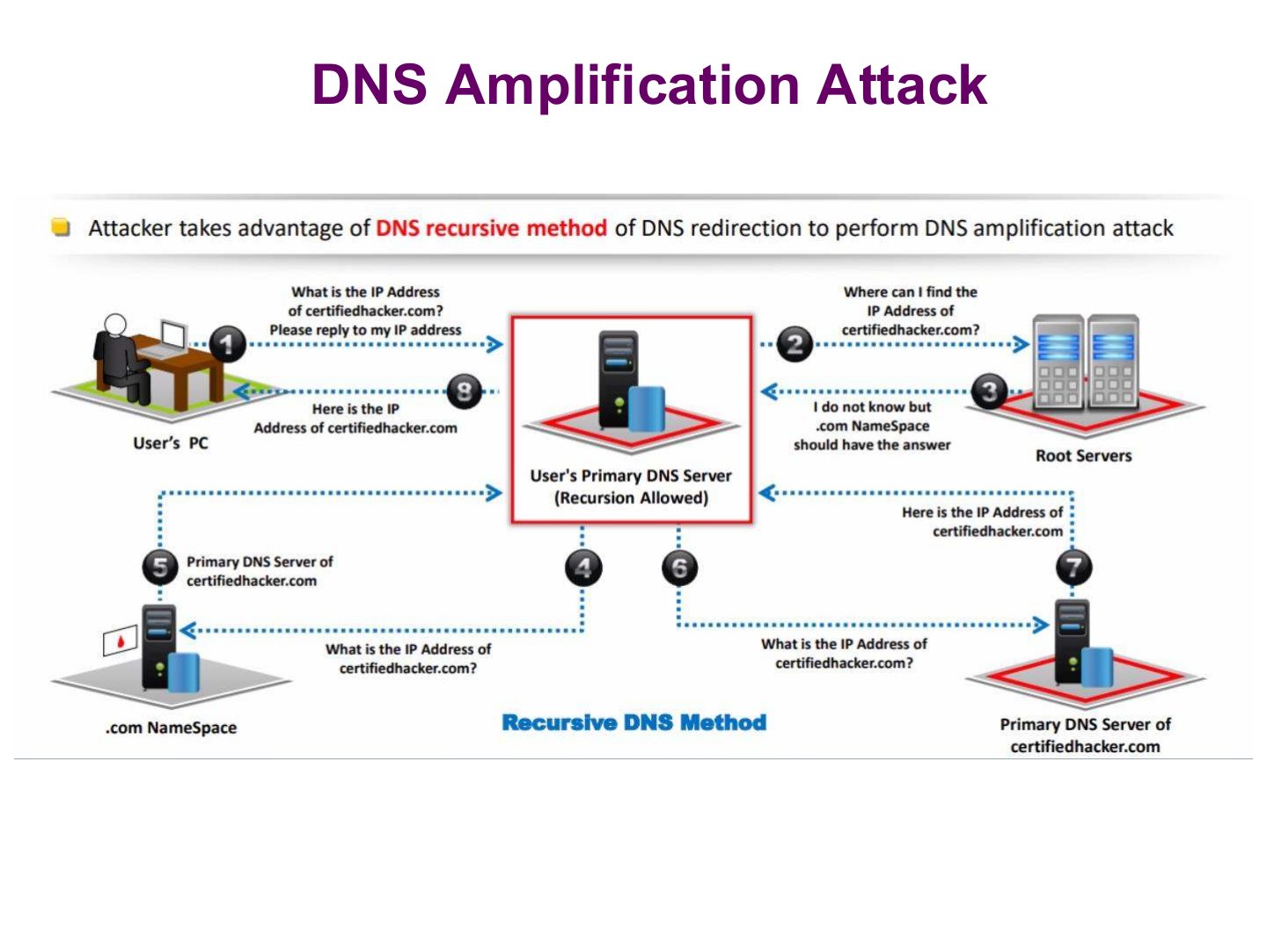
Notes
DNS amplification: spoofed small queries to open resolvers produce large replies aimed at the victim (DDoS).
Exam angle
DNS Amplification Attack ( cont’d)
Directory Traversal Attack
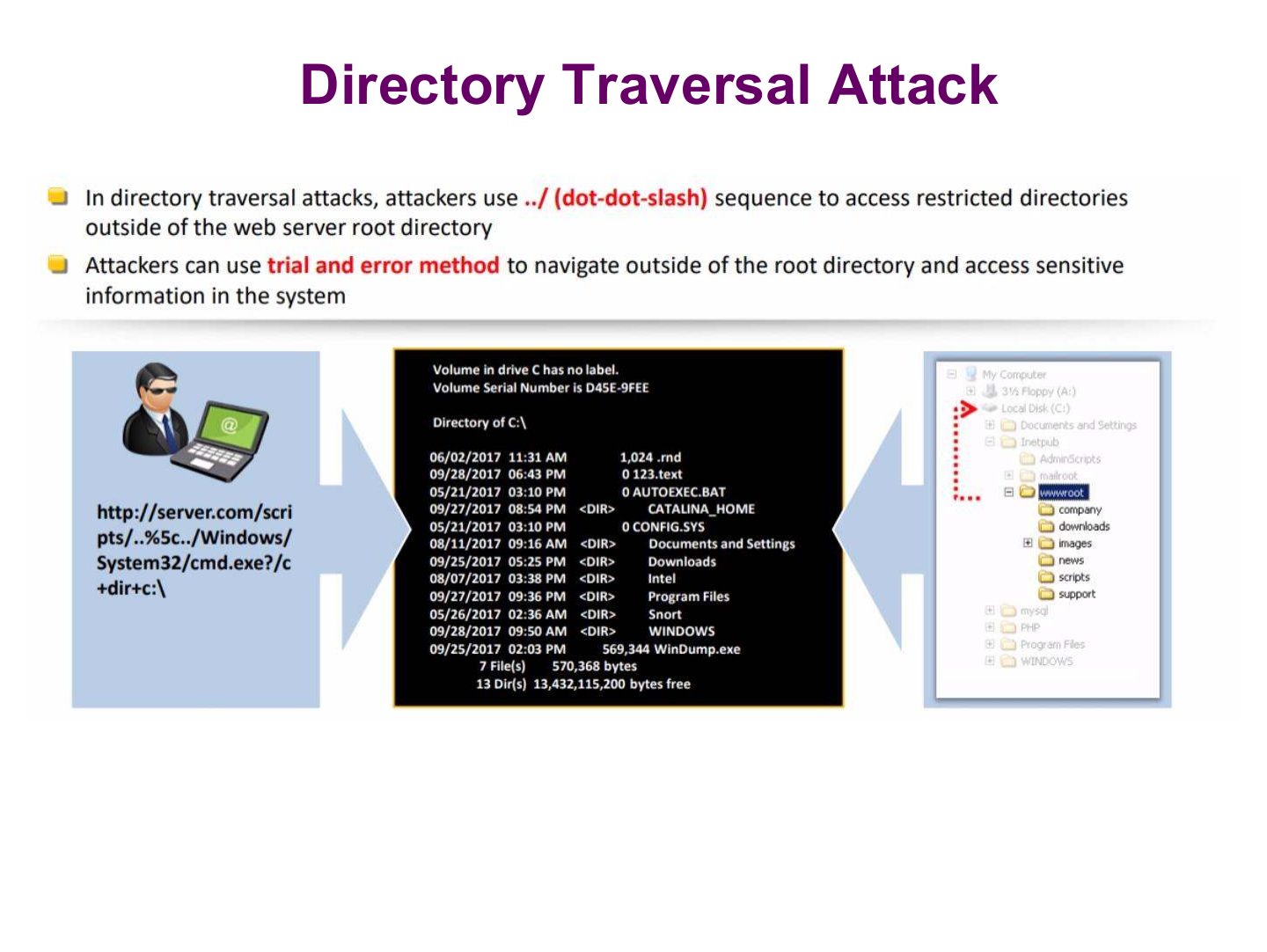
Notes
Directory traversal: "../" sequences to read files outside the web root (../../etc/passwd).
Exam angle
The request /view?file=../../../etc/passwd is a:
Man-in-the-Middle/Sniffing Attack
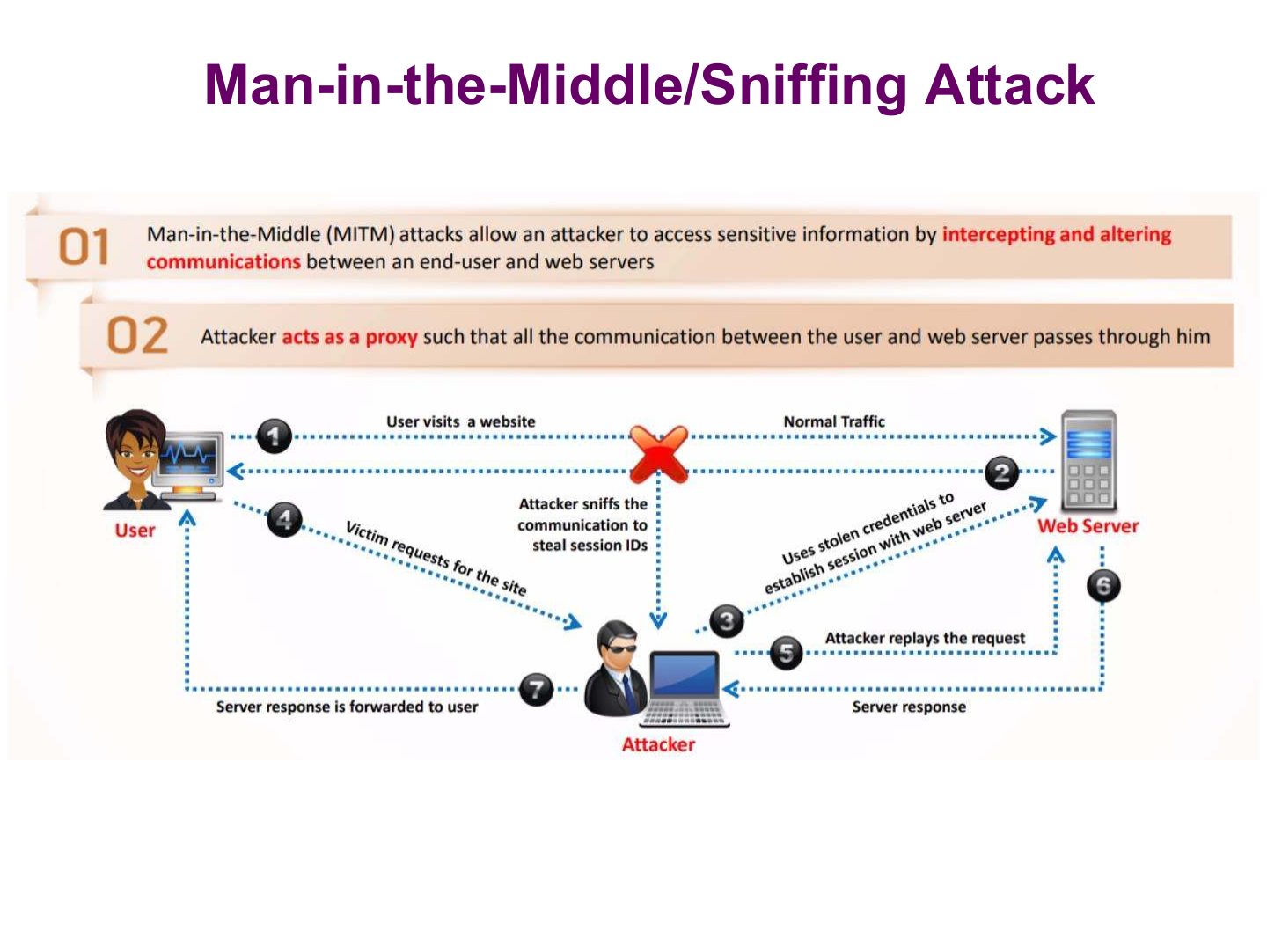
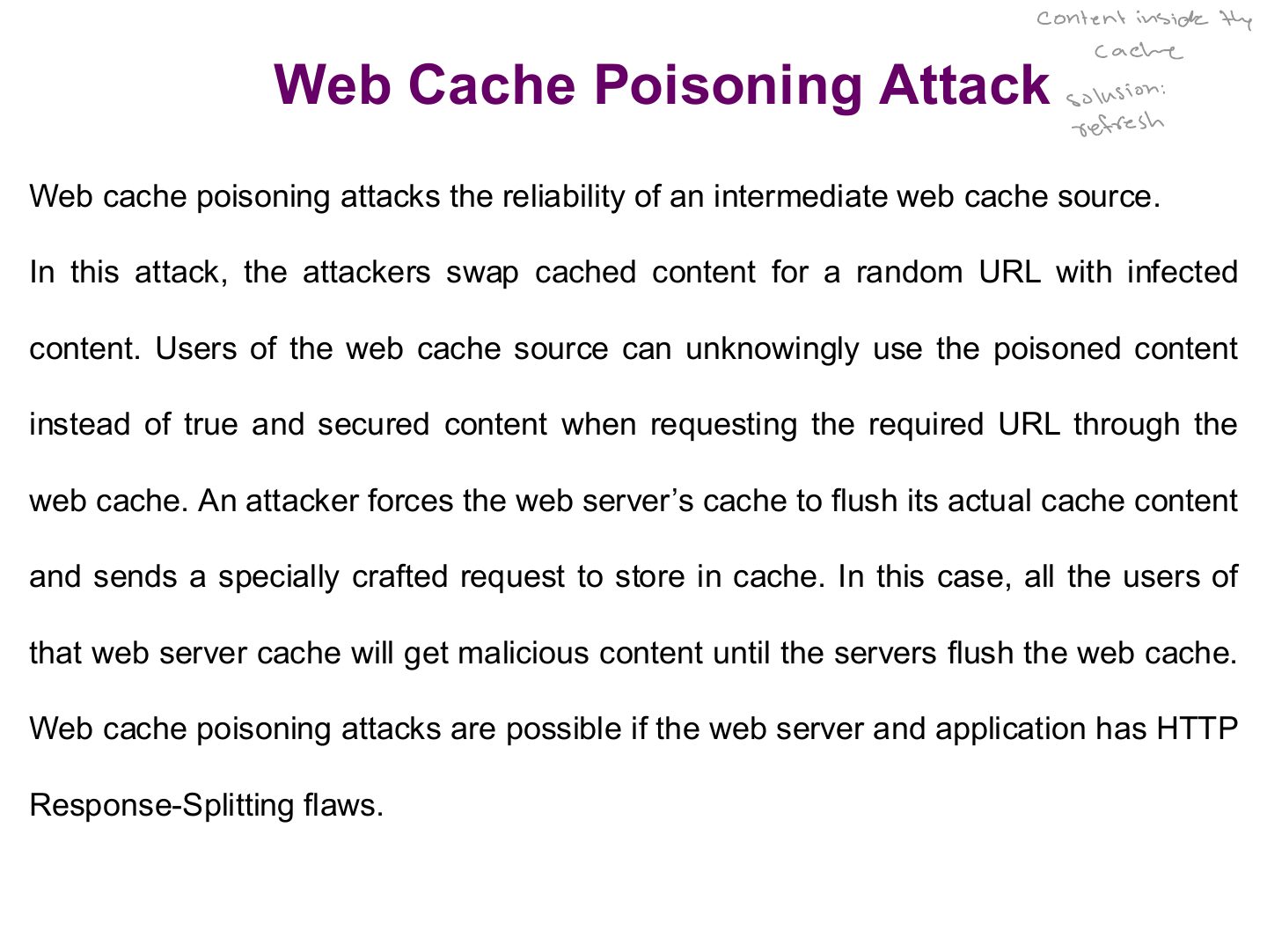
Web Cache Poisoning Attack
Notes
Web cache poisoning: inject malicious content into a cache so other users receive it.
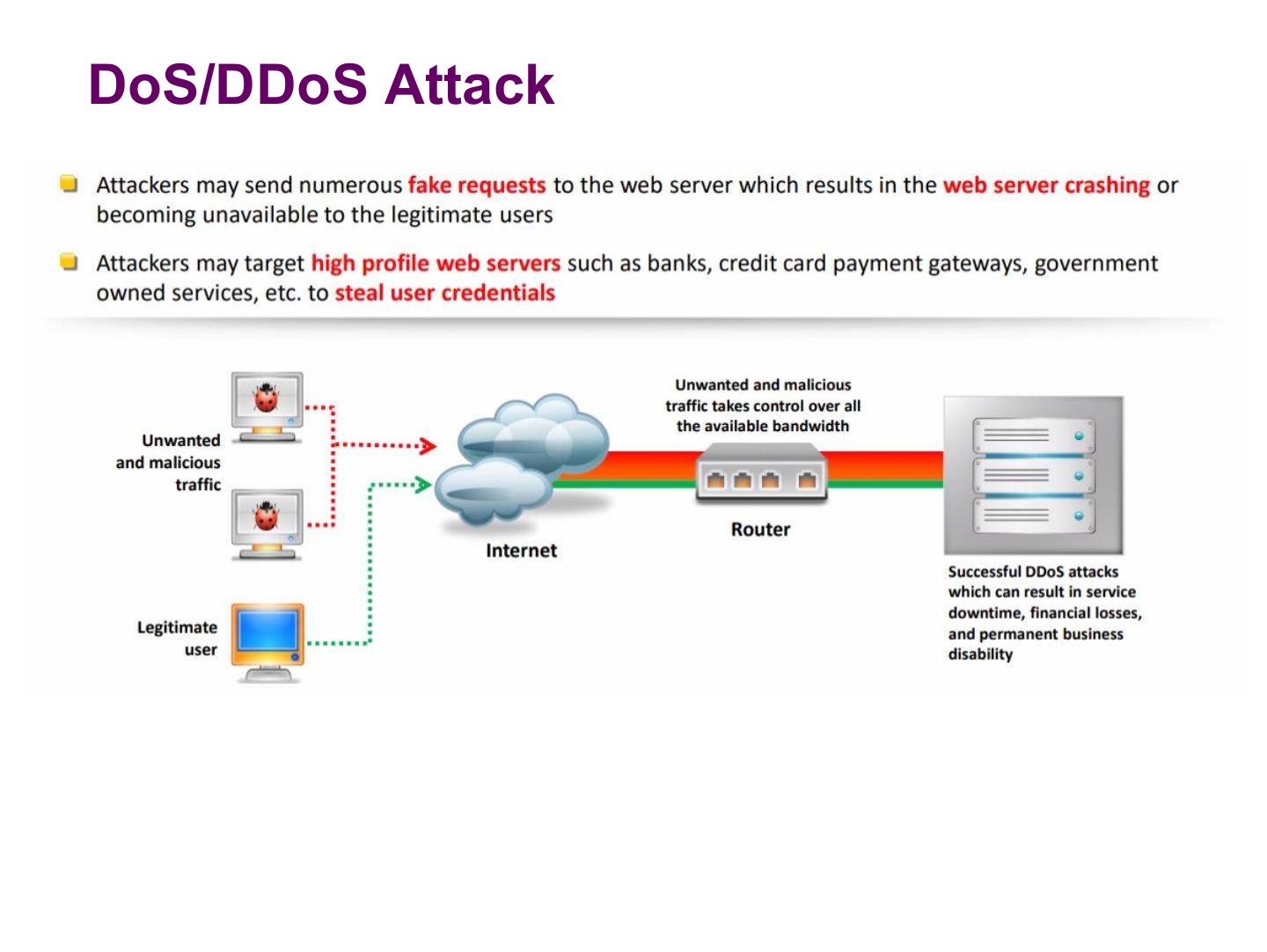
DoS/DDoS Attack
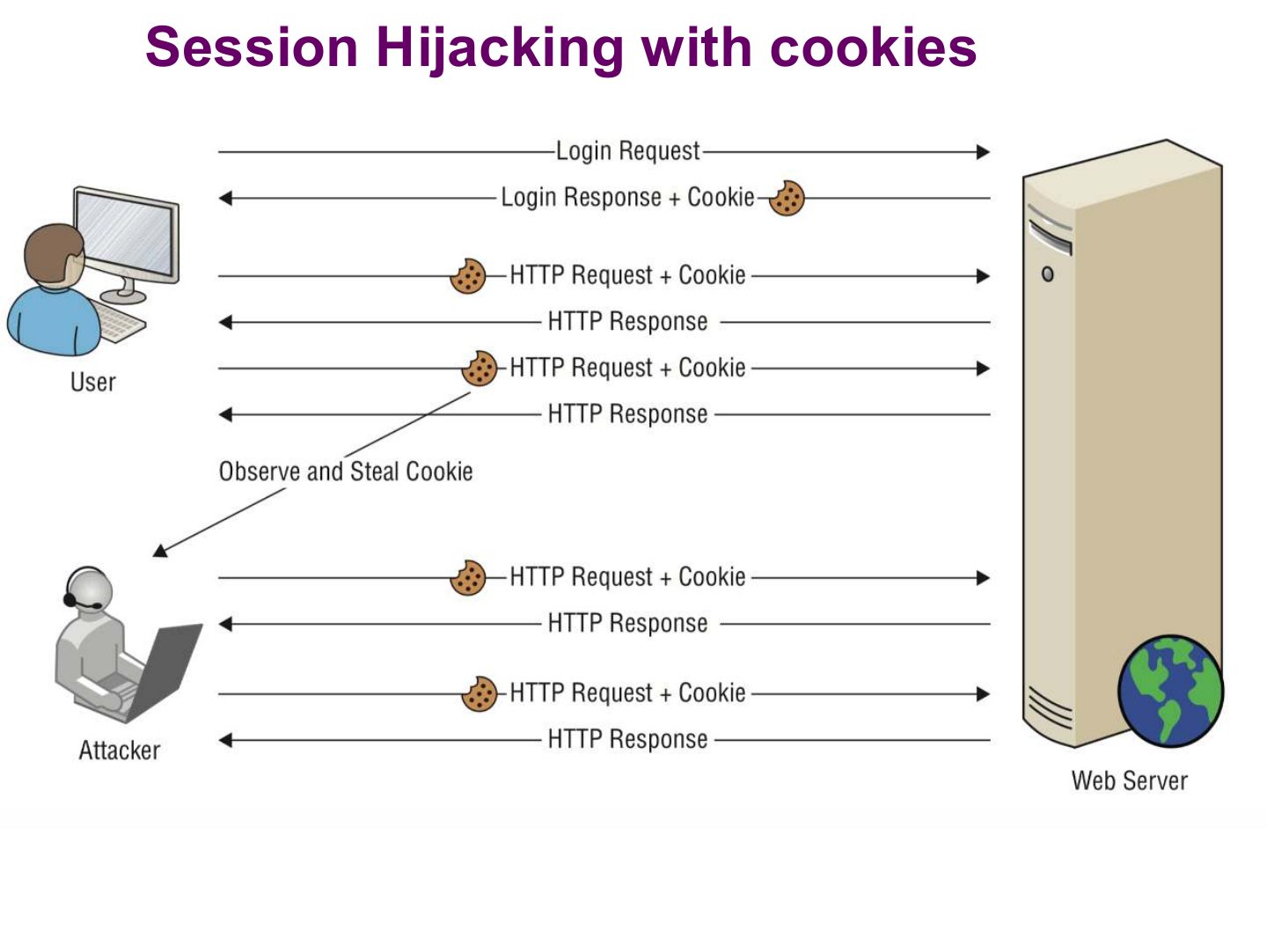
Session Hijacking with cookies
Notes
Session hijacking with cookies: steal the session ID (sniffing, XSS) and replay it.
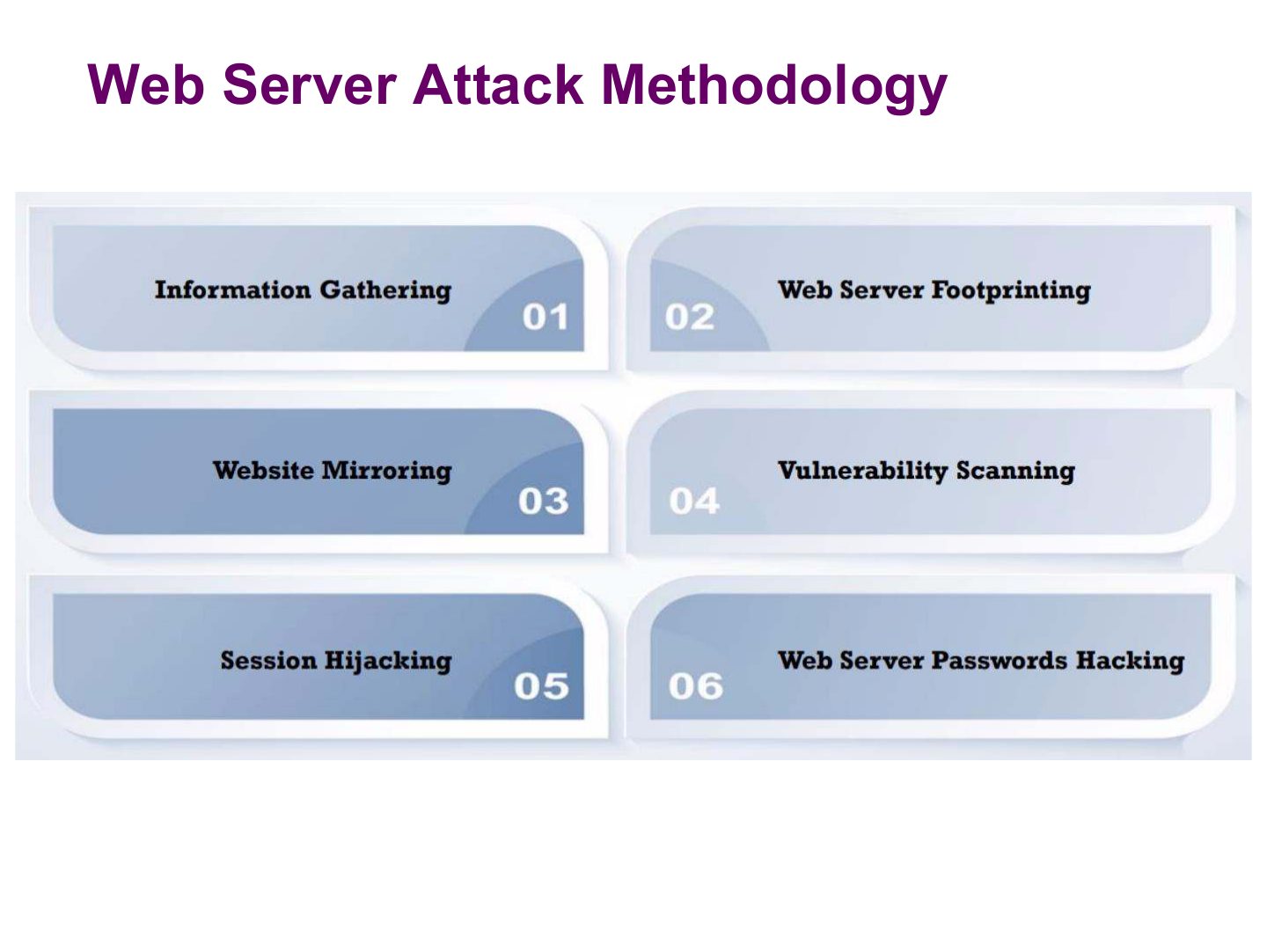
Web Server Attack Methodology
Banner Information
Notes
Banner information reveals server type and version: hide or change it.
Permissions
Unnecessary Features
User Accounts
Slide 35

Web Application Attacks
Notes
Web app attacks: SQL injection, XSS, CSRF, parameter tampering, cookie poisoning, input validation flaws.
Exam angle
Injecting a script into a page that runs in other users’ browsers is:
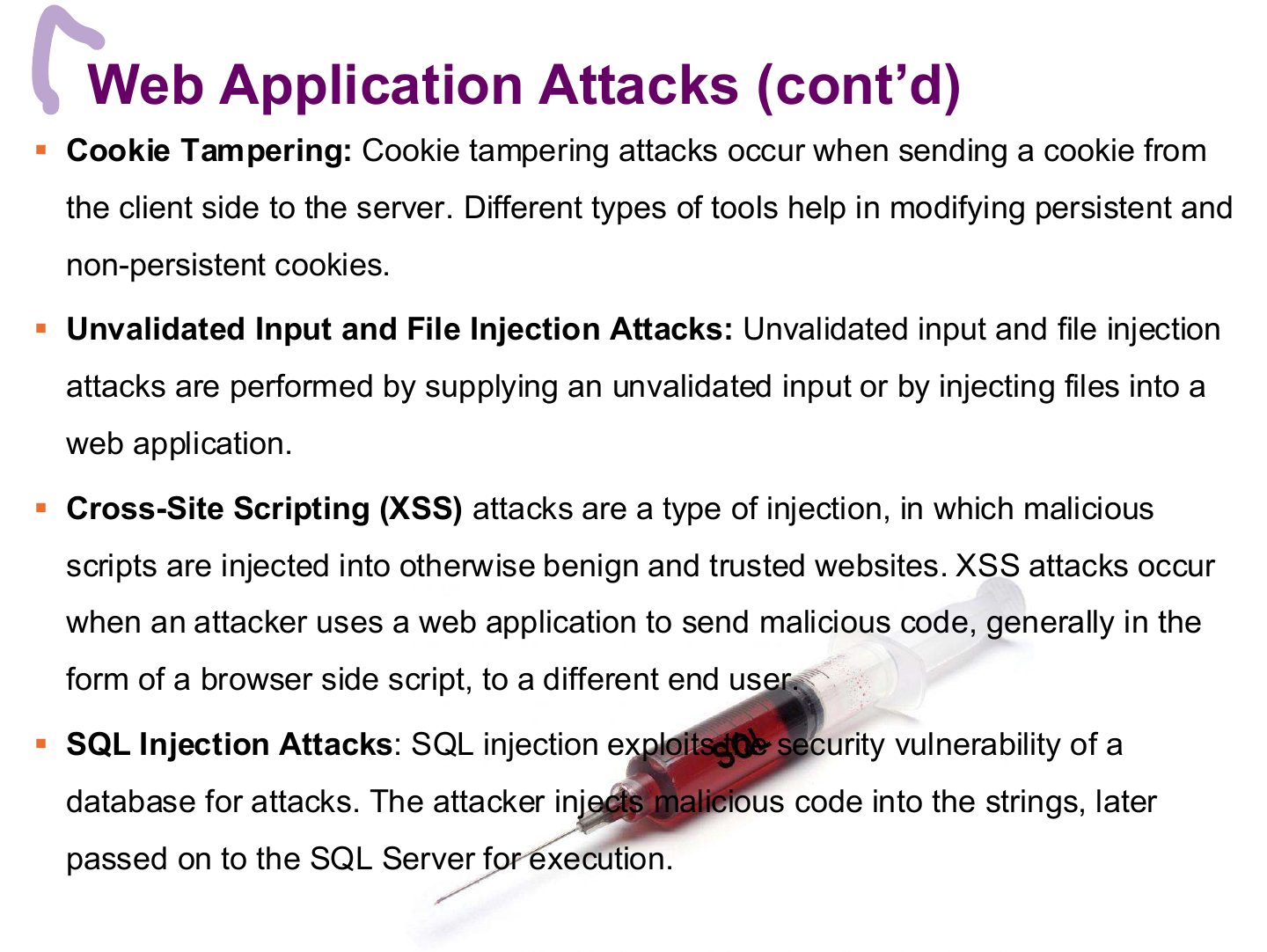
Web Application Attacks (cont’d)
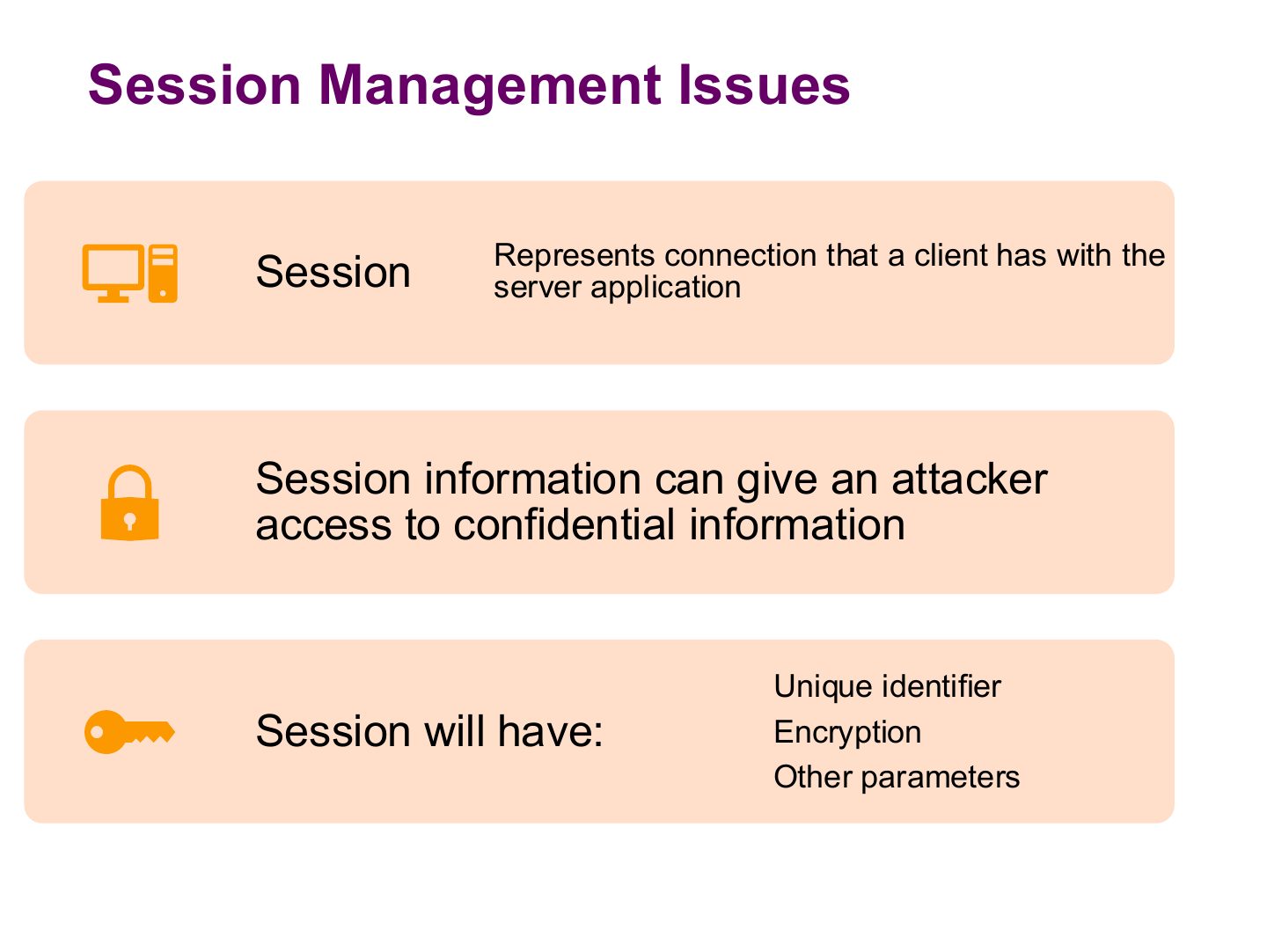
Session Management Issues
Notes
Session management issues: predictable IDs, IDs in URLs, no timeout, no regeneration after login.
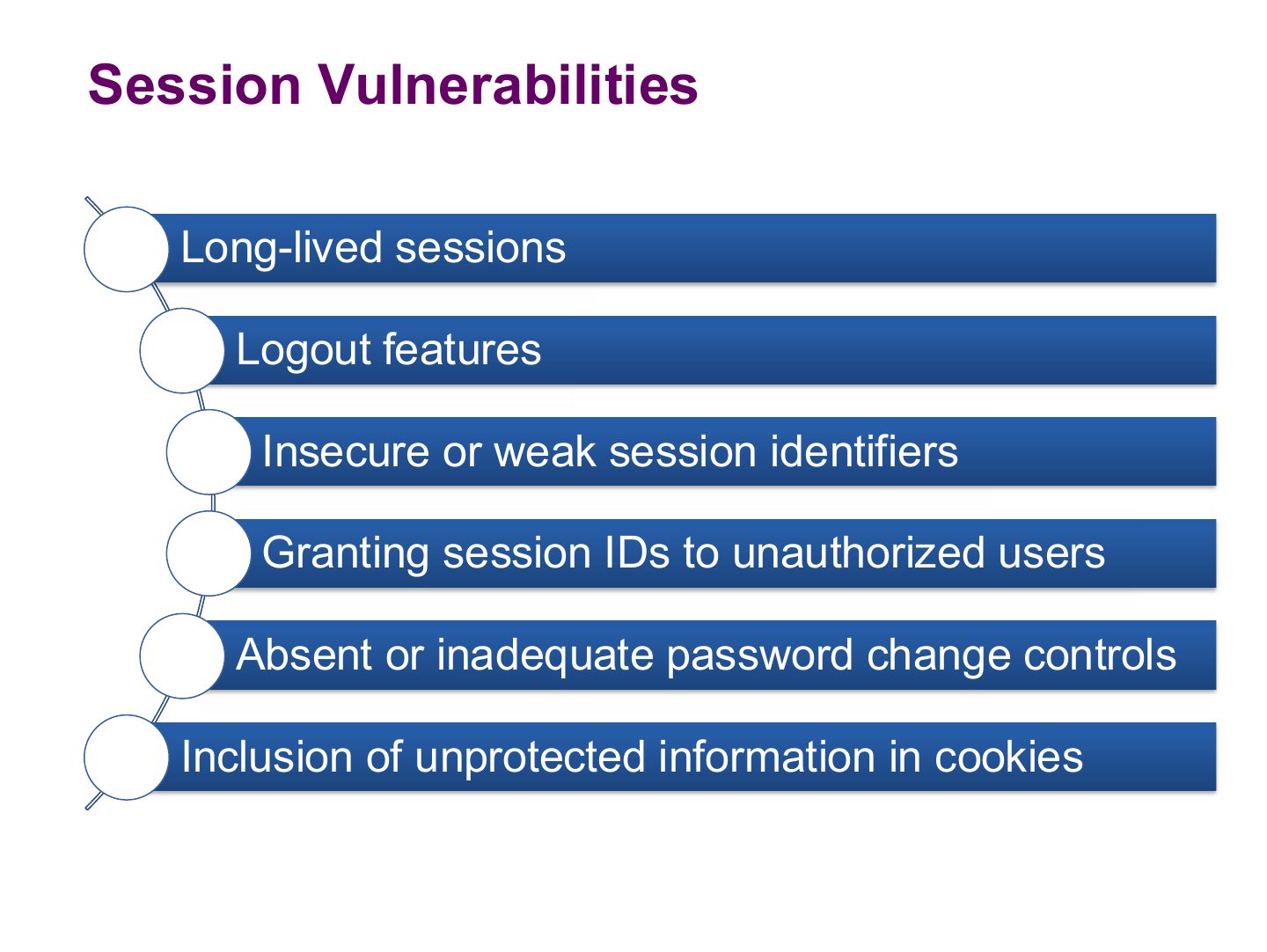
Session Vulnerabilities
Encryption Weaknesses
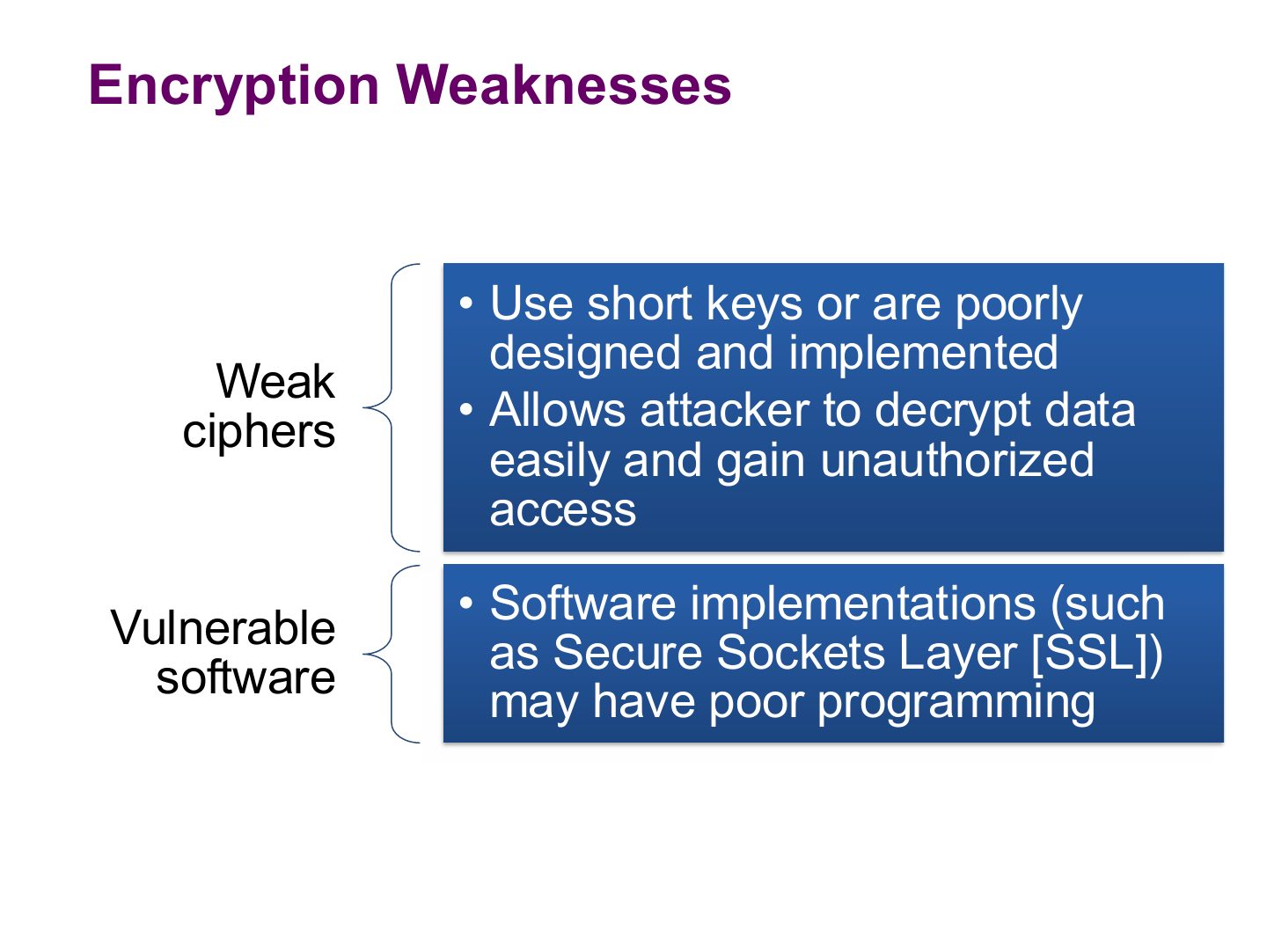
Slide 41
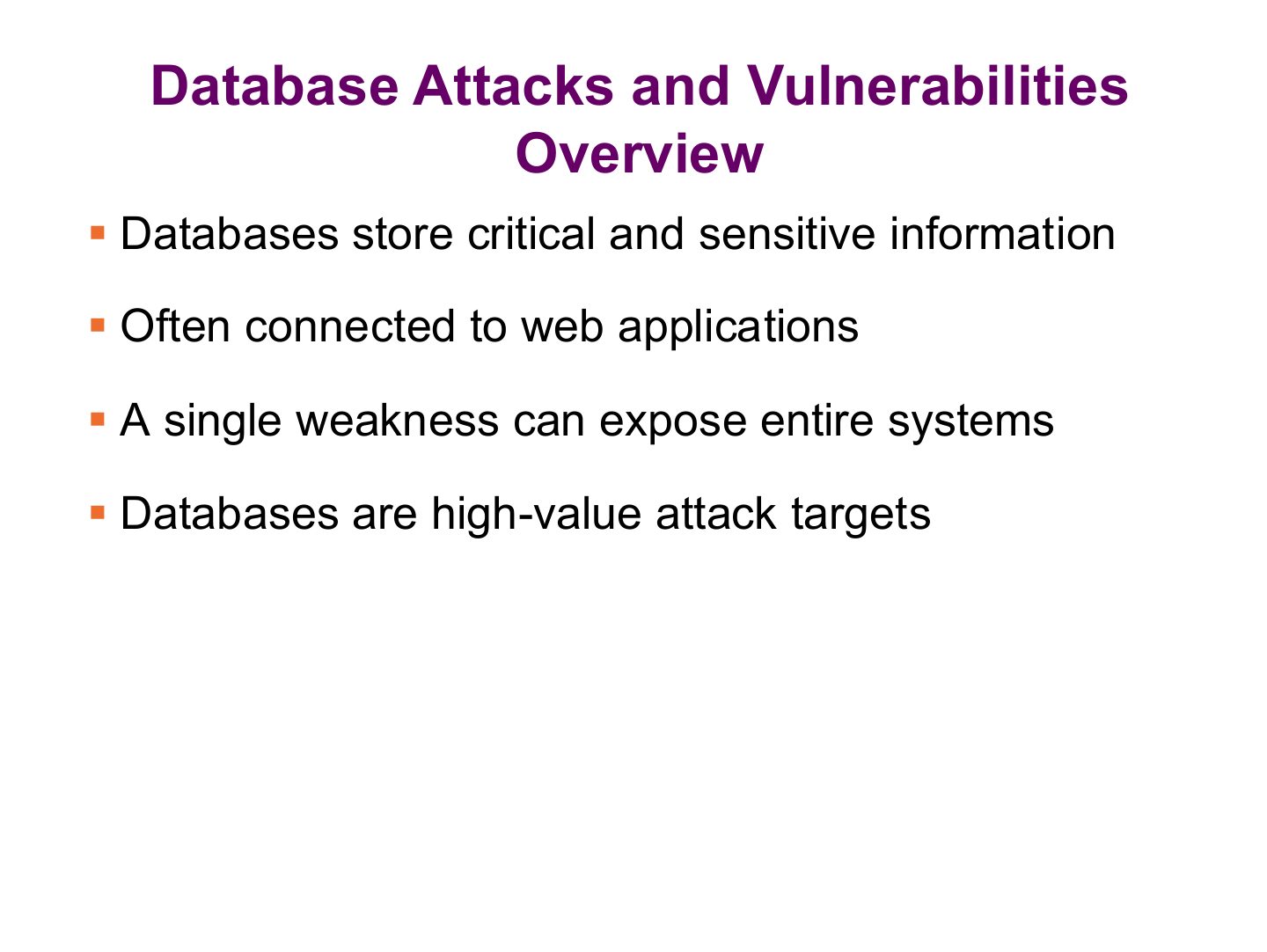
Database Attacks and Vulnerabilities Overview
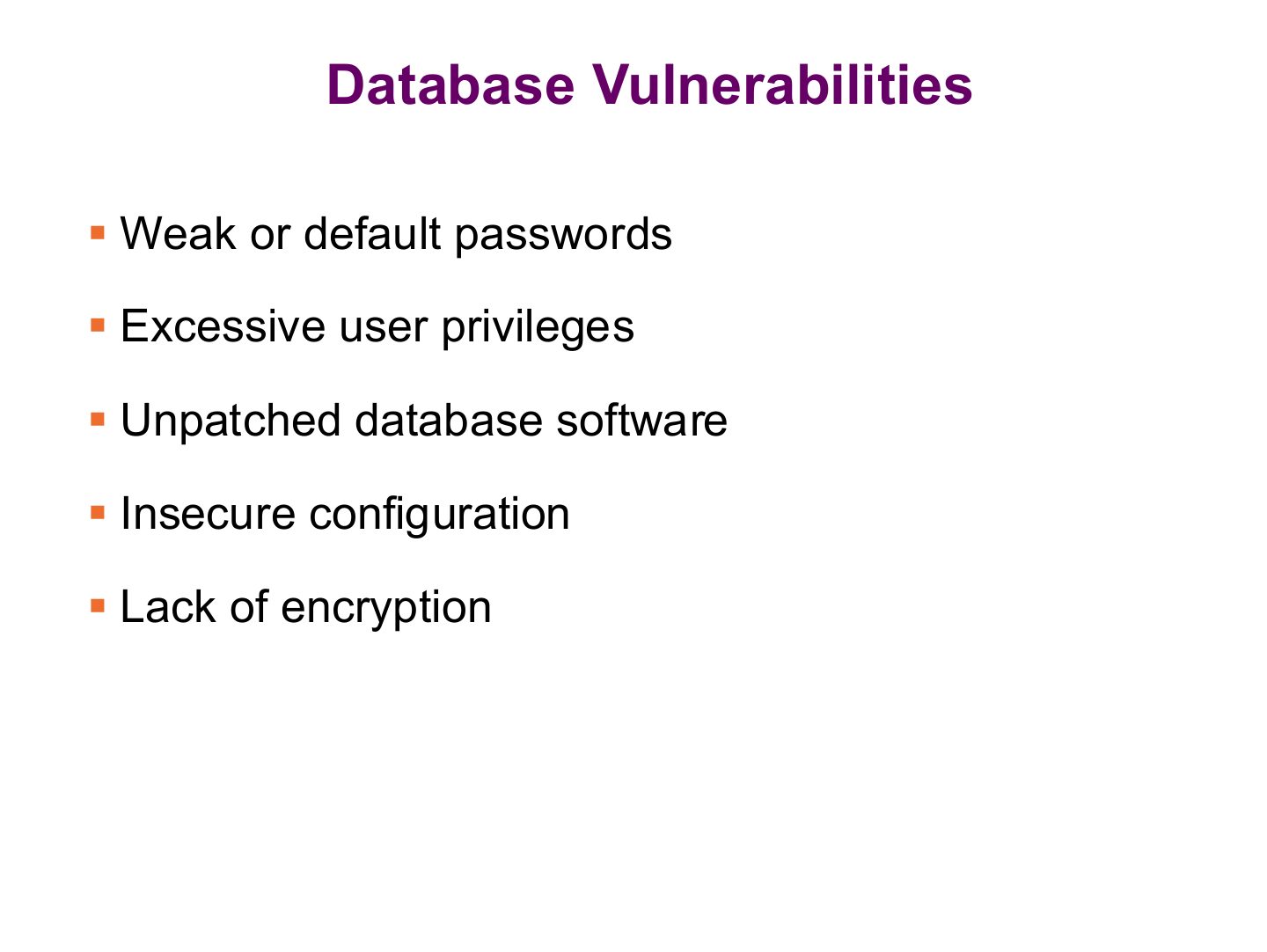
Database Vulnerabilities
Database Vulnerabilities (cont.)
Database Vulnerabilities (cont.)
Database Attacks
Notes
SQL injection: user input changes the query (' OR 1=1 --). Defense: parameterized queries, input validation, least privilege.
Memory trick ' OR '1'='1 makes the WHERE clause always true.
Exam angle
The best defense against SQL injection is:
Database Attacks (cont.)
Impact of Database Attacks
Locating Databases on the Network
Notes
Locate databases with port scans: 1433 MS SQL, 3306 MySQL, 1521 Oracle, 5432 PostgreSQL.
Network Database Scanner
Database Server Password Cracking
Locating Vulnerabilities in Databases
Out of Sight, Out of Mind
Web Server Penetration Testing
Slide 55
Slide 56
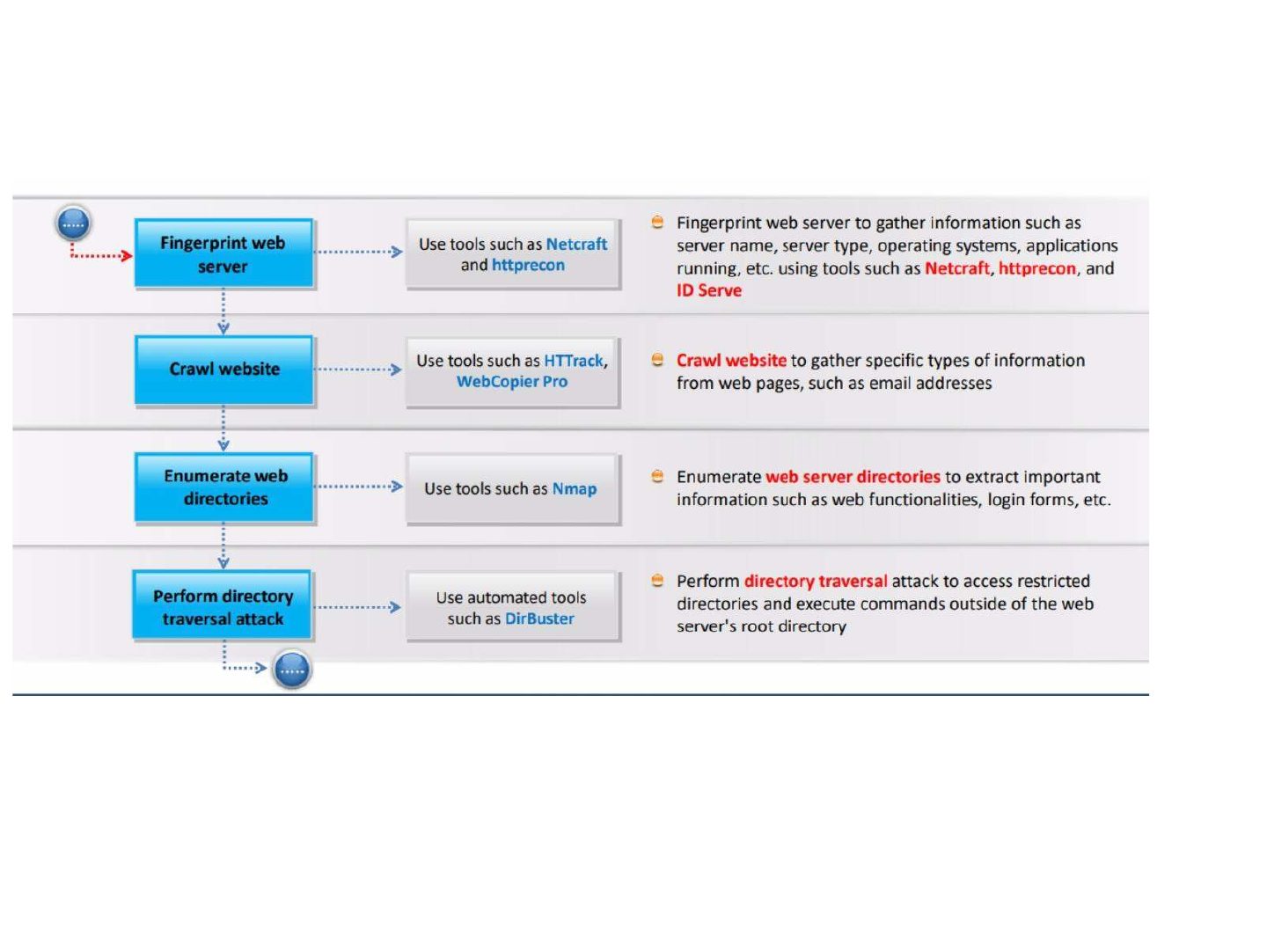
Slide 57
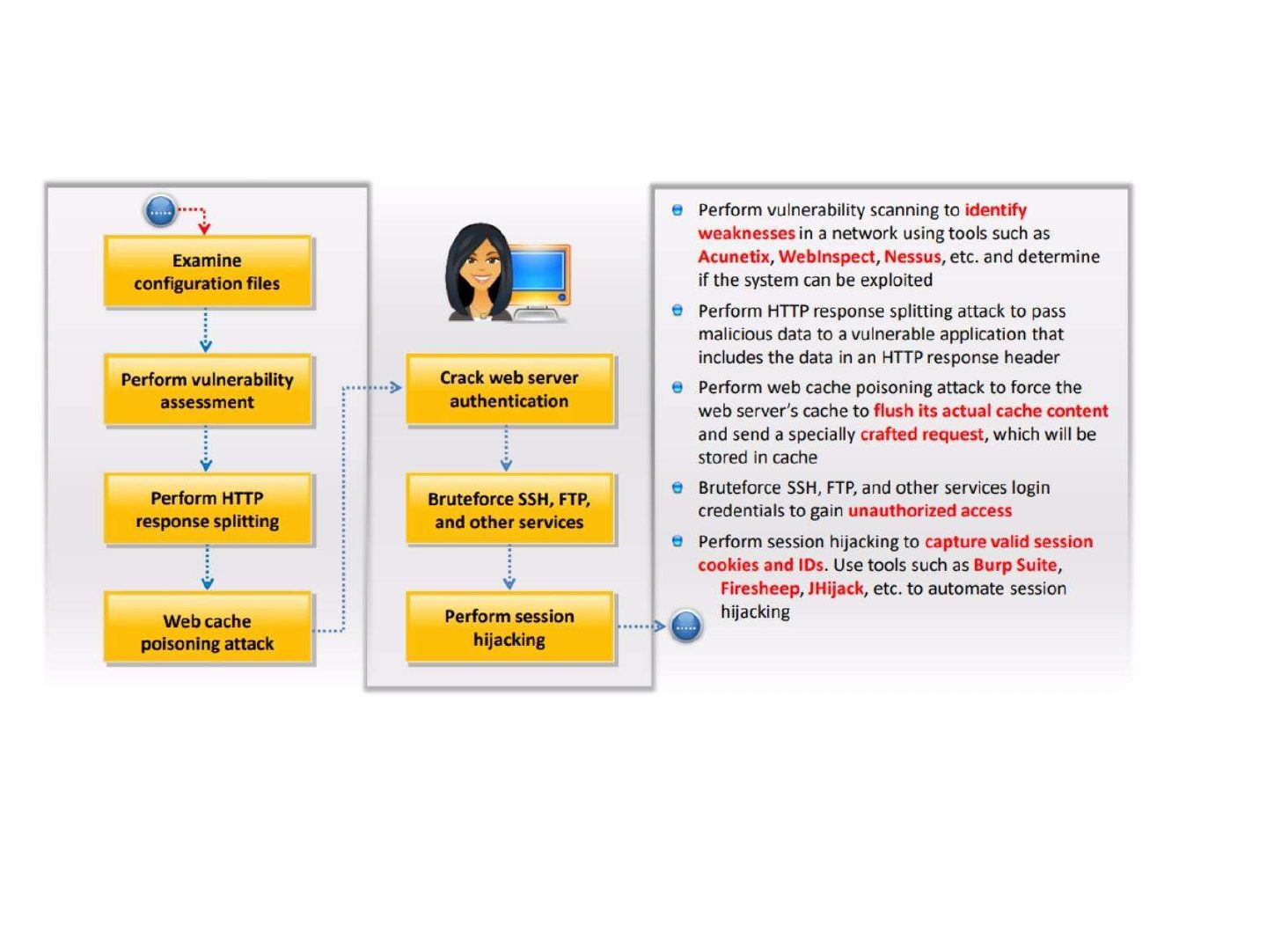
Slide 58
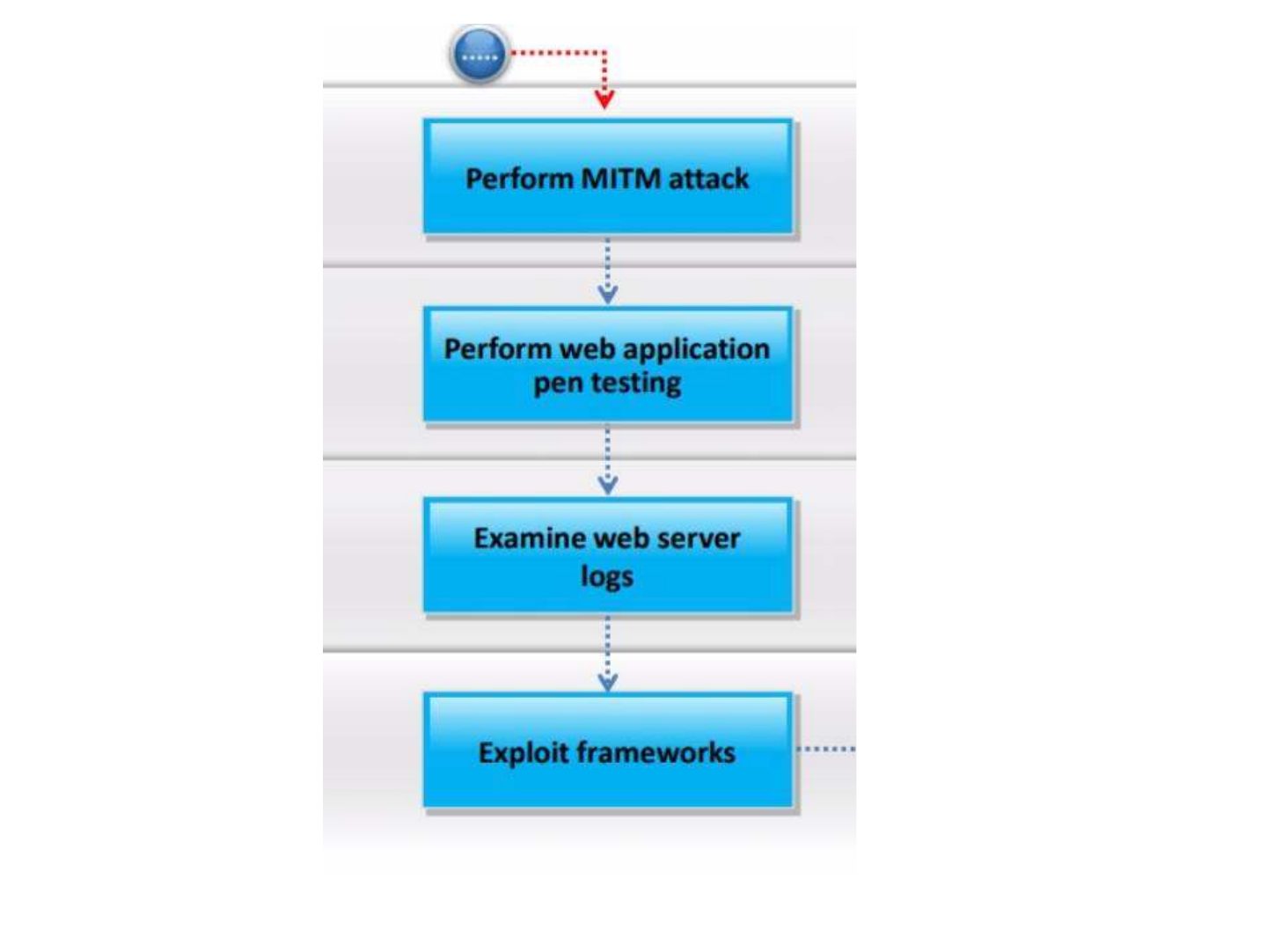
Summary