Related question: Q1 · ICT stands for
Introduction to Cybersecurity
What cybersecurity is, defence in depth and the layers of security, the critical characteristics of information (C.I.A. plus accuracy, authenticity, utility, possession), the McCumber cube, the components of an information system, and the SDLC vs. the SecSDLC. Both Quiz 1 papers (222 and 232) and Major A were built almost entirely from this deck.
How to read this page
Every original slide is shown unchanged. Yellow marks on a slide point to a numbered note: hover or tap a mark to jump to its note, and hover a note to see its marks. Questions tagged Past exam appeared on a real paper; Prediction questions are likely angles, not confirmed. Pick an answer to each question: a wrong pick tells you why it is wrong, so you can try again.
All 38 slides
- 1 Cyber Security: Introduction
- 2 Outline
- 3 ICE-BREAKING
- 4 Introduction
- 5 GETTING STARTED!
- 6 Introduction
- 7 Introduction
- 8 Introduction
- 9 Introduction
- 10 Introduction
- 11 Introduction
- 12 Critical characteristics of information
- 13 Critical characteristics of information
- 14 Critical characteristics of information
- 15 Critical characteristics of information
- 16 Critical characteristics of information
- 17 Critical characteristics of information
- 18 Critical characteristics of information
- 19 Critical characteristics of information
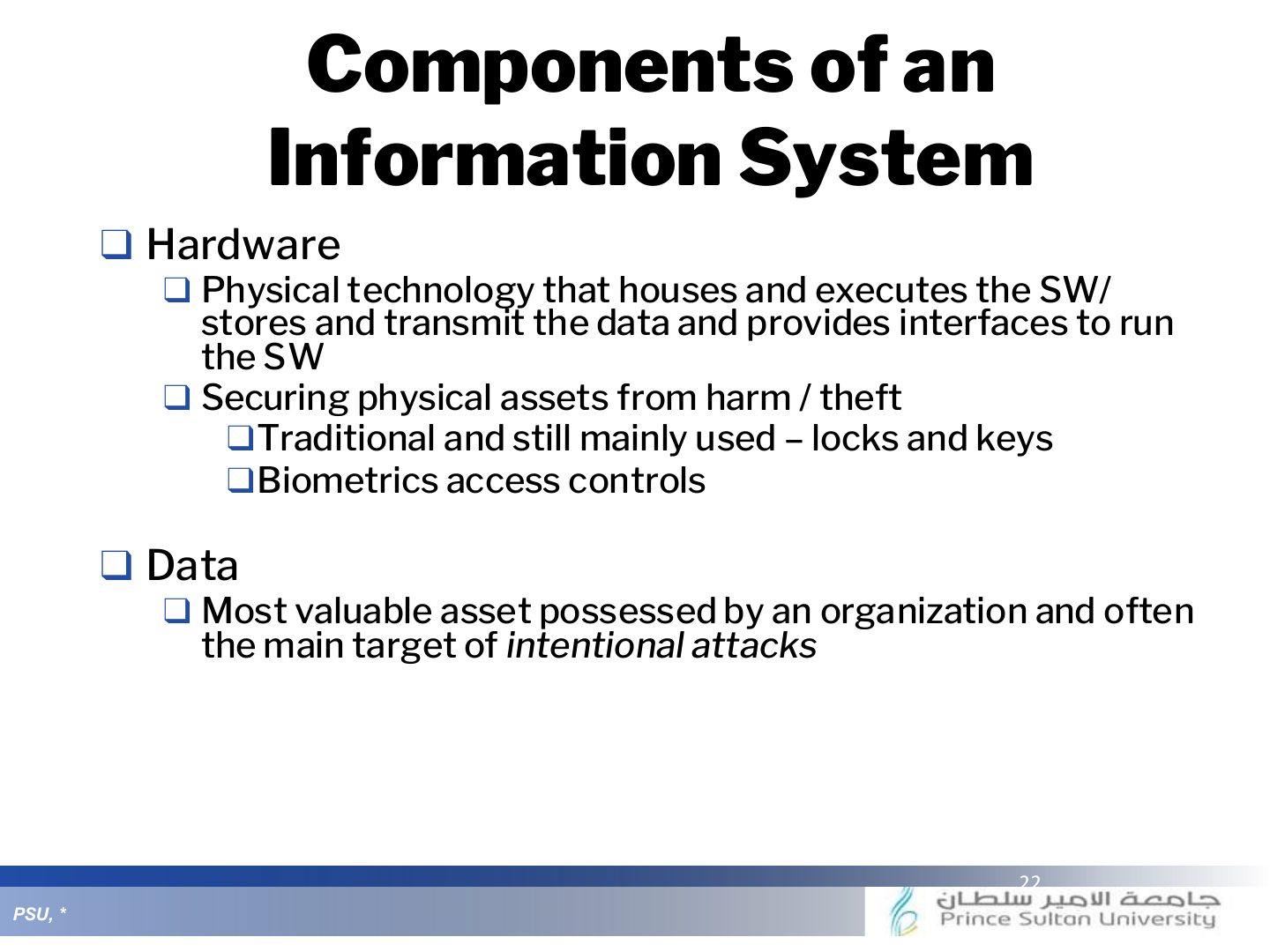
- 20 Components of an Information System
- 21 Components of an Information System
- 22 Components of an Information System
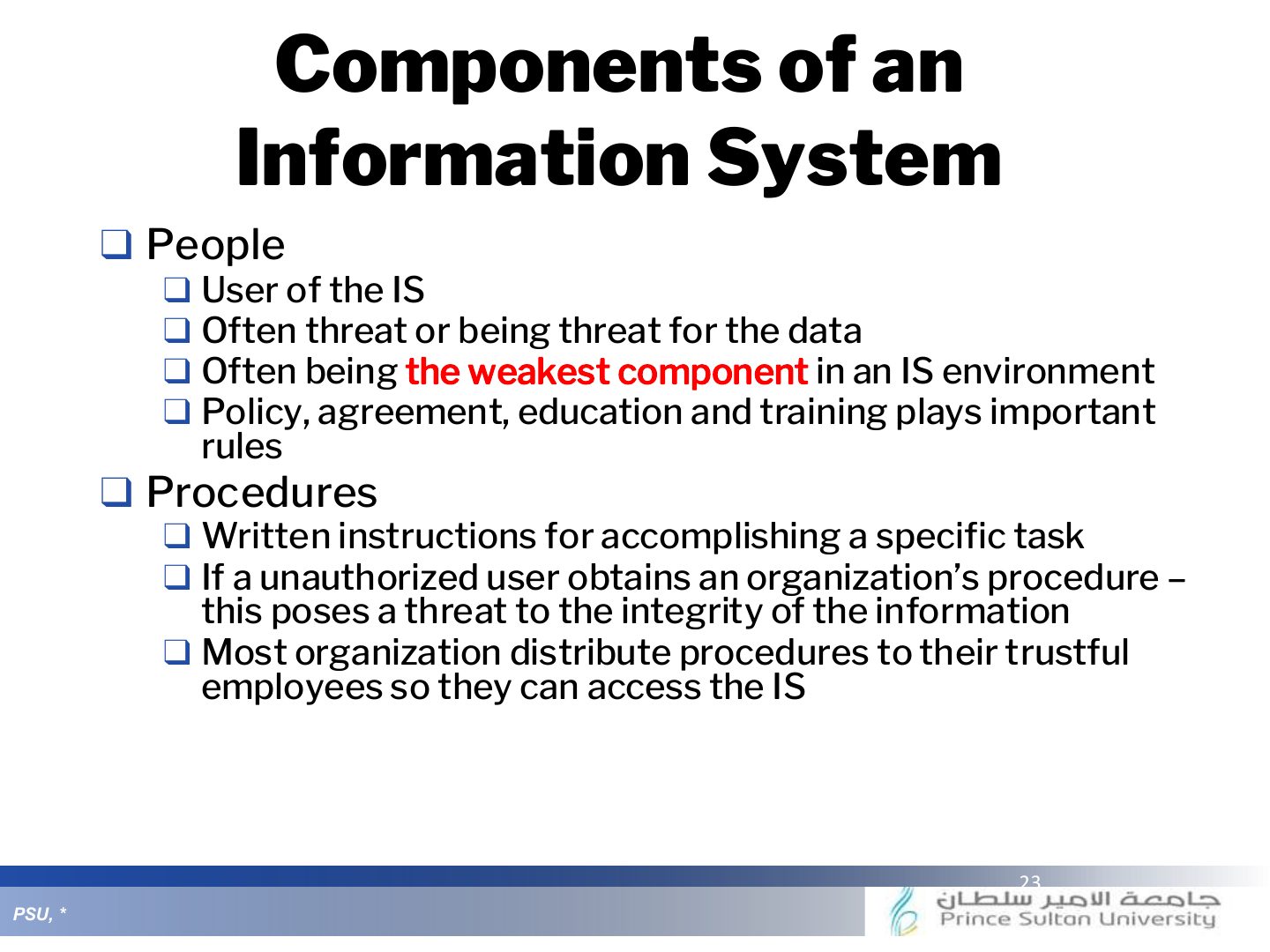
- 23 Components of an Information System
- 24 System Development Life Cycle (SDLC)
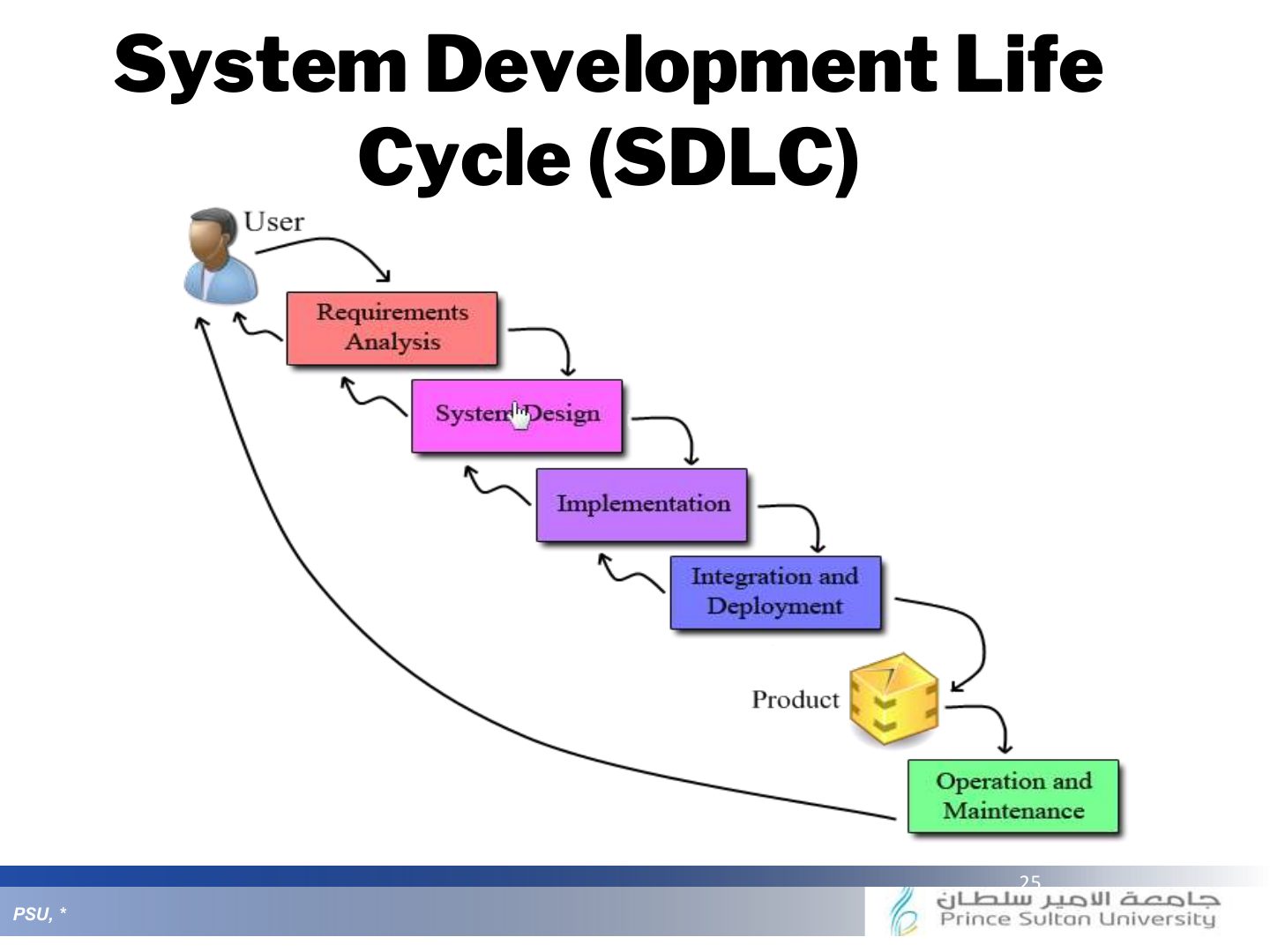
- 25 System Development Life Cycle (SDLC)
- 26 System Development Life Cycle (SDLC)
- 27 System Development Life Cycle (SDLC)
- 28 System Development Life Cycle (SDLC)
- 29 System Development Life Cycle (SDLC)
- 30 Security System Development Life Cycle (SecSDLC)
- 31 Security System Development Life Cycle (SecSDLC)
- 32 Security System Development Life Cycle
- 33 Security System Development Life Cycle
- 34 Security System Development Life Cycle
- 35 Security System Development Life Cycle
- 36 Security System Development Life Cycle
- 37 SDLC vs. SecSDLC
- 38 Slide 38
Cyber Security: Introduction
Notes
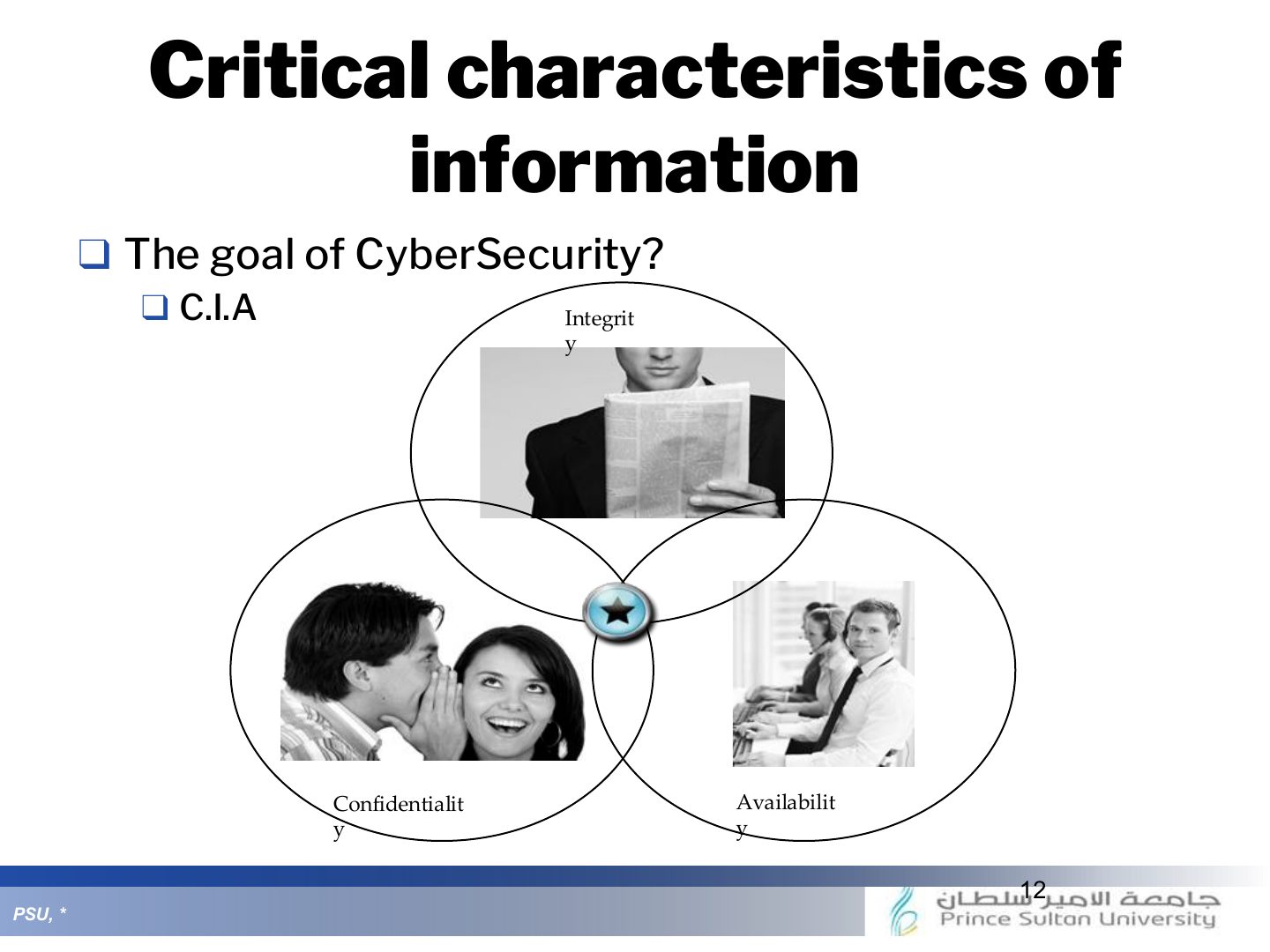
Tip Characteristics of information: Confidentiality (no disclosure) · Integrity (accurate, complete, unaltered) · Availability (access when needed) · Accuracy (no errors, the value expected) · Authenticity (genuine, as originally created) · Utility (useful for a purpose) · Possession (ownership/control).
Outline
ICE-BREAKING
Introduction
Notes
Why cybersecurity matters: everything is connected, attacks are constant and costly.
GETTING STARTED!

Introduction
Notes
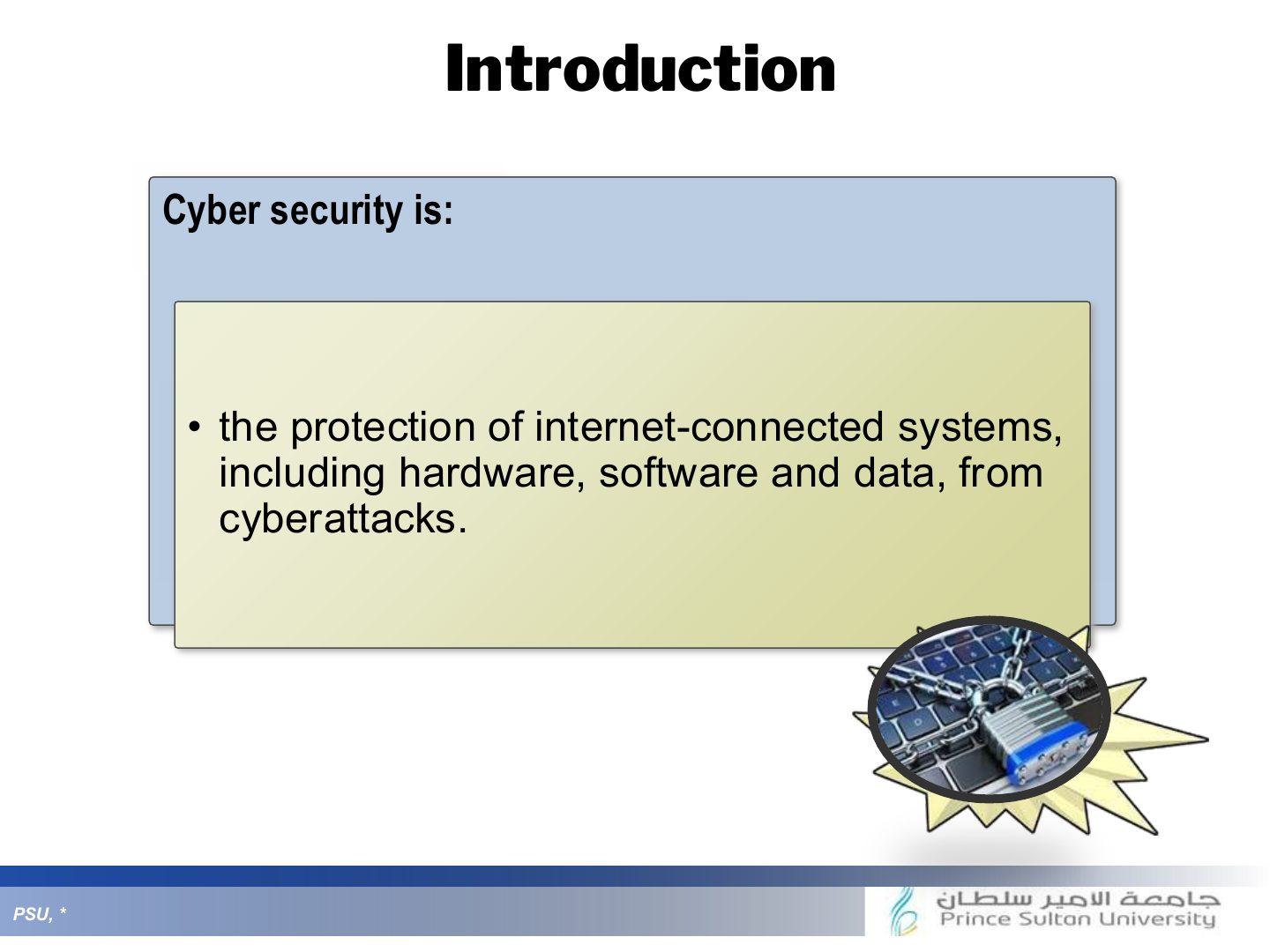
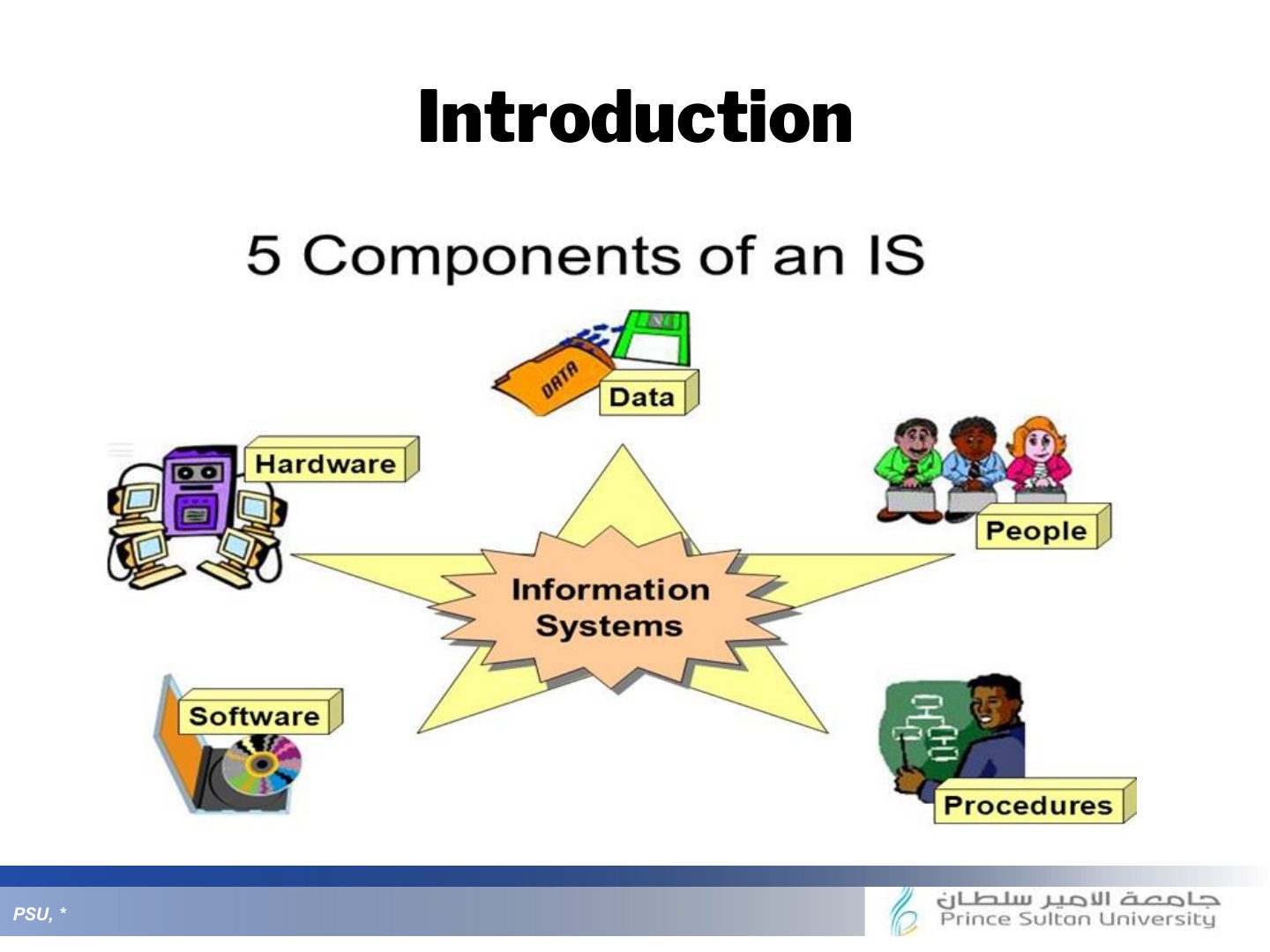
Cybersecurity = protecting systems, networks and data from digital attacks.
Exam angle
Introduction
Notes
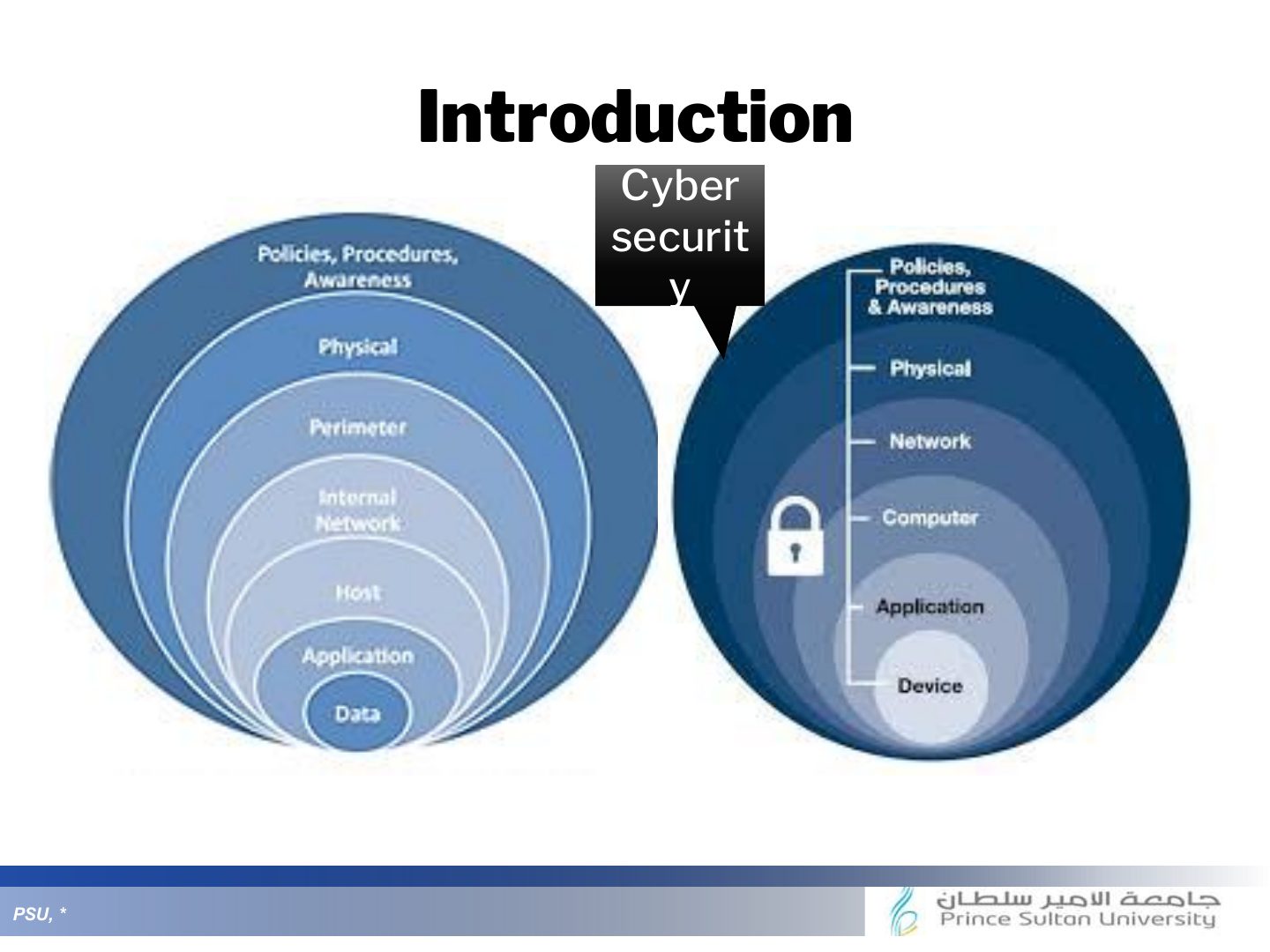
“Cyber” = anything related to computers, networks and the internet (ICT = Information and Communication Technology).
Introduction
Notes
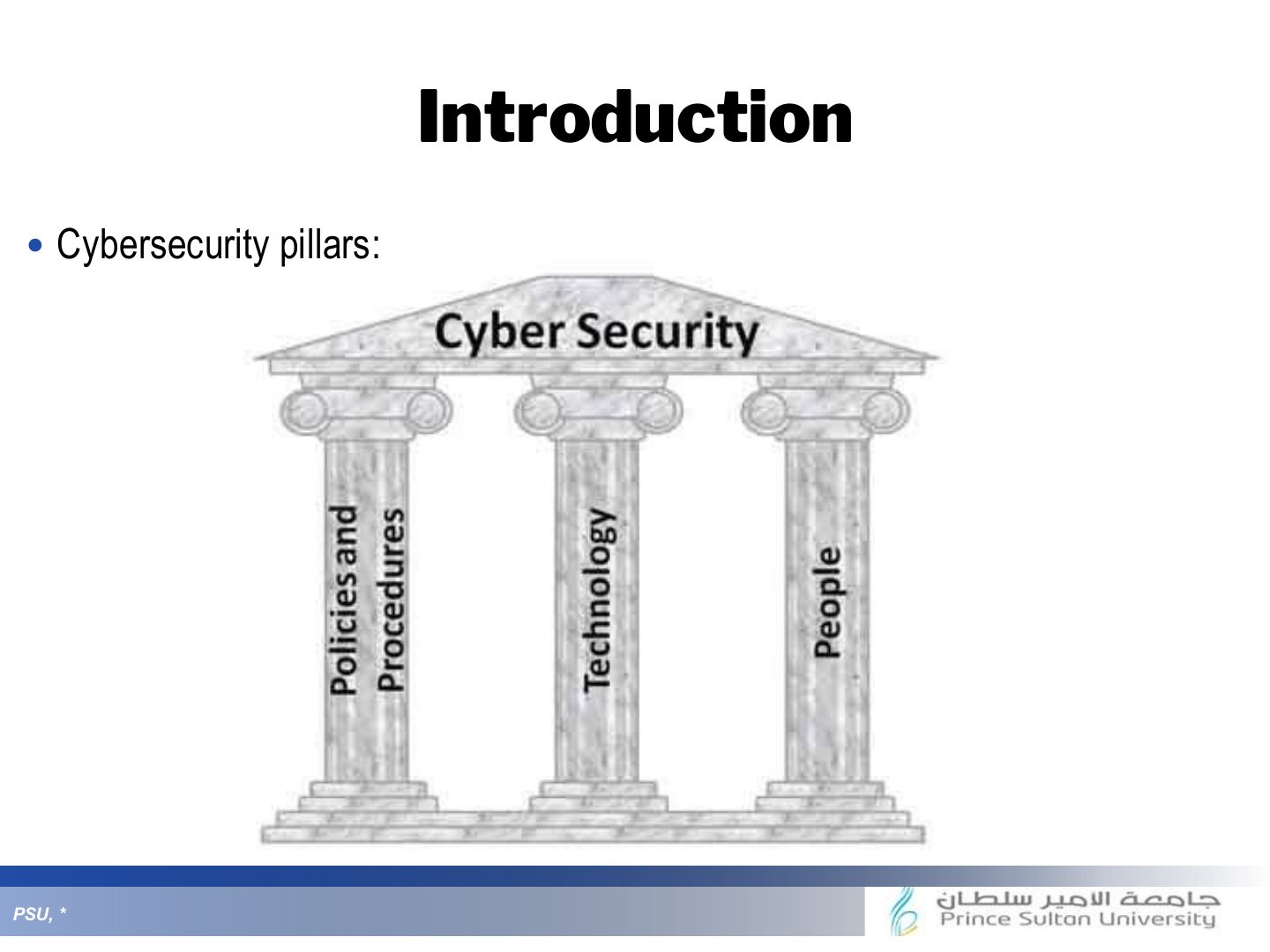
Security is a process, not a product.
Introduction
Notes
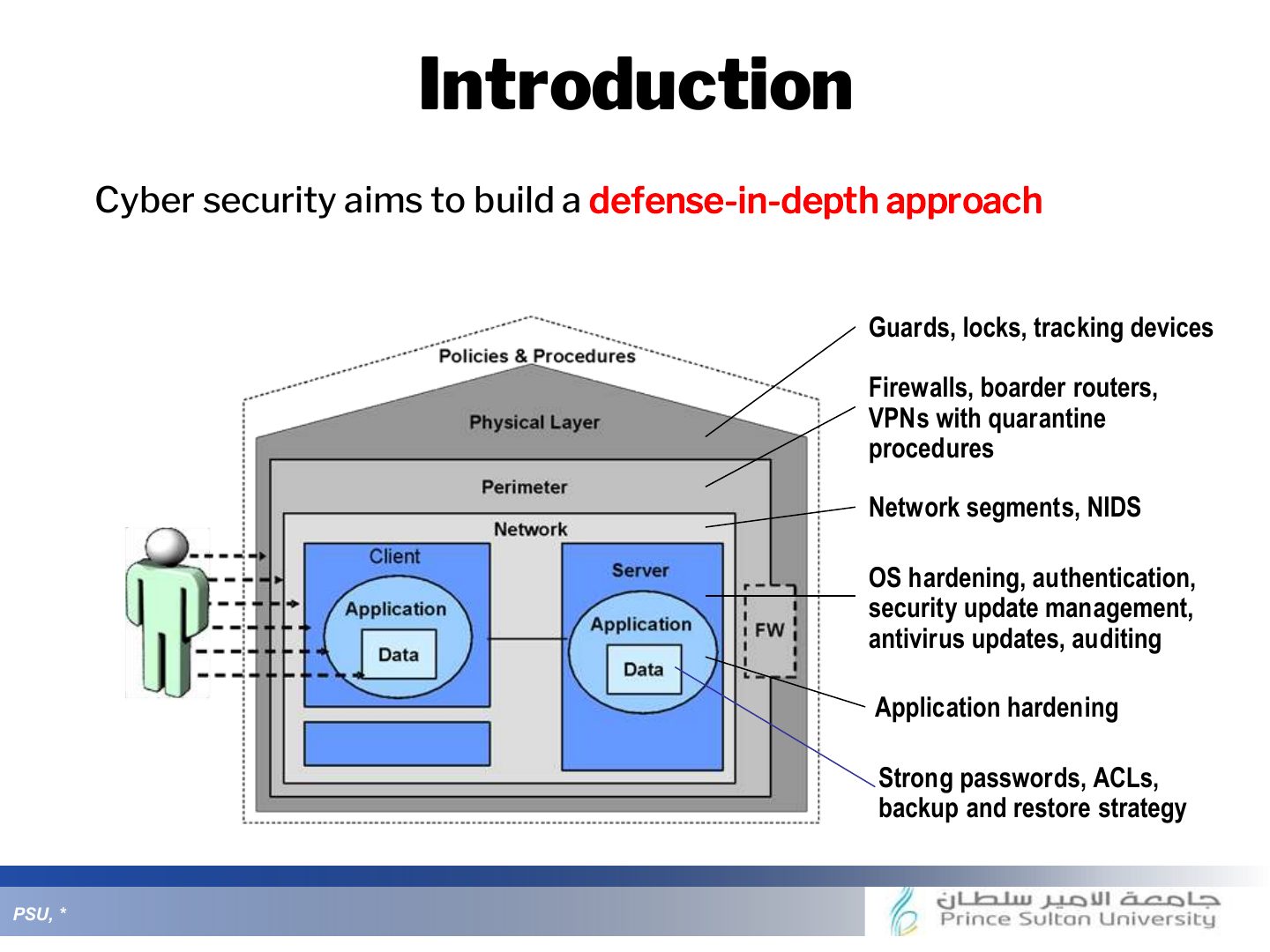
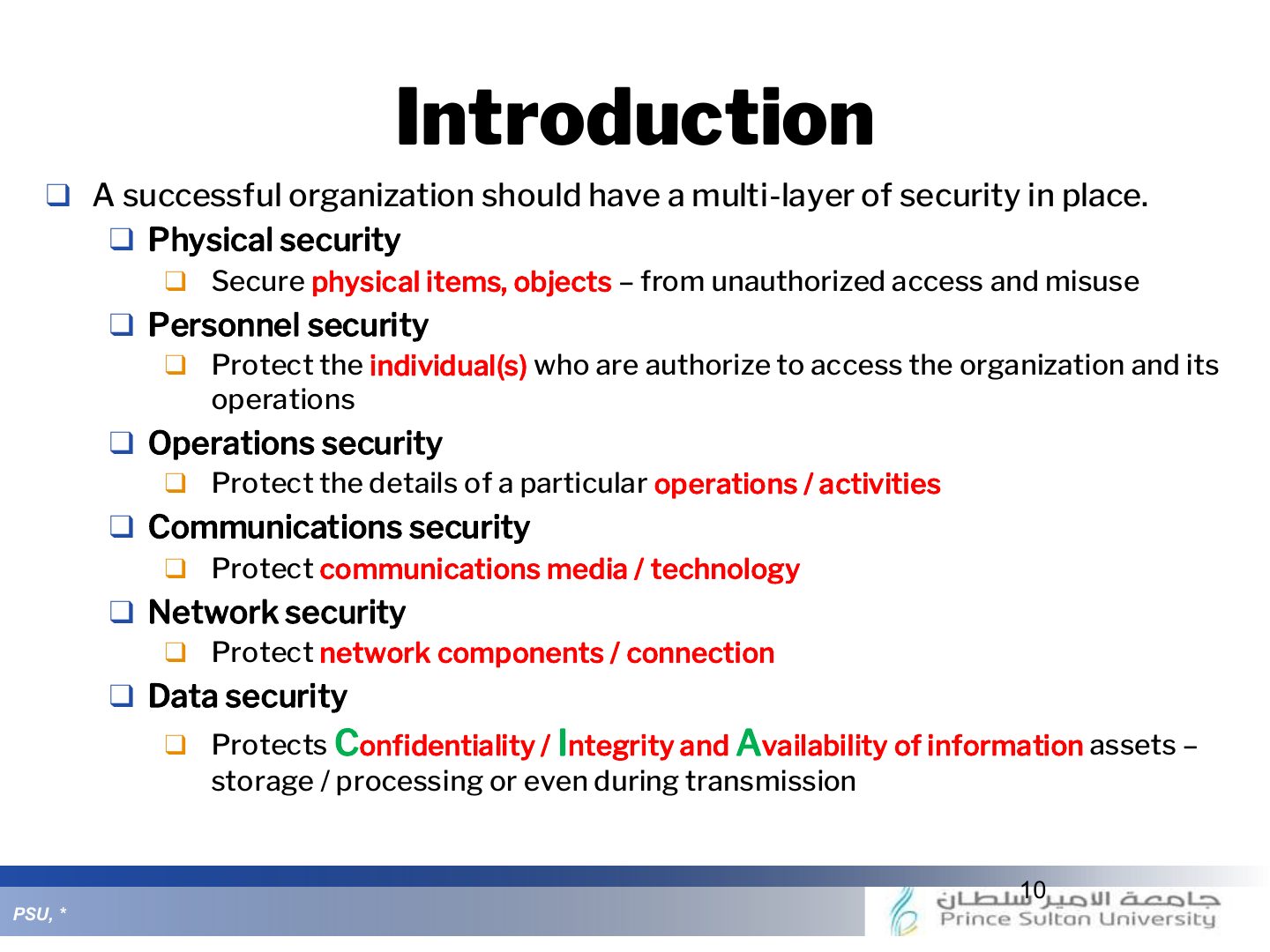
Defence in depth: layered safeguards: physical (guards, locks), perimeter (firewalls, border routers, VPN), network (segments, NIDS), host (OS hardening, patching, antivirus), application, data (encryption, ACLs), plus policies and awareness.
If one layer fails, the others still protect.
Trap Defence in depth ≠ fail-over. “When one device fails another takes over” is redundancy (availability), not layering.
Exam angle
Q1 · characteristic of defence in depth
Q3 · match controls to layers
Q1 · characteristic of defence in depth
Q5 · one control per layer
What is a characteristic of a layered defence-in-depth approach?
- Quiz 1 222 and 232.
Border firewalls and screening routers belong to which defence-in-depth layer?
- Quiz 1 222, Q3.
Encryption at rest and ACLs on records belong to the ___ layer.
- Quiz 1 222, Q3.
Introduction
Exam angle
Q1 · not a physical security measure
Q1 · not a physical security measure
Which is NOT a physical security measure against physical hacking?
- Quiz 1 222 and 232. Patching is a technical control.
Introduction
Notes
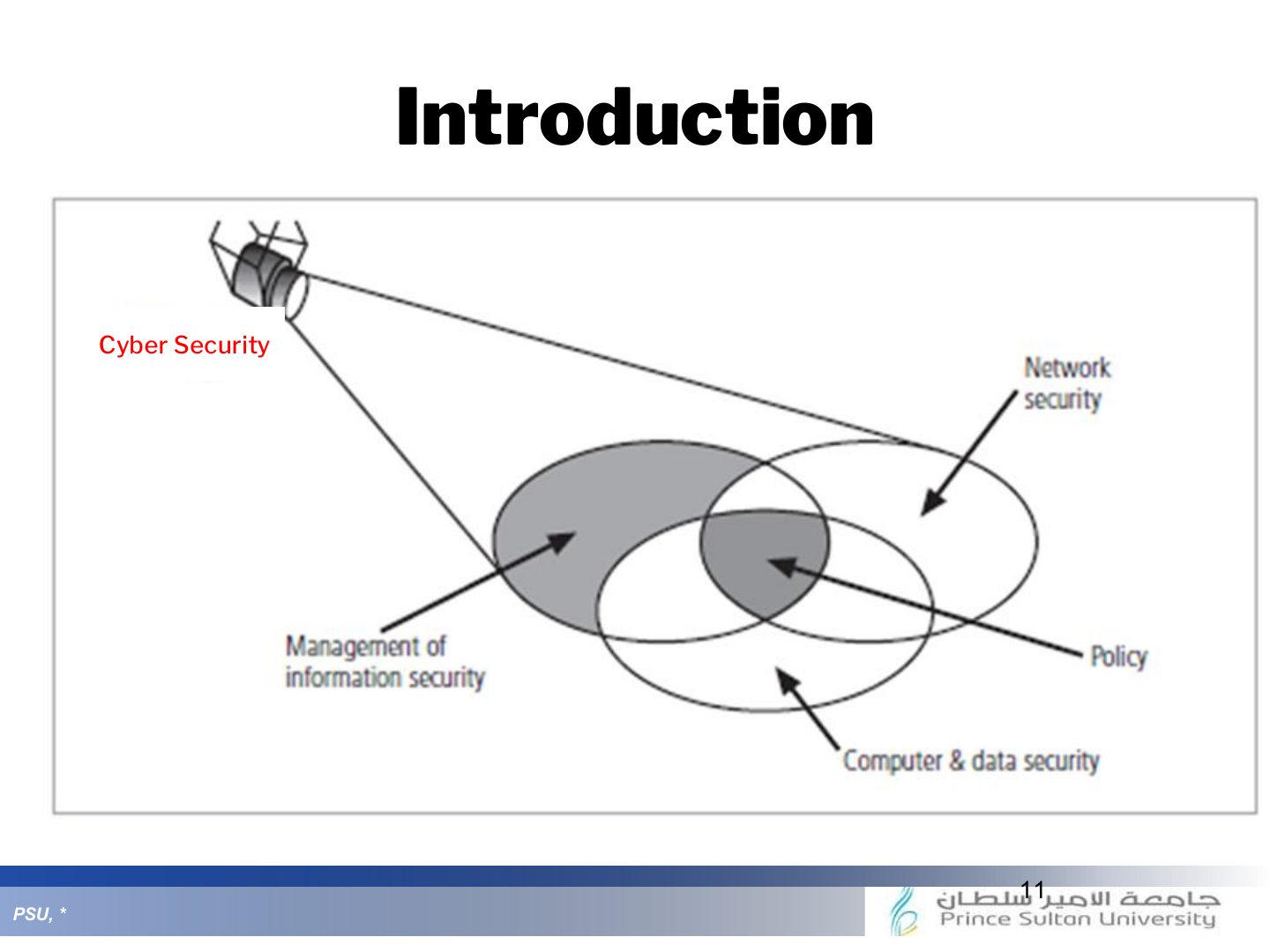
Cybersecurity covers information security, network security, application security…
Critical characteristics of information
Exam angle
Related question: MCQ · cybersecurity pillars
Critical characteristics of information
Notes
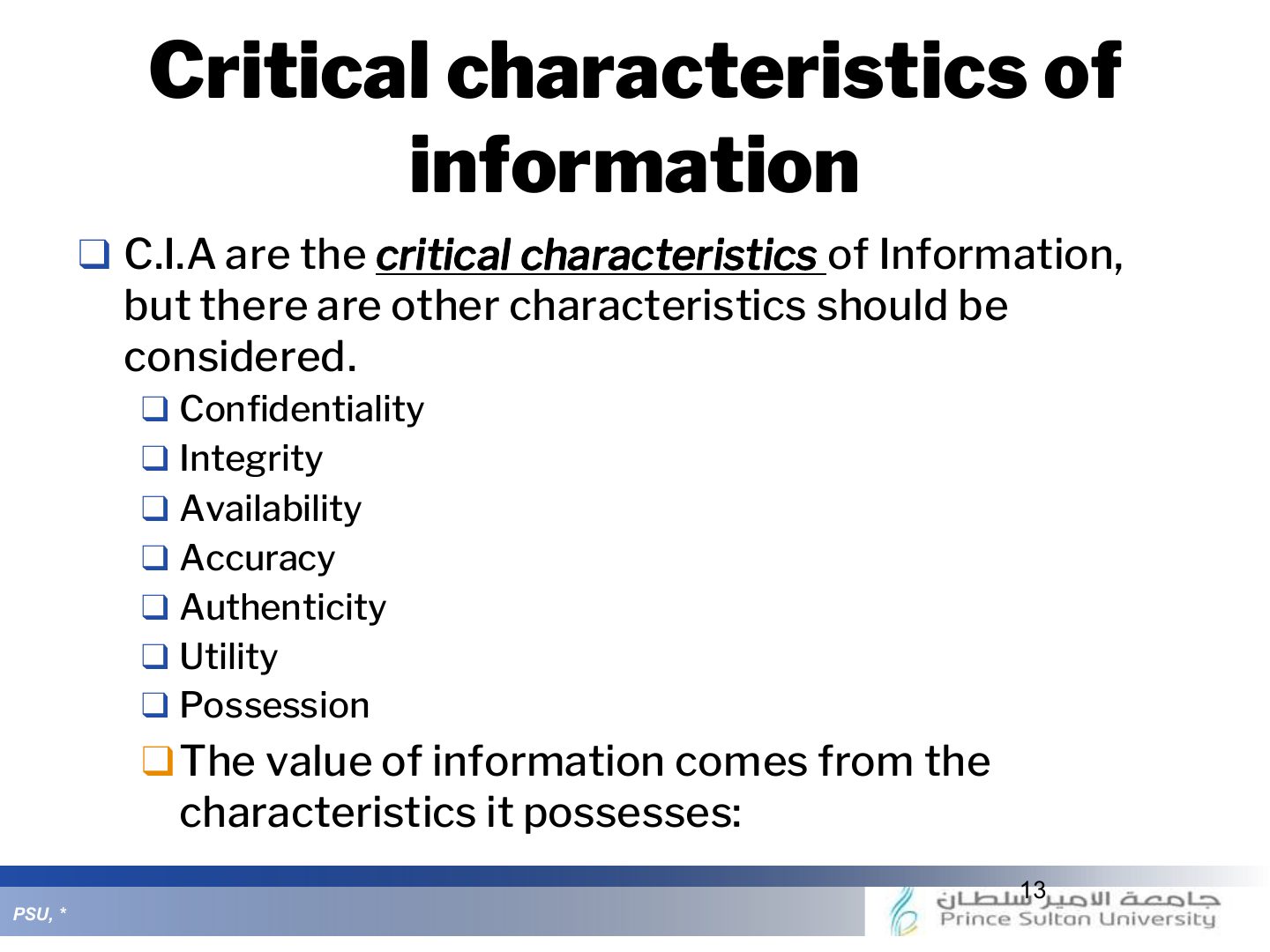
Tip Characteristics of information: Confidentiality (no disclosure) · Integrity (accurate, complete, unaltered) · Availability (access when needed) · Accuracy (no errors, the value expected) · Authenticity (genuine, as originally created) · Utility (useful for a purpose) · Possession (ownership/control).
Critical characteristics of information
Exam angle
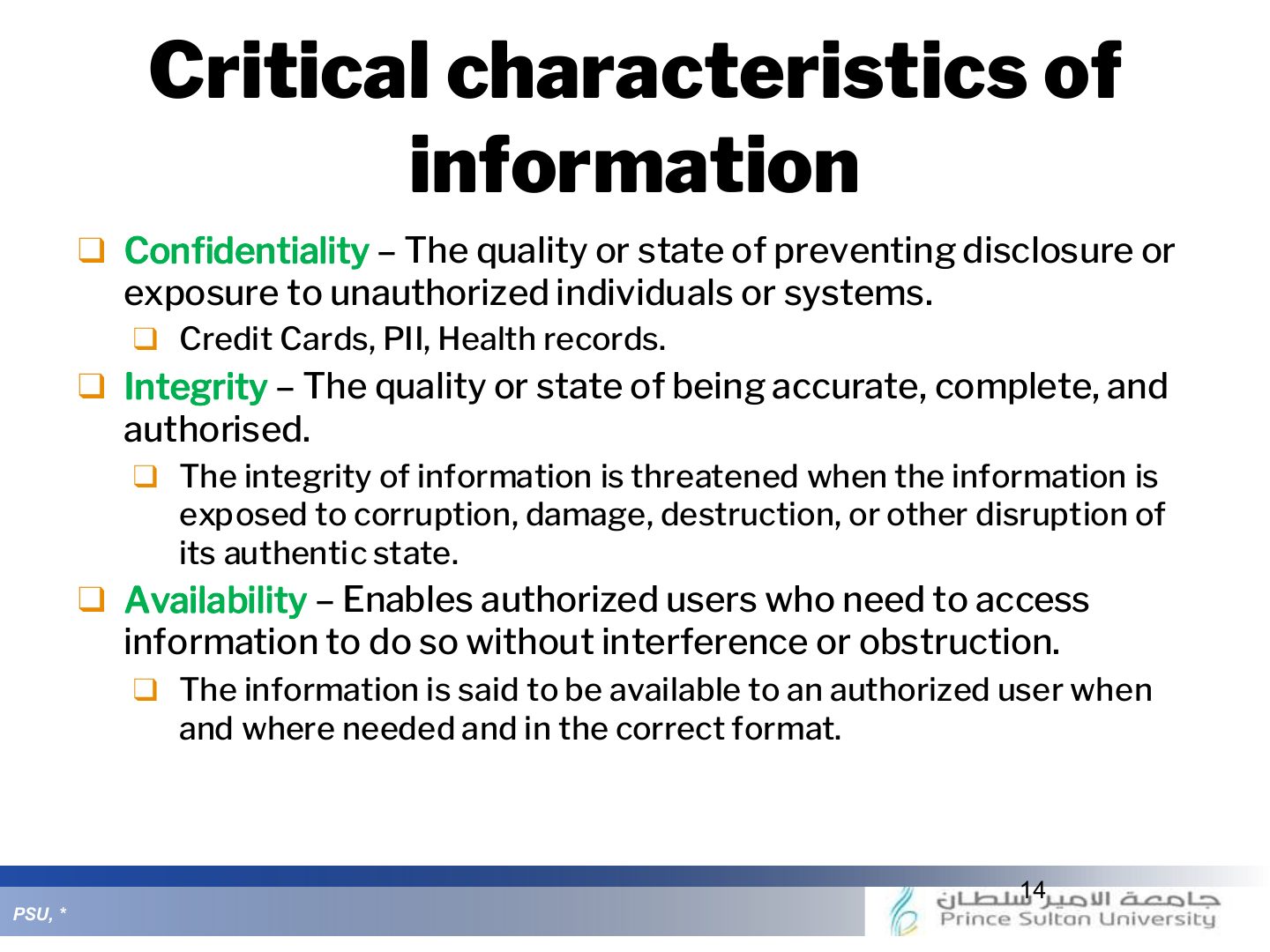
A · protection from modification = integrity
A · preventing disclosure = confidentiality
Protection of data from modification by unauthorised users is:
- Major A.
Preventing disclosure or exposure to unauthorised individuals is:
- Major B.
Critical characteristics of information
Exam angle
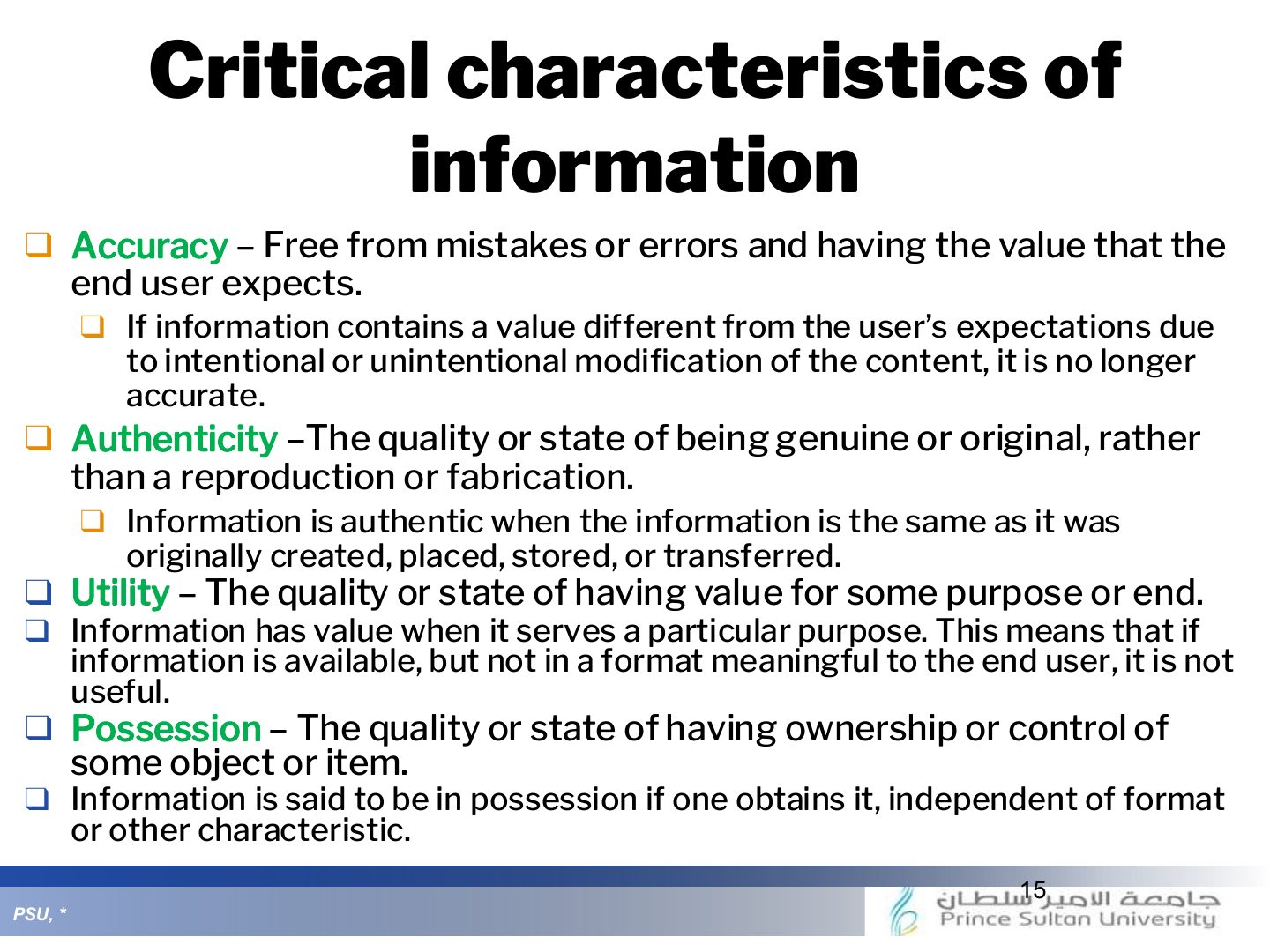
Q2 · authenticity, accuracy, utility
A · raw hex instead of a report = utility
Information that is the same as when originally created, placed, stored or transferred is:
- Quiz 1 232.
A value different from what the user expects because of a modification means the information is no longer:
- Quiz 1 232.
A doctor receives a patient file as raw hexadecimal instead of a readable report. Which characteristic is lost?
- Major B.
Critical characteristics of information
Notes
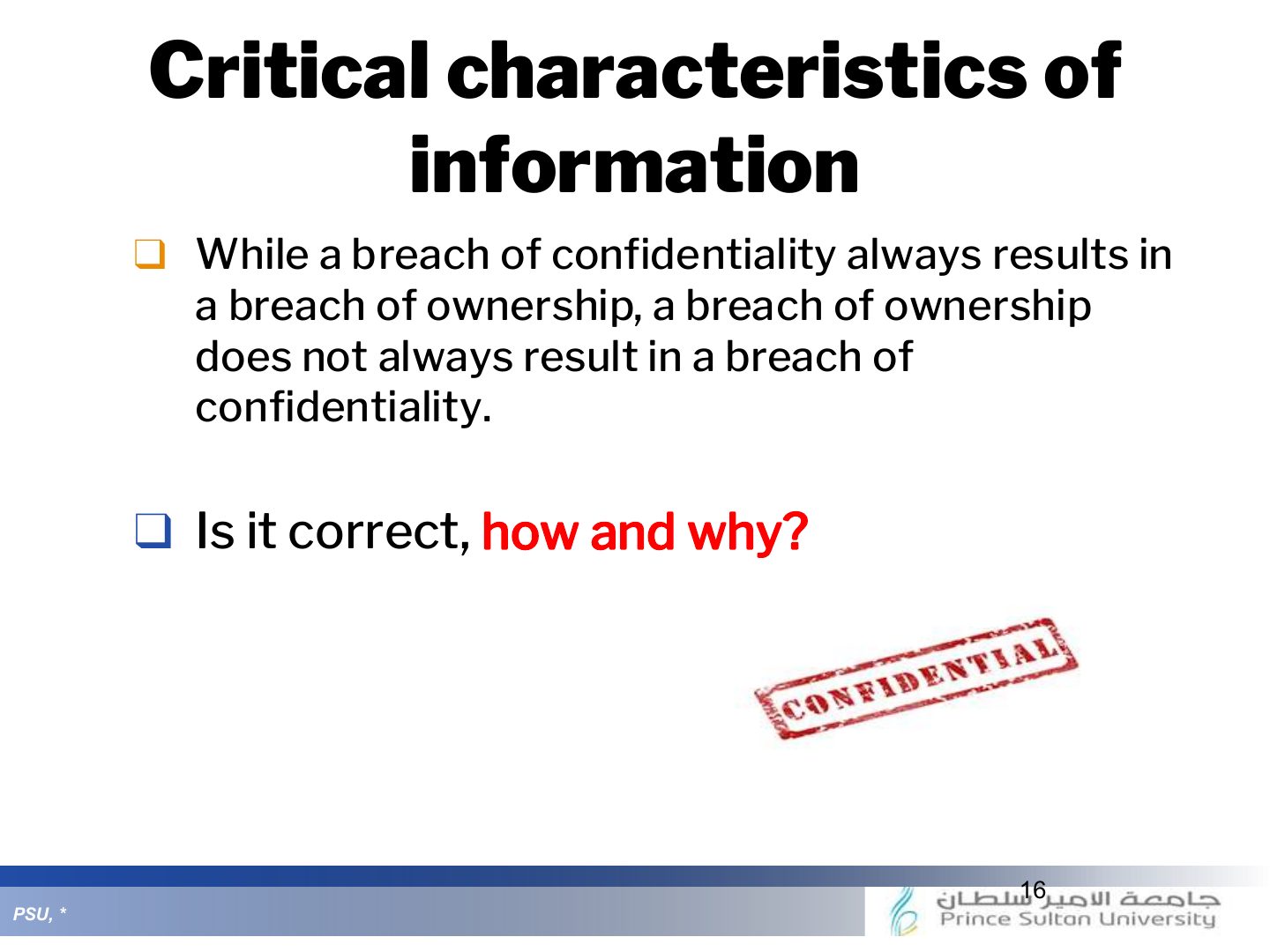
Possession = ownership/control. A breach of confidentiality always breaches possession, but losing possession (a stolen encrypted disk) doesn’t always breach confidentiality.
Exam angle
Related question: Q2 · unauthorised user obtains the procedure = possession
A breach of possession always results in a breach of confidentiality.
- Stolen but encrypted data is possessed by the thief but not disclosed.
Critical characteristics of information
Critical characteristics of information
Notes
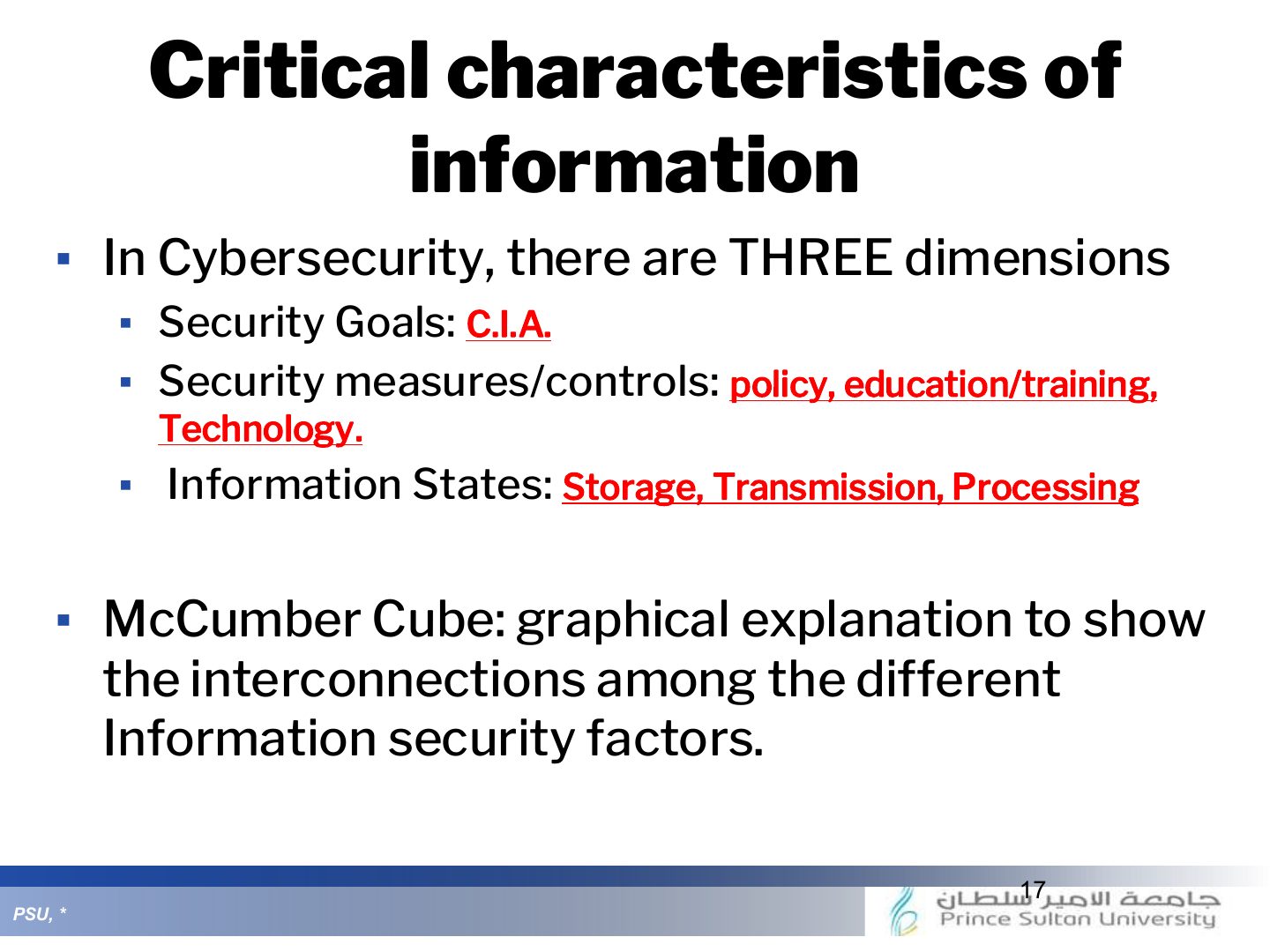
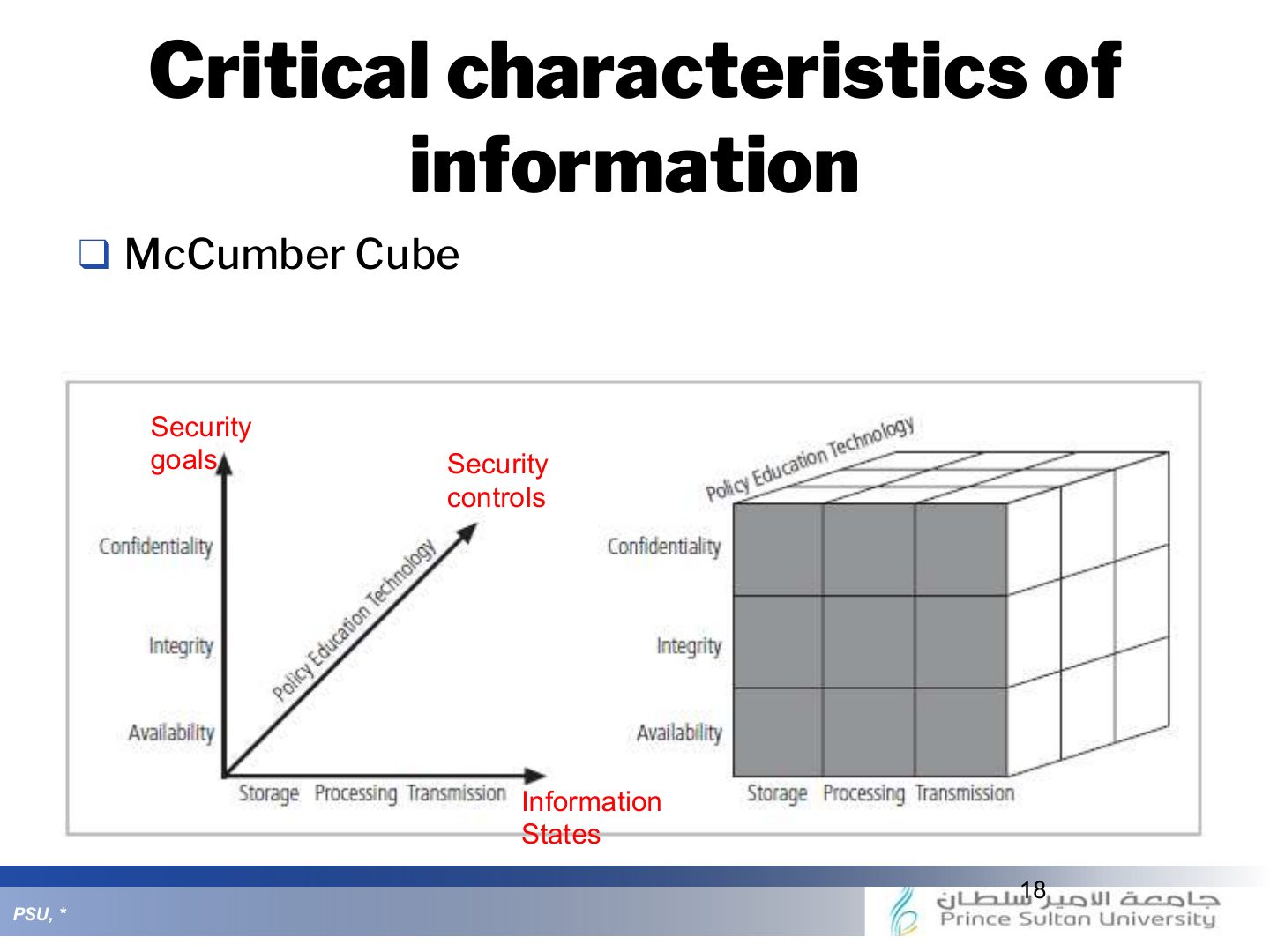
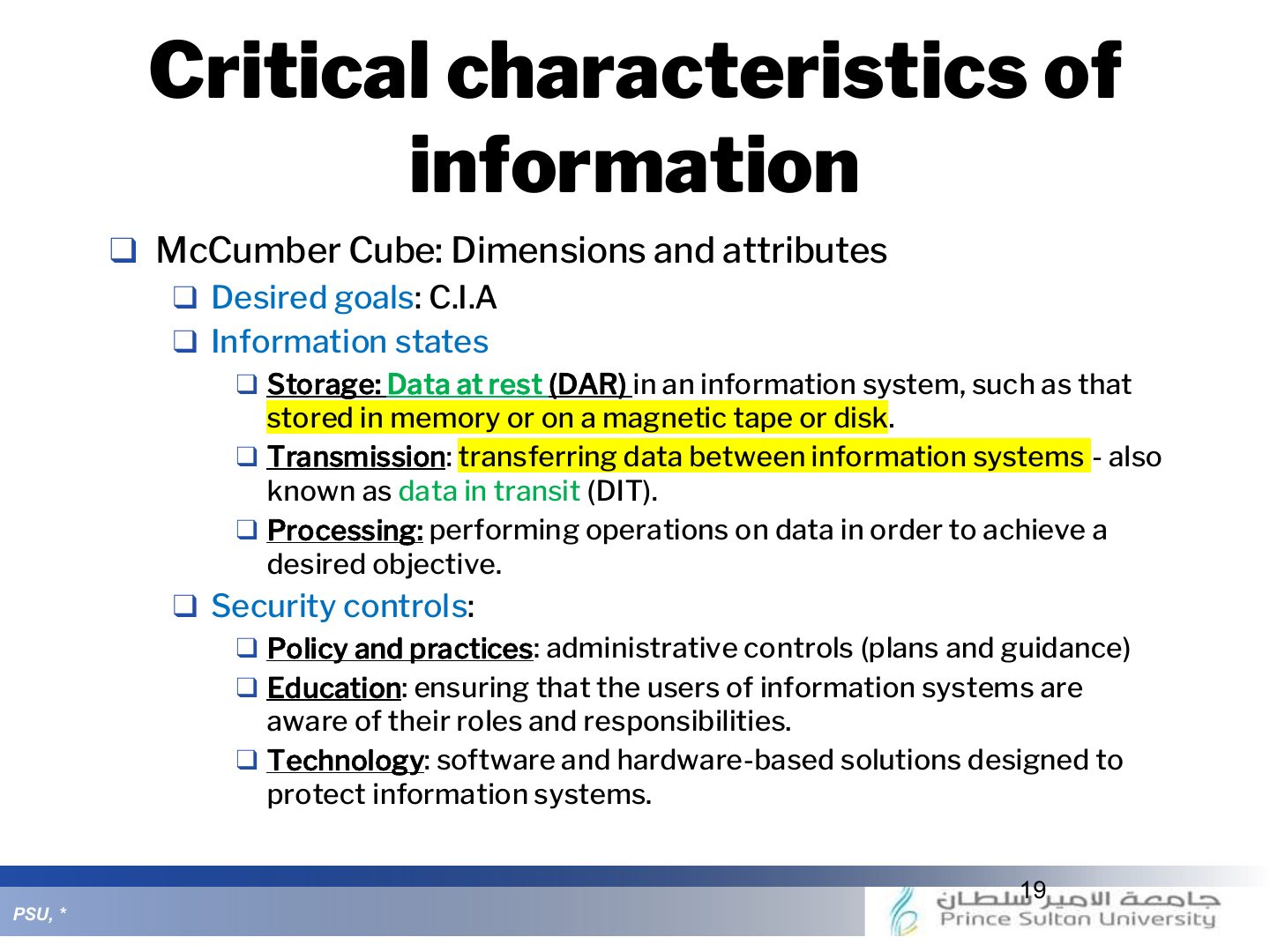
McCumber cube: 3 × 3 × 3 = 27 cells; each cell is a goal × state × measure combination to secure.
Memory trick McCumber axes: GOALS (C, I, A) · STATES (storage, transmission, processing) · MEASURES (technology, policy, education).
Exam angle
Q3 · label the McCumber cube
Related question: B · T/F McCumber: data protected only in one state
Which is NOT an information state on the McCumber cube?
In the McCumber cube, data needs to be protected only while it is stored.
- Major A. It must be protected in storage, transmission AND processing.
Critical characteristics of information
Components of an Information System
Exam angle
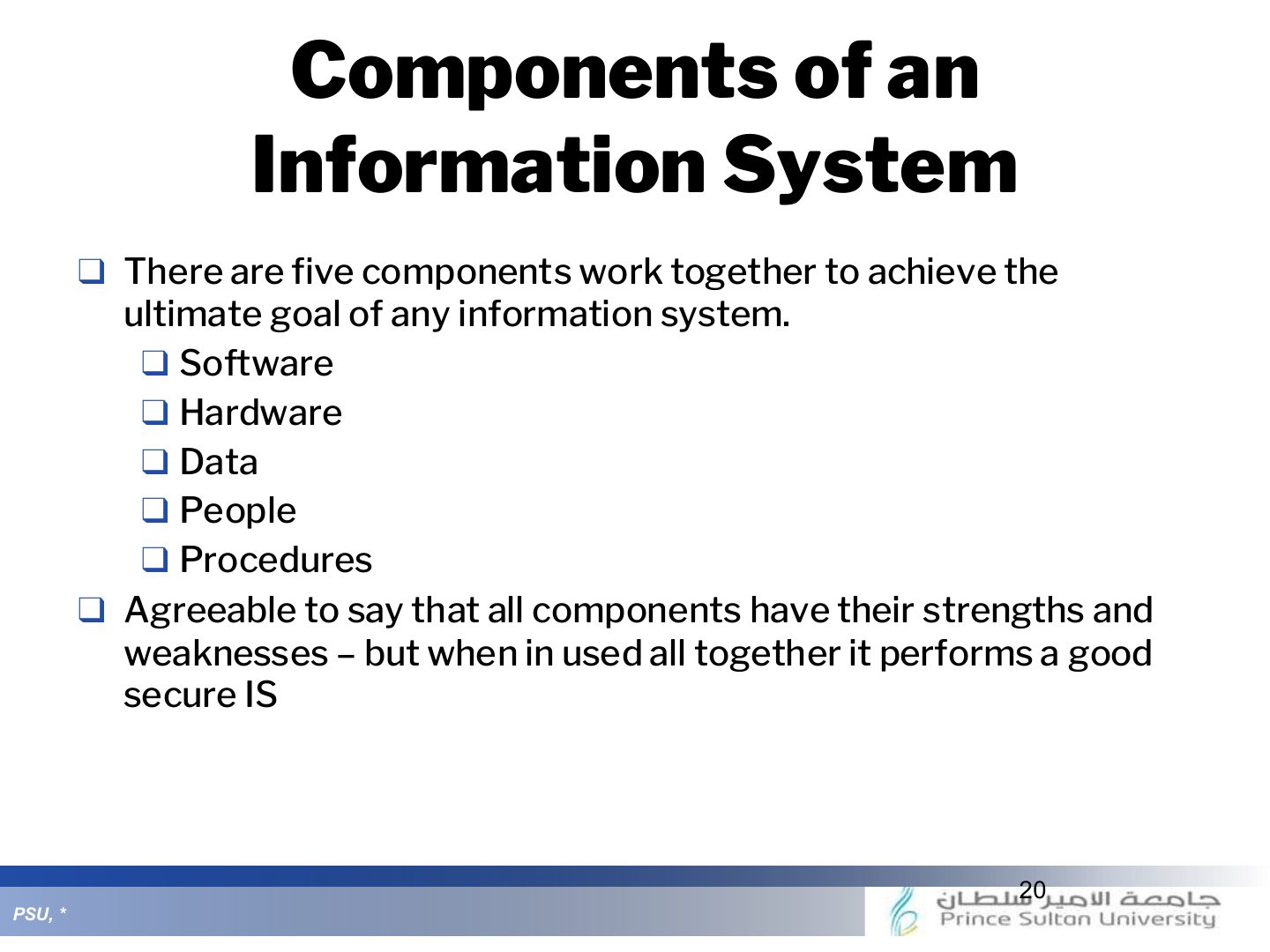
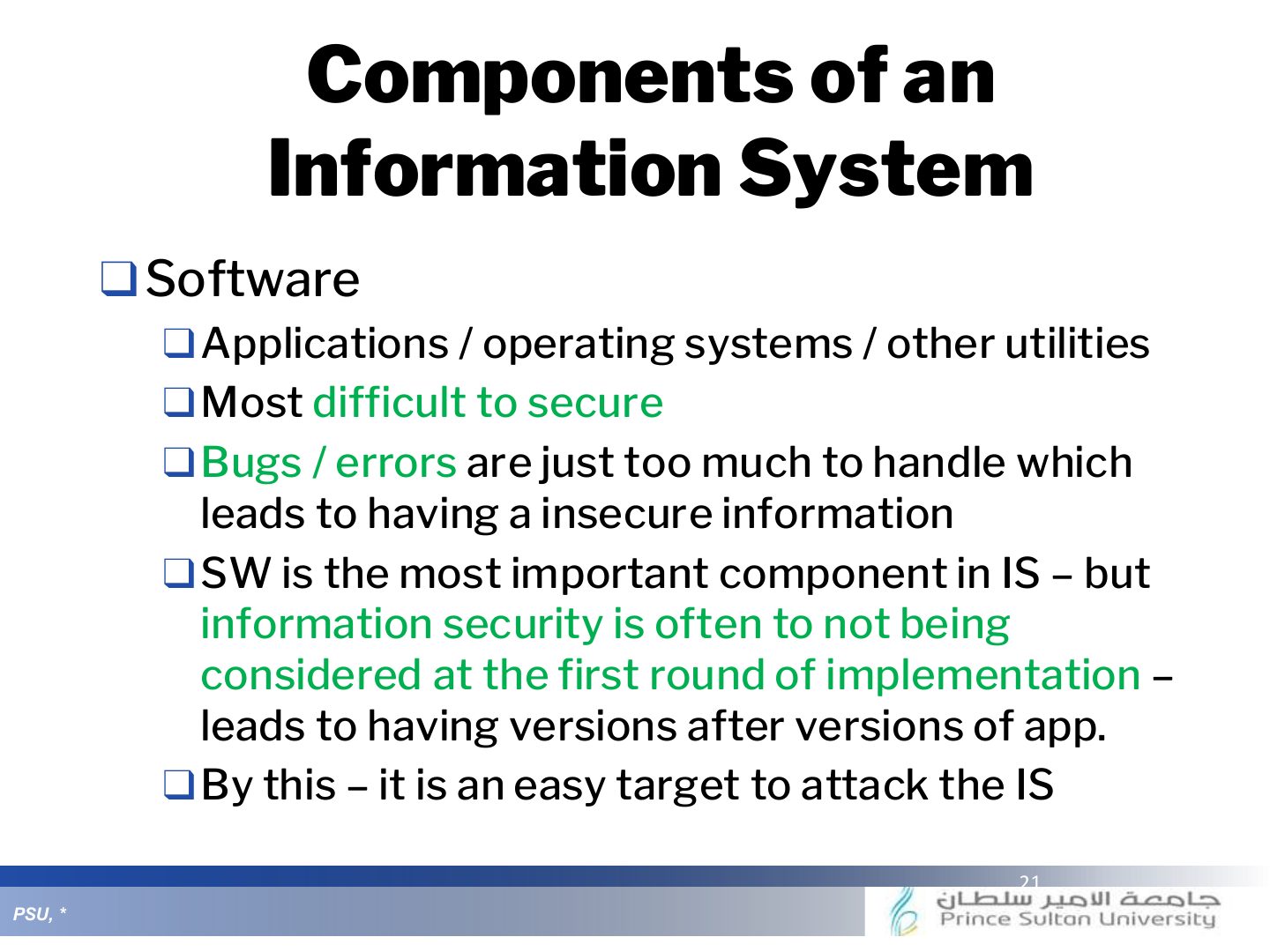
Which IS component is often the weakest link?
Components of an Information System
Components of an Information System
Components of an Information System
System Development Life Cycle (SDLC)
System Development Life Cycle (SDLC)
Notes
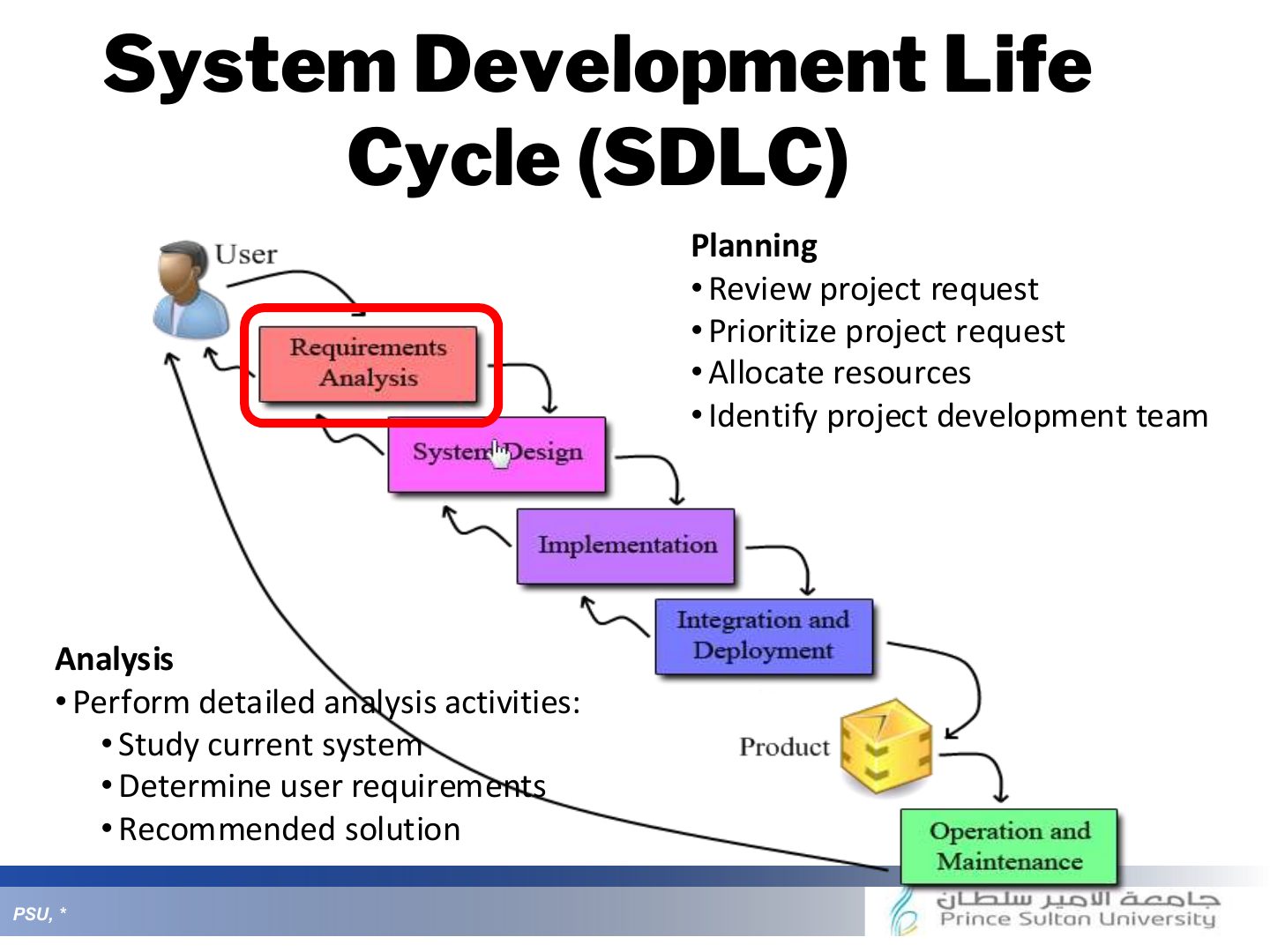
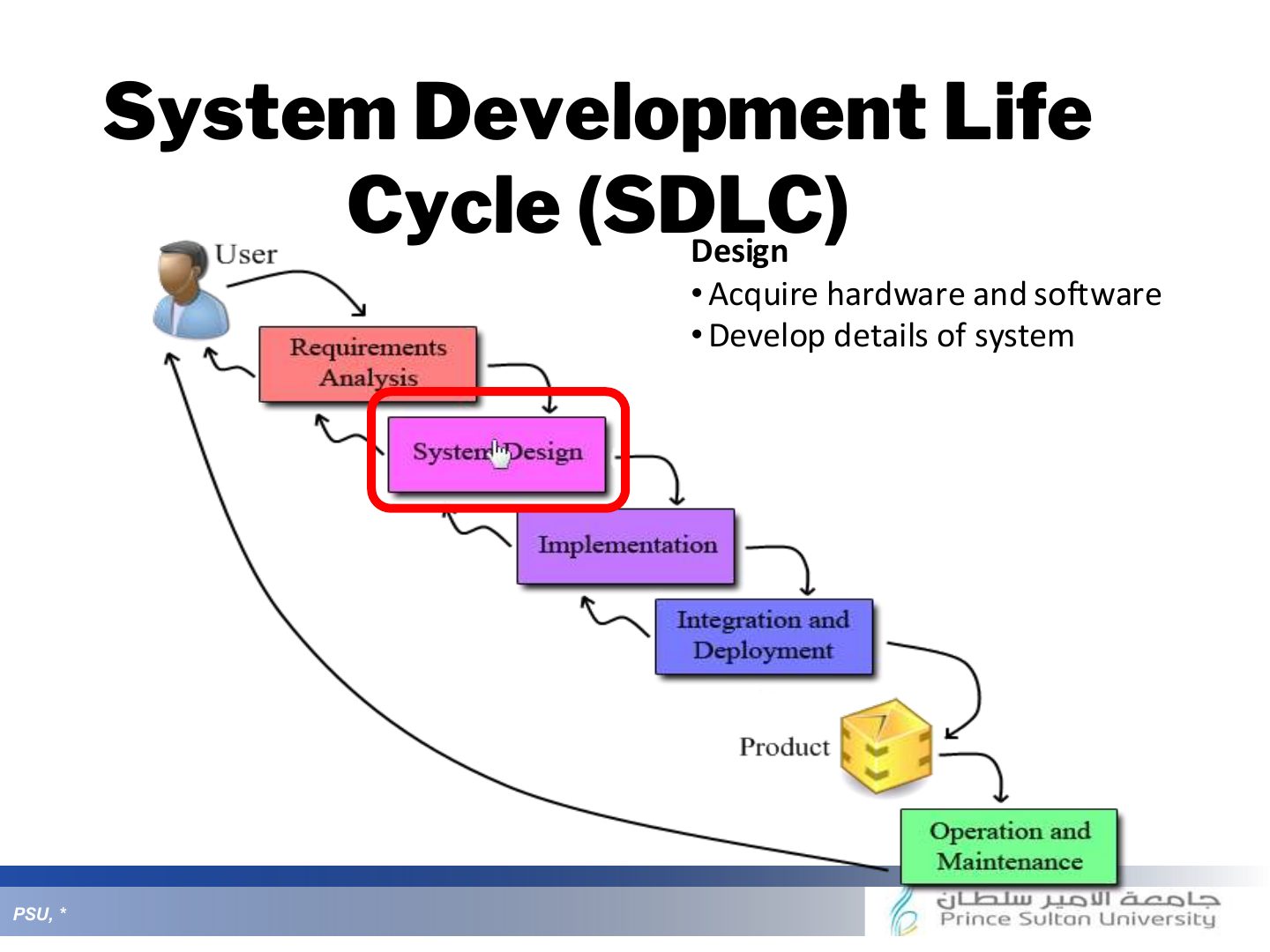
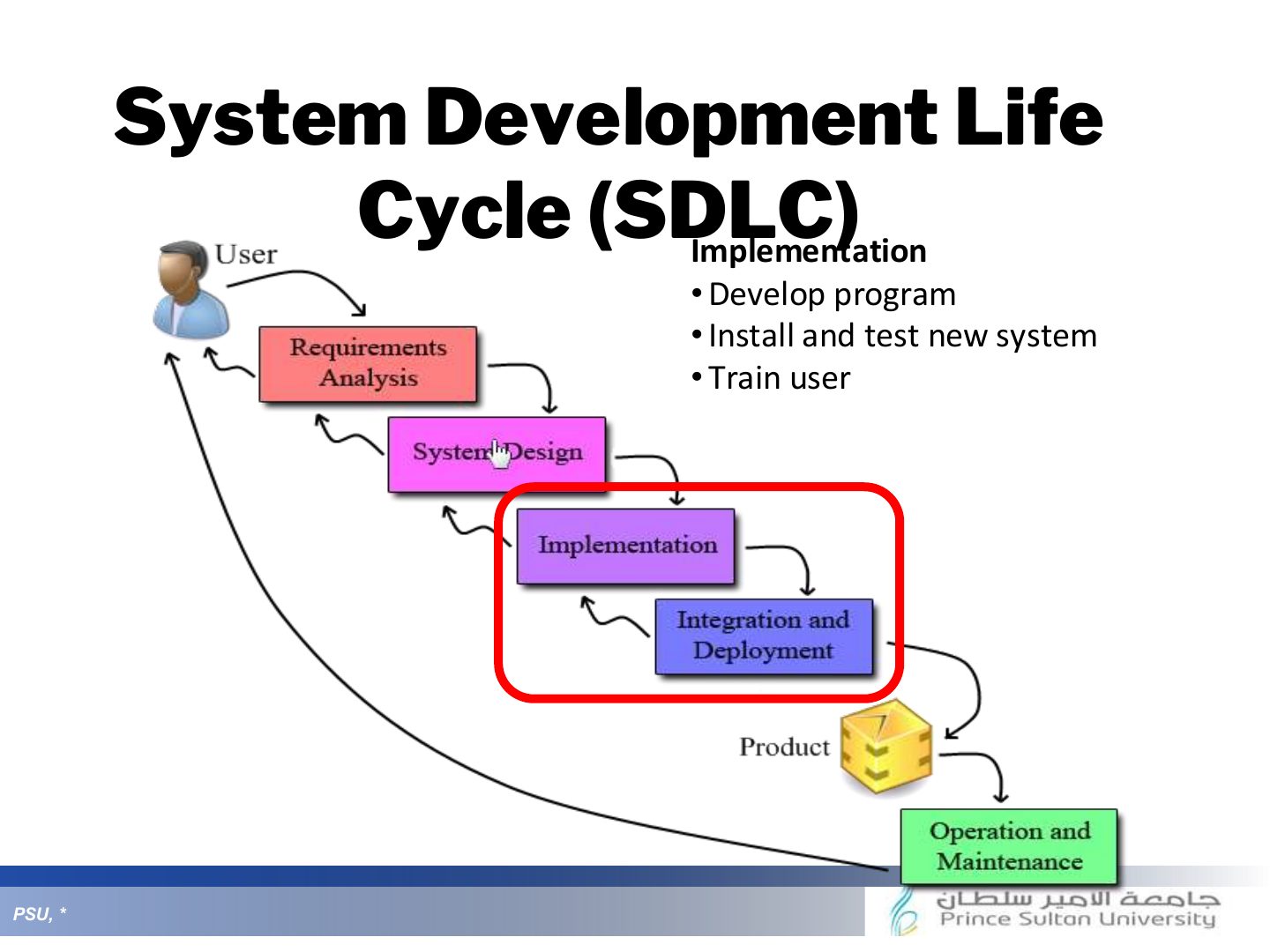
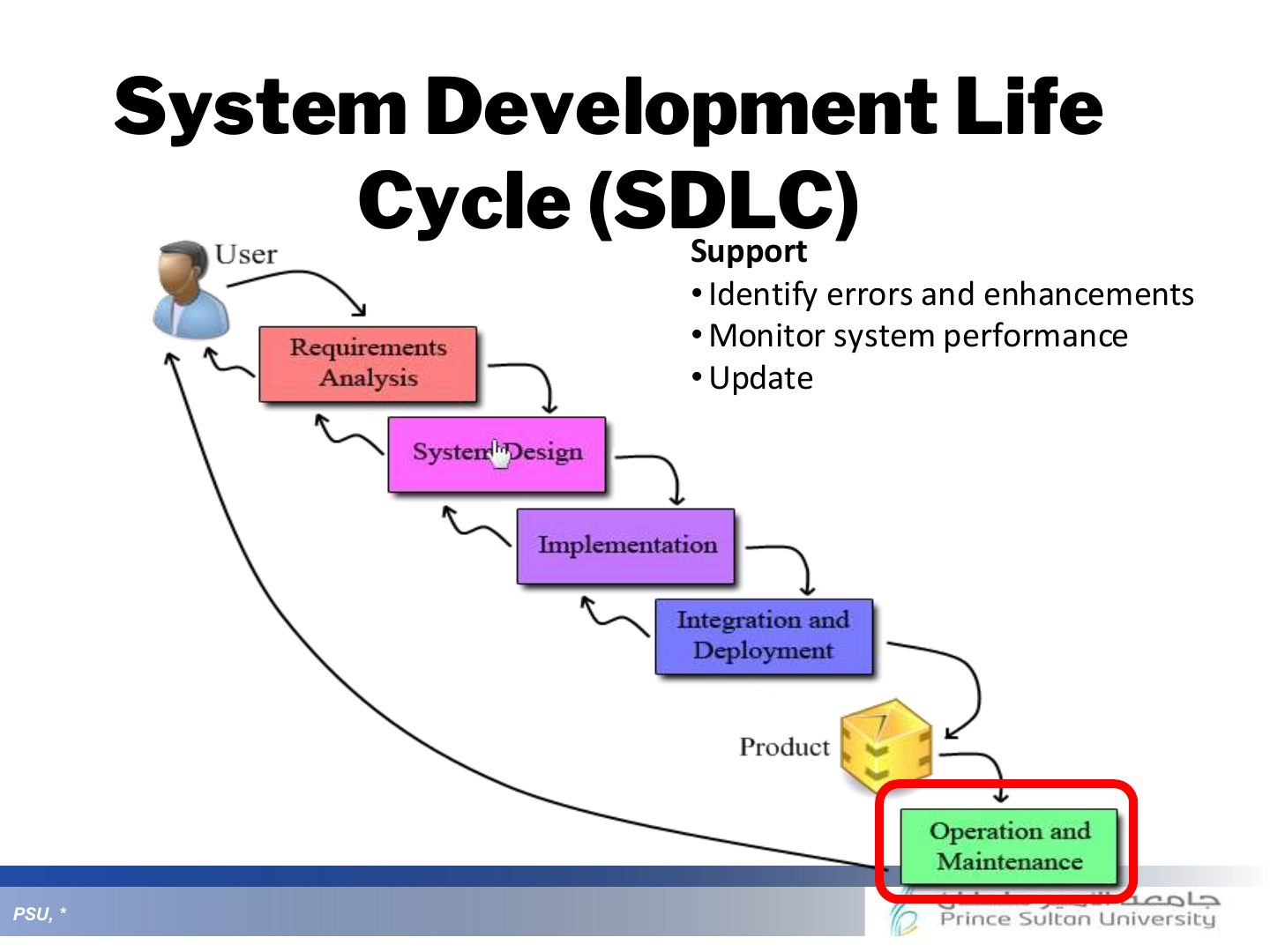
SDLC phases: investigation, analysis, logical design, physical design, implementation, maintenance and change.
System Development Life Cycle (SDLC)
Notes
Analysis phase.
System Development Life Cycle (SDLC)
Notes
Design phases.
System Development Life Cycle (SDLC)
Notes
Implementation.
System Development Life Cycle (SDLC)
Notes
Maintenance and change.
Security System Development Life Cycle (SecSDLC)
Exam angle
B · T/F secure SDLC only applies to requirements and testing (false)
A secure SDLC applies security only to the requirements and testing phases.
- Major A. Every phase.
Security System Development Life Cycle (SecSDLC)
Security System Development Life Cycle
Notes
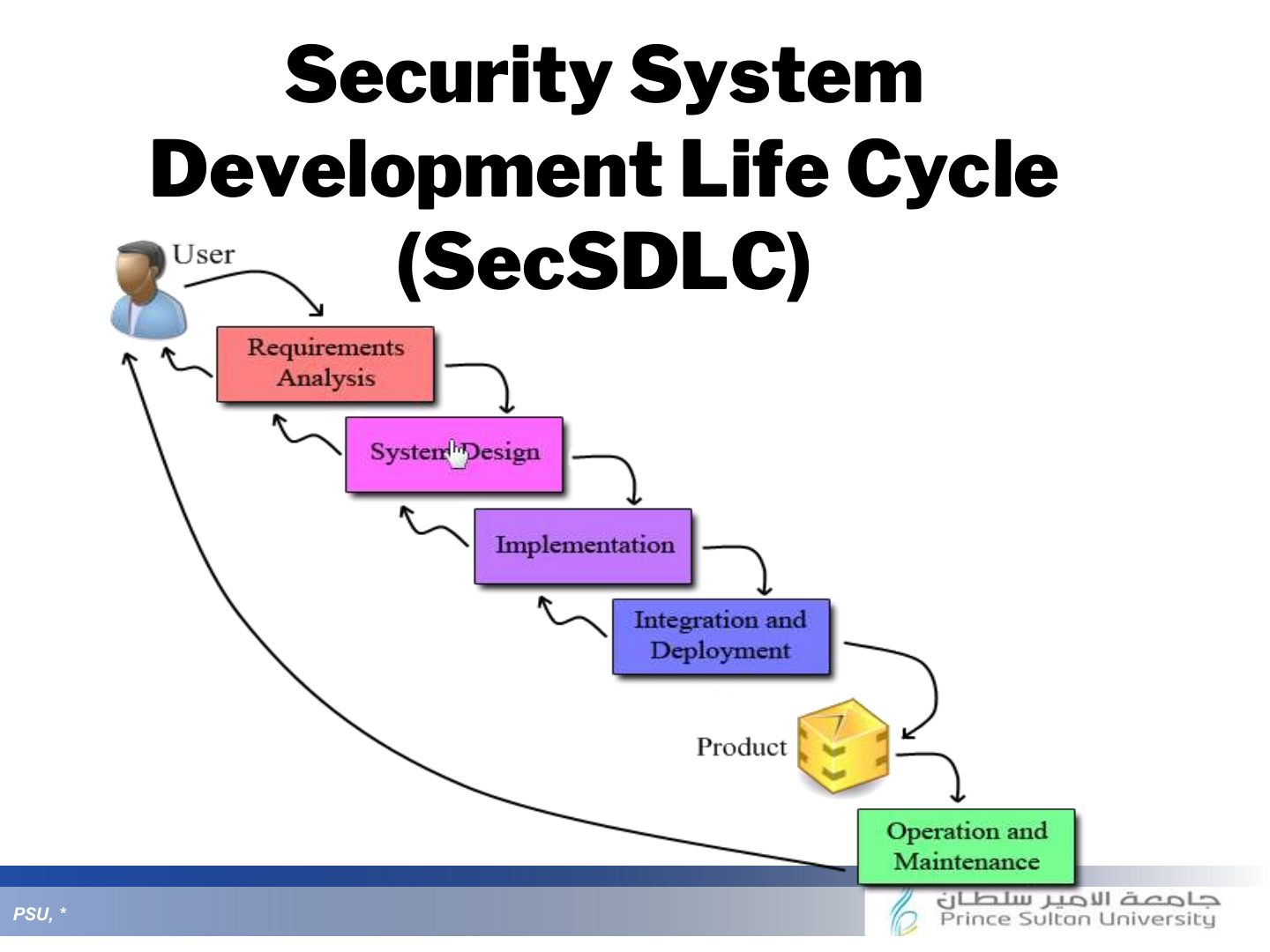
SecSDLC investigation: management defines the security project, goals and budget.
Exam angle
Q4 · two security points for each SDLC phase
Security System Development Life Cycle
Notes
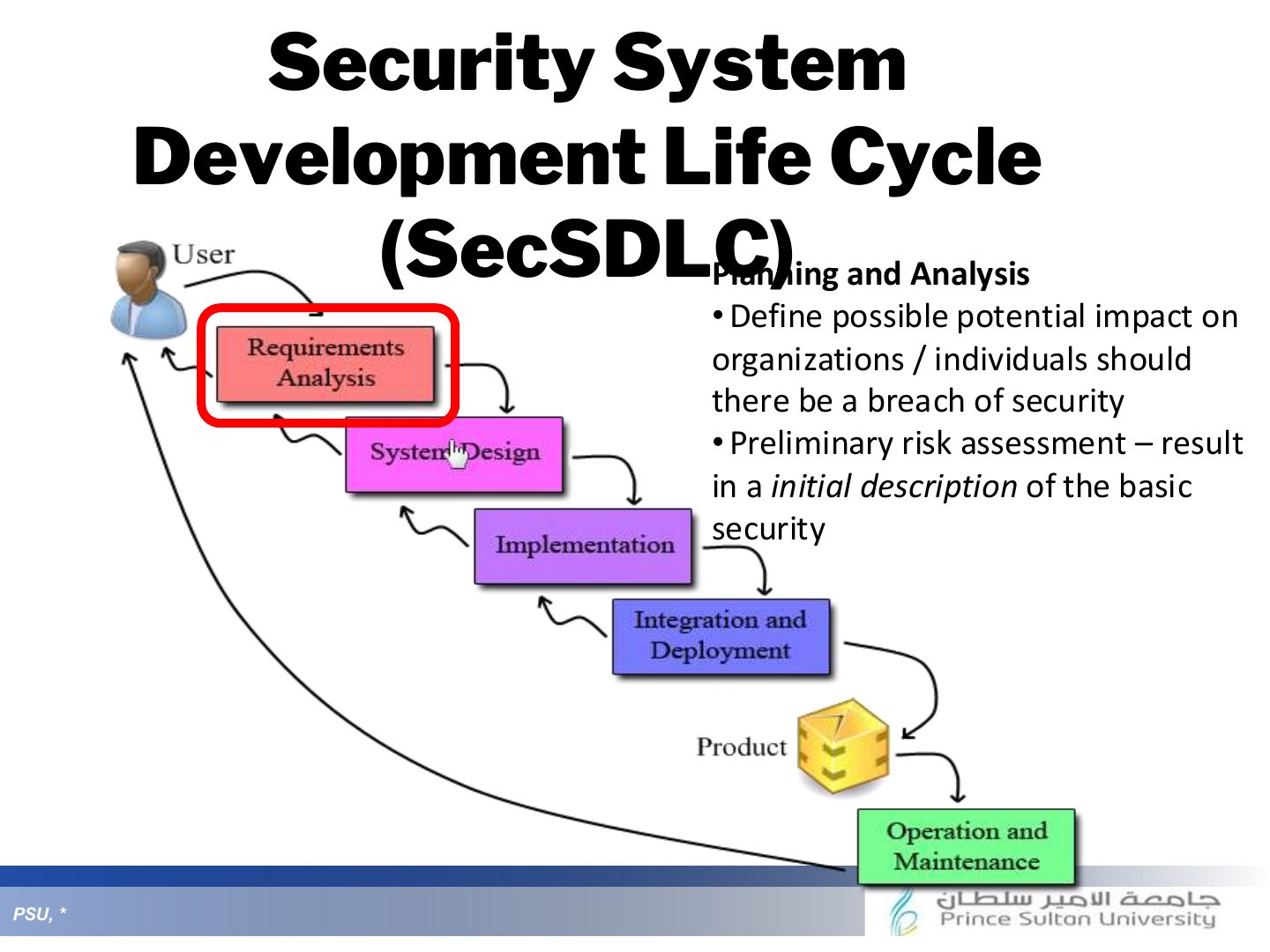
SecSDLC analysis: study threats, existing controls, legal issues; risk management starts.
Security System Development Life Cycle
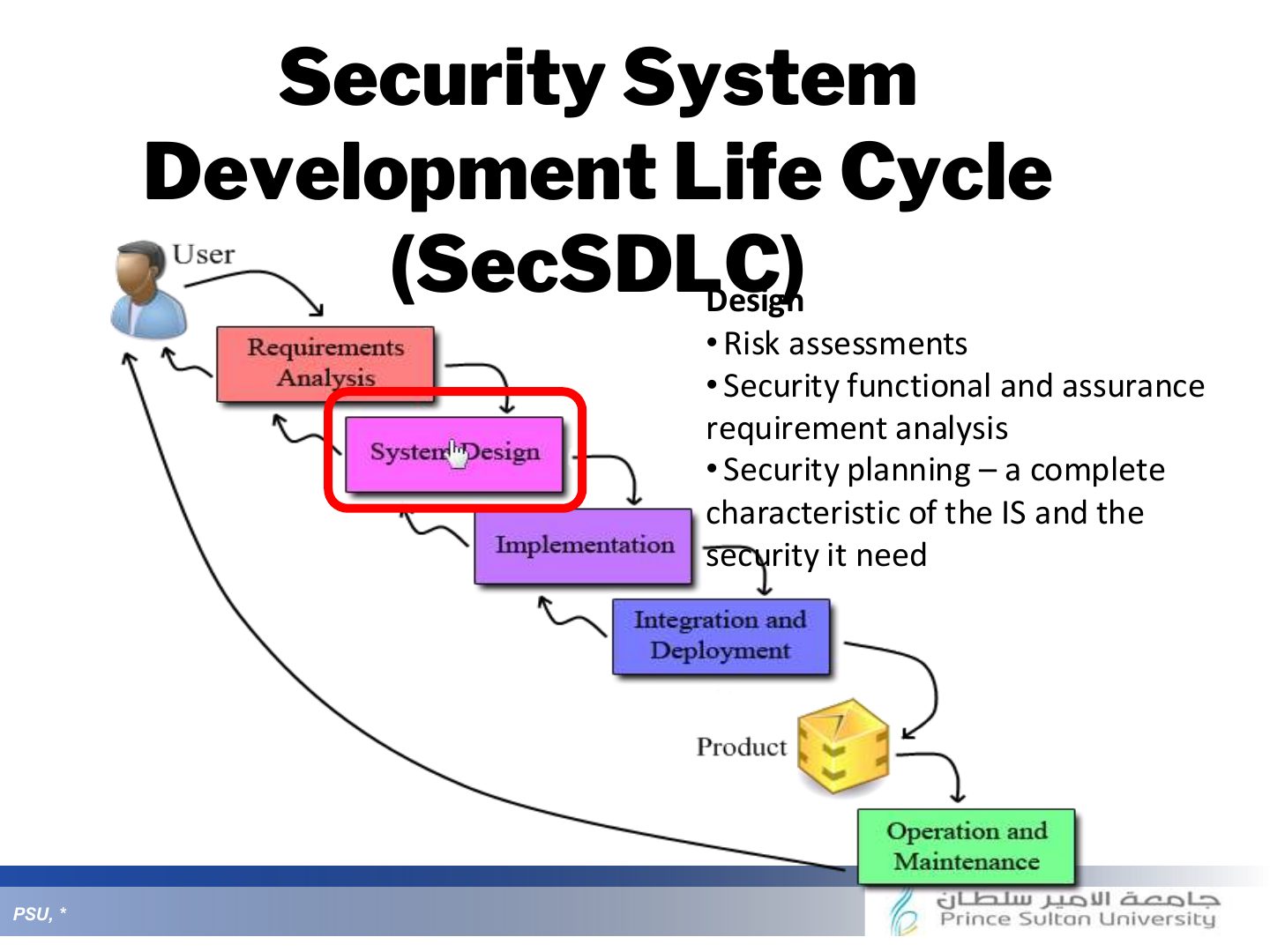
Notes
SecSDLC logical design: security blueprint, incident response and continuity plans.
Security System Development Life Cycle
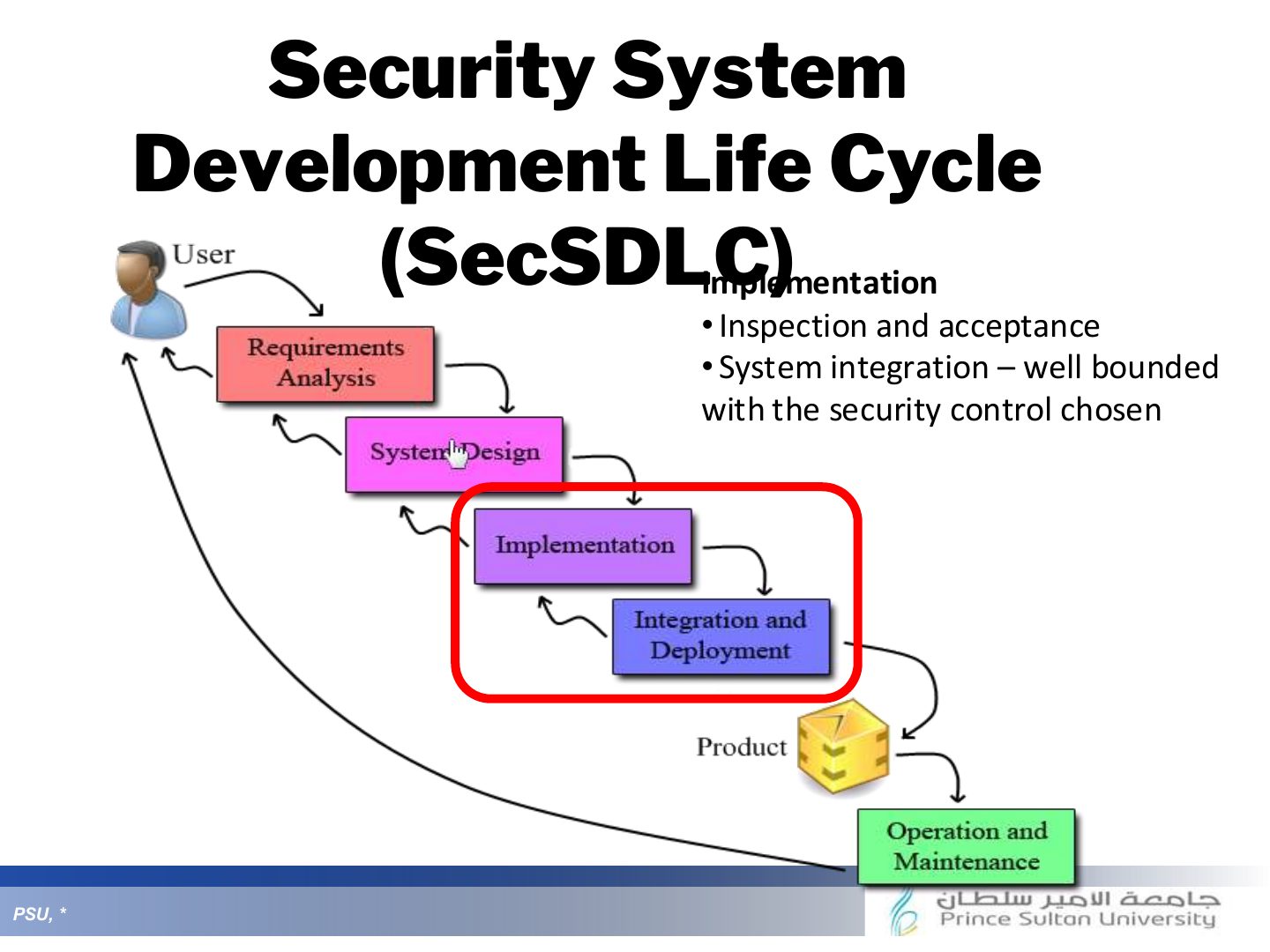
Notes
SecSDLC physical design and implementation: choose and install the technology; test.
Security System Development Life Cycle
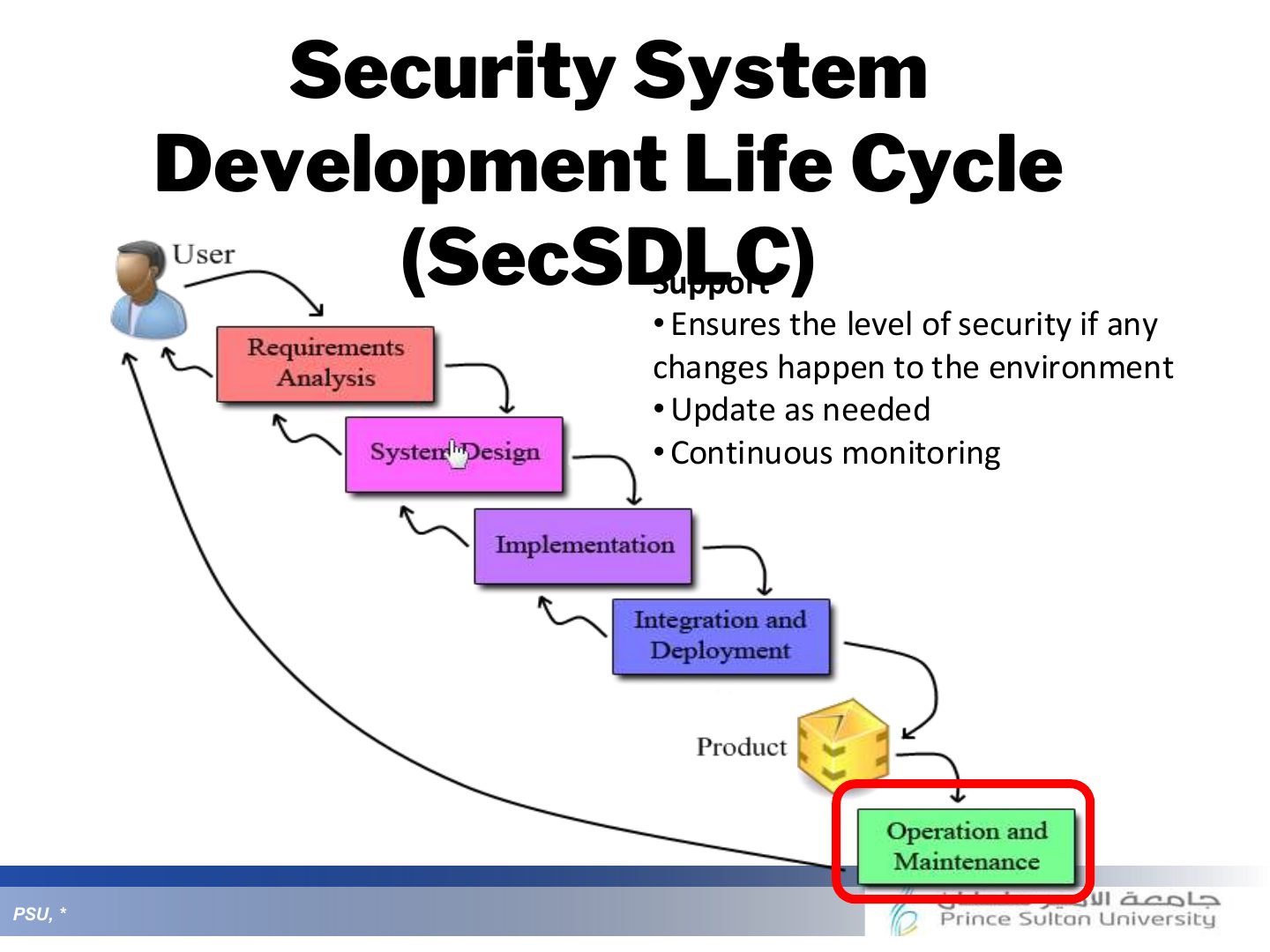
Notes
SecSDLC maintenance: monitor, test, update, respond to incidents.
Exam angle
Give two security activities for the design and maintenance phases of the SecSDLC. (Quiz 1 232, Q4)
Compare with the model answer
Design: threat modelling and a secure architecture/security blueprint; review the design against the security requirements. Maintenance: apply patches and security updates; continuously monitor logs and run periodic vulnerability assessments and incident response.
SDLC vs. SecSDLC
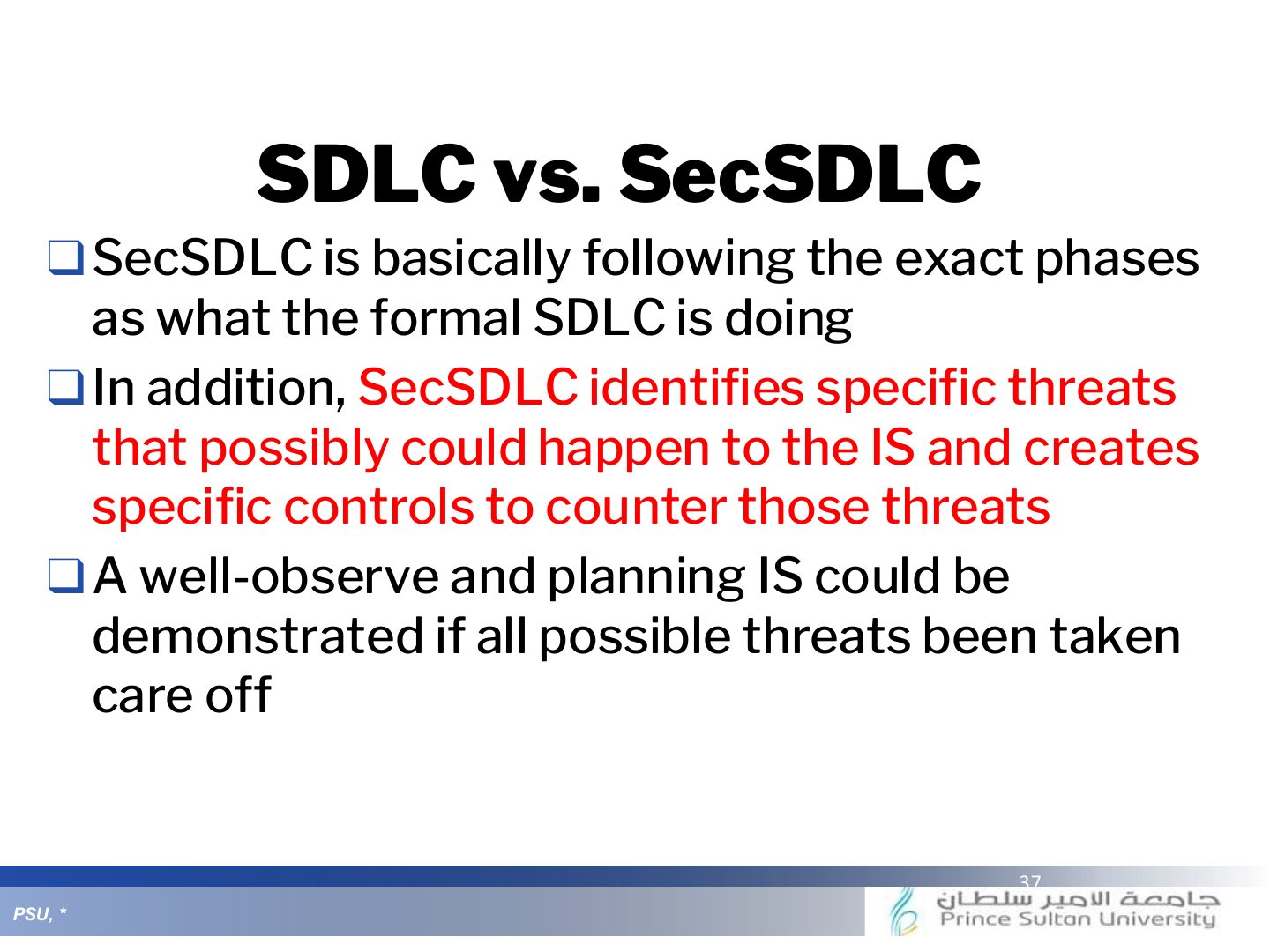
Slide 38
Notes
Recap.