Q8: the language that queries and manipulates data
The Relational Model and DBMS Architecture
DBMS languages (DDL, DML, DCL, TCL), relations, tuples, attributes and domains, characteristics of relations, domain, key, NULL, entity-integrity and referential-integrity constraints, update operations and their violations, DBMS modules, and centralized, two-tier and three-tier architectures.
How to read this page
Every original slide is shown unchanged. Yellow marks on a slide point to a numbered note: hover or tap a mark to jump to its note, and hover a note to see its marks. Questions tagged Past exam appeared on a real paper; Prediction questions are likely angles, not confirmed. Pick an answer to each question: a wrong pick tells you why it is wrong, so you can try again.
All 70 slides
- 1 The Relational Model
- 2 PROJECT NEXT STEPS (SPECIFICATIONS)
- 3 LEARNING GOALS
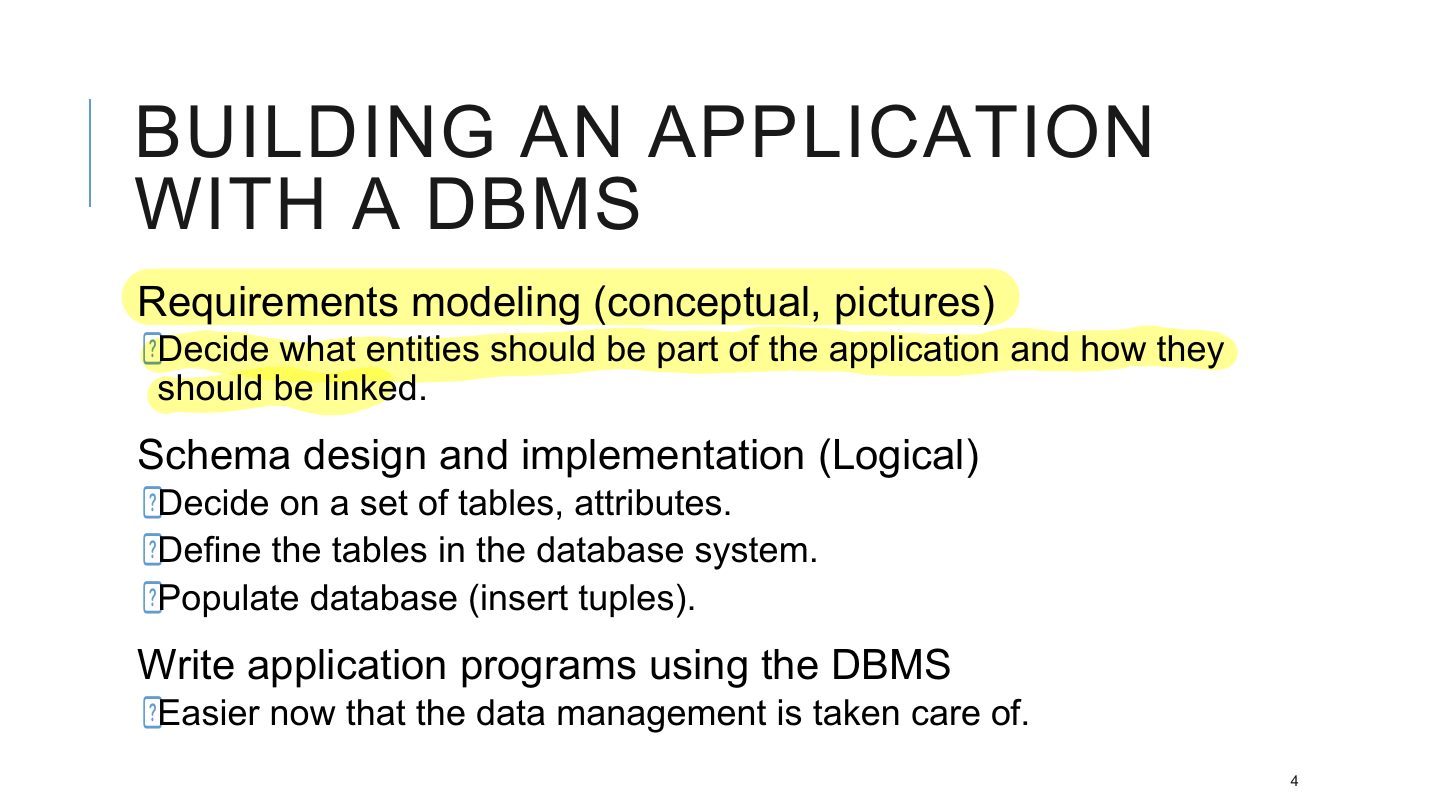
- 4 BUILDING AN APPLICATION WITH A DBMS
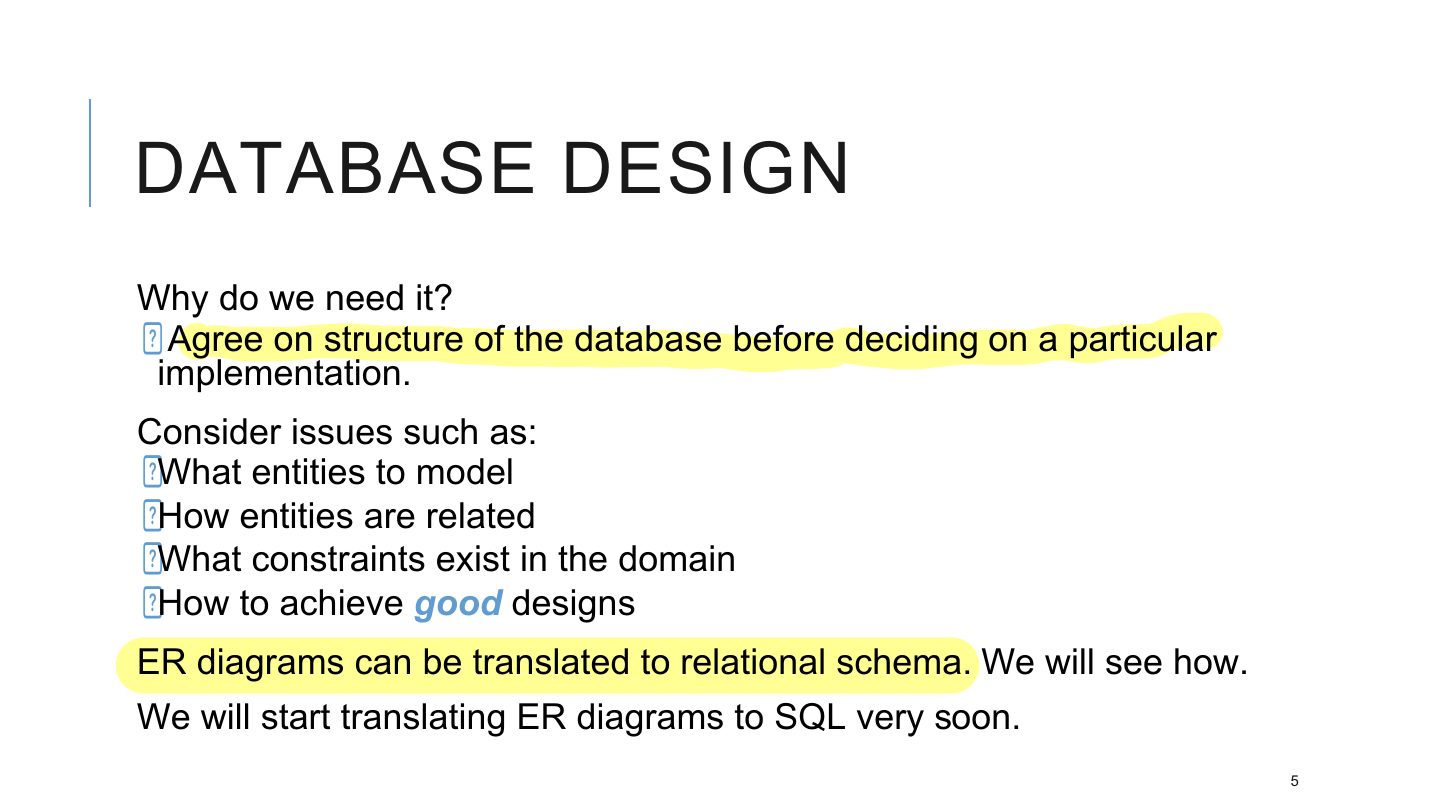
- 5 DATABASE DESIGN
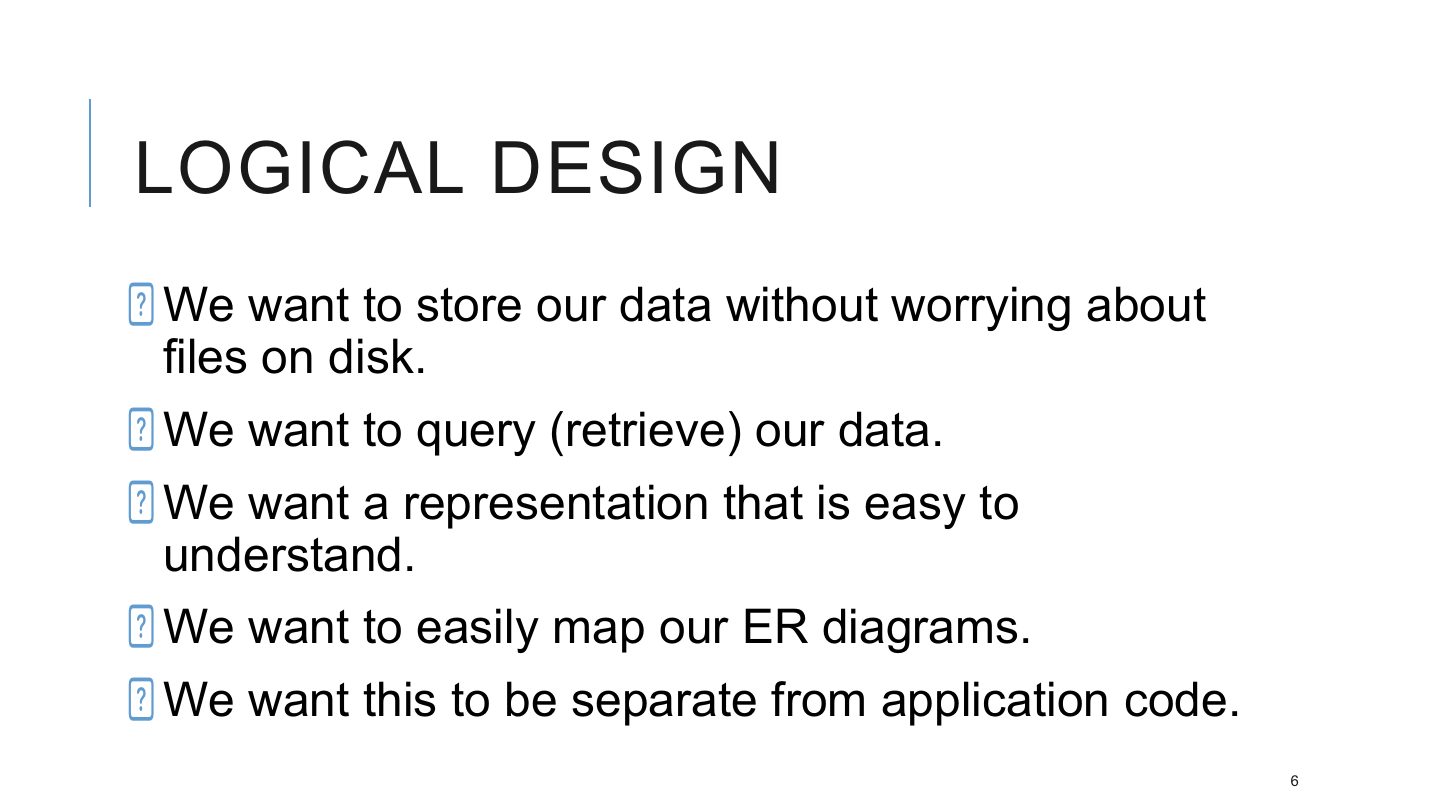
- 6 LOGICAL DESIGN
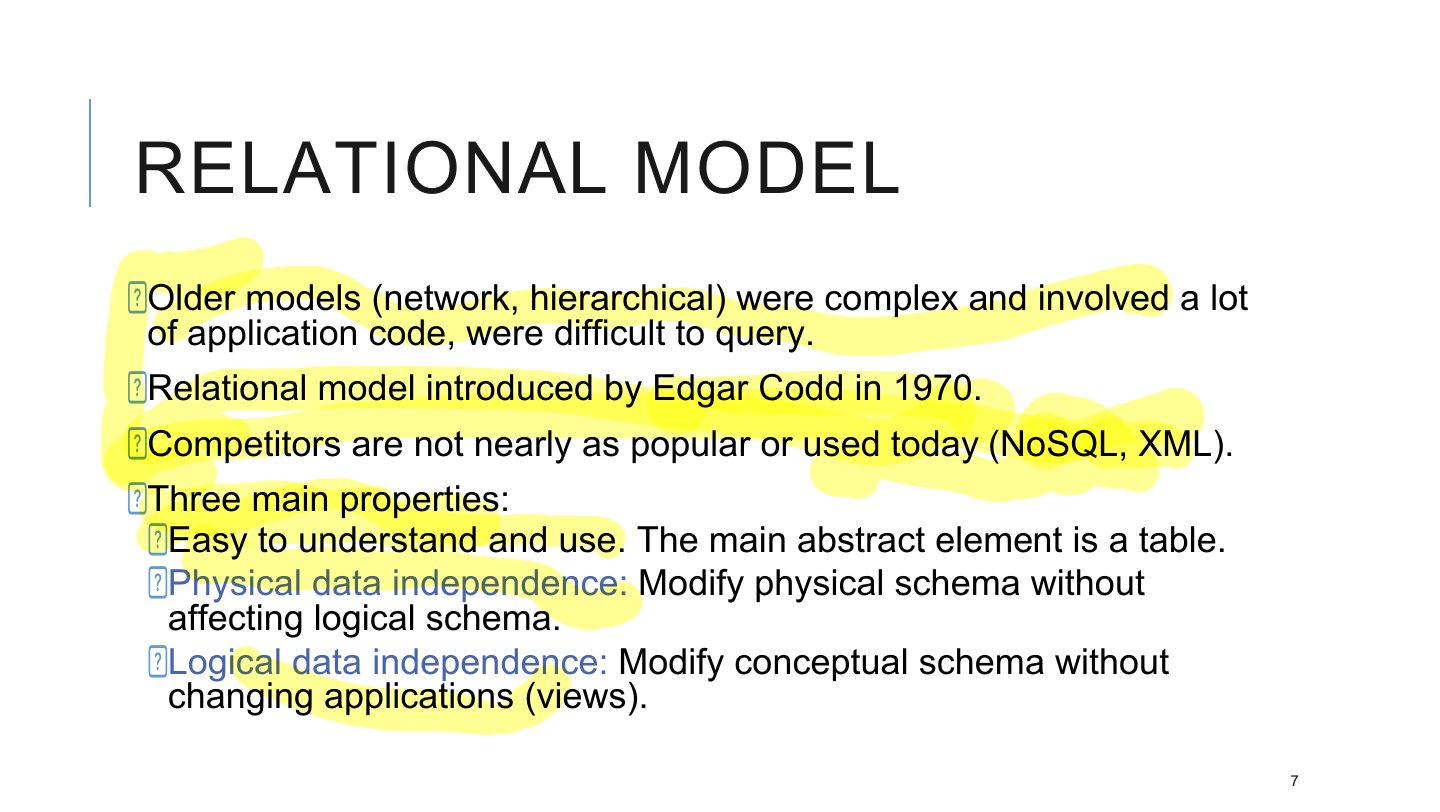
- 7 RELATIONAL MODEL
- 8 DBMS LANGUAGES
- 9 DBMS LANGUAGES
- 10 DDL COMMANDS
- 11 DIE
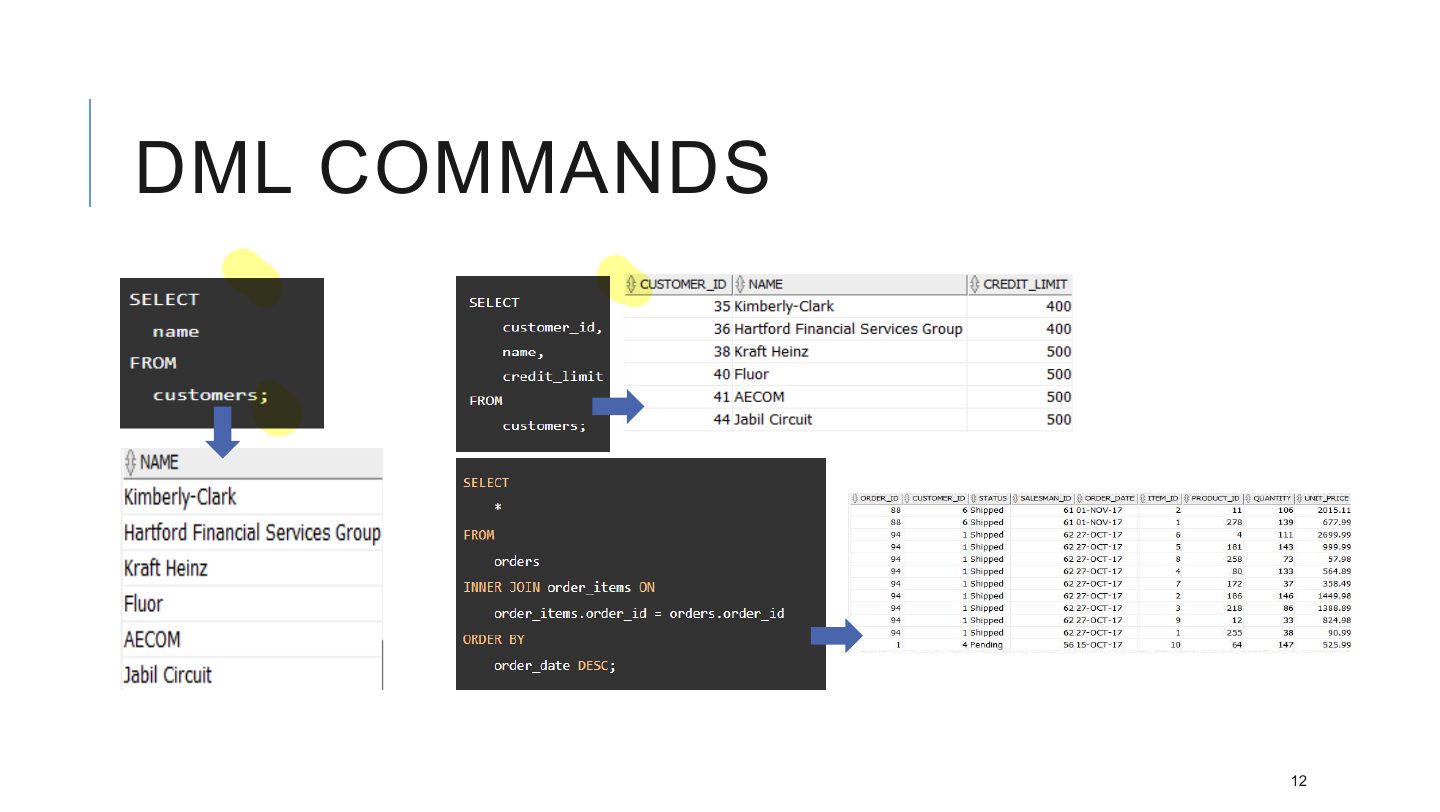
- 12 DML COMMANDS
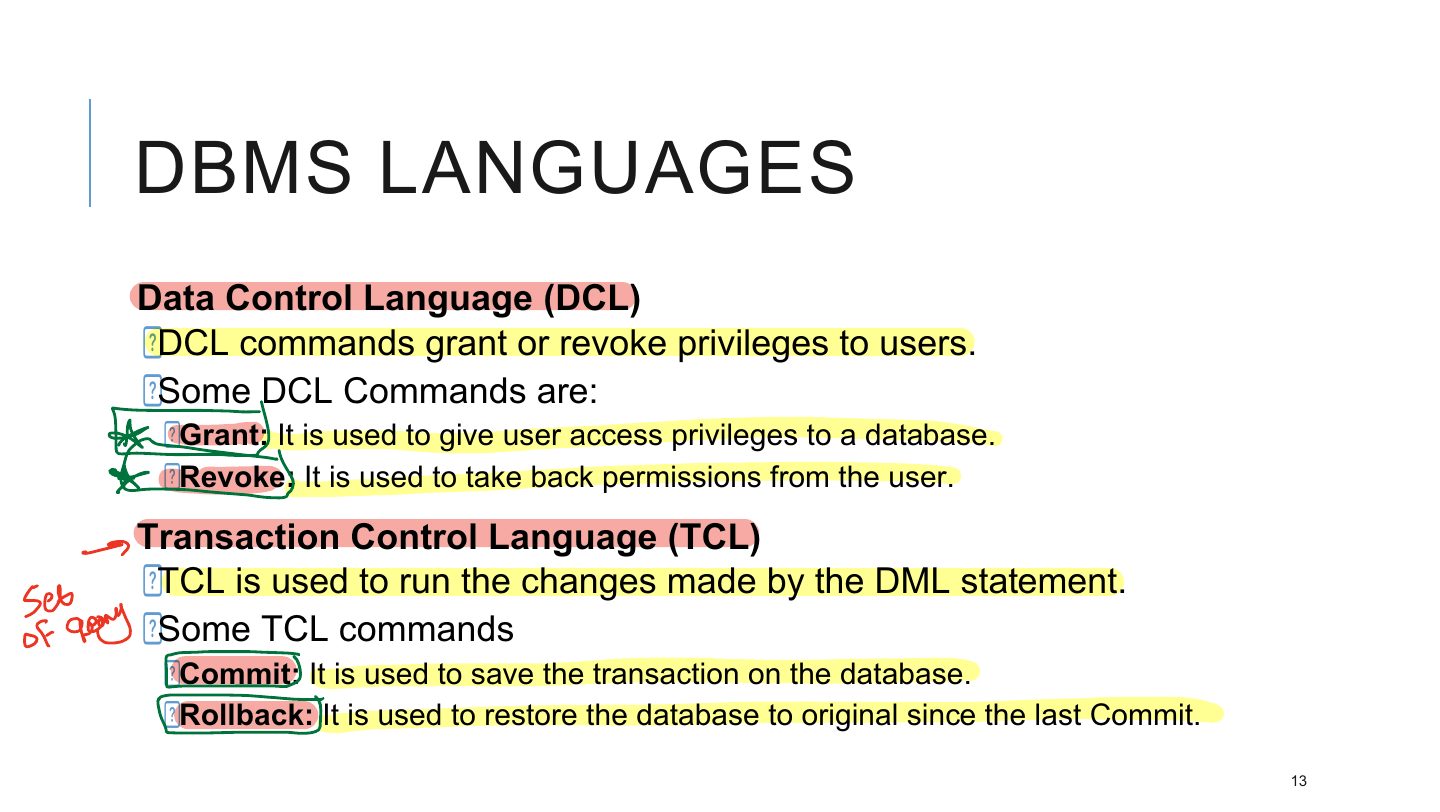
- 13 DBMS LANGUAGES
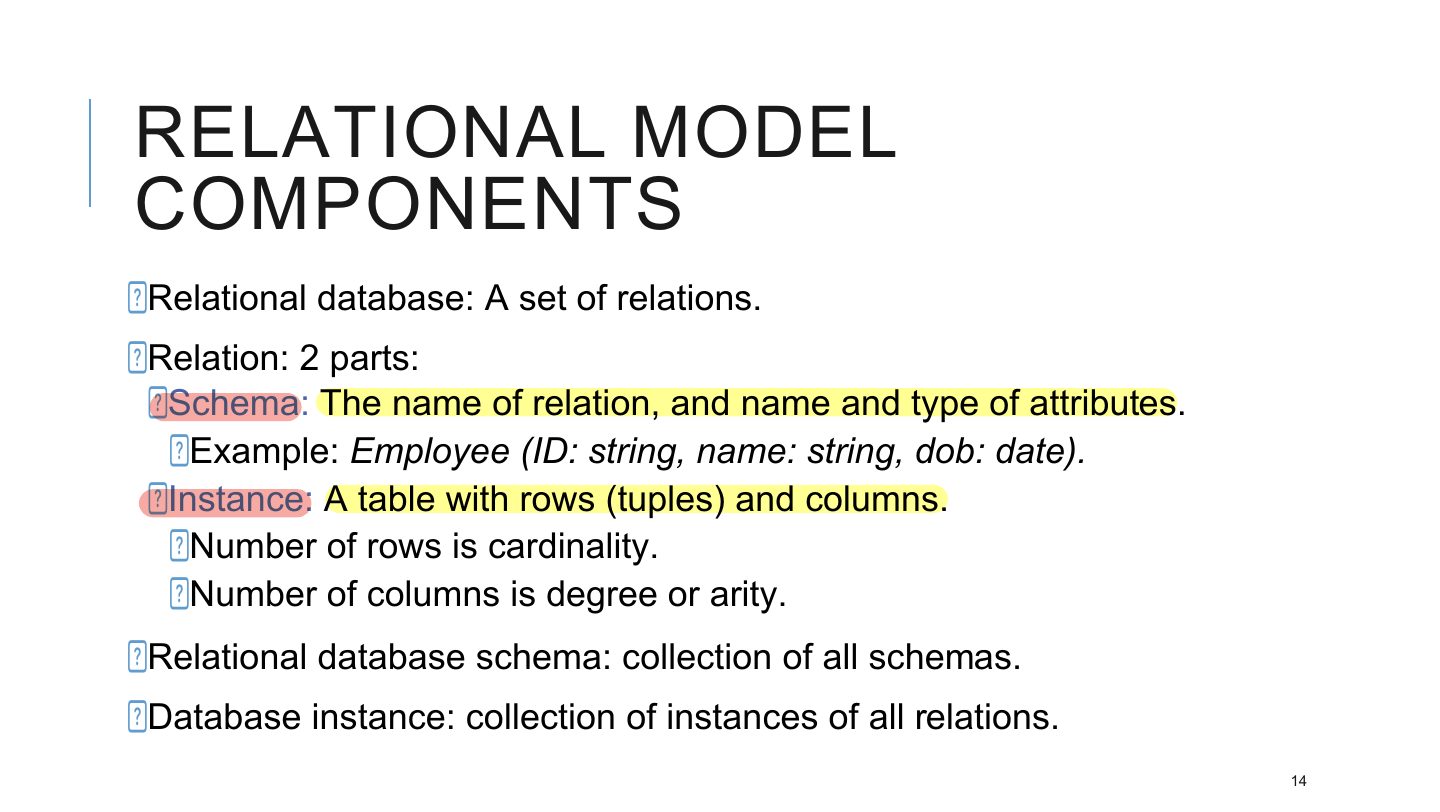
- 14 RELATIONAL MODEL COMPONENTS
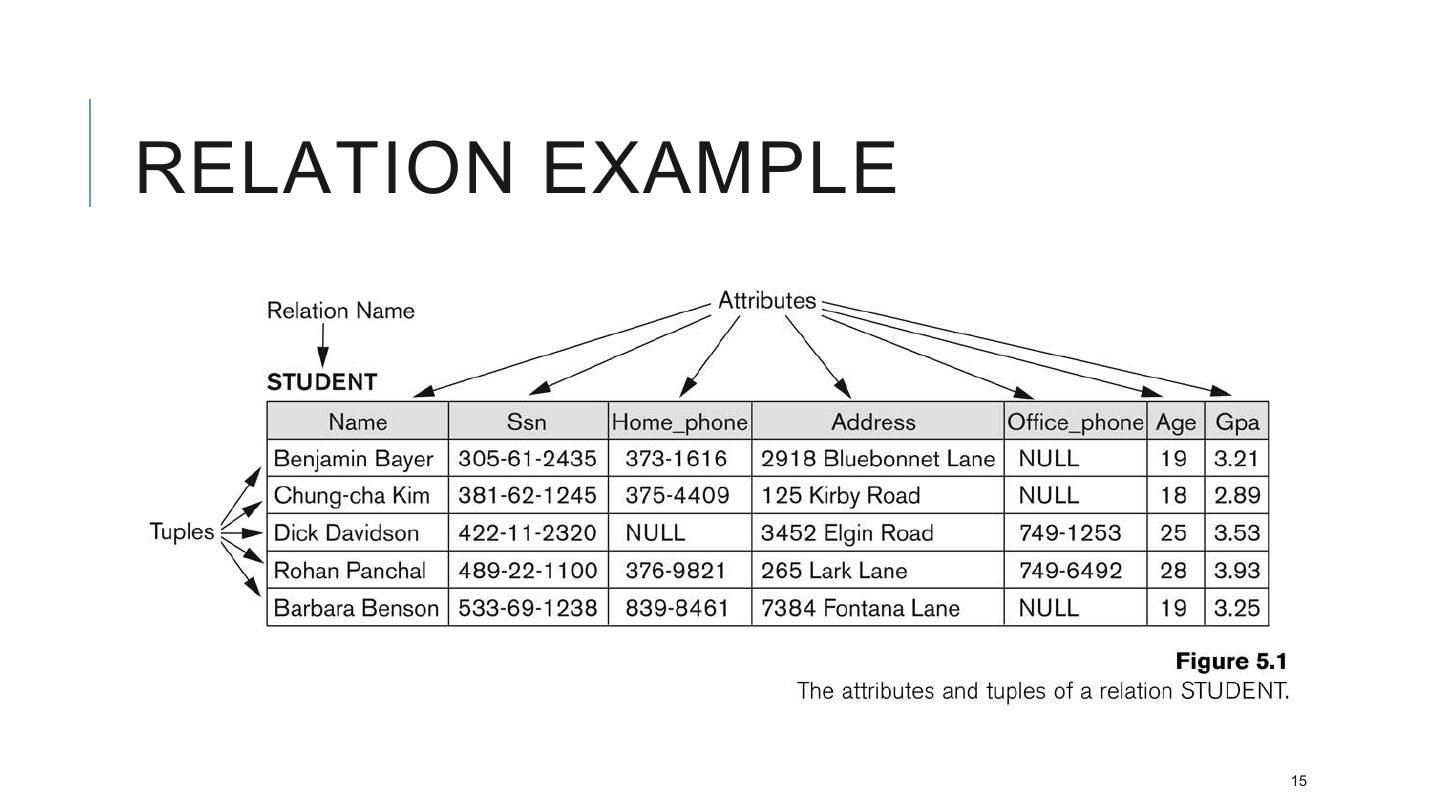
- 15 RELATION EXAMPLE
- 16 FORMAL DEFINITIONS
- 17 ACTIVITY
- 18 DEFINITIONS SUMMARY
- 19 CHARACTERISTICS OF RELATIONS
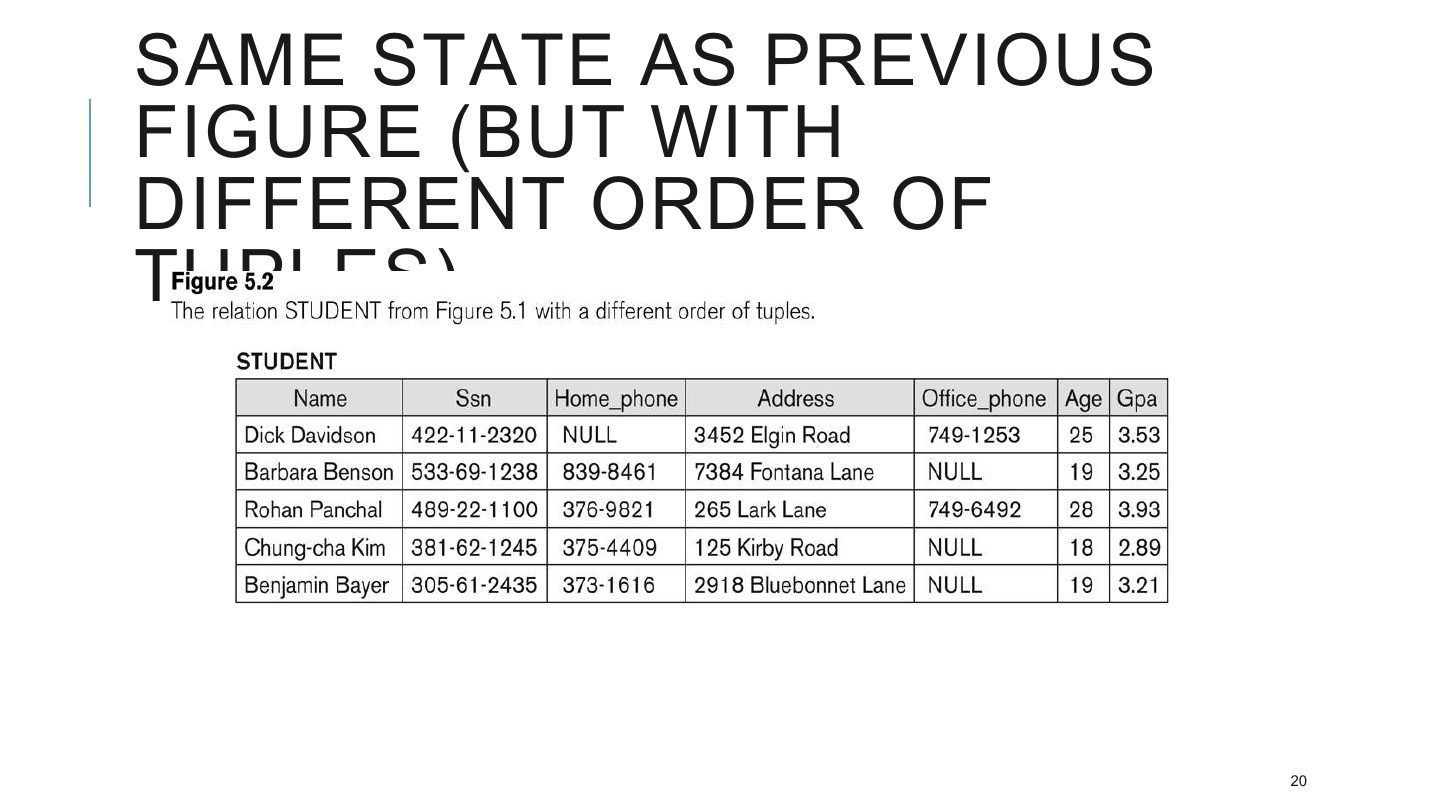
- 20 SAME STATE AS PREVIOUS FIGURE (BUT WITH DIFFERENT ORDER OF
- 21 CHARACTERISTICS OF RELATIONS
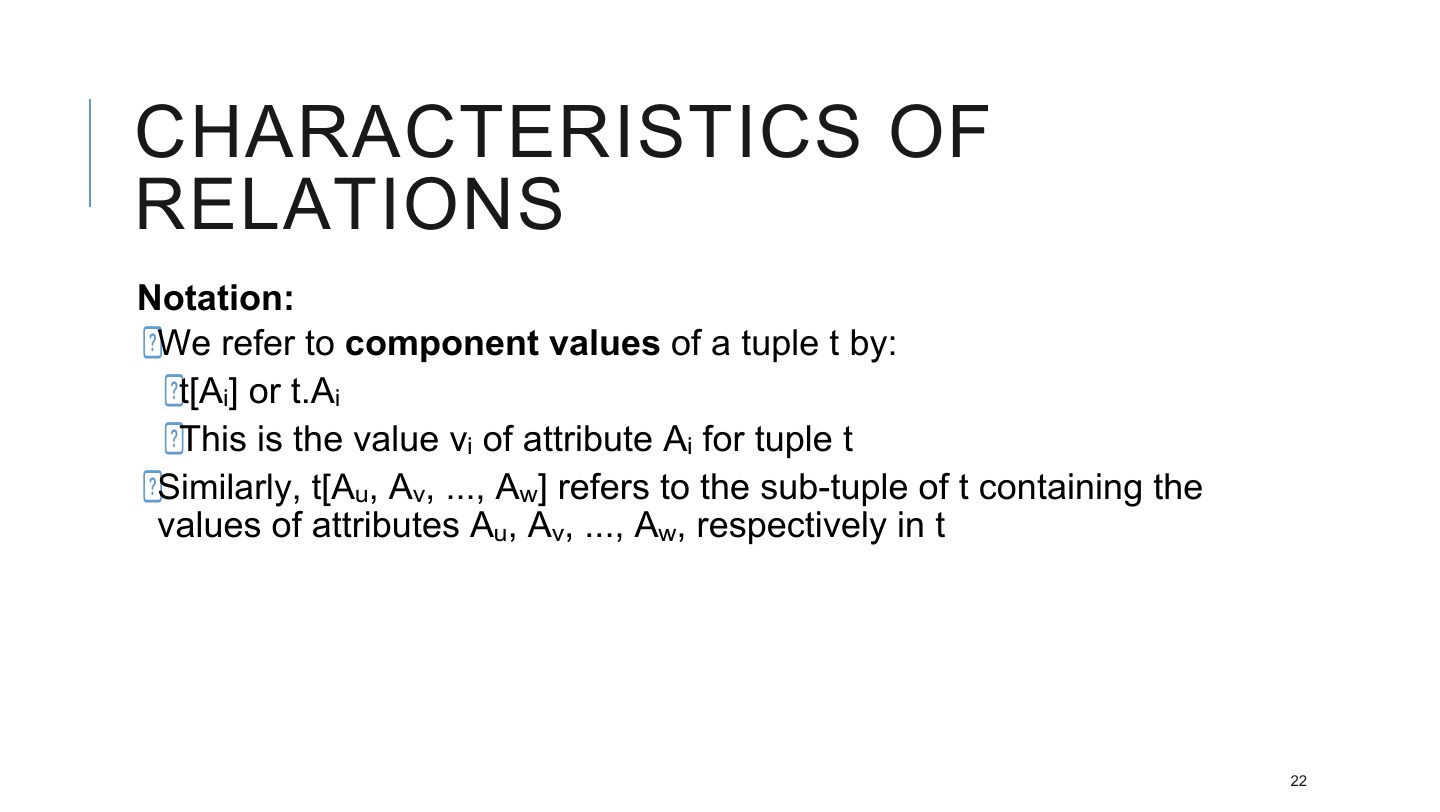
- 22 CHARACTERISTICS OF RELATIONS
- 23 RELATIONAL MODEL CONSTRAINTS
- 24 INHERENT MODEL-BASED OR IMPLICIT CONSTRAINTS
- 25 SCHEMA-BASED CONSTRAINTS
- 26 SCHEMA-BASED CONSTRAINTS
- 27 DOMAIN CONSTRAINTS
- 28 CONSTRAINTS ON NULL VALUES
- 29 sjw
- 30 KEY CONSTRAINTS (CONTINUED)
- 31 set
- 32 CAR TABLE WITH TWO CANDIDATE KEYS
- 33 ACTIVITY
- 34 RELATIONAL DATABASE SCHEMA
- 35 Slide 35
- 36 RELATIONAL DATABASE STATE
- 37 POPULATED DATABASE STATE
- 38 Slide 38
- 39 Eat
- 40 o
- 41 REFERENTIAL INTEGRITY
- 42 REFERENTIAL INTEGRITY CONSTRAINTS
- 43 REFERENTIAL INTEGRITY (OR FOREIGN KEY) CONSTRAINT
- 44 DISPLAYING A RELATIONAL DATABASE SCHEMA AND ITS CONSTRAINTS
- 45 Slide 45
- 46 OTHER TYPES OF CONSTRAINTS
- 47 UPDATE OPERATIONS ON RELATIONS
- 48 UPDATE OPERATIONS ON RELATIONS
- 49 cases
- 50 POSSIBLE VIOLATIONS FOR EACH OPERATION
- 51 THE DELETE OPERATION
- 52 POSSIBLE VIOLATIONS FOR EACH OPERATION
- 53 t
- 54 ACTIVITY
- 55 NEXT..
- 56 TYPICAL DBMS COMPONENT MODULES
- 57 DBMS COMPONENT MODULES
- 58 DBMS COMPONENT MODULES
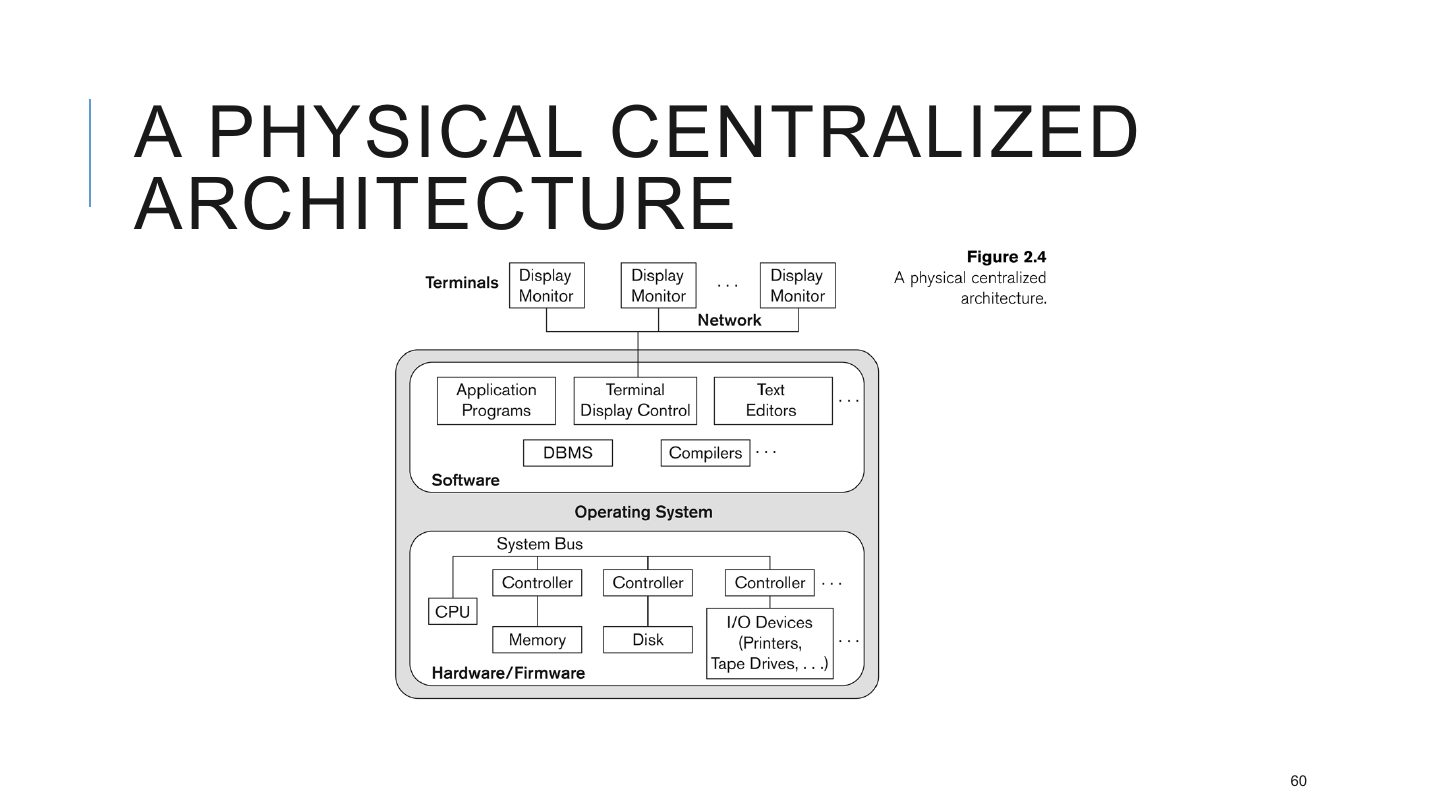
- 59 CENTRALIZED AND CLIENT- SERVER DBMS ARCHITECTURES
- 60 A PHYSICAL CENTRALIZED ARCHITECTURE
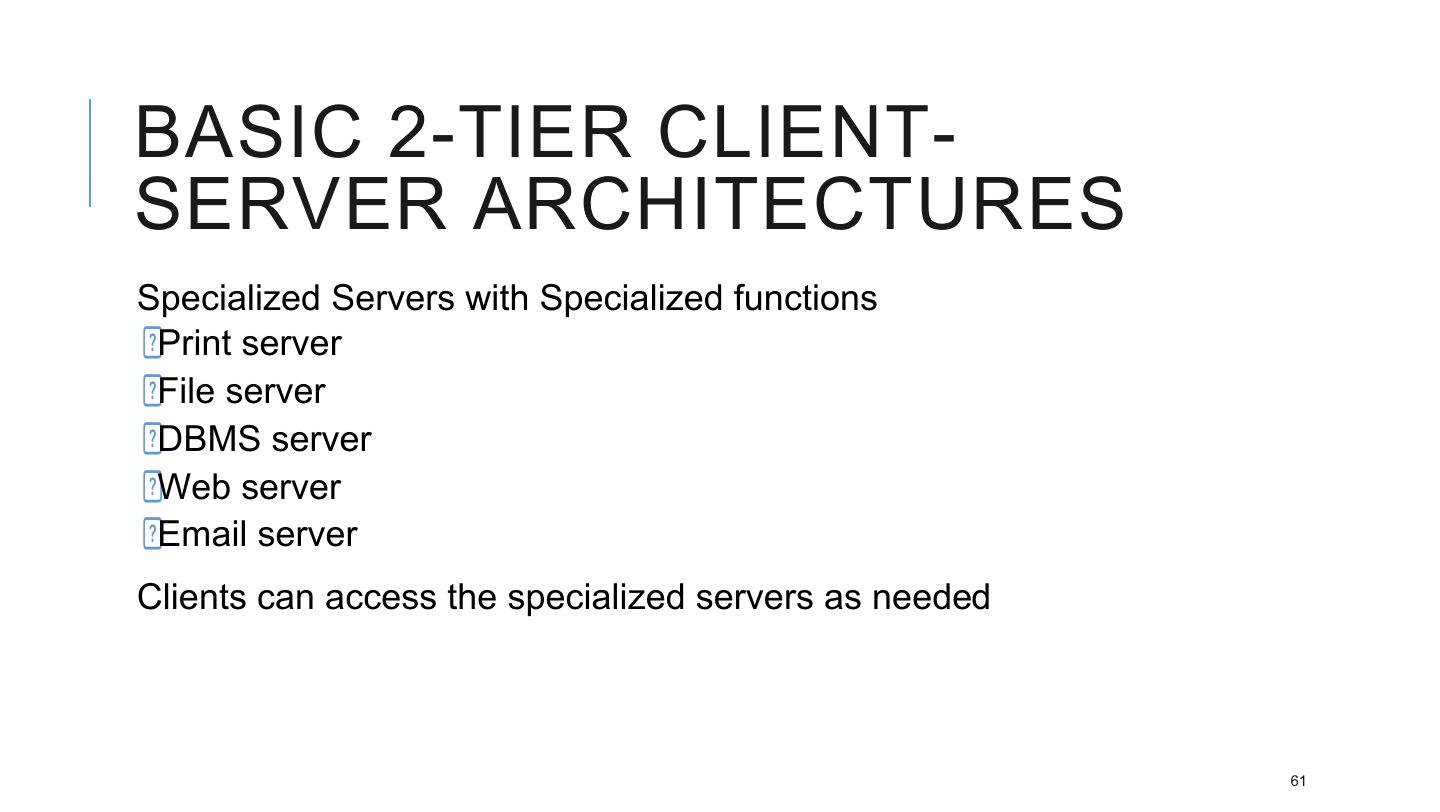
- 61 BASIC 2-TIER CLIENT- SERVER ARCHITECTURES
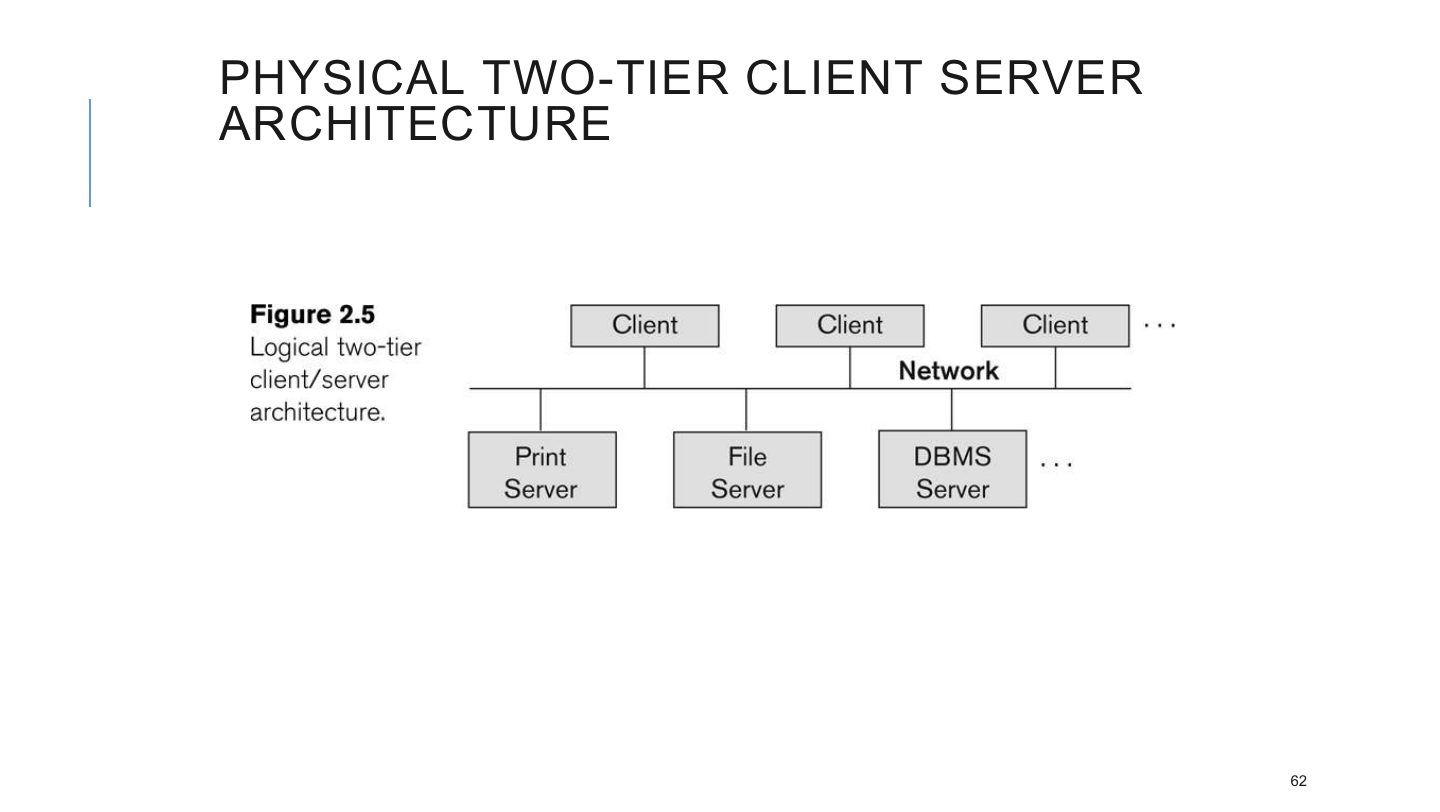
- 62 PHYSICAL TWO-TIER CLIENT SERVER ARCHITECTURE
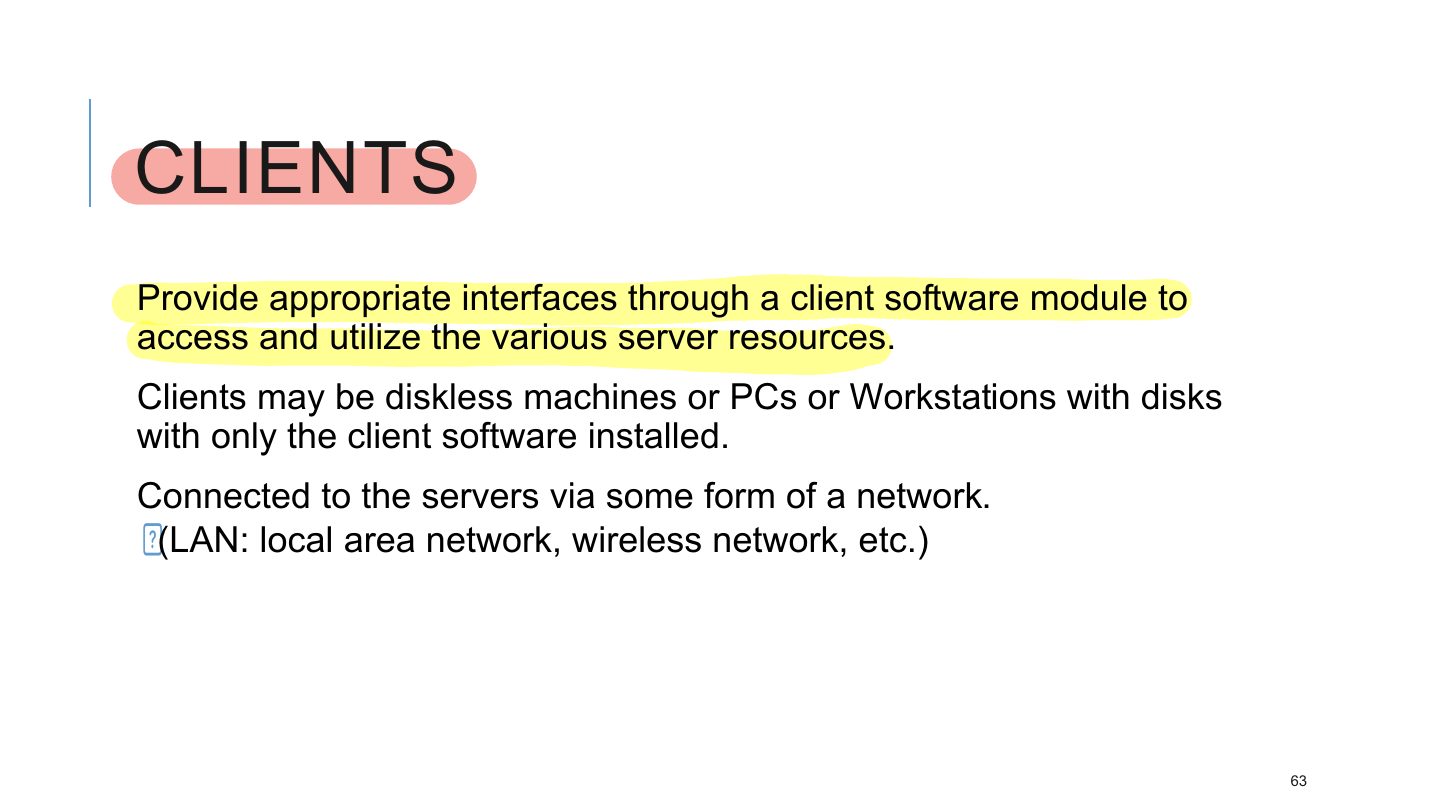
- 63 CLIENTS
- 64 DBMS SERVER
- 65 LOGICAL TWO-TIER CLIENT SERVER ARCHITECTURE
- 66 THREE-TIER CLIENT-SERVER ARCHITECTURE
- 67 THREE TIER CLIENT-SERVER ARCHITECTURE
- 68 THREE TIER CLIENT-SERVER ARCHITECTURE
- 69 THREE TIER CLIENT-SERVER ARCHITECTURE
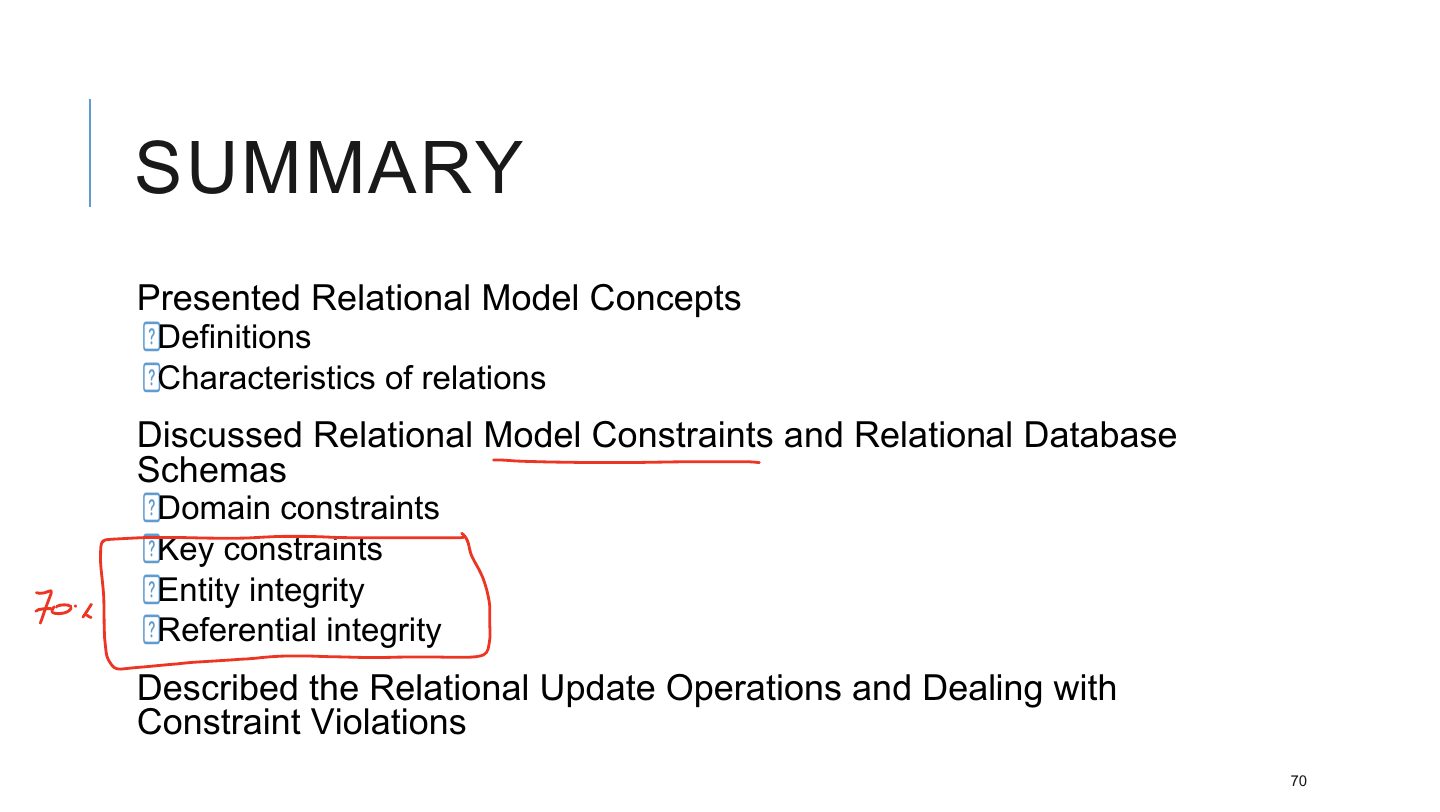
- 70 SUMMARY
The Relational Model
PROJECT NEXT STEPS (SPECIFICATIONS)
LEARNING GOALS
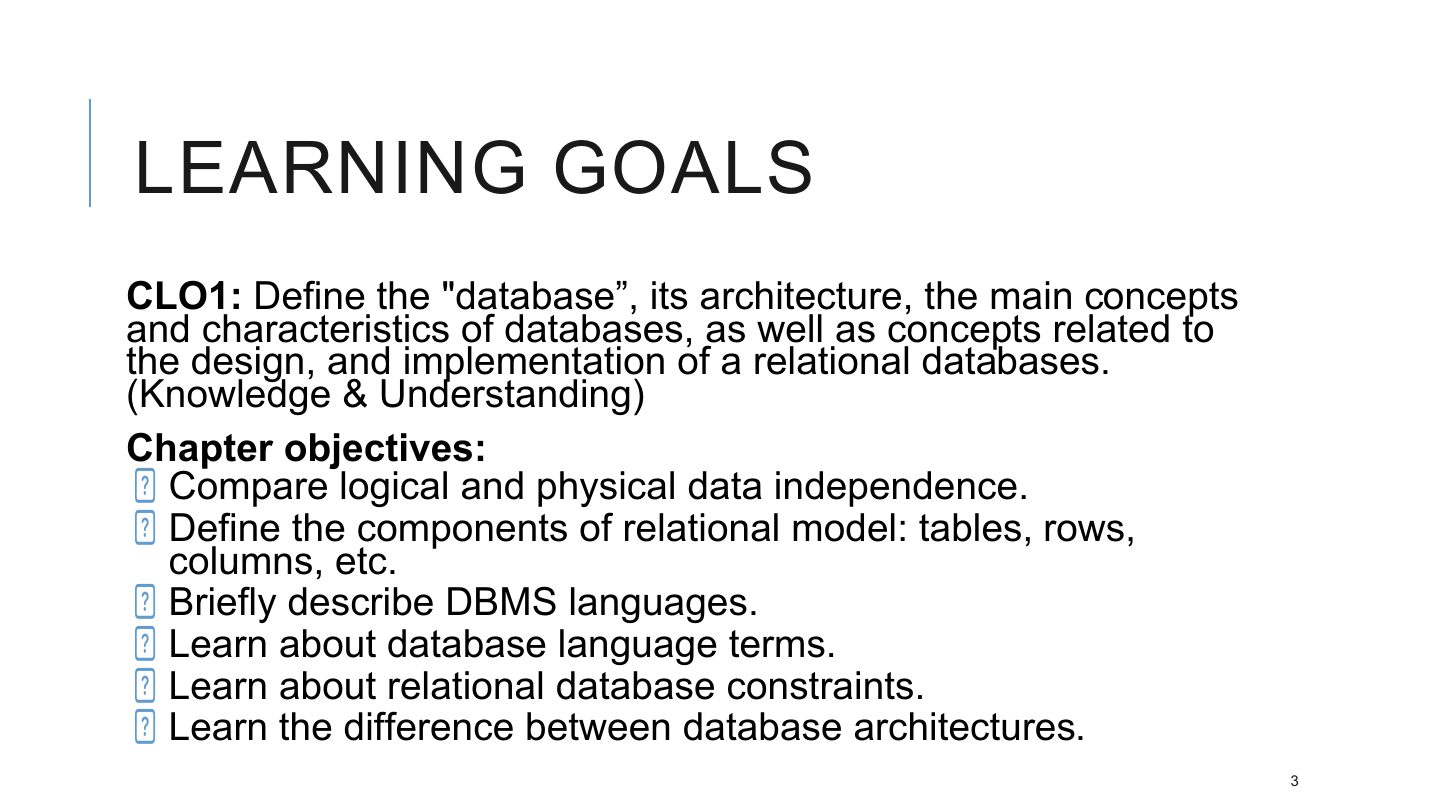
BUILDING AN APPLICATION WITH A DBMS
DATABASE DESIGN
LOGICAL DESIGN
RELATIONAL MODEL
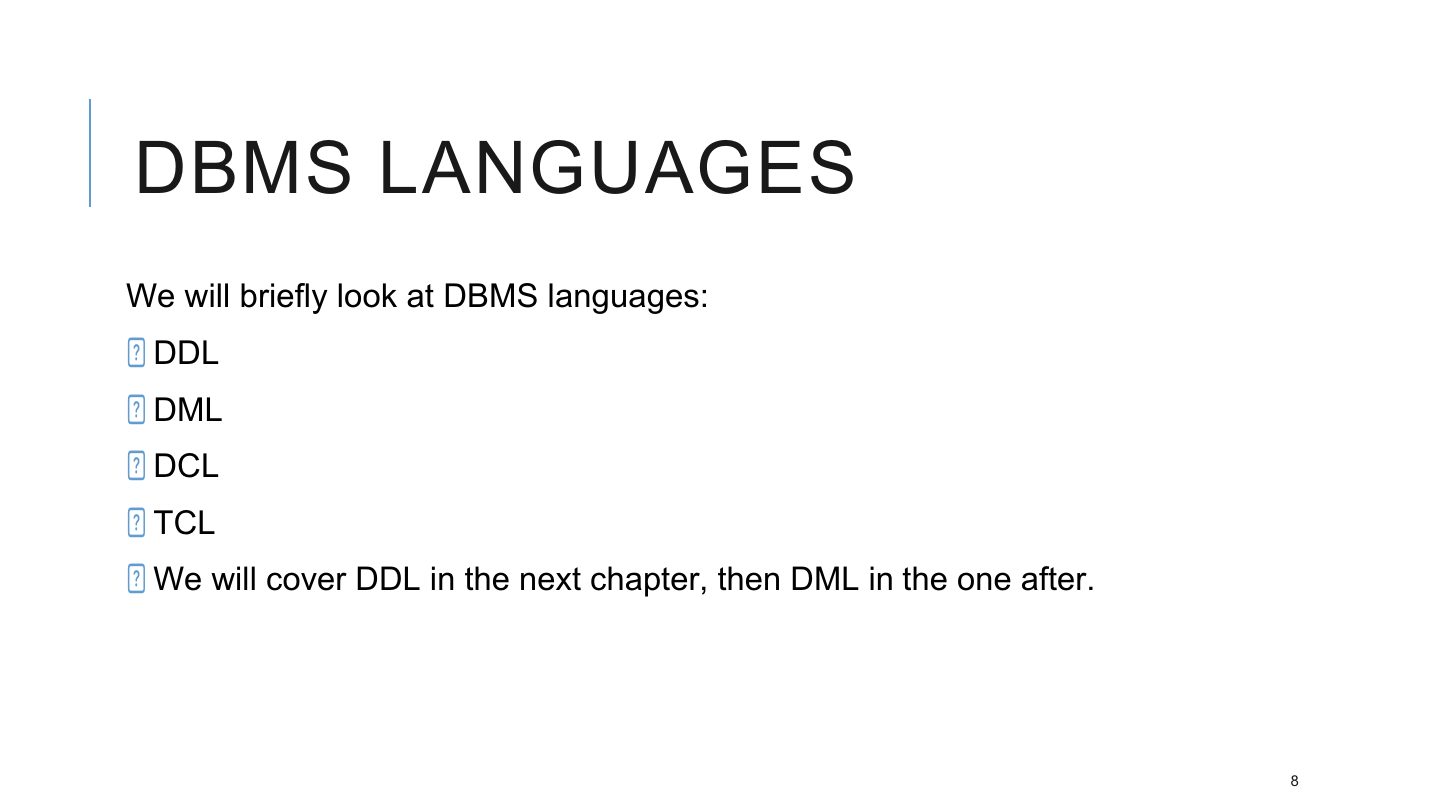
DBMS LANGUAGES
Notes
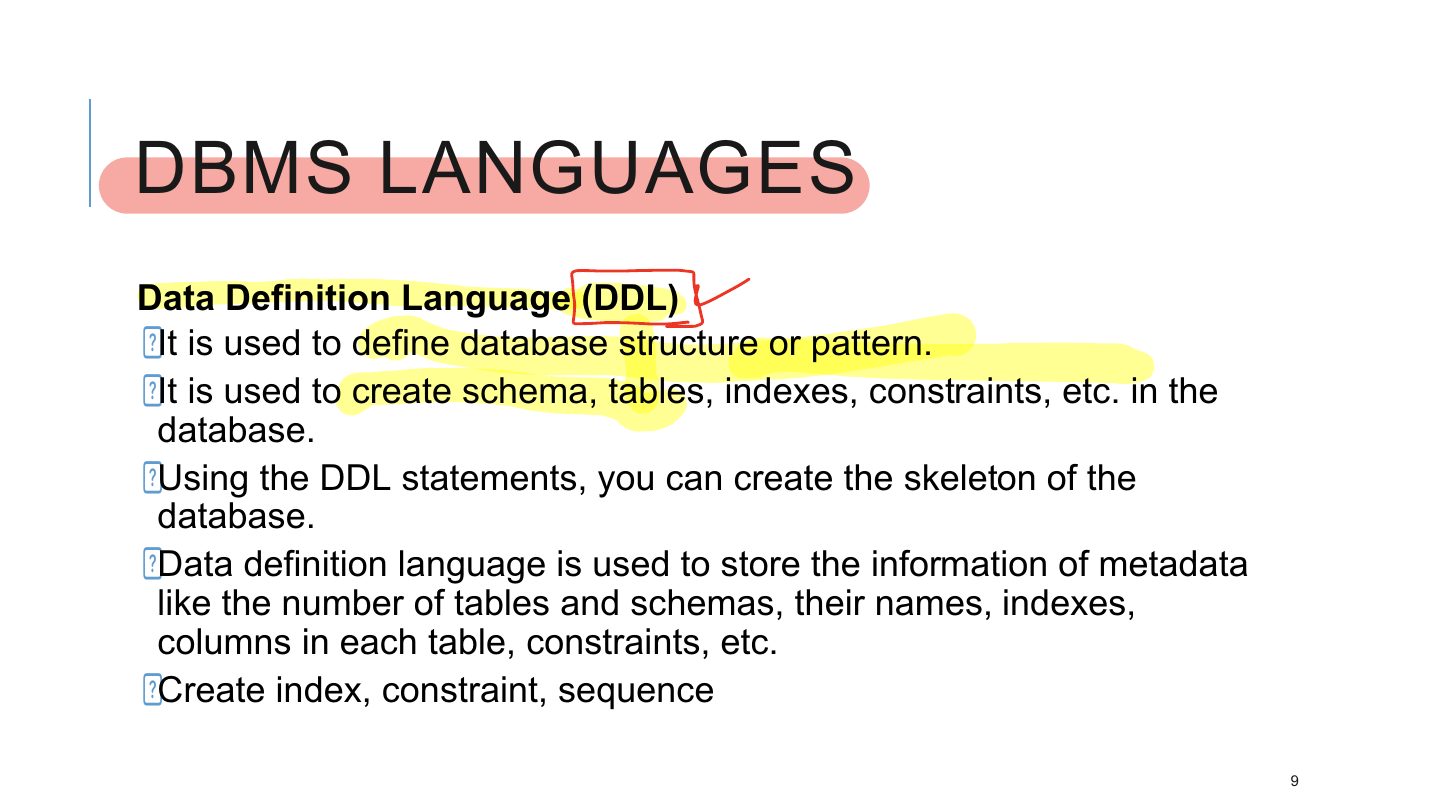
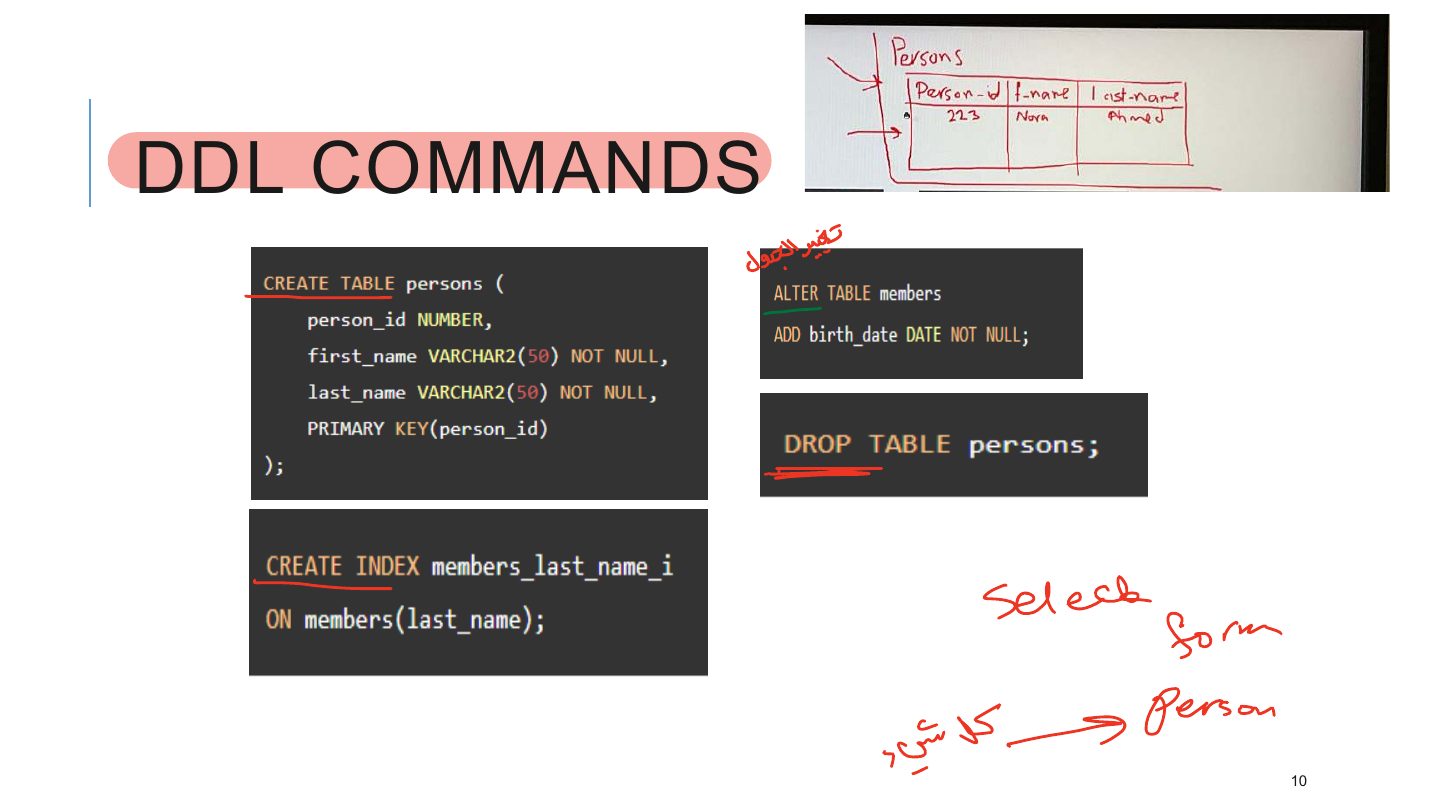
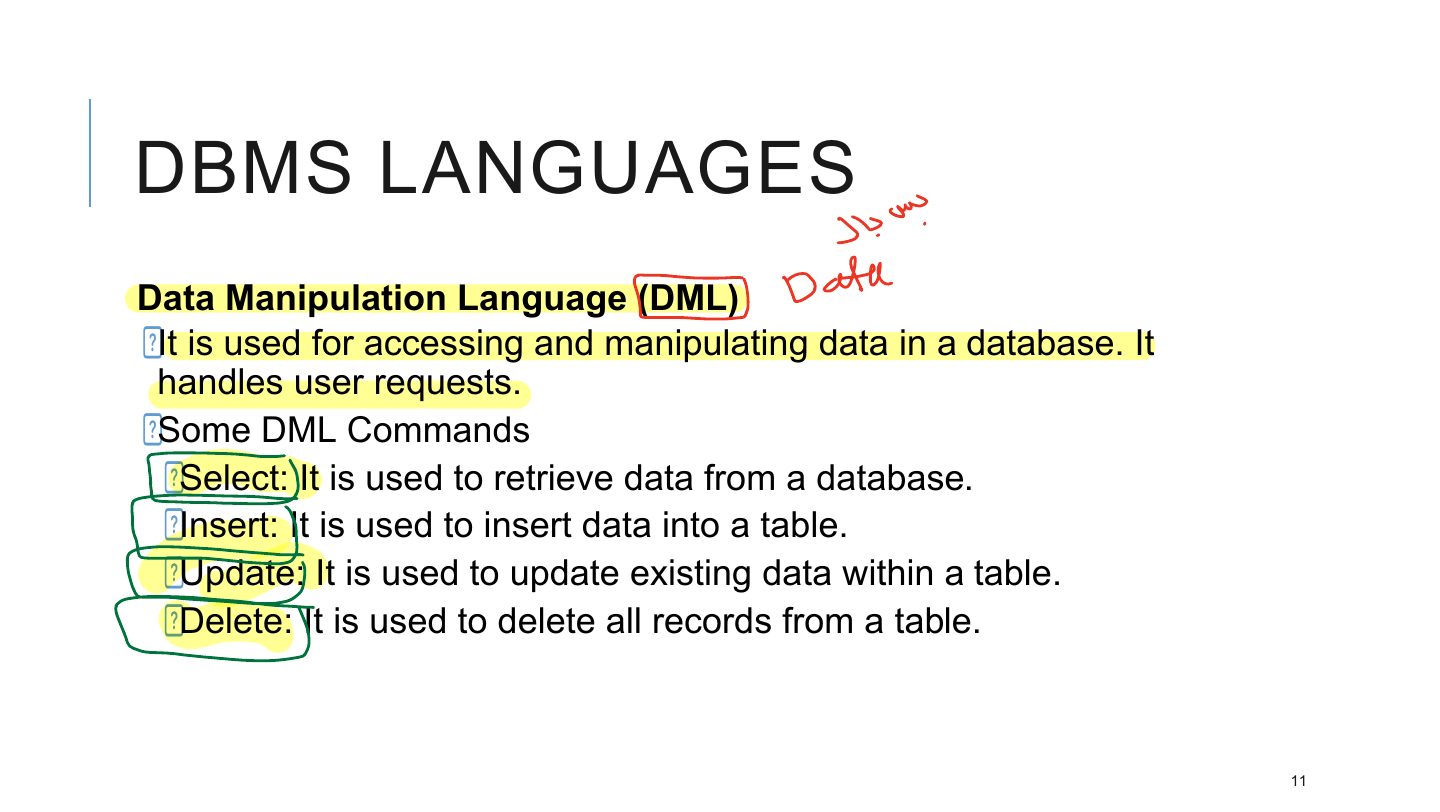
DDL defines structure (CREATE, ALTER, DROP). DML queries and changes data (SELECT, INSERT, UPDATE, DELETE). DCL: GRANT/REVOKE. TCL: COMMIT/ROLLBACK.
Exam angle
Which language queries and manipulates data?
ALTER TABLE belongs to:
DBMS LANGUAGES
DDL COMMANDS
DIE
DML COMMANDS
DBMS LANGUAGES
RELATIONAL MODEL COMPONENTS
Notes
Relation = table; tuple = row; attribute = column; domain = set of allowed values; degree = number of attributes; cardinality = number of tuples.
Exam angle
The number of attributes in a relation is its:
RELATION EXAMPLE
FORMAL DEFINITIONS
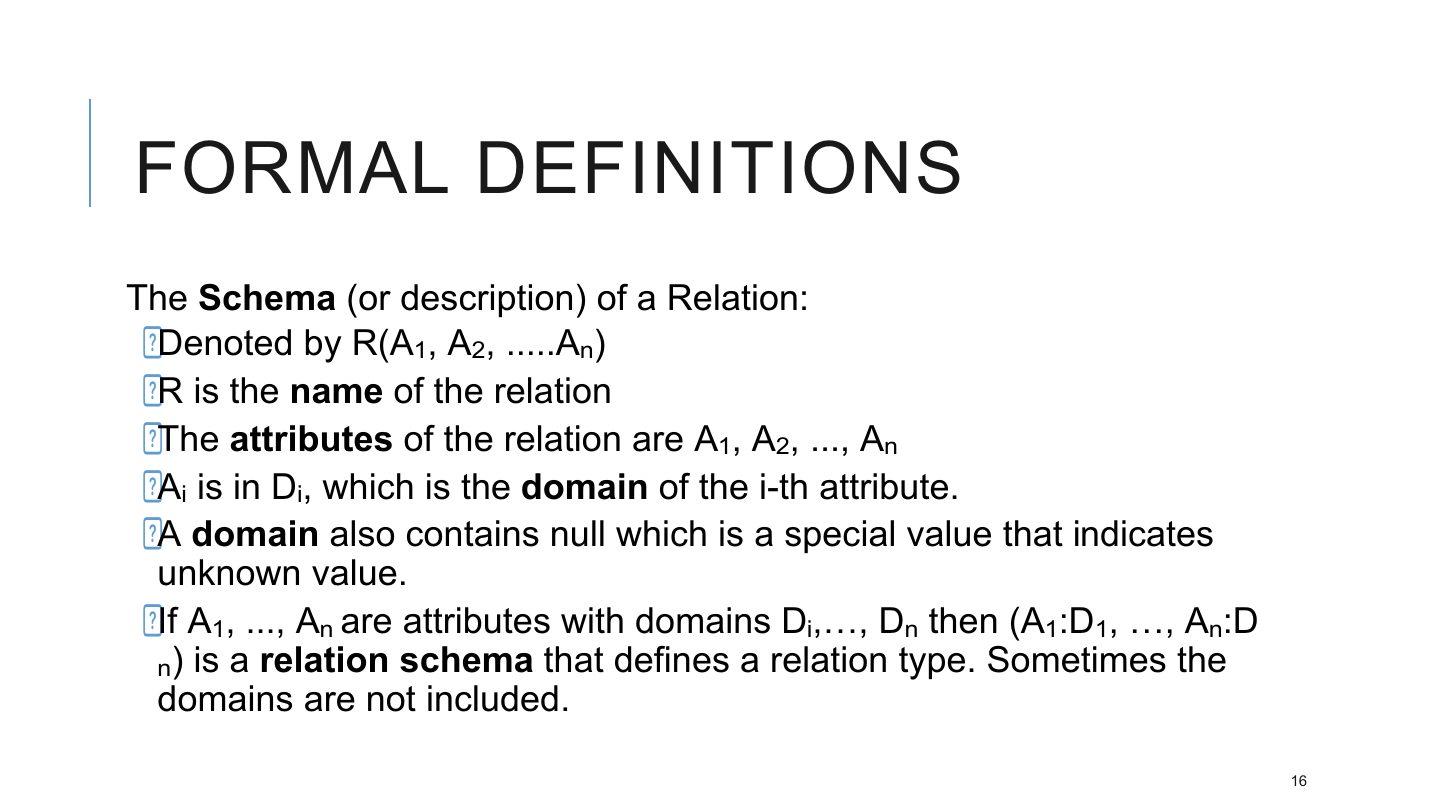
ACTIVITY
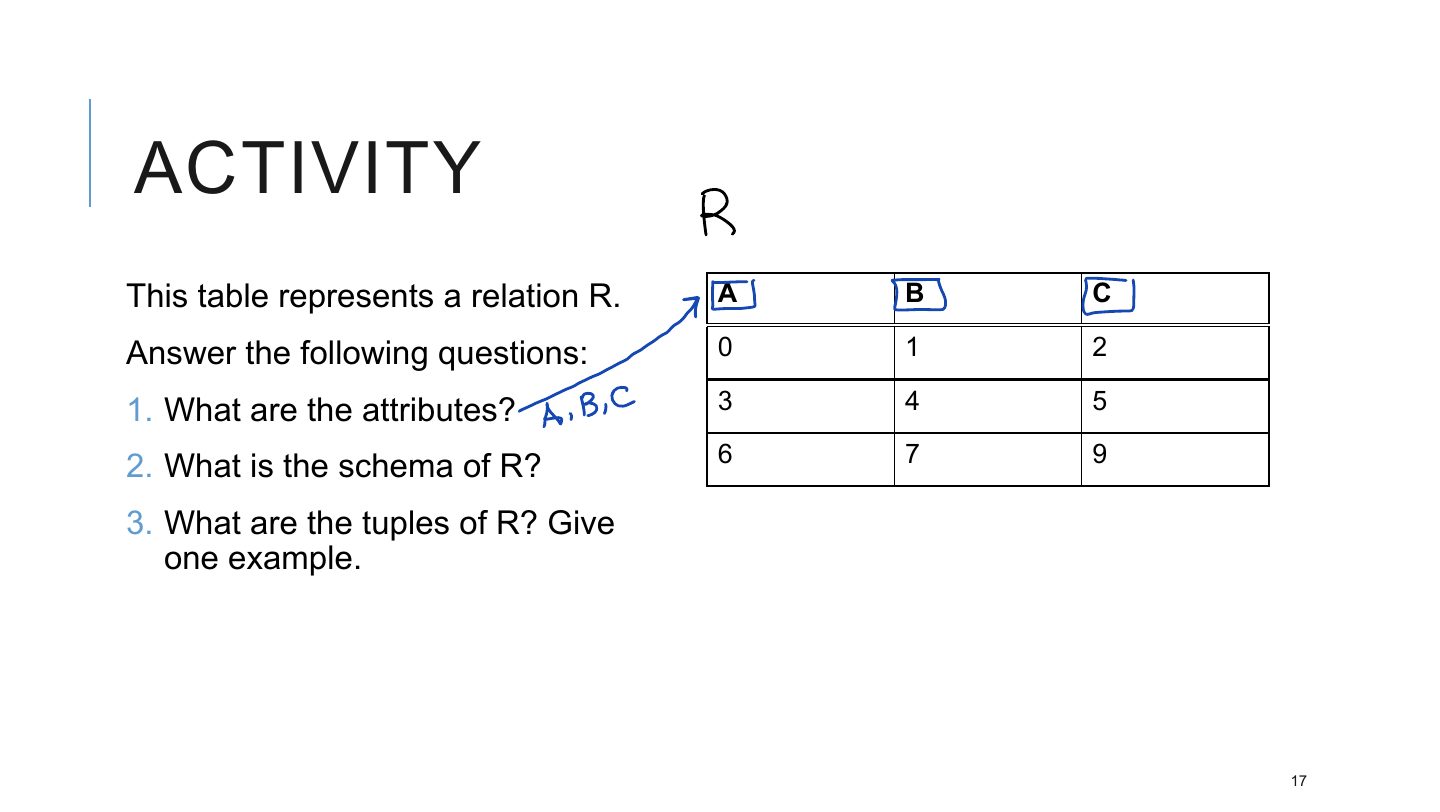
DEFINITIONS SUMMARY
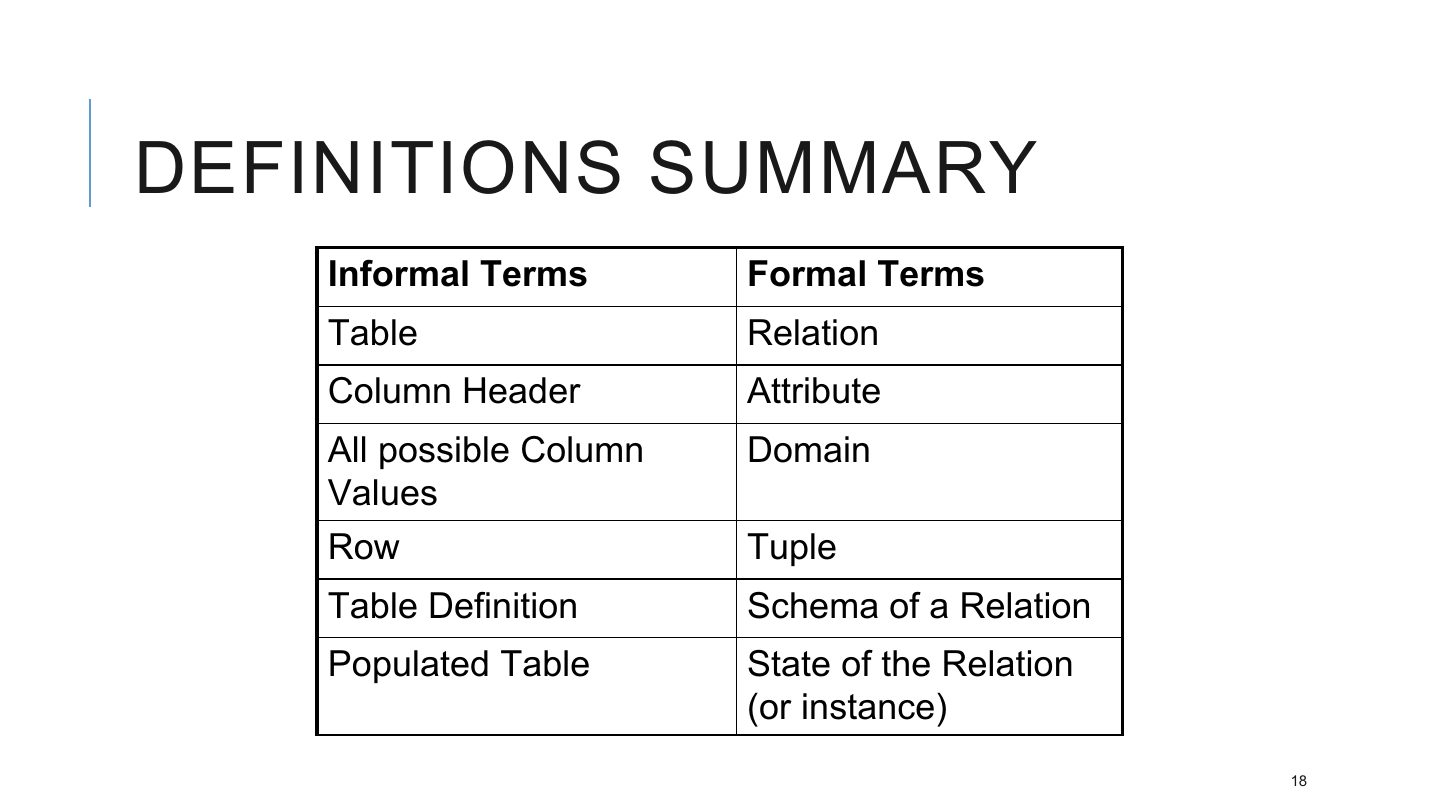
CHARACTERISTICS OF RELATIONS
Notes
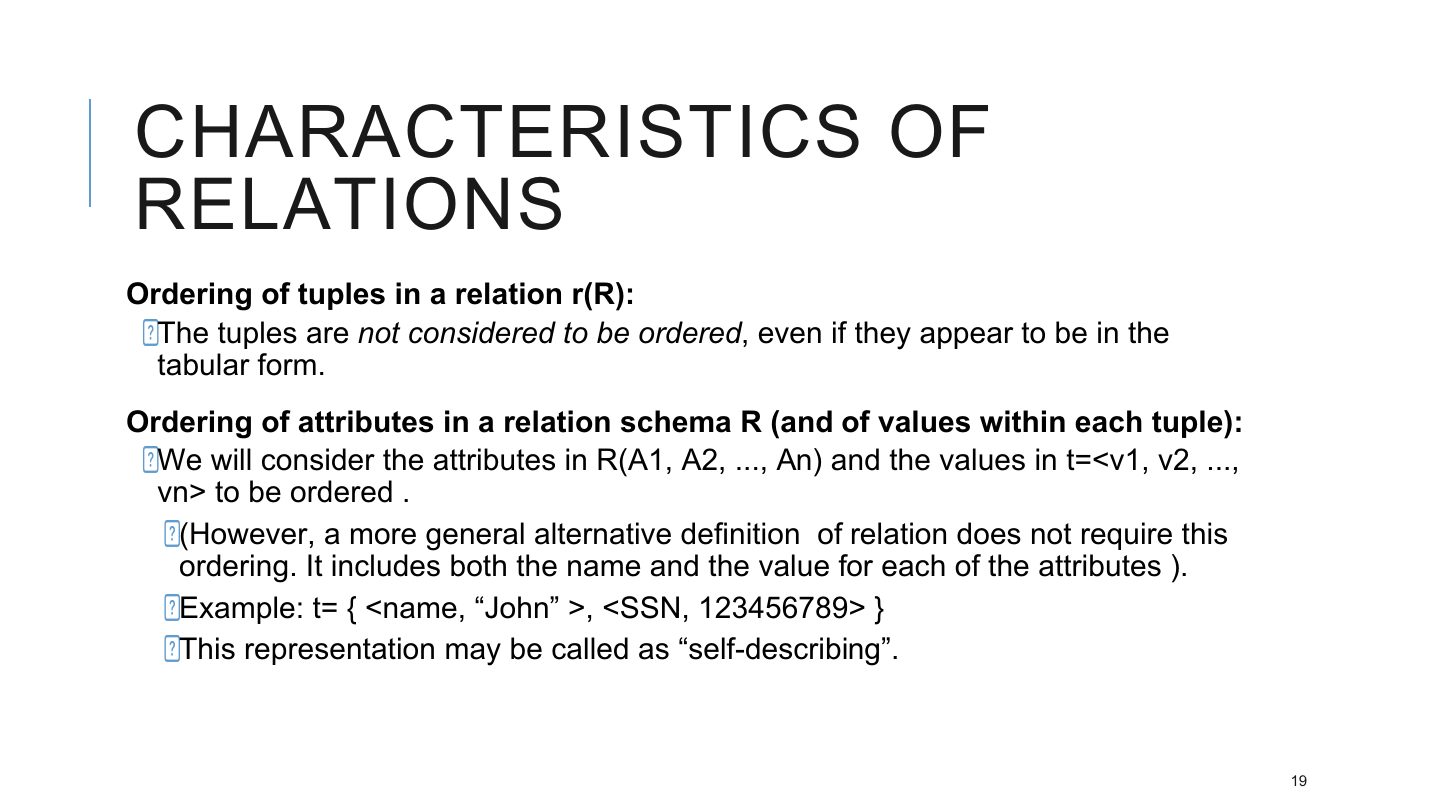
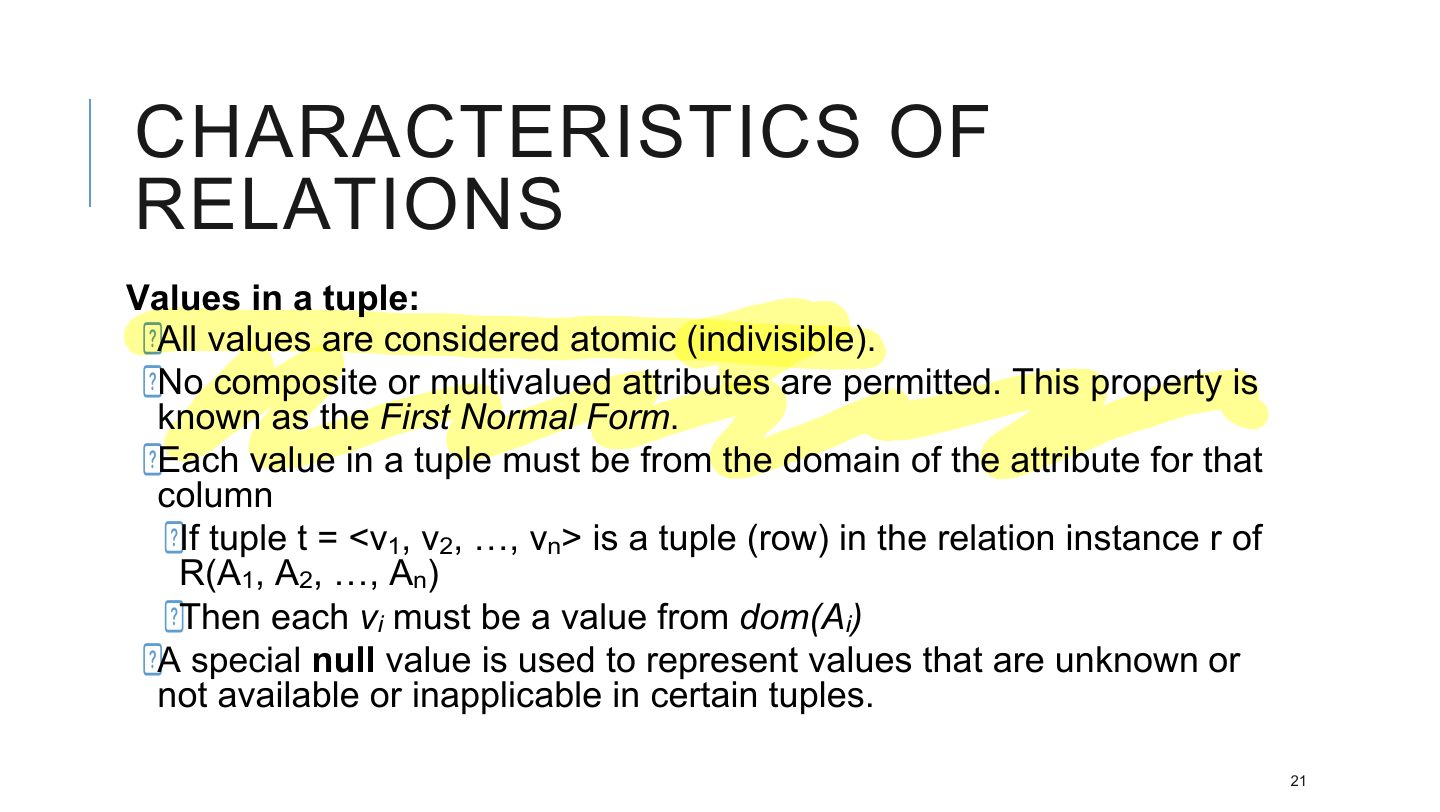
Tuples are unordered; values are atomic (1NF); NULL means unknown or not applicable.
SAME STATE AS PREVIOUS FIGURE (BUT WITH DIFFERENT ORDER OF
CHARACTERISTICS OF RELATIONS
CHARACTERISTICS OF RELATIONS
RELATIONAL MODEL CONSTRAINTS
Notes
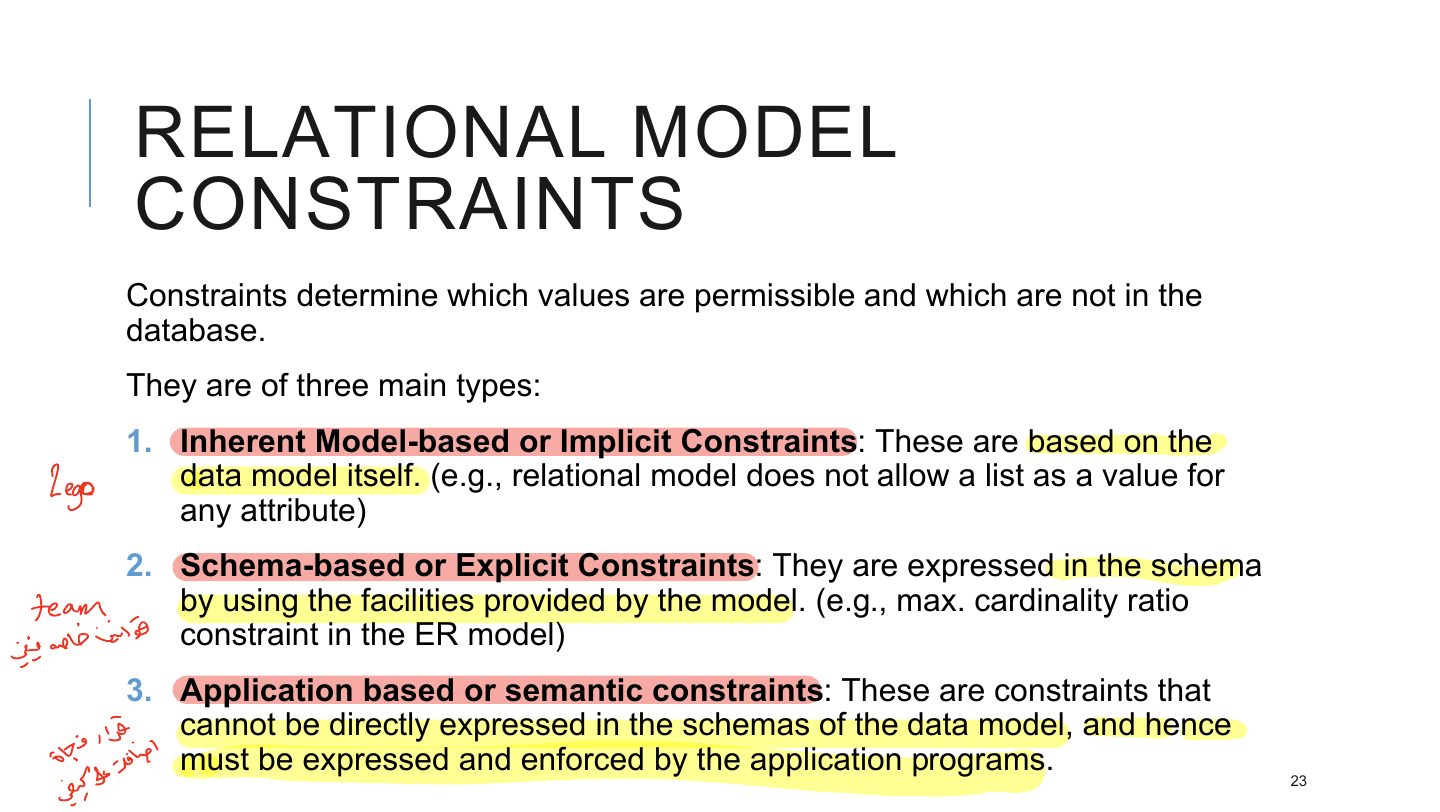
Constraint families: inherent (model-based), schema-based (DDL), application-based (business rules).
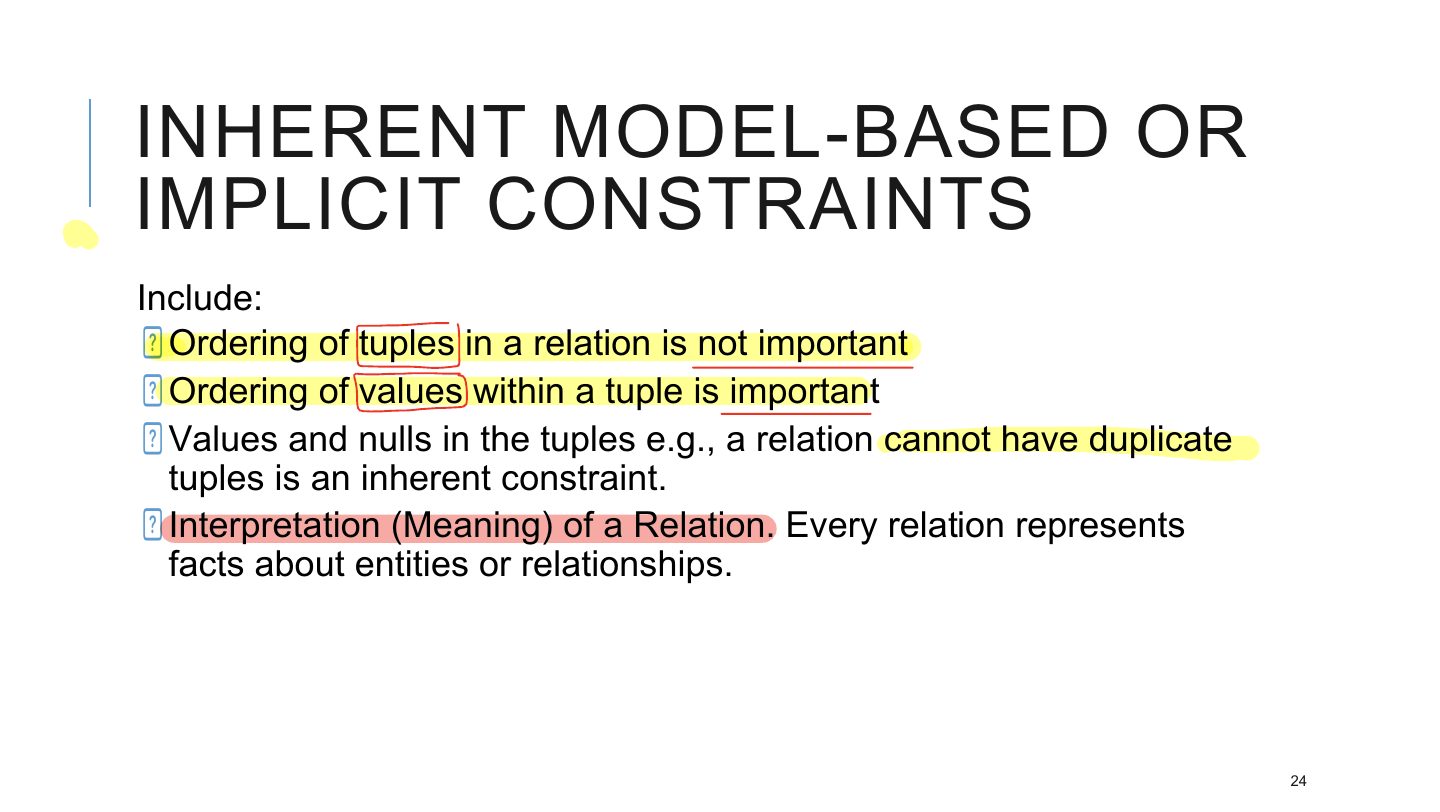
INHERENT MODEL-BASED OR IMPLICIT CONSTRAINTS
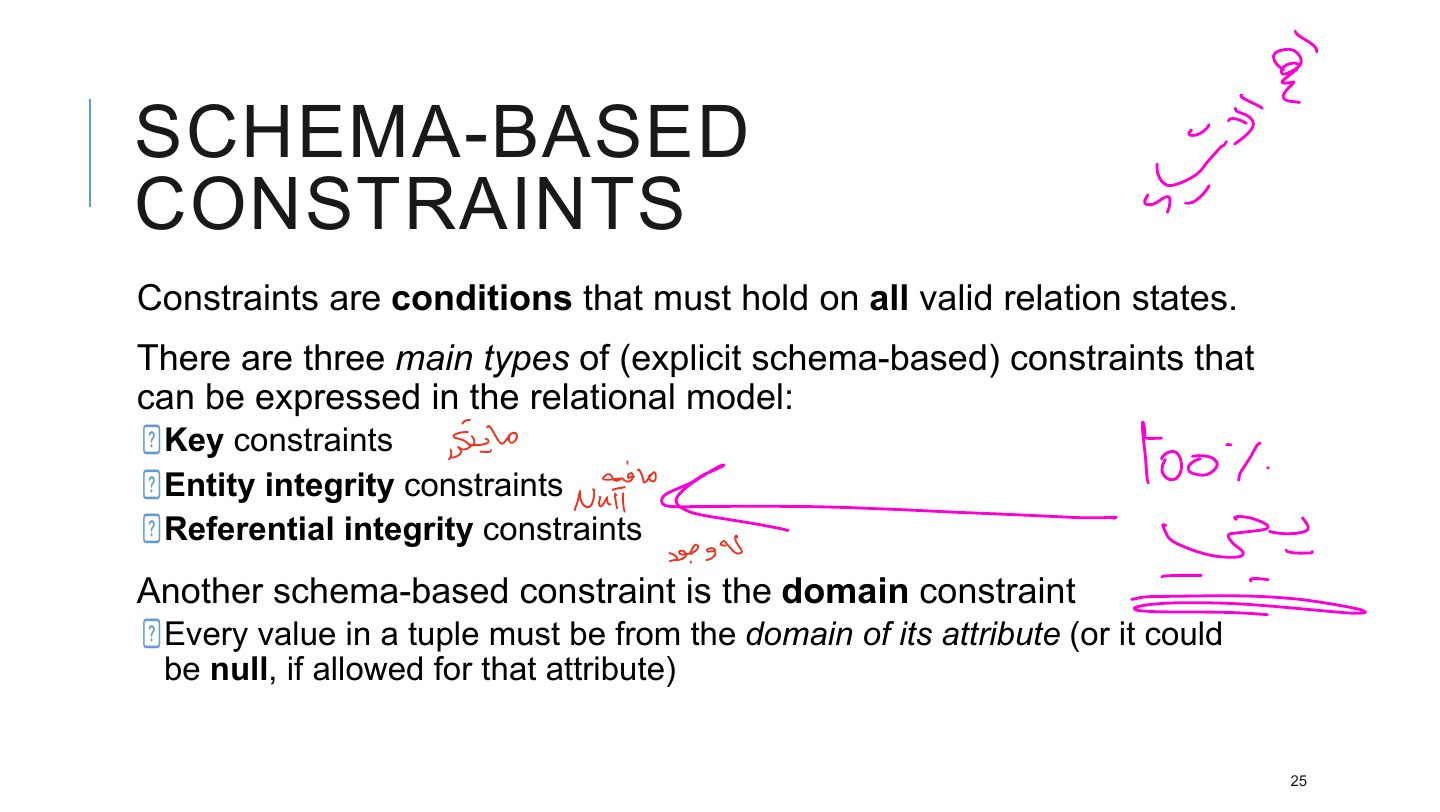
SCHEMA-BASED CONSTRAINTS
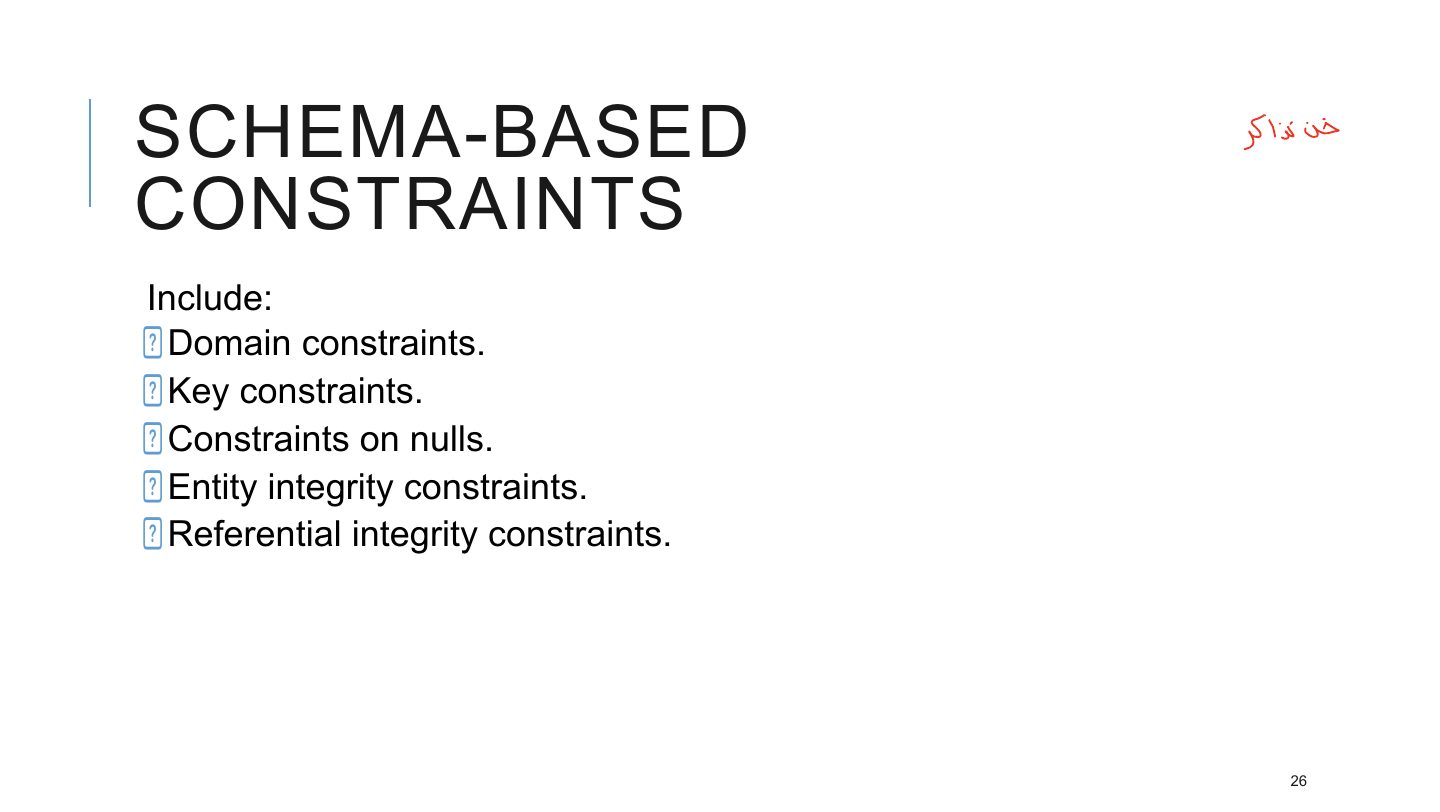
SCHEMA-BASED CONSTRAINTS
Exam angle
A primary-key attribute may be NULL if it is unknown.
- Entity integrity.
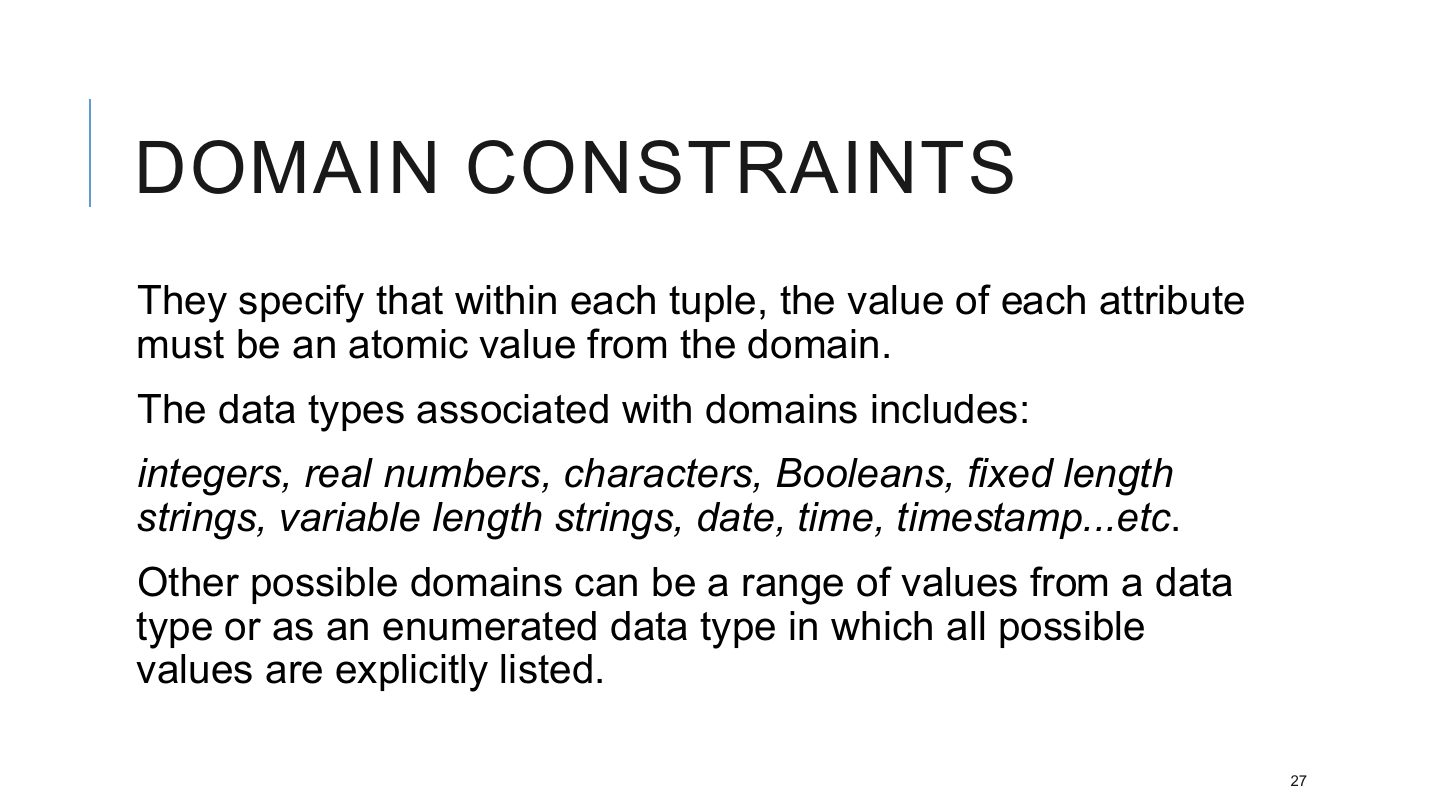
DOMAIN CONSTRAINTS
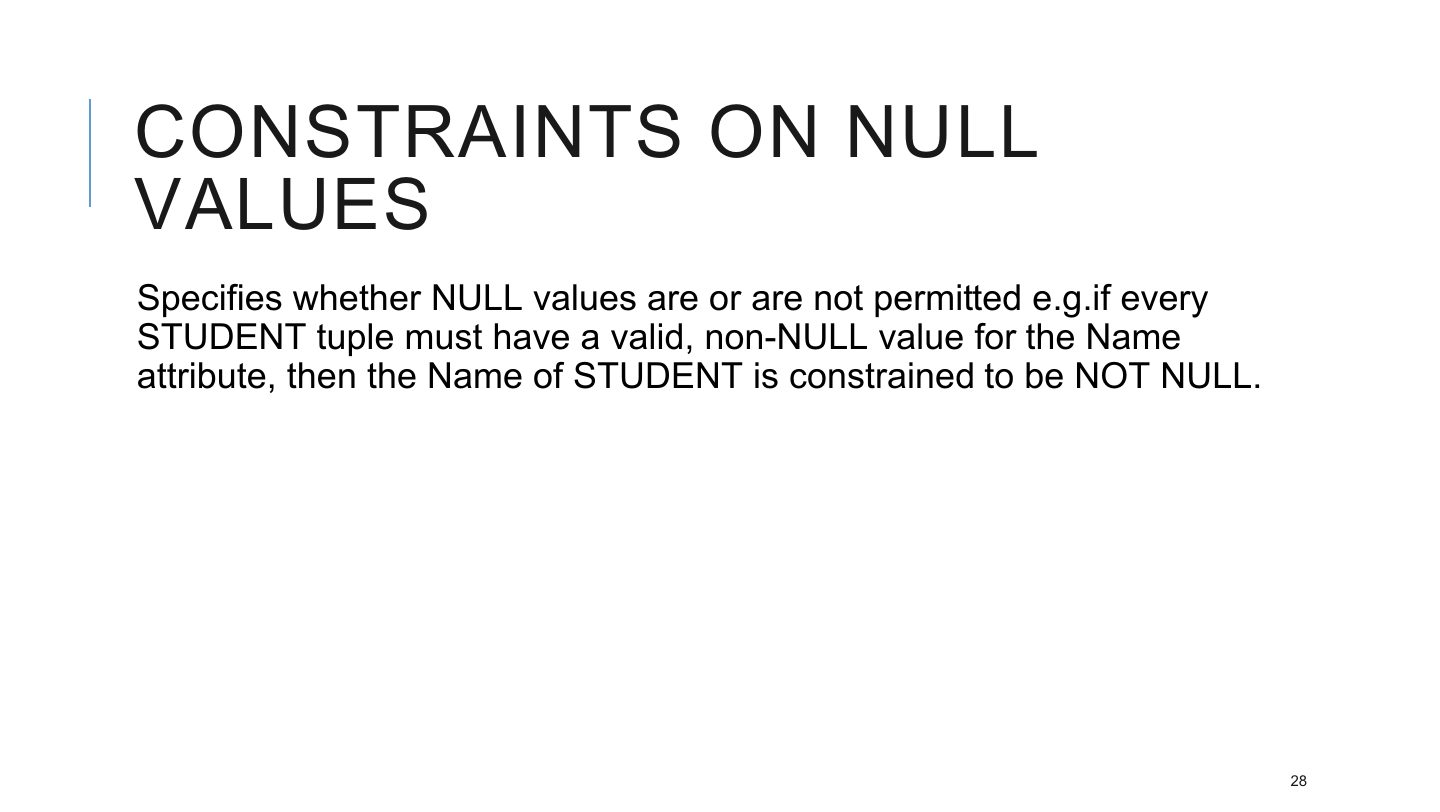
CONSTRAINTS ON NULL VALUES
sjw
KEY CONSTRAINTS (CONTINUED)
Notes
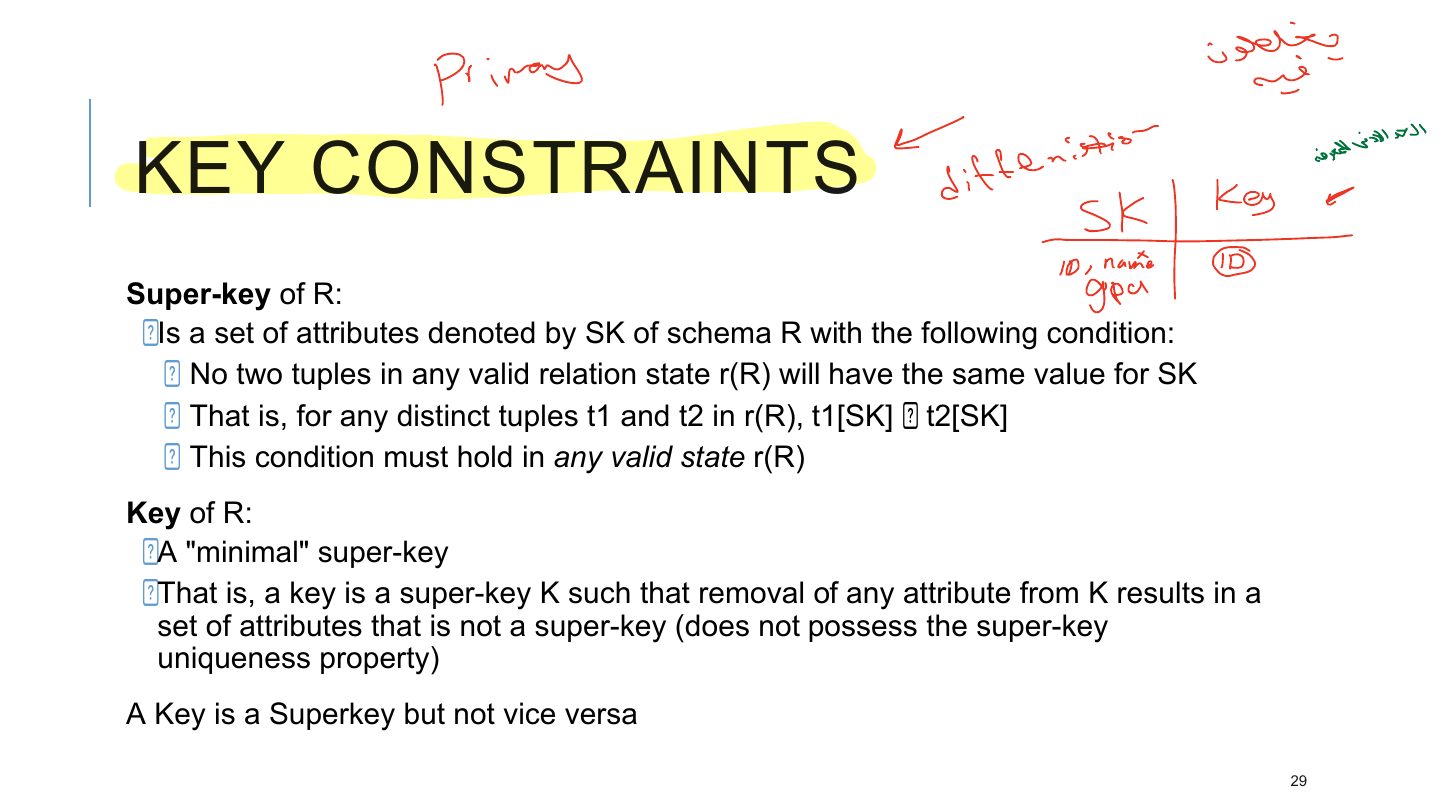
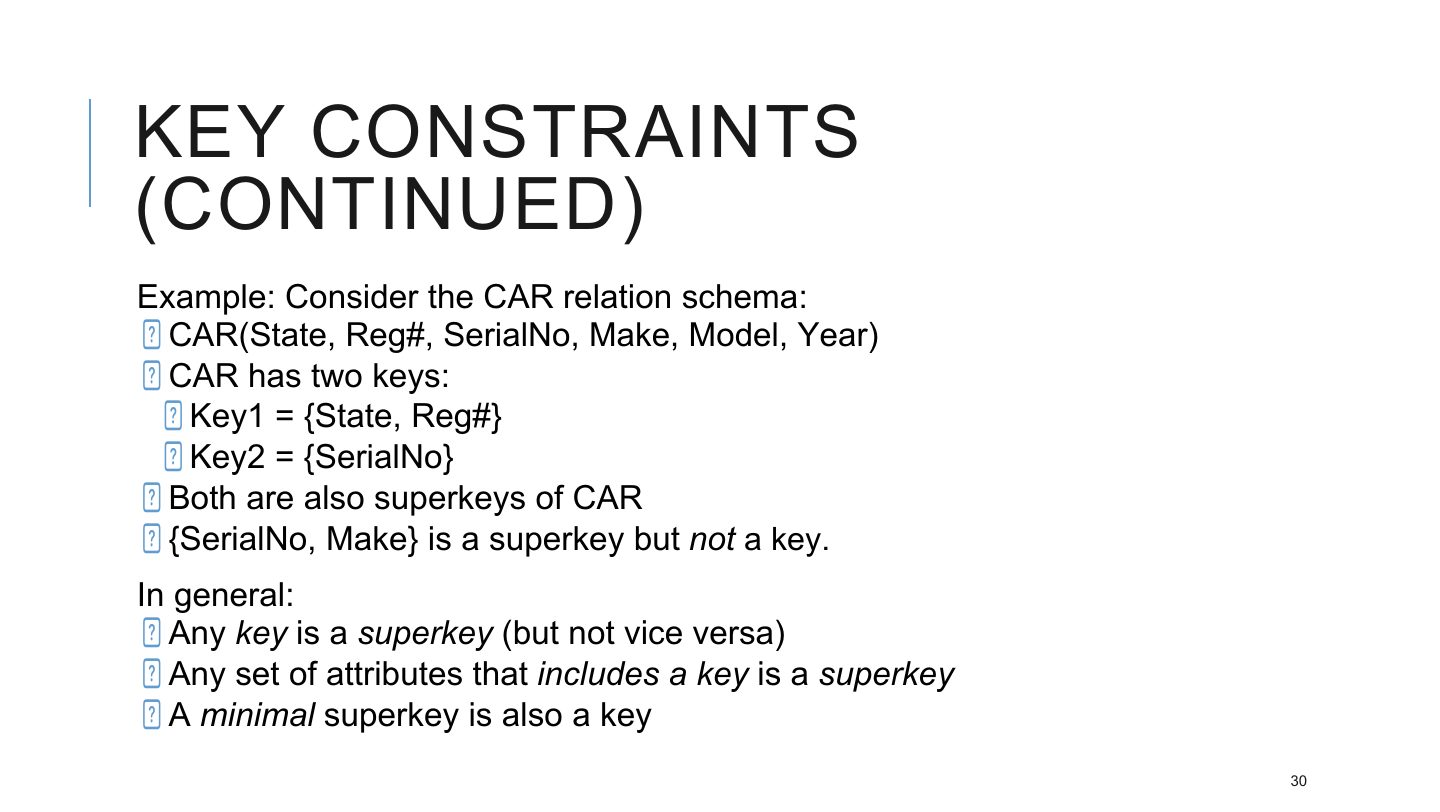
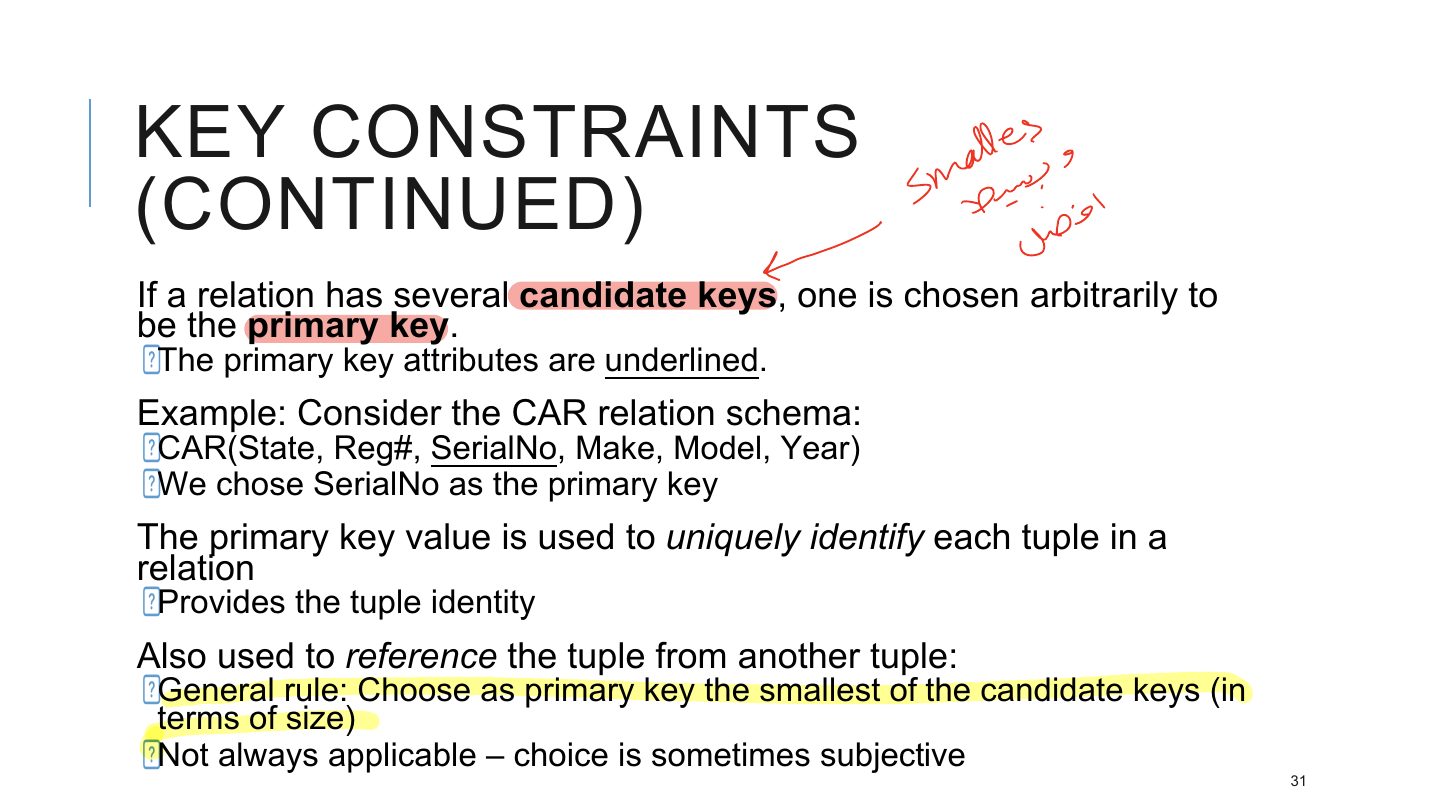
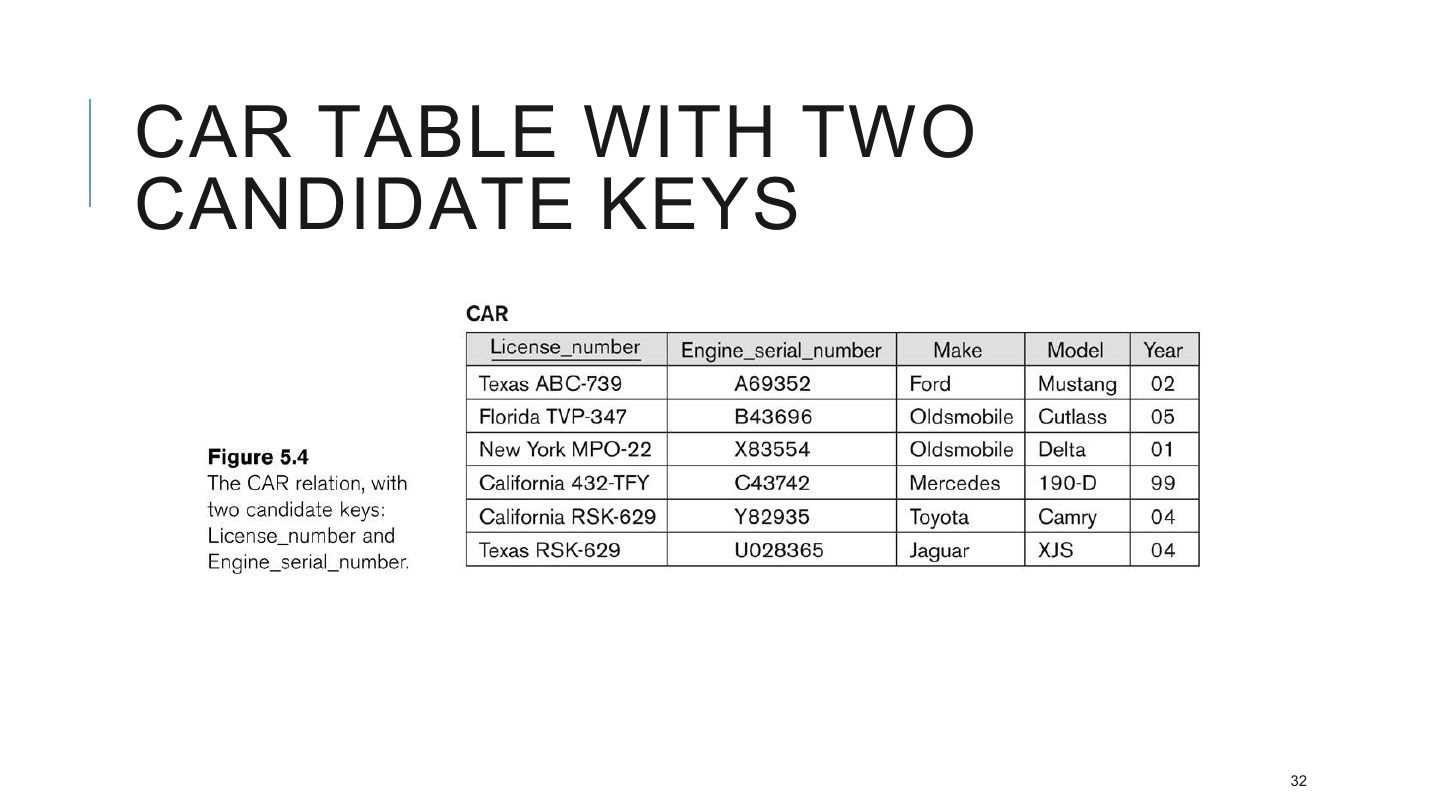
Superkey: any set of attributes that is unique. Key (candidate key): a MINIMAL superkey. Primary key: the chosen candidate key (underlined).
Trap Every key is a superkey, but a superkey is a key only if no attribute can be removed.
Exam angle
A minimal superkey is a:
set
CAR TABLE WITH TWO CANDIDATE KEYS
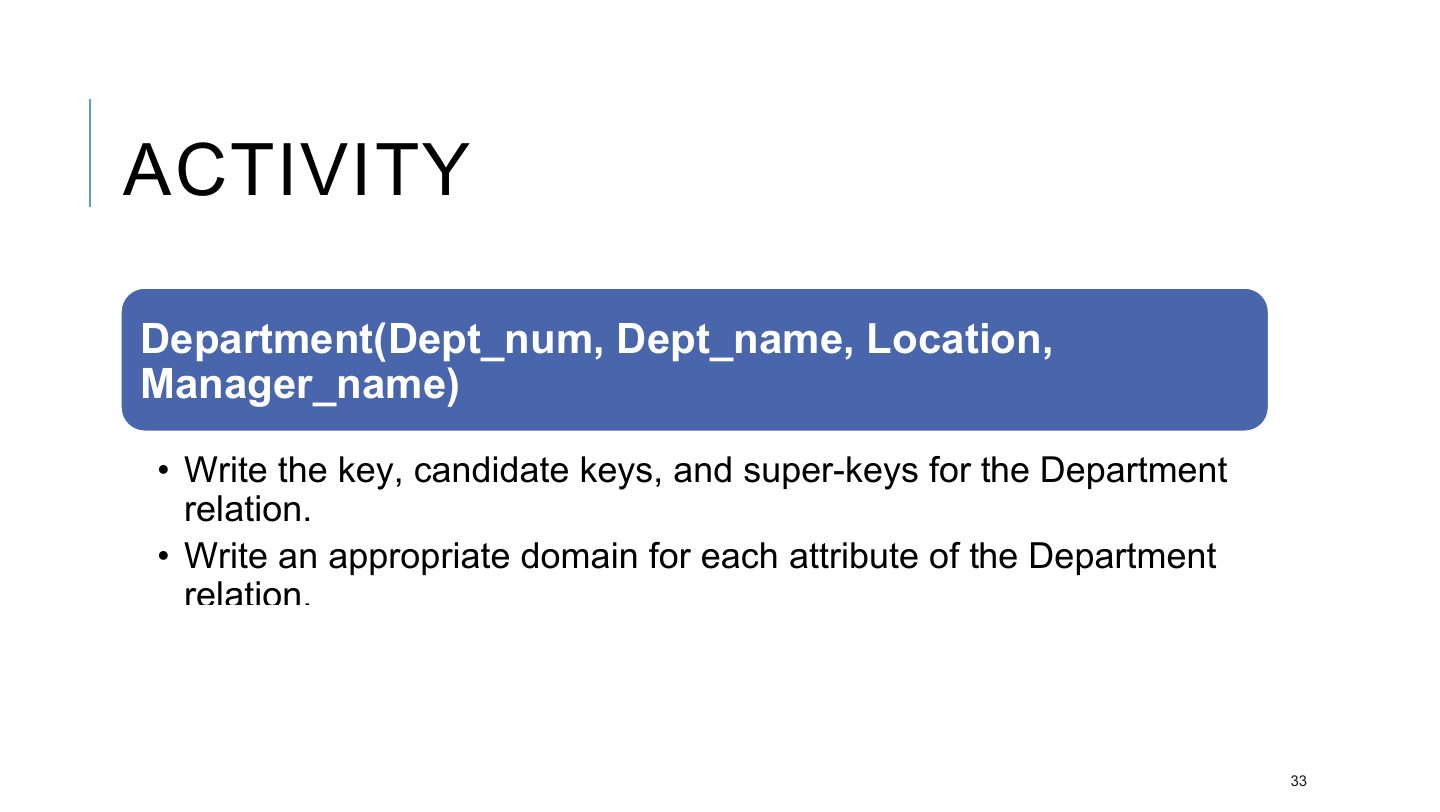
ACTIVITY
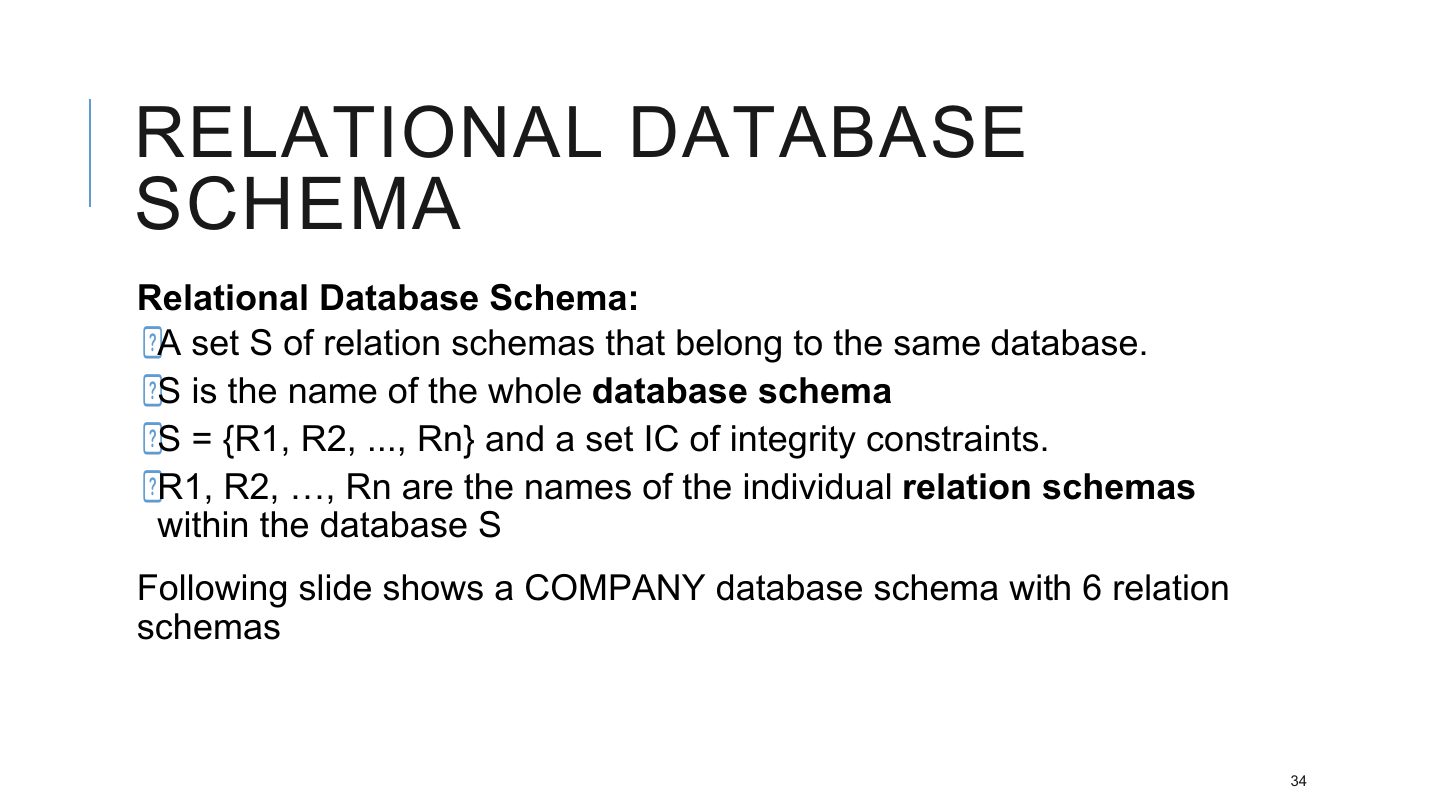
RELATIONAL DATABASE SCHEMA
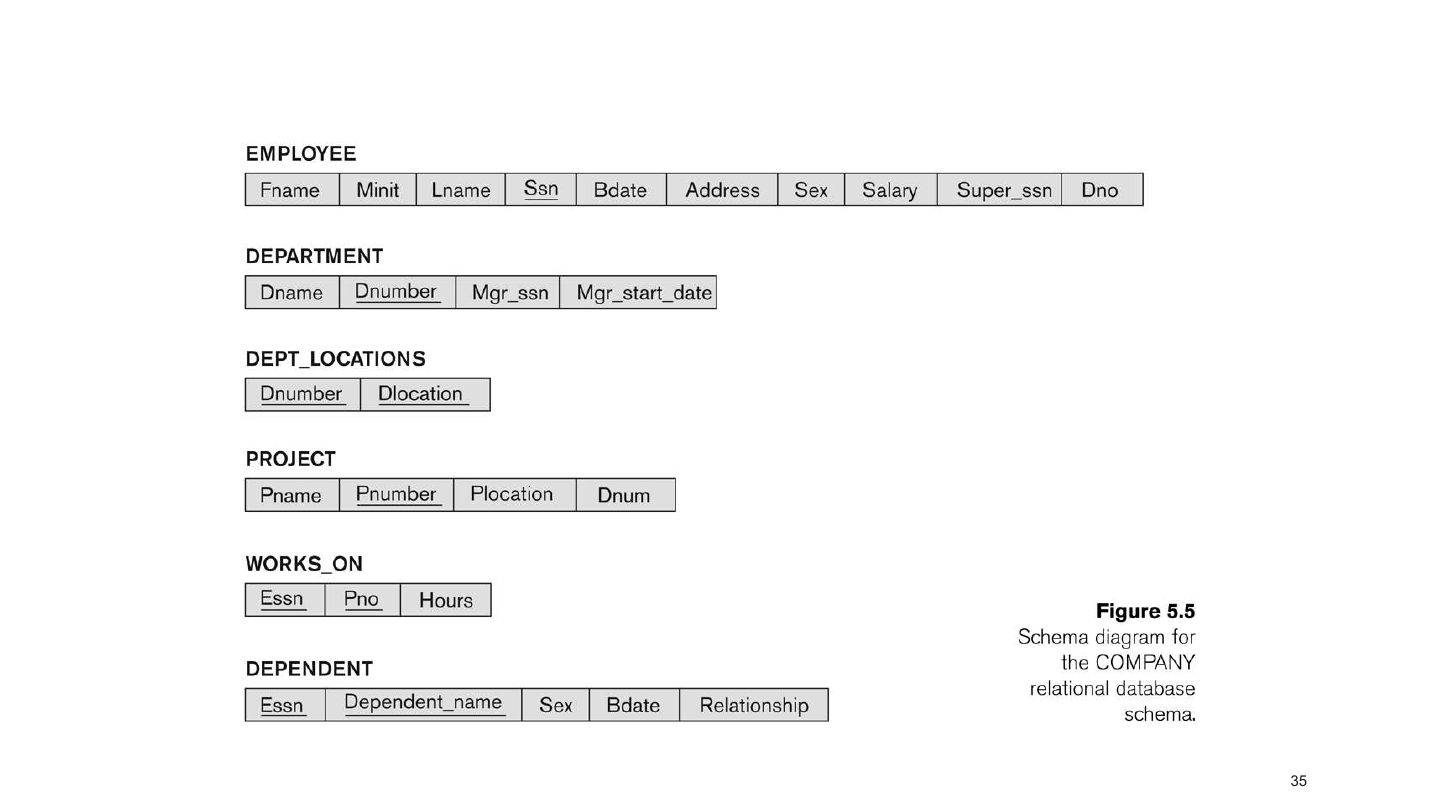
Slide 35
RELATIONAL DATABASE STATE
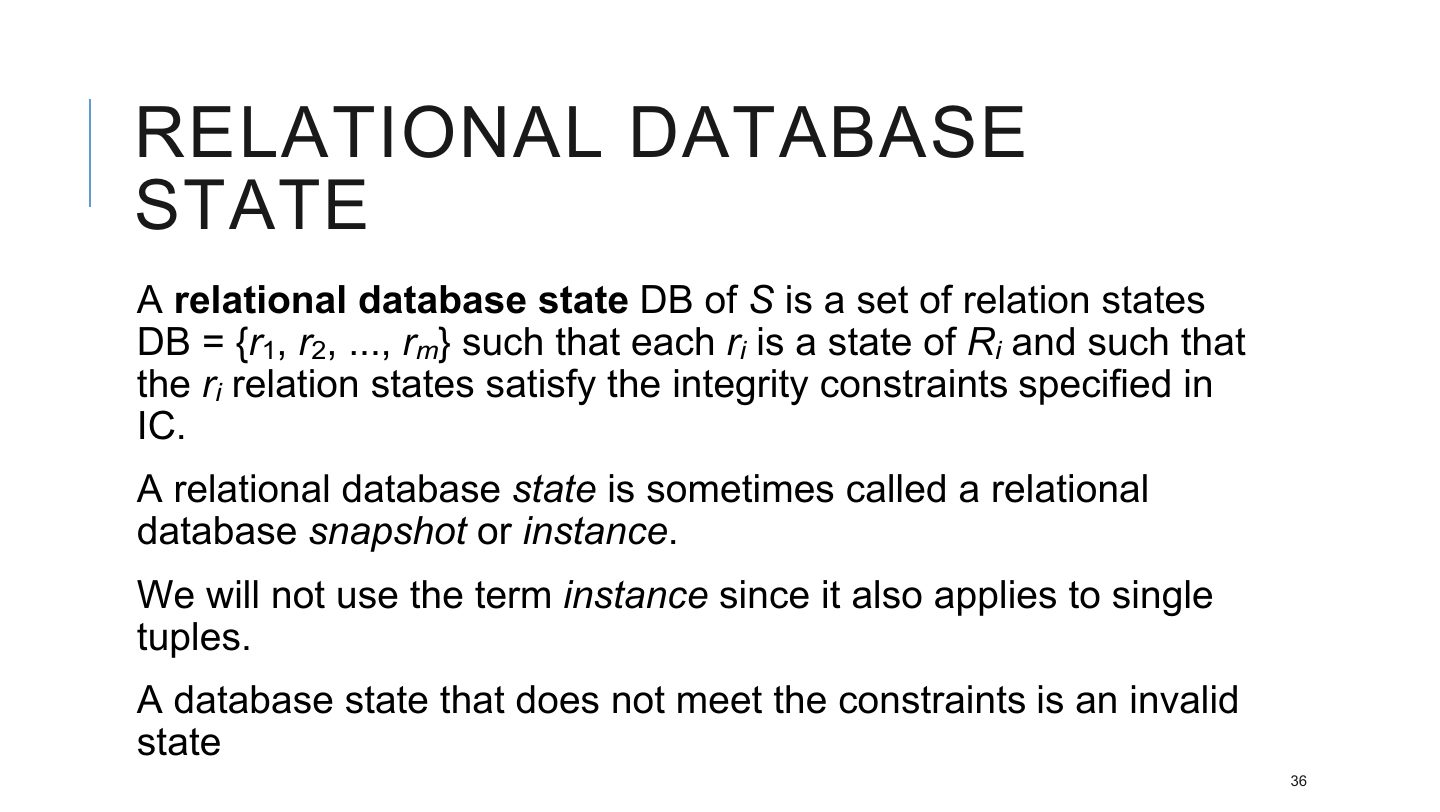
POPULATED DATABASE STATE
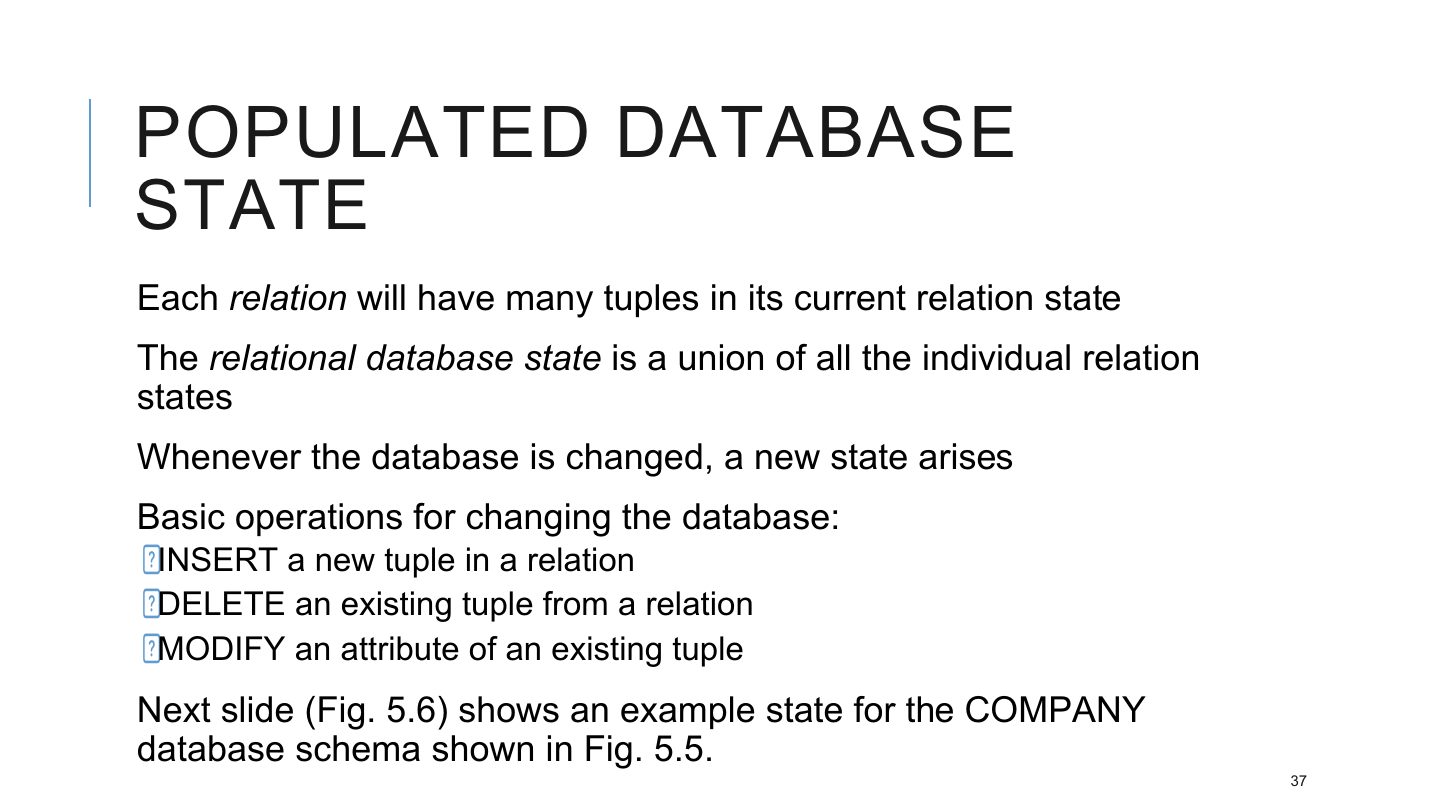
Slide 38
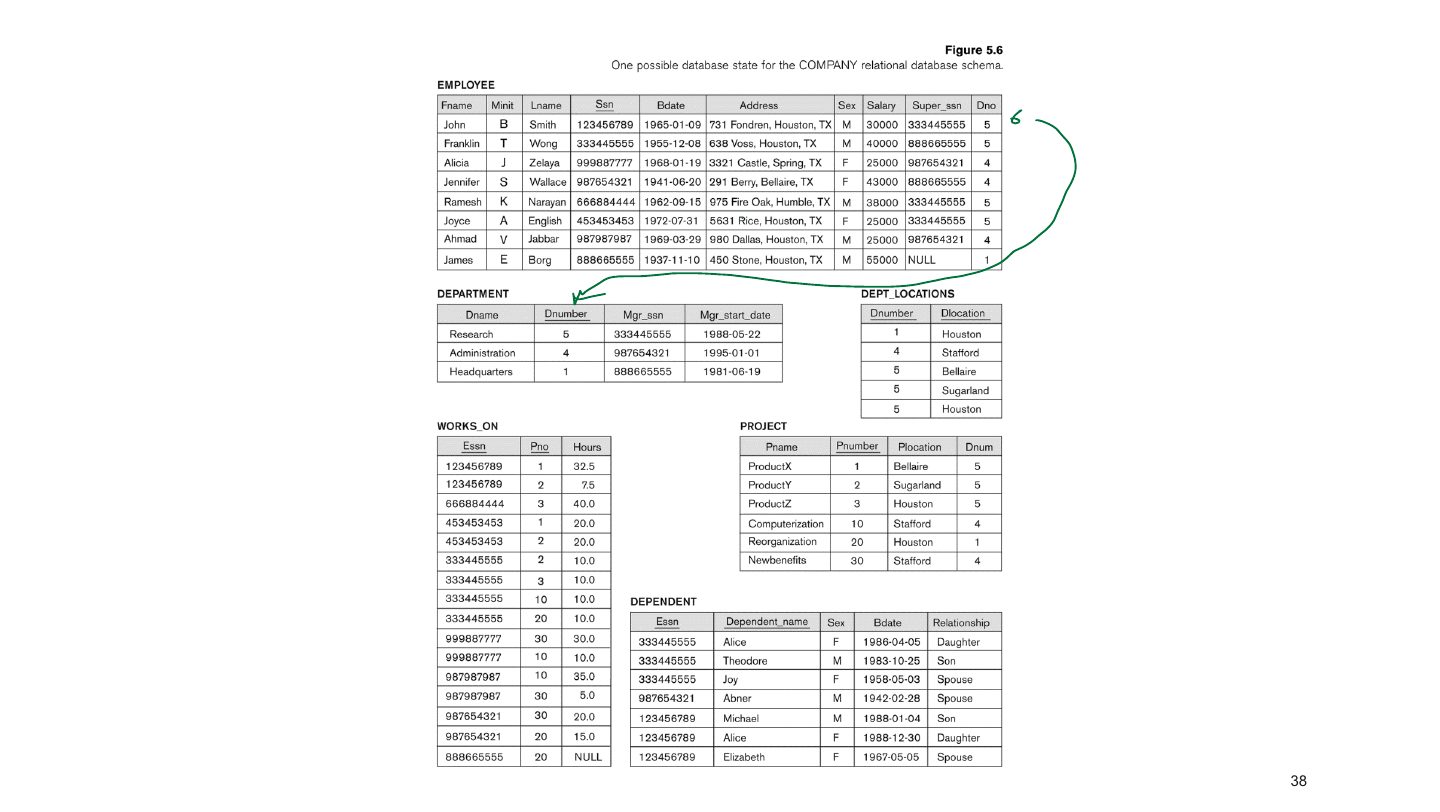
Eat
o
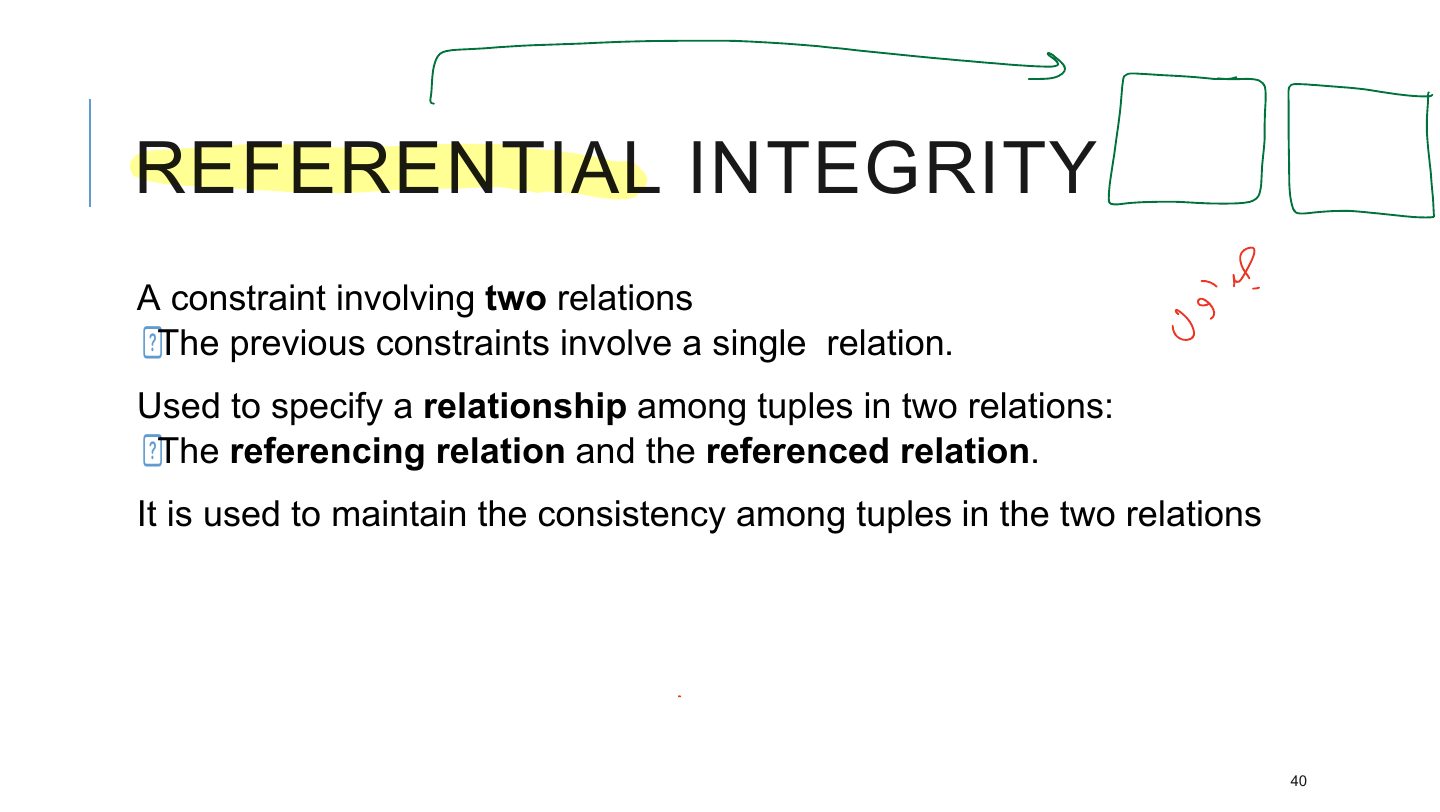
REFERENTIAL INTEGRITY
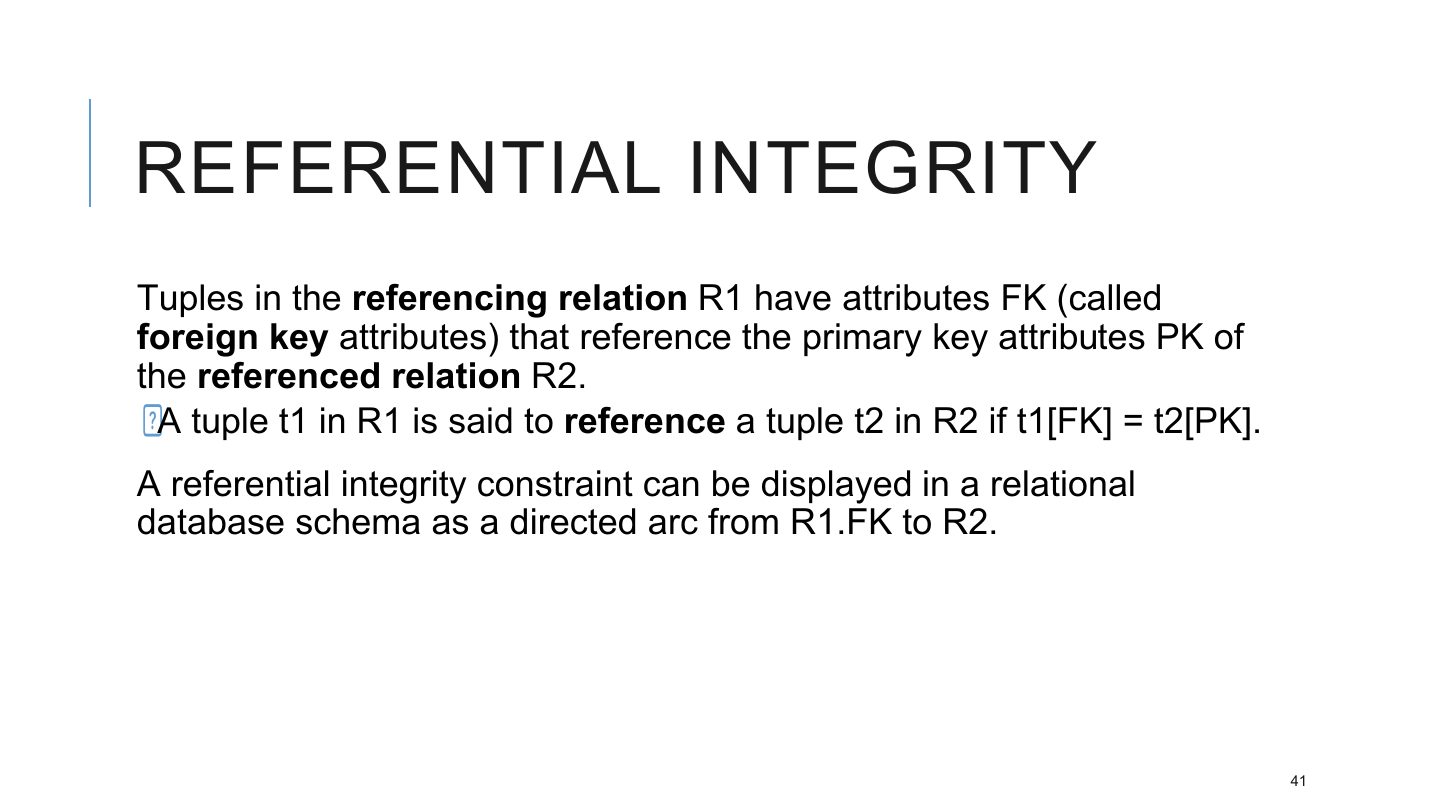
Notes
Referential integrity: a foreign key value must match an existing primary key in the referenced relation, or be NULL.
Exam angle
Q9, Q11: what a foreign key does
The primary function of a foreign key is to:
REFERENTIAL INTEGRITY CONSTRAINTS
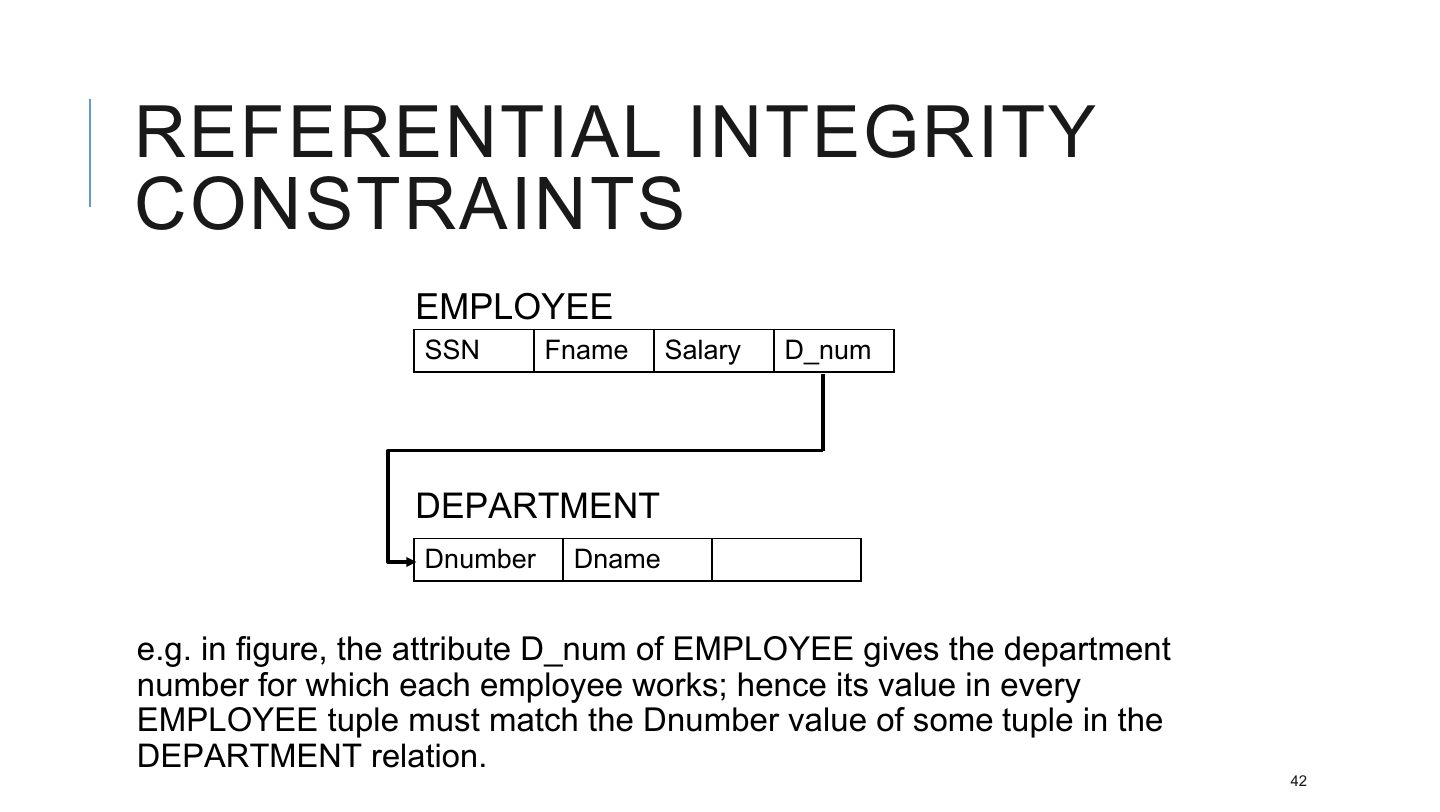
REFERENTIAL INTEGRITY (OR FOREIGN KEY) CONSTRAINT
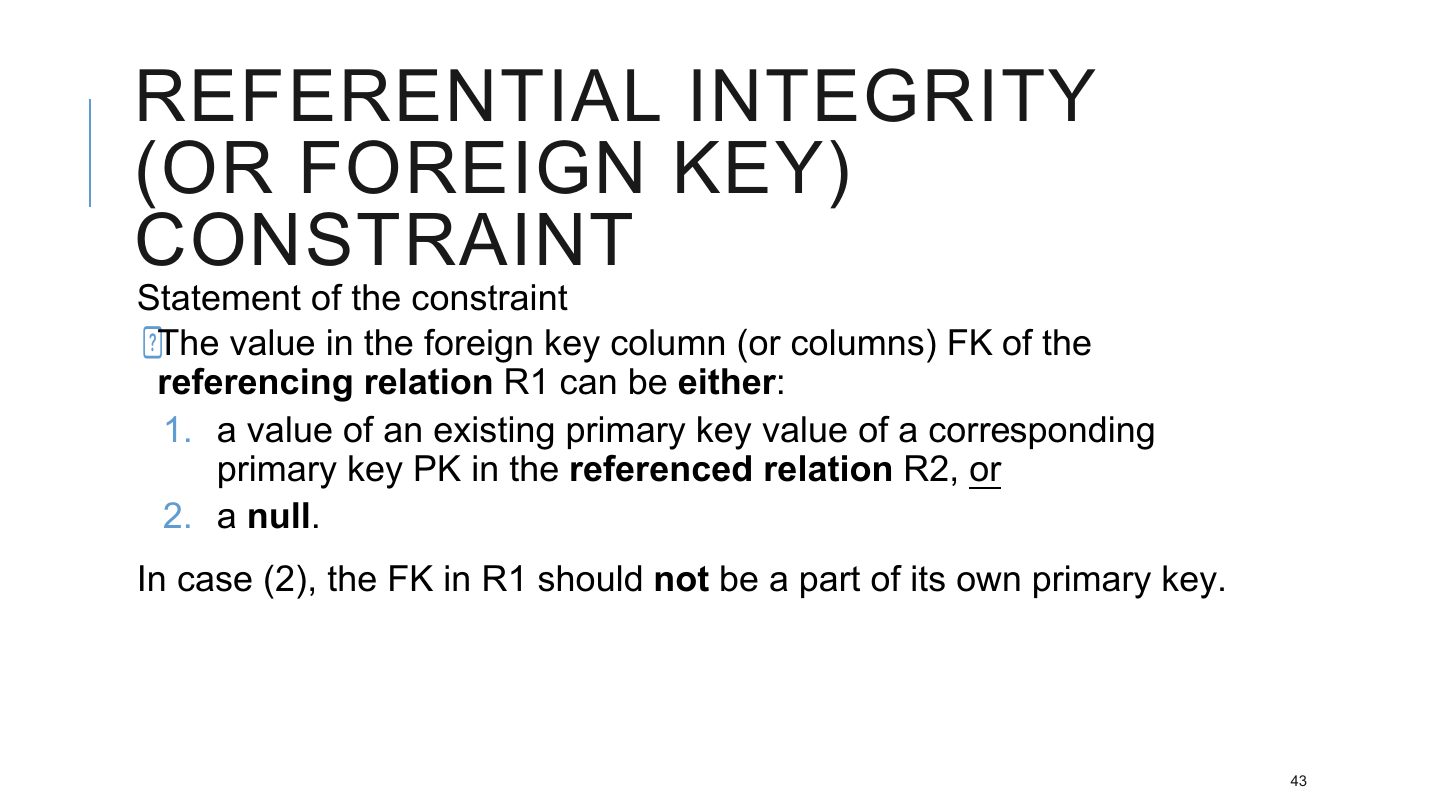
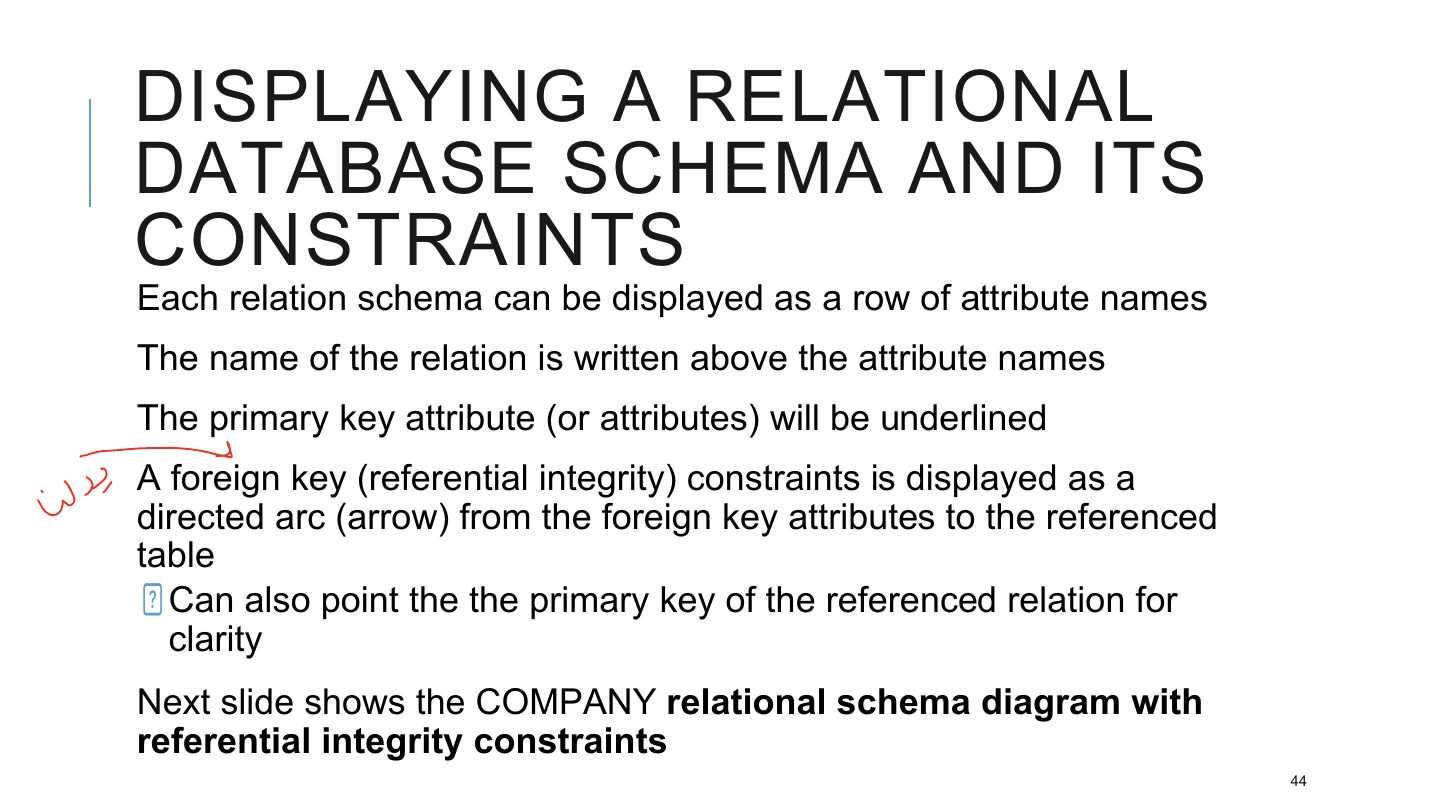
DISPLAYING A RELATIONAL DATABASE SCHEMA AND ITS CONSTRAINTS
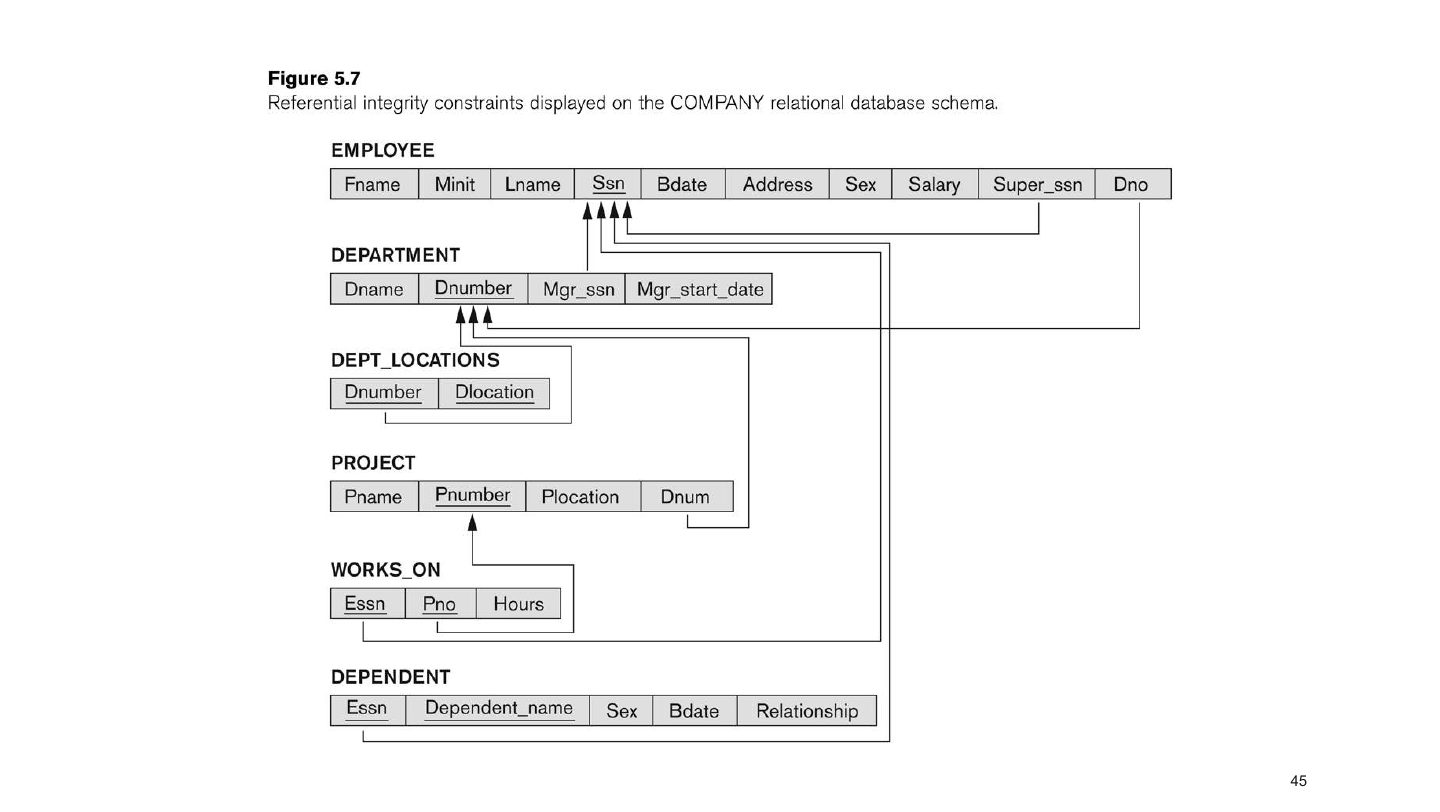
Slide 45
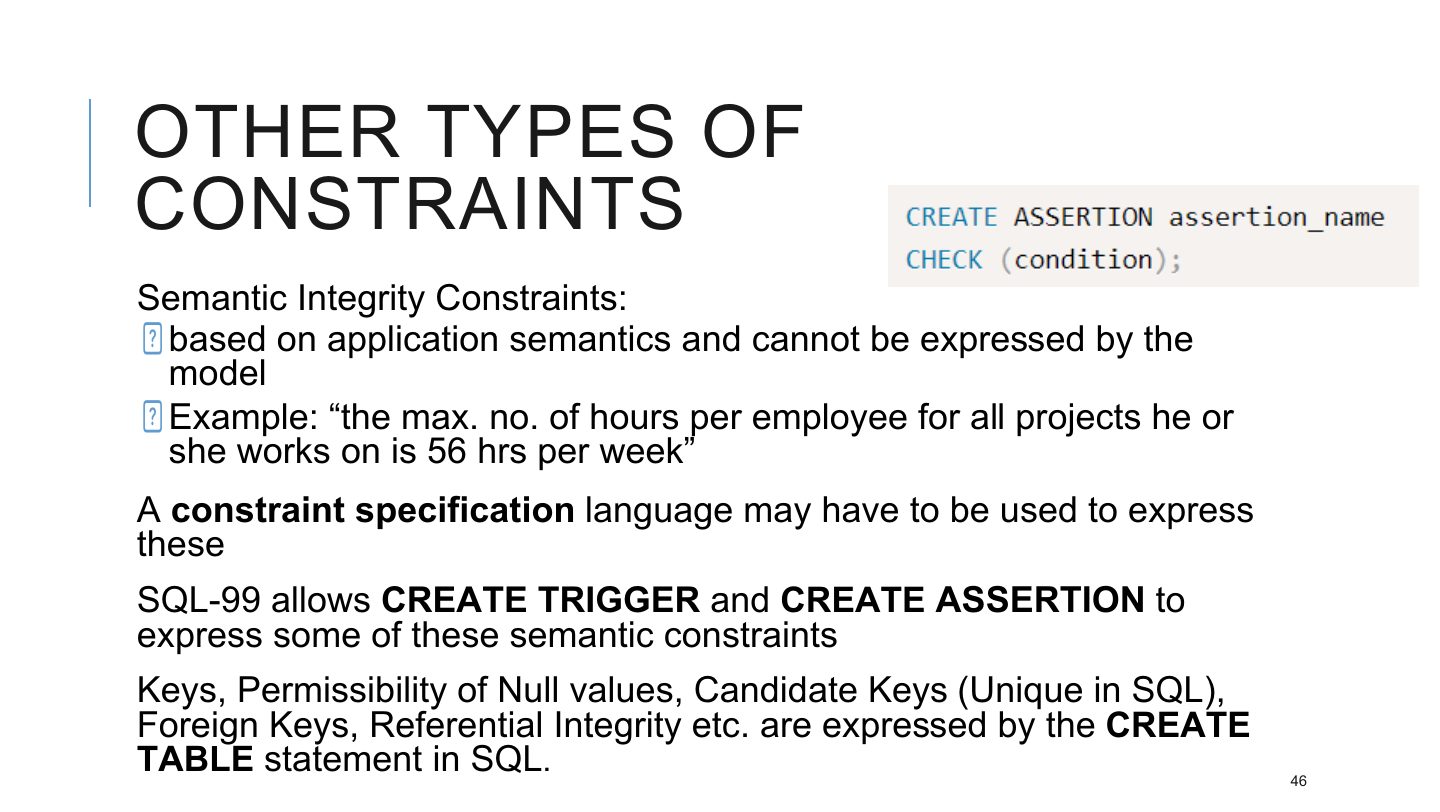
OTHER TYPES OF CONSTRAINTS
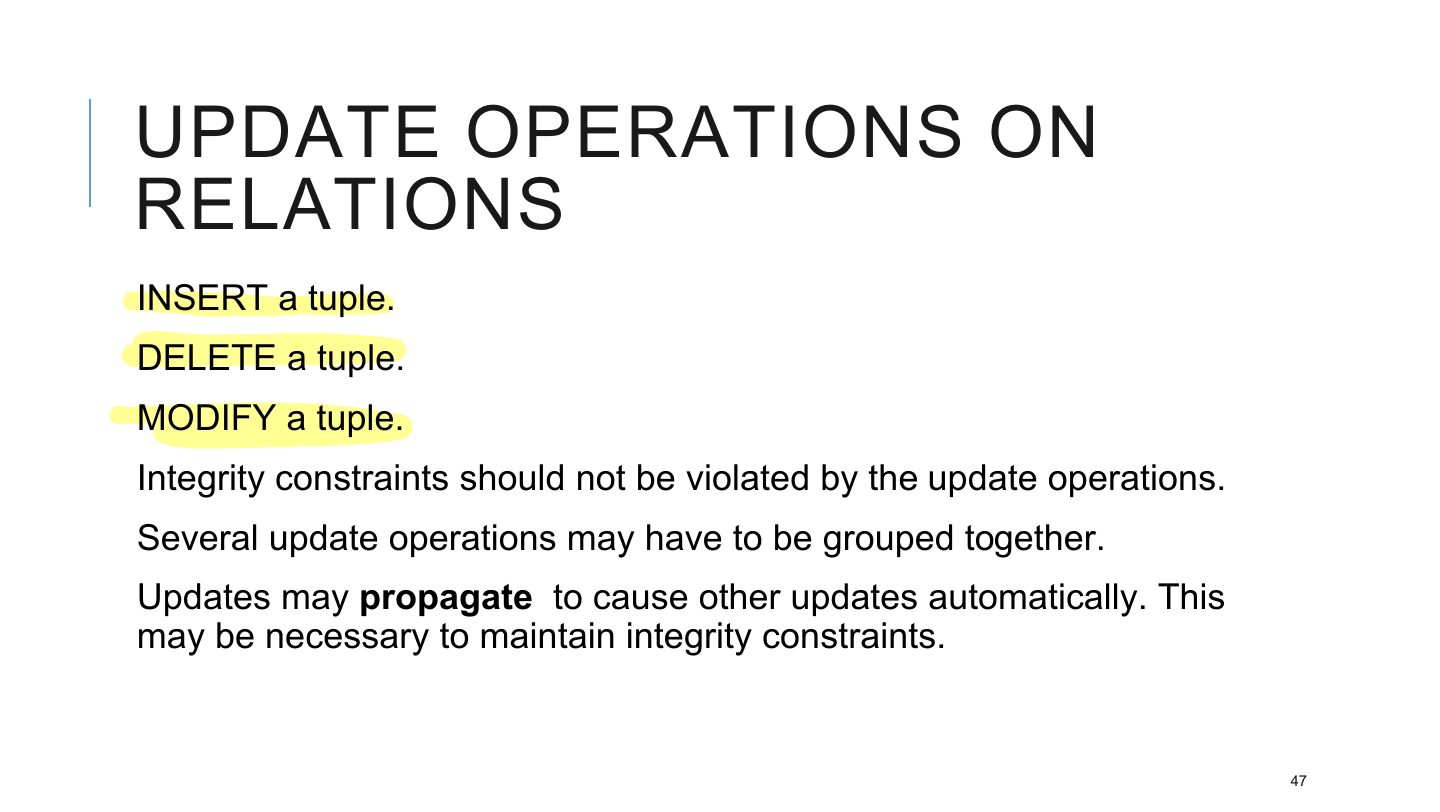
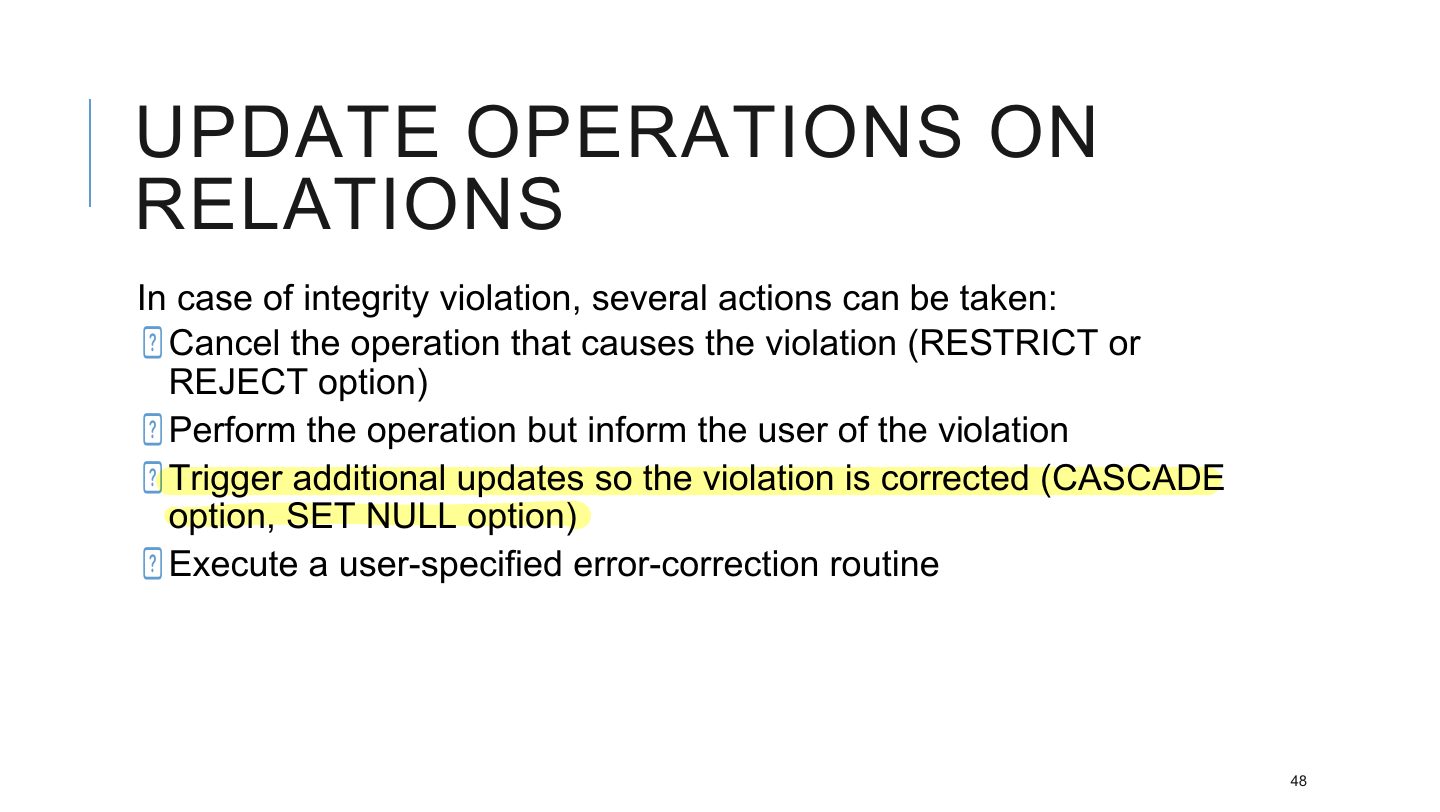
UPDATE OPERATIONS ON RELATIONS
Notes
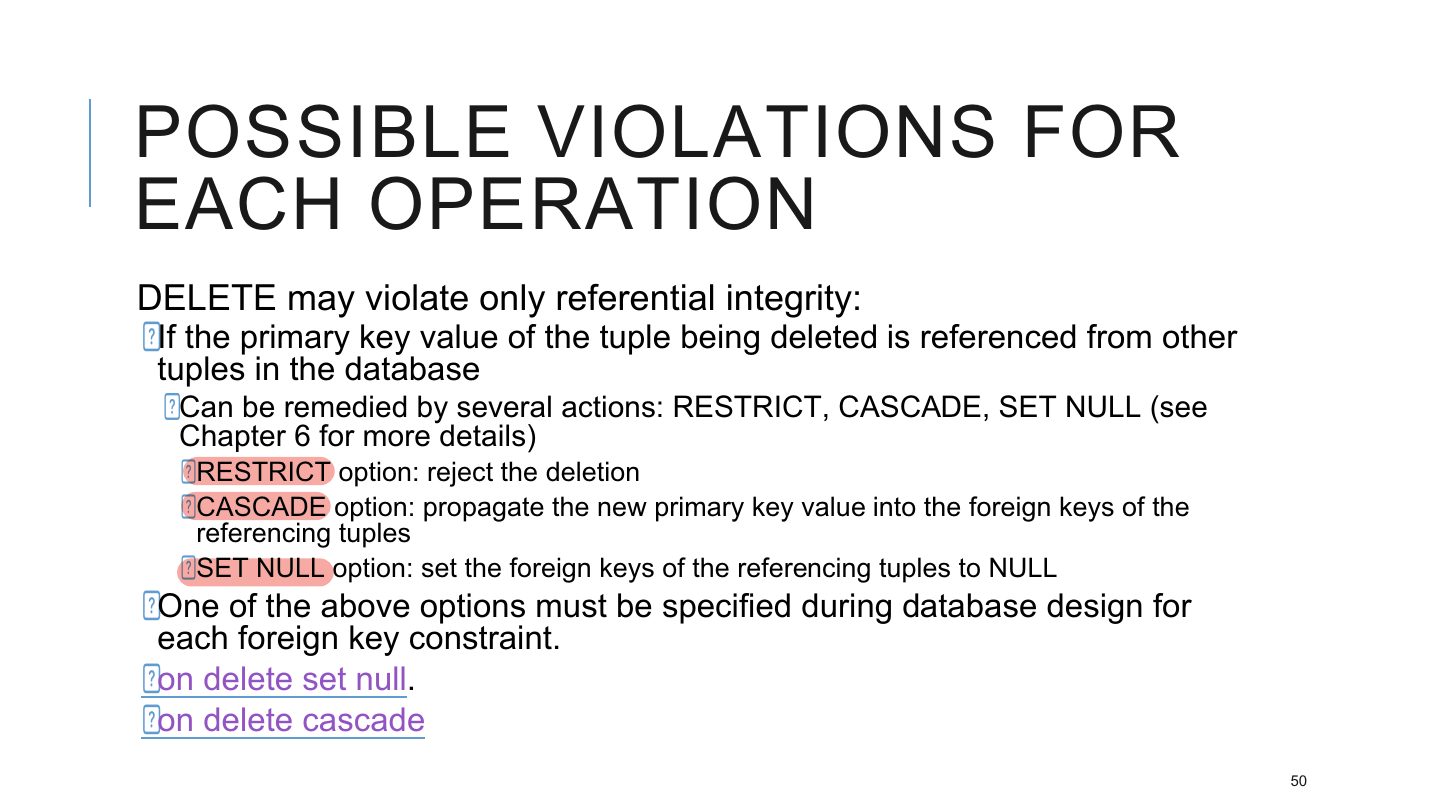
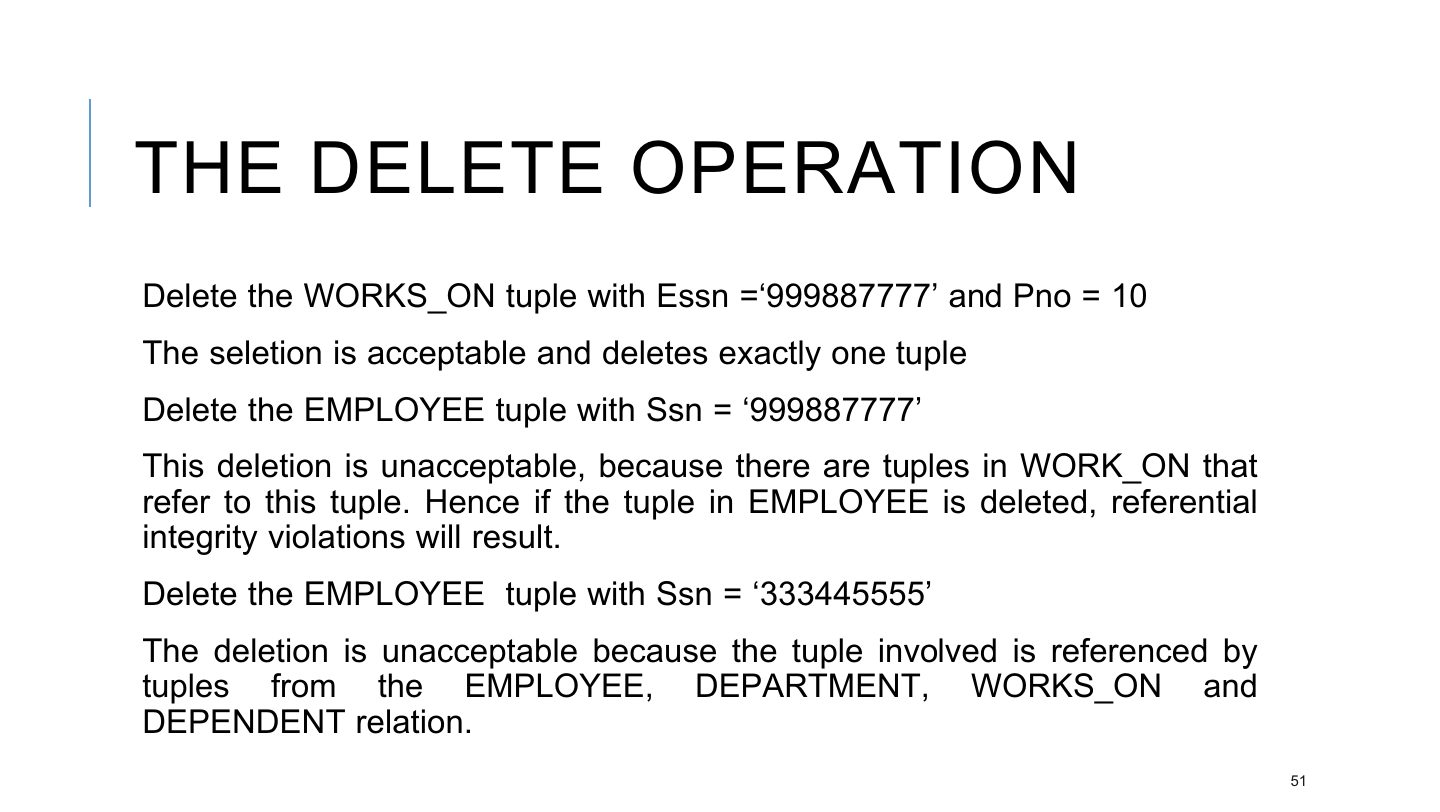
Insert, delete, update can violate constraints. Insert: domain, key, entity, referential. Delete: only referential.
Exam angle
Deleting a DEPARTMENT row that employees still reference violates:
UPDATE OPERATIONS ON RELATIONS
cases
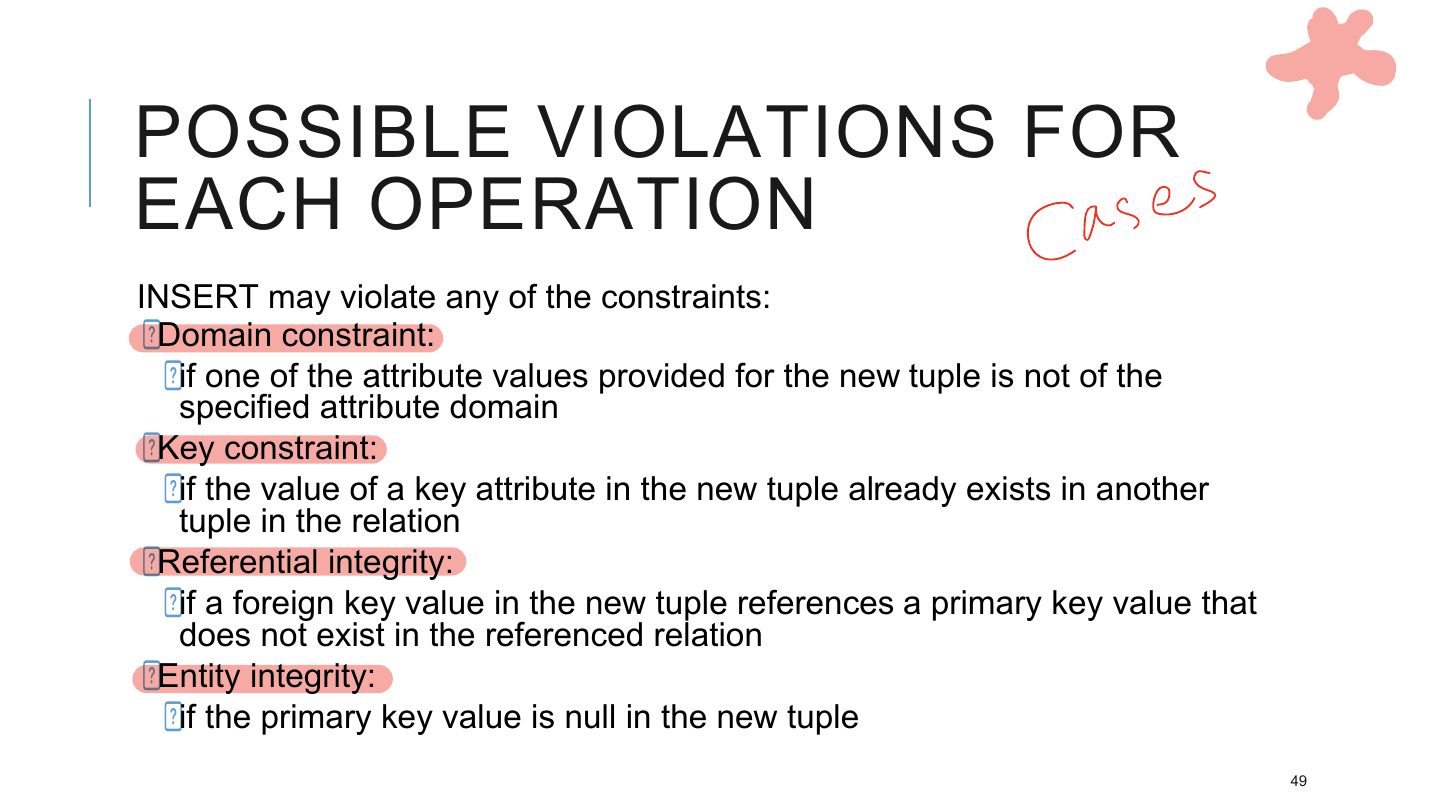
POSSIBLE VIOLATIONS FOR EACH OPERATION
THE DELETE OPERATION
POSSIBLE VIOLATIONS FOR EACH OPERATION
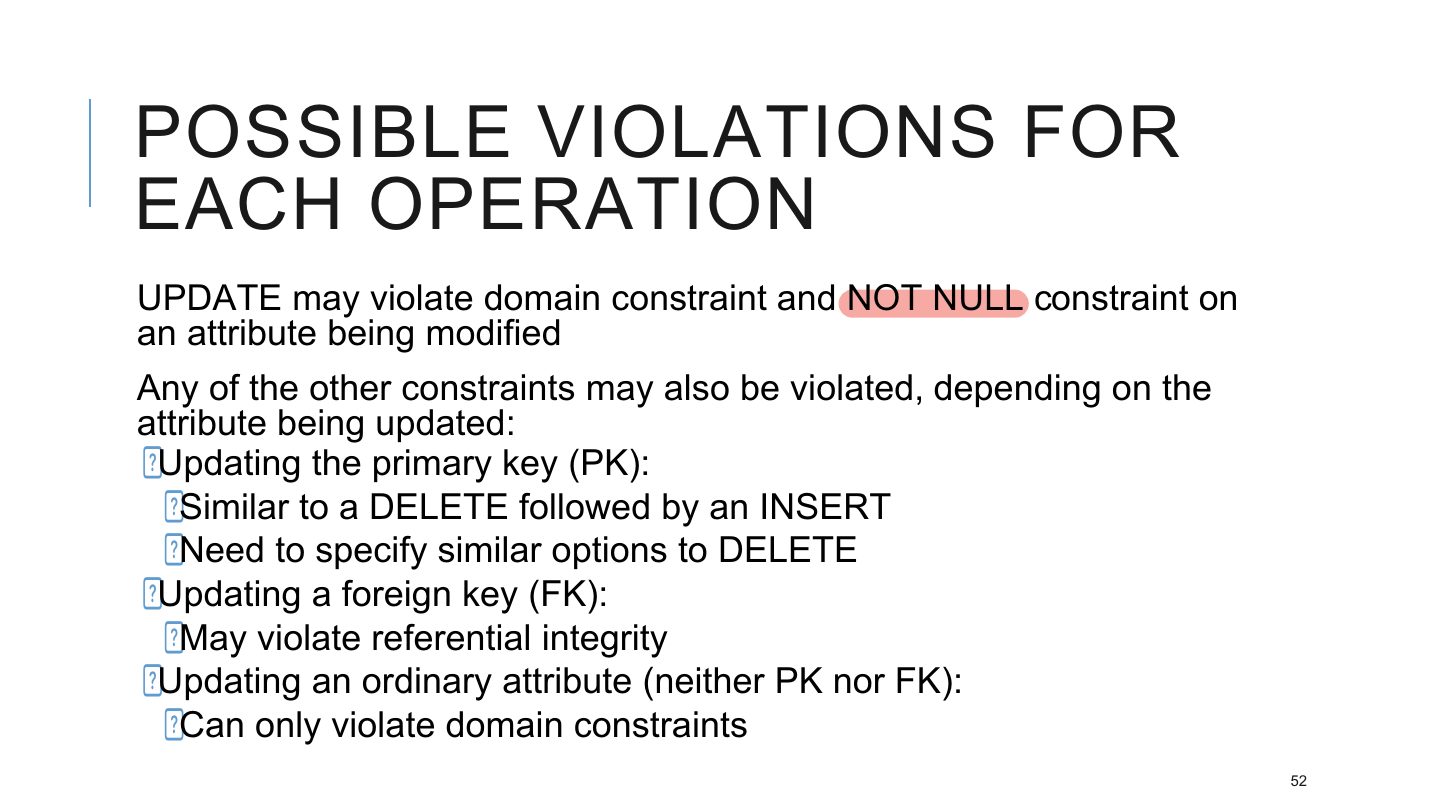
t
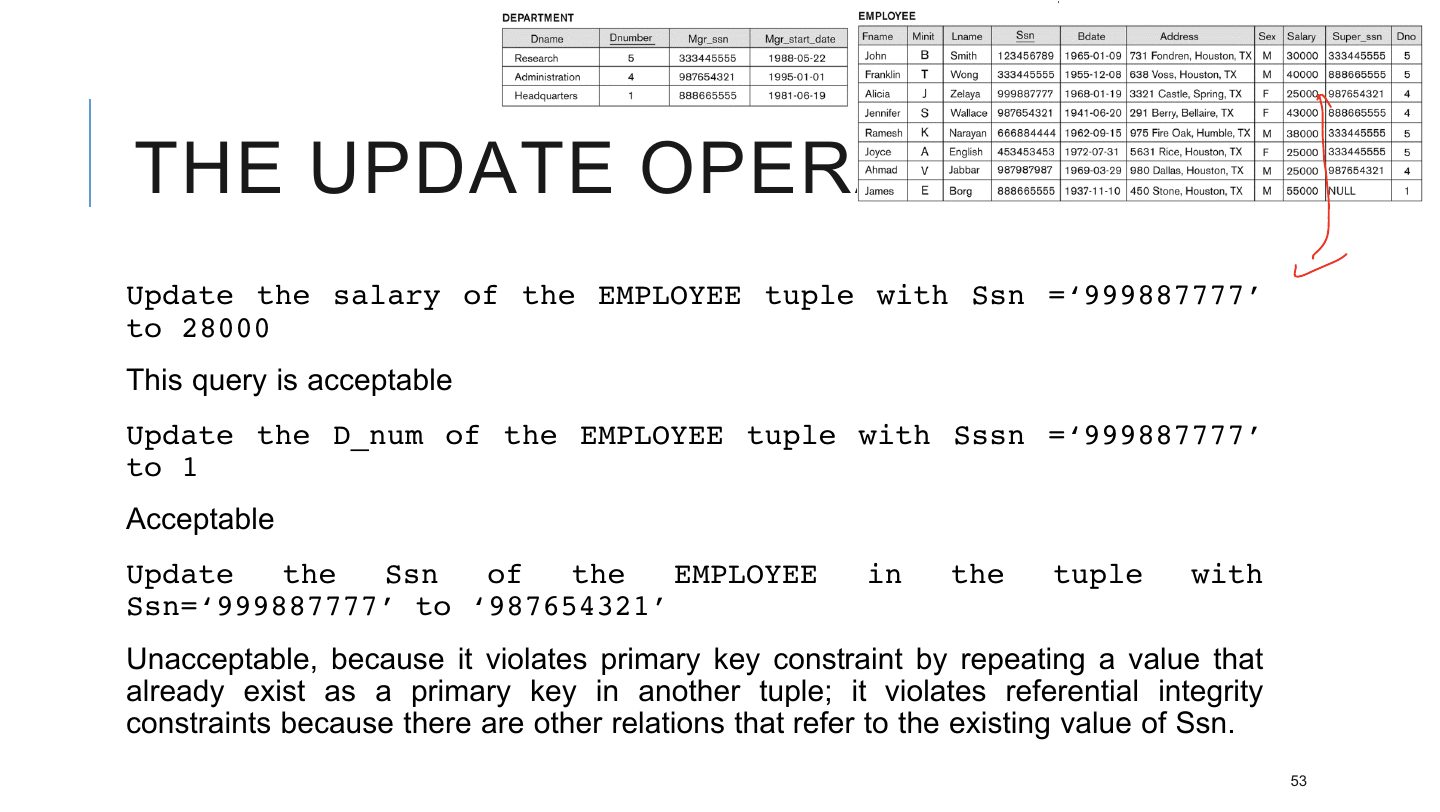
ACTIVITY
NEXT..
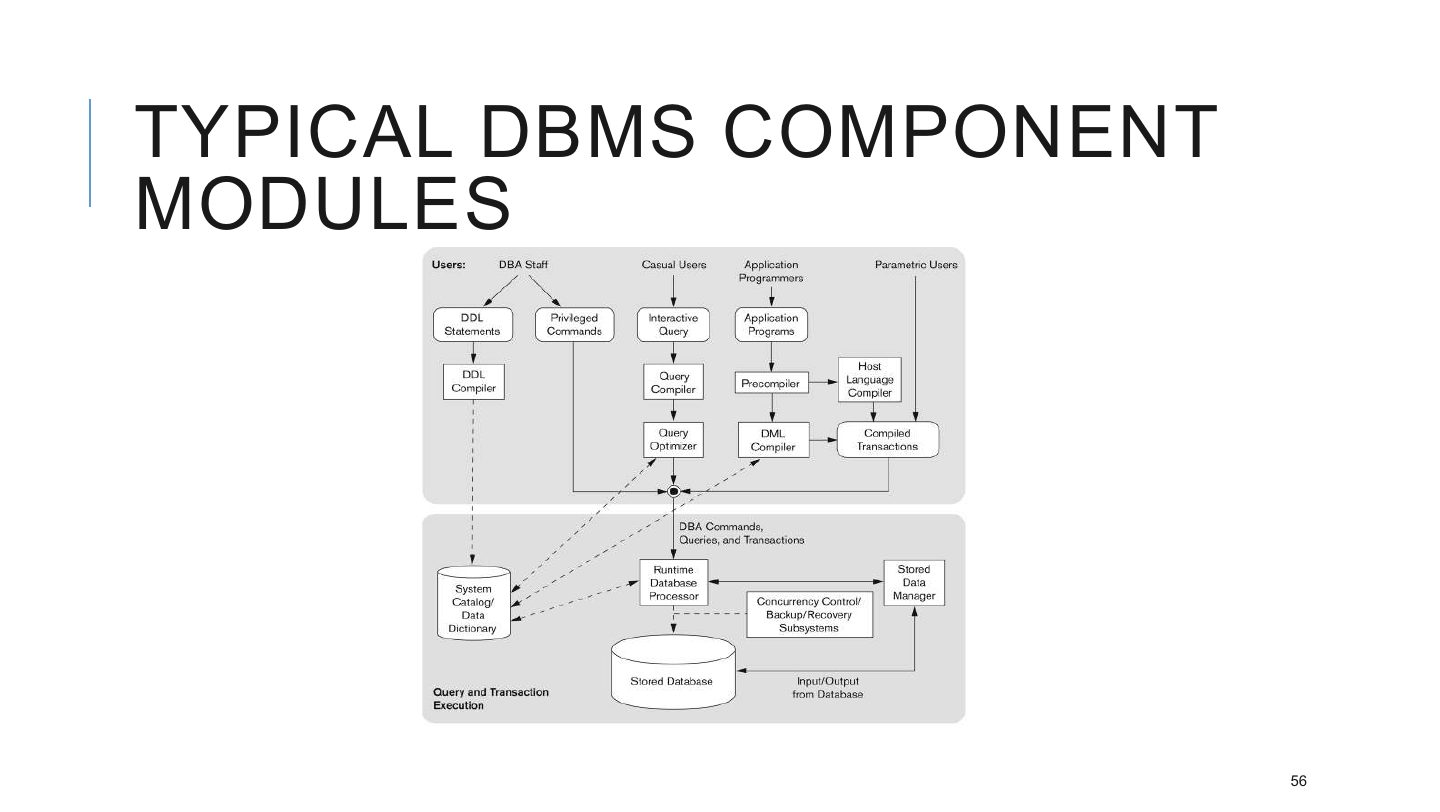
TYPICAL DBMS COMPONENT MODULES
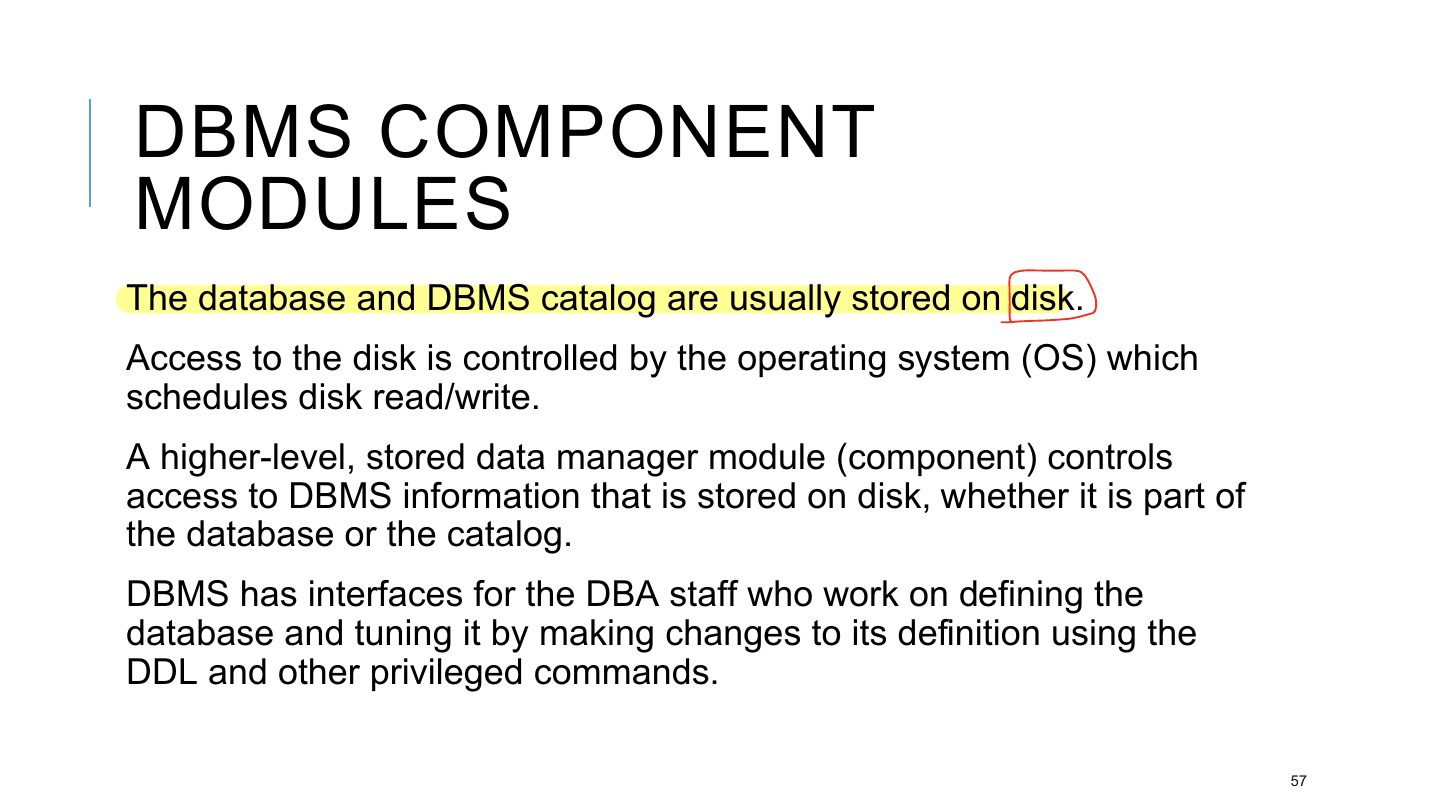
DBMS COMPONENT MODULES
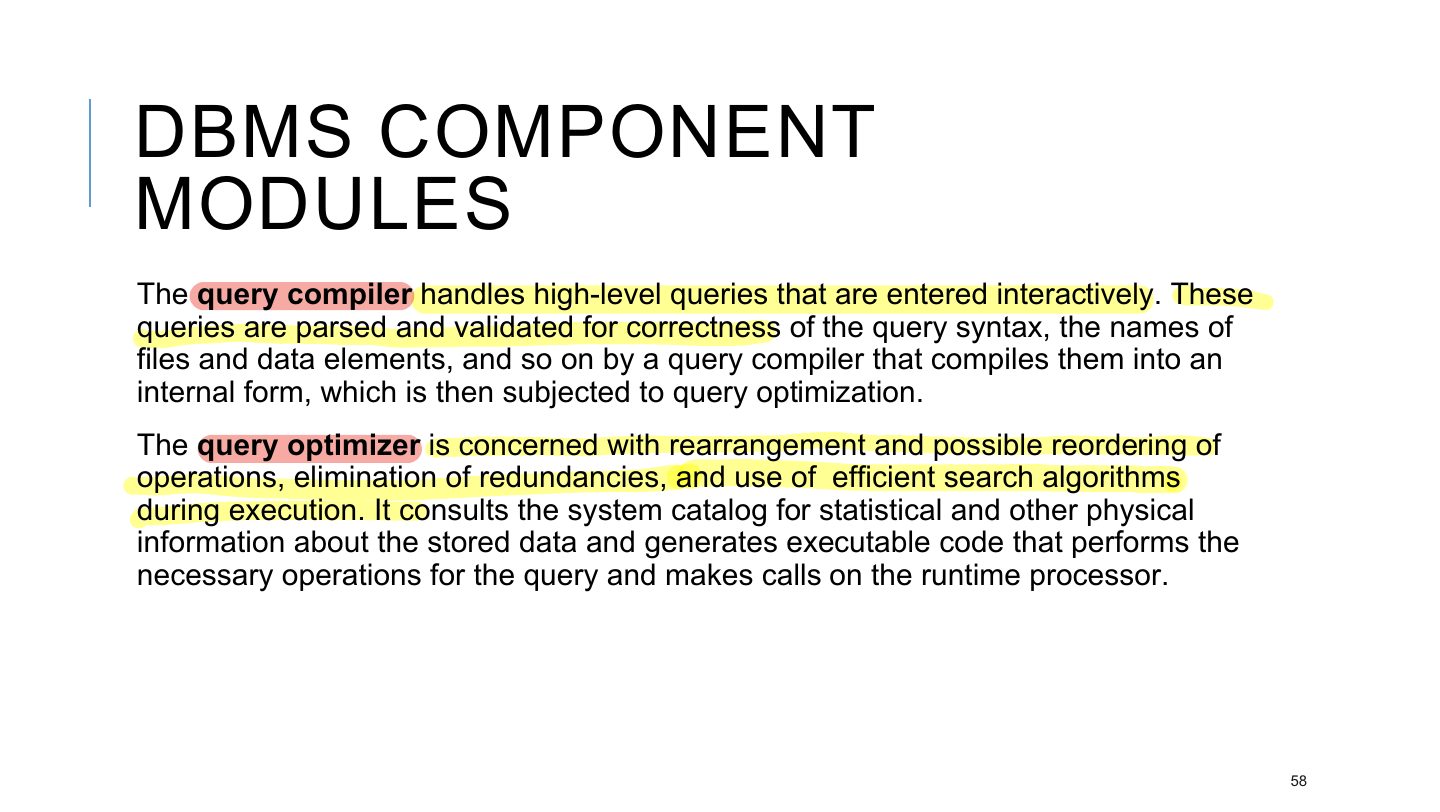
DBMS COMPONENT MODULES
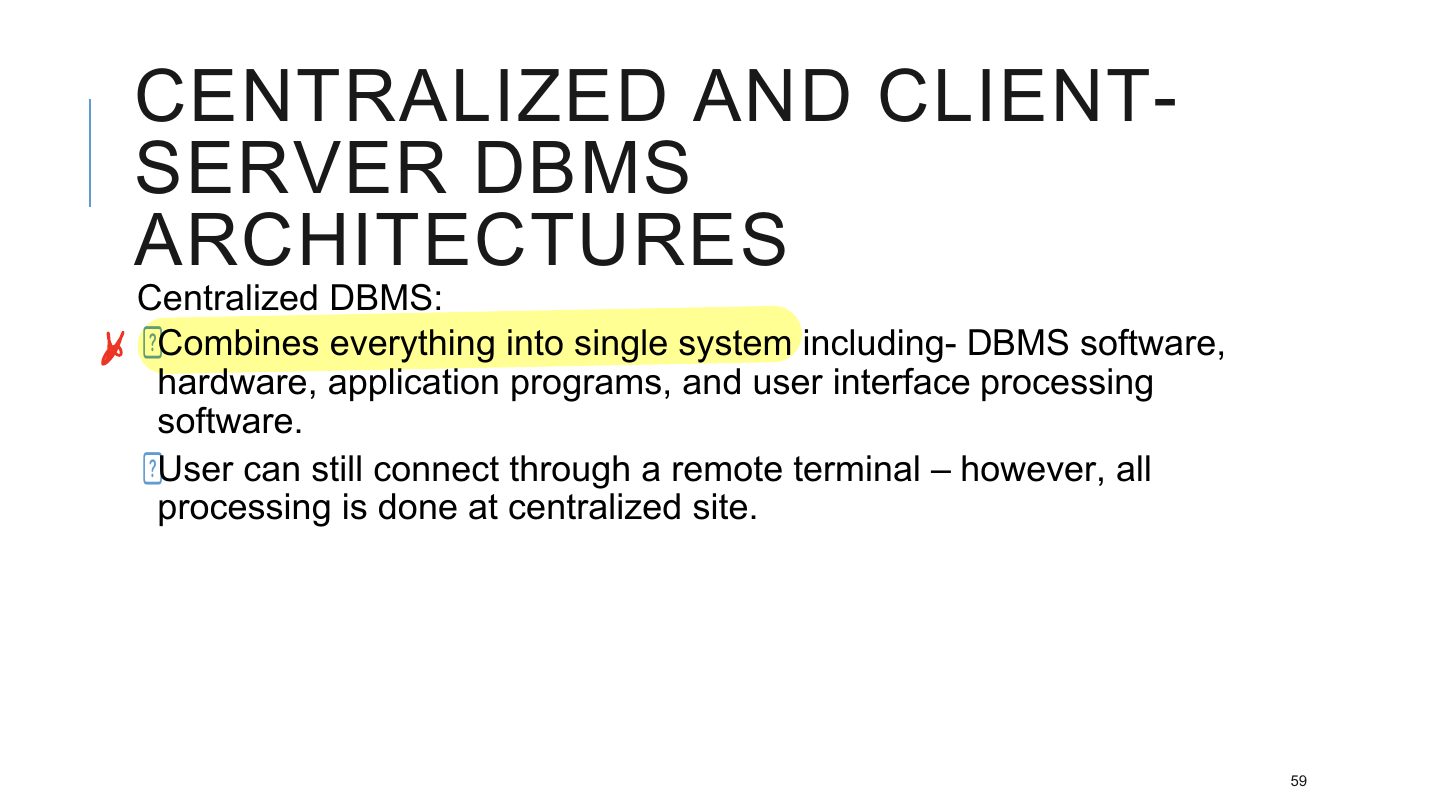
CENTRALIZED AND CLIENT- SERVER DBMS ARCHITECTURES
A PHYSICAL CENTRALIZED ARCHITECTURE
BASIC 2-TIER CLIENT- SERVER ARCHITECTURES
Notes
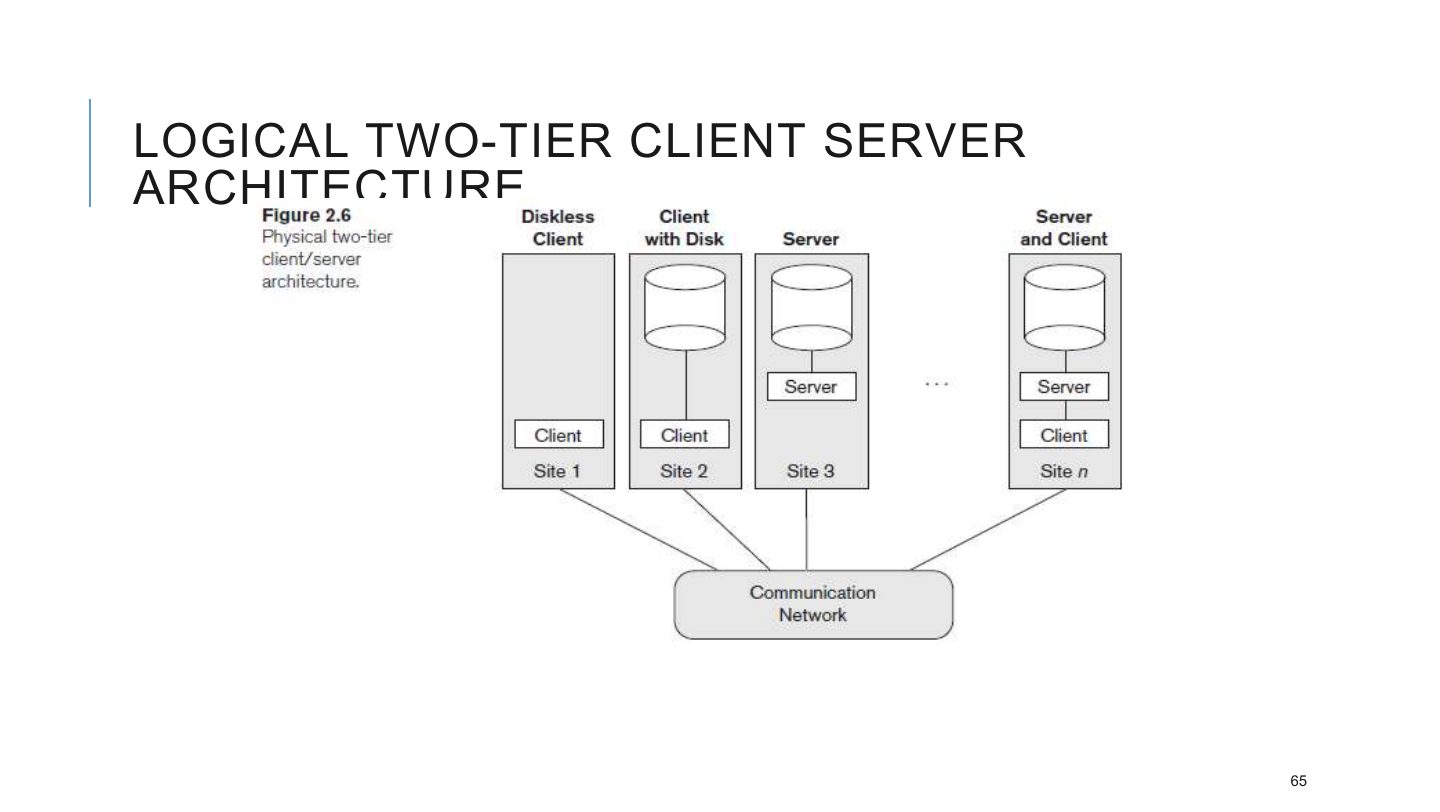
Two-tier: client (UI + application) talks directly to the DB server.
PHYSICAL TWO-TIER CLIENT SERVER ARCHITECTURE
CLIENTS
DBMS SERVER
LOGICAL TWO-TIER CLIENT SERVER ARCHITECTURE
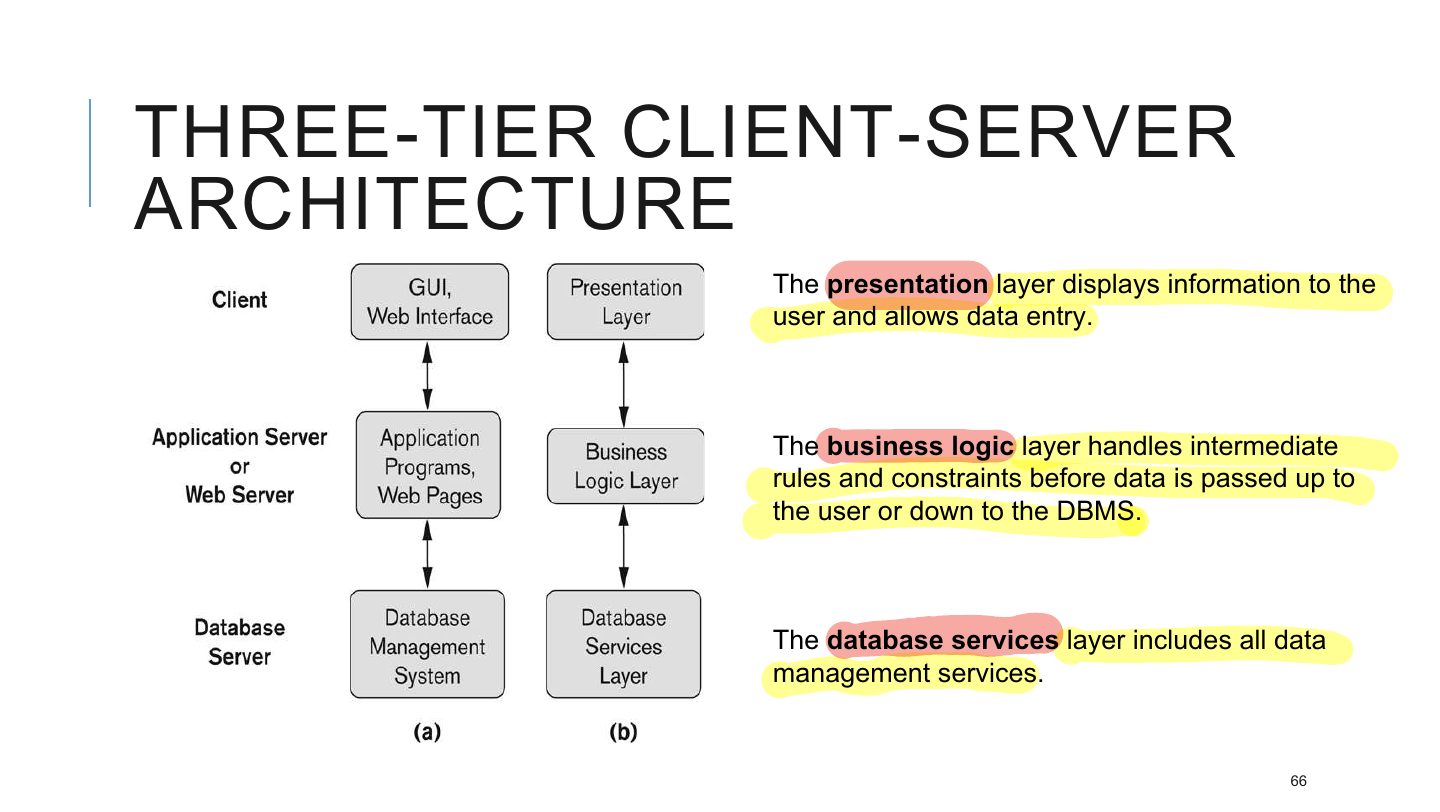
THREE-TIER CLIENT-SERVER ARCHITECTURE
Notes
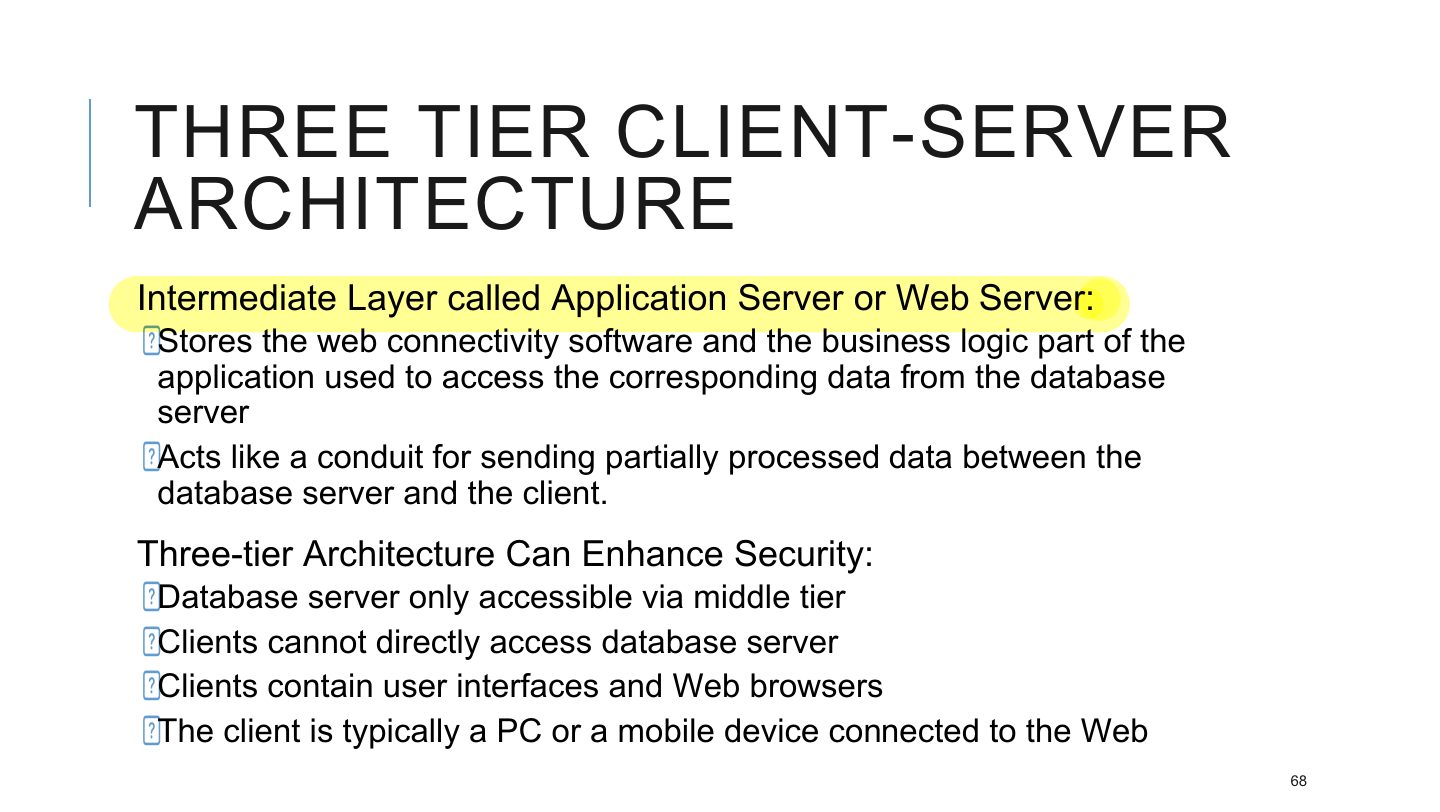
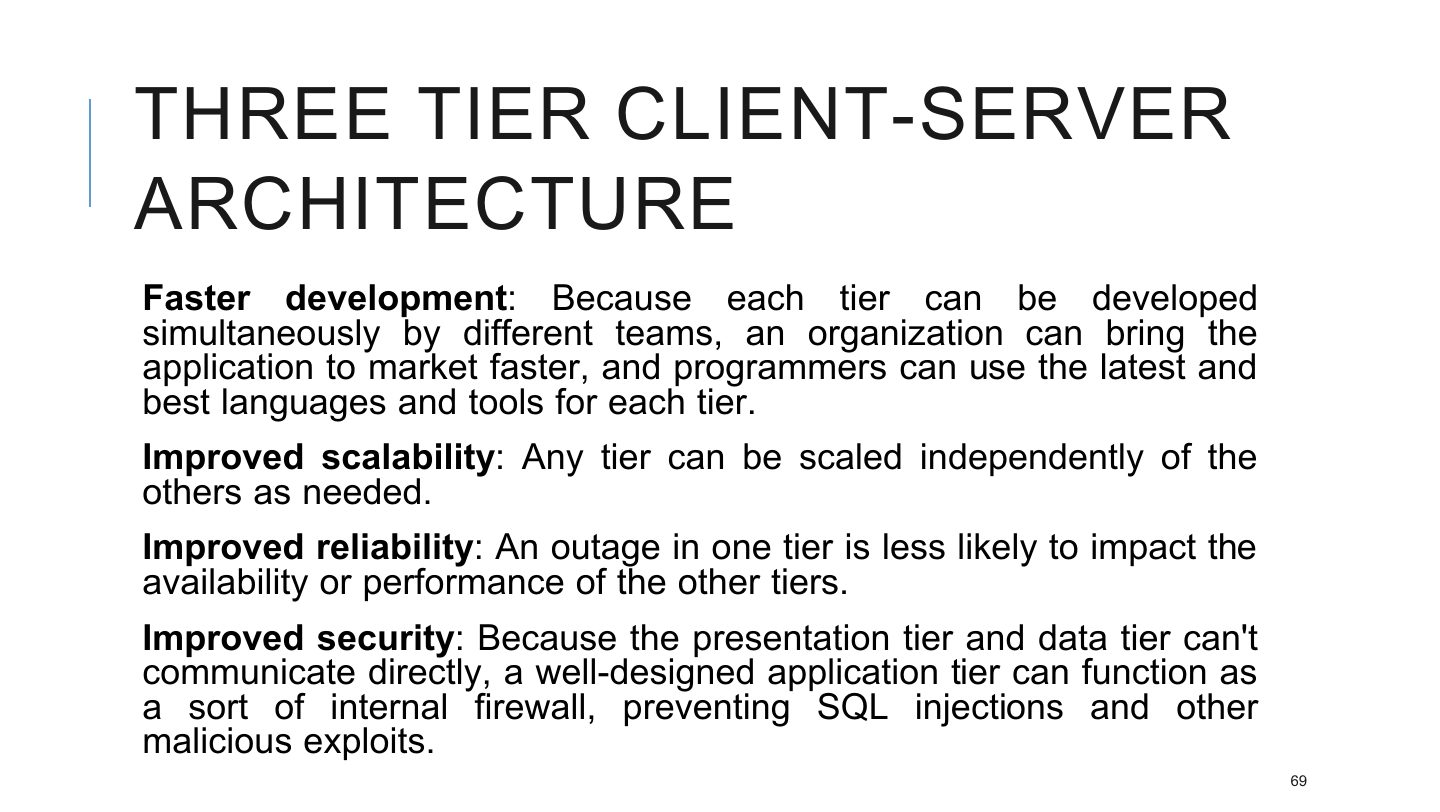
Three-tier: client → application (web) server with business logic → database server. Typical for web apps.
Exam angle
Q5: the architecture used by web apps
where business logic lives
In a three-tier architecture, business logic lives in:
THREE TIER CLIENT-SERVER ARCHITECTURE
THREE TIER CLIENT-SERVER ARCHITECTURE
THREE TIER CLIENT-SERVER ARCHITECTURE
SUMMARY